





























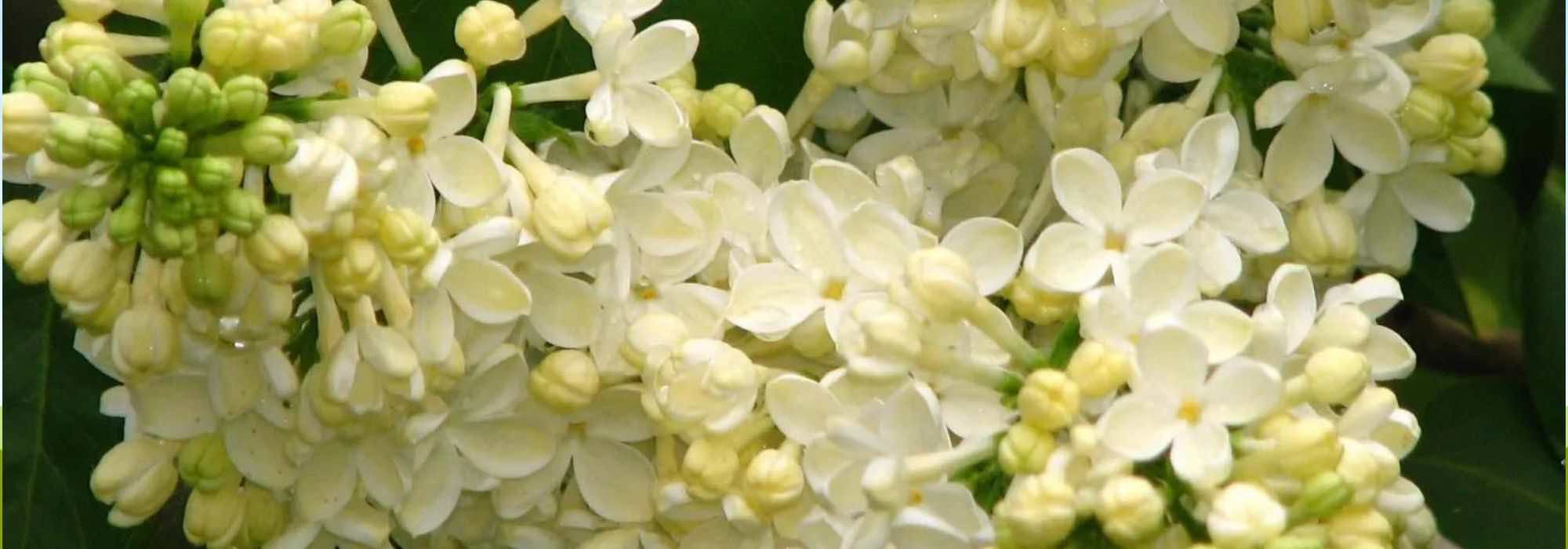
Discover seven hedge shrubs with spectacular spring flowering
Our selection for mixed or informal hedges
Contents
The arrival of spring signals renewal in the garden. It’s the moment when nature wakes up, bringing with it an explosion of colour and fragrance. In this article, we invite you to discover 7 hedge shrubs that stand out for their beauty and their ability to transform your garden from the very first days of spring.
These spring-flowering hedge shrubs have been selected for their diversity and adaptability to different climates and soil types. Whether you wish to create a low hedge to subtly delineate your space or a taller hedge to preserve your privacy, you will find in this list species capable of meeting your needs while offering a lovely floral display.

Japanese quince 'Flocon Rose'
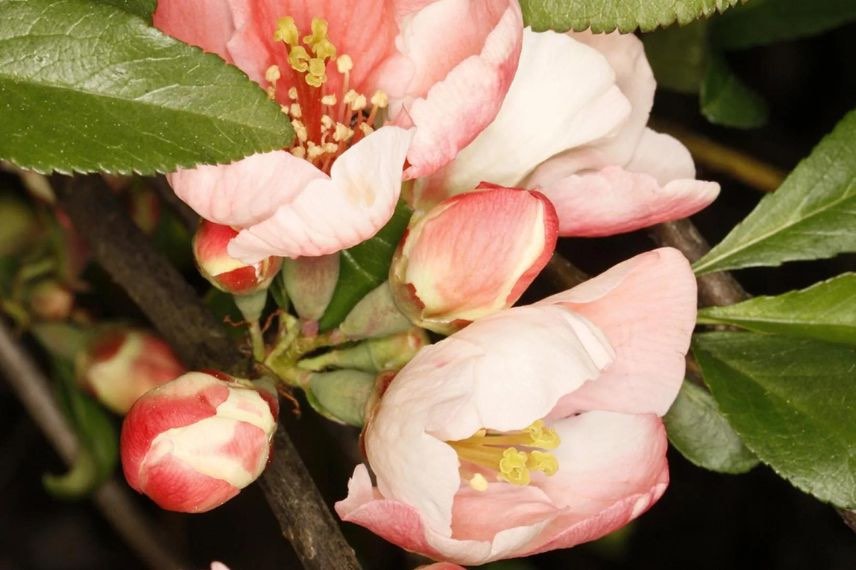
Let’s start with the earliest to bloom: the Japanese quince ‘Flocon Rose’, from Chaenomeles speciosa, enchanting gardens in early spring, even late winter, with its abundant pink blossoms. This deciduous, lightly thorny bush is distinguished by its dense, spreading form. In autumn, it bears small yellow aromatic quinces, prized once cooked. Its culture is easy in a free-standing hedge and it proves particularly hardy.
Adapted to a range of soil conditions and exposures, it prospers in full sun as well as partial shade. Over time, it forms an imposing bush, reaching about 2 metres tall and wide. Its flowering extends from March to early May and consists of melliferous flowers, pink to pale pink, grouped in threes to fives, which emerge on last year’s shoots.
The leaves, appearing after the flowers, are glossy green and form dense foliage. In autumn they turn yellow before dropping, making way for the fruits. The Japanese quince ‘Flocon Rose’ blends perfectly in a hedge with other fragrant shrubs that bloom at staggered times, such as Lonicera fragrantissima or lilacs.
Lilac or Syringa vulgaris 'Primrose'
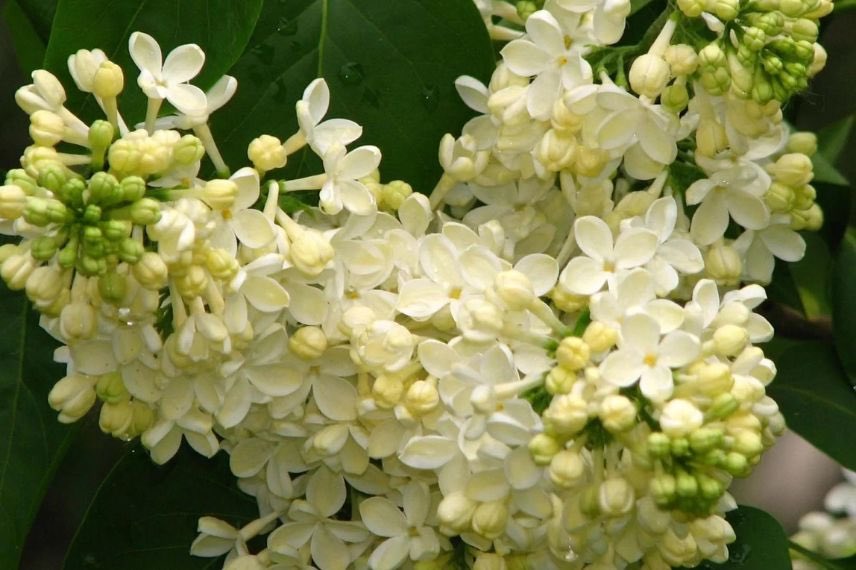
Lilac ‘Primrose’, not widely grown, proves to be an exceptional variety among lilacs, thanks to its spring inflorescences of pale yellow that are never seen in lilacs. Its single flowers, grouped into dense spikes, add a touch of softness and delicacy to the garden, while diffusing a captivating fragrance. This bush, with dark foliage and creamy flower clusters, becomes a striking spectacle in spring. Its silhouette is majestic, often formed of several trunks.
After a period of neglect in favour of lilacs of American or Asian origin, European lilac and its hybrids are experiencing a revival, as with antique roses. ‘Primrose’ was discovered in the Netherlands in 1949. It has received the Royal Horticultural Society’s Award of Garden Merit.
With an erect habit and a height usually under 3 metres, ‘Primrose’ flowers in April or May. It integrates harmoniously with other lilacs in varied colours or within mixed hedges, alongside roses, prunus and ornamental crab-apples, creating an enchanting spectacle in spring.
Camellia 'Paul Sérusier'
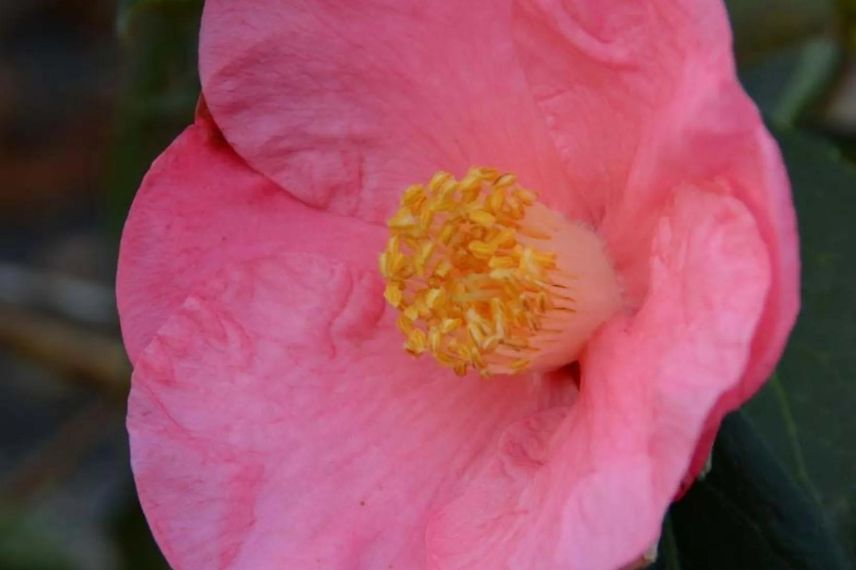
The Camellia ‘Paul Sérusier’ stands out for its vigour and its ability to produce abundantly large semi-double flowers in a brilliant pink from April to May. With its upright habit and rapid growth, this bush is well suited to hedges, where it brings a touch of lasting elegance thanks to its evergreen foliage. It is a favourite choice for gardens in a mild, damp climate.
Originating from Camellia reticulata, ‘Paul Sérusier’ shares with its ancestor broad leaves and an impressive flowering, notable for both the size and colour of its blooms. In ten years, it reaches about 1.50 m in height with a 1 m spread, and continues to fill out until reaching 2.30 m in height and 1.25 m in width at maturity. Its flowers, a captivating bright pink, consist of rounded and firm petals surrounding a heart of yellow stamens, and drop once faded to leave the bush ever immaculate.
The evergreen foliage, comprising large elliptical leaves, dark green and slightly glossy, adds to the appeal of this bush, which tolerates temperatures down to -10/-12°C, though its flower buds may suffer below -5°C. Camellia ‘Paul Sérusier’ thrives in acidic, humus-bearing, well-drained soils, preferring semi-shaded to shaded exposures.
In a hedge, it pairs harmoniously with other acidophilous plants such as Mountain Laurel or Deutzia for a display rich in colour and texture.
Read also
5 viburnums to create a hedgeElderberry 'Black Lace'
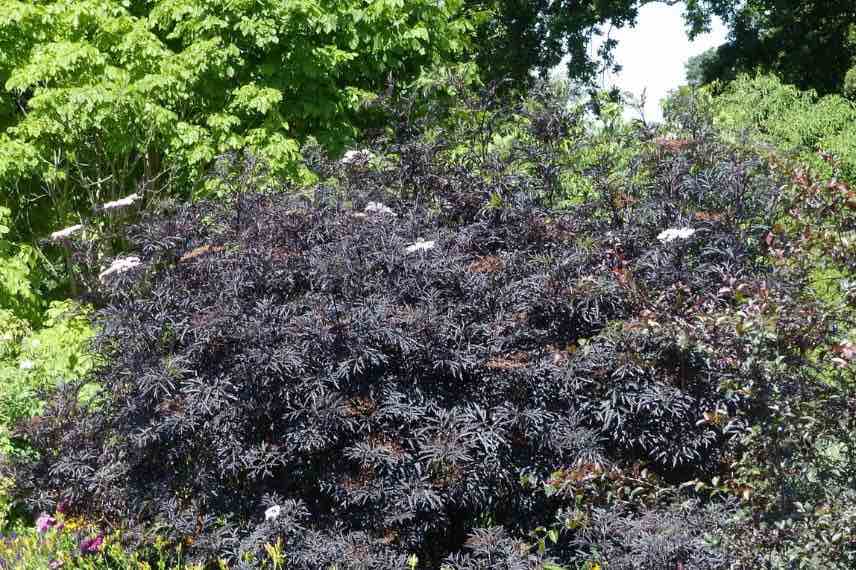
The elder ‘Black Lace’ (Eva) offers unique foliage, finely cut, reminiscent of Japanese maples, in a deep purple colour, almost black, which retains its colour until the leaves fall in autumn. In May and June, it blooms with delicate pale pink umbels turning to cream-white, enhanced by the contrast with its dark foliage. These flowers, melliferous, are then followed by red berries which turn black, attracting birds. This bush, which adapts to a wide range of soils, displays exemplary hardiness.
‘Black Lace’ stands out for its bushy, spreading habit, able to reach 2.5 m in height and 3 m in width at maturity. Easy to grow, this elder fits perfectly into a free-form hedge. Paired with Guelder-rose, Weigelas, mock oranges, it creates harmonious and charming plantings. The elder ‘Black Lace’ is a versatile and aesthetic option that enriches biodiversity.
Ribes odoratum or golden currant
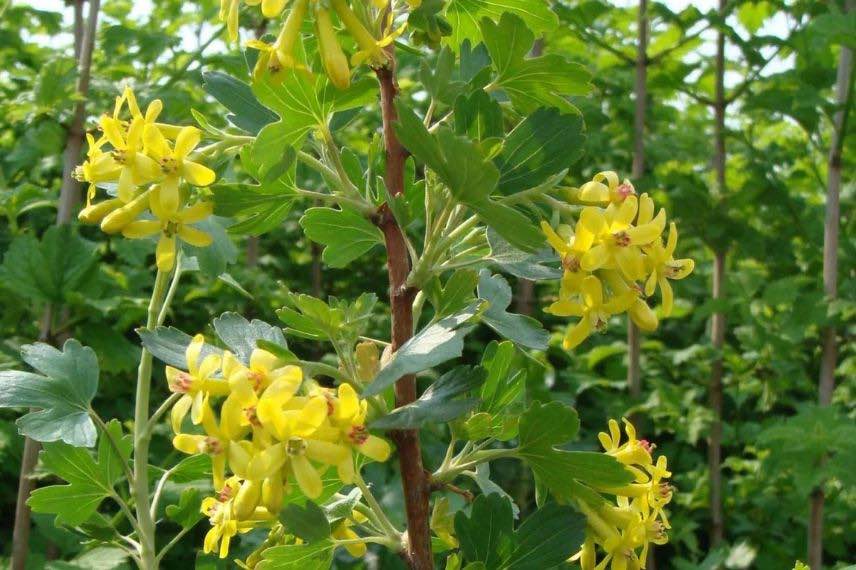
Ribes odoratum or Golden currant is a deciduous bush with pendulous clusters of yellow flowers that emit a delicate, yet noticeable fragrance. Although its black summer fruits are edible, they are generally regarded as having little culinary appeal. This currant is particularly valued for its hardiness and lends itself well to the creation of informal hedges.
Native to North America, the Golden currant reaches about 2 metres in height and width. Its bushy nature and its bushy, rounded habit, with pubescent new growth evolving into thornless shoots, give it dense and attractive growth. Flowering occurs in April–May, after leaf emergence, and is characterised by clusters of small yellow flowers.
The foliage of Ribes odoratum appears early in spring; it consists of light-green, dentate leaves that take on a beautiful purplish-red colour in autumn. For optimal growth, plant this bush in ordinary, deep soil, even calcareous, rich and moist. It will thrive in both partial shade and full sun. Plant it in a spring scene with a Mexican orange blossom and Exochorda ‘The Bride’.
Deutzia 'Pride of Rochester'
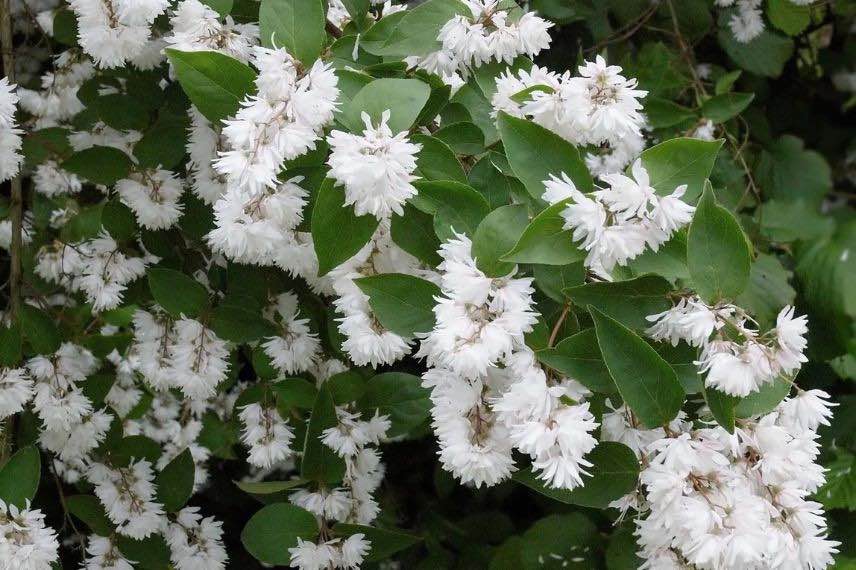
Deutzia ‘Pride of Rochester’ is an old cultivar that continues to captivate with its vigour and spectacular flowering. This deciduous bush is distinguished by an upright yet flexible habit, beautifully developing in spring from pink buds that unfold into double white pom-poms. It also draws attention in autumn thanks to the shimmering colours of its foliage.
Awarded the Royal Horticultural Society’s Award of Garden Merit for its exceptional qualities, ‘Pride of Rochester’ can reach up to 3 metres tall and 2 metres wide and exhibits rapid growth and a spreading habit with age. Its lanceolate leaves are dark green on the upper surface and a lighter green underneath. Flowering is fragrant and takes place in May and June.
Deutzia ‘Pride of Rochester’ requires special care to avoid adverse effects of drought and shallow soils, but tolerates calcareous soils well. It is advisable to protect it from direct sun and strong winds to preserve its magnificent flowering. In a mixed hedge, this bush forms attractive associations with other spring- or summer-flowering plants, such as Van Houtte’s Spiraea, dog roses or Buddleias, as well as evergreen foliage.
Kolkwitzia amabilis 'Maradco'
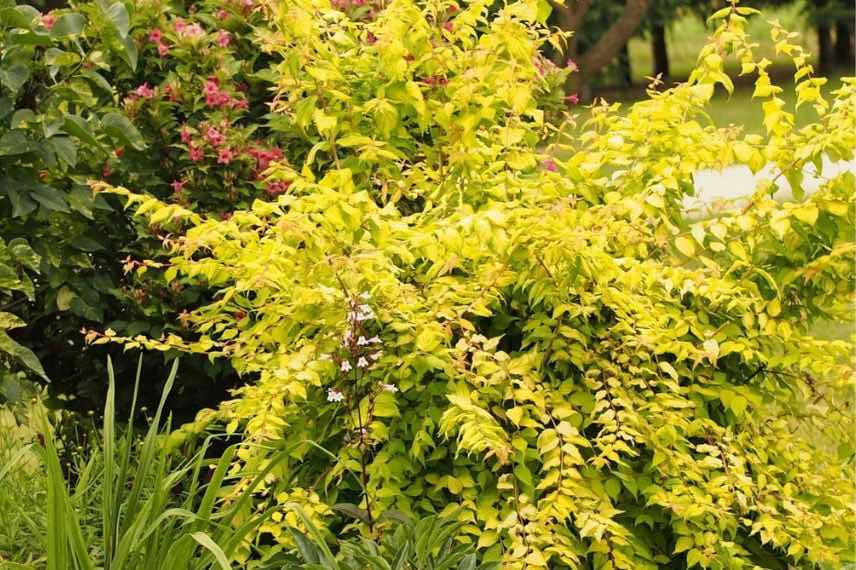
The Kolkwitzia amabilis ‘Maradco’ draws attention from spring with its new golden leaves that brighten the garden. They showcase a dense corymb flowering of small bell-shaped flowers in soft pink and lilac, releasing a pleasant fragrance on warm days. This deciduous shrub is notable for its hardiness and low water needs, readily adapting to various soil types and climates.
- Subscribe!
- Contents
Comments