





























Maintaining the lawn during a heatwave
Our tips for caring for your lawn during hot weather
Contents
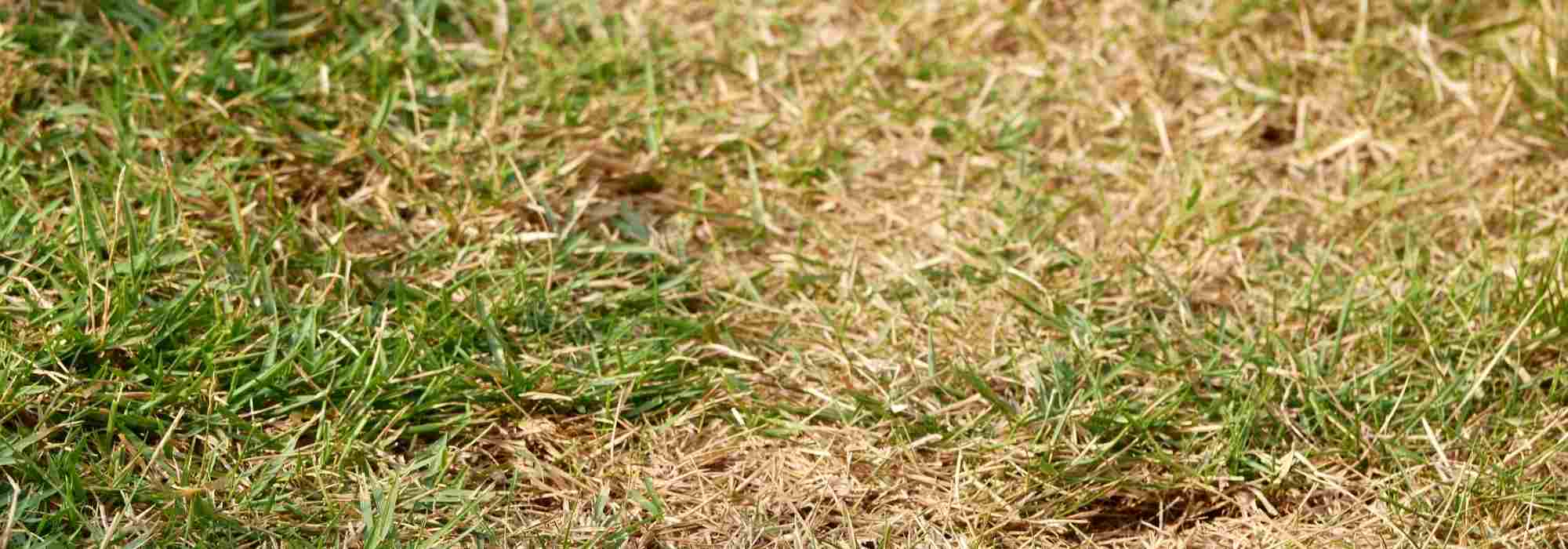
The lawn, as green as it may be in spring, tends to yellow in summer due to heat and lack of water. A prolonged drought and repeated scorching rays of the sun can lead to a degraded lawn that becomes sparse, resembling an old doormat. During heatwaves, the damage can be significant. Moreover, as the years go by, your lawn is less likely to escape this fate! A few simple actions can help you anticipate and cope with this phenomenon. Discover how to care for your lawn during a heatwave, the good habits to adopt, and how to help it survive this critical period!

Choosing a heat-resistant lawn
To stay lush and green, it’s no mystery that lawn requires regular watering, making it vulnerable during periods of drought and water restrictions. Choosing a lawn that is naturally heat-resistant and better suited to poor, dry soils is a good start. If your garden is also south-facing, selecting the right type of lawn is essential. This doesn’t mean it will stay green during a heatwave, but it will have a better chance of recovering after this critical period. Choose a good lawn seed mix based on drought-resistant, wear-tolerant grasses such as ryegrass (at least 40%), tall fescue (over 50%), or fine fescue. This will help maintain a beautiful lawn in all seasons while requiring less watering. Among the water-efficient lawns suited for very sunny, hot, dry areas and regions regularly facing water restrictions:
- The “Dry ground lawn”: a perfect mix for creating a water-efficient lawn that is heat and drought-resistant.
- The “Smart South and seaside lawn” contains a mix of drought-resistant grasses.
- The Cynodon dactylon lawn, or “tropical lawn”, is a grass particularly suited to dry, hot climates. It withstands heat and drought well while being hardy down to -9 to -12°C.
- Kikuyu is a less hardy grass used as an alternative lawn in mild climates that performs well during dry summers.
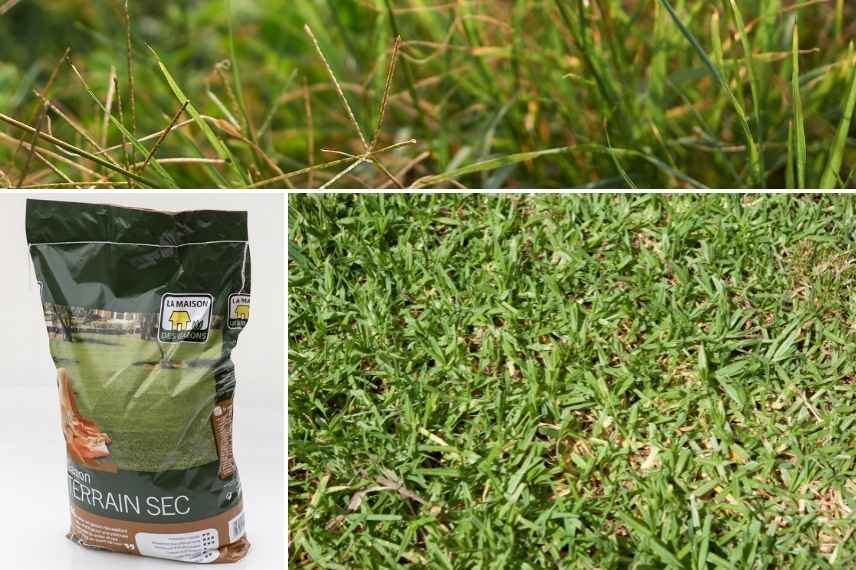
Above: Cynodon Dactylon. Below right: special dry ground grass mix; left: kikuyu
Anticipate the heatwave!
Yes, it is possible to strengthen your lawn and prepare it for the heat! Cutting too short throughout the year contributes to the drying out of the lawn in summer. The reason: the root system of grasses does not have time to develop deeply in the soil, making your herb more sensitive to drying out. A drought-resistant lawn is one with deep roots. Mow high (at 8 to 9 cm), not short! Regular and sensible mowing in spring and autumn stimulates the growth of the lawn. The denser the lawn, the more it will retain moisture and the better it will withstand heatwaves. So before summer, avoid mowing too closely to give your lawn time to gather strength!
And consider mulching, this alternative mowing technique that allows you to leave the mowing residues in place. The finely chopped grass blades will form a protective natural mulch layer against the fierce sun, limiting water loss through evaporation and thus reducing the need for watering. A mulched soil before summer with a layer of mowing will retain moisture longer than bare soil and, in addition, as it decomposes, these organic materials will provide nutrients to the soil, making it more resistant to drying out.
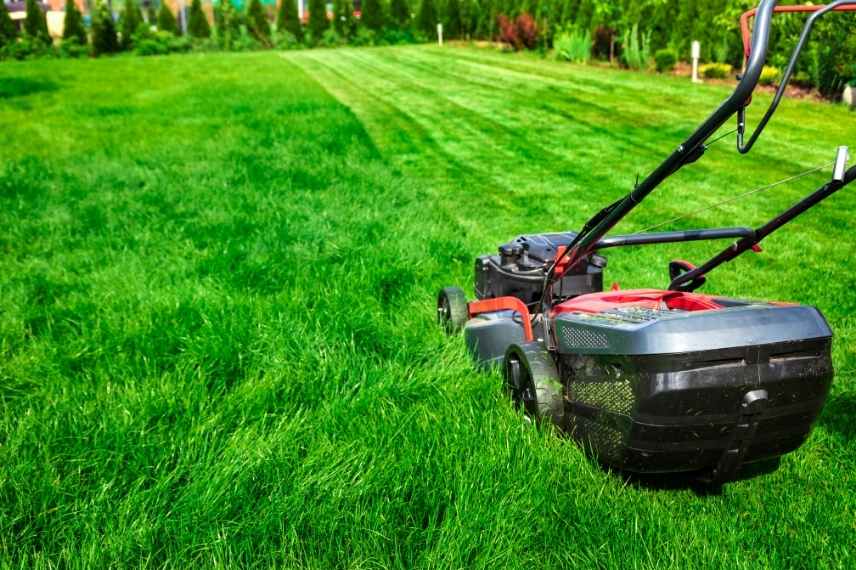
The mowing height will be essential in the weeks leading up to summer
Discover other Lawn
View all →
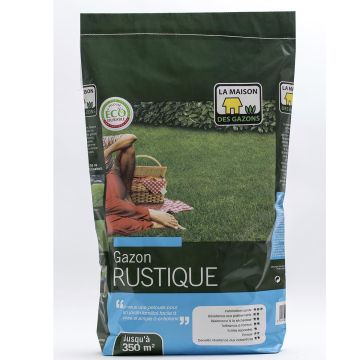
Available in 1 sizes
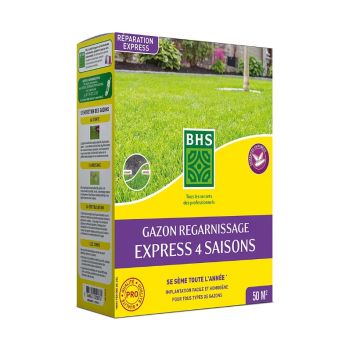
Available in 3 sizes
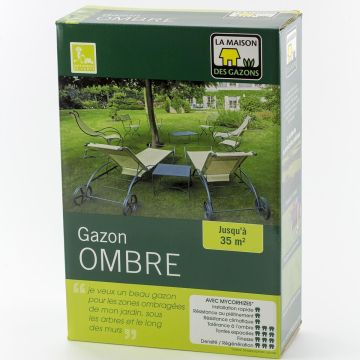
Available in 1 sizes
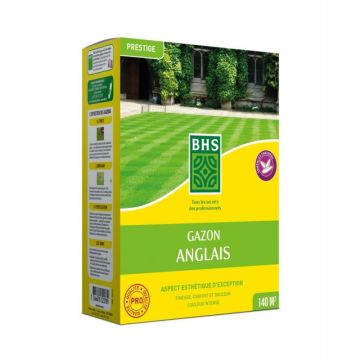
Available in 2 sizes
Available in 1 sizes
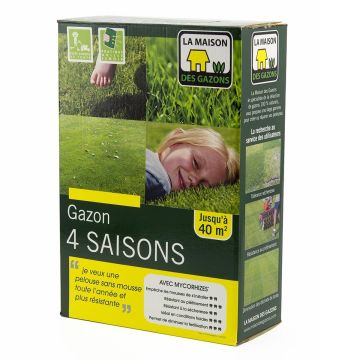
Available in 2 sizes
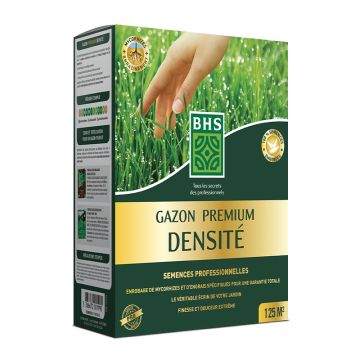
Available in 1 sizes
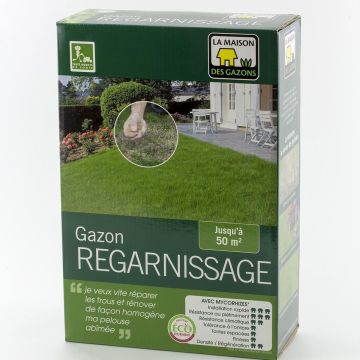
Available in 3 sizes
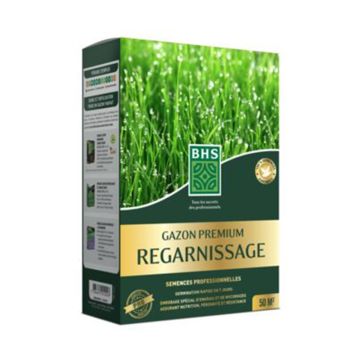
Available in 1 sizes
Available in 1 sizes
How to water your lawn during a heatwave?
In summer, when the mercury rises, your lawn enters dormancy and its growth slows down. If you have followed our advice and maintained appropriate mowing heights, your lawn will require less water. However, if temperatures become scorching, it will need to be watered at the right frequency and time. Ideally, it is recommended to water thoroughly once a week during extreme heat. This irrigation should be generous enough to reach the deeper layers of soil. Preferably, water early in the morning or after sunset, never under the blazing sun, to limit water loss through evaporation due to soil heat and to avoid burning your lawn. However, if your region is subject to water restrictions (which is currently the case in many areas), things become complicated! The best way to avoid running dry when summer arrives is to anticipate water shortages by installing water butts! Provided it has rained sufficiently and you are not using this precious rainwater instead to water your vegetable garden… In terms of watering priorities, the lawn generally comes last.
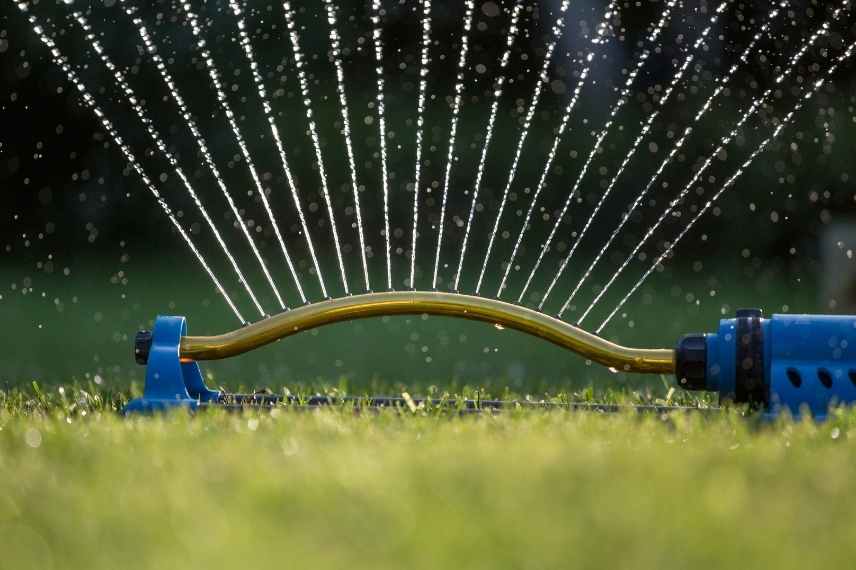 Watering yes, but only if water restrictions are not in place.
Is it doomed without watering?
Even after a scorching summer, your completely scorched lawn can rise from the ashes! If, in the absence of rain and a water butt, you cannot water your lawn, do not panic! The grass enters dormancy during dry and hot periods to protect itself from stress due to lack of water. Your lawn, once lush and now a straw-like mess due to lack of watering, will quickly regain its vigour and beautiful green colour as soon as the rain returns, leading to its natural greening.
With increasingly frequent summer droughts and heatwaves, why not consider a steppe lawn? Inspired by the steppes, it combines grasses, succulents, bulbous plants, and perennials adapted to an arid climate, with hot, dry summers.
 Autumn rains will greatly contribute to greening the lawns.
Follow Ingrid’s advice in “Water restrictions and watering: How to manage the crisis in the garden?”
Read also
When and how to mow your lawn in summer?Should you mow the lawn during a heatwave?
During a heatwave, mowing your lawn is completely pointless, as are fertiliser applications (you’ll fertilise in autumn, once the heatwave has passed). Just make sure to raise the mowing height before periods of intense heat to better protect it from the sun. It will recover more effectively in autumn!
For more tips, check out our article “When and how to mow your lawn in summer?
For further reading
- “Alternatives to grass: 10 groundcovers to replace the lawn”
- Replacing the lawn: ideas and solutions
- Sunburnt lawn: what to do?
- Which lawn to choose?
- Having a beautiful lawn in 10 questions – answers
- How to maintain your garden in summer?
- Subscribe!
- Contents

Comments