





























Mountain gardening: which vegetables to sow and plant?
Our selection of vegetables adapted to harsh climatic conditions
Contents
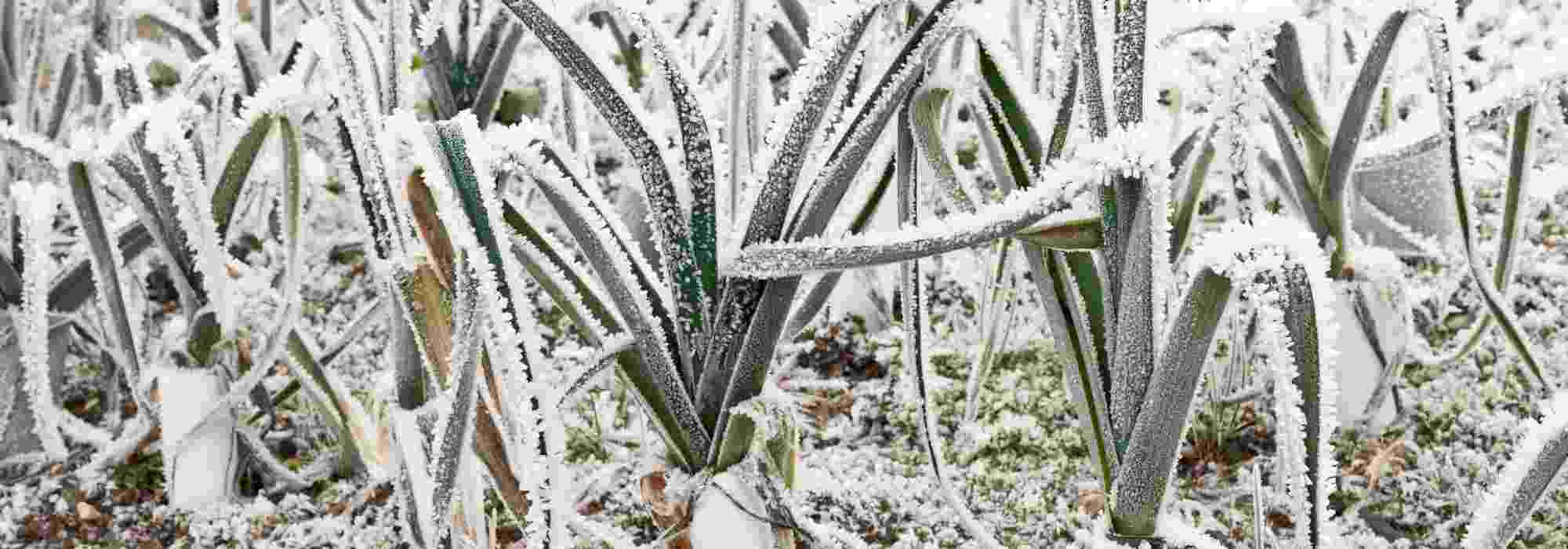
If you live in the mountains, you are lucky to enjoy the joys of skiing, snowshoeing or dog-sledding, and long treks to the summits… You know how to cope with the winter cold, long spells of snow, and late frosts.
However, gardening is a somewhat more challenging activity due to extreme winter conditions and the relatively short growing season.
Admittedly, you won’t necessarily grow the same vegetables as in the south of France, but you’ll certainly benefit from better conditions in summer.
Discover the main vegetables best suited to growing in a mountain kitchen garden.

What are the characteristics of the mountain climate?
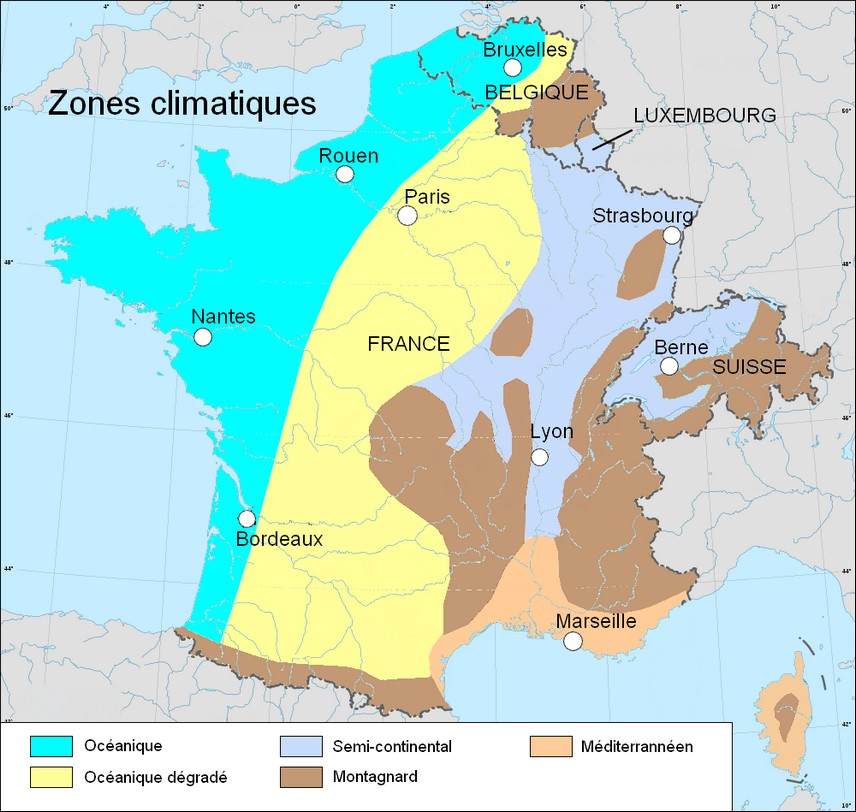
The mountain climate in France applies to the Pyrenees, the Alps, the Massif Central, the Jura and the Vosges. However, climatic conditions differ markedly depending on the altitude at which one lives and gardens. Thus, personally, I live in the mountain zone, at an altitude of between 600 and 650 metres, and I enjoy a genuine mountain climate. Beyond 1,000 m and up to 1,500 m, one can consider it to be mountain. After that, one reaches high mountain elevations.
Nevertheless, even if these altitude differences can affect climatic conditions, it is undeniable that in the mountains the climate is demanding and punishing, for both gardeners and plants. The winters are long and cold, marked by heavy snowfalls and temperatures that can plunge dizzyingly below 0 °C. As for summers, they are easily marked by abrupt temperature changes, with hot and humid spells and violent storms.
When one wants to grow a vegetable garden in the mountains, it is not only necessary to take into account its particular climatic conditions, but also to allow for a considerably shorter growing season. Indeed, spring frosts can be very late, and early autumn frosts very early. That is why it is preferable to select, among vegetable varieties, early and quick-maturing varieties. Similarly, it is not feasible to plant summer vegetables, a touch frost-prone, before mid-May. Finally, the use of protective measures such as tunnels, cold frames, greenhouses and overwintering nets… is a good option to extend (a little) the growing period. Not to mention winter mulching to protect the vegetables from the cold and soil leaching.
Finally, to save time during the growing period in the mountains, one can favour buying vegetables in pots or in plug plants which will be transplanted after the Ice Saints, between mid-May and early June.
Root vegetables to grow in a mountain vegetable garden
Root vegetables adapt very well to the climate of mid-mountain or high-mountain areas. Primarily because they have good hardiness. However, you should opt for early varieties, which will have a better chance of ripening before major cold spells, or simply resisting early cold snaps. Thus, carrots are fairly well suited to these conditions. Do not sow before mid-March for a summer harvest, and in June–July for a later harvest that can be protected, possibly under a frame to harvest from November to March. In mountain climates, it is preferable to favour short or medium-short varieties, and grelot-type round carrots such as the ‘Paris Market’, an early variety, or the ‘Caracas’ with semi-long roots. The ‘Touchon’ is also an early variety. Just like the Carentan carrot, an old variety with semi-long and cylindrical roots.
Turnips are also vegetables well suited to mountain climates. They can be sown in April, or in July–August for a harvest before the major frosts. Again, we prefer early and hardy varieties. The ‘Early Auvergne rutabaga’ combines all the qualities, as does the ‘Oregon F1 yellow turnip’, an F1 hybrid variety that produces roots with yellow epidermis and white flesh, fairly sweet and sugary. You could also try the ‘Milan turnip with Atlantic pink collar’ which offers a small round root.
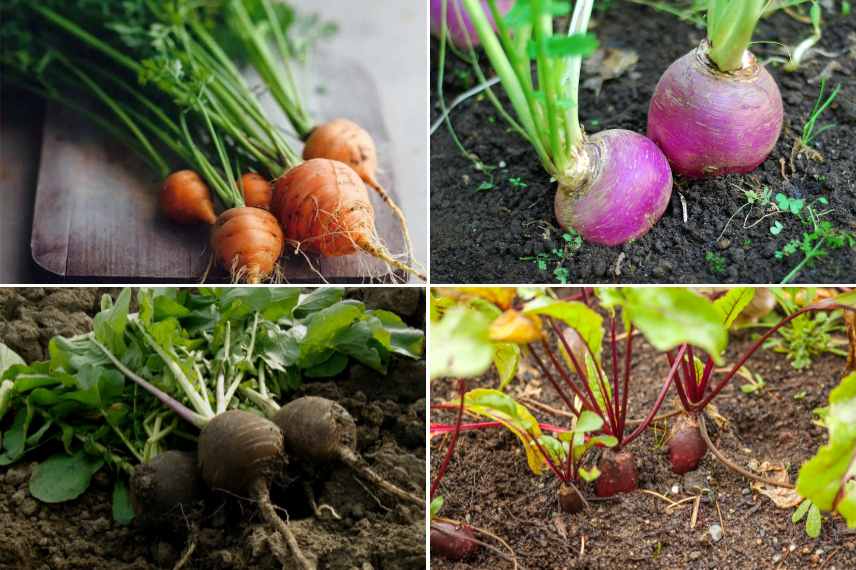
The four essential root vegetables to grow in a mountain garden
Beetroot germinates from 10 to 13°C. In other words, they can thrive in the mountains. Sow from mid-February to mid-March under cover, from early to late April in open ground. And, once again, choose early varieties that will yield their nice roots from mid-June to October. The variety ‘Egyptian Black Flat’ with spherical, flat roots is very early, just like the pretty ‘Chioggia’ with round roots striped white. Finally, the ‘Detroit 3 Race Short Top’ is harvested after four months of cultivation.
Radishes, all varieties can be grown since radish is, by definition, very early. Also think of winter black radishes, and in particular the ‘Winter Long Black Radish’.
Finally, we cannot conclude this paragraph without mentioning the heritage vegetables such as rutabaga, parsnips, Jerusalem artichokes, and horseradish, which stay in the ground and can be harvested in winter.
Leafy vegetables for mountain vegetable gardens
Many varieties of leafy vegetables are grown in the mountains, on the one hand because they grow very quickly (spinach, lettuces), and on the other because they are particularly hardy and even enjoy cool temperatures (cabbages). So there is plenty to enjoy, starting with the cabbages. The Milan cabbages and the white cabbages are particularly interesting for mountain gardens, as are the curly kale, the Brussels sprouts or broccoli. Not forgetting the kohlrabi. Among headed cabbages, you can choose a variety such as ‘Le Bœuf Moyen de la Halle’ with cone-shaped heads, or the ‘Très hâtif de Louviers’, the Blanc hâtif de Vienne among the kohlrabi, or the Azur Star with pretty purple heads. And then, do treat yourself to Daubenton’s perpetual cabbage, which should surprise you.
Spinach, which hates heat and prefers cool soils, will be the kings of the mountain kitchen garden. They should be sown from March to early May for summer varieties, and from mid‑July to mid‑September for winter varieties (‘Giant Winter’). The variety Matador is sown from June to September.
The Swiss chard will also thrive at altitude, since it’s a vegetable that dislikes drought. However, it should be planted in a sunny spot and sown a little later than elsewhere, in May or June for a harvest up to October–November depending on temperatures. The White-stemmed chard shows good cold tolerance. The Cut-and-come-again chard is grown more for its leaves eaten like spinach.
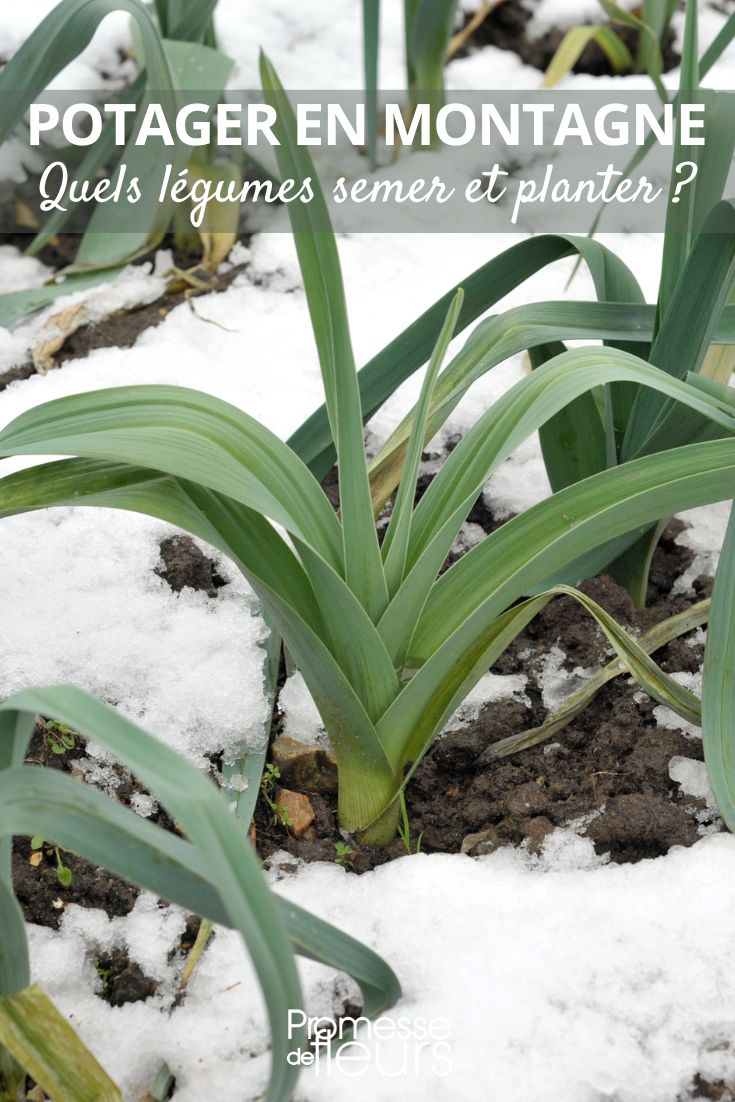
Leeks are very cold-hardy vegetables, so ideal for mountain gardens. However, it is best to buy seedlings and transplant them. Indeed, leek sowing is a little tricky. In the mountains, you can do it, but under cover. Since leeks will overwinter outdoors, choose hardy varieties such as the ‘Bleu d’hiver’, the Winter leek of Saint-Victor’ or the Bleu de Solaize’.

Four vegetables suited to altitude: white-stemmed chard, Giant Winter spinach, Saint-Victor Winter leek and headed cabbage ‘Beef Moyen de la Halle’.
All lettuces can be grown in the mountains, provided you take sowing and harvest dates and their hardiness into account… Nevertheless, some with evocative names such as the Ice Queen, the Grenobloise Red, the lettuce Marvel of the Four Seasons or the Winter Wonder leave little doubt about their adaptability to mountain climates. Lamb’s lettuce also has its place in the mountain vegetable garden.
Other vegetables, perfect for mountain climates
Among other vegetables, many will thrive in a mountain vegetable garden. Such as broad beans, to be sown only from mid-March to mid-April, or peas. For the latter, opt for round-grain varieties, more frost-tolerant and above all much quicker to harvest, such as ‘Pois nain très hâtif d’Annonay’, ‘Rondo à écosser’ or ‘Douce Provence’ among the earliest varieties. Sowing takes place from mid-March to mid-April.
Beans also grow very well at altitude. It is important to favour dwarf varieties, quicker to harvest, rather than climbing varieties. Again, early varieties are the most recommended. I invite you to discover the earliest varieties in this article: How to choose beans?
The essential trio of alliums (garlic,shallot and onion) can also be planted in mountain gardens. It is best to sow them in spring to harvest in late summer.
Potatoes are also staples that can be grown anywhere. To give yourself the best chance, choose early varieties. Planting will take place between late April and early May, or in June for very early varieties such as the ‘Siterma’.
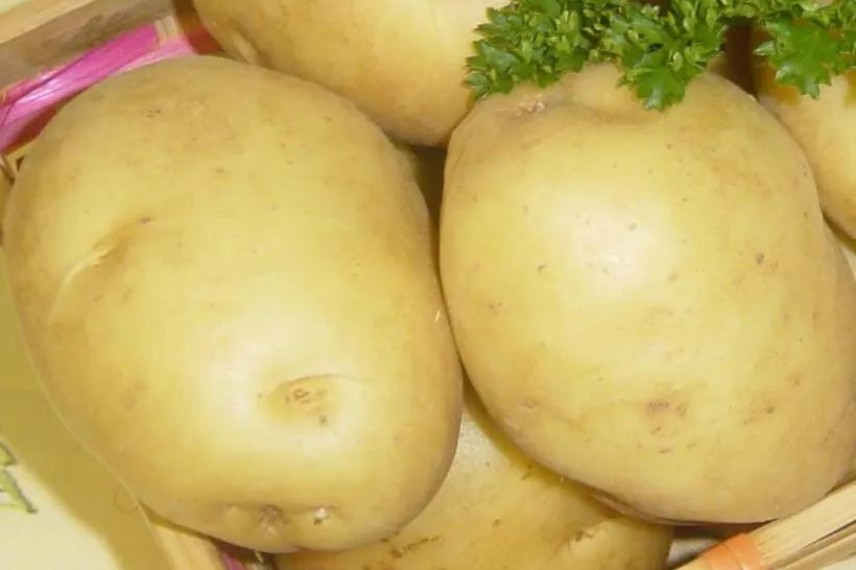
The potato ‘Siterma’ is one of the earliest
And of course, to finish, we cannot overlook summer vegetables that grow perfectly in mountain gardens. Tomatoes, courgettes and squashes, cucumbers and aubergine such as the ‘Barbentane’ grow very well there. Provided you don’t rush! Wait patiently until mid-May, or even late May, to transplant your young plants into open ground, after you have grown them warmly for a few weeks beforehand.
Vegetables to forget!
If you hoped to sow and grow melons, peppers and chillies in the open ground in a mountain vegetable garden, it’s a lost cause. These vegetables not only need sunlight to reach ripeness, but also require a long growing period. There is a good chance that the first frosts, often early in autumn, won’t give them time to reach ripeness.
- Subscribe!
- Contents
Comments