





























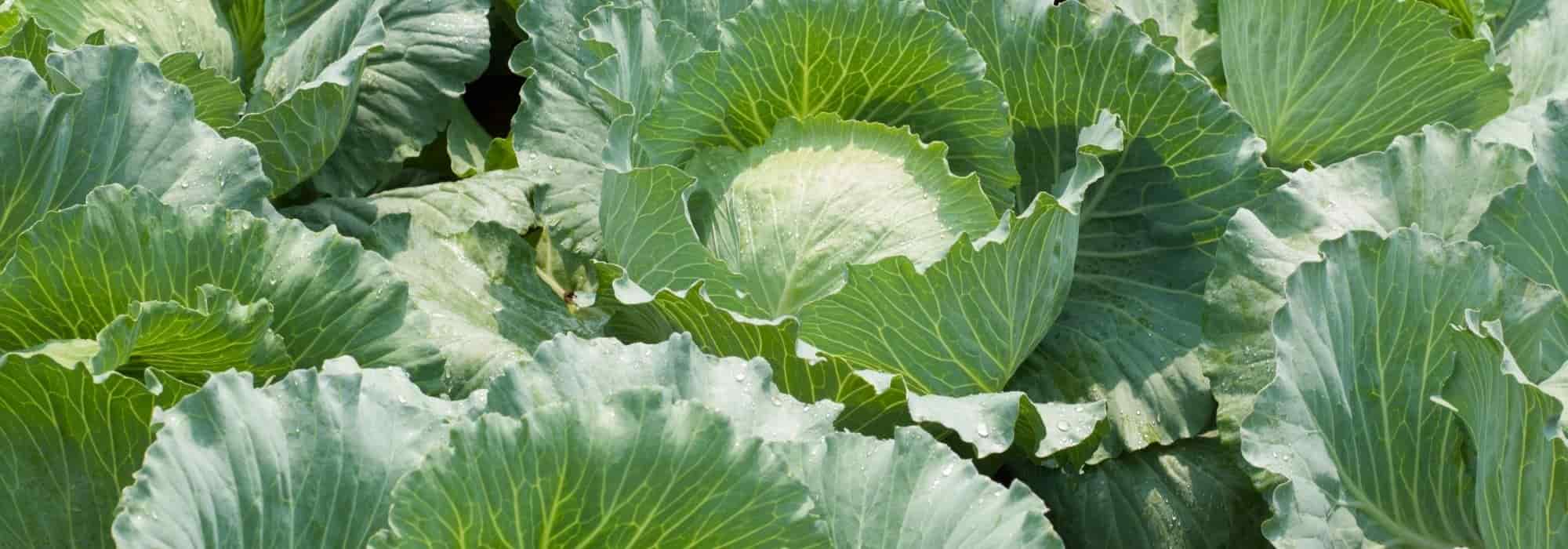
Spring cabbage or early cabbage: how to grow it?
Our tips for harvesting cabbages as from April
Contents
Cabbage, and in particular the white cabbage, is often considered a winter vegetable. However, it can be grown and harvested throughout the year, especially in spring as an early vegetable. At this time, it will indeed be more tender, with a milder flavour and easier to digest, and can lend itself to numerous culinary variations, both raw and cooked. Just imagine a few spring cabbage leaves sautéed in a pan or wok with a bit of butter or olive oil and garnished with some small lardons!
To harvest these delicious little spring cabbages, it is necessary to plan ahead. We explain all the steps for growing these early cabbages, from sowing to harvest.

When and how to sow spring cabbages?
To enjoy delicious spring cabbages as early as April, you need to AN-TI-CI-PATE to have sufficiently robust young plants to withstand winter! Sowing should therefore take place in late summer, between 15 August and 15 September (until the end of September in the southern regions of France or along the coasts). To maximise your chances, don’t hesitate to stagger your sowings over a month to prepare for sudden temperature changes.
In regions where winters are relatively mild (such as the south and the Atlantic coast), sowing can be done directly in the ground, spacing the seeds 30 to 40 cm apart. Elsewhere, in regions with oceanic and continental climates, it is preferable to sow in a nursery.
In a nursery, sowing is done in rows (or broadcast) in potting soil or well-crumbled and loosened soil. Then, when the young plants have 2 to 3 leaves, they should be transplanted, still in the nursery. This step will allow the cabbages to develop their root system and gain robustness.
Read also
Cabbage: planting, sowing and harvestPlanting cabbages in the ground
When the young seedlings have five leaves (between October and November), it is time to transplant them to their final location in the open ground. The young cabbages will spend the winter there, so the site should receive a minimum of sunlight and be sheltered from the harshness of the cold season.
The soil should be light but deep, and above all well-drained, as spring cabbages do not appreciate winter moisture. Remember to loosen the soil deeply. However, the addition of fertiliser is not recommended.
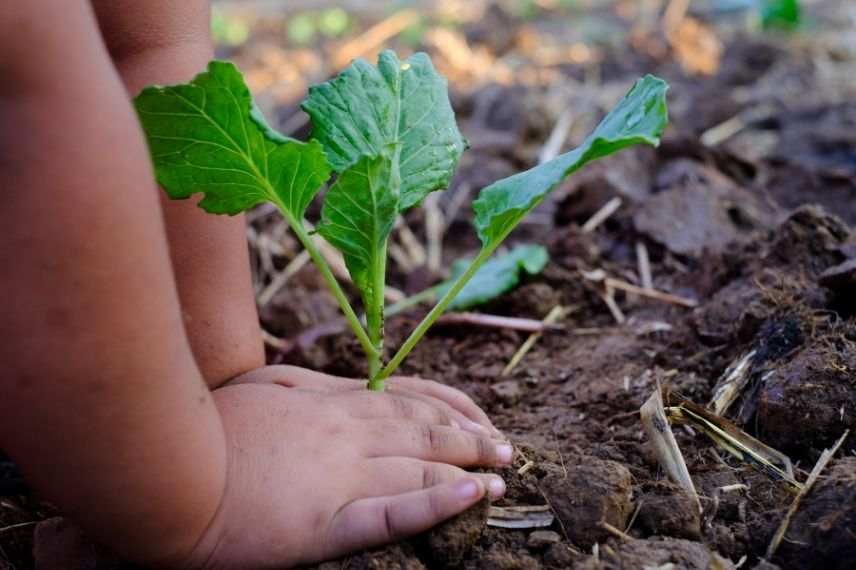
Spring cabbages are transplanted in autumn
The early cabbages should be transplanted at intervals of 30 to 40 cm in deep furrows of 7 to 8 cm. These furrows have the advantage of protecting the base of the cabbages from frost. In regions with particularly harsh winters, mulching is recommended.
Discover other Cabbage plants
View all →
Available in 0 sizes
Available in 2 sizes
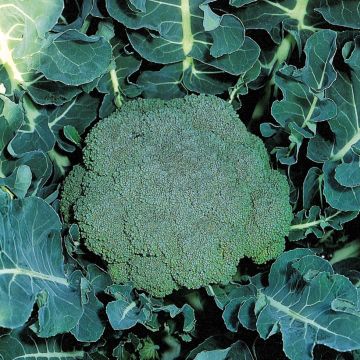
Available in 3 sizes
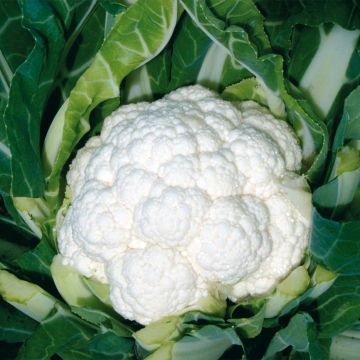
Available in 1 sizes
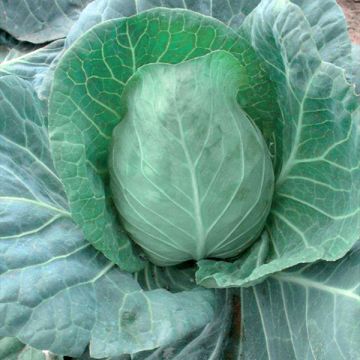
Available in 1 sizes
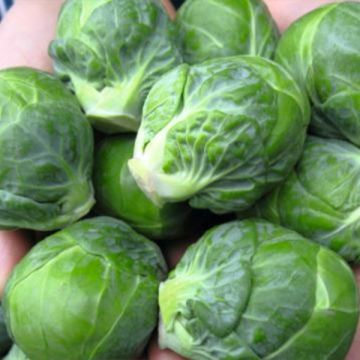
Available in 1 sizes
Available in 1 sizes
Available in 1 sizes
Available in 1 sizes
Available in 1 sizes
What care should be given to these early cabbages?
Throughout winter, cabbages will require little maintenance, as they will quietly languish.
However, from the first days of spring, early March, it is time to take action:
- a good hoeing will help break the crust formed by the soil and eliminate the first adventive plants that may hinder the development of the cabbages. This hoeing also has the benefit of filling the planting furrow. It should be repeated once or twice until harvest.
- a good earthing up will help the cabbages anchor well in the soil
- a nitrogen-rich fertiliser is recommended, especially if growth has been delayed by a particularly harsh or rainy winter. This fertiliser will give a boost to the young plants and prevent premature bolting. Opt for a fertiliser based on ground horn and/or dried blood.
- watering is recommended if spring is dry.
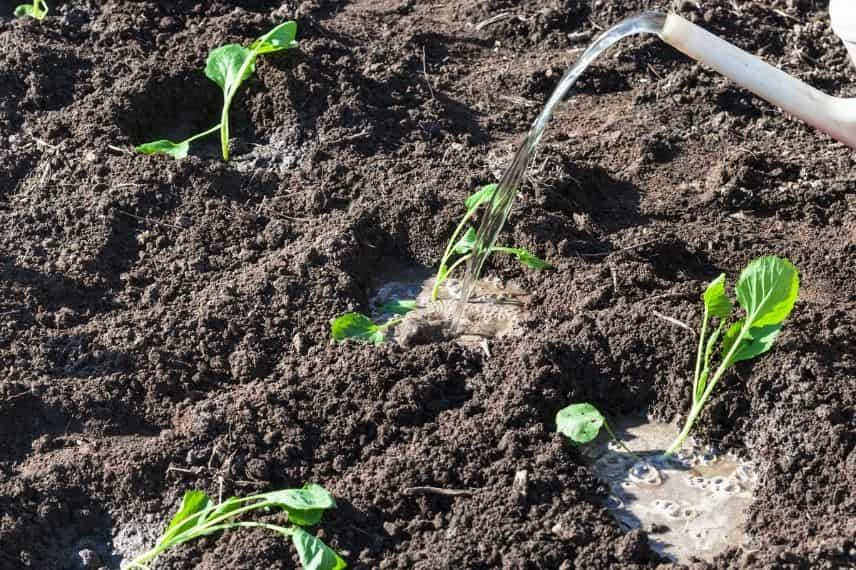
In spring, watering of the seedlings is recommended if the weather is dry
Read also
6 Milan cabbages to discoverWhen to harvest spring cabbages?
The harvest occurs 7 to 8 months after sowing, that is, from the end of April until June. Cabbages are harvested when they have compact, fairly regular heads.
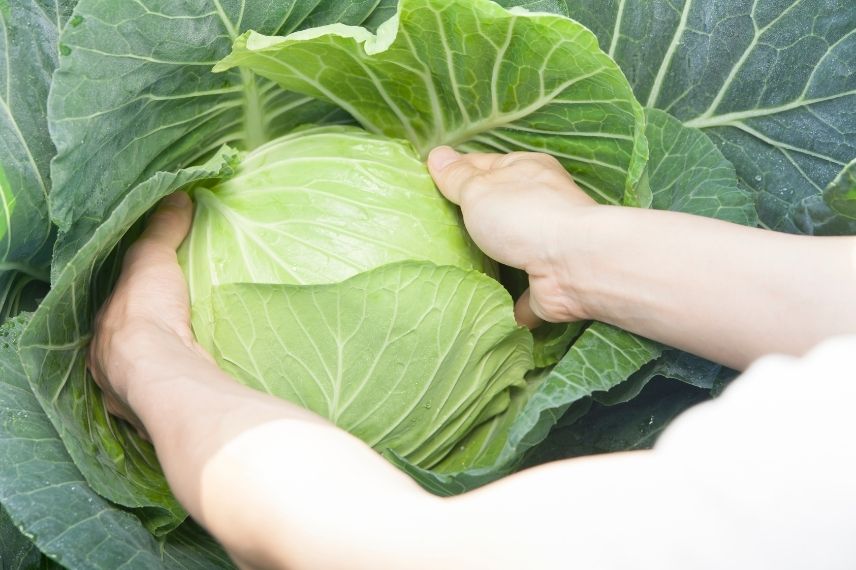
The harvest of spring cabbages takes place from the end of April until June
The heads of spring cabbages are often smaller than those of autumn or winter cabbages. However, they are usually more tender and have a milder flavour.
Which varieties of cabbage to choose for a spring harvest?
To grow early cabbages, it is essential to choose varieties that are frost-resistant and early-maturing. We recommend the following varieties:
- Cabbage Express is a very early variety that produces small conical heads made up of tender leaves.
- Cœur de Bœuf des Vertus Cabbage forms a compact and pointed head.
- Pointed Cabbage from Châteaurenard offers very tight and pointed heads. It is a very early cabbage with a sweet flavour.
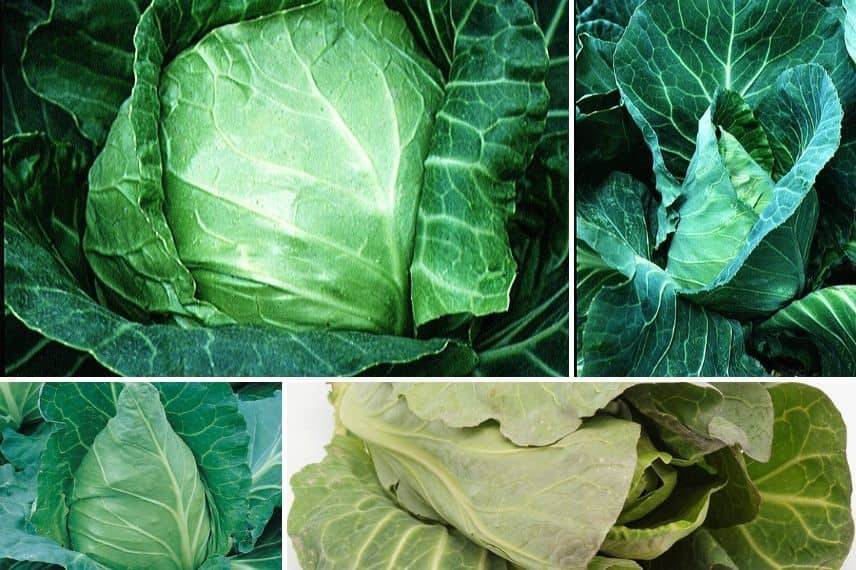
Nantes cabbage, Cabbage Express, Cœur de Bœuf de la Halle cabbage, and Pointed Cabbage from Châteaurenard
- Cœur de Bœuf moyen de la Halle Cabbage is very hardy and early. It produces large, dense conical heads.
- Nantes Early Cabbage forms very tight round heads. It prefers mild climates.
- Bacalan de Saint-Brieuc Cabbage has slightly undulating leaves that enclose large pointed and tight heads.
- Green-Grey Acre d’Or Cabbage produces round heads of a green-grey colour.
- Subscribe!
- Contents

Comments