





























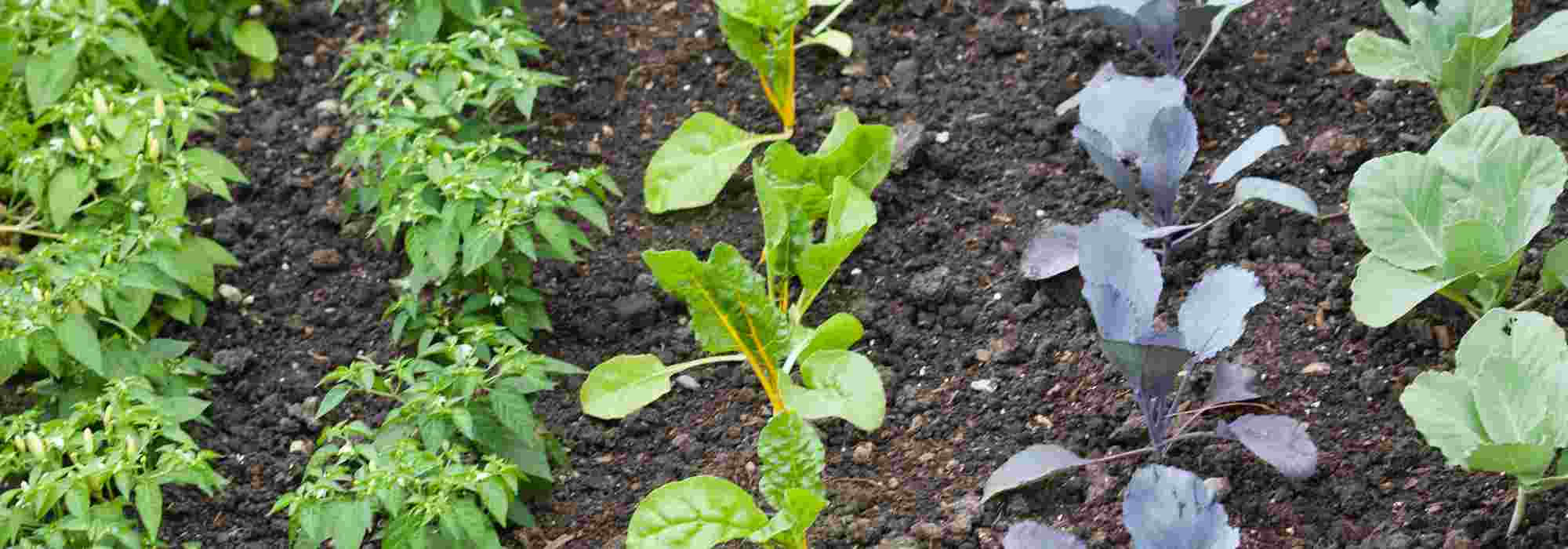
Starting a vegetable garden: how much should you budget for a successful project?
What level of investment is required to establish a profitable and cost-effective vegetable garden?
Contents
You’ve just bought a house with an adjoining plot. And already, your dreams are filled with enormous tasty vegetables and small juicy and sweet berries growing in your vegetable garden. But there is a gap between dreams and reality. And above all, the effort to put in and a bit of money to invest. Indeed, to create a vegetable garden, you’ll need to put in quite a bit of energy to work the soil, but also reach for your bank card to obtain the essentials. However, the budget allocated to creating a vegetable garden can range from a modest amount to as much as double, and can be very difficult to estimate depending on the region you live in, the size of the future vegetable garden, the existing soil and your gardening skills.
Nevertheless, let’s roughly estimate everything you need to create the small vegetable garden of your dreams.

Costs related to the soil for the new vegetable garden
For this first expense item related to your future vegetable garden, it’s difficult to make accurate estimates. The idea is rather to list the different costs you will need to incur to create your small productive vegetable garden. Indeed, it all depends on the land.
If you have just had your house built, you may face two scenarios. If the developer responsible for the construction of your house took the trouble to insulate the topsoil during the earthworks, it saves you a substantial investment. If not, your land is likely made up of fill and you will need to bring in a good amount of topsoil, the composition of which is now defined by the AFNOR NF U 44-551 standard. You can obtain this topsoil from professionals after obtaining quotes. Indeed, the price per cubic metre varies according to the quality of the topsoil, the quantity, the delivery cost, the region… With a bit of luck, you will find topsoil offered by a private individual via classified sites or word of mouth. But again, make sure to check the quality!
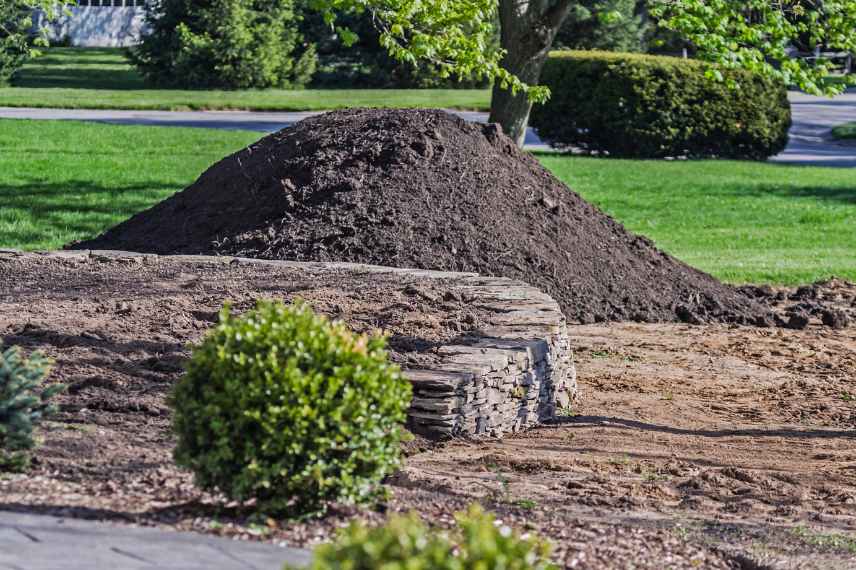
The delivery of topsoil can be a significant cost for creating your vegetable garden
If you purchased a house with a plot of land that is fallow or a lawn, you’ll mainly need elbow grease to set up your vegetable garden. And some basic gardening tools (spade, digging fork, compost fork…) about which we will talk in the following paragraph. If working the soil puts you off or if you cannot physically undertake this soil work, you will need motorised tools, and in particular a rotavator. Of course, buying one remains possible, but budget accordingly. To lighten the bill, you can of course turn to the second-hand market or rental. Or, even more simply, go and knock on the doors of your new neighbours to borrow theirs. It’s also a good way to meet them and show your goodwill to transform this fallow patch into a pretty little garden. Remember that you will only use a rotavator once a year.
Once your soil is ploughed, dug over or simply aerated, also think about two essential elements in a vegetable garden: the water extractor (water butt) and the compost bin (which will save you a tidy sum in the long term). To collect rainwater, completely free and much better for the vegetables, there are a multitude of models of rainwater collectors more or less aesthetically pleasing, with prices starting around €120. As for the compost bin, it is cheaper to build it from wooden boards such as pallets. Do not hesitate to contact your local council or community authority. Since 1 January 2024 and the obligation to sort organic waste, many local authorities offer composters.
Read also
10 tips for gardening on a budgetInvesting in gardening tools for your future vegetable garden
Garden tools are arguably the biggest expense when you’re starting a vegetable garden. Unless you’re lucky enough to inherit your granddad’s or your dad’s tools. In that case, take great care of this equipment, laden with sentiment, which, when well maintained, can last for many years. If you haven’t inherited the gardening bug from anyone (and especially the perfect gardener’s kit), you’ll need to open your wallet! And it can add up very quickly, especially if you decide to opt for quality, the source of longevity.
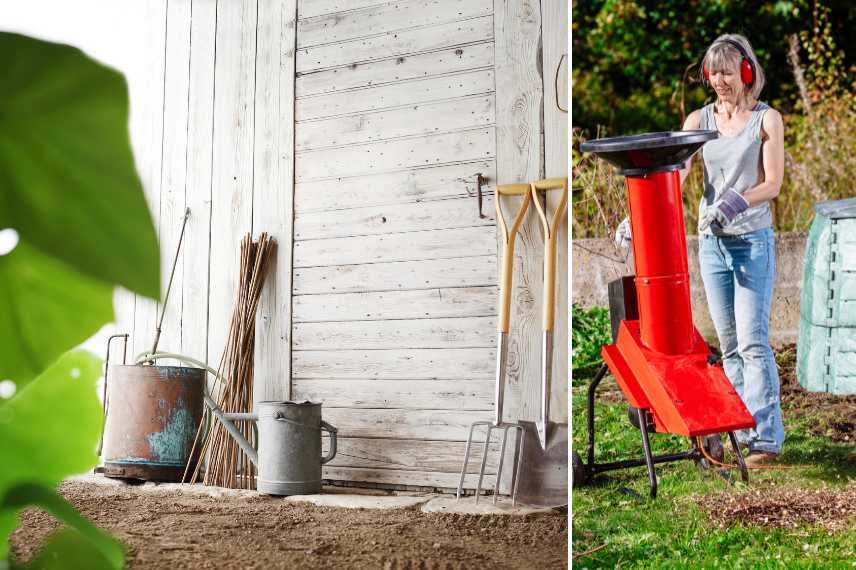
A vegetable garden requires essential basic tools.
Thus, to create a vegetable garden, you need a basic toolkit that will serve you throughout the year for working the soil. If you’re a fan of permaculture, the indispensable tool is the 3-pronged traditional forged biofork or five-pronged, also called grelinette, which aims to aerate the soil without disturbing its structure. Otherwise, for a more traditional approach to gardening, the garden fork is essential. A traditional spade will also be very useful for planting holes in the ornamental garden. Also in the basic toolkit, the hoe is the most versatile for the vegetable garden: it cultivates, it weeds, it marks out furrows. Likewise, you won’t be able to go without a rake. For this basic equipment, budget between €150 and €300 new. Otherwise, in charity shops, car boot sales and jumble sales, you can find second-hand gear.
To complete the perfect gardener’s kit, you also need to get a transplanting trowel, a pruning shear, two watering cans (you’ve got two hands!) and a good pair of gloves. The seed sower is also very handy, as it helps prevent seed waste and, above all, the chore of thinning.
When it comes to large motorised equipment, nothing is truly essential in the vegetable garden. Only the shredder can be very useful if you have hedges to trim regularly. Indeed, shredded prunings form RCW (ramial chipped wood), an excellent mulch that you won’t have to buy. Likewise, if you have a lawn, a lawn mower is essential. Again, remember to collect the clippings to mulch your vegetable garden. It’s free and very effective. These tools can be easily shared with neighbours to reduce costs.
The cost associated with different crops
We’re approaching the final line in the garden’s budget, namely vegetables and soft fruit. It’s certainly the cheapest part of gardening. And the most rewarding.
If you buy your tomato plants, peppers, aubergines, cucumbers, cabbages, lettuces in pots or plug plants, the cost will be higher, but still worthwhile. For notable savings, the best option is to sow your seeds under cover in warmth or directly in the ground. You may suffer a few failures, but a seed packet remains considerably cheaper and, above all, far more economical. You can also, to limit the investment, turn to seed swaps or plant fairs.

Growing your own seedlings is cheaper than buying your vegetables in pots or plug plants
Also consider perennial vegetables that come back year after year without effort or investment.
For small fruiting plants such as strawberries or raspberries, propagation is easy. Your neighbour may have a few productive varieties to offer you as offsets or runners.
Discover Ingrid’s 10 tips for gardening on a budget.
- Subscribe!
- Contents
Comments