


The best aromatic perennials for a beautiful and useful garden
Our perfect selection for beautifying the garden and enhancing your dishes
Contents
Aromatic perennial plants combine a number of qualities: they often reward us with a lovely flowering, but above all with a characteristic fragrance that enhances our dishes, while benefiting from certain medicinal properties. They are indeed rich in essential oils.
There are aromatic perennial plants for virtually every type of garden, soil and exposure. For most of them, growing in pots or containers is entirely feasible, allowing you to enjoy them even on a simple windowsill or balcony.
Discover our selection of aromatic perennial plants to grow at home.

Salvia elegans - Pineapple Sage
You will have guessed from its evocative name: pineapple sage treats us to a tropical fragrance! This perennial forms a small shrub about 80 cm across. It is the bright green foliage that perfumes the air with its fruity and tangy aroma. Edible and highly aromatic, the leaves are used in cooking, both to flavour desserts, and to perfume exotic dishes or to make infusions.
But this perennial offers more than that. In autumn, it rewards us with a spike of bright red flowers, in perfect harmony with the season’s colours. This fragrant and colourful flowering can be repeat-flowering in spring, provided the winter is frost-free. It attracts many nectar-feeding insects.
This plant, suited to a mild climate, is only moderately hardy: it will not tolerate frosts down to about -6 to -7°C. In regions with cool winters, it can, however, be grown in a pot to shelter it from frost during the cold period.
Plant it in well-drained soil, which can be occasionally dry.
For more on growing sages, read our guide Sages, Salvia: planting, pruning and care.

Read also
How to grow herbs indoors during winter?Helichrysum italicum - curry plant - Italian immortelle
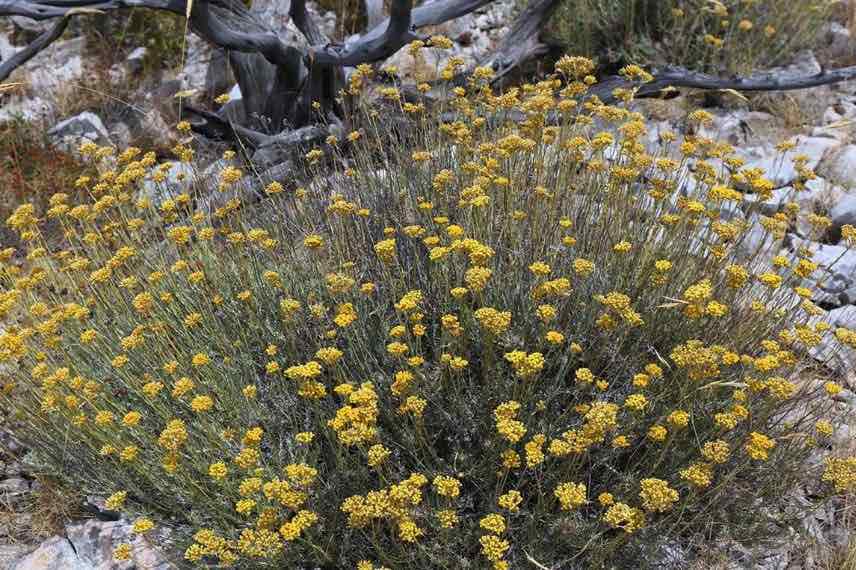
Helichrysum owes its other name, the curry plant, to the remarkable fragrance it emits. This Mediterranean-origin perennial diffuses indeed over several metres in all directions a powerful spicy fragrance.
But it also offers ornamental qualities: the summer flowering comprises pom-pom flowers in a very bright yellow, which will illuminate the garden and undoubtedly brighten it.
The silvery-green foliage resembles lavender or rosemary leaves, other well-known aromatic plants. It is evergreen, remaining decorative all year round.
It is a perfect plant for cut flower arrangements that will last a long time (hence its other name, immortelle). In cooking, use the stems to infuse your marinated dishes, sauces and dressings.
Its globe-shaped silhouette reaches around 50 cm in all directions.
From its origins, this plant has retained a fondness for warmth and sun. Plant it in perfectly drained soil (water does not stagnate there), such as in a rockery or on a slope. It thrives just as well in a wild garden as in a Mediterranean or herb garden.
Easy to grow, hardy to -15°C and low-maintenance, it is an ideal aromatic plant for all gardeners.
To learn more about growing this curry plant, read our guide “Helichrysum, curry plant, immortelles: sow, plant, and care”
Thymus citriodorus ‘Aureus’ – Golden lemon thyme
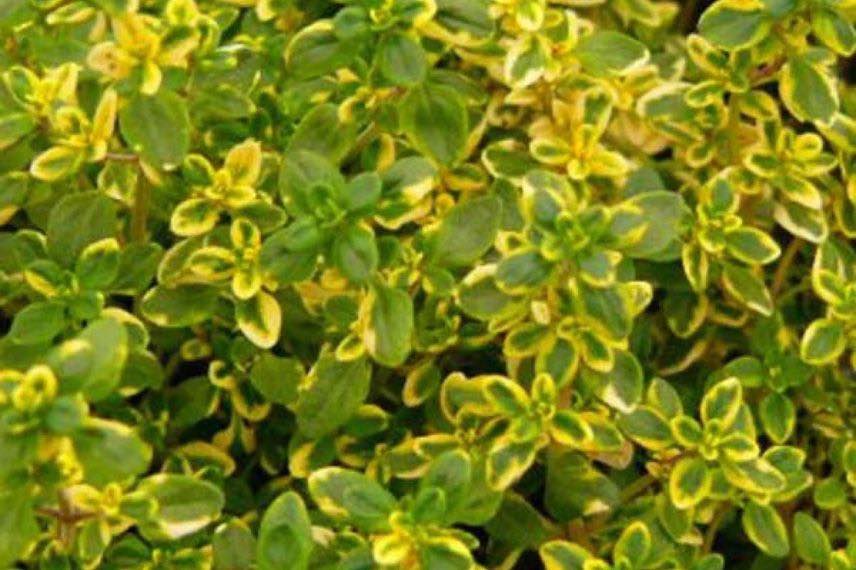
This lemon thyme is distinguished from conventional officinal thyme primarily by the colour of its foliage. The evergreen leaves are green, variegated with golden yellow. They also emit subtle lemony and tangy notes, in addition to the plant’s typical garrigue aroma.
The flowering, in the form of small purple flowers, occurs in summer.
Thyme is an essential herb for Southern cooking, whose foliage, like the flowers, is used to flavour dishes and infusions.
Around 30 cm in all directions for this perennial that fits easily anywhere, even in pots and in small spaces. Sun-loving perennial, thyme thrives in warm conditions, in well-drained soil, even if poor and stony, but never damp.
To learn more about thyme cultivation, read our guide ‘Thyme: grow, plant, prune’ .
Monarda x hybrida 'Jacob Cline' – bee balm
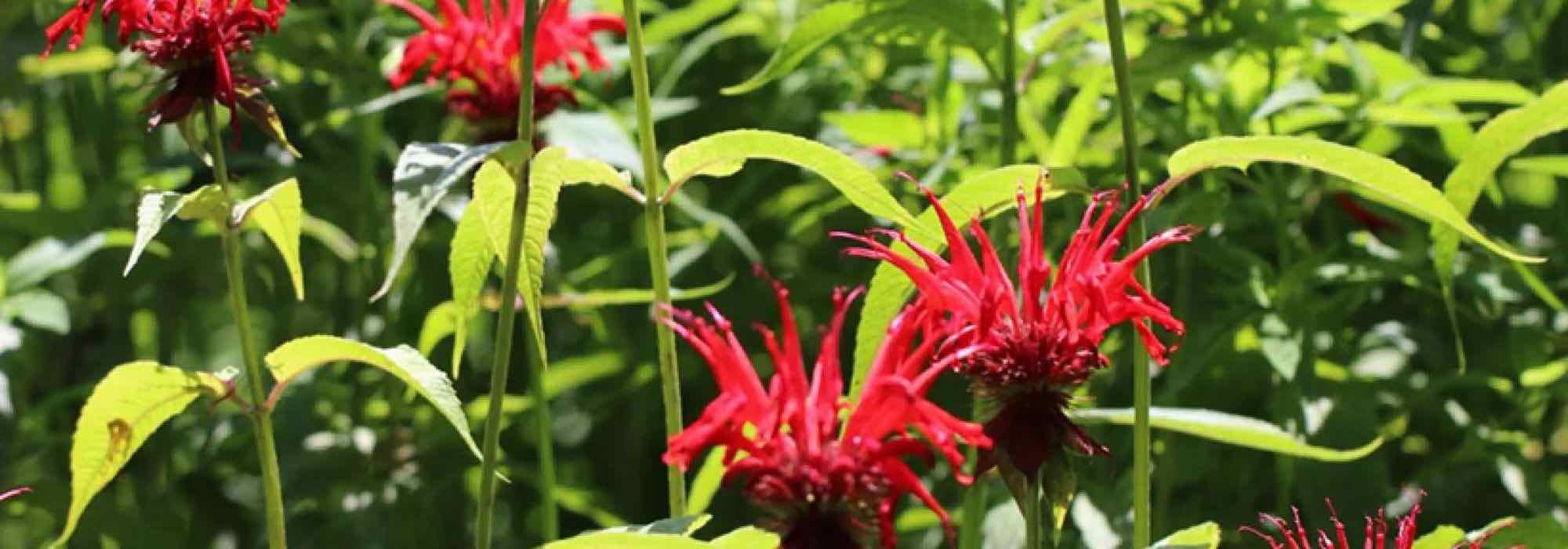
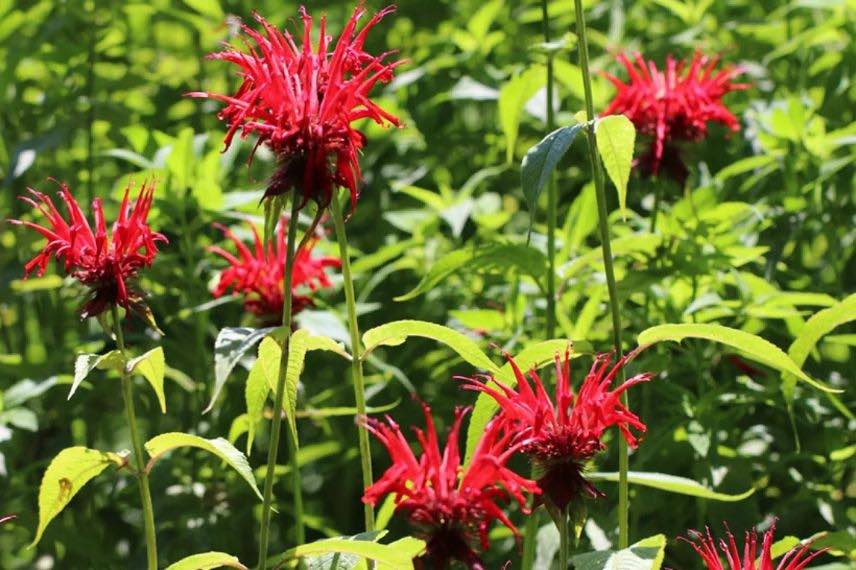
First and foremost, the flowering of this Monarda catches the eye. ‘Jacob Cline’ enchants us with its large inflorescences measuring 8 cm, with a tousled appearance. They display a deep red, with vermilion petals and purplish-green bracts. This summer flowering can last nearly two months and is melliferous, attracting numerous foraging insects. It rises above aromatic, dentate, dark-green foliage. The leaves emit a citrus scent and contain essential oils similar to those of thyme. You can use leaves and flowers in herbal tea, but also the young shoots to brighten a salad or a stuffing.
Monarda is also a good candidate for making bouquets.
This perennial reaches about 1 metre in height and 50 cm across. It has a bushy, upright habit.
Resistant to diseases such as powdery mildew, hardy to below -20°C, it proves easy to grow as long as it is protected from overly dry and sunny exposures. Plant it in a partly shaded border, cool borders or light woodland. It prefers well-drained, fairly fertile, but light soil.
For more on growing Monarda, read our guide ‘Monarda: Plant, Grow and Maintain’.
Mentha requienii - Corsican mint
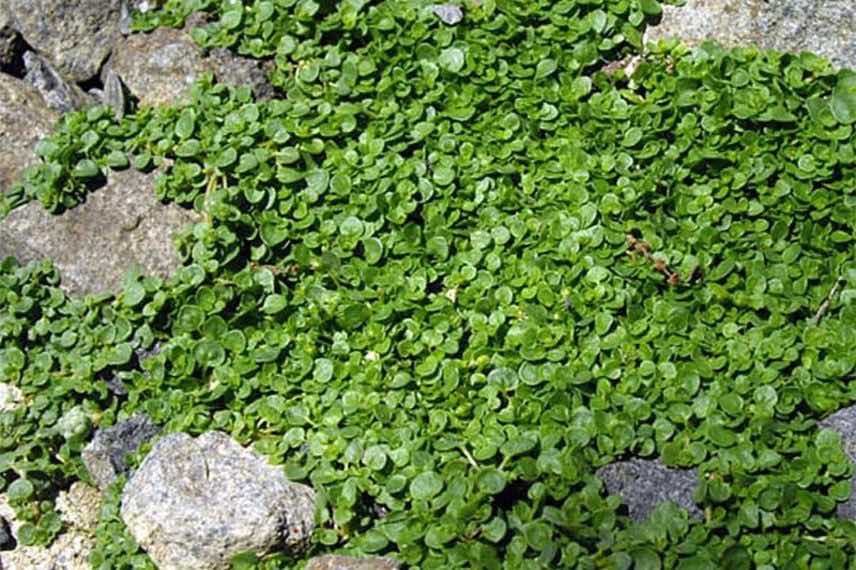
This Corsican mint is a creeping perennial, which spreads to 40 cm long and 5 cm high. It thus forms a pretty scented cushion. Its small round leaves bear a bright apple green and exude suave, fresh and peppery notes reminiscent of peppermint. They are used in infusions, but also to flavour alcoholic drinks and dishes.
The foliage is evergreen in mild winters, without severe or lasting frosts.
In summer, small pink-tinged mauve flowers brighten this clump.
Plant this aromatic herb in shade, in rich and consistently moist soil (which never dries out completely), for example in woodland understory. It tolerates light foot traffic and proves perfect for filling gaps between paving slabs.
This small perennial will be grown in the ground in regions with mild winters, where frosts do not fall below -6°C. Elsewhere, it can certainly be grown in pots.
For more on growing mint, read our guide “Mint: planting, growing and propagating”.
Foeniculum vulgare 'Giant Bronze' or 'Purpureum' – bronze fennel
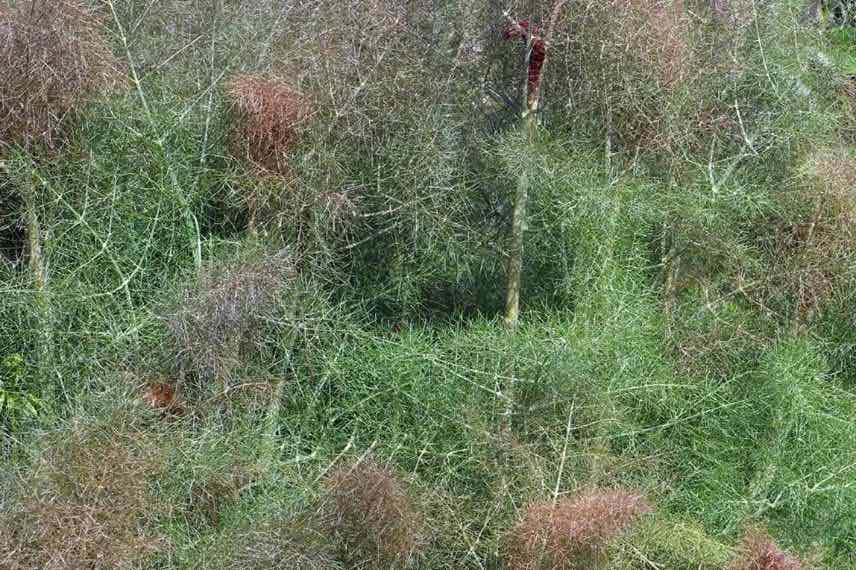
Fennel is an aromatic plant with a strong aniseed fragrance. The Giant Bronze variety stands out with its young purplish foliage and its bronze-copper-green colour at maturity. It is very finely divided, giving a feathery appearance. This foliage is deciduous.
Throughout the summer, fennel produces an abundance of umbels 10 to 15 cm in diameter, which delight all kinds of insects. Fennel is, for example, one of the host plants of the magnificent Old World swallowtail butterfly. The flowers display a bright ochre-yellow, creating a pleasing contrast with the foliage. They will then yield numerous seeds.
The flowering, like the foliage, is airy and wispy, bringing lightness to the border.
Traditionally, it is the fleshy swelling in the form of a bulb at the base of the plant that is used in cooking, regarded as a vegetable. But the foliage and seeds provide just as much aroma to dishes and drinks.
Expect a height of 1.5 metres with a 50 cm spread.
Plant fennel in a sunny position, in well-drained soil—even sandy or stony, but deep enough. The plant can tolerate occasional drought, but moist soil will promote its development. It is hardy to -20°C and will re-emerge each year.
To learn more about fennel cultivation, read our guide “Fennel: sowing, cultivation, maintenance and harvest”.
Chamaemelum nobile - Roman chamomile
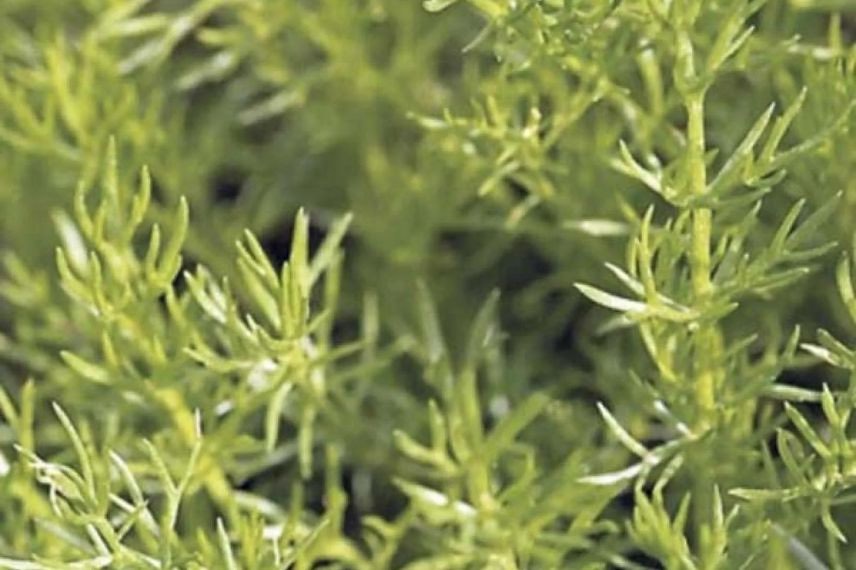
Roman chamomile is an aromatic and medicinal perennial plant. It does not flower, so it is grown solely for its evergreen foliage. It forms large carpets about 50 cm wide, which make an alternative to lawn in moderately foot-traffic areas. The plant spreads quickly and can be used to dress rockeries and paving.
Nicely scented, the leaves release a wonderfully fresh apple aroma when crushed. They can be used to flavour dishes.
Plant this chamomile in sun, in very light, well-drained, preferably sandy soil. This plant is hardy to -15°C, tolerates salt spray and summer drought.
For more on chamomile cultivation, read our feature ‘Chamomile: cultivation, harvest, benefits’.
And many other interesting aromatic perennials
Of course, this list shows only a small selection of aromatic perennials. There are many others just as interesting.
Let us mention, in particular, rosemary, lavender, verbena, oregano, absinthe, Agastache, Nepeta, or Santolina.
- Subscribe!
- Contents
Comments