





























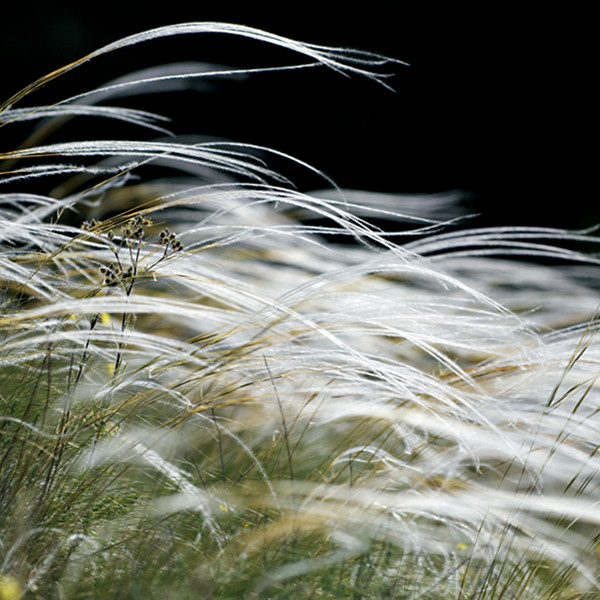
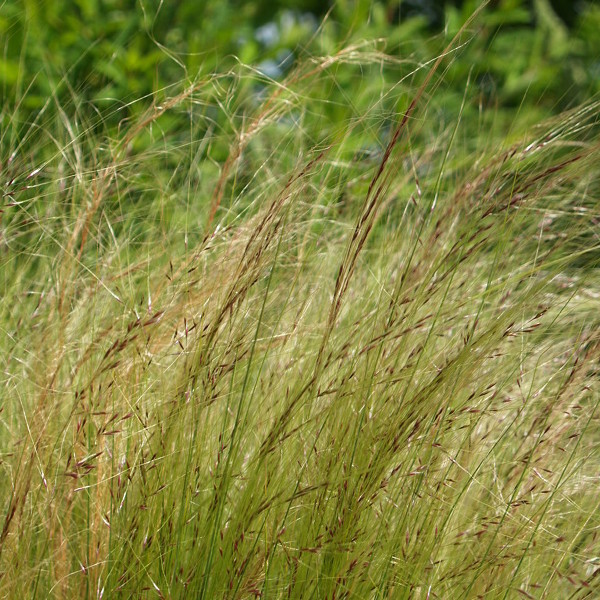
Who hasn't heard of Stipa tenuifolia, this tiny grass, so light that it's nicknamed Angel's Hair? For a few years now, it's a star, an essential, a “must-have”.
Proof it's everywhere: in landscape design, in mass plantings or as a feature, more or less well showcased (I've seen it with ferns... where is the world going?). But especially, from Béthune to Carcassonne, it's found in many rock gardens where it sits, solitary as a lone soul, surrounded, at best, by two or three pebbles. So naturally, I protest because 1) I find it a bit ridiculous (I hope you'll forgive me) and 2) it's a bit of a waste since this little grass is easy to pair with.
Stipa tenuifolia, a quick introduction...
Stipa tenuifolia, sometimes called Stipa tenuisima, is a perennial grass in the Poaceae family. It forms a pretty tuft of very fine cylindrical leaves, about 50 cm tall by 30 cm wide. Native to Central America, it occurs naturally from Argentina to Texas, via Mexico. Need I say that it fears neither wind nor heat... and that it will perform best in dry or well-drained soil.
It is a perennial grass, and opinions on its care vary: Pierre cuts it back to ground level—almost— in spring, while Michaël trims it gently. In the end, it's rather forgiving: do as you wish, according to your gardening style!
Stipa tenuifolia, why we love it
First, for its size: not too tall, not too small, it knows how to stand out without imposing itself too much. Then, for its bearing and silhouette, as it stands proudly upright while remaining supple and light, following, with a gentle nonchalance, the movements of the wind. Finally, for its hair, stunning in every season: a fresh green at the end of February, it turns blond in spring and sports an authentic wild look, a Californian surfer vibe, in summer. In winter, fine raindrops or, better still, frost cling to it poetically. Could there be anything better?
Stipa tenuifolia, what do we do with it?
You'll have realised, this grass likes company. In a contemporary planting scheme, you can plant it in mass—it looks pretty but beware of monotony!
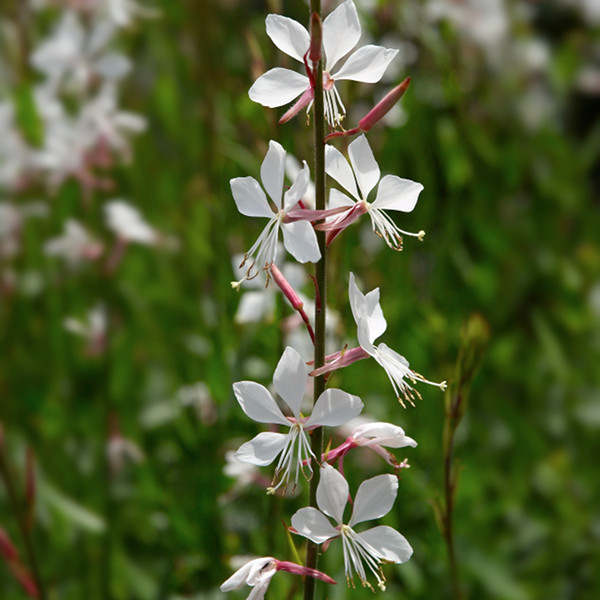
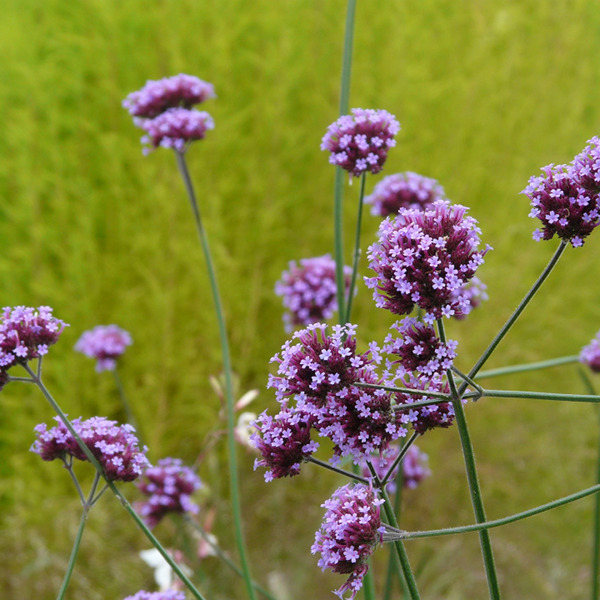
My tip: of course, pair it with others! With what? With anything that grows, like it, in sun and in fairly well-drained soil. For example, try it with Gaura and Buenos Aires vervain; it's a classic but effective combination in a small bed.
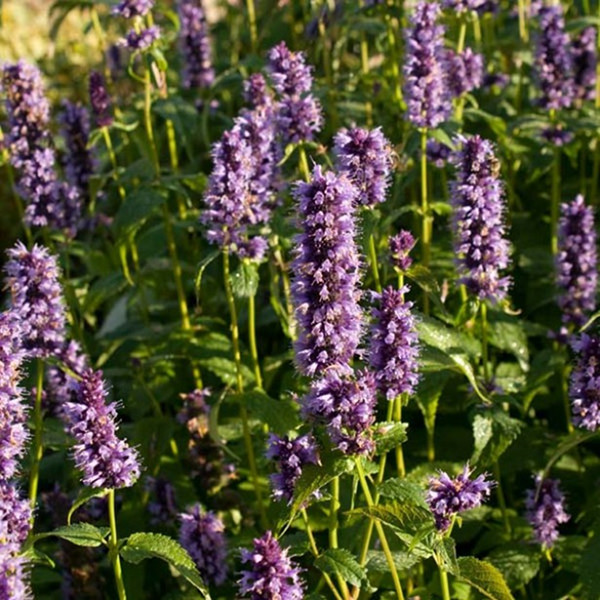
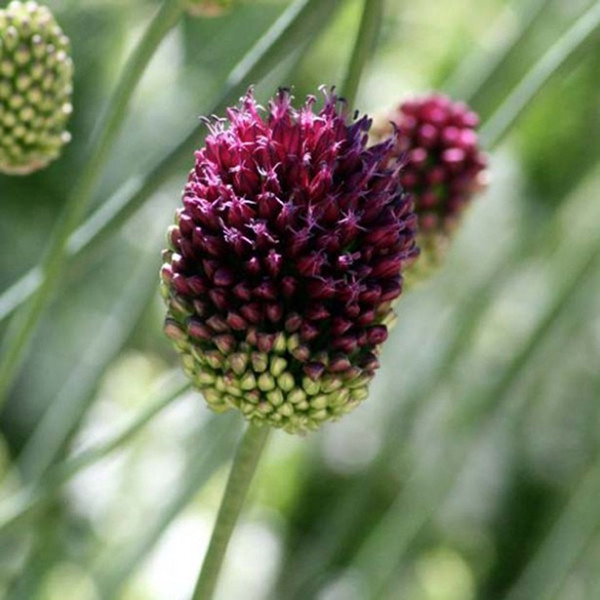
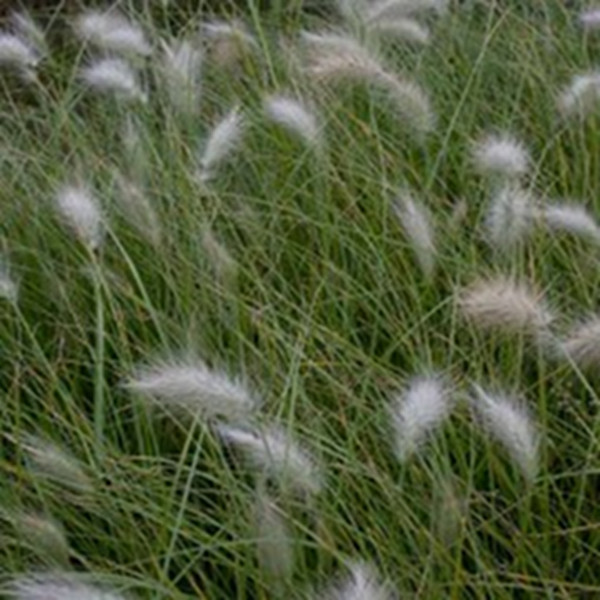
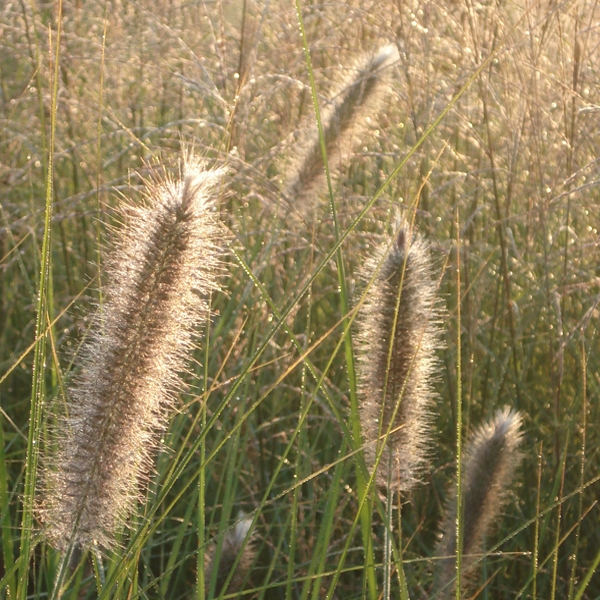
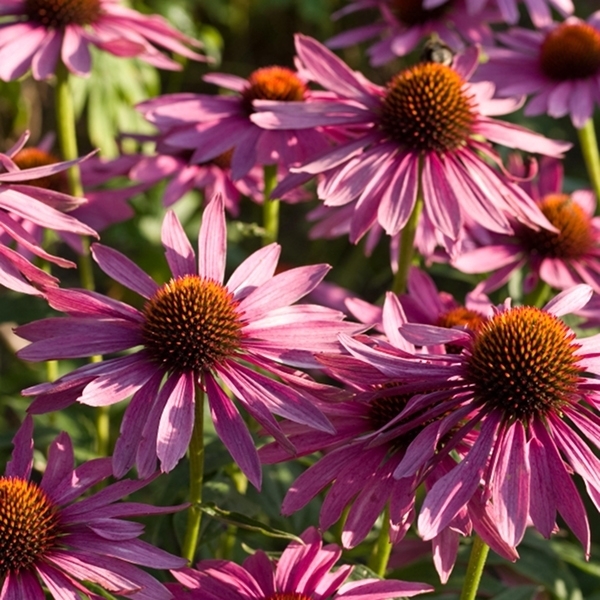
If you have a larger space, add other grasses such as its elegant cousin Stipa pennata or Pennisetums, but also a number of perennials with summer or autumn flowering, such as Agastache, round-headed allium, or with another fine American native like purple coneflower.
Liked it? I’m sure you too won’t be short of ideas for creating pretty combinations. Don’t hesitate to share them by leaving a comment!

Comments