





























On 16 January 2018, the Eat Foundation published a report in the medical journal The Lancet that confirms what we had suspected for several years: for our health, to feed the world and the inhabitants of the planet, there is an urgent need to move to a plant-based diet.
Do you find this dull, or worry that it might be bad for your health? Do you think that becoming vegetarian, even a few days a week, means condemning yourself to tofu? Think again! When well planned, vegetarian (and vegan) diets are healthy and balanced. If you choose your vegetables well and cook them with a dash of ingenuity, they are rich in flavours... The other advantage is that it can be grown in the kitchen garden!
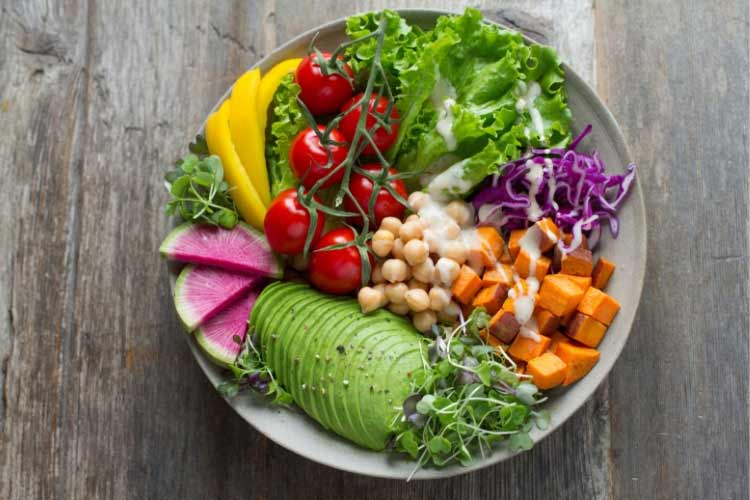
Legumes: essential proteins
"But where do you find the proteins?" is one of the most common questions. First of all, it's important to know that all vegetables contain protein, but it is mainly in legumes (lentils, beans, peas, broad beans…), and in oleaginous (walnuts, hazelnuts) that they are most present. Cereals also contain them, but they are a little more tricky to grow in the garden!
My selection:
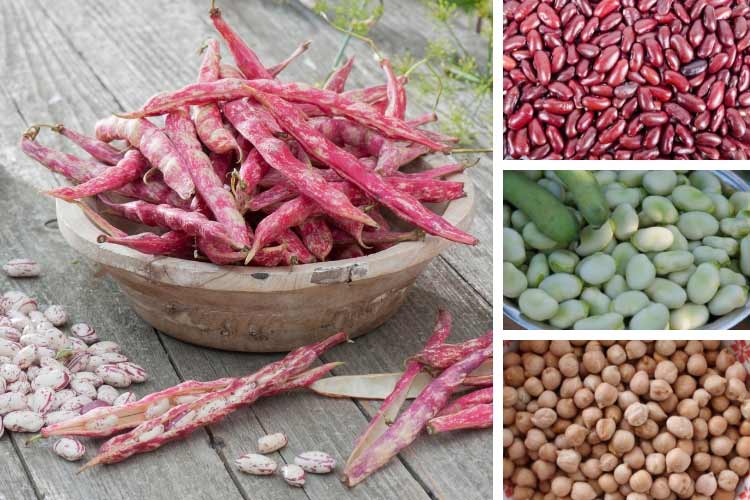
- Flambo dwarf shelling bean : this improved variety yields two to three successive harvests per year, from July to October. I really like its white beans speckled with pink and its very delicate flavour. They can be eaten fresh, dried or semi-dried. Once cooked, they lose their colour, but it's not a big deal—the pleasure also lies in shelling these little wonders! In cooking, it's very easy to prepare, with tomatoes, for example. You can also make delicious veloutés.
- Aguadulce long-pod broad bean : Early, very productive and vigorous, this broad bean produces spectacular pods that can reach 40 cm! They contain large fleshy seeds, tender to the bite. It's one of the first legumes harvested in the kitchen garden, as early as May if you sow it in February. Great in spring Buddha bowls, with radishes and young carrots, broad beans also allow you to prepare tapenades for dipping your breadsticks.
- Canadian Wonder red shelling dwarf bean : this red flageolet is an old variety also known as "Rooster's Kidney." Very productive, it also stores well when dried. It's a Mexican cuisine classic that remains the base of chili, even when it's "sin carne" (without meat). It can also be cooked as a patty and replace the steak in veggie burgers.
- Chickpea : it is a crop that many gardeners do not immediately think of. Yet chickpeas are easy to grow in warm, dry climates. They yield, in four months, round, beige seeds. Rich in protein (19 g / 100 g), chickpeas are widely used in vegetarian cooking, as is or mashed, with condiments and tahini for the indispensable hummus.
- Garden soybean : soybean is a well-known legume that grows in a mild climate, as simply as beans. The more experienced gardeners can turn its seeds into soy milk or tofu… but it is easier to grow it to enjoy greens, with the pod, as edamame.
Colorful vegetables, sweet taste, for vitamins and fun
In the pleasure of eating, presentation matters almost as much as taste. Crafting an appetising salad is a ritual for those who seek to eat mindfully. In winter, colour is also important, but the gentle flavours are particularly comforting—don’t deprive yourself!
My selection :
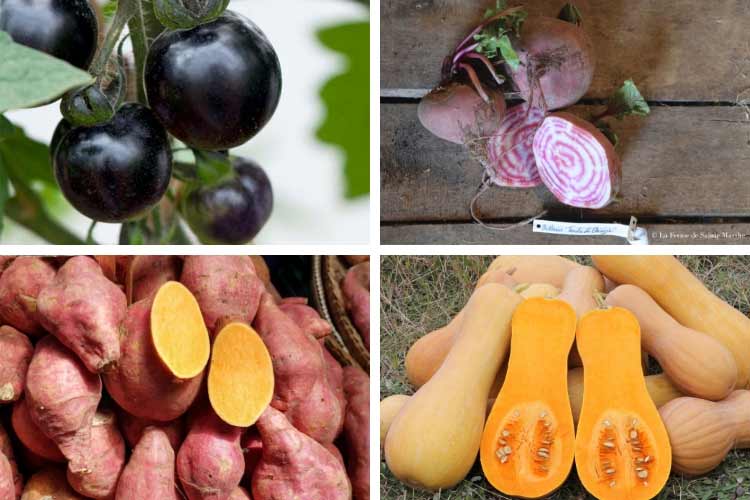
- Indigo Rose tomato : it’s a cocktail tomato with a bluish-purple skin, almost black, and pink to deep purple flesh. It owes its colour to the presence of anthocyanin, a pigment found in fruits such as blueberries or grapes and rich in antioxidants. When sliced, it adds depth to salads, especially if mixed with other distinctive varieties like Pineapple tomato. In the garden, it grows like any tomato and shows good vigour and frost resistance.
- Chioggia beetroot : early, this small round beetroot is very decorative. Sown from April to May, it is harvested from early summer and shows pink flesh striped with white and a sweet flavour. It’s the beetroot to eat raw, in carpaccio or grated, in salads!
- Butternut squash : one of my favourite squashes, not only because it does everything (purée, gratins, chips, soups), but especially because its sweet, mellow flavour is incomparable. If I love it so much, it’s also because it is particularly easy to cut, which is handy when you’re in a hurry! In the kitchen, in a cool climate, it’s not always the most productive, but its flavour more than makes up for this small drawback!
- Sweet potato : originating from South America, the sweet potato is a vegetable that loves warmth and regular watering… but it will reward your efforts with handsome orange-fleshed tubers, wonderfully comforting in the heart of winter! Depending on your soil and climate, you can plant it in the ground or in pots, from mid-May. In my garden, it does particularly well when slightly caramelised with honey and sprinkled with sesame seeds… but it can also be simply roasted in the oven!
Litlle extras and boosters
Last winter, I told you about "superfoods": chia seeds, pumpkin seeds, kale, goji berries... They are, of course, included in my selection! (I invite you to read about them in this article). To this list, this year I add these French books:

Comments