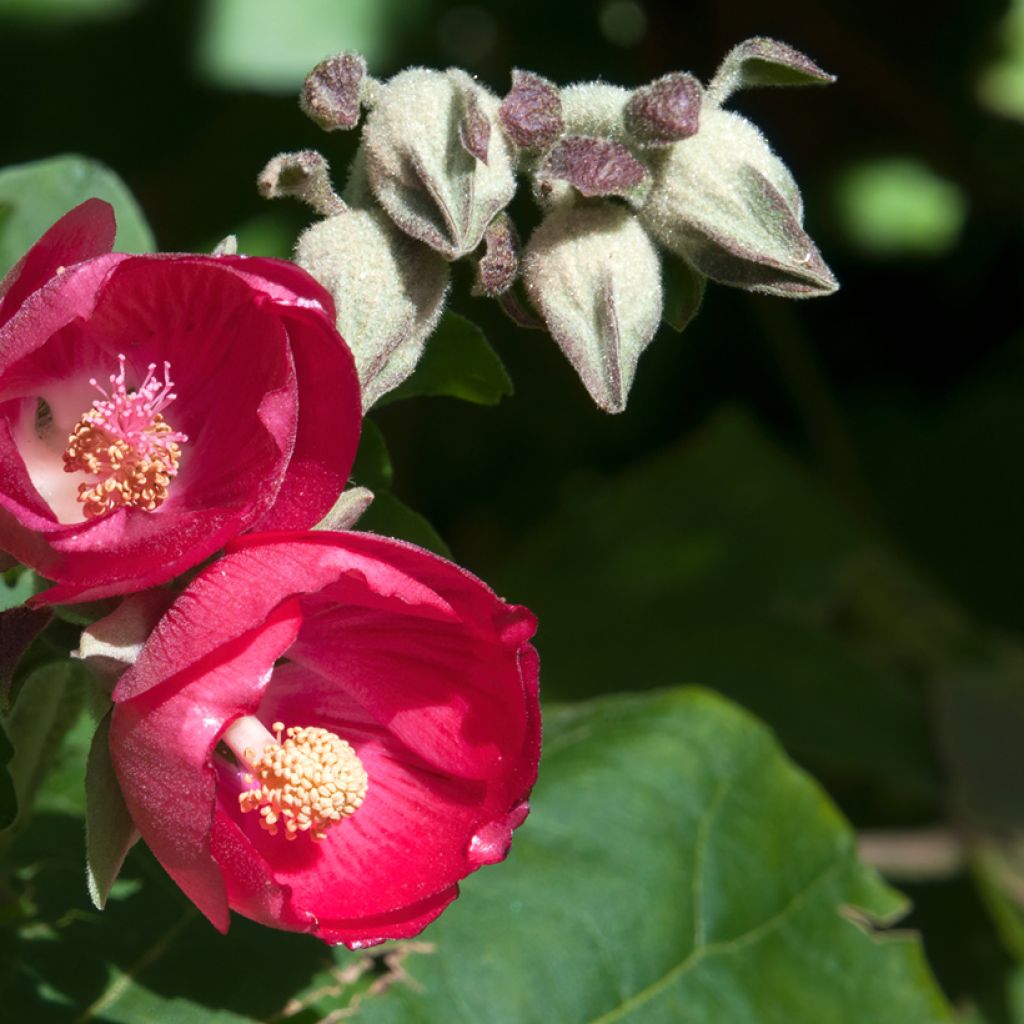
Phymosia umbellata
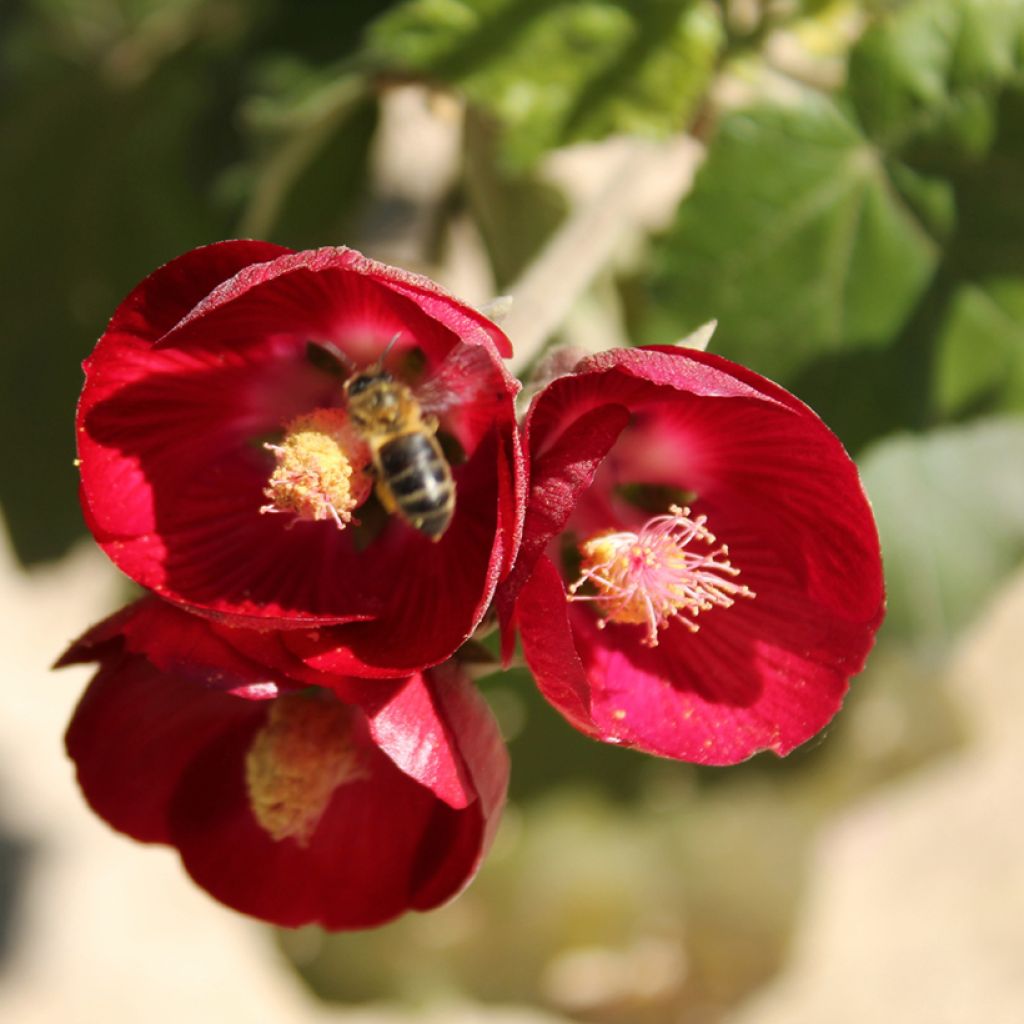
Phymosia umbellata
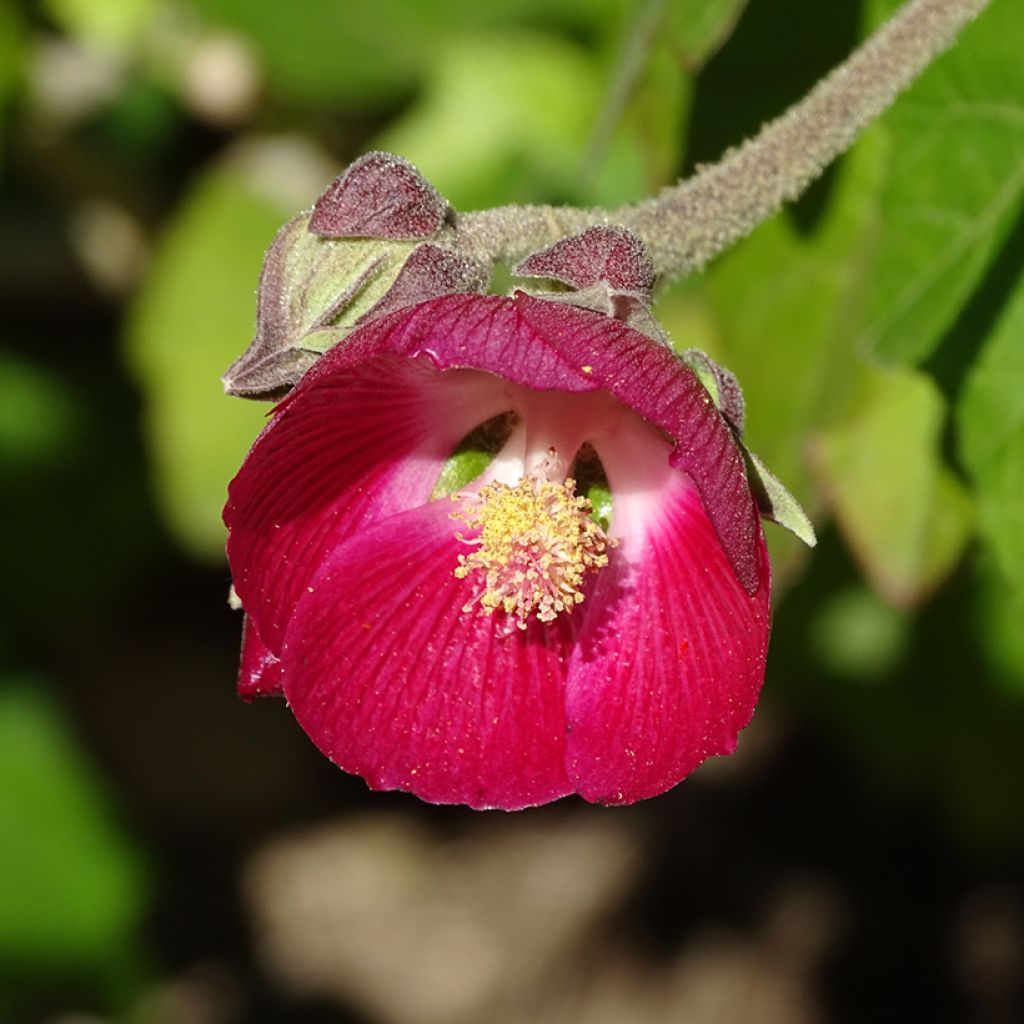
Phymosia umbellata
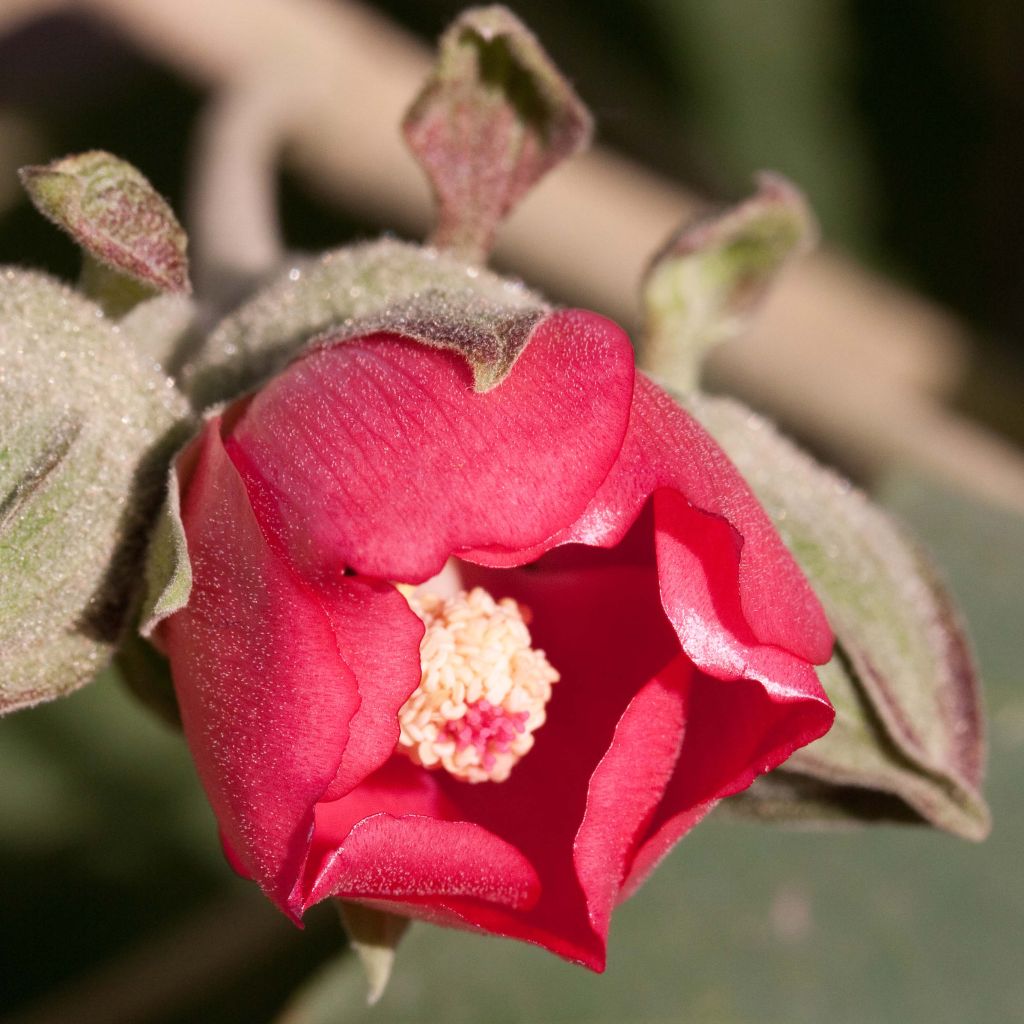
Phymosia umbellata
Phymosia umbellata
Phymosia umbellata
Phymosia umbellata
Mexican Bush Mallow
Size as ordered, looks healthy, planted immediately, hoping it will thrive!
AnnaEli, 18/03/2024
Back-to-school special offer!
Get €10 off for every €50 you spend! And get up to €40 off on a single order.
How does it work?
1. Shop your favourites
Add your favourite plants to your basket. For every €50 you spend (excluding delivery charges, store credit and the plastic-free option), you’ll receive a €10 voucher.
€50 spent = €10 voucher
€100 spent = €20 voucher
€150 spent = €30 voucher
€200 spent = €40 voucher
2. Place your order
Once your basket reaches one of the spending thresholds, place your order. You can even choose your delivery date!
3. Receive your voucher
As soon as your order has been shipped, you’ll receive an email containing your personal voucher code and its value.
4. Use it on your next order
Your voucher is valid for 90 days from the date you receive it. It can be used once only, on a new order worth at least the value of the voucher, excluding delivery charges.
Please note: Vouchers can be combined with other offers, but cannot be split or refunded.
Home or relay delivery (depending on size and destination)
Important: You may be charged customs duties by your country’s customs authorities upon delivery.
Schedule delivery date
and select date in basket
This plant carries a 24 months recovery warranty
More information
We guarantee the quality of our plants for a full growing cycle, and will replace at our expense any plant that fails to recover under normal climatic and planting conditions.

Would this plant suit my garden?
Set up your Plantfit profile →
Description
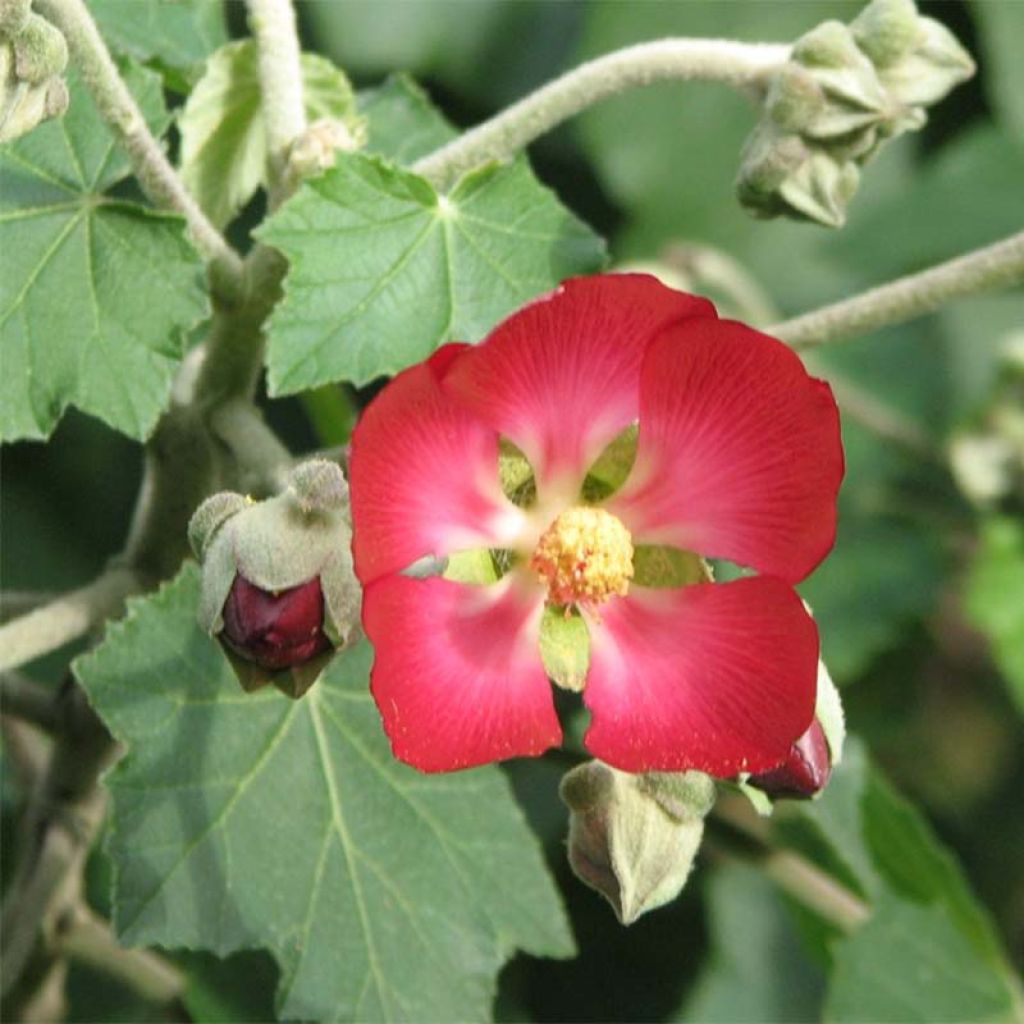
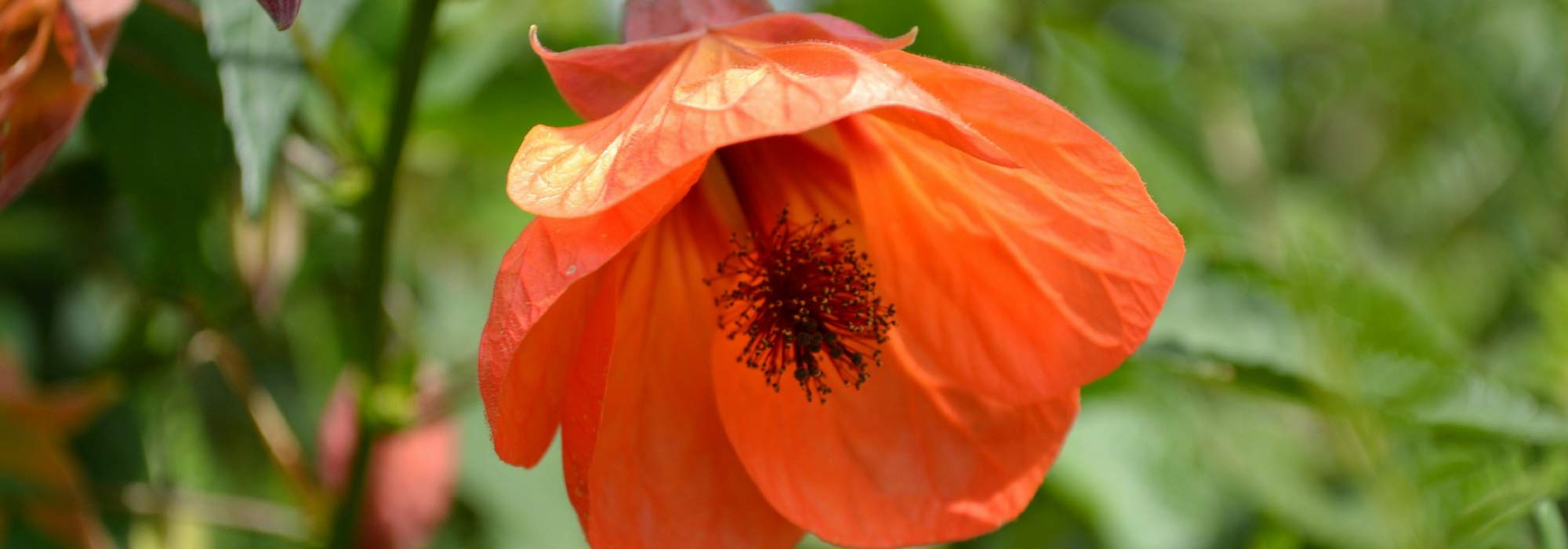
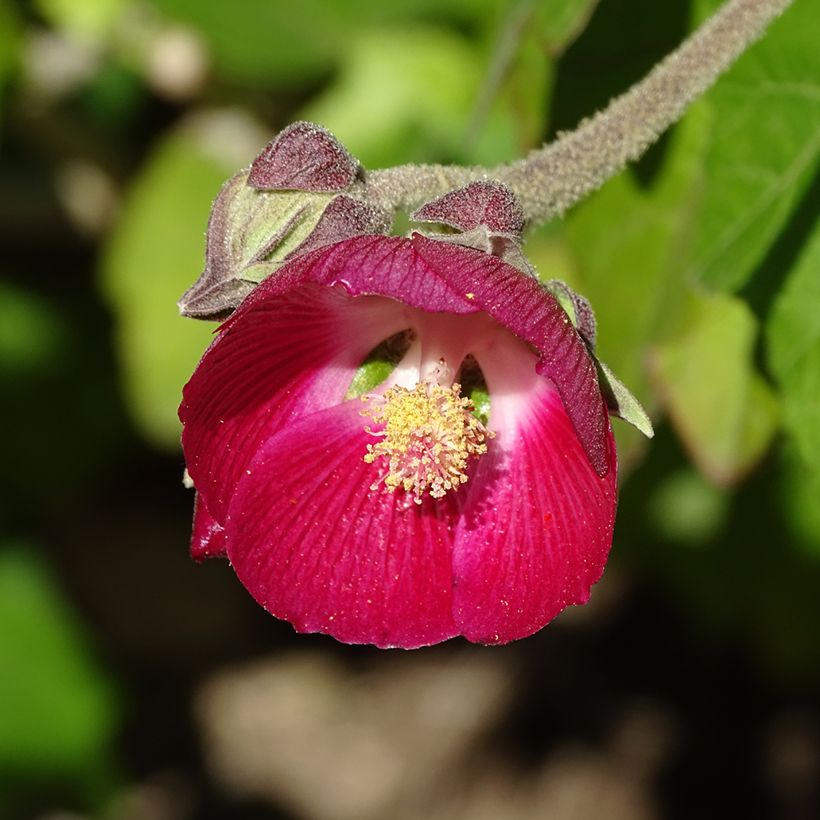
Phymosia umbellata is a Mexican bush of rare elegance, related to Abutilons, Hibiscus, and mallow, which should be seen more often in our coastal gardens or mild climates. Its Abutilon-like flowers, deep carmine red with a pure white throat, create a magnificent display with its grey-green and velvety vine leaves, from summer to the first cold weather, on a plant that can reach over 3m (10ft) in height in the ground. Apart from its low frost resistance (up to -8°C (17.6°F)), Phymosia umbellata is not difficult to grow in full sun or partial shade, in any good well-drained garden soil. It easily integrates into a flowering hedge, can be displayed near a path, or nestled against a wall for protection, or even in a large pot on the terrace, to be stored indoors in colder regions during winter.
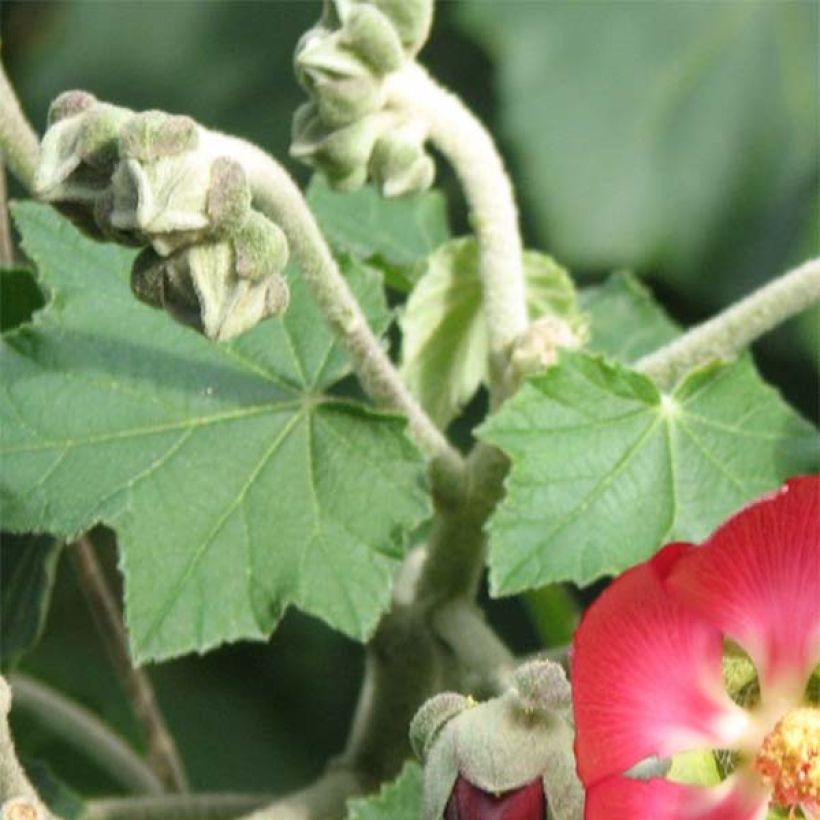
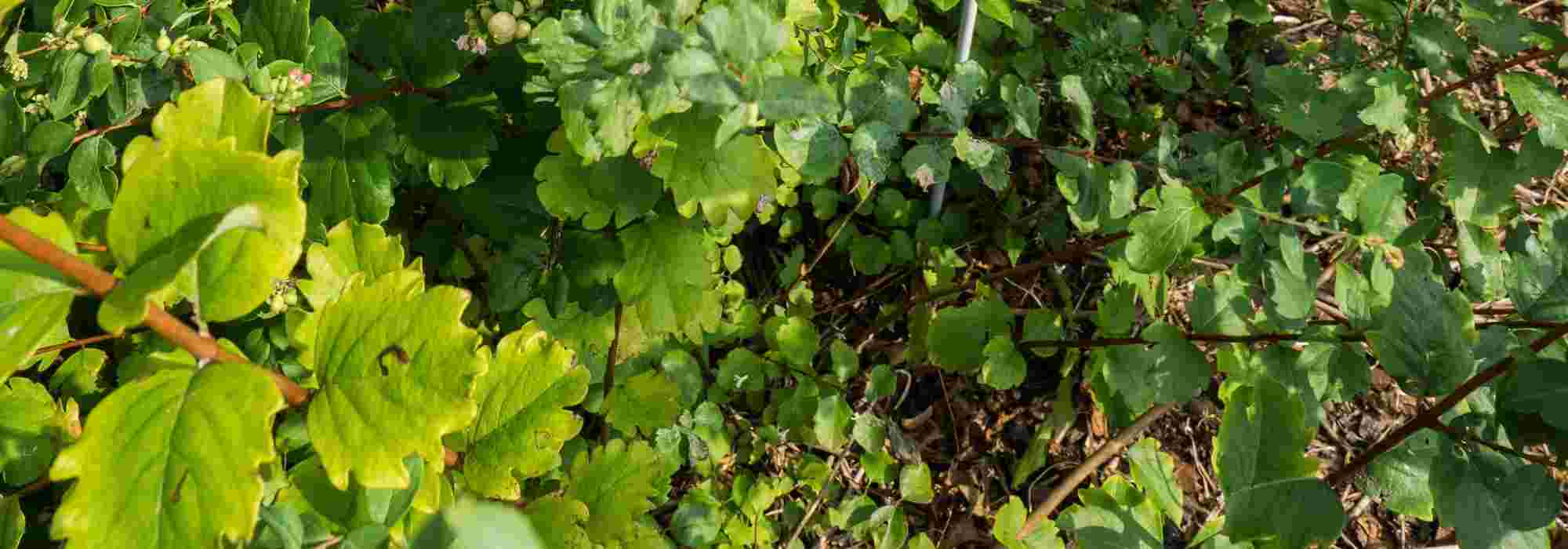
Phymosia umbellata, formerly known as Sphaeralcea umbellata, is a bush belonging to the large mallow family. It is endemic to the forests of the Mexico region, governed by a tropical climate tempered by altitude, dry in winter, hot in spring, and rainy in summer. In its natural habitat, it can reach a height of 5 to 6m (16 to 20ft), but typically reaches 3m (10ft) in height and 1.50m (5ft) in width in our mild climate gardens. Its habit is bushy, rounded, supported by branches covered in a whitish fuzz. Its growth is rapid. It flowers for a long time if the weather remains mild, and its ephemeral flowers, which fade within 24 hours, continuously renew from July until December. The large buds covered in light grey fuzz are grouped in small clusters of 3 to 4 units in the axils of the leaves, and they open one after the other. Each flower, measuring up to 7cm (3in) in diameter, consists of 5 petals arranged in a cup, with a satin texture, intense carmine red in colour with a white base. The centre of the corolla is occupied by a white column. The flowers, pollinated by insect pollinators, transform into fruits composed of numerous tightly packed seeds that resemble those of roses and are easily self-sown. The foliage of Phymosia umbellata persists in mild climates until -5°C/-6°C (21.2°F). It consists of large palmate leaves measuring up to 20cm (8in) in diameter, with irregular lobes. They are covered in fuzz on their upper surface, giving them a soft grey sheen. This bush is capable of regenerating from the stump after short freezes around -8°C (17.6°F) if the stump is protected (especially in the first two years) and the soil remains relatively dry.
Phymosia umbellata will thrive in many areas spared from severe frosts, Atlantic or Mediterranean. It appreciates bright, warm exposures and can tolerate light shade in southern regions. Plant it in a sheltered spot away from strong winds, in soil that remains slightly moist until late summer. It can be used as a medium-sized hedge, in combination with bush mallows, Berberis 'Atropurpurea' for foliage contrast, a Polygala, or even with a tree clover (Lespedeza thunbergii) that will accompany its late summer flowering. It will also be stunning as a standalone plant or at the back of a perennial bed composed of autumn asters or shrubby salvias with blue flowers, for example.
Phymosia umbellata in pictures
Plant habit
Flowering
Foliage
Botanical data
Phymosia
umbellata
Malvaceae
Mexican Bush Mallow
North America
Planting and care
Plant Phymosia umbellata preferably in spring or early autumn in a very mild climate. Choose a sunny location, or partial shade in southern regions. Install it in a regular but well-drained, deep, loose, rather fertile soil, not too dry in summer. The cold resistance of this bush will be greater if the soil remains dry in winter: the first two years, make sure to protect the stump in winter with a thick mulch. It thrives in slightly acidic, neutral, or slightly calcareous soil. Dig a deep planting hole and add some compost and coarse sand or gravel to improve soil quality if necessary. Water abundantly after planting and during the first two summers in case of prolonged drought. This bush is quite water-efficient once established, but a good watering every 15 days will be appreciated in the Mediterranean region. It seems to be disregarded by slugs and snails and does not have any specific enemies or diseases in our latitudes.
Planting period
Intended location
Care
Planting & care advice
-
-
-
-
-
-
-

-
-
, onOrder confirmed
Reply from on Promesse de fleurs
Recently viewed products
Haven't found what you were looking for?
Hardiness is the lowest winter temperature a plant can endure without suffering serious damage or even dying. However, hardiness is affected by location (a sheltered area, such as a patio), protection (winter cover) and soil type (hardiness is improved by well-drained soil).

The flowering period indicated on our website applies to countries and regions located in USDA zone 8 (France, the United Kingdom, Ireland, the Netherlands, etc.)
It will vary according to where you live:- In zones 9 to 10 (Italy, Spain, Greece, etc.), flowering will occur about 2 to 4 weeks earlier.
- In zones 6 to 7 (Germany, Poland, Slovenia, and lower mountainous regions), flowering will be delayed by 2 to 3 weeks.
- In zone 5 (Central Europe, Scandinavia), blooming will be delayed by 3 to 5 weeks.
In temperate climates, pruning of spring-flowering shrubs (forsythia, spireas, etc.) should be done just after flowering.
Pruning of summer-flowering shrubs (Indian Lilac, Perovskia, etc.) can be done in winter or spring.
In cold regions as well as with frost-sensitive plants, avoid pruning too early when severe frosts may still occur.
The planting period indicated on our website applies to countries and regions located in USDA zone 8 (France, United Kingdom, Ireland, Netherlands).
It will vary according to where you live:
- In Mediterranean zones (Marseille, Madrid, Milan, etc.), autumn and winter are the best planting periods.
- In continental zones (Strasbourg, Munich, Vienna, etc.), delay planting by 2 to 3 weeks in spring and bring it forward by 2 to 4 weeks in autumn.
- In mountainous regions (the Alps, Pyrenees, Carpathians, etc.), it is best to plant in late spring (May-June) or late summer (August-September).
The harvesting period indicated on our website applies to countries and regions in USDA zone 8 (France, England, Ireland, the Netherlands).
In colder areas (Scandinavia, Poland, Austria...) fruit and vegetable harvests are likely to be delayed by 3-4 weeks.
In warmer areas (Italy, Spain, Greece, etc.), harvesting will probably take place earlier, depending on weather conditions.
The sowing periods indicated on our website apply to countries and regions within USDA Zone 8 (France, UK, Ireland, Netherlands).
In colder areas (Scandinavia, Poland, Austria...), delay any outdoor sowing by 3-4 weeks, or sow under glass.
In warmer climes (Italy, Spain, Greece, etc.), bring outdoor sowing forward by a few weeks.
Shipping country and language
Your country of residence may be:
Your country of residence is:
For a better user experience on our website, you can select:
Your shipping country:
-
 Austria
-
 Belgium
-
 Bosnia & Herzegovina
-
 Bulgaria
-
 Croatia
-
 Cyprus
-
 Czechia
-
 Denmark
-
 Estonia
-
 Finland
-
 France
-
 Germany
-
 Greece
-
 Hungary
-
 Iceland
-
 Ireland
-
 Italy
Italy
-
 Latvia
-
 Liechtenstein
-
 Lithuania
-
 Luxembourg
-
 Malta
Malta
-
 Netherlands
-
 Poland
-
 Portugal
-
 Romania
-
 Serbia
-
 Slovakia
-
 Slovenia
-
 Spain
Spain
-
 Sweden
-
 Switzerland
Language:
-
French
-
 English
-
Spanish
-
Italian
-
German
-
Portuguese
-
Dutch
-
Finnish
My Account
Hello
My wish lists
My cart
Log in / Register
Existing customer?
This form is protected by reCAPTCHA - the Google Privacy Policy and Terms of Service apply.
New customer?
Create an account to track your orders, access our customer service and, if you wish, make the most of our upcoming offers.