





























8 aromatic herbs for Mediterranean cuisine
our buying guide
Contents
What is Mediterranean cuisine? The cuisine that borders the Mediterranean Sea, which has a common climate and local produce. The geographical area of this cuisine follows the distribution of olive tree cultivation. All countries around the Mediterranean basin share similar ingredients and preparations; sometimes, dishes with different names from different countries have many similarities. The following culinary cultures are considered part of Mediterranean cuisine: Provençal, Maghrebian, Egyptian, Turkish, Greek, Italian, Spanish, and Portuguese, among the most widespread. This cuisine also includes countries from the Near East, such as the famous Lebanese cuisine and the cuisines of the Mediterranean Jewish diaspora.
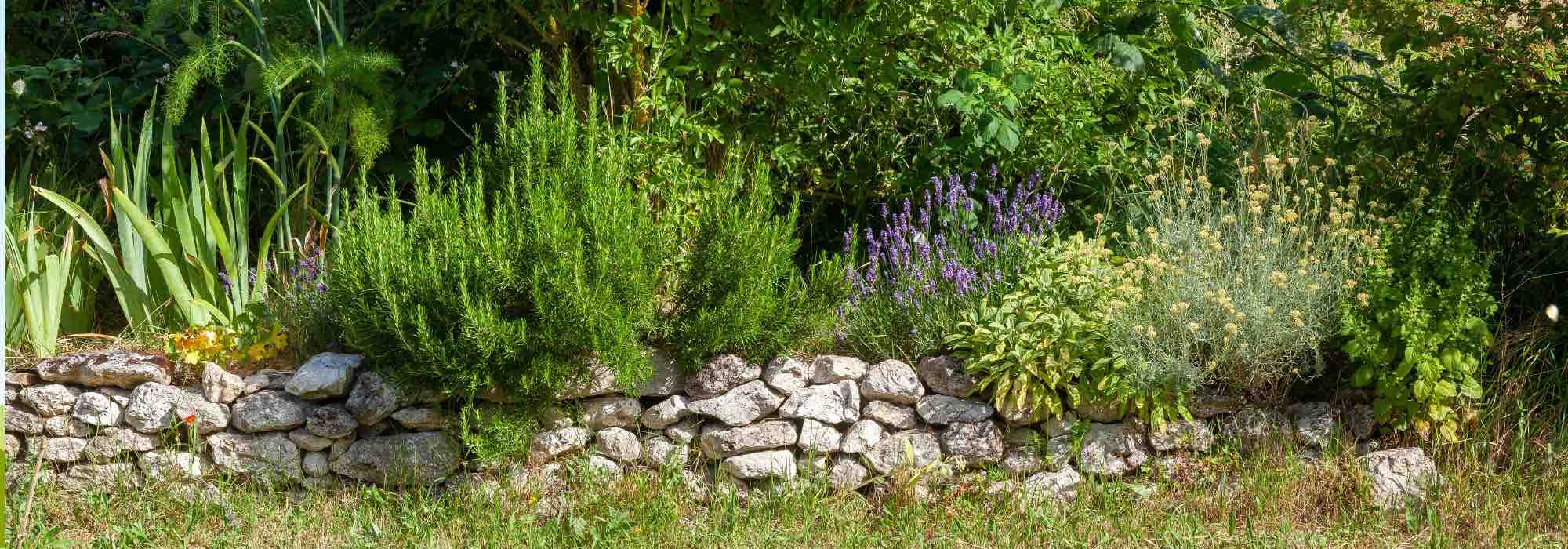
The first four herbs in this selection are considered herbs of Provence and have the advantage of being perennial plants that you can keep for several years in the garden. This also means they are available all year round to serve you and flavour your dishes. They are more suited for cooking and long cooking times. The first three plants have the same growing conditions: very well-drained soil and full sun. Feel free to grow them in the same planter or container, or group them together in the garden.
Discover the aromatic plants from Mediterranean recipes that are easy to grow and will take you on a journey far away.

Rosemary
The Rosemary is a wonderful aromatic plant, providing superb flavours, and pairs beautifully with vegetables and meats. It is also a lovely plant with beautiful blue flowering, attracting pollinators. The creeping forms of Rosemary are interesting for their charming way of spilling over a wall. A bit slow to start, it then establishes itself durably in well-drained soil; its only enemy is winter moisture, and it loves the sun, as it marries admirably with sun-kissed cuisine, sun vegetables, olive oil, garlic, and lemon. It can be used year-round by taking from the plant or drying it. Tough under the tooth, it is used in cooking rather than raw, or finely chopped or crushed in a mortar. Its flavour immediately conjures images of sunny, warm days.
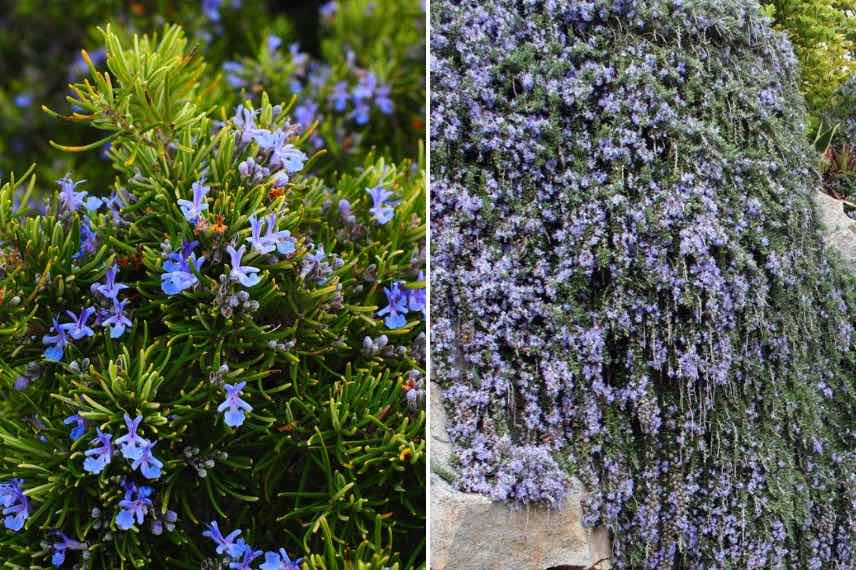
The beautiful flower of rosemary and a form of creeping rosemary: the variety ‘Pointe du Raz’
Oregano
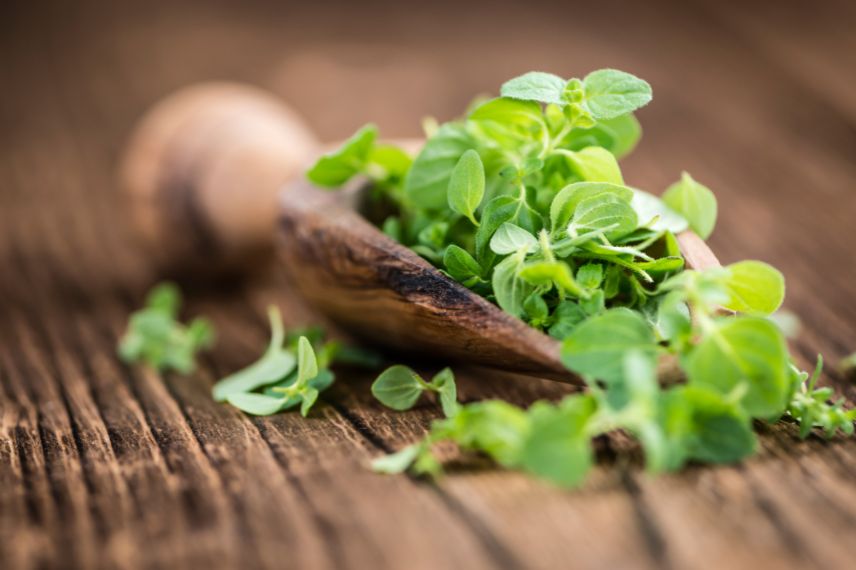
Oregano, also known as Wild Marjoram, Origanum Vulgare, is sometimes confused with Garden Marjoram or Origanum majorana, also known as Perennial Marjoram. Oregano is not fully appreciated in our regions, perhaps apart from the more southern among us. Elsewhere, it is its dried version in small bottles found in supermarkets that is used. It is not often seen planted or sold in bouquets. If you have ever inhaled oregano in Greece, for example, you immediately understand what you are missing by not considering it more. It also grows in well-drained soil in the sun and can be harvested as needed or dried on its stems. Too much rain or watering dilutes its sunny, spicy flavour. Perfect on pizza, in tomato sauces, it also flavours Greek salad with feta or many stews. It is an essential culinary herb in Greek, Italian, and Portuguese cuisines. Perennial and hardy, it is available almost all year round in pots or in the garden, so do not hesitate to try it and give it the place it deserves in your cooking. Dried by your own hands, it has much more aroma than the small spice bottles from the supermarket.
Thyme
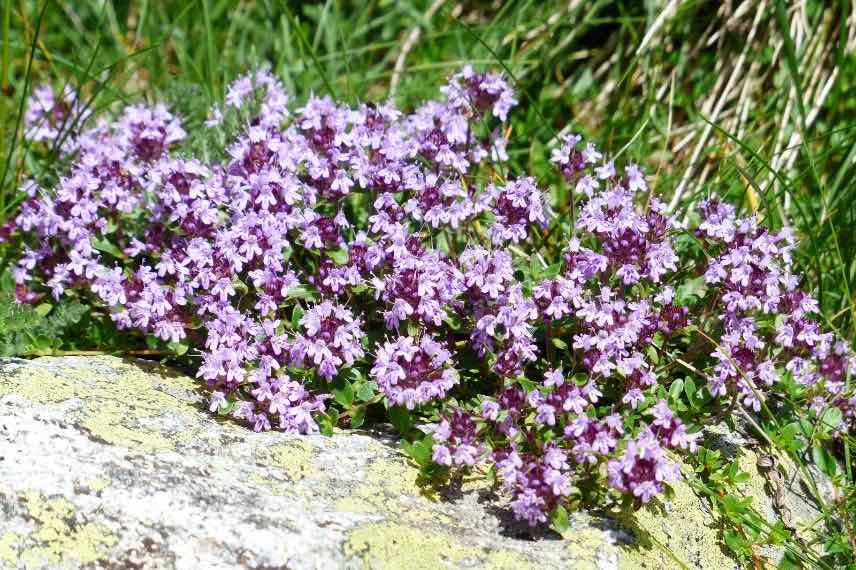
The Thyme also has wonderful, varied aromas and flavours, as there are many species. It’s fascinating how two species of thyme can smell different when you get your nose in there, while still being recognisably thyme. “Variations on the same theme” could be the slogan for thyme. It forms aromatic carpets that are very drought-resistant, beautifully flowering in spring or summer. Don’t hesitate to prune it to maintain a more aesthetic and bushy appearance. It is also evergreen and present all year round. Consume its young flowering stems in late spring, rich in fragrance, or simply pick the flowers to flavour more delicate dishes and even cakes. Use a bunch of fresh thyme as a brush for olive oil and salt to baste your grilled dishes, and you’ll see what I mean. The combination of thyme and pork is a delight. Even though it is aromatic, whether dry or fresh, I recommend using it as often as possible fresh, as it adds a real advantage, which is why it’s worth growing it at home.
Read also
Create a spiralled herb garden.Laurel
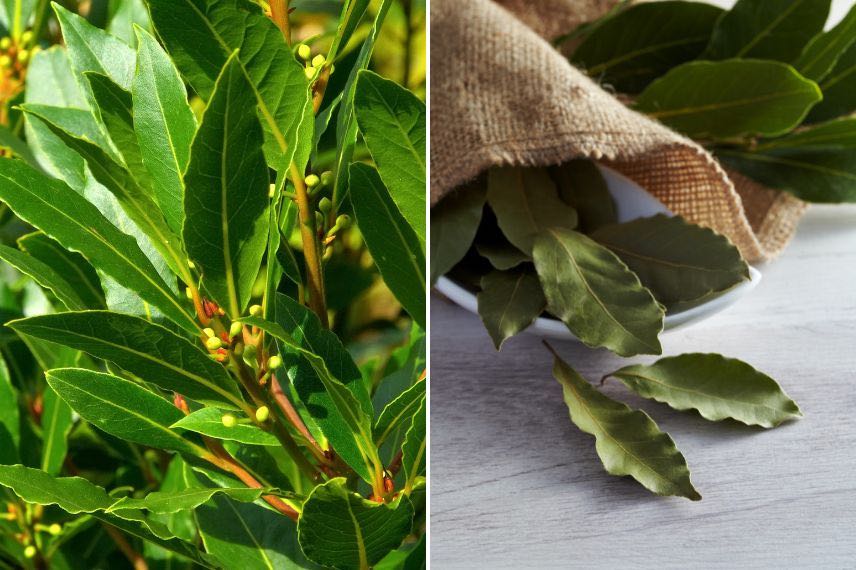
Bay Laurel is also a treasure, well known in many culinary cultures far beyond the Mediterranean. The only edible bay is the Bay Laurel or Laurus nobilis, while there are other laurels that are purely ornamental. Over time, it forms a bush at least 2 m tall. However, you can prune it as desired. It is hardy down to about -10° C. More hardy varieties can be found, such as the Bay Laurel ‘Little Laura’. Fresh or dried, its leaves are used in long-cooked sauces or when cooking grains and legumes. It adds a truly interesting dimension to your cooking. Its dried leaves are no less flavourful than its fresh leaves (which are actually more bitter), making it a long-lasting herb that is genuinely accommodating.
Mint
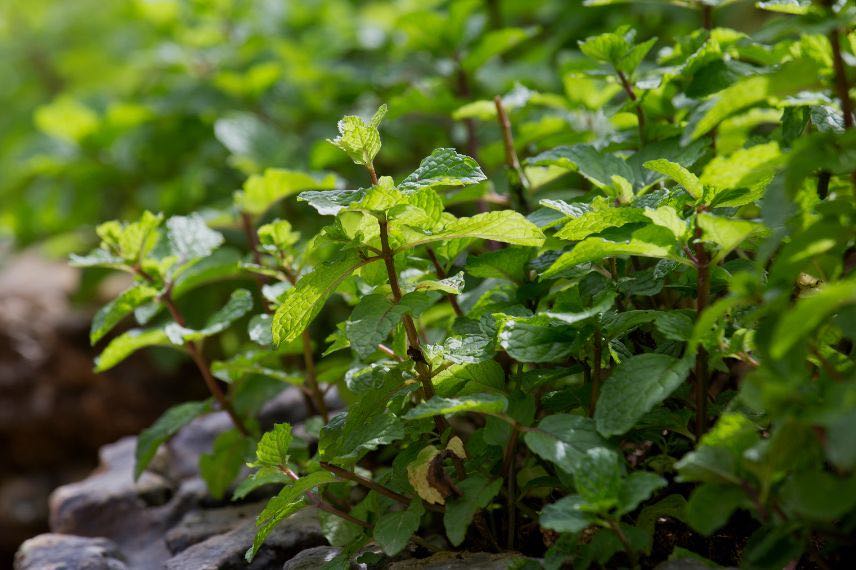
Mint is found everywhere; all culinary cultures of the Mediterranean basin consume it, as evidenced by the famous Moroccan mint tea and Greek tzatziki (cucumber with yoghurt). Morocco is indeed the world’s leading producer of mint, accounting for no less than 90% of the production! Mint adds a very fresh taste to all preparations, both savoury and sweet, as well as beverages. It is primarily used raw. Chop or finely slice it just before use, as it wilts quickly. Very prolific with its running roots, it is often recommended to grow it in a pot to avoid being overwhelmed by this invasive plant. There are many species and varieties, each with interesting and diverse flavours. Try Moroccan mint “Nanah” or Corsican mint for example.
As a side note, we also use dill in tzatziki. Don’t miss out on this other splendid aromatic plant, highly valued in cooking.
Coriander
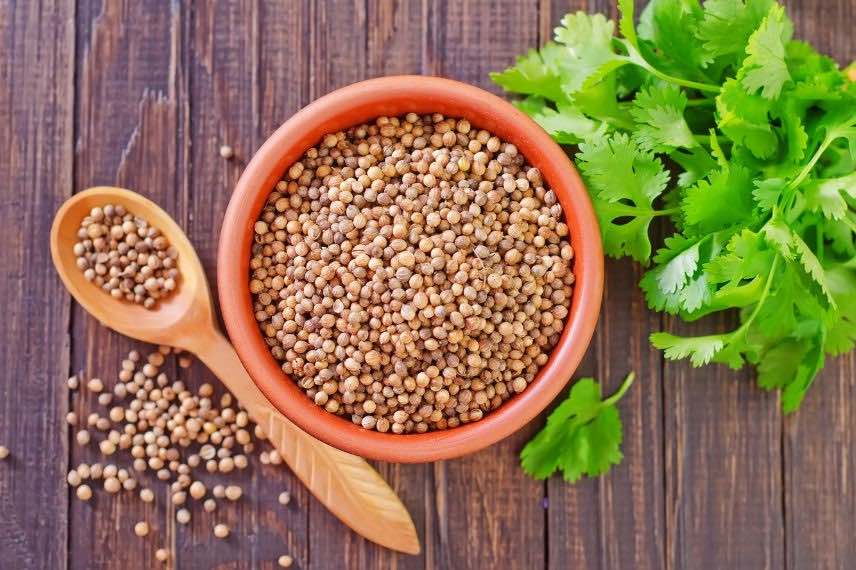
The Coriander, a wonderful herb used for both its leaves and seeds, is prevalent in the cuisine of Maghreb and the Middle East. Its seeds are widely used in Greek cooking. The leaves are mostly used raw, as they spoil even faster than mint leaves, so it’s best to wait until the last moment to cut them. In Maghreb, they are also used in cooking, often added in whole bunches to dishes like couscous. An annual plant that is frost-sensitive, it grows easily in sunlight but bolts quickly, so it’s useful to space out the sowings to enjoy it for longer. Coriander is a subject of adoration or detestation; if you belong to the former group, sow it regularly. Its sowings are easily successful, and if cold periods are avoided, you can enjoy it for much of the year, with late summer sowings also possible to harvest before winter.
Basil
The Basil is widely used in Italy, famous for its pesto, and in Provençal cuisine as well. Of course, with cuisine merging different culinary cultures, it can be found almost everywhere, and it truly adds a delightful fragrance that we long to enjoy all summer long. Sumptuous with raw tomatoes or tomato and vegetable sauces, it is also very pleasant in salads mixing raw fruits and vegetables, such as melon or strawberries. Delicate as well, we wait until the last moment to chop or tear it by hand, and it is mainly used raw. However, in Italian dishes with vegetables and cheese, like parmigiana, a famous gratin of aubergines, tomatoes, and parmesan, whole leaves are slipped between the layers of aubergine before cooking, infusing the entire dish with its delicious aroma. Its cultivation requires a balance of sun and shade to protect its delicate leaves in summer. It needs careful watering. Try its different varieties; they are worth exploring.
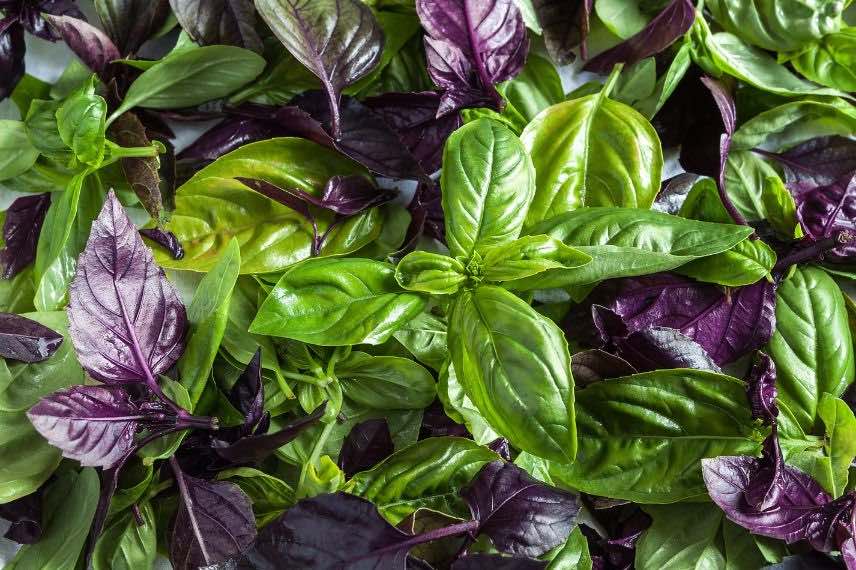
Green and purple basil
Calamintha and Hyssop
Finally, let’s mention two lesser-known herbs, Calamint or Calamintha and Hyssop, which have little in common except that they are both aromatic and ornamental. The splendid blue flower spikes of Hyssop and the fluffy corymbs of Calamint enhance their delightful fragrance, which is greatly enjoyed when brushed against. Their uses are less common, but if you have a little space left, you won’t regret planting them.
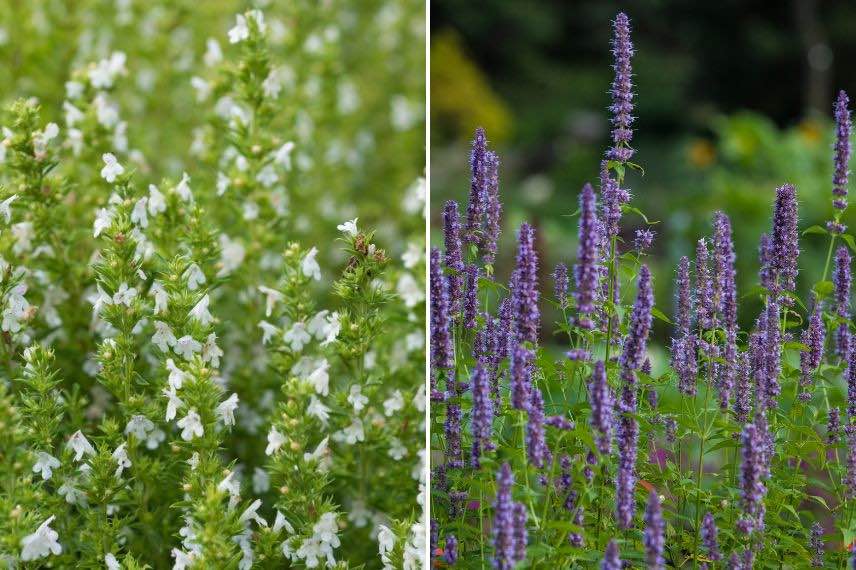
Calamintha nepeta and Hyssop
- Subscribe!
- Contents
Comments