





























Growing lemon balm in pots
Planting, harvesting, and use
Contents
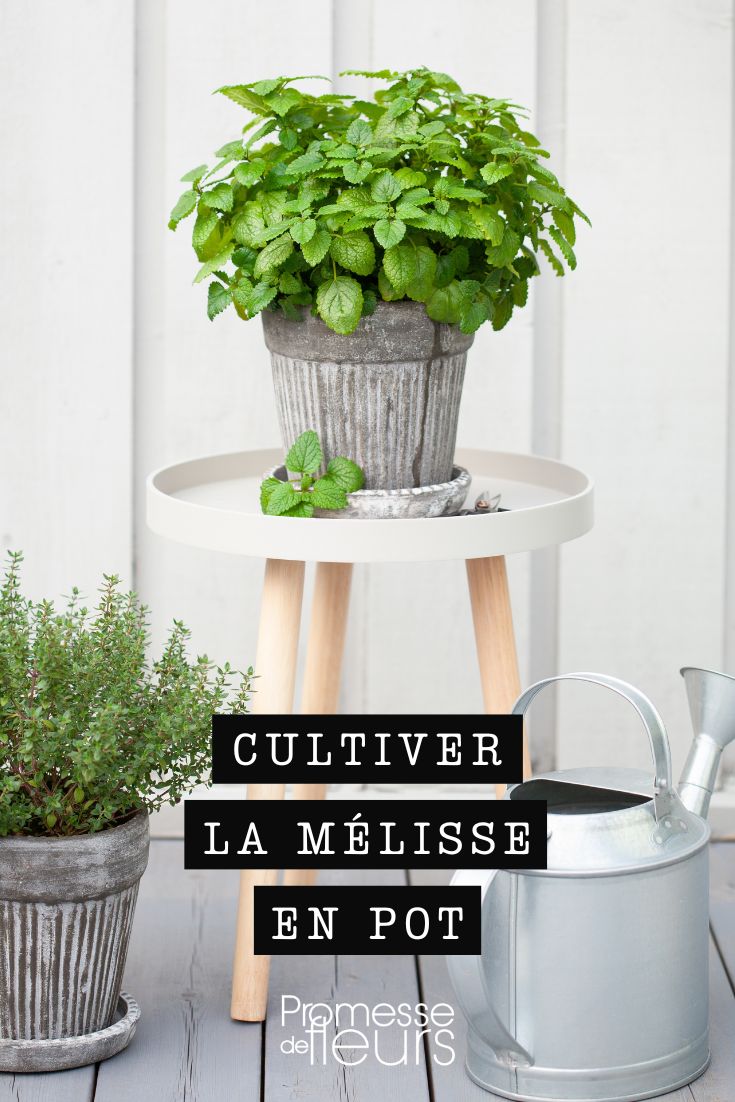
With its sweet lemony scent and delicate leaves, lemon balm, is an herb that deserves a special place in our gardens and on our balconies. Whether you have a small space or a true urban jungle, growing lemon balm in pots is both simple and rewarding. Known for its soothing and digestive properties, this medicinal plant is a must-have for herbal tea enthusiasts or those who enjoy natural cooking. In this article, we reveal all the secrets to successfully cultivating lemon balm in pots and enjoying its benefits all year round.
Also, check out our complete guide on growing lemon balm.

What are the different varieties of lemon balm?
Cousin of mint and thyme, Melissa Officinalis comes in several varieties:
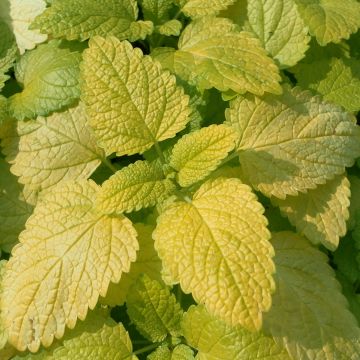
- Melissa Officinalis ‘Aurea’ is identifiable by its golden foliage, turning green at the end of the flowering period.
- Melissa Officinalis ‘Citronella’ offers a lemony note, valued for repelling mosquitoes or flavouring an infusion or dish.
- Melissa Officinalis ‘Lime’ with its lime scent.
- Melissa Officinalis ‘Altissima’ releases an aroma of orange and mandarin through its leaves.
- Melissa Officinalis ‘Variegata’ is distinguished from other varieties by its yellow-spotted leaves, both at the beginning and end of the season.
Read also
Lemon balm: sowing, planting, growingDiscover our lemon balms
View all →
Available in 1 sizes
Available in 1 sizes
Available in 2 sizes
Available in 1 sizes
Available in 1 sizes
Available in 1 sizes
Available in 1 sizes
Available in 2 sizes
When to sow or plant lemon balm in a pot?
- The best time to sow lemon balm in pots is in spring, ideally between March and May. At this time, temperatures begin to warm up, providing the perfect conditions for good germination. If you live in a region with a mild climate, you can also sow in autumn. However, it is best to start your sowing indoors or under cover to protect them from late frosts. Once the young plants are robust enough, you can transfer them to a pot outside when all risk of frost has passed.
- If you prefer to opt for planting young plants purchased from a nursery, lemon balm can be planted in pots in spring, usually from April or May, once temperatures are milder and the risk of frosts has passed.
Read also
How to dry lemon balm leaves?How to sow lemon balm in a pot?
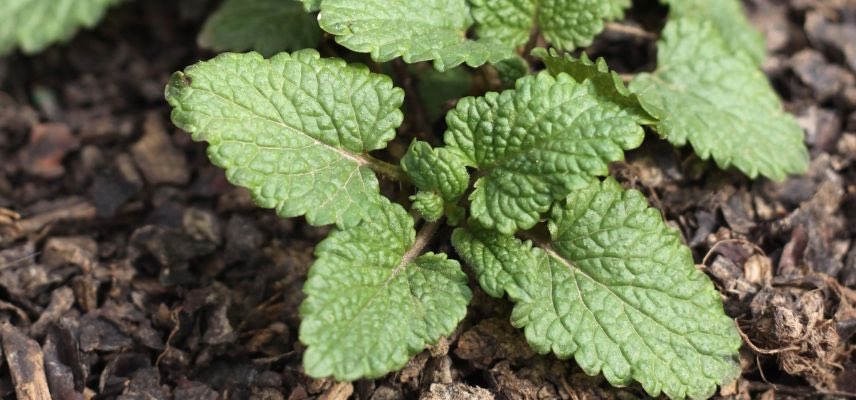
Sowing lemon balm in a pot is simple and accessible to everyone, even beginners! Here’s a little guide to get you started:
- Choose a pot: Opt for a pot that is at least 20 cm deep with a minimum diameter of 20 to 30 cm, ensuring it has drainage holes to prevent excess water, along with a saucer to place underneath the pot.
- Prepare the compost: Use a mixture composed of one third of universal compost (or special herb compost), one third garden soil, and one third sand or perlite.
- Sow the seeds: Gently sprinkle the seeds on the surface of the compost without pushing them in too deeply, as they need light to germinate. Lightly cover them with compost.
- Moisten the surface of the compost slightly using a spray bottle or a watering can with a fine spout. Water regularly to keep the soil moist, but avoid flooding.
- Place it in a bright location, out of direct sunlight. A temperature of 18 to 20°C is ideal for germination.
- Care after germination: Once the shoots are visible, thin them out if necessary and keep the most vigorous plants. Continue to water moderately, allowing the soil to dry slightly between waterings. If needed, thin and transplant the plants into their final pot once they are well developed.
How to plant lemon balm in a pot?
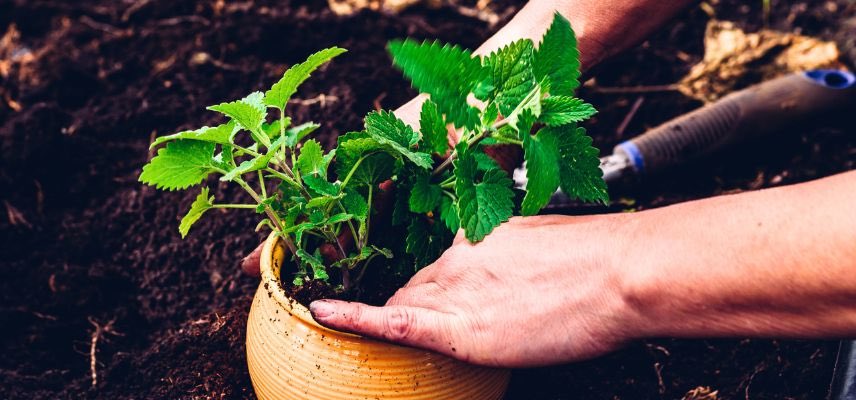
Planting lemon balm in a pot is simple; here’s how to proceed:
- Choose a suitable pot: Opt for a pot with a diameter of at least 20-30 cm and drainage holes. Lemon balm needs space for its roots and good drainage to avoid standing water.
- Prepare the compost: Use a mixture composed of one third of universal compost (or special herb plant compost), one third garden soil, and one third sand or perlite.
- Plant the young plant: If you are using a young plant, dig a hole in the compost of the pot that is wide enough to accommodate the roots. Place the lemon balm plant in the hole, then gently cover it with substrate, pressing down lightly to keep the plant in place.
- Water generously after planting to thoroughly moisten the substrate. Afterwards, water regularly to keep the compost slightly moist, but avoid excess water that could rot the roots.
Care tips for your potted lemon balm
Maintaining lemon balm in a pot is quite simple, as long as you follow a few key tips. Here are the steps to keep your plant healthy and productive:
- Regular watering: Lemon balm likes slightly moist soil, but not waterlogged. Water regularly, especially in summer, allowing the top of the soil to dry out between waterings. Be sure not to let water stagnate in the saucer to prevent the roots from rotting.
- Exposure: Place your pot in a bright location, but out of the scorching midday sun. A semi-shaded position is ideal, especially if you live in a hot region.
- Frequent pruning: Regularly prune lemon balm by cutting back the stems to prevent it from becoming too invasive and to encourage the production of new leaves. Pinching off the flowers as soon as they appear also helps to extend the harvest season and prevents the plant from going to seed too early.
- Light fertilisation: A light application of organic fertiliser or compost once or twice a season is sufficient. Lemon balm is not very demanding, so avoid over-fertilising to maintain the flavour of its leaves.
- Winter protection: In winter, if you are in a region with cold winters, bring your pot indoors or place it in a frost-free location, as lemon balm does not tolerate very low temperatures. Inside, place it near a window so it continues to receive light.
- Pest monitoring: Regularly check for aphids or spider mites, especially if your pot is indoors. A simple spray of water or a mild insecticidal soap solution can be enough to keep them at bay.
Good to know: a particularly prolific perennial, the lemon balm plant should be replaced every four years with a younger, more vigorous one.
How to use this aromatic plant?
The harvest of potted lemon balm occurs approximately 5 months after sowing or a few weeks after the installation of a young plant. A melliferous plant, it is recommended to wait until the evening to collect its leaves, so as not to disturb the bees. To do this, simply cut the stems as needed, starting with the outer stems.
For culinary use of potted lemon balm, it is important to know that the young leaves, which appear in spring, are perfect when chopped and mixed with lettuce or grated carrots. Whole, they can flavour various dishes, whether soups, stuffing, meats, or fish. Surprisingly, lemon balm can also be used in baking, in desserts based on orange or lemon, or in cakes. Note that by allowing the plant to steep in vinegar for about ten days, it will impart a sweet fragrance.
As a medicinal plant, lemon balm helps combat nervousness (palpitations, migraines, insomnia…) and digestive disorders. Depending on the uses and needs, several applications are possible, including:
- Infusion: 1 to 3 level teaspoons of dried leaves, poured into a cup of hot water, at a rate of 2 or 3 cups per day.
- Decoction: two to three times a day, boil 1 tablespoon of dried leaves in a cup of water for 3 minutes, then let steep for 10 minutes before drinking.
- Compress: the method involves making an infusion, allowing it to cool, then soaking a compress or cloth in it and applying it to the affected areas.
- Aromatic bath: to the bathwater, simply add 1 litre of decoction of dried leaves and immerse for 10 minutes.
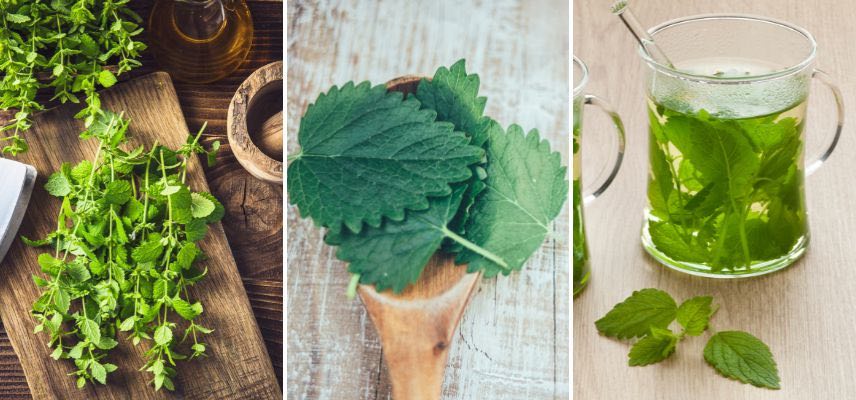
Good to know: to dry lemon balm leaves, simply gather 5 to 10 stems into a bouquet, without crushing them, and hang them upside down in a dark, airy place where the temperature does not exceed 25 °C. Then, allow 1 to 3 weeks.

- Subscribe!
- Contents
Comments