


What to plant in spring?
For a blooming and bountiful garden
Contents
Spring is back, and so is planting season! The soil is starting to warm up after the winter chill, so you can bring out your spades and forks and plant the plants you’ve been dreaming of for your garden. The least hardy plants should be planted as the nice weather returns, but after autumn, it’s also the ideal season to plant container or balled trees and bushes, and it’s the right time for roses, hedge shrubs, and evergreen trees and shrubs, including conifers. When it comes to fruit, it’s also a good time to plant fruit trees and soft fruits, as well as perennials, bulbs, and annuals that will bloom in the garden throughout the lovely season.
With all this, you might be wondering which plants to plant in spring? What flowers to plant right now? Follow our advice; we’ll tell you everything!

Ornamental trees and conifers
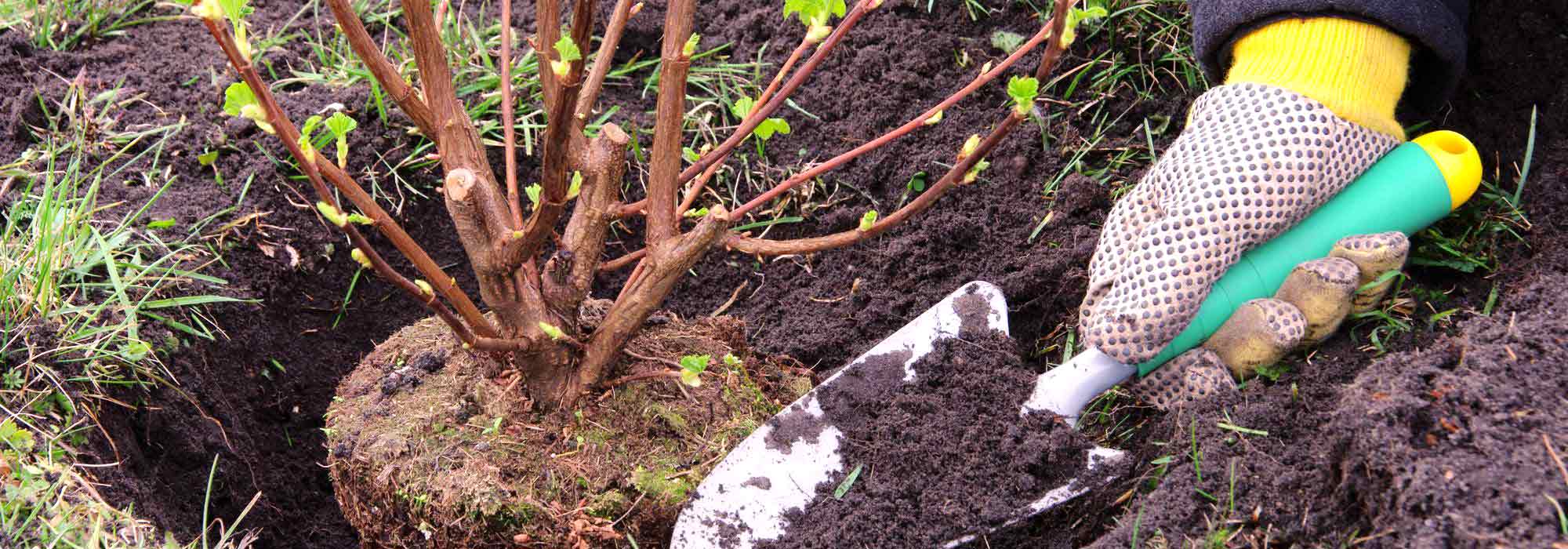
Even though autumn is considered the best season for planting trees, these plantings can also take place in spring, as soon as the risk of frost has passed and the soil has begun to warm up a few degrees. First and foremost, planting a tree requires finding its ideal location. Make sure to research the mature size of the subject(s) you have chosen and select its future home accordingly.
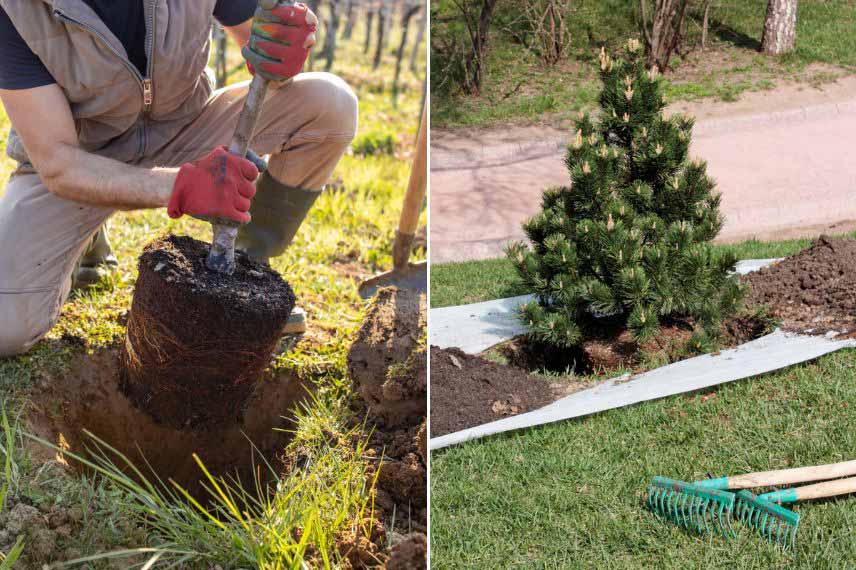
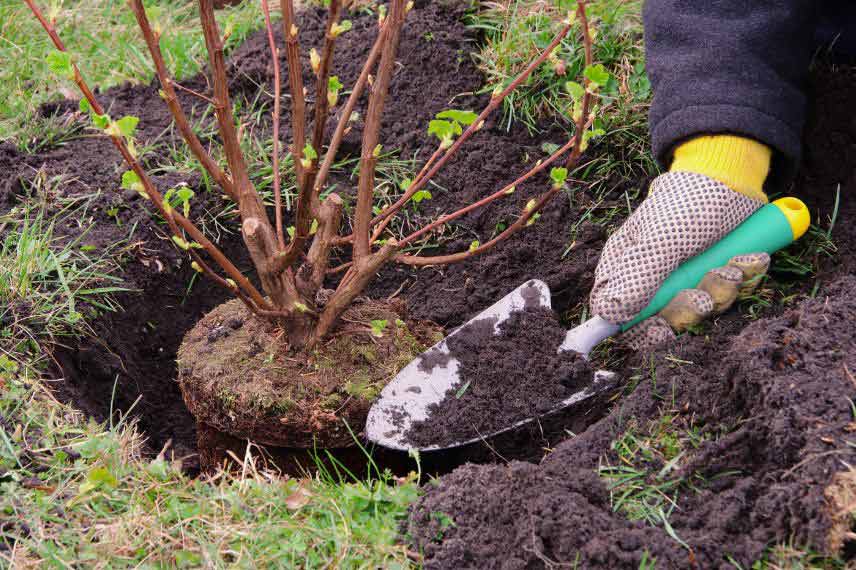
- Trees and conifers in containers or root balls can be planted in the ground in March-April: soak the root ball in water for a few moments before planting and dig a hole 2 to 3 times the volume of the root ball. Ensure proper drainage in the planting hole with a small layer of gravel and also add compost. Place the tree and cover it with soil. Firm it down well and water!
- Less hardy species such as Mimosa, Albizia, Eucalyptus, palms, or olive trees are more sensitive to cold during their early years. Spring planting is therefore particularly recommended to allow them to start rooting before the next winter.
→ Providing shade, a refuge for biodiversity, windbreaks, or simply enhancing your garden: discover in our article 10 good reasons to plant a tree!
Read also
What to plant in autumn?Fruit trees and soft fruits
Fruit trees grown in the open or trained and soft fruits have in common the delight of providing us with their vitamin-rich harvests. If you weren’t able to plant them in autumn, don’t panic! You can certainly do so in spring; just be vigilant about watering.
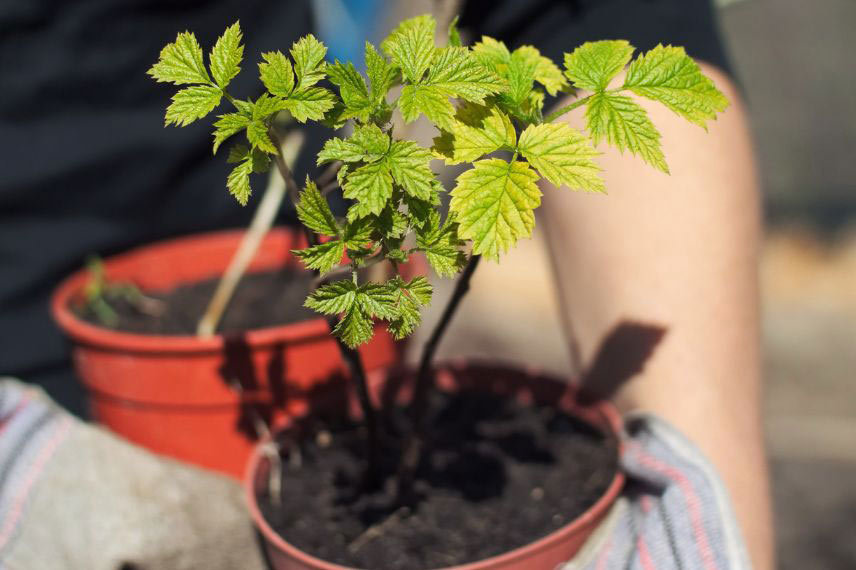
- Plant strawberries, redcurrants, blackcurrants, raspberries or more unusual Goji berries and May berries in pots or containers. If you’re short on space but not on appetite, plant these nourishing plants in large pots or troughs on your terrace or balcony! For more details on planting soft fruits, check out our detailed guide.
- If you have a sufficiently large area, creating a family orchard can be an excellent option for producing your own healthy fruits, not to mention the savings that can be made after a few years. When planting, it is essential to maintain proper planting distances between fruit trees; follow all our advice on planting distances in the orchard.
- Fruity by nature, citrus trees should be planted in spring, and it is not advisable to plant them in the ground unless you live on the Mediterranean coastal strip. Elsewhere, plant them in pots so you can shelter them in winter. Choose a sunny spot, but not scorching, in a sheltered location from the wind. Discover our tips for planting and growing lemon trees, orange trees, and other citrus in pots or in the garden.
Roses
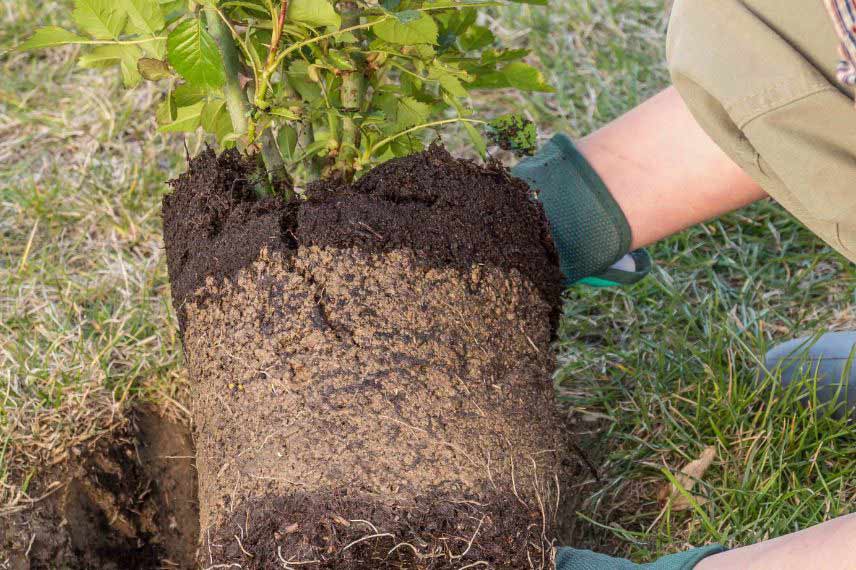
Container-grown roses can be planted all year round, provided that you remain attentive during the weeks following their planting. Indeed, their rooting period is about 8 weeks, so it is essential to ensure regular watering. During the hot months, the recovery is more delicate; you will need to prune the plants quite short and water more frequently.
→ Find in our guide our tips on how to plant roses, and if you are passionate about roses, discover how to create a rose garden or rosarium!
Read also
What to plant in winter?Ornamental and hedge bushes
Whatever types of bushes you plan to plant, whether they are in pots or containers, gently untangle the roots to avoid root binding, and moisten the root ball by soaking it in a large container filled with water.
- Plant evergreen bushes (Barberry, Holly, Firethorn, Mahonia, Photinia, Aucuba, Spindle, Cherry laurel, Privet…) to create hedges for privacy or windbreaks and to structure your garden.
- Plant flowering bushes with the aim of spreading the flowering periods throughout the seasons.
- In the garden, planting a hedge is not a trivial act: location (especially if it runs along a property boundary), choice of bushes, how to properly prepare the ground: find our detailed article with answers and tips for successfully planting your hedge.
- Mediterranean bushes and exotic bushes (Bottlebrush, Cassia floribunda, Cordylines, Cycas…) require planting in spring to establish properly during the growing season. The hardiness of these plants greatly depends on soil drainage, which should not retain moisture in winter, so be sure to address this by incorporating gravel at the bottom of the planting hole.
→ Find in our article 9 hedge bushes for beginners: they are foolproof and require little maintenance.
→ For months of flowers, check out our selection of 10 bushes with long flowering and for a resilient garden, discover drought-resistant bushes.
Bamboos
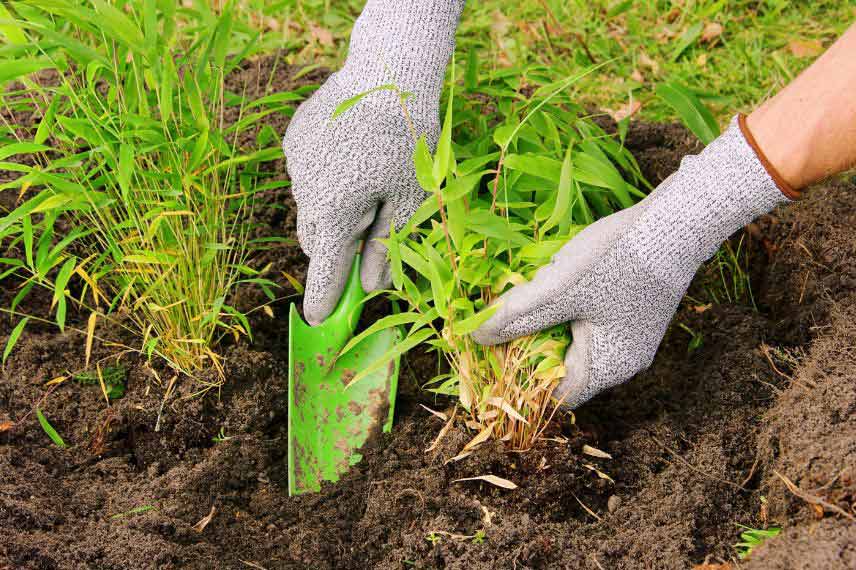
Running or non-running, bamboos in containers can be planted all year round, allowing you to install them in the ground in spring. Growing bamboo is easy in rich, humus-bearing soil; bamboo is a water- and nutrient-hungry plant, so it thrives in fertile soils.
- Frost-sensitive varieties, such as Fargesia papyrifera (hardy down to -9/-11 °C), will benefit from being planted in spring, so that the rootstock has time to establish properly to withstand the coming winter. In harsh climates, it is better to plant them in a large pot to winter over.
- Don’t forget to place a rhizome barrier in the planting hole or trench for bamboo hedges; buried 50 cm deep in the soil, it will effectively stop the suckers to control the spread of running varieties.
- Bamboos tolerate container growing very well as long as you keep up with watering; choose your species wisely and prefer non-running or small-growing bamboos like the lovely Sasa tsuboina. When planting, use a good potting mix or prepare a homemade substrate made up of equal parts compost, horticultural soil, and coarse sand.
→ Discover our selection of 6 fast-growing bamboos and which varieties to choose for creating a bamboo hedge
Climbing
To brighten up façades and green up pergolas and arbors, climbing plants are essential. They can be planted in the ground in spring, from March to May.
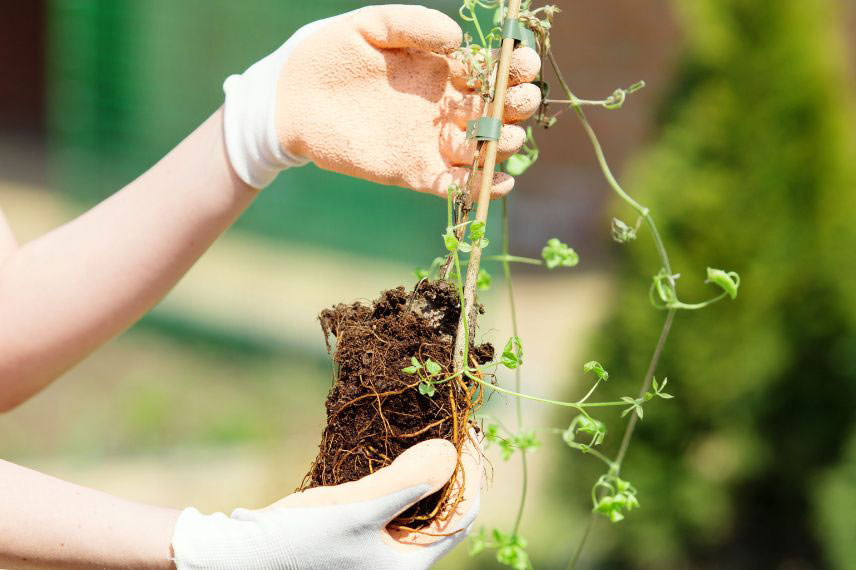
- Plant clematis, wisteria, Virginia creeper or honeysuckle while considering their future spread. Some compact varieties, suitable for small spaces and for growing in large pots, can be planted at this same time. When planting, tilt the root ball towards its support and tie the first stems with ties. Backfill the hole and water. It is important to monitor water supply during the establishment period if rainfall is insufficient, and for at least the first summer. Some climbers, such as honeysuckle or clematis, need to be tied to a support to be trained, while others like Virginia creeper or trumpet vine cling on their own using climbing roots.
- The most frost-sensitive climbers (bougainvillea, Hardenbergia, passion flowers, jasmines or trumpet vine) should preferably be planted during this period to avoid fatal frost at planting.
Perennials, grasses and bulbs
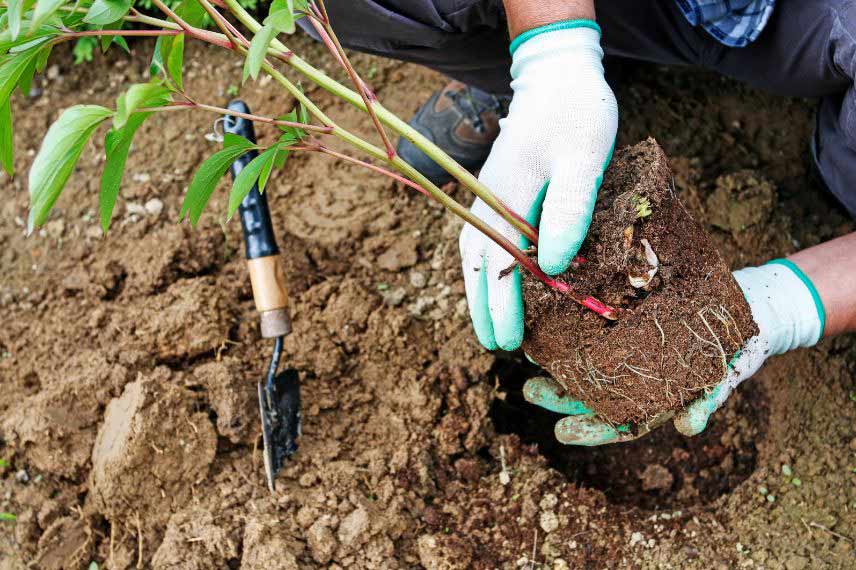
Planted in spring, perennials and ornamental grasses quickly establish themselves in the garden and some of them, very vigorous, make an impact from the first year; the soil is warmer and the accumulated moisture is favourable for their rooting. Take care with the planting by making a hole at least twice the size of the root ball and loosening the soil well. Then, do not hesitate to mulch generously to retain moisture and warmth, prevent the spread of “weeds”, and to maintain a living soil. You will need to monitor watering during the rooting weeks and throughout the first summer following planting, until your perennials are sufficiently rooted to be more resilient.
- Economical to purchase, perennials delivered in pots can be planted all year round, just like those in larger containers. The absence or near-absence of leaves in early spring is perfectly normal; so remember to label your new plantings for easier identification
- Plant your perennials in groups of 3 or 5 for a spectacular effect in your borders
- Alstroemerias, Alchemillas, Gauras, Verbena de Buenos Aires, Thulbagias, Heucheras, Agastaches, Gypsophilas, Persicarias… many varieties of perennials are very easy to grow and will provide you with long-lasting blooms. The choice is more than vast, so indulge yourself and think about combining colours and textures, composing your borders according to your soil type and climate, without forgetting the exposure. Discover our selection of easy-to-grow perennials, essential for beginner gardeners
- The ornamental grasses offer soft and natural forms. They are easy to grow once established, and they adapt to various conditions. Their structure enhances other plants, creating a superb backdrop or a uniform carpet that highlights the brightest blooms. You can plant them in spring (from March to May); in regions with cold and damp winters, this spring planting will ensure their recovery, and they will have time to settle in well before the first winter
- Spring is the best season to plant aquatic perennials and marginal perennials, which require constant moisture
- Bulbous and fleshy-rooted plants (dahlias, gladioli, agapanthuses…) are excellent companion plants for annuals and perennials. The tubers are planted in spring, at the end of March, after the last significant frosts. In cold regions, wait until late April or early May, as soon as the soil is warmed and can be worked. Simply store the purchased tubers in a frost-free place until the right planting time. You can stagger the plantings by installing bulbs every two weeks
- Spring is the ideal season to plant slightly tender plants that do not like moisture, such as agaves, yuccas, or aloes. These plants are very interesting due to their drought resistance, undemanding nature, and their graphic presence in the garden throughout all seasons. They can also be grown in large pots, preferably terracotta, on the terrace or balcony, in a light substrate such as cactus soil, with particularly careful drainage
→ Read also: When to plant summer bulbs?
Annuals and biennials
- Annual plants are speed champions: they flower in the season and quickly provide decoration. Provided you prepare your soil well and do not neglect watering, you will achieve beautiful flowering scenes in just a few weeks. Bidens, Coleus, Coreopsis, and Diascias can be planted as plug plants or in pots. They can fit into the garden among perennials or at the edges, but can also be planted in pots and window boxes to brighten up the surroundings of the house. Plant them from March to May and choose a sunny spot or possibly partial shade depending on the varieties.
- You can pinch the young shoots, which means cutting the top part of the stems and the first flowers, if possible above a branching point, at three-quarters of the height: the plants will branch out and be more vigorous.
- Water after planting and then regularly, but without excess. Add a little flowering plant fertiliser every 15 days.
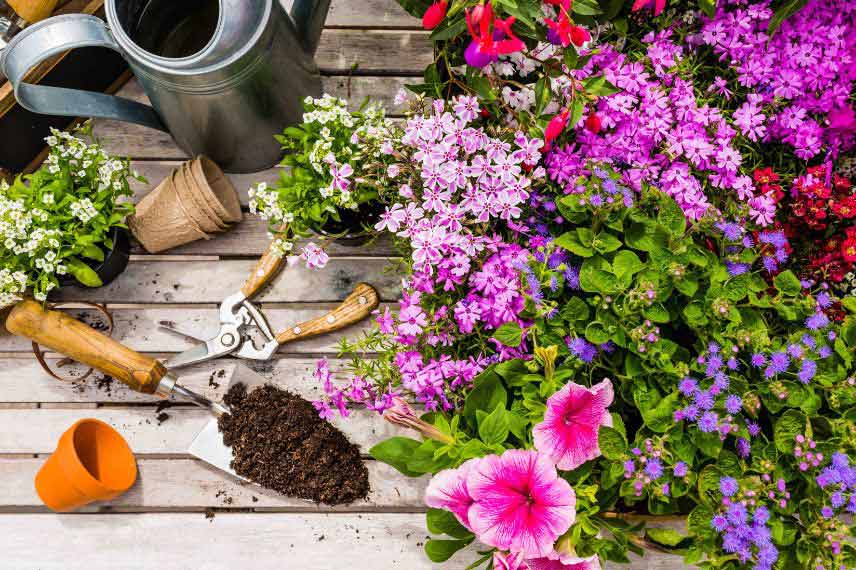
What plantings do you prefer in spring? Feel free to share your gardening experiences and tips in the comments!

- Subscribe!
- Contents

Comments