





























Modified the 7 January 2026 by Michael
3 min.
Difficulty:
Débutant
Star shrub of the 1980s, conifers enjoyed their heyday in suburban areas, planted in rows as hedges or as solitary specimens amidst lawns. The stars of the time were Thuja plicata 'Atrovirens', Cupressocyparis leylandii, Chamaecyparis lawsoniana 'Ellwoodii', and Juniperus communis 'Repanda'. Like all overhyped stars, they eventually became tiresome and gradually turned into "has-beens".
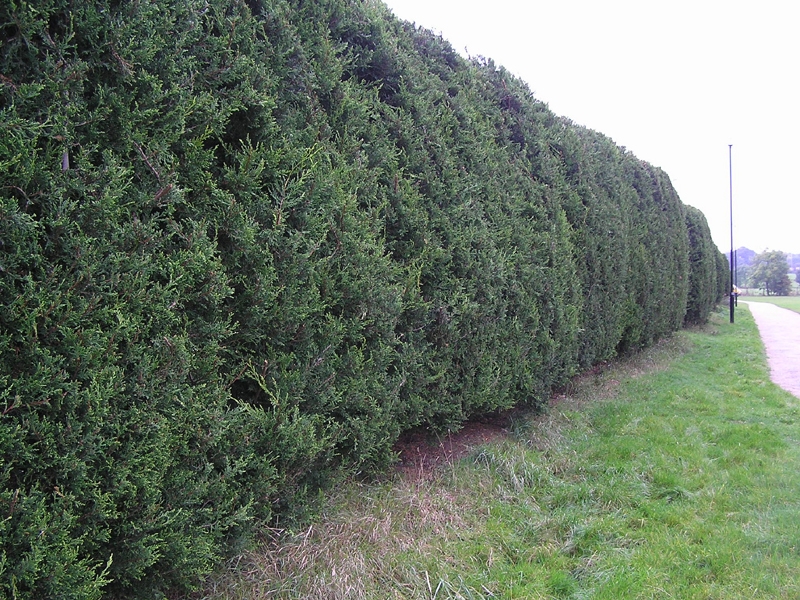
Conifers have fallen out of fashion in favour of more "exotic" plants. Nowadays, one might opt for a Photinia Red Robin or an Elaeagnus ebbingei to enclose a property. A Viburnum plicatum, a solitary Acer palmatum, or a Hydrangea paniculata in a mass planting are preferred. However, it seems this long desert crossing may be coming to an end:
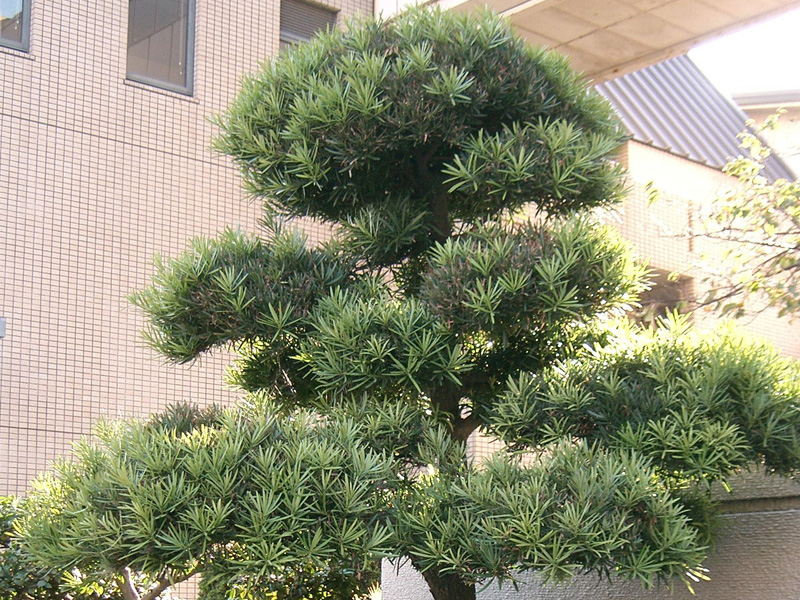
- Firstly, thanks to the trend of "niwaki", this Japanese art of pruning trees into cloud shapes and giving them the appearance of giant bonsais. Old garden conifers (junipers, yews, pines...) have regained a more contemporary look. Cleared of excess branching, cleaned, and shaped with shears, these once-dated shrubs are now being transformed by the skilled hands of gardeners who embrace these "extreme makeovers" and are enjoying a second life.
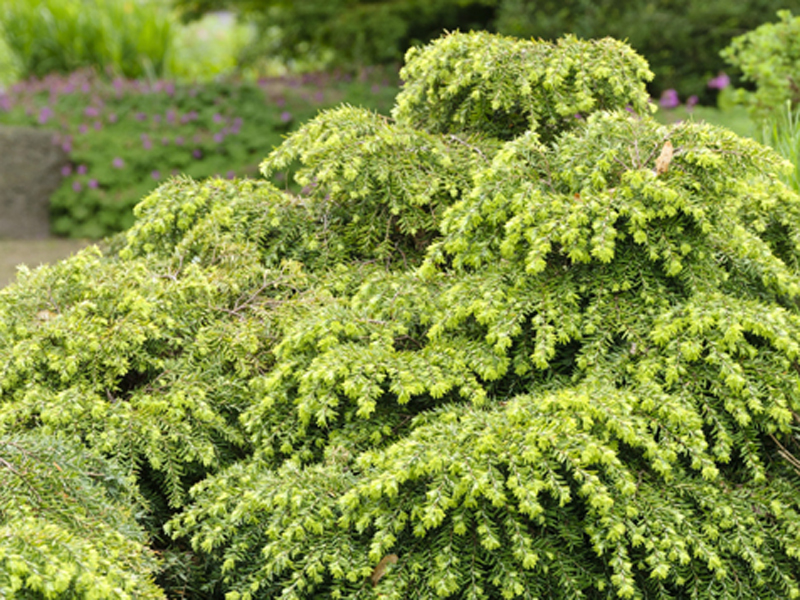
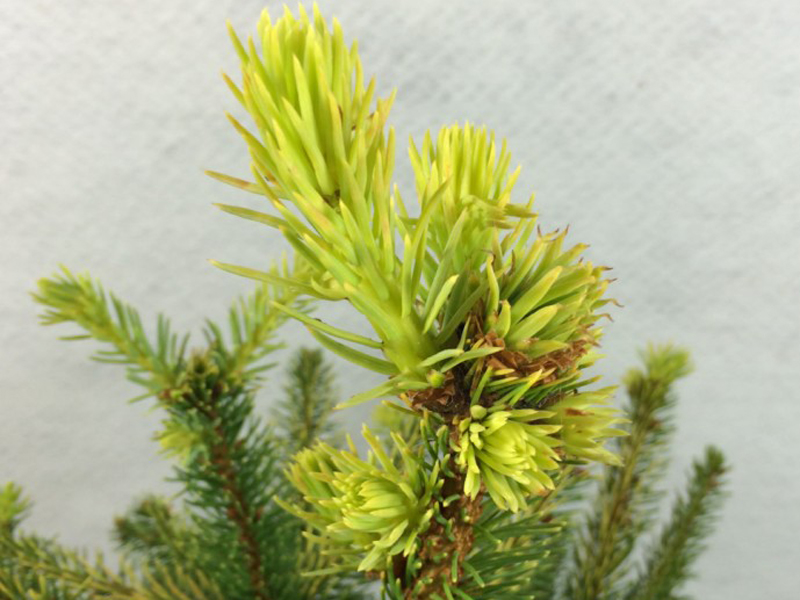
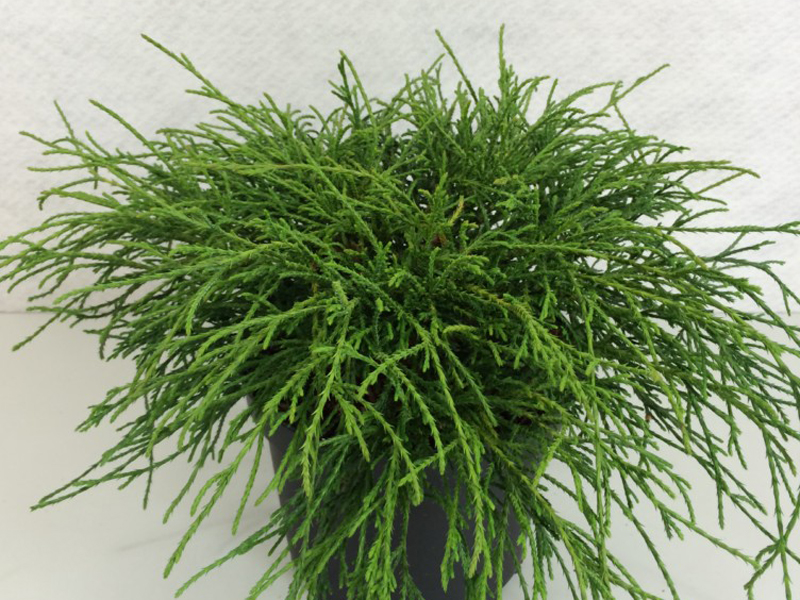
- Next, the diversity is such that it is entirely possible to break away from the beauty standards of yesteryear and turn to species that meet current standards. Dwarf conifers are suited to small gardens and pot cultivation, they withstand wind, cold, and heat, and boast impeccable foliage all year round. These new-generation conifers are characterised by slow, even very slow growth, allowing them to maintain a very compact habit and modest dimensions for many years. They reach heights of 20 cm to 2 m and therefore integrate very well in pots on a terrace, in a mineral bed at the foot of the house, on a slope, or in a rock garden. They are bursting with countless original varieties, once sold to rock garden plant collectors, and capable of meeting the demanding criteria of both amateur and beginner gardeners, of which here is a small selection:
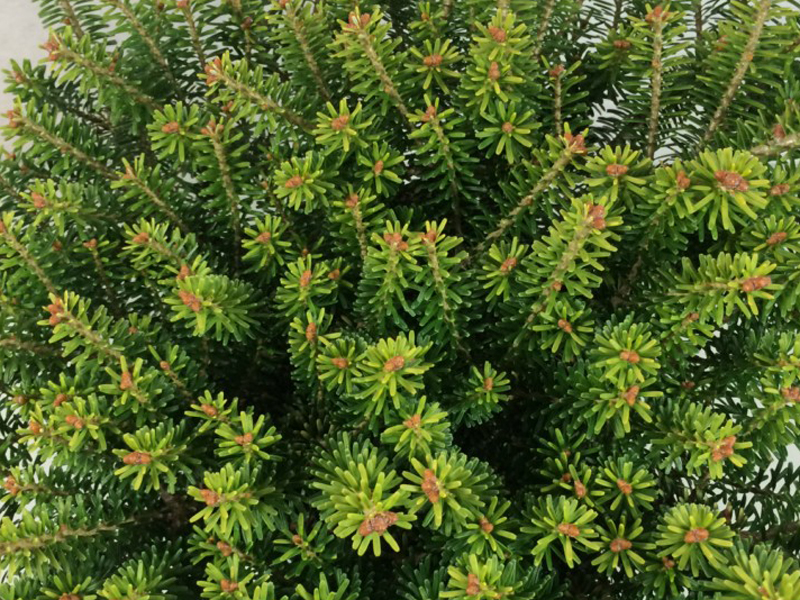
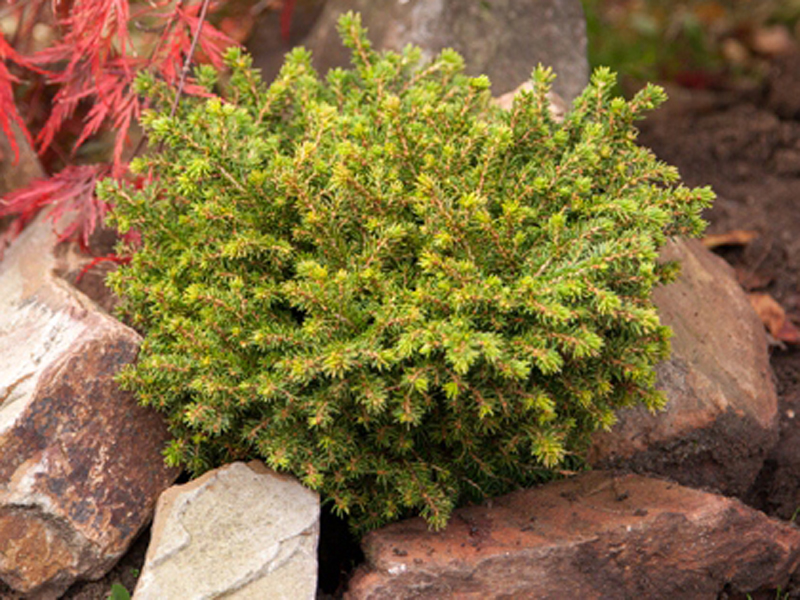
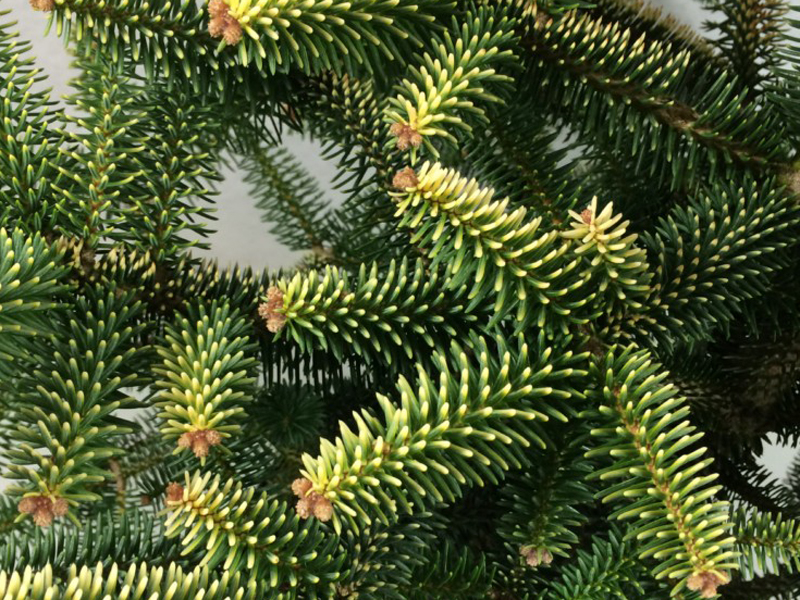
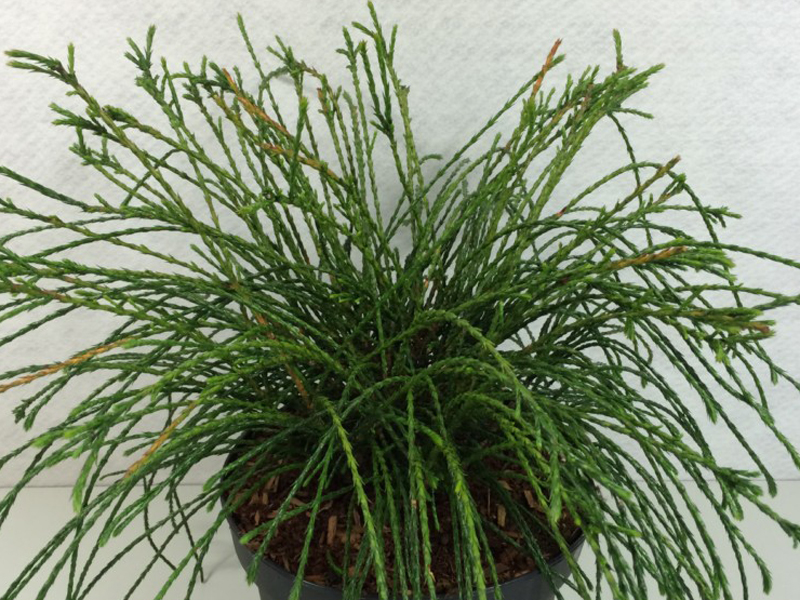
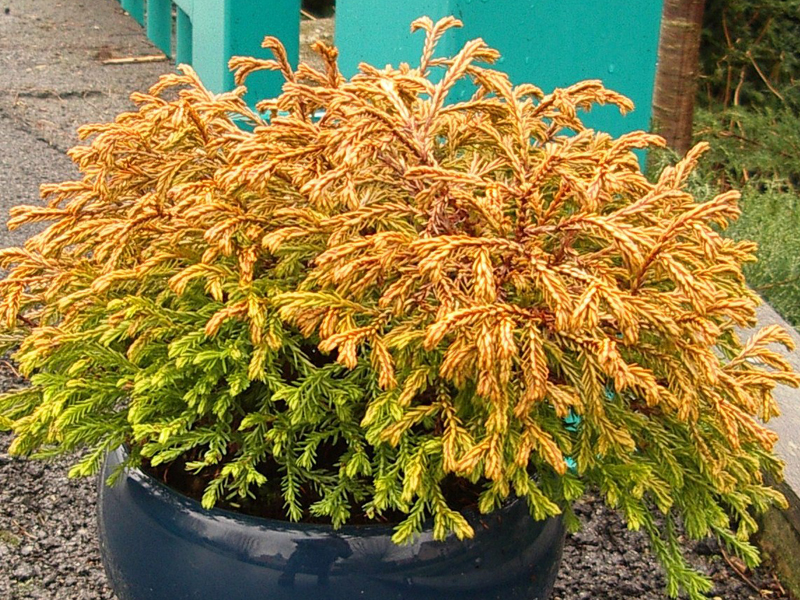
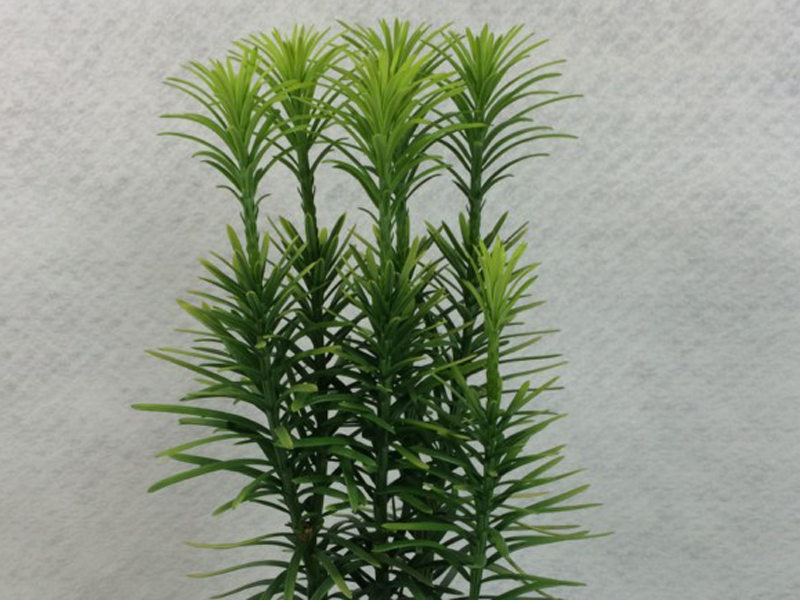
- Finally, these shrubs are very much in vogue; they are uncomplicated. They do not require specific pruning, are never sick, and are very tolerant of exposure and soil type. Like many shrubs, they do not tolerate excesses well—neither too much water nor overly heavy or calcareous soils. In terms of use, their modern structure can be highlighted with mineral mulching (pebbles, slate, pumice...), and a few grasses (Stipa tenuifolia, Carex 'Frosted Curls', Carex oshimensis, Pennisetum orientale, Blue fescue...) can be scattered, and one or two decorative elements can be added to complete the look! You will have understood that conifers are making a strong comeback in our gardens, and they have many arguments to win you over.


Comments