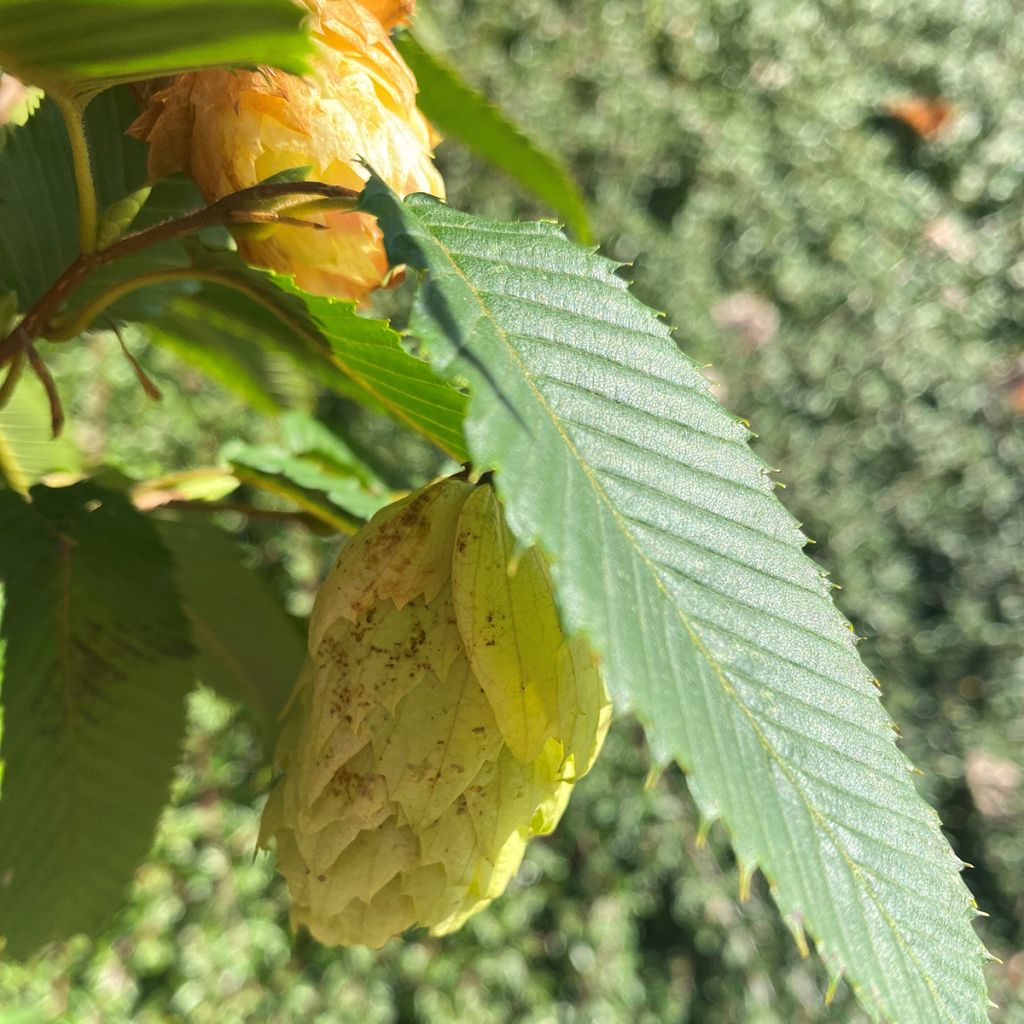
Carpinus japonica Chinese Lantern - Japanese hornbeam
Carpinus japonica Chinese Lantern - Japanese hornbeam
Carpinus japonica Chinese Lantern
Japanese hornbeam
Back-to-school special offer!
Get €10 off for every €50 you spend! And get up to €40 off on a single order.
How does it work?
1. Shop your favourites
Add your favourite plants to your basket. For every €50 you spend (excluding delivery charges, store credit and the plastic-free option), you’ll receive a €10 voucher.
€50 spent = €10 voucher
€100 spent = €20 voucher
€150 spent = €30 voucher
€200 spent = €40 voucher
2. Place your order
Once your basket reaches one of the spending thresholds, place your order. You can even choose your delivery date!
3. Receive your voucher
As soon as your order has been shipped, you’ll receive an email containing your personal voucher code and its value.
4. Use it on your next order
Your voucher is valid for 90 days from the date you receive it. It can be used once only, on a new order worth at least the value of the voucher, excluding delivery charges.
Please note: Vouchers can be combined with other offers, but cannot be split or refunded.
Why not try an alternative variety in stock?
View all →
Available in 5 sizes
Available in 1 sizes
Available in 2 sizes
Available in 1 sizes
Available in 1 sizes
Available in 1 sizes
Available in 1 sizes
Available in 2 sizes
Available in 1 sizes
Available in 1 sizes
This plant carries a 24 months recovery warranty
More information
We guarantee the quality of our plants for a full growing cycle, and will replace at our expense any plant that fails to recover under normal climatic and planting conditions.
Would this plant suit my garden?
Set up your Plantfit profile →
Description
Carpinus japonica Chinese Lantern is a variety of Japanese Hornbeam selected for its particularly decorative fruiting. This small deciduous tree produces clusters of pendulous cones, which have earned it the name "Japanese lantern". Its moderate development suits medium-sized gardens and small avenues. It is very hardy, and it adapts to a wide range of moist soils.
Belonging to the Betulaceae family, the Chinese Lantern cultivar derives from the Japanese species Carpinus japonica, which has historical synonyms like Distegocarpus carpinus or Carpinus distegocarpus. Its natural range covers Japan (Honshū, Shikoku, Kyūshū), where the tree grows in clear undergrowth; the species was introduced into cultivation in the West in the late 19th century.
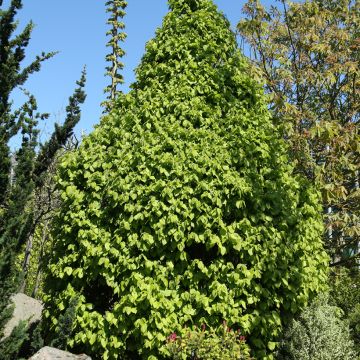
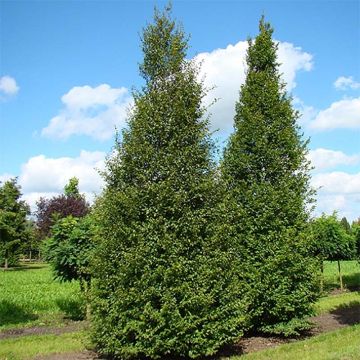
'Chinese Lantern’ is a horticultural selection introduced to the United Kingdom before 2020, noted for its particularly showy fruits in clusters reminiscent of lanterns. Its growth is rather slow. It reaches 8 to 10 m in height with a 6 to 8 m spread at maturity; at 10 years, it measures about 4 m high and 3 m wide for the crown. The habit is naturally rounded to broadly ovate, with a regular framework and secondary branches arranged in soft tiers. The short trunk branches quite low and can remain single if trained from a young age; otherwise, the plant tends to develop 2 or 3 secondary trunks from the base. The bark of the trunk(s) is light grey, smooth when young with fine longitudinal striations, then becomes slightly scaly and flaky on old specimens. The twigs are slender, brown-grey, and well-branched. The crown has a gently domed top and a volume that widens gradually.
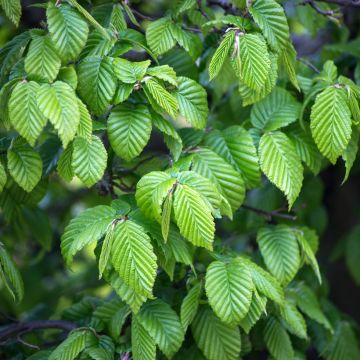
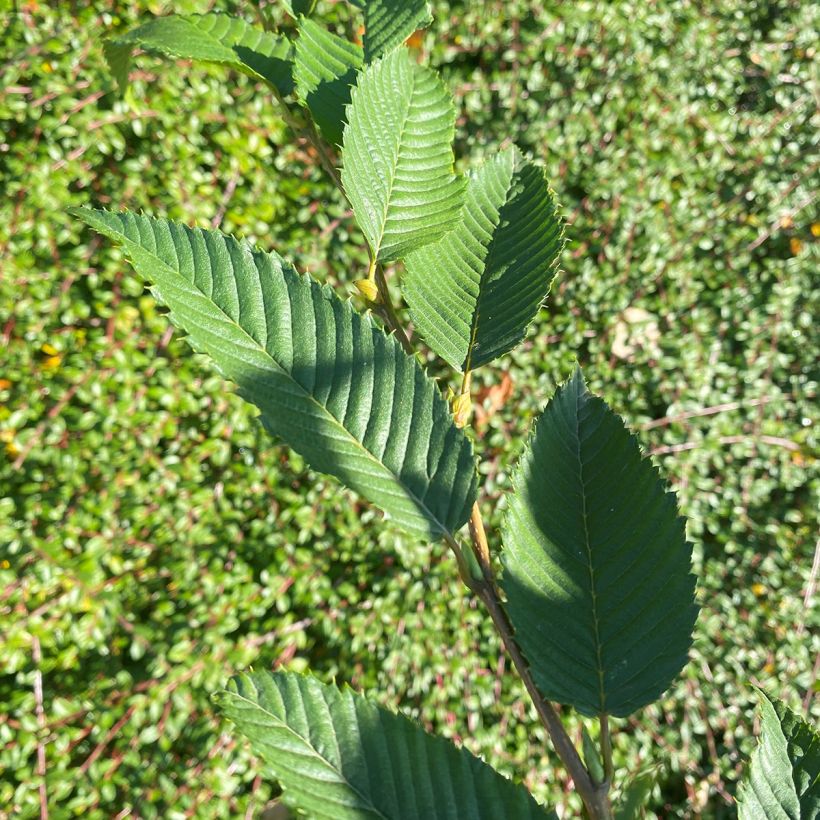
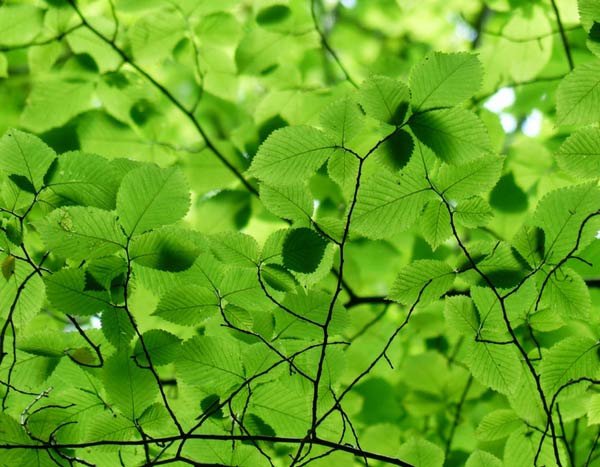
The alternate, ovate to narrowly ovate leaves measure 8 to 10 cm long and are doubly dentate, with 20 to 24 pairs of very prominent veins; they are bright green in summer, then turn yellow in autumn before falling. The insignificant flowering, in April, consists of separate male and female catkins on the same tree. In late summer and autumn, the tree is adorned with elongated and pendulous fruits composed of imbricate bracts; on this cultivar, these cones are wider and more visible than on the species. The roots are finely branched, without a markedly aggressive character. The hardiness of this hornbeam is around -15/-20°C.
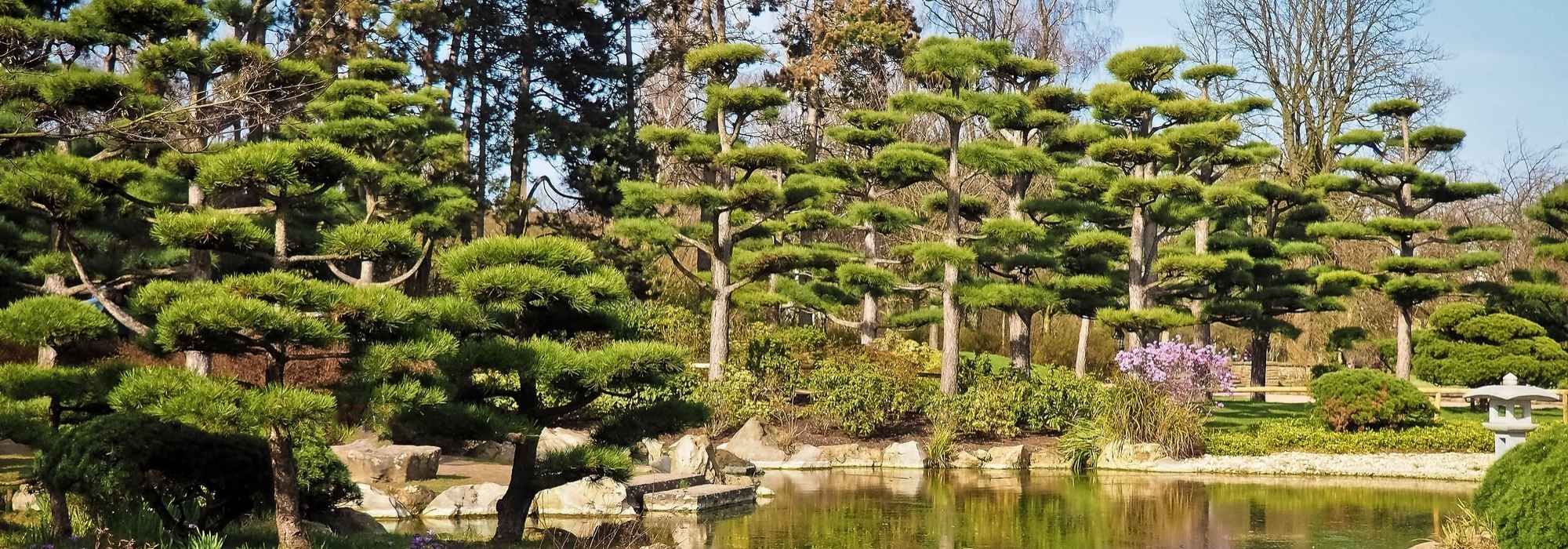
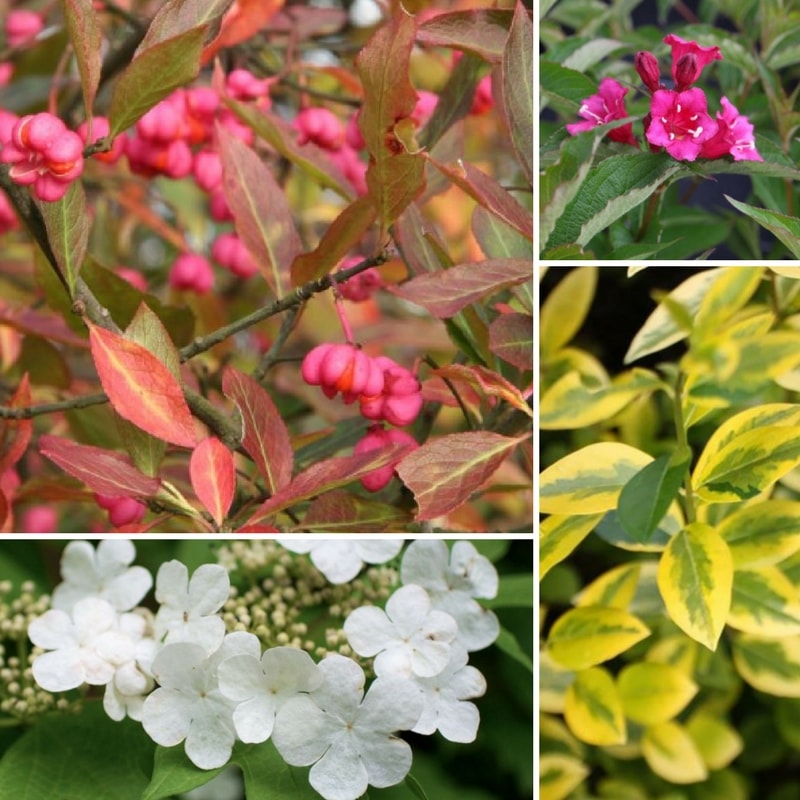
The Chinese Lantern variety is perfect when looking for a small tree with a regular crown and interesting fruiting. Plant it in non-scorching sun or partial shade, in ordinary soil that remains moist, even clayey or slightly calcareous. As a standalone specimen near a terrace, it creates a Japanese-inspired atmosphere. You can pair it with a Japanese maple Acer palmatum Little Princess, a Cornus kousa Heart Throb for its pink bracts and autumn fruits, a Viburnum plicatum Kilimanjaro Sunrise for its tiered flowering and fruiting, and a Hydrangea quercifolia Jetstream for its white panicles and colourful foliage late in the season. Ferns and Carex oshimensis will look splendid at the foot of these bushes.
In Japan, the species C. japonica is appreciated for its very sculptural "plicate" leaves; the dead leaves, rich in humus, are sometimes left as mulch to improve the soil at the foot of the bushes.
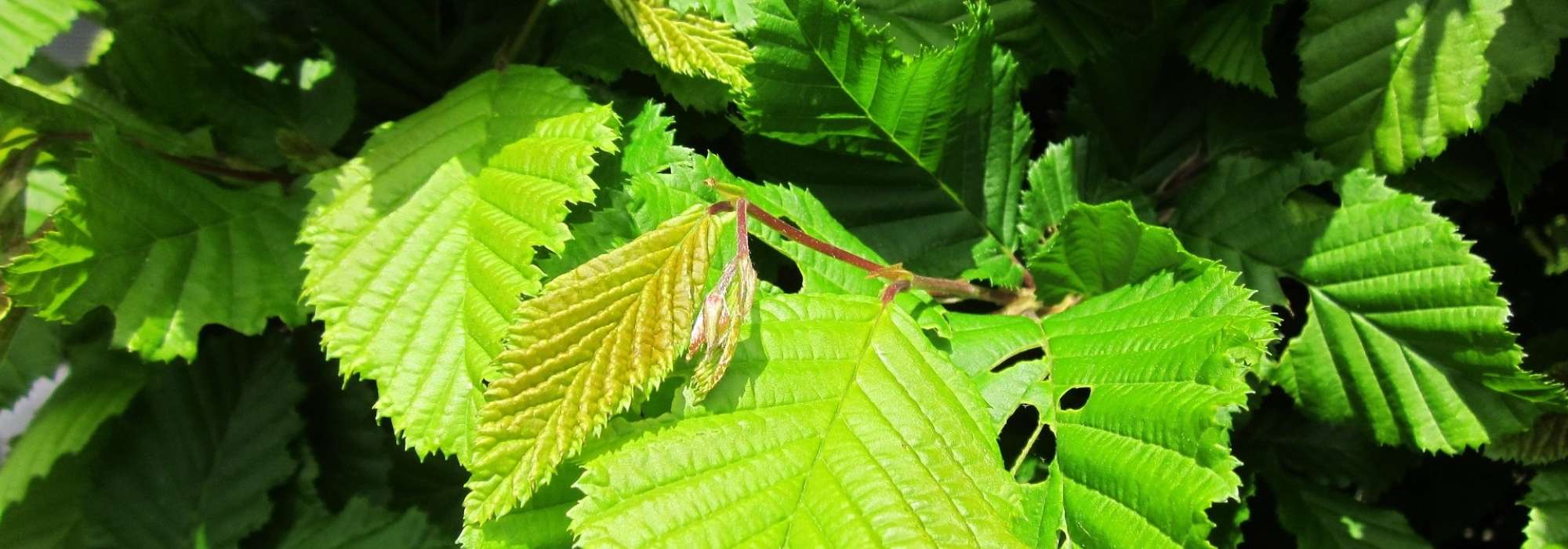
Carpinus japonica Chinese Lantern - Japanese hornbeam in pictures
Plant habit
Flowering
Foliage
Safety measures
Botanical data
Carpinus
japonica
Chinese Lantern
Betulaceae
Japanese hornbeam
Distegocarpus carpinus, Carpinus distegocarpus
Cultivar or hybrid
atteinterespiratoire
Cette plante peut entraîner des symptômes allergiques.
Evitez de la planter si vous ou vos proches souffrez de rhinite saisonnière ("rhume des foins").
Davantage d'informations sur https://plantes-risque.info
Planting and care
Plant Carpinus japonica Chinese Lantern from autumn to spring, avoiding frost periods, in gentle sun or partial shade, in a wide planting hole loosened deeply and enriched with a little mature compost; avoid waterlogged and/or very chalky soils, improve drainage in clay soil with fine gravel. Water regularly for the first two summers (an 11-litre watering can per week during dry spells), then reduce frequency; mulch to retain moisture. Stake a young plant in its first year, without damaging the bark, and remove the tie once established.
Apply a thin layer of compost at the base of your hornbeam in spring. This tree does not tolerate drought. Watch for aphids and scale insects during the bud burst period and take early action with a water spray or black soap if necessary.
Planting period
Intended location
Care
Planting & care advice
-
-
-

-
-
-

-
-
This item has not been reviewed yet - be the first to leave a review about it.
Recently viewed products
Haven't found what you were looking for?
Hardiness is the lowest winter temperature a plant can endure without suffering serious damage or even dying. However, hardiness is affected by location (a sheltered area, such as a patio), protection (winter cover) and soil type (hardiness is improved by well-drained soil).

The flowering period indicated on our website applies to countries and regions located in USDA zone 8 (France, the United Kingdom, Ireland, the Netherlands, etc.)
It will vary according to where you live:- In zones 9 to 10 (Italy, Spain, Greece, etc.), flowering will occur about 2 to 4 weeks earlier.
- In zones 6 to 7 (Germany, Poland, Slovenia, and lower mountainous regions), flowering will be delayed by 2 to 3 weeks.
- In zone 5 (Central Europe, Scandinavia), blooming will be delayed by 3 to 5 weeks.
In temperate climates, pruning of spring-flowering shrubs (forsythia, spireas, etc.) should be done just after flowering.
Pruning of summer-flowering shrubs (Indian Lilac, Perovskia, etc.) can be done in winter or spring.
In cold regions as well as with frost-sensitive plants, avoid pruning too early when severe frosts may still occur.
The planting period indicated on our website applies to countries and regions located in USDA zone 8 (France, United Kingdom, Ireland, Netherlands).
It will vary according to where you live:
- In Mediterranean zones (Marseille, Madrid, Milan, etc.), autumn and winter are the best planting periods.
- In continental zones (Strasbourg, Munich, Vienna, etc.), delay planting by 2 to 3 weeks in spring and bring it forward by 2 to 4 weeks in autumn.
- In mountainous regions (the Alps, Pyrenees, Carpathians, etc.), it is best to plant in late spring (May-June) or late summer (August-September).
The harvesting period indicated on our website applies to countries and regions in USDA zone 8 (France, England, Ireland, the Netherlands).
In colder areas (Scandinavia, Poland, Austria...) fruit and vegetable harvests are likely to be delayed by 3-4 weeks.
In warmer areas (Italy, Spain, Greece, etc.), harvesting will probably take place earlier, depending on weather conditions.
The sowing periods indicated on our website apply to countries and regions within USDA Zone 8 (France, UK, Ireland, Netherlands).
In colder areas (Scandinavia, Poland, Austria...), delay any outdoor sowing by 3-4 weeks, or sow under glass.
In warmer climes (Italy, Spain, Greece, etc.), bring outdoor sowing forward by a few weeks.
Shipping country and language
Your country of residence may be:
Your country of residence is:
For a better user experience on our website, you can select:
Your shipping country:
-
 Austria
-
 Belgium
-
 Bosnia & Herzegovina
-
 Bulgaria
-
 Croatia
-
 Cyprus
-
 Czechia
-
 Denmark
-
 Estonia
-
 Finland
-
 France
-
 Germany
-
 Greece
-
 Hungary
-
 Iceland
-
 Ireland
-
 Italy
Italy
-
 Latvia
-
 Liechtenstein
-
 Lithuania
-
 Luxembourg
-
 Malta
Malta
-
 Netherlands
-
 Poland
-
 Portugal
-
 Romania
-
 Serbia
-
 Slovakia
-
 Slovenia
-
 Spain
Spain
-
 Sweden
-
 Switzerland
Language:
-
French
-
 English
-
Spanish
-
Italian
-
German
-
Portuguese
-
Dutch
-
Finnish
My Account
Hello
My wish lists
My cart
Log in / Register
Existing customer?
This form is protected by reCAPTCHA - the Google Privacy Policy and Terms of Service apply.
New customer?
Create an account to track your orders, access our customer service and, if you wish, make the most of our upcoming offers.