





























7 rare shrubs
collection topics to discover!
Contents
Rare shrubs do not necessarily mean impossible to grow or unobtainable. At Promesse de Fleurs, we offer some of these rarities, these collector shrubs that inspire seasoned gardeners and bring them pride as they flourish season after season. And provided you give them the right growing conditions, these specimens are within reach of any gardening enthusiast!
Discover here a selection of 7 rare shrubs: perhaps you will feel the spirit of a living collector, and these unique bushes will find their place in your garden?

Xanthoceras sorbifolium 'Happy Orange', a stunning multicoloured flowering
First in this selection of unjustly overlooked shrubs is Xanthoceras sorbifolium ‘Happy Orange’, commonly known as “Rowan-leaved Xanthoceras”. This magnificent deciduous shrub is a charming form with orange flowers from a little-planted Asian shrub despite its many qualities.
Slow-growing and bushy in habit, this large shrub has light green foliage reminiscent of that of the rowan, adorned with beautiful autumn colours. Its spring flowering is simply stunning, featuring large clusters of flowers in shades of orange, peach, coppery pink, and yellow. After pollination, the flowers give rise to capsules containing large edible seeds, whose flavour is reminiscent of Macadamia nuts.
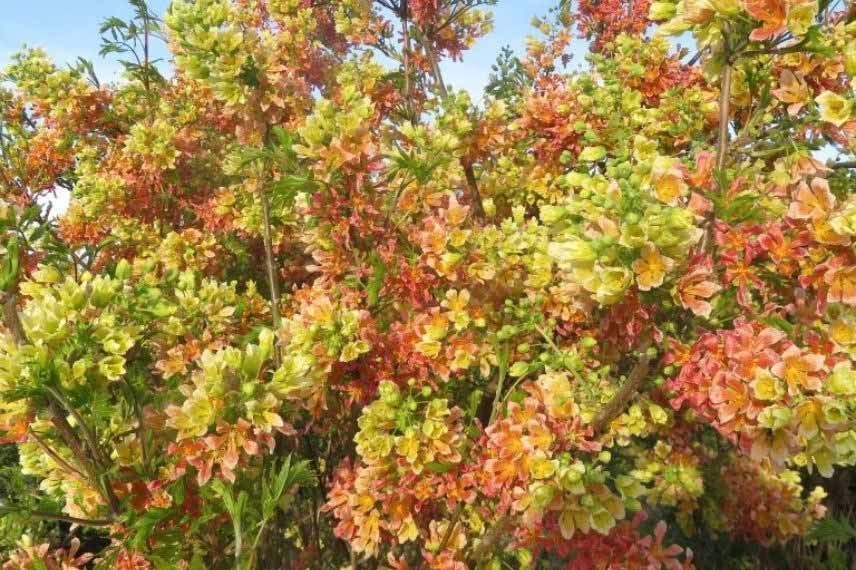
Xanthoceras sorbifolium ‘Happy Orange’
Hardy and easy to grow in full sun or partial shade under various climates, Xanthoceras adapts to all well-drained soils, including calcareous and dry ones in summer. This wonder ultimately reaches 3 m in height and nearly the same in width. It can form either a single trunk or multiple trunks, has a spreading crown, and its bark, which cracks with age, is a lovely dark brown. So, adopt this beautiful shrub without hesitation; it is a truly ornamental, easy, and rewarding subject to grow in the garden!
Read also
7 Rare TreesCornus florida 'Urbiniana', the elegance of the Florida Dogwood
Unique in its kind, the Cornus florida ‘Urbiniana’ or Florida Dogwood, actually originates from Mexico. Rare in its natural habitat of mountain forests, it is equally uncommon in nurserymen’s collections. It is a large shrub that reaches about 8 metres in height and 3 m in spread. Its ovate leaves are often curled in on themselves and have prominent, well-visible veins. They fall quite late in autumn, extending the appeal of their vibrant colours during this season.
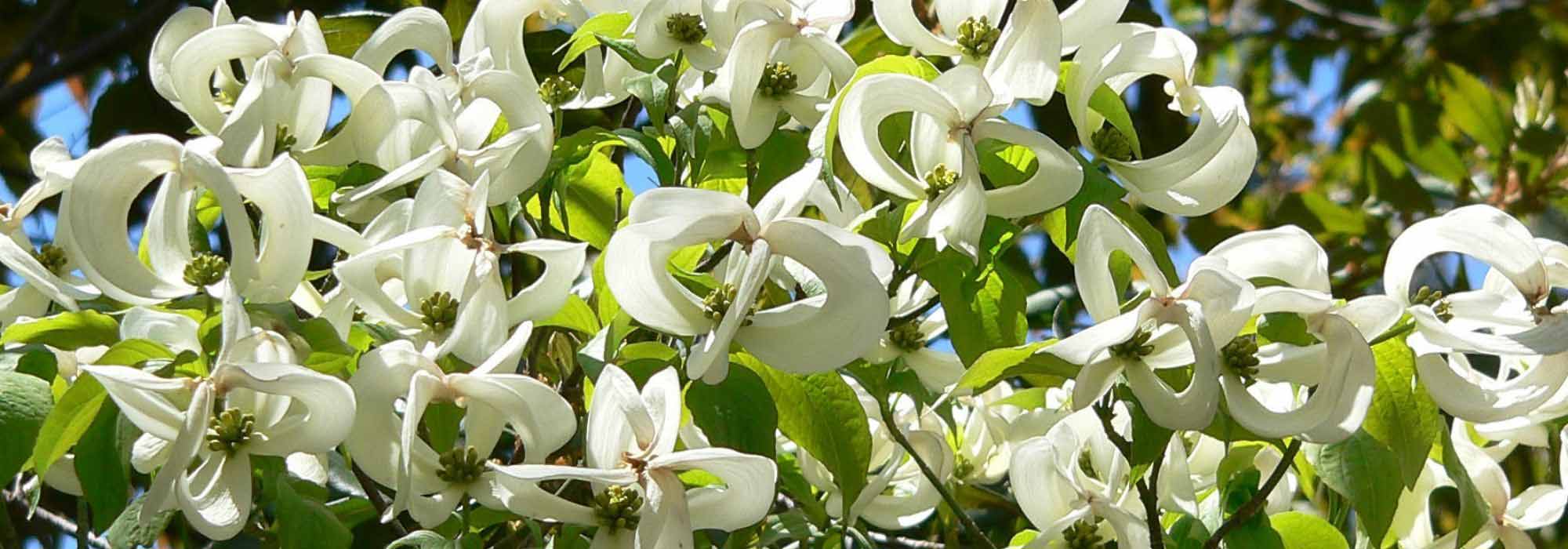
The spring flowering of this botanical rarity is exceptionally beautiful: it consists of small, acid green ball-shaped flowers, surrounded by white bracts that take the form of small lanterns due to their recurved shape, fused at their tips.
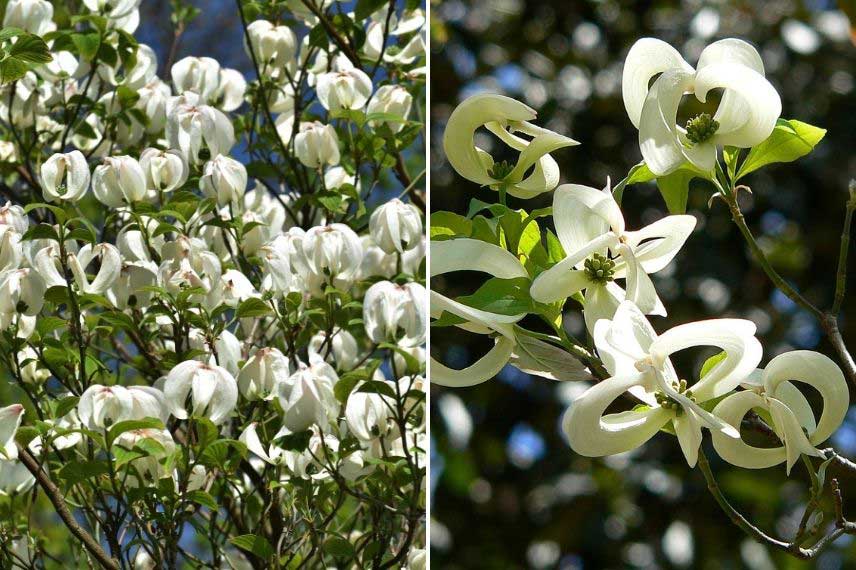
Cornus florida ‘Urbiniana’
Resistant down to -12 °C, the Cornus florida ‘Urbiniana’ is suitable for all mild climates: it enjoys warmth which promotes its flowering and is sensitive to late frosts in spring. It should be planted in a sunny or partially shaded position, in ordinary, cool but well-drained soil, preferably slightly acidic. Easy to cultivate, this Florida Dogwood requires little maintenance, so do not hesitate to try it as a specimen or in a large bed of shrubs and perennials that will highlight its immaculate flowering.
Discover other Rare and collectors' bushes
View all →
Available in 1 sizes
Available in 1 sizes
Available in 1 sizes
Available in 1 sizes
Available in 1 sizes
Available in 1 sizes
Available in 1 sizes
Available in 1 sizes
Available in 1 sizes
Available in 1 sizes
Pseudocydonia sinensis, a beautiful Chinese Quince
A shrub from the Rosaceae family, Pseudocydonia sinensis is native to the provinces of South-East China, hence its common name, Chinese Quince. Easy to grow, it will delight you from April to May with its graceful flowers measuring 2 to 3 cm in diameter, in shades of pink that vary in intensity depending on the individual plants, each with a heart of yellow stamens. The nectar of these solitary flowers is highly appreciated by bees. However, the appeal of this magnificent shrub does not stop there, as the flowering is followed by large, edible and fragrant quinces, not to mention its vibrant autumn colours, which extend its charm in the garden until late in the season. Add to this a beautiful decorative bark and an upright habit, and you will likely be tempted to plant this shrub. which deserves to be better known.
The only requirement of the Pseudocydonia sinensis: long, warm summers to allow its fruits to ripen. It can also be planted in any type of soil that does not retain excessive water and once well established, it will even tolerate summer drought.
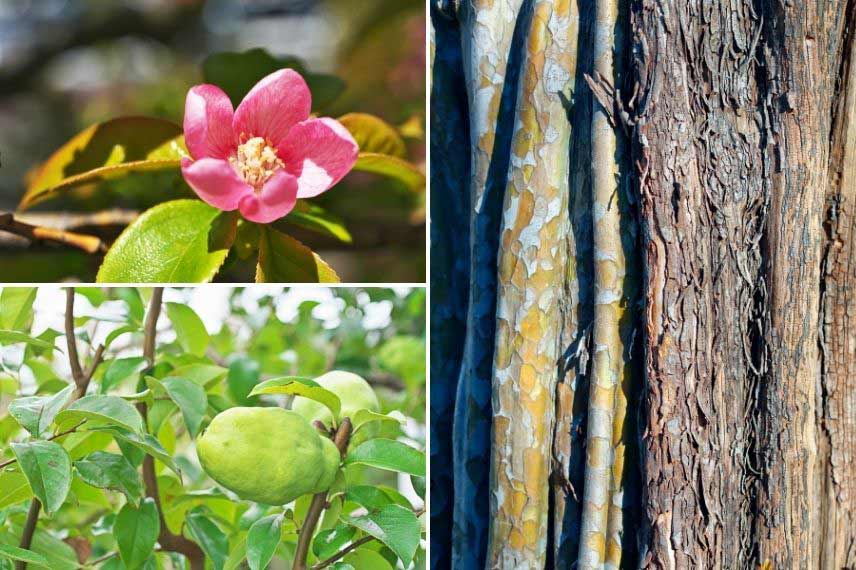
Pseudocydonia sinensis: flower, fruits and bark
Sinojackia xylocarpa, or Chinese Jaquier, has such delicate flowering.
Yet another subject originating from China: Sinojackia xylocarpa, or Chinese Jaquier, is a deciduous shrub that grows to a height of 5 to 7 m, with its natural habitat located at the forest edge, between 500 and 800 m in altitude.
Its slightly trailing habit and light green foliage are as appealing as the delicacy of its spring flowering. This takes the form of small pendulous clusters of bell-shaped flowers in pristine white. This magnificent shrub also takes on beautiful red hues in autumn.
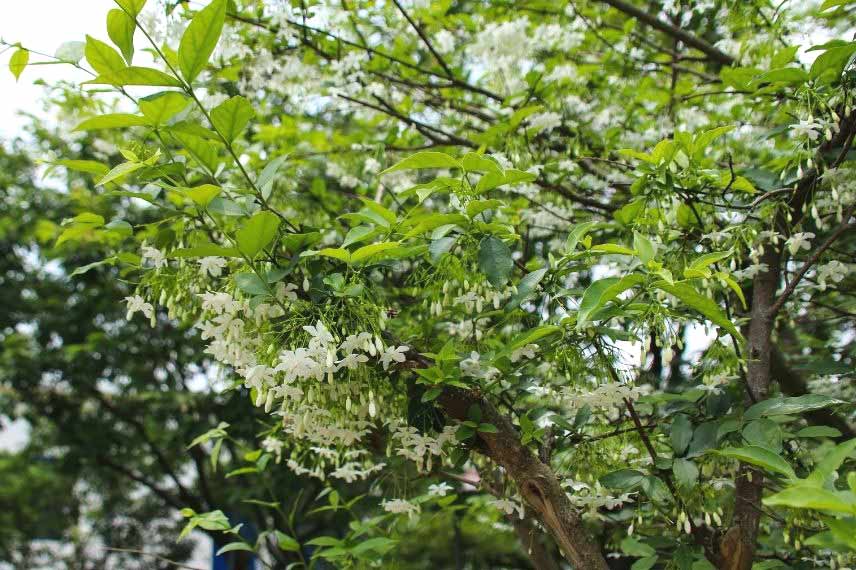
Sinojackia xylocarpa
Hardy and of rather slow growth, the Chinese Jaquier prefers partial shade, fresh, well-drained, humus-bearing soils, and if possible, those with an acidic tendency.
Banksia integrifolia, a unique candle shrub
Naturally growing along the East coast of Australia, coastal Banksia Banksia integrifolia is not common in gardens. However, it is a hardy and highly adaptable shrub , typically reaching 7 m in height and 4 m in spread, depending on its growing conditions. Over the years, it quickly forms a large evergreen shrub, making it interesting for structuring landscape displays. Its large, leathery leaves, silvery white underneath, are clustered around the stems. An additional asset of this rare shrub is its light yellow bottlebrush flowers, which bloom from March to June, giving rise to its common name, Candlebark.
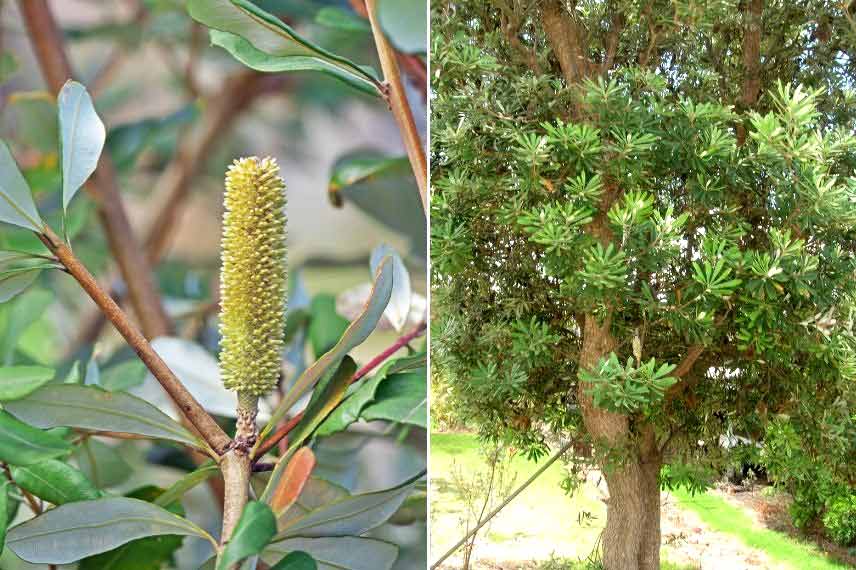
Banksia integrifolia
Capable of adapting to various growing conditions, Banksia integrifolia prefers sandy, well-draining soils, but will also tolerate more clayey soil with a neutral pH. It withstands wind and salt spray as well. Cold is its only enemy; a well-established specimen can tolerate temperatures down to -10 °C.
Desfontainea spinosa, holly or fuchsia?
Originating from the tropical Andean regions of South America, Chilean holly Desfontainea spinosa is an evergreen, spiny shrub that deserves to be known and planted in our gardens. While its silhouette and foliage resemble those of a holly, its flowering is reminiscent of that of the fuchsia: its orange-red trumpets bloom in a myriad from July to October, making it incredibly attractive! This collection shrub reaches 2 metres in height and width, making it easy to insert into borders and hedges, where it will make a statement.
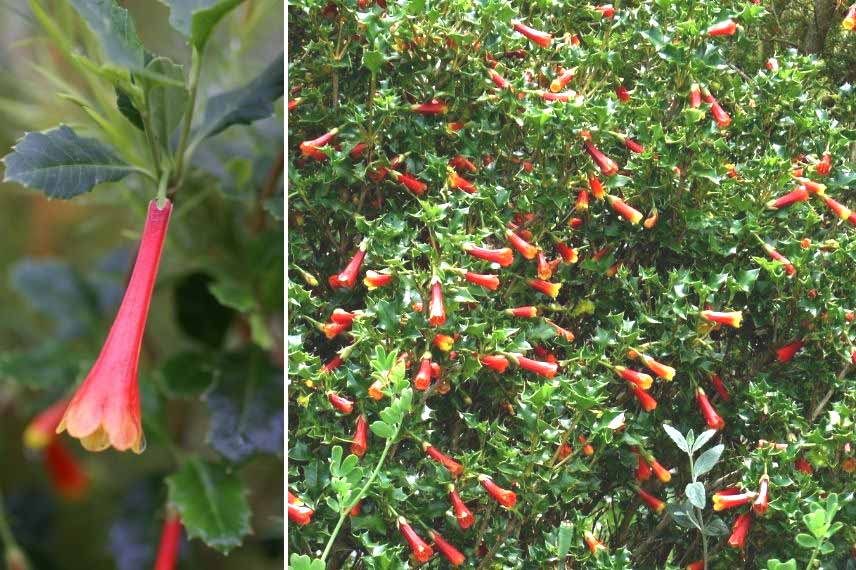
Desfontainea spinosa
Hardy down to -8° C, the Chilean holly thrives in well-amended sandy soil and is highly resistant to sea spray.
Crinodendron patagua, charming little lanterns
Another exceptional subject from South America, specifically Chile: the Crinodendron patagua. This beautiful shrub is commonly known as the Lantern Tree, referring to its white flowers that appear as small pendulous bells. They bloom in late summer (August-September) and are pleasantly fragrant. This shrub has an upright and bushy habit, reaching about 4 m in height and 2 m in spread in our gardens; it features dark green evergreen foliage.
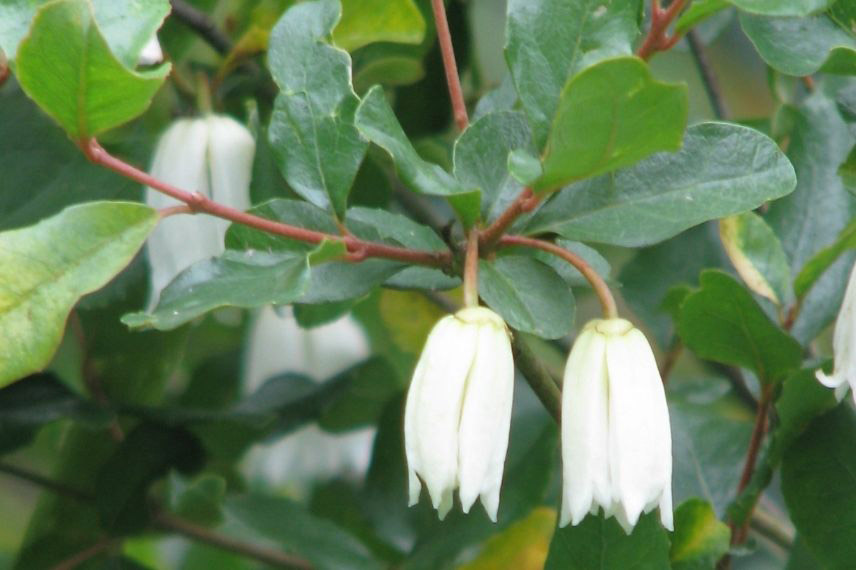
Crinodendron patagua
This very beautiful, rare shrub is worth discovering; it is semi-hardy: it withstands -8 °C in a sheltered position and will thrive happily in gardens along the Breton, Mediterranean, or Atlantic coasts. While it is quite tolerant of drought and alkaline conditions, it prefers slightly acidic, cool, and humus-bearing soils.

- Subscribe!
- Contents
Comments