


7 climbing plants for calcareous soil
To grow on an arch, a wall or a pergola
Contents
From a simple trellis set along a railing to the entire wall, from arches to pergolas scattered throughout the garden, the climbing plants dress them beautifully, like a verdant, floral jewel box, all vertical surfaces, from the most basic to the most romantic. A number of plants do not tolerate calcareous soil, which is characterised by a pH above 7. Some calcareous-soil-tolerant climbers are suited to this sometimes problematic situation. From the classic clematis to the variegated Canary ivy, via the large-flowered trumpet vine, the Russian vine, the California fremontia and the vine ‘Golden Chasselas’, discover our selection of climbing plants, which can be planted in soil or a substrate calcareous.

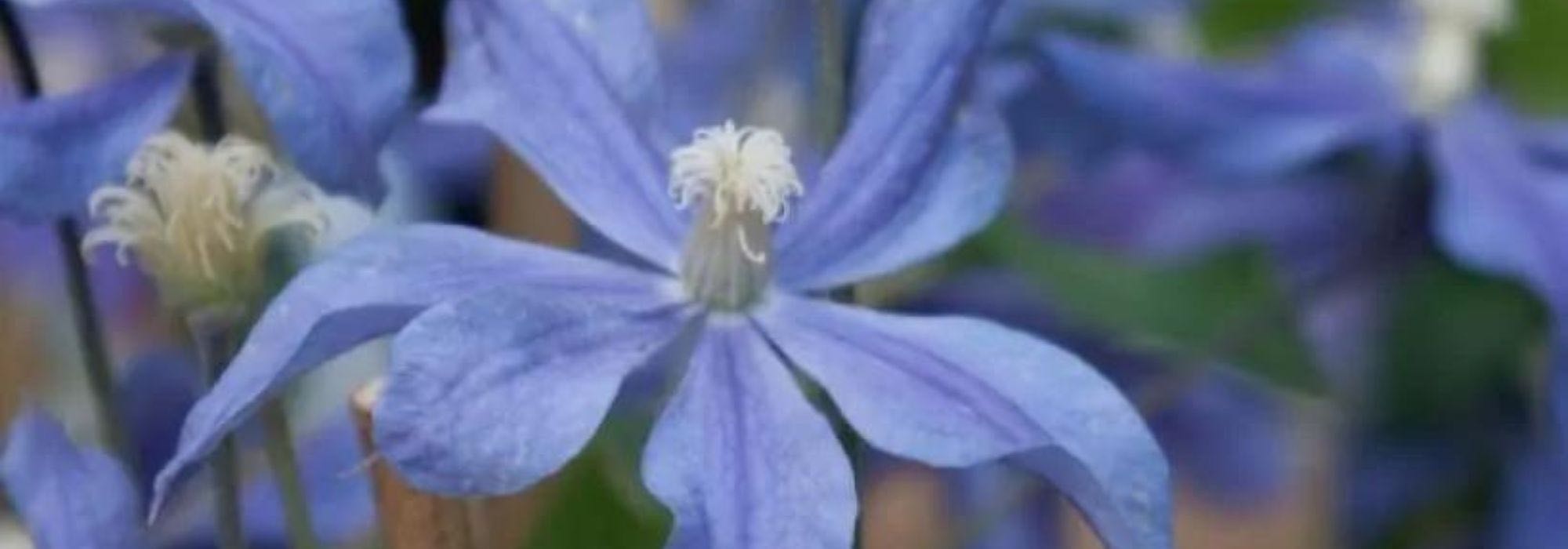
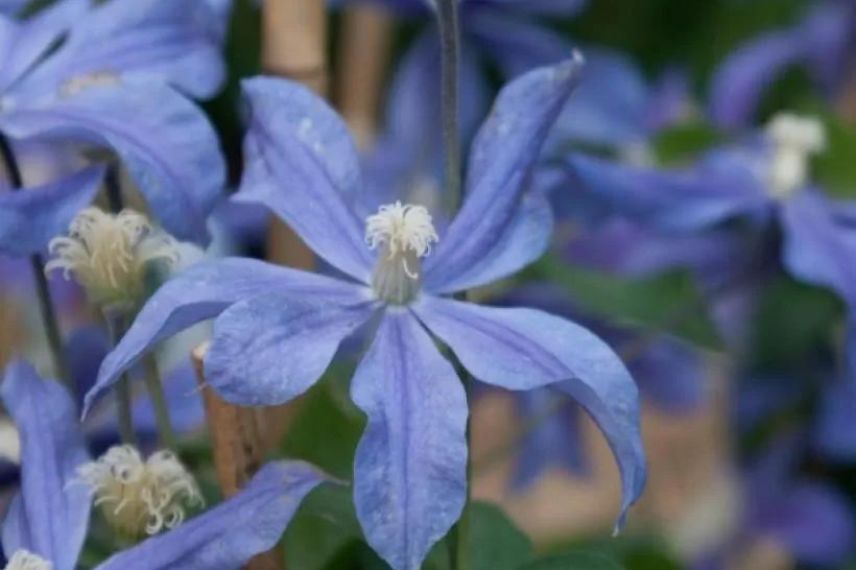
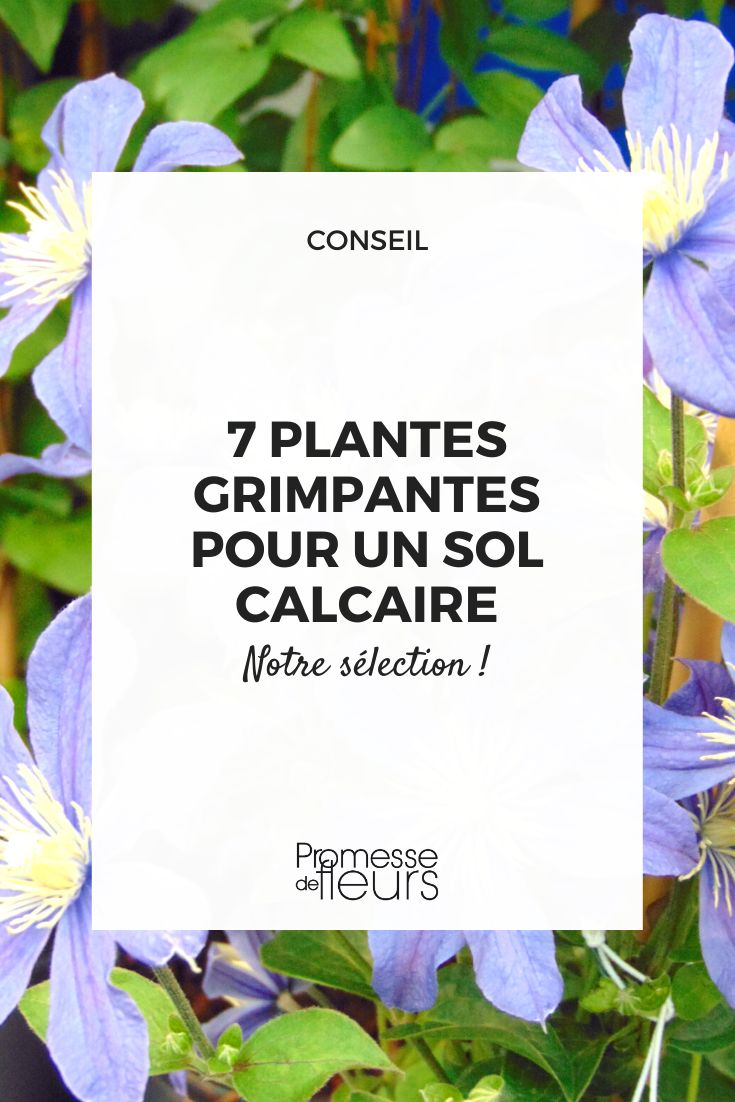
The Clematis - Clematis 'Arabella', a range of blues
Climbing perennial plant, the clematis – Clematis ‘Arabella’ covers up to 2 metres high on a wall or trellis, with flowering ranging from deep blue to pale. The star-shaped flowers with five petals are bluish-violet with cream-coloured anthers and have a diameter of 7 to 10 cm. They grow on twining stems that coil around the support with the help of their tendrils. The oval and lanceolate leaves are pale green. The flowers are then followed by decorative, feathery, silvery-grey fruits. This clematis enjoys being planted in sun, but with the base in shade and grown in cool, deep and fertile soil, clay-siliceous and well-worked. It is hardy to -20°C and can be established just as well in the ground as in pots.
Clematis are plants that are often paired with climbing roses. Try the pairing between the clematis – Clematis ‘Arabella’ and the famous climbing rose ‘Pierre de Ronsard’.
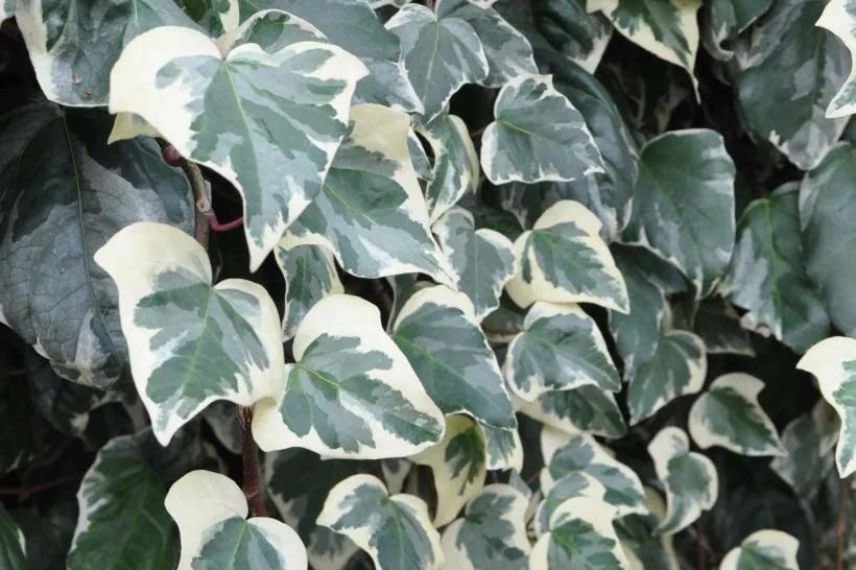
Canary Island ivy – Hedera algeriensis 'Glory of Marengo', bright variegated foliage
The Canary Island ivy – Hedera algeriensis ‘Gloire de Marengo’ stands out for its bright variegated foliage in green, grey-green, silvery, cream and white, which remains evergreen year-round. Its triangular leaves measure 9 to 11 cm long and are slightly puckered. It flowers from September to October, adorned with umbels of cream to yellow-green flowers. The flowers bear fruit, which resemble round blue-black berries arranged in clusters. The berries are toxic to humans and mammals, but edible for birds. This ivy climbs to a height of 5 to 7 metres and clings to walls or supports with climbing roots. Hardy to -12°C, it tolerates shade or semi-shade and helps brighten the darkest corners of a garden or terrace. Grow it in dry, cool soil, neutral or calcareous.
It can be planted beside bulbs such as narcissi or Muscari, or paired with a climbing rose.
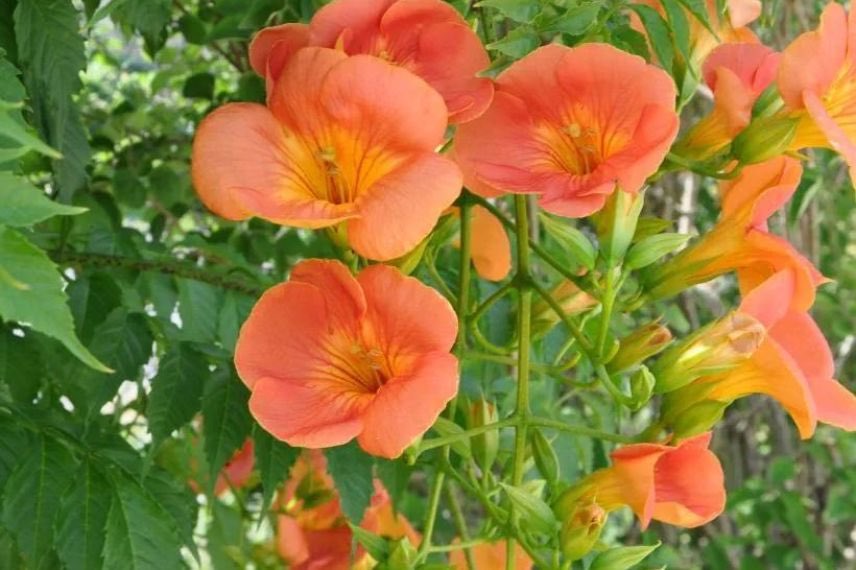
Campsis grandiflora - Large-flowered trumpet vine, with tangy orange flowers.
The Campsis grandiflora – large-flowered trumpet vine climbs supports in the same way as ivy. Fast-growing, it can reach a height of 7 metres at maturity and offers spectacular flowering. It flowers from late summer to autumn, bearing large trumpet-shaped flowers in a very bright orange-red fading to apricot. The flowers feature a yellow throat striated with red and housing long, arched stamens. Finely cut and dentate, the leaves display a rich dark green and are deciduous. It takes several years of cultivation before flowering appears. The flowers give way to brown pods. Its heavy flowering requires that the trumpet vine be trained to its support and kept in a wind-sheltered position. This climbing plant thrives in full sun. It tolerates short frosts down to -15°C in well-drained soil. It prefers a dry, cool, humus-rich, light soil.
It can be paired with other distinctive climbing plants such as Akebia quinata ‘Cream Form’ or the Clematis ‘H. F. Young’.
Read also
10 climbing plants for full sunRussian vine - Fallopia aubertii 'Summer Sunshine', luminous golden foliage
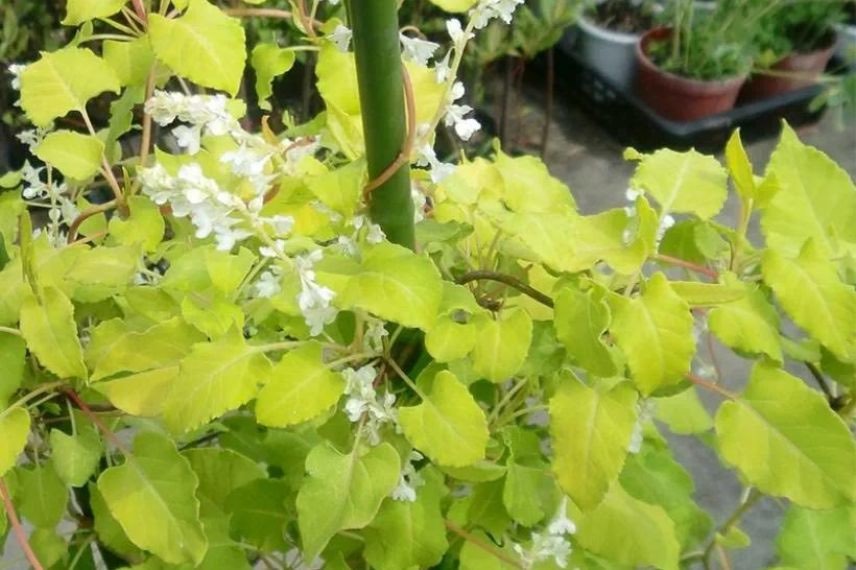
The climbing knotweed – Fallopia aubertii ‘Summer Sunshine’ features bright golden foliage that bears, from late summer through autumn, panicles of tiny white flowers. Slightly scented, they are melliferous. This hardy knotweed is easily grown in ordinary, well-drained soil, even calcareous or dry in summer. It reaches a height of 7 metres at maturity. It thrives in sun or partial shade. It is a climbing plant ideal for a garden or balcony in a wild, rustic style, which provides refugium for birds and insects.
You can pair this knotweed with clematis, ornamental grasses and centaureas to compose a harmonious pastoral tableau.
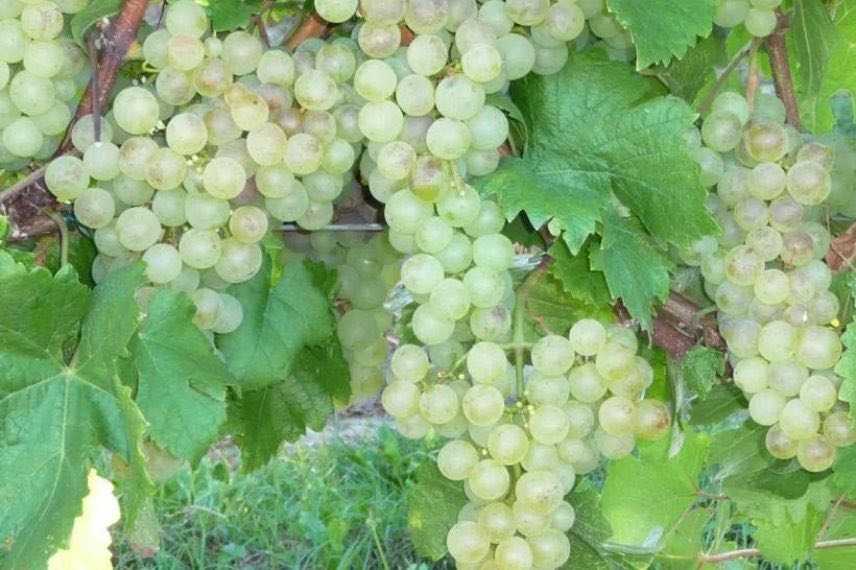
The vine 'Chasselas Doré', a very old variety of white grapes.
One doesn’t always think of it, but the grapevine can also be a climbing plant useful for covering a house façade or a wall. And practicality is combined with pleasure, since the fruits produced can be eaten. This is the case with the grapevine the grapevine ‘Chasselas Doré’, a woody climbing plant that clings to its support thanks to its tendrils. It reaches a height of 2 to 4 metres and is carried by a trunk called cep. In a twisting shape, it makes it even more decorative. The deciduous foliage is palmately lobed and cut, light green and downy on the reverse. It turns golden-yellow in October. It is covered with clusters of small greenish flowers in May and June before yielding grapes for eating from late August to late September, depending on the region. Golden, these grapes are sweet and fragrant. This grapevine produces between 3 and 15 kg of grapes per plant. The grapevine ‘Chasselas Doré’ is grown in full sun and in a very hot exposure, in well-drained soil, deep, even poor, arid and calcareous.
Install the grapevine ‘Chasselas Doré’ on a trellis or a pergola, which will provide you with very pleasant shade in summer. You can plant it in isolation or accompanied by other varieties of grapevines.
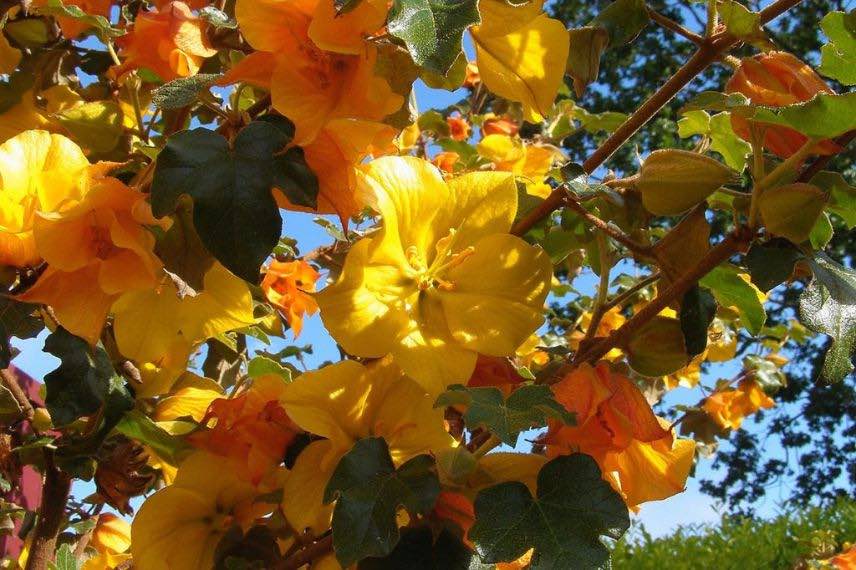
Fremontodendron californicum - California Fremontia, a solar flowering.
The Fremontodendron californicum – California Fremontia is characterised by a sun-loving flowering, consisting of golden-yellow flowers with a slightly waxy appearance. It flowers in June and July. Still little-known in our gardens, it is well worth getting to know. This original sarmentous bush bears dark green, evergreen to semi-evergreen foliage, paler on the reverse. It has a rounded, dense habit, which makes it suitable for a border as well as for training as a climbing plant. It grows to up to 6 metres tall and can be planted along a sunny wall, sheltered from wind and rain, as it dislikes damp soil. It is hardy to -12°C and grows in neutral or chalky soil.
To provide contrast in a garden, pair the Fremontodendron californicum – California Fremontia, with the blue-flowering clematis – Clematis diversifolia ‘Rooguchi’.
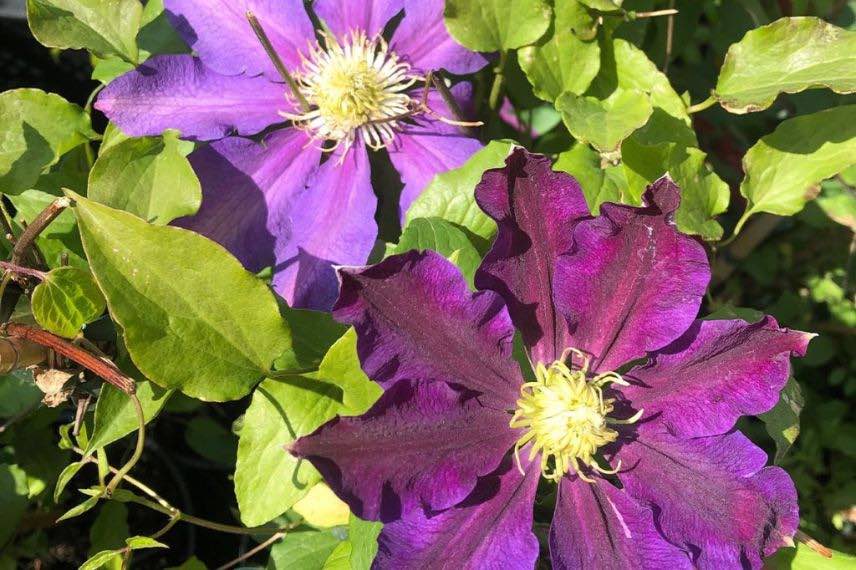
Clematis 'The Vagabond' — large flowers in a deep purple.
The clematis – Clematis ‘The Vagabond’ adds a touch of elegance to a garden with its large star-shaped flowers with pointed petals in a deep purple. Measuring 18 cm in diameter, they bloom from May to August on green, lanceolate and ovate leaves up to 10 cm long. The plant reaches a height of 2.5 metres and clings to its support thanks to its twining stems and tendrils. At the end of flowering, feathery and silvery fruits adorn the plant. It thrives in sun, in moist, neutral or calcareous soil, well-prepared and with the base shaded.
To keep the base cool, pair this clematis with groundcover plants such as wall bellflowers.
- Subscribe!
- Contents
Comments