





























How and why to roll the lawn before sowing?
Lawn rolling and its benefits
Contents
Do you dream of a green, dense lawn to sit on, to use for activities, or simply to admire it? There are several steps to achieving this. First comes choosing lawn seeds based on your soil type, the climate in your region, and how you plan to use the lawn. Then comes the soil preparation that will receive your sowing and its maintenance. During these two phases, lawn rolling is an essential step. What is the point of rolling the lawn? When and how should you do it? What maintenance should you plan afterwards? Find the answers to these questions in our guide to lawn rolling, including why you should roll the lawn before sowing.

What is lawn rolling?
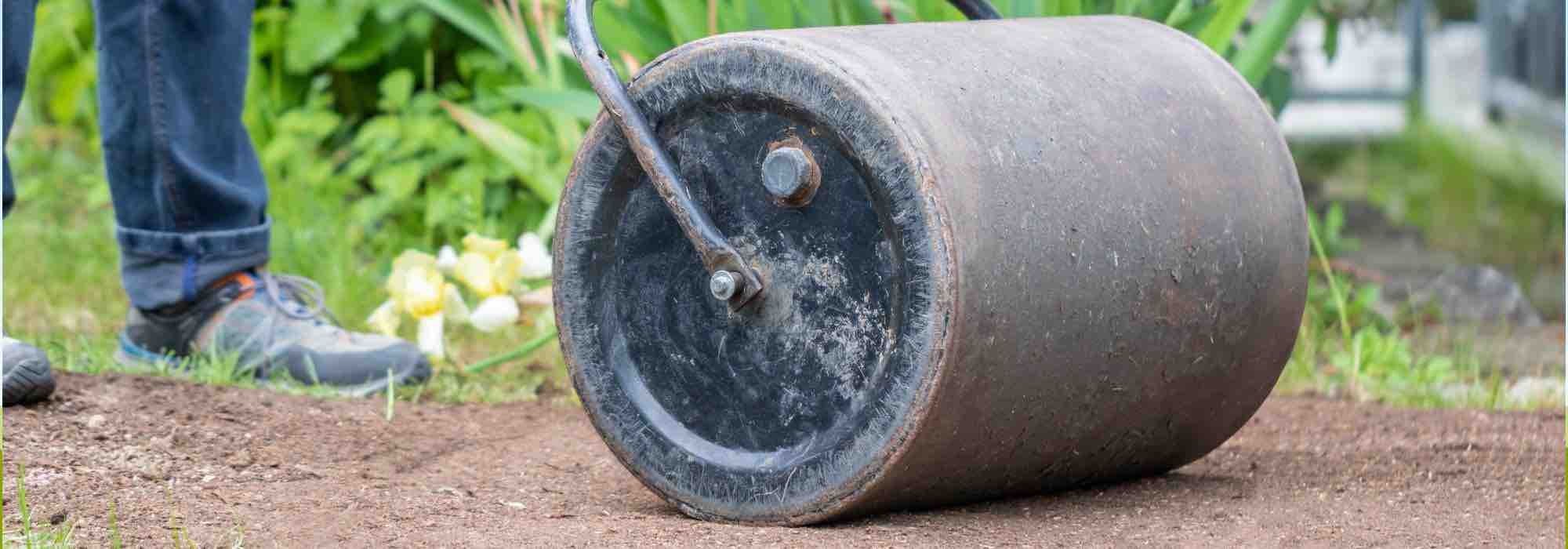
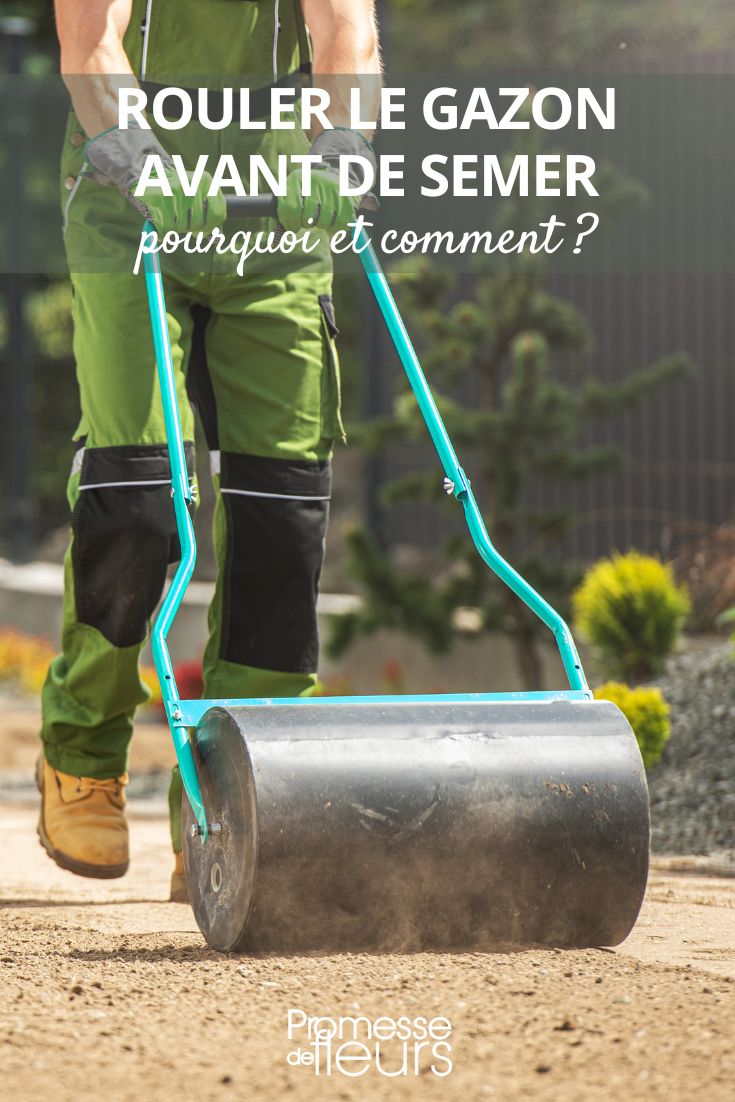
- Lawn rolling involves passing a roller over soil or the lawn to flatten the soil, compact the substrate and level the surface. This provides the advantage of a more visually appealing and easier-to-maintain surface, as well as helping to prepare the ground for a thriving lawn.
- The roller takes the form of an empty drum, which is weighted by filling it with sand or water. It is then rolled over the lawn and that is that.
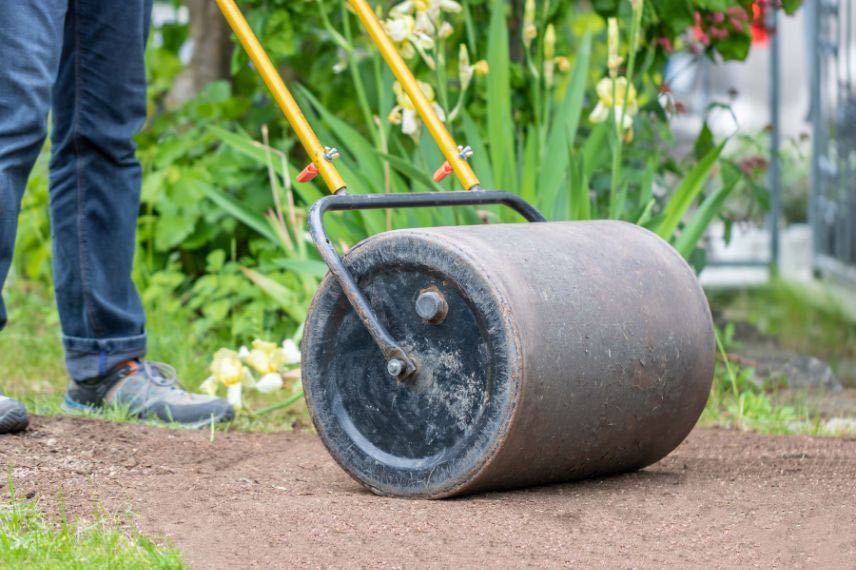
Lawn roller
Read also
How to choose the right lawn mowerWhy rolling the lawn?
Lawn rolling has several benefits.
- It helps to level the lawn surface after winter when frost and thaw have caused the soil to heave.
- It is used to flatten the soil surface, compact it and eliminate air pockets which can cause desiccation of seeds.
- Another benefit: rolling helps better embedding of seeds in the soil, facilitating faster germination and preventing them from being blown away by the first gust of wind.
- Lawn rolling also helps to reposition trodden or freshly mown grasses.
- Lawn rolling also helps promote tillering of grasses, that is, to encourage the plant to develop secondary shoots and to become denser.
When should I roll the lawn?
Lawn rolling therefore takes place at different times of the year.
- During sowing, it helps level the soil and promotes good seed-to-soil contact. The best times to sow a lawn are spring and early autumn. Spring is preferred in northern France and autumn in the south.
- After winter, lawn rolling helps relevel the soil and obtain a smooth, even surface.
- After the first mowing, lawn rolling helps reposition the seedlings.
Why rolling the lawn before sowing it?
- Before sowing a lawn, soil preparation is an important step. This involves turning the soil with a spade or a cultivator depending on the nature of your ground, then removing stones, roots and weeds before refining it with a shovel and a rake to decompact the clods of soil. This is followed by the lawn rolling stage, which occurs before sowing.
Rolling the lawn before sowing helps to compact and level the soil. The soil surface is more uniform and level. This helps soil come into contact with the seeds more easily and to eliminate air pockets. - Rolling the lawn is not only useful before sowing. It is also useful to do after sowing. Rolling the lawn after sowing helps bury the seeds more deeply in the soil. This will facilitate contact between the seeds and the soil and germination of the seeds will be faster. It also helps prevent seeds left on the surface from drying out or being blown away after a gust of wind.
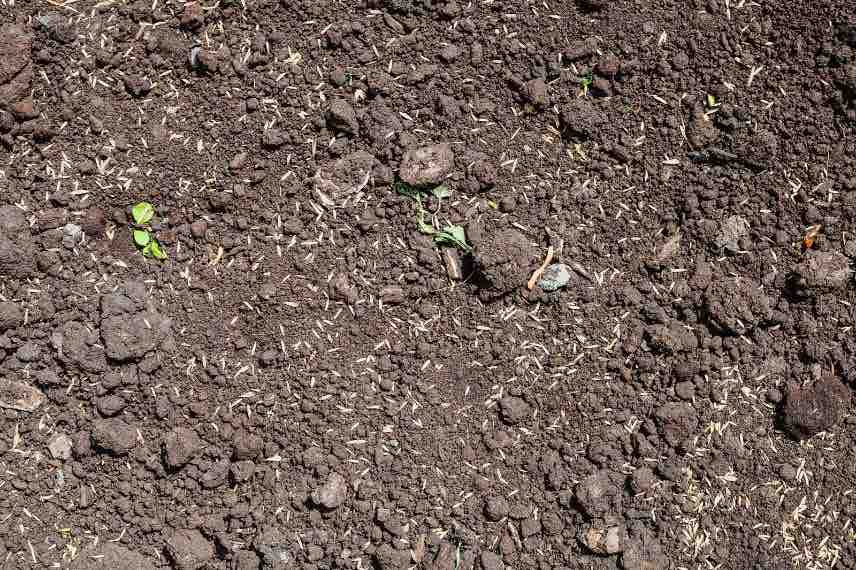
Rolling the lawn before and after sowing
How to roll the lawn?
- Take a roller weighing between 80 and 200 kg, with a wide width and rounded edges to avoid damaging the lawn.
- Roll the roller over the entire surface of your lawn and perform a criss-cross pass.
- The rolling should be carried out slowly and without bouncing on the surface.
- Rolling should be carried out on soil that is not frozen, not too dry, and not too damp, as this could damage the roots or cause the herb blades and soil to stick to the roller.
What maintenance should be planned next?
After sowing, the lawn needs water, feeding and mowing to thrive.
Once sowing is complete, lawn maintenance is crucial to ensure proper development. A regular watering with a fine spray, tailored to the needs of young shoots, is essential to keep the soil moist but not saturated. The first mowing should take place when the lawn has reached a sufficient height, usually around 8 to 10 cm. Allow about 3 to 6 weeks between sowing and the first mowing. You can then roll the lawn again to bring the grass blades back into place.
For further reading, discover our advice sheets: Sowing the lawn: when and how and Having a beautiful lawn in 10 questions and answers.
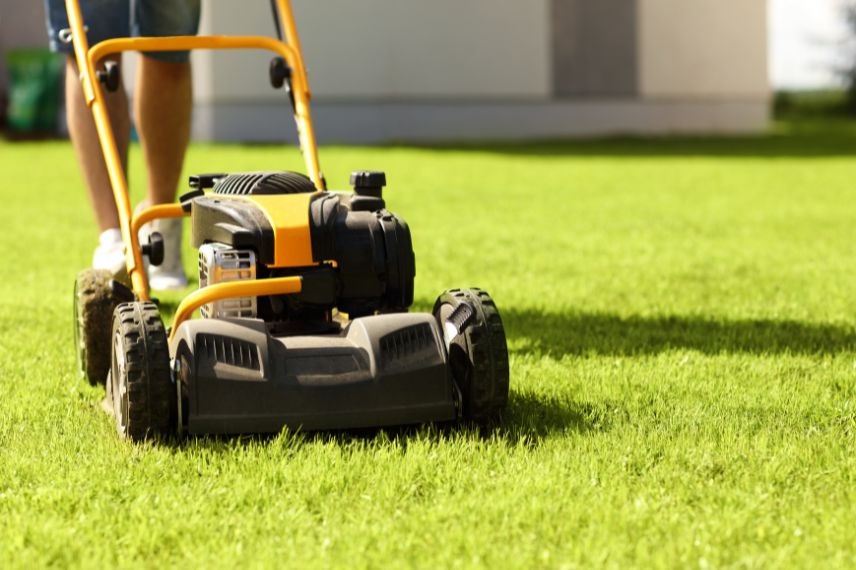
We also roll the roller over the lawn again after the first mowing
- Subscribe!
- Contents
Comments