





























In my neighbourhood, as in all of France, Saturday afternoons are marked by the hum of lawnmowers. When it comes to lawn mowing, everyone has their habits: some stick to the grass collection box while others prefer mulching. And it’s clear that "mulchers" are still quite a minority. Perhaps due to a lack of information… So today, let’s explore everything you need to know about mulching!
What is mulching?
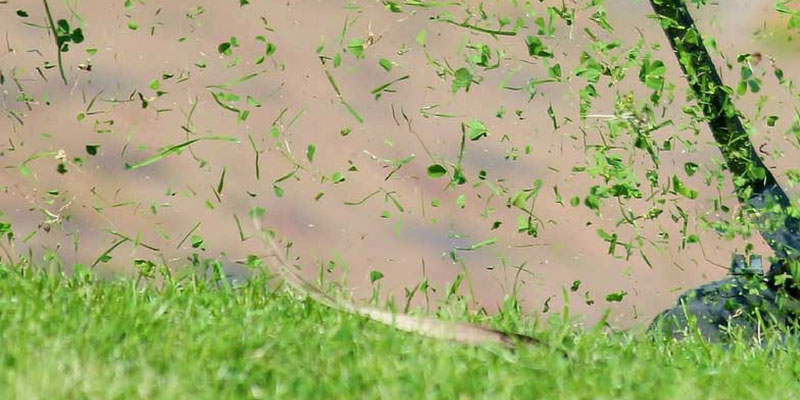
When we talk about mowing, mulching 1 involves leaving the grass clippings in place, finely shredded. This mowing can be done either with a mower designed exclusively for this purpose (100% mulching or a robotic mower) or one equipped with a mulching option or kit. The unique feature of these mowers is that the grass is not simply ejected; it is literally chopped by passing multiple times through the deck with a special blade. It is then left on the ground, where it is quickly "digested."
Benefits of mulching
- An ecological, quick, and hassle-free mow
The first advantage of mulching is that you don’t have to deal with grass clippings. By mulching, you won’t need to take them to the tip or try to compost them (large quantities of grass decompose poorly and disrupt compost). Mowing while mulching is also quicker since there’s no need to stop to empty the collection box. - A beneficial mow for grass growth
Leaving the grass in place helps nourish the lawn: you regularly return to the soil what it has produced, in the form of water and nitrogen, which the lawn needs. Fertiliser applications thus become unnecessary. This ongoing fertilisation also helps maintain a good level of microbial life in the soil: it doesn’t compact, the grass can root deeper, and better withstand dry periods. Moreover, provided you don’t mow too short, mulching helps reduce the appearance of weeds. Indeed, "well-nourished" grasses are more vigorous and compete better against adventive plants that establish themselves less easily.
→ To learn everything about sowing and maintaining your lawn, check out our advice sheet "Having a beautiful lawn in 10 questions and answers"
Precautions to take
Sometimes it’s said that mulching isn’t always good. I would say rather that it’s not always suitable! Indeed, this method of mowing requires taking a few precautions:
- Mowing in "mulching" mode requires regular and frequent mowing in conditions favourable to grass growth.
- You shouldn’t mow too short and should not cut more than one-third of the height of the grass with each pass.
- Mowing should be done when the grass is dry: wet grass doesn’t circulate properly in a mulching mower’s deck and clumps together.
Common misconceptions about mulching
Despite the many advantages of mulching, the practice struggles to become widespread. Here are the main hesitations:
- "Mulching brings grass blades everywhere in the house."
False. Don’t confuse mulching with simple ejection. When mowing correctly in mulching mode (see above), the grass pieces are tiny and decompose very quickly. You won’t bring in more grass into your living room than with traditional mowing with collection. - "Mulching suffocates the grass"
False. On the contrary, by nourishing the soil, the grass clippings contribute to its health.
True… if you mow too short when the grass is too high, especially if it’s wet. Indeed, if you do the first mow of the year a bit late, mow after a long holiday, or if you want to cut quite short in one go (which is not good at all!), mulching is not recommended. Similarly, if you mow a lawn that is too wet: the grass will clump together and form piles. - "Mulching encourages moss growth"
False. What encourages moss growth is poorly draining, acidic soil and mowing too short. - "Mulching causes thatch"
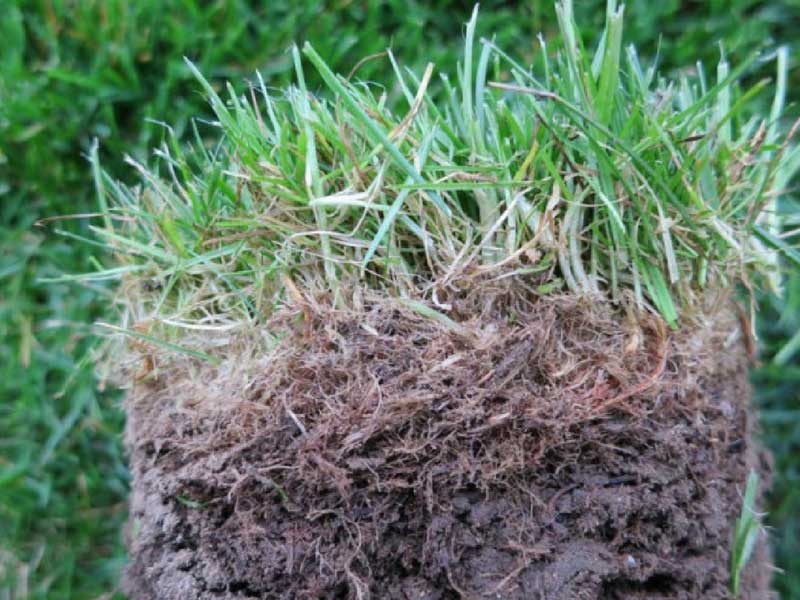
False. Thatch, sometimes called "felt," is a layer of organic matter made up of dead grasses that struggle to decompose. This thatch layer limits nutrient exchange: water struggles to infiltrate, and grass grows slowly. This phenomenon appears when biological activity is low. However, what causes the loss of biological activity in a lawn is collection! Nevertheless, be aware that switching to mulching on a lawn that already has a thick felt layer will not solve the problem: you will first need to dethatch using a scarifier.
Which mulching mower to choose?
You’ve understood that you can’t mulch properly with just any mower. But, how do you choose your mulching mower?
The best mulching mower is one that is suitable for the size and nature of your land, but also and especially, for your habits!
If you live in a relatively humid area where the grass is only dry for 2 months out of 12, or if your schedule doesn’t allow you to mow regularly and at the right time, we recommend opting for a mower that can be easily used in both collection and mulching modes. This will allow you to adapt to each situation with a single and simple operation. However, avoid entry-level models: this versatility requires a certain degree of technicality to achieve good results.
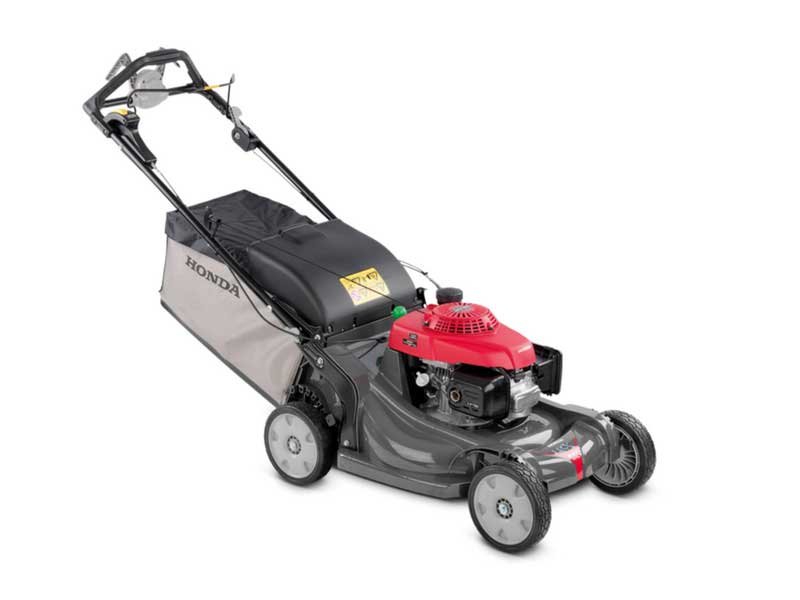
100% mulching mowers are generally reserved for meticulous gardeners and professionals: you won’t be able to use them as flexibly. However, they have the advantage of being quick and able to navigate everywhere, which is a real plus when mowing frequently.
Finally, robotic mowers are ideal if you want to switch to 100% mulching without hassle: autonomous, they mow almost continuously, which, as you can see, is perfect for mulching!
To learn everything about choosing a lawn mower: "How to choose your lawn mower" and check out our article: 5 good reasons to adopt a manual mower that is naturally predisposed to mulching.
Good to know:
- The terms mulch or "mulching" refer to two things: the action of leaving grass in place during mowing but also to mulching, the action of applying mulch. If you’re interested in this second topic, I invite you to consult our file dedicated to mulching.

Comments