





























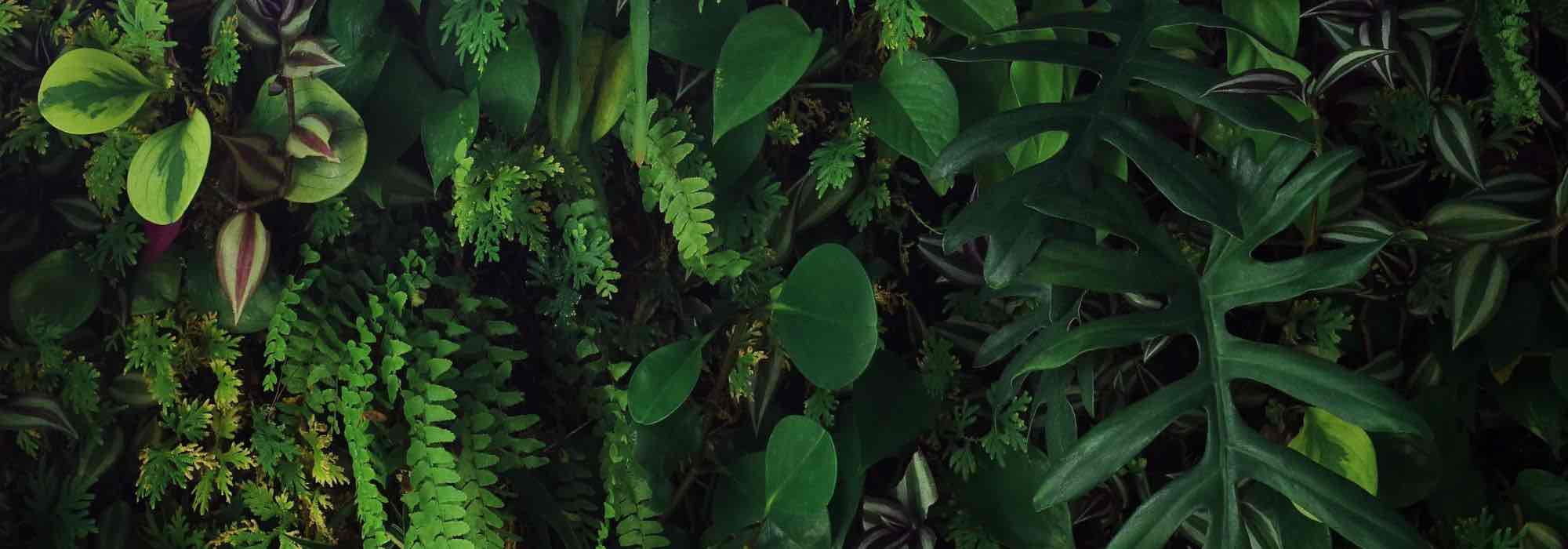
How to create an indoor living wall?
Our tips for creating a vertical garden
Contents
Vertical gardens, also known as living walls or green walls, have become a popular trend in interior design. These vertical gardens offer numerous aesthetic and practical benefits, such as improving air quality, providing attractive interior decoration, and creating a calming environment. This article serves as an introduction to this setup; we will explore the key steps to create an indoor vertical garden, the best plants to choose, suitable irrigation systems, and some tips for the maintenance and longevity of your vertical garden.

Key steps to create a vertical garden
Having a vertical garden at home is quite a technical design if you want it to be effective. It’s a journey, possibly fraught with a few pitfalls and failures, that should be progressively improved. Here are the key steps to follow from the outset for creating a vertical garden:
1. Choosing the wall: First, select the appropriate wall for your indoor vertical garden. Choose a wall that receives an adequate amount of natural light or can be artificially lit by horticultural lamps as a supplement. If you have the choice, prioritise natural light. Ideally, the wall should receive a good amount of natural light without direct sunlight. This could be a north-facing wall with a large glazed area opposite or a wall facing east, south, or west, but without too strong direct sunlight (or that you plan to filter). Also, ensure that the wall can support the weight of the plants and the irrigation system.
2. Preparing the wall: Before installing your vertical garden, prepare the wall by cleaning and smoothing it if necessary. Ensure that the wall surface is free from dust, dirt, or any other obstructions.
3. Choosing the plants: Select indoor plants suitable for your vertical garden. Choose plants that have similar needs in terms of light exposure and watering. Plants that lend themselves well to this configuration include vertical growth plants, such as ferns and climbing or trailing plants. Culinary herbs and certain varieties of succulents are also suitable, but they may have differing needs.
4. Installing the plants: Install the plants in vertical planters specifically designed for indoor vertical gardens. You can also use wall-mounted planter pallets or wall supports for flower pots. Place the plants in the planters, ensuring they are securely fixed to prevent them from falling.
5. Irrigation systems: Indoor green walls require an appropriate irrigation system to ensure adequate water supply to the plants. You can opt for a drip irrigation system or an automated vertical irrigation system. Ensure that the irrigation system is well installed and that water is distributed evenly to avoid excess moisture or drying out of the plants.
6. Plant maintenance: Regularly maintain your green wall. This includes regular watering, pruning the plants when necessary, dusting the leaves, and checking for pests. Follow specific recommendations for each plant to maintain their health and vitality.
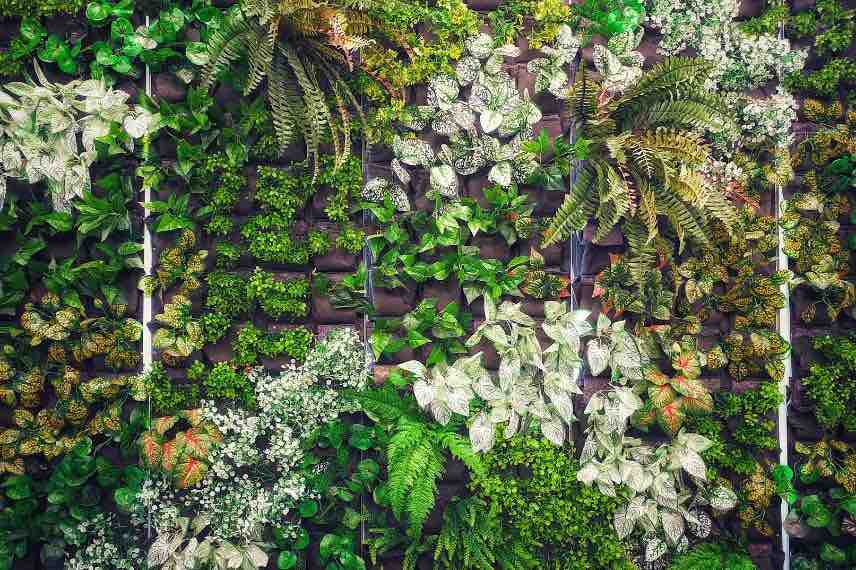
Here, a vertical garden is filled with all the colours of foliage, variegated, colourful, green…
Read also
Which aromatic plants to grow indoors?Choosing the plants
When choosing plants for your indoor vertical garden, it is essential to consider several factors such as light exposure, water availability and watering needs, available space, and possibly the humidity level of the surrounding atmosphere. Checking if they are susceptible to pest attacks is also wise.
Here are some popular indoor plants that generally suit green walls:
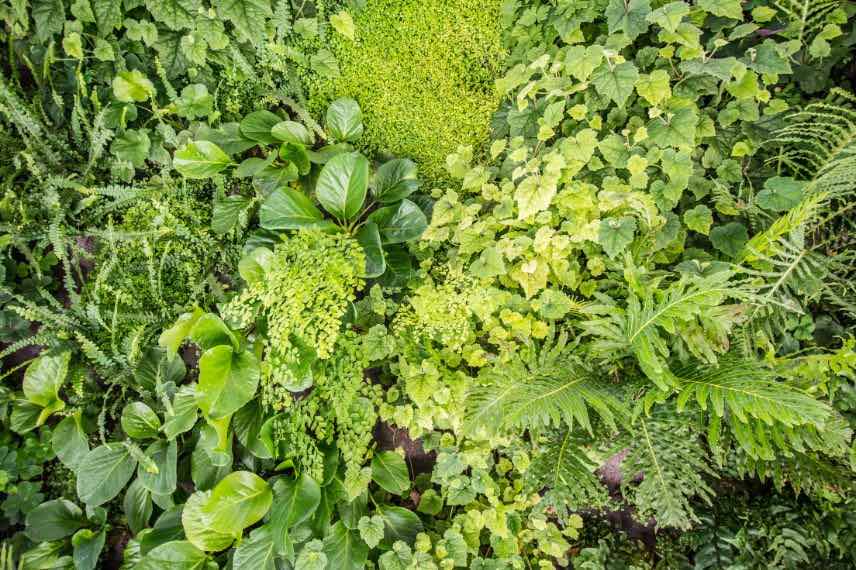
Here, a wall formed of ferns, climbing plants, and tropical plants
1. Ferns: Ferns are lush green plants that thrive in shaded and humid environments. They are ideal for indoor vertical gardens where light exposure may be limited.
2. Climbing plants: Climbing plants such as ivy, pothos vine, and spider plant or Chlorophytum are perfect for adding verticality to your garden. They can climb along wall structures or cascade down, creating a spectacular look.
3. Culinary herbs: Culinary herbs like basil or mint not only add greenery to your vertical garden but also provide you with fresh herbs at hand for cooking.
4. Succulents: Succulents, such as Aloe vera and Echeveria, are ideal for indoor environments where direct light may be limited. They require little maintenance and are drought-resistant.
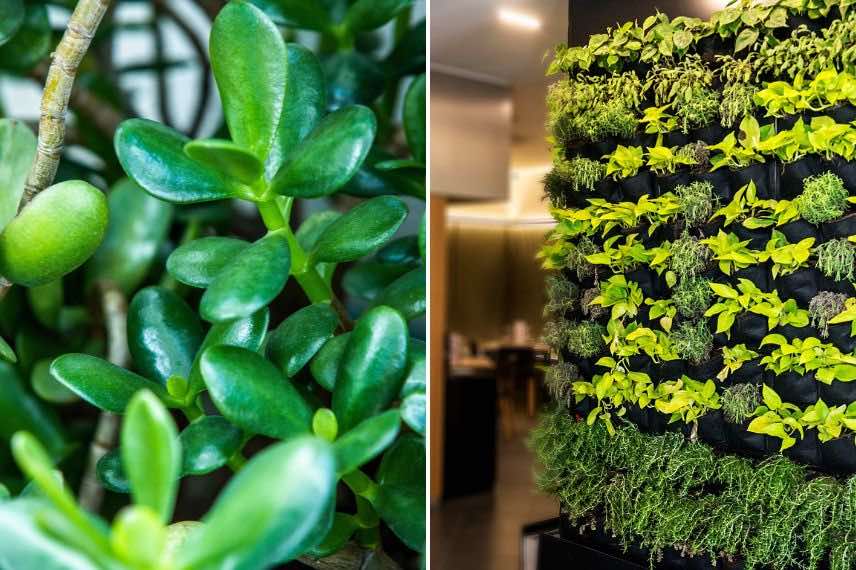
The Jade plant or Crassula is a robust succulent, well-suited for vertical gardens. On the right, a wall of herbs in a kitchen.
Irrigation systems
Once you have chosen your plants and identified their watering needs, it is essential to plan an appropriate irrigation system.
Irrigation systems are crucial for maintaining a regular water supply in your indoor vertical garden. Here are some common options for irrigation:
1. Drip irrigation system: This system provides precise drip irrigation to each plant. It is relatively easy to set up and allows for precise control over the amount of water supplied to each plant.
2. Automated vertical irrigation system: This system uses sensors and a timer to distribute water automatically at regular intervals. It is ideal if you have a large vertical garden or need a low-maintenance irrigation solution.
3. Spray irrigation system: This system uses spray nozzles to distribute water over the plants. It is often used for larger vertical gardens.
Whatever irrigation system you choose, ensure it is set up correctly, taking into account balanced water distribution and ease of access for maintenance and adjustments.
Tips for maintaining and ensuring the longevity of your vertical garden
To maintain the beauty and health of your indoor vertical garden, here are some useful tips:
- Water carefully and wisely: Ensure you provide your plants with the right amount of water necessary for their growth. Monitor the moisture of the soil and water when needed. Avoid overwatering, as this can lead to root rot issues.
- Control the lighting: Ensure your plants receive sufficient natural or artificial light. If necessary, use growth lamps to supplement the lighting.
- Prune regularly: Remove faded or damaged leaves and prune the plants to maintain their appropriate shape and size. This will also encourage healthy growth of new shoots.
- Fertilisation: Feed your plants with a balanced fertiliser to maintain their vitality. Follow the specific instructions for each plant regarding the frequency and amount of fertiliser recommended.
- Pest control: Watch for signs of pest infestations such as aphids or mites. Use organic control methods or natural products to eliminate pests without harming the plants or the indoor environment. In a vertical garden, regular control is crucial, as the proximity of the plants makes it important not to be overwhelmed by a massive infestation, which can sometimes go unnoticed for a long time.
By following these maintenance tips, you can enjoy a thriving and sustainable indoor vertical garden.
Indoor vertical gardens offer an innovative and aesthetically pleasing way to integrate houseplants into your home or professional environment. By following the key steps to create a vertical garden, choosing the right plants, installing a suitable irrigation system, and providing proper maintenance, you can create a refreshing and attractive green space indoors. Enjoy the aesthetic and practical benefits of an indoor vertical garden and let yourself be inspired by the beauty of nature at your fingertips.
If this inspires you, I can only recommend that you equip yourself with a technical book, more specific on the subject, as it is an exciting but demanding project.
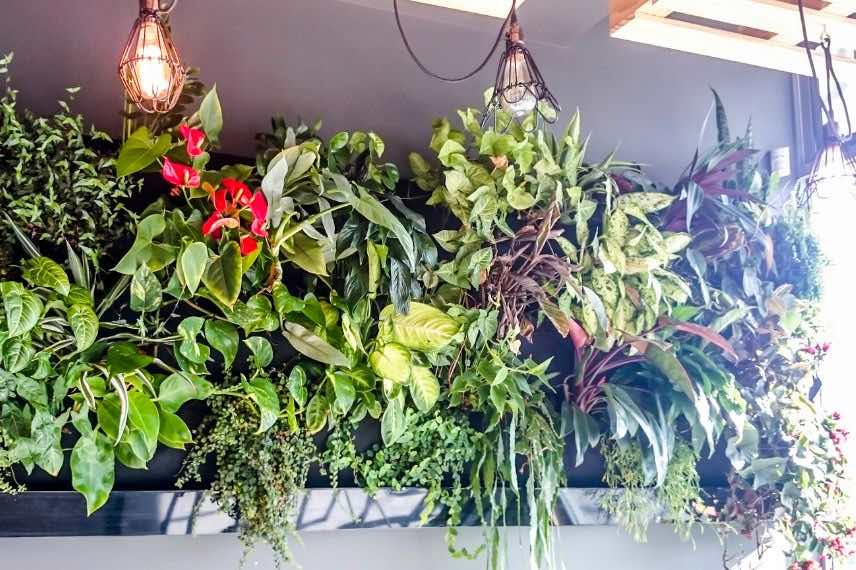
A vertical garden allows for creativity
- Subscribe!
- Contents
Comments