





























Diseases and parasitic pests of indoor begonias
Identification and solutions
Contents
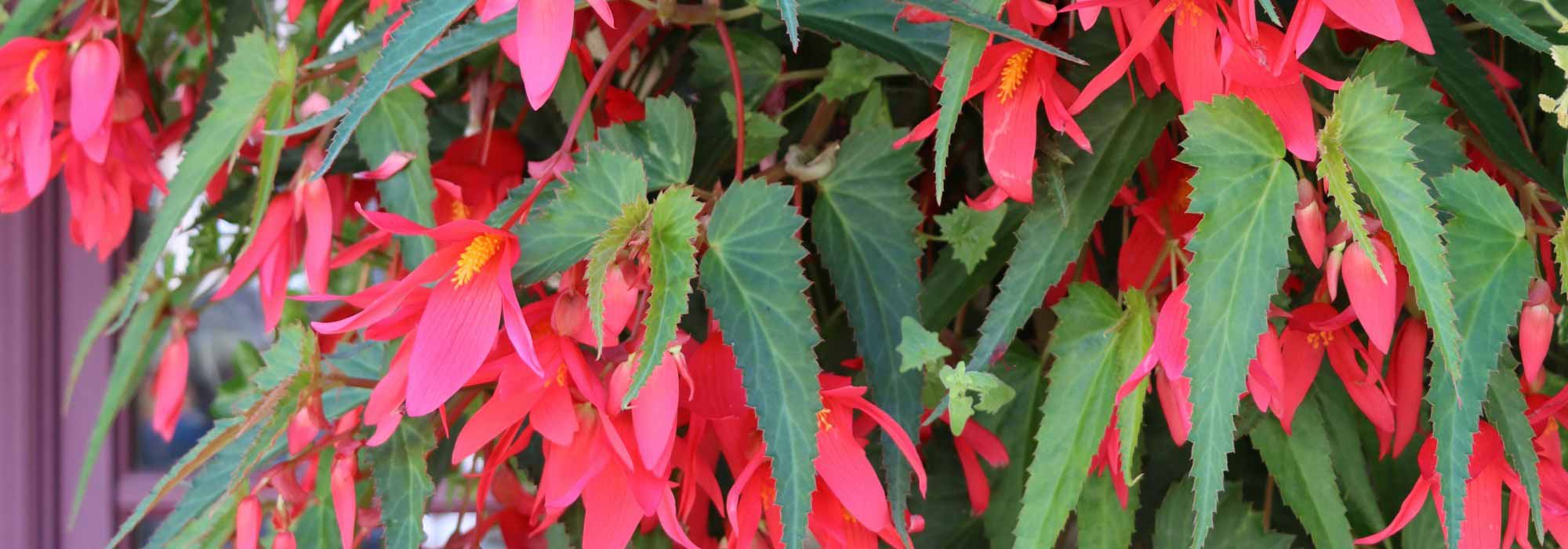
Indoor begonias, with their colourful foliage and delicate flowering, are popular houseplants for their aesthetics and easy maintenance. However, they can be susceptible to pests such as aphids and to diseases such as powdery mildew. So, how to care for begonias? In this article, we help you identify the main problems affecting indoor begonias and adopt the best natural solutions to treat and prevent them!

Indoor begonias: cultivation notes
Begonias (Begonia spp.) are tropical and subtropical plants in the family Begoniaceae, mainly grown indoors in temperate regions. With nearly 2,000 recorded species, they offer an exceptional diversity of shapes, colours and textures.
Two broad categories are distinguished:
- Begonias with decorative foliage, such as the Begonia rex ‘Escargot’, famous for its spiralled leaves.
- Begonias with abundant flowering, such as the Begonia eliator, valued for its showy and plentiful flowers.
Adapted to indoor cultivation, these plants thrive in low light, a well-drained growing medium and moderate humidity. However, despite their robustness, they remain susceptible to parasitic pests and to fungal or bacterial diseases, particularly when their environment is not optimal.
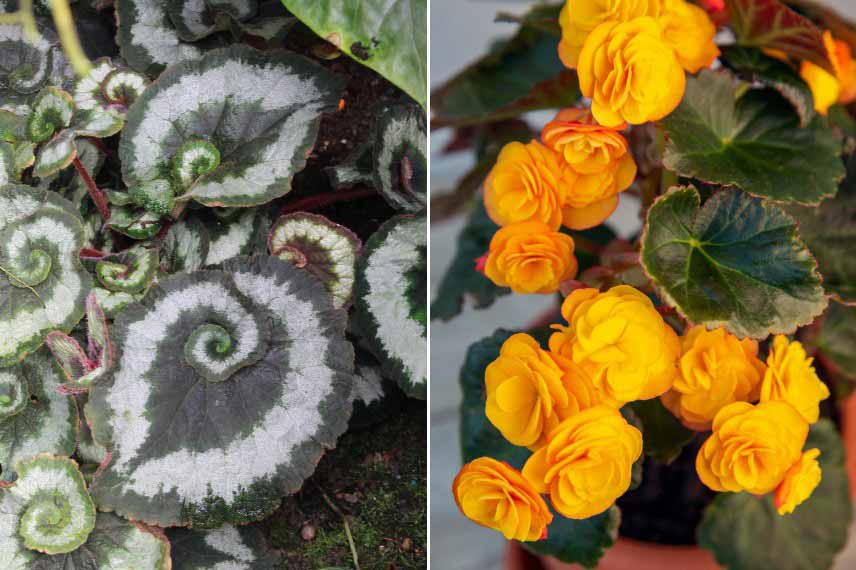
Begonia rex ‘Escargot’ and Begonia elatior
Read also
Indoor Begonias : cultivation and careParasitic pests of indoor begonias
Common pests of indoor begonias
Indoor begonias can fall prey to several pests that weaken the plant by feeding on its sap or damaging its leaves. Regular monitoring is essential to quickly spot their presence and limit their spread. Here are the main pests that can attack begonias and the solutions to eliminate them.
Aphids
Aphids are small insects, usually green, black or yellow, which settle on new growth and under the leaves. By feeding on the sap, they slow growth, yellowing of the leaves and deformation of the leaves. Their presence also promotes the development of sooty mould, a black fungus that feeds on the honeydew left by these insects. For more information: Aphids: identification and treatments.
Solutions :
- Spray a diluted black soap solution (5 ml of black soap in 1 litre of water) to suffocate the aphids.
- Introduce natural predators such as ladybirds or lacewing larvae, natural predators of aphids.
- In case of a significant infestation, use a natural pyrethrum- or neem oil-based insecticide.
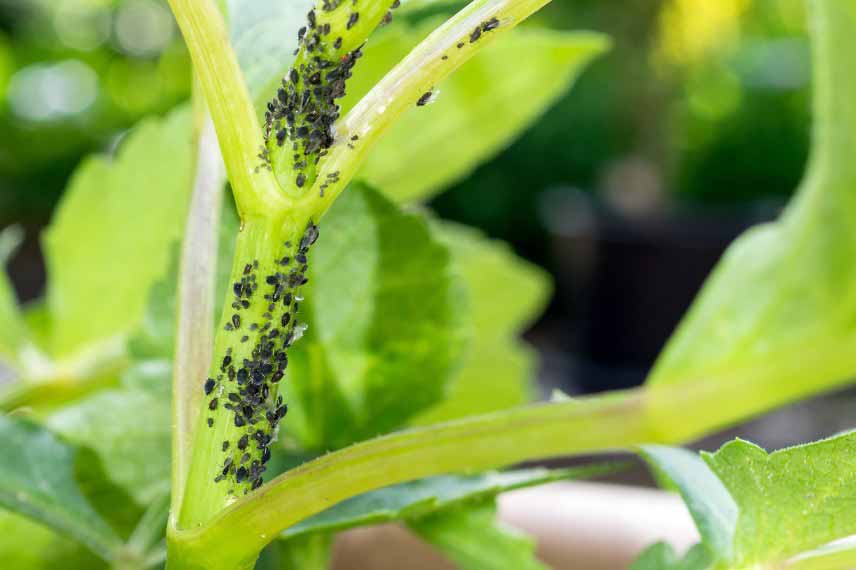
A colony of black aphids
Mealybugs
Mealybugs are recognised by their white cottony masses on the stems and at the base of the leaves. They feed on sap and gradually weaken the plant. Another variety, armoured scale, attaches to the stems in the form of small brown shields. For more information: Mealybugs: identification and natural treatments.
Solutions :
- Remove mealybugs manually with a cotton swab dipped in 70% alcohol.
- Spray a neem oil solution, effective against these pests.
- Encourage good air circulation around the plant to prevent their proliferation.
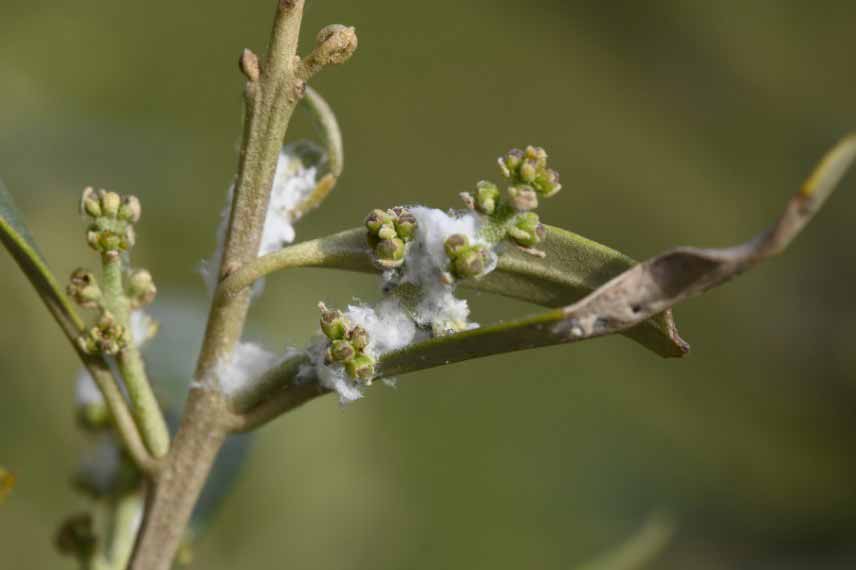
Mealybugs form cottony white masses
Red spider mites
These tiny mites appear mainly when the air is too dry and warm. Their presence shows yellowing of the leaves, which eventually dry out. Fine webs may also be visible under the foliage. For more information: Red spider mites: identification and treatment.
Solutions :
- Increase humidity by regularly spraying water onto the leaves or by placing a humidifier nearby.
- Spray a diluted black soap solution in water to eliminate the mites.
- In cases of advanced infestation, use a biological acaricide.
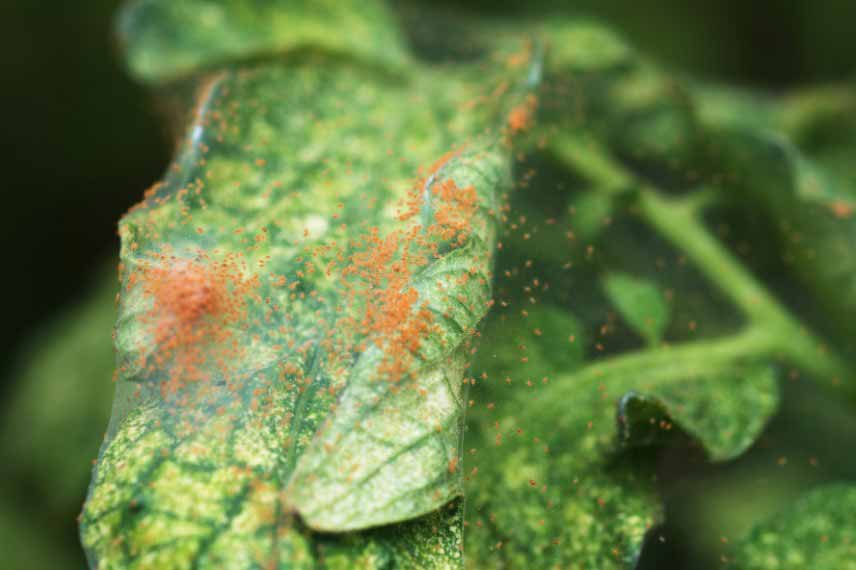
Red spider mites cause leaf yellowing and are detectable by the presence of tiny red specks and fine webs
Thrips
Thrips are slender insects that feed on leaf sap. Their presence is often signalled by silvering spots and discolouration of the leaves. A heavy infestation can cause leaf distortion and reduced vigour of the plant. For more information: Thrips: identification and natural treatments.
Solutions :
- Place blue sticky traps near the begonias to capture adult thrips.
- Spray a garlic decoction or a tansy infusion to deter these insects.
- As a last resort, use a natural insecticide based on black soap or neem oil.
Regular inspection of leaves and stems helps detect pests quickly and act before infestation worsens. A well-ventilated environment and controlled humidity are the best allies for preventing these pests from appearing.
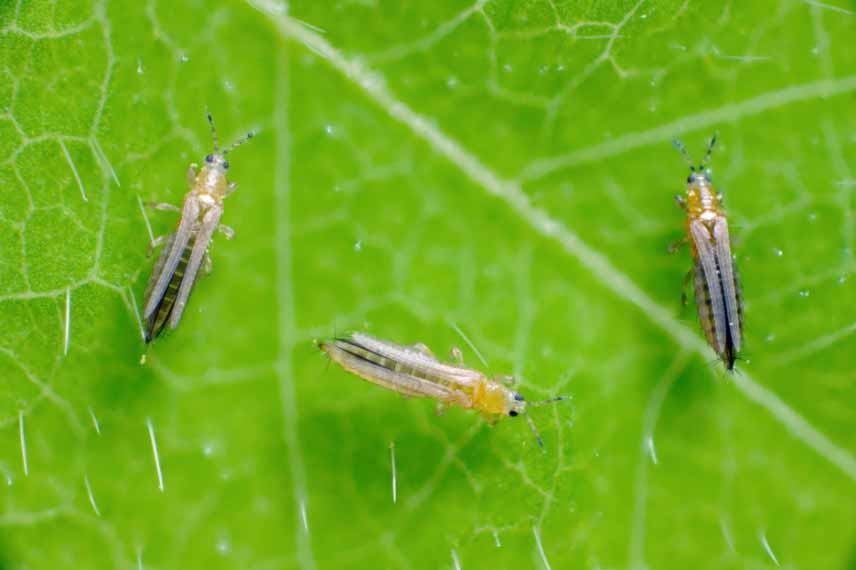
Thrips are slender insects that pierce the leaves and cause discolouration
Common diseases of indoor begonias
Indoor begonias can be affected by a range of diseases, mainly of fungal or bacterial origin. These diseases often appear when growing conditions are not optimal, notably with excess moisture, poor air circulation, or substrate that is too compact. Early detection is essential to limit damage and prevent spread to other plants.
Downy mildew
Downy mildew is a fungal disease that develops in damp, poorly ventilated conditions. It manifests as yellow or brown spots on the leaves, usually accompanied by a greyish down on the underside. If nothing is done, the foliage wilts and drops, significantly weakening the plant.
Solutions :
- Avoid excess moisture by spacing waterings and ensuring the substrate dries at the surface between waterings.
- Improve air circulation around the plant by placing it in a well-ventilated spot, but sheltered from cold draughts.
- Treat with a copper-based natural fungicide, such as the Bordeaux mixture,Bordeaux mixture, following the recommended doses.
- As a preventative, spray a horsetail decoction or an elder leaf infusion, known for their antifungal properties.
Powdery mildew
Powdery mildew is another common fungal disease, favoured by temperature fluctuations and excessive humidity. It appears as a white powdery coating on the leaves, which can quickly spread to the entire plant. For more information: Powdery mildew: prevention and treatment.
Solutions :
- Immediately remove infected leaves to prevent the spread of the fungus.
- Avoid watering the leaves and favour watering at the base of the plant.
- Treat with a bicarbonate of soda solution (5 g per litre of water with a drop of dish soap to help adhesion).
- As a preventative, regularly spray a garlic infusion, known for its antifungal properties.
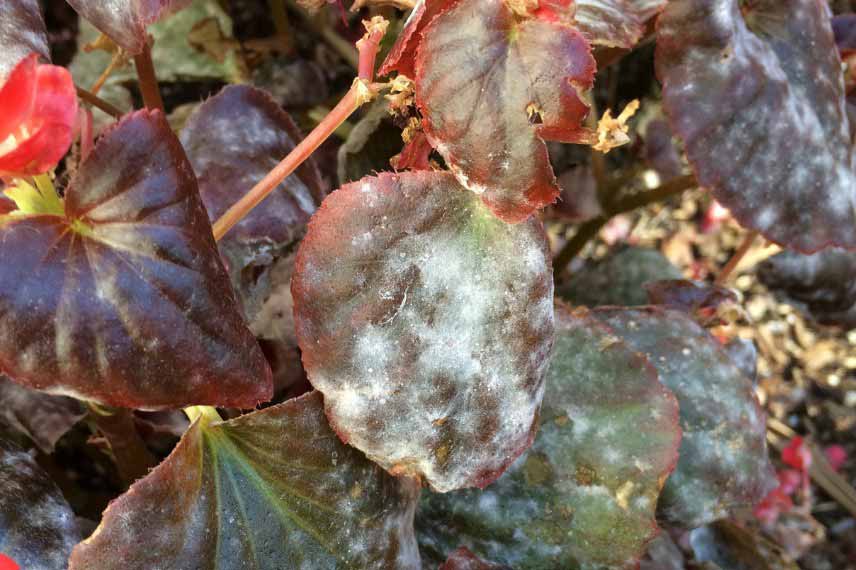
A begonia affected by powdery mildew (photo: Scot Nelson)
Root rot
This disease results from overwatering or poor drainage of the substrate. When roots stay constantly damp, they begin to rot, turning black and soft. The plant then shows signs of distress, with yellowing of the leaves and general wilting.
Solutions :
- Check that the pot has proper drainage holes to prevent waterlogging.
- Use a light, well-draining substrate, composed of potting compost, perlite and sand to ensure good root aeration.
- If rot is confirmed, repot the plant in fresh substrate after cutting away the affected roots with a sterilised tool.
- Reduce the watering frequency and water only when the surface of the substrate is dry to the touch.
Bacteriosis
Bacterial infections are often more difficult to treat than fungal diseases. They appear as translucent, watery spots on the leaves, which can spread rapidly. Bacteriosis is usually caused by stagnant moisture and poor ventilation.
Solutions :
- Immediately remove infected leaves and disinfect the cutting tool after each use.
- Avoid watering the foliage to limit the spread of bacteria.
- Place the plant in a well-ventilated area and space out watering to reduce ambient humidity.
- As a preventative, apply a horsetail decoction or a copper-based treatment, which has antibacterial properties.
Read also
Planting BegoniasGeneral prevention tips
The best way to maintain the health of indoor begonias is to adopt good cultural practices to limit the risk of infestation by parasitic pests and the onset of diseases. Here are the main preventive measures to implement:
- Manage watering with precision : water moderately and only when the surface of the substrate is dry. Excess moisture promotes root rot and fungal diseases.
- Ensure good ventilation : place begonias in a well-ventilated area, while avoiding cold draughts that could weaken them.
- Inspect the plant regularly : frequently check the undersides of the leaves and stems to quickly spot the presence of parasites or symptoms of diseases.
- Maintain good hygiene : remove dead leaves and regularly clean the pot and its surroundings to limit the proliferation of pests and pathogenous spores.
- Avoid watering the foliage : favour delivering water directly at the base of the plant to reduce the risk of fungi and bacteria developing.
- Use an appropriate substrate : choose a light, well-draining potting mix formed of turf, perlite or sand, to prevent moisture buildup at the roots.
- Promote controlled ambient humidity : if the air is too dry, use a humidifier, place a container of water nearby or lightly mist the foliage (not in excess to avoid diseases).
- Prefer natural preventive treatments : occasionally spray infusions of horsetail or garlic, which have natural antifungal and insect-repellent properties.
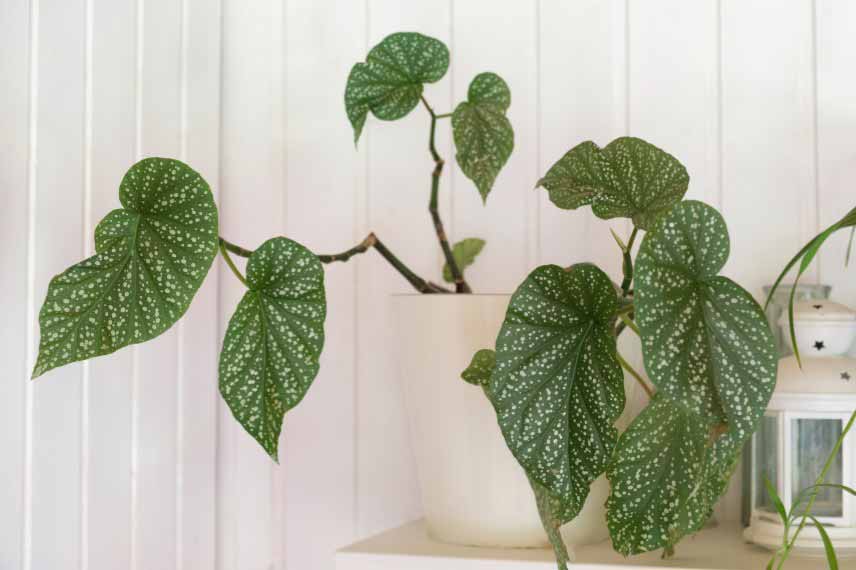
Begonia maculata
- Subscribe!
- Contents
Comments