


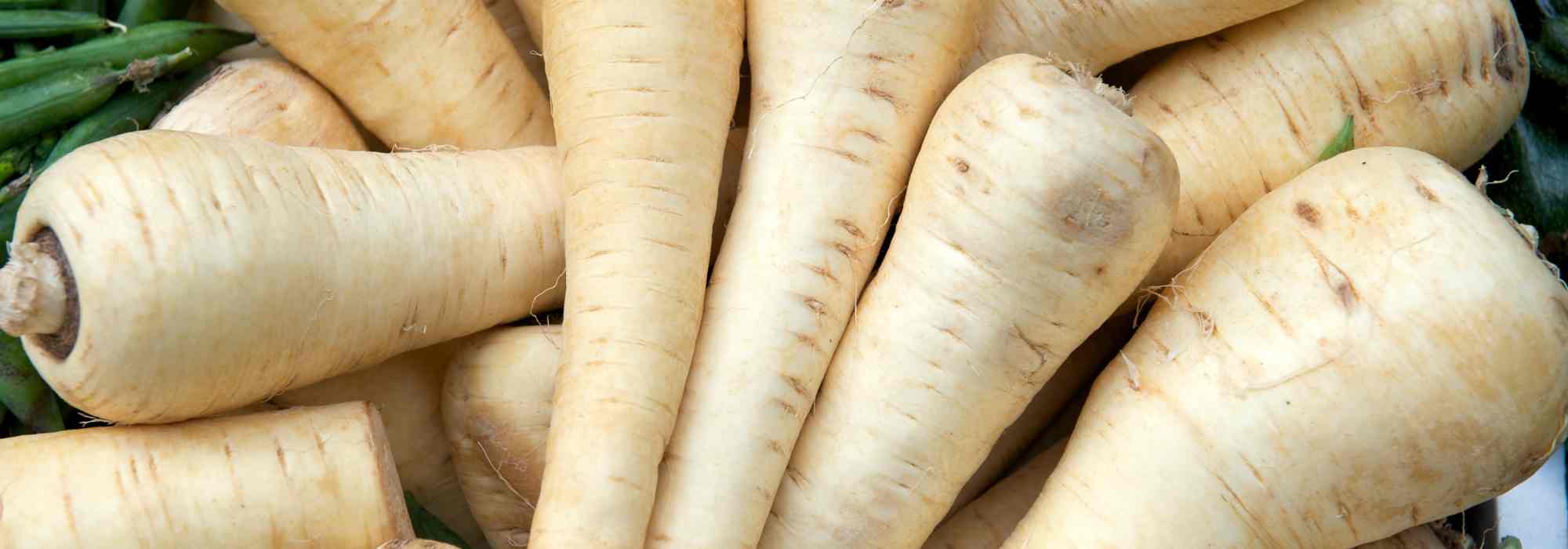
Parsnip diseases and pests
Identification of diseases and pests of this root vegetable and natural treatments
Contents
A cousin of the carrot, parsnip (Pastinaca sativa) bears a strong resemblance to it, the only difference being that it has a cream-coloured skin. It was widely cultivated in the Middle Ages, but was later supplanted by the potato in kitchen gardens and on plates. Yet, in recent years it has made a comeback, pleasing the palate with its sweet flavour that recalls celery, carrot and Jerusalem artichoke, with a subtle hazelnut note. In the garden, parsnips are slow to germinate, but if planted in full sun in moist, rich, cool soil, they prove fairly hardy. And hardy, since they can overwinter in the ground for harvest as needed from September to March.
Although fairly hardy, parsnips can occasionally suffer from a few diseases and be attacked by pests, to varying degrees, much like carrots.
Discover how to identify, treat and prevent parsnip diseases and pests.
Further reading: Parsnips: sowing, growing, harvest and storage.

Most common diseases of parsnips
Parsnip is a root vegetable in the carrot family, a close cousin of the carrot. That is why it can potentially be affected by the same diseases as the carrot. Let’s take a look at the different diseases, their symptoms, and above all the natural treatments and preventive measures to implement.
Alternaria leaf blight
Chez les panais, this disease is caused by the fungus Alternaria dauci, which thrives in damp weather from April to October. The spores of these fungi can persist in the soil for 6–7 years, overwinter on leaves or be spread by seed.
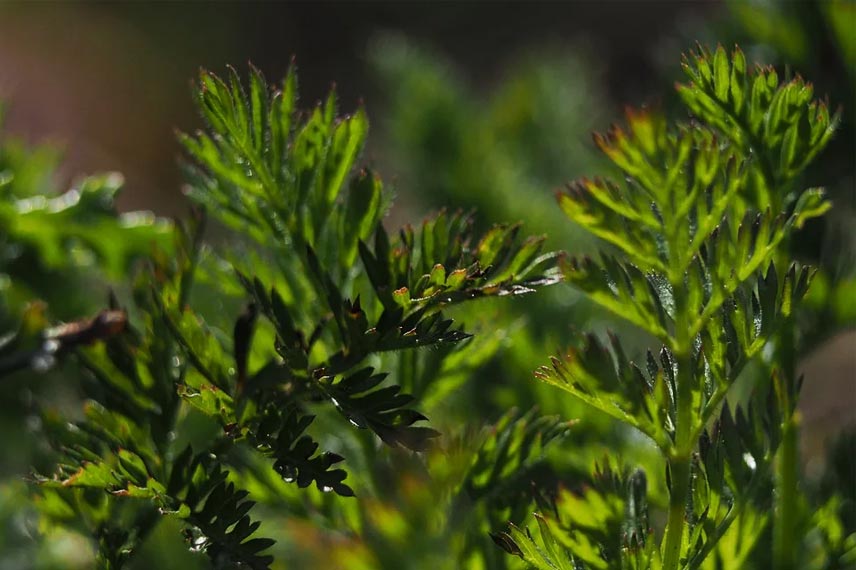
Symptoms of Alternaria leaf blight on carrot leaves
Symptoms : the foliage becomes brown and then black at the edges, then dries up or rots. Seedlings die. Some roots may show superficial brown spots that can lead to rotting during storage.
Direct control : in case of a severe attack, you can treat with the Bordeaux mixture as soon as the disease appears. Otherwise, you must absolutely pull up and destroy the affected plants which must not be composted.
Prevention :
- Apply a crop rotation of at least four years
- Avoid using fresh organic manure
- Avoid sowing too densely
- Destroy plant debris after harvest
- If weather conditions combine humidity and heat, apply preventive sprays of horsetail decoction or garlic decoction every three days for 10 days.
Powdery mildew
Parsnip powdery mildew is caused by a fungus Erysiphe which is specific to it. It generally develops in dry, warm weather. The spores are dispersed in late summer by the wind and it overwinters on the plants and plant debris. And the disease appears at the end of the growing season.
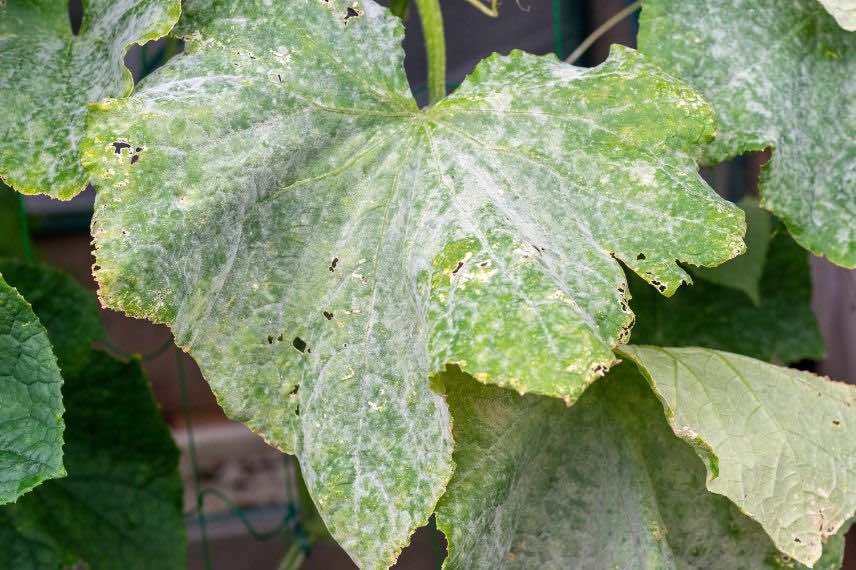
Symptoms of powdery mildew on cucumber leaves
Symptoms : small white spots, powdery in appearance, appear on the leaves. As the disease progresses, the foliage grays, covers the upper and lower surfaces, and necrosis occurs.
Direct control : spray a horsetail decoction.
Prevention :
- Avoid nitrogen-rich fertilisers
- Do not sow too densely and thin the seedlings
- Collect plant debris
- Remove contaminated plants
- Keep the soil cool and moist
Fusarium wilt
This disease is due to the fungus Fusarium avenaceum which can persist for many years in the soil. The disease is also transmitted via seeds. It develops in warm and wet conditions.
Symptoms : often, a kind of dry mould appears at the collar of parsnips. The affected parts brown and wither, then dry and harden.
Direct control : you must absolutely pull up and destroy the affected plants, and, if necessary, replace the soil around the roots.
Prevention :
- Sow early and promote rapid germination by keeping the soil cool and moist
- Practice crop rotation of at least three to four years
- Work the soil in advance and add compost to introduce competing fungi to Fusarium
- Use uncontaminated seeds
Different rots
Parsnip roots can be affected by several rots: grey rot caused by the fungus Botrytis cinerea, white rot caused by Sclerotinia, and root rot caused by Phytophthora sp. These fungi mainly develop in humid years. Grey rot appears as a grey mould on the affected parts, white rot develops on stored parsnips, and root rot shows as brown to black bands on the roots, visible after harvest.
Prevention is key :
- Ensure good drainage of the soil and avoid overhead watering
- Improve soil fertilisation with compost additions
- Follow a crop rotation of at least three years
- Carefully clean gardening tools
- Inspect parsnips before storage and remove all that show suspicious signs
Parsnip canker
The Itersonilia canker of parsnip is caused by the fungus Itersonilia, which can cause significant damage. It can originate from contaminated seeds, but the fungus overwinters in the soil as well. The spores are dispersed in spring by the wind and affect the foliage. They then fall to the ground and attack the roots. Cool, wet weather facilitates the development of the fungus.
Symptoms : small orange lesions, surrounded by green, appear on the foliage; grey to black lesions develop at the base of the petioles. Brownish-red, then black, cankers develop on the collar.
Preventive measures :
- Use resistant varieties such as ‘Tender and True’
- Earth up the parsnips to cover the shoulder of the roots
- Follow long crop rotations of at least three years
- Work the soils to improve drainage and aeration
- Do not let weeds grow
- Remove all suspicious parsnips at harvest
The main pests of parsnips
Four pests can potentially attack parsnips: carrot fly, a beetle named Phytoecia icterica, wireworms and aphids, the latter not being very damaging. That said, discover how to get rid of them: Aphids: identification and treatment.
Wireworms, also known as “wireworm larvae”, can infest parsnip roots and cause substantial damage to yields. Again, to learn everything about this pest, I invite you to read Olivier’s article: Wireworm: damage, treatment and organic control.
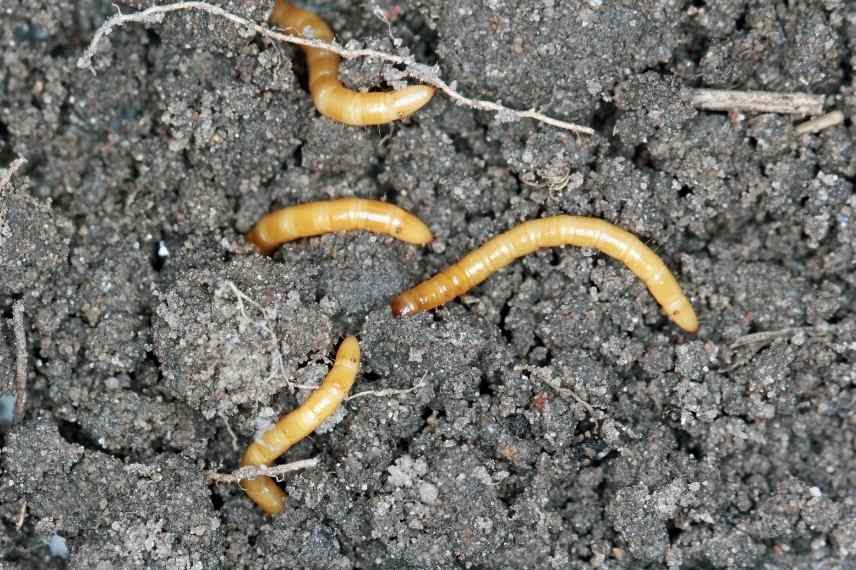
Wireworms can cause severe damage to parsnip roots
As for the carrot fly (Psila rosae syn. Chamaepsila rosae), it is also a concern for parsnips. Its larvae bore galleries in the roots. The key is to protect crops, as once established the larvae cannot be expelled. Ingrid B. shares her preventive solutions: Carrot fly, leek miner: protect your crops!
There remains the small beetle Phytoecia icterica, also known as aiguille charcutière. This beetle lays its eggs in the soil, near parsnip roots. Larvae enter and bore galleries there, causing their decay. This beetle is more common in southern regions, in cool and damp areas. Its life cycle spans two years. The larvae overwinter as chrysalis on plant residues.
Preventive control:
- Remove plant residues after harvest
- Apply thick mulch to the soil during the adults’ active period from April to July.
- Subscribe!
- Contents

Comments