





























The best eating apples
Tasty varieties to munch on!
Contents
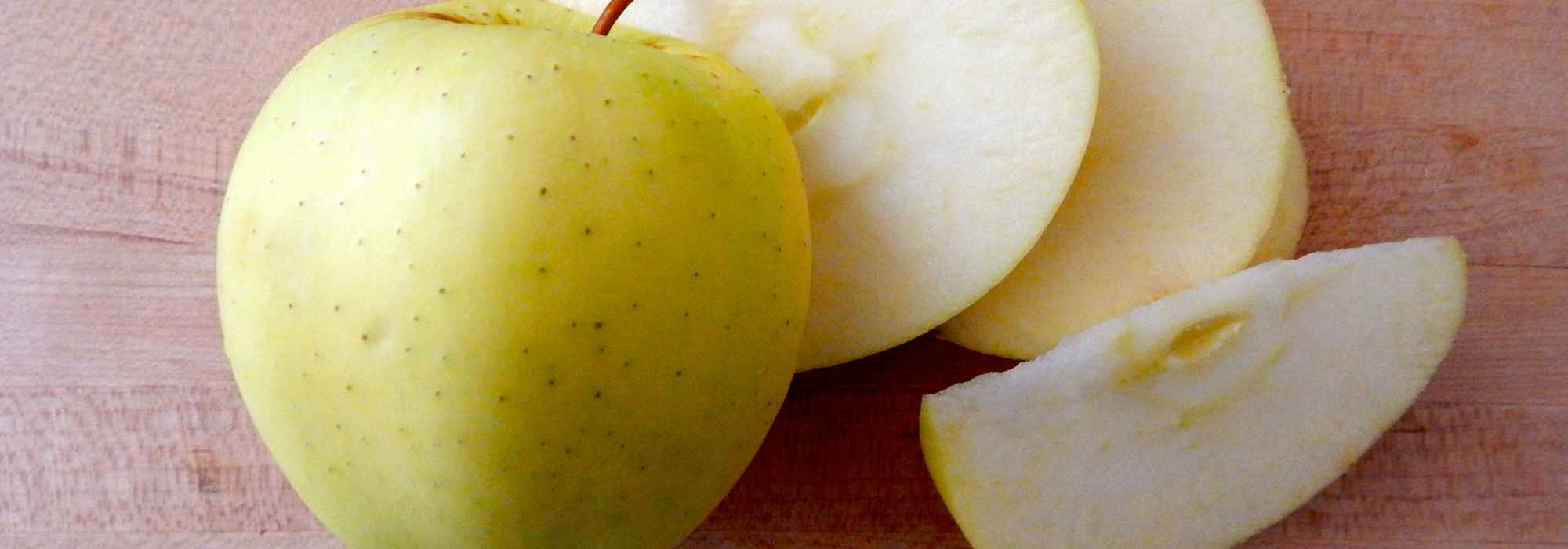
The eating apples, also known as dessert apples, are fruits grown to be enjoyed raw without preparation, unlike cooking apples that are used in pastries, compotes, jams, and savoury dishes, or cider apples. They contain juicy, crunchy, fragrant, sweet flesh that is more or less tart, depending on the variety. They are harvested from late summer to autumn and can then be consumed throughout the winter. These apples are particularly suited for fresh consumption, in fruit salads or paired with cheeses, for example. In addition to being excellent table fruits, most are also suitable for cooking. Depending on the variety, each has its own character, revealing a very variable aromatic palette when tasted.
Here is our selection of 9 delicious apples to enjoy, appreciated for their taste qualities!
And discover our wide range of apple trees to find the variety that best suits your desires!

Elstar: crisp and very sweet
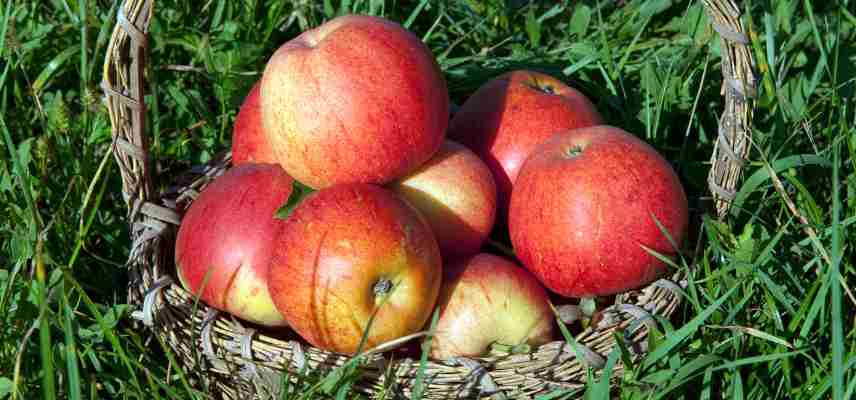
The Elstar apple tree is a highly productive variety, resulting from the cross between ‘Golden Delicious’ and ‘Ingrid Marie’. This produces very good so-called “knife” apples, quite large, with a fine, smooth yellow skin striped with red-orange. The harvest is early, as the fruits reach ripeness by the beginning of September. It is a biennially bearing variety that only produces abundantly every other year. The Elstar is a juicy and refreshing apple. Its flesh is crisp, sweet, slightly tangy, fragrant, with pear-like aromas. It also holds up well to cooking, making it an ideal variety for making pies, crumbles, sautéed dishes, or baked apples.
The Elstar apple tree is a vigorous, medium-sized tree (4 m in all directions) that is suitable for small gardens. Very hardy, it adapts well to the regions of North-East France and medium mountain areas. Like most apple trees, it is quite sensitive to pests and diseases. It requires the proximity of another pollinating apple tree variety to bear fruit, such as Gala, Golden Delicious, Cox Orange, Reine des Reinettes, Granny Smith, Belchard, or Melrose.
Read also
What are the best apple varieties?Gala: the favourite of the French!
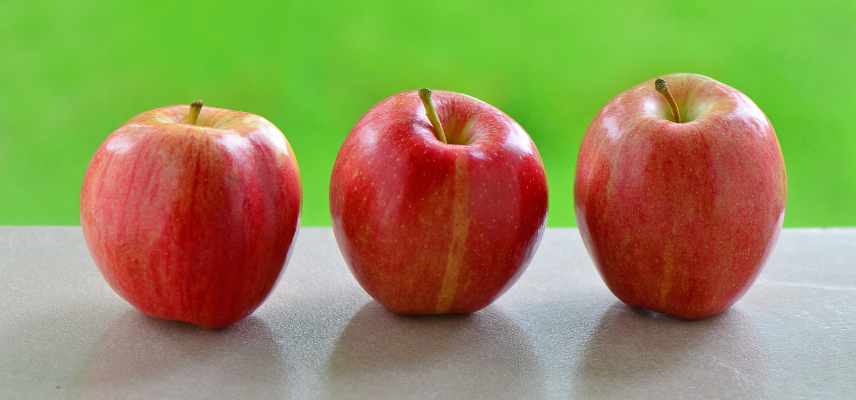
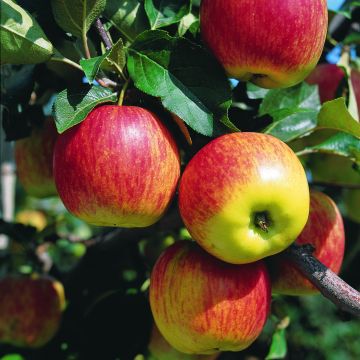
The Gala apple is the second most cultivated apple variety in France after the Golden, and the most appreciated by the French. Quite early, it is harvested in September. It is a variety that bears fruit quickly and produces abundantly every year. In September, the Malus domestica ‘Gala’ yields beautiful round apples with a red skin striped with yellow and orange. Mondial Gala, Royal Gala®, Delbard Gala®, Gala Star®, Mondial Gala®, and Galaxy Gala are variants of the Gala selected for their deeper red hue. It is a crisp and refreshing apple that is very pleasant to bite into. It has a crunchy, juicy, and sweet flesh, with low acidity, a hint of bitterness, and aromas of banana and pear.
This very popular apple also features in savoury recipes, such as with foie gras, or, as it remains firm even after cooking, it is suitable for making tarts or sautéed dishes.
The Gala apple tree is easy to grow in all regions. It fits well into any garden. Its pollinators include the varieties Belchard®, Elstar, Fuji, Golden Delicious, Granny Smith, Melrose, and Reine des reinettes.
Discover other Apple trees
View all →
Available in 1 sizes
Available in 0 sizes
Available in 0 sizes
Available in 0 sizes
Available in 0 sizes
Available in 4 sizes
Available in 1 sizes
Available in 2 sizes
Available in 2 sizes
Available in 3 sizes
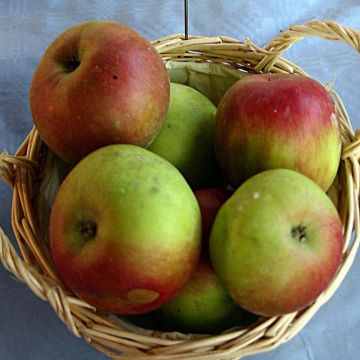
Grand Alexandre: an amateur apple
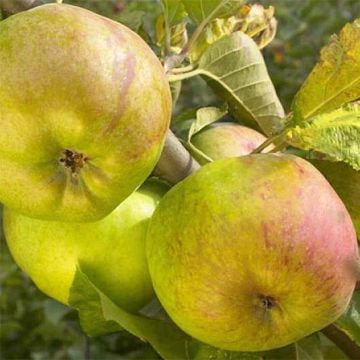
A variety that produces from September onwards round apples of spectacular size, some measuring over 12 cm in diameter! Preferred over newer, disease-resistant apples with a more modest size, the Apple tree ‘Grand Alexandre’ is an old variety from Russia whose cultivation has become rare. However, it is now one of the favourite varieties among apple enthusiasts. This is a knife apple that is exceptionally tasty. The very large fruits have a velvety, thick yellow-green skin washed with carmine and heavily punctate with grey, containing tender, juicy flesh with a very pronounced flavour, delivering the perfect balance of sweetness and acidity. This is not a keeper apple; its fruits do not store well, lasting until December at most.
Given the size of the fruits, which can easily fall with the slightest gust of wind, this apple tree should preferably be grown as a low-stem. It is therefore advisable to thin it out to reduce the fruit load. Also, ensure good drainage of the soil before planting, as this variety does not tolerate excess moisture at the roots.
Ariane: a disease-resistant storage apple
Here is a new generation apple tree! Born in 1979, the same year as the launch of the first Ariane rocket, and exclusively cultivated in France, this apple tree boasts numerous qualities! The Ariane apple is one of the first to possess a natural resistance to diseases, particularly to apple scab, which reduces treatments by half. The harvest occurs quite late, from the end of September to October. It is a keeper apple that can be stored for nearly 7 months. Ariane is a very attractive small, stout apple (7 cm in diameter) that is bicoloured, with a deep, shiny red speckled with golden lenticels. Its authentic taste is also noteworthy. Sweet and tangy at the same time, firm and crunchy, its flesh is juicy with a slight fizz in the mouth.
It is an easy-to-grow, hardy, highly productive apple tree that is not demanding. Its pollinators include Royal Gala, Reine des reinettes, and Golden.
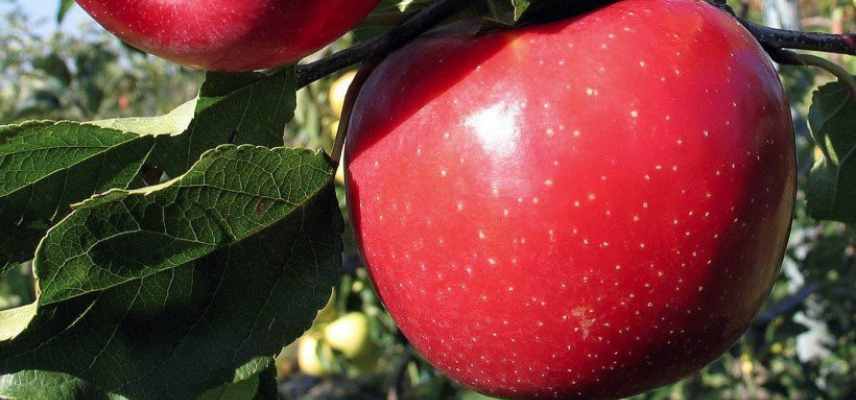
Delbard Jubilé®: the apple for gourmets!
Delbard Jubilé is the apple for connoisseurs, as its sweet aromas of honey, hazelnut, and banana delight the most discerning palates! The Delbard Jubilé® Apple Tree (Delgollune) is a productive variety that rewards us in October with beautiful red and gold apples. Delicious to bite into, they are very good dessert apples with fine, crunchy, juicy, and sweet flesh, highly fragrant. As this apple tree is prone to alternation, be sure to carry out a good pruning for fruiting to ensure more regular productivity. It will be very productive, provided you also remember to thin the fruits in early summer, allowing you to obtain larger apples.
It is a vigorous apple tree, not very susceptible to diseases. It is perfectly suited for trained forms. Its pollinators include the varieties Régali®, Delbarestivale®, Cybèle®, Harmonie®, Pomme des moissons®, Royal Gala®, or even Reine des reinettes.
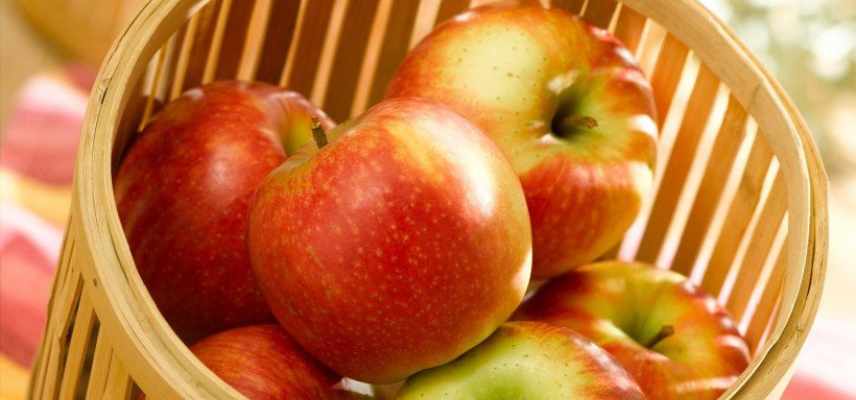
Cox Orange: a centuries-old apple!
The Cox’s Orange Pippin apple tree is a fairly productive variety, originating from a chance seedling of the domestic apple tree Ribston Pippin. It is one of the oldest varieties, boasting a longevity of over a century. Widely used by breeders to create new varieties, Cox’s Orange Pippin has given rise to around sixty cultivars. Its fruiting is quick, but this apple tree typically produces only every other year. It yields particularly delicious eating apples, medium-sized and dressed in an orange skin striped with red. Its fruits reveal a juicy, slightly crisp flesh with a subtle pear-like flavour.
This variety is relatively easy to grow, although it is quite sensitive to common apple tree diseases and is not suited to either very hot or very cold regions. It particularly enjoys temperate, rather humid climates, such as those found in Normandy. Not being self-fertile, it will only bear fruit if you plant other apple trees nearby, such as Jonathan and Reine des reinettes.
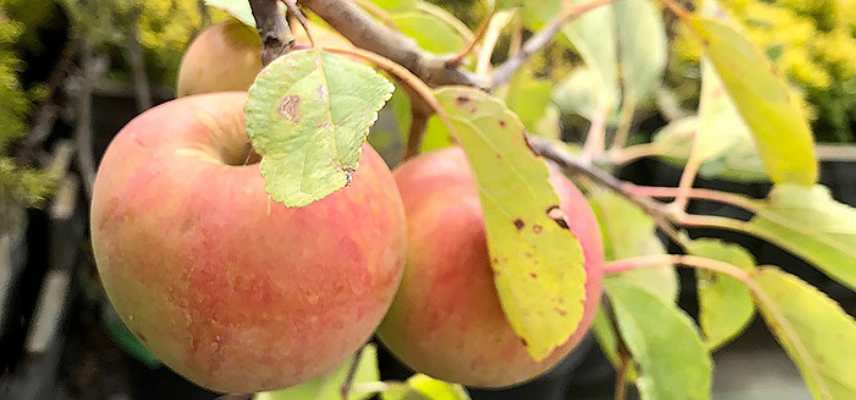
Cybèle® Delrouval: the beginner's apple!
Vigorous and resistant to diseases, scab, and cold, the Cybèle® Delrouval Apple Tree is the ideal apple tree for amateur gardeners. It requires little care. Originating from the Delbarestivale® variety, it produces lovely light red apples washed with yellow-green and sprinkled with golden lenticels in September-October. Juicy and crunchy when tasted, they exude floral and fruity aromas, striking a perfect balance between sweetness and acidity.
Hardy, this apple tree can be grown in all climates. To bear fruit, it needs varieties such as Régali®, Delbarestivale®, Royal Gala, Reine des Reinettes, or Delbard Jubilé planted nearby.
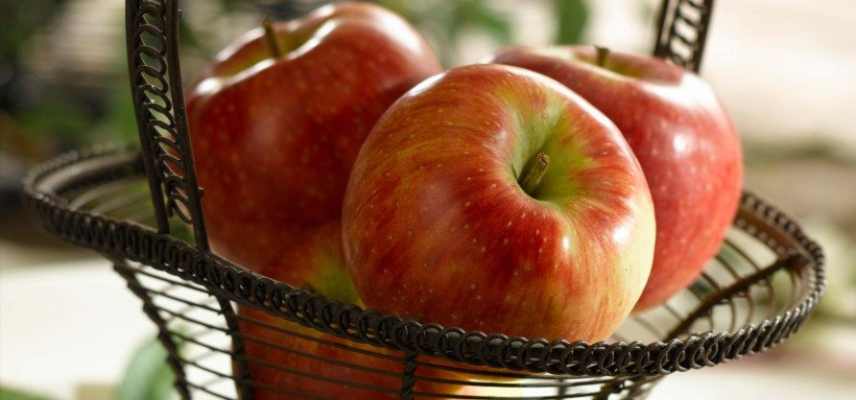
Golden Delicious: the all-rounder
The apple tree Golden Delicious is an improvement on the Golden, the most widely grown apple in France! This American variety, dating back to 1890, has proven itself. Among its many qualities are its quick fruiting, generous and regular production from a young age, good hardiness, and easy cultivation in all regions. Not to mention its taste qualities! Between late September and early October, it produces fairly large apples with smooth, golden-yellow skin, sometimes tinged with pink, offering a sweet, mild, and slightly tangy flavour. It’s a great apple for eating fresh.
To bear fruit, it needs to be paired with a Reine des Reinettes apple tree, Granny Smith, Starking Delicious, or Melrose nearby.
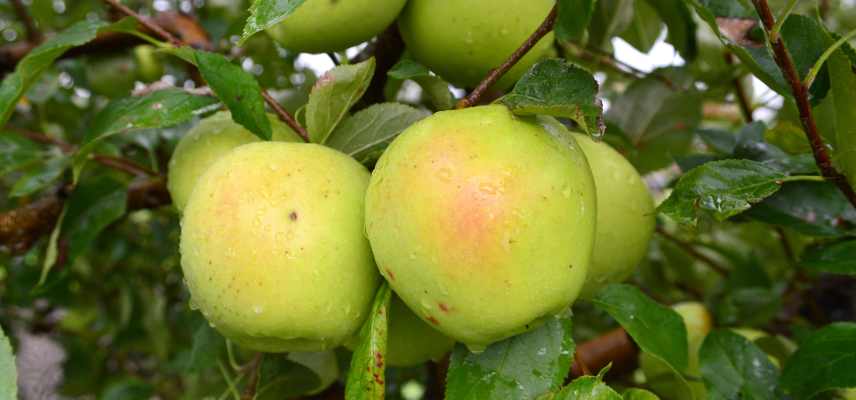
Granny Smith: the most refreshing
On no longer needs to introduce the Granny Smith, one of the most cultivated varieties in France, ranking third after Gala and Golden. It originated from a chance sowing carried out in 1768, on Australian soil, by an elderly lady, Maria Ann Smith (with “Granny” meaning grandmother in English). “Grandmother Smith” is a late apple that is harvested in November. Its fruits require warmth in autumn to ripen, which is why its cultivation in northern France or mountainous regions is not recommended.
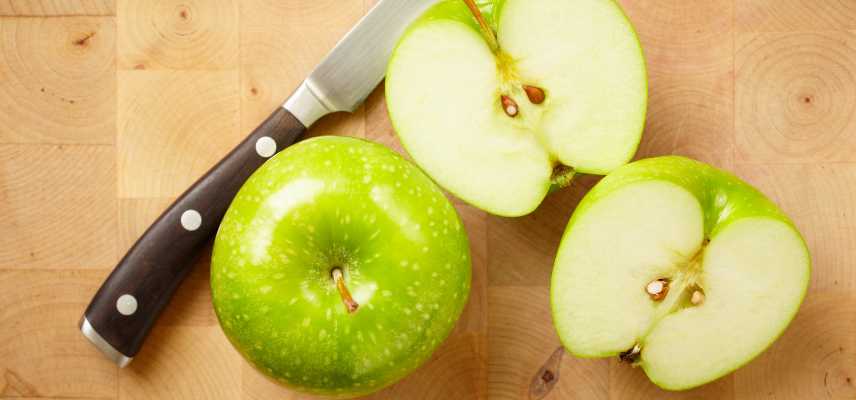
Its round fruits, with a shiny “apple green” skin dotted with white lenticels, are well-acidic and low in sugar. They offer a very firm, crunchy, juicy, and slightly crumbly flesh. While these apples are particularly suited for eating raw or for salads as they oxidise less quickly than other varieties, they can also be consumed cooked. It is one of the richest apples in antioxidants.
This apple tree is quite sensitive to diseases (powdery mildew, scab, woolly aphid). The varieties Melrose, Idared, and Golden Delicious will help with its pollination.
- Subscribe!
- Contents

Comments