





























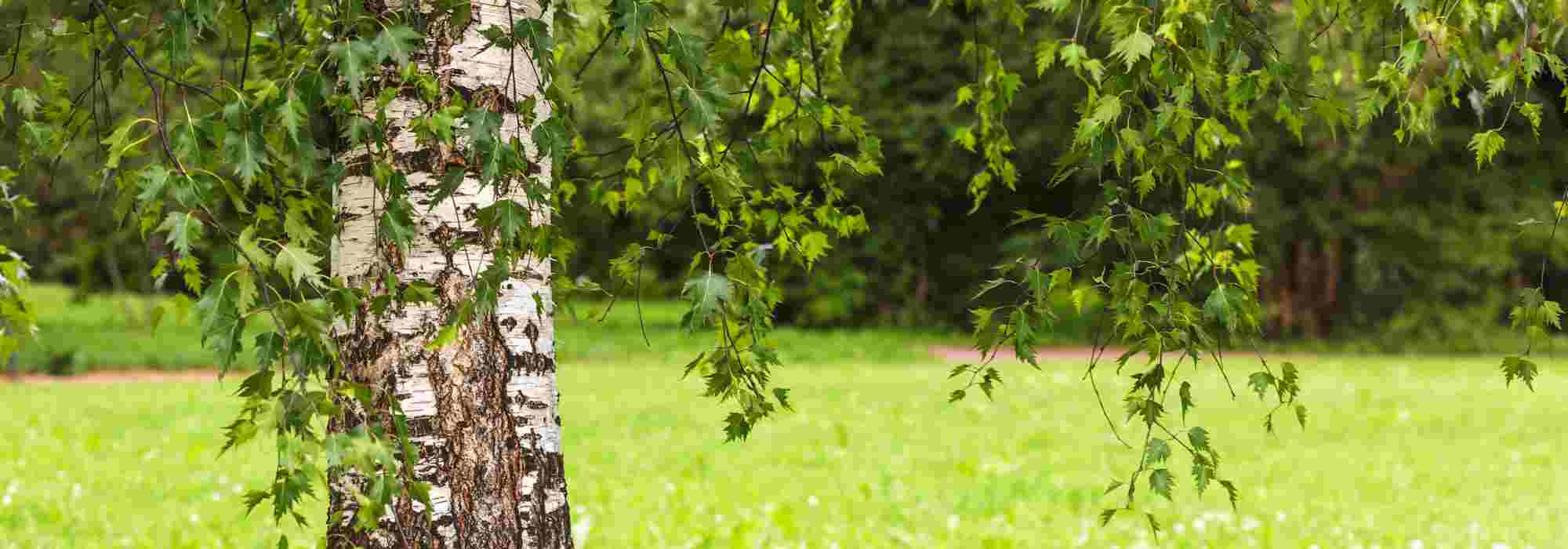
Gardening for beginners: choosing a tree suited to your garden in six simple steps
to avoid making a mess of it
Contents
Planting a tree in your garden adds a touch of nature that will evolve with the seasons. Whether it’s to provide shade in summer, beautify the garden with colourful foliage or a beautiful flowering, or to enjoy delicious harvests, the choice of tree should not be left to chance. Indeed, each species has its particularities: adult size, soil and climate requirements, maintenance… To avoid mistakes and ensure a successful planting, here is a simple six-step guide to help you choose a tree perfectly suited to your garden.

Step 1: Define the available space
Before choosing a tree, it’s essential to assess the space you have available. Some trees stay small, while others can grow very large and invasive.
- Small garden (less than 100 m²): favour compact-growing trees such as Japanese maple, White Mulberry or olive tree.
- Medium garden (100 to 500 m²): you can opt for a mid-sized tree such as an apple tree, a Japanese cherry tree or a mountain ash.
- Large garden (over 500 m²): you have more freedom and can consider majestic trees such as an oak, a linden or a plane tree.
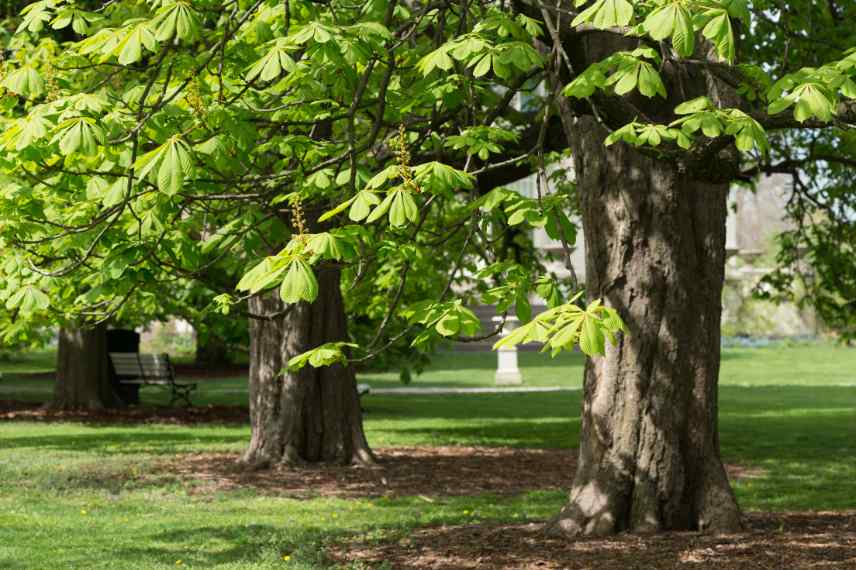
Horse chestnut trees, trees suited to large gardens
Read also
10 good reasons to plant a treeStep 2: Take climate and soil into account
Not all trees adapt to every environment. To choose wisely, find out about:
- The climate: some trees withstand cold better (e.g., birch, fir), while others prefer mild climates (e.g., fig tree, mimosa).
- The soil type:
- Clay soil: oaks, willows, hawthorns.
- Sandy soil: Maritime pine and Japanese larch.
- Calcareous soil: hornbeam, Judas tree.
- Acid soil: Nyssa, Liquidambar.
You can use the filters ‘soil type’, ‘soil moisture’ and ‘climate zone’ on our Promesse de fleurs site to help you choose the tree or shrub best suited to your garden.
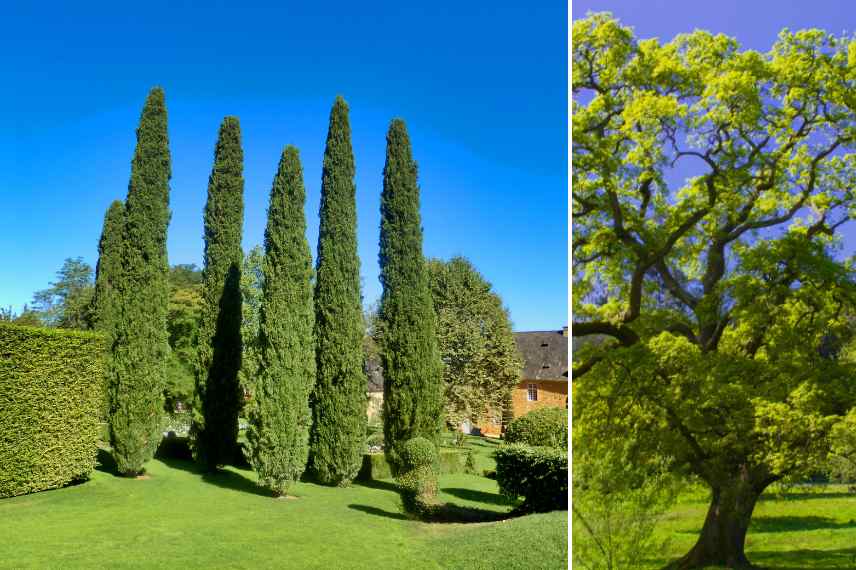
Cypresses will thrive in sandy soil, an oak in clay soil
Step 3: Determine the intended use of the tree or bush.
Ask yourself: why do you want to plant a tree?
- For shade : in this case you would choose a lime tree, a plane maple, a plane tree or other shade trees and shrubs.
- For fruit : we’ll go with a classic apple tree, a cherry tree, a pear tree, or other fruit trees.
- For hedges and privacy : cypress, hawthorn, hornbeam, field maple and other hedge shrubs.
- For ornament : the choice is wide, from a small Japanese maple, a handsome magnolia, a delicate Albizia… With attractive foliage, spectacular flowering and even colourful bark: trees and ornamental shrubs.
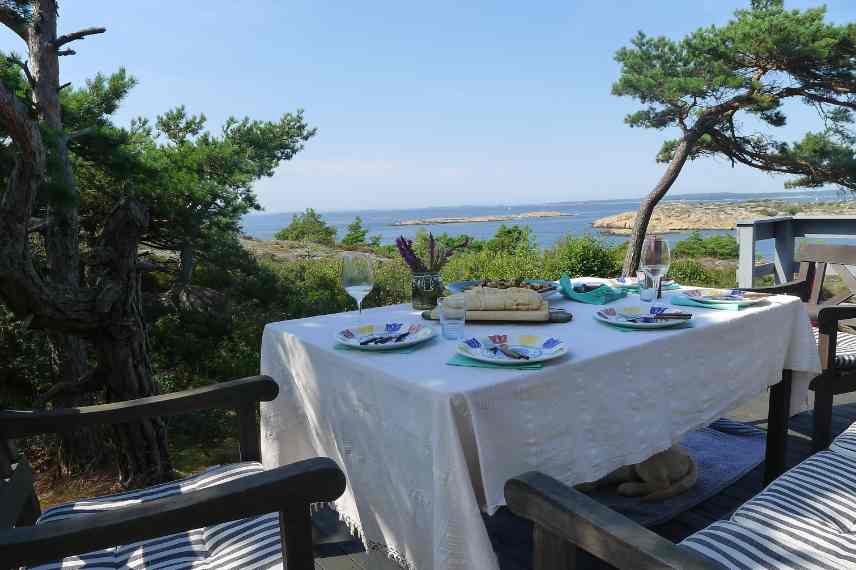
Some trees will be chosen for the shade they provide
Step 4: Check maintenance requirements
Not all trees require the same level of maintenance.
- Low maintenance : olive tree, oak, maple.
- Regular pruning required : weeping willow, cypress, fruit tree.
- Susceptibility to disease : some trees like the horse chestnut or fruit trees can be more susceptible to parasites.
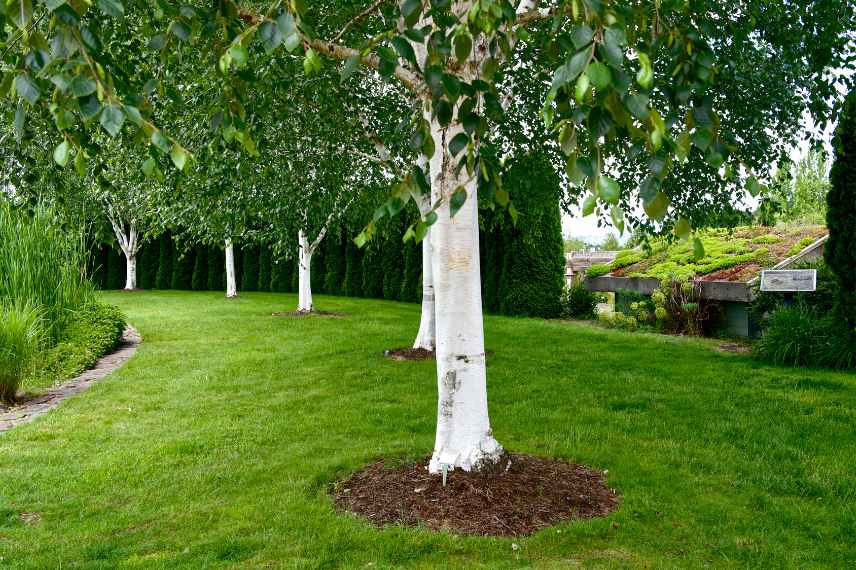
Birches can also be susceptible to diseases
Step 5: Follow the planting rules.
Before planting, check local regulations. In France, a tree must be planted:
- At least 2 metres from the property boundary if its height exceeds 2 metres.
- At least 50 cm if its height is less than 2 metres.
Also check the distances to be kept from buildings and utility ducts. What planting distances for hedges, bushes and trees?
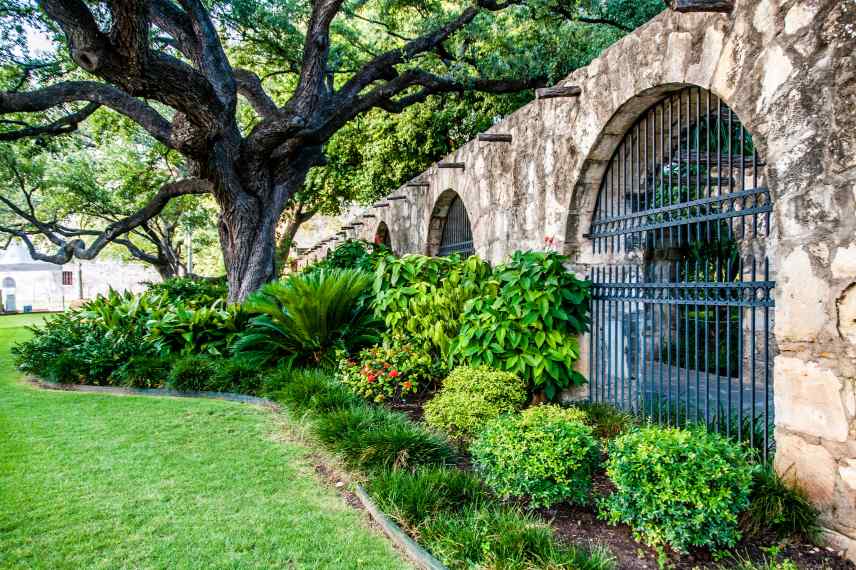
Always consider a tree’s mature size when planning planting distances
Step 6: Choose the right time to plant
Autumn is generally the best season for planting a tree. The soil is still warm, which allows the roots to establish themselves well before winter.
- Bare-root trees : to be planted between November and March, outside frost periods.
- Potted trees : can be planted all year round, but avoid frosts and droughts.
→ Also read our article: Best times to plant.
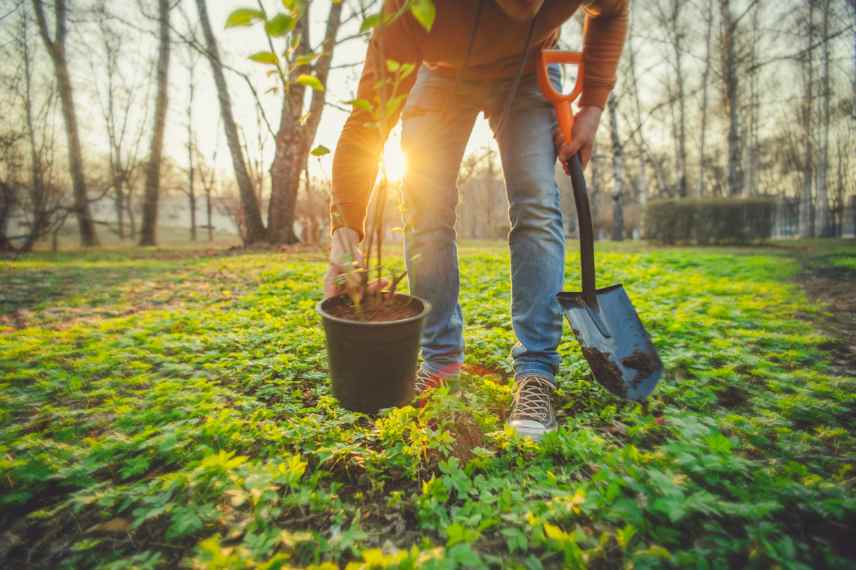
Autumn and winter are the ideal seasons for planting a tree
- Subscribe!
- Contents
Comments