


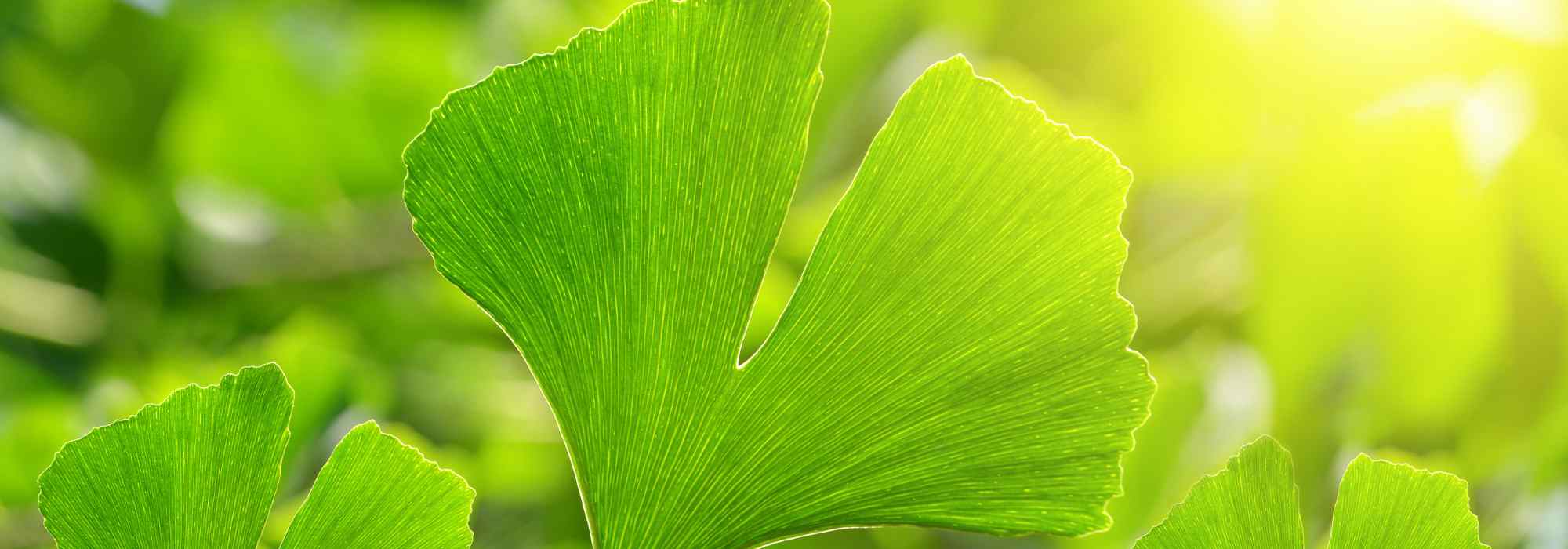
Ginkgo biloba: why does this tree fascinate so many gardeners?
A beautiful tree with strong symbolism, which remains as popular as ever
Contents
There are few plants that can captivate to such an extent, both with their distinctive aesthetics and symbolism. Ginkgo biloba is one of the trees that even non-experts can recognise and appreciate. Here we invite you to rediscover the secrets and benefits of this iconic tree.

A botanical curiosity
If it is botanically close to conifers, particularly in terms of its flowering, Ginkgo biloba nevertheless has deciduous foliage, which drops in autumn. In terms of its reproduction, it behaves more like ferns. It’s hard to place in a single category.
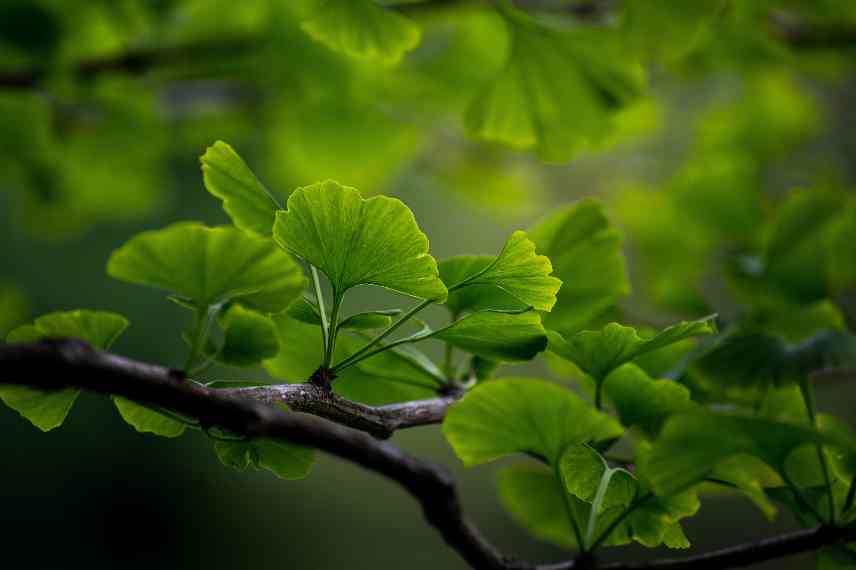
An entirely original tree, despite appearances, classified within the large family of conifers
A captivating story
Ginkgo biloba has a very particular history. It is the last living representative of its family, the oldest in botany: the Ginkgoaceae. It therefore has no close relatives left alive today. It is believed to have appeared around 190 million years ago during the Jurassic Period, long before the dinosaurs, which has earned it the nickname ‘living fossil’ (though this is incorrect since a fossil is dead by definition).
If it later earned the name of “forty ecu tree” in French, it would be in reference to the prices, utterly extravagant for the era, that a French botanist paid to obtain a few plants. But that nickname also refers to the golden-yellow colour that its foliage takes in autumn and which forms a glittering carpet as it falls.
This tree, native to southeast China, arrived in Europe in 1730, initially in the Netherlands, at the Utrecht Botanic Garden. The first specimen did not reach the Jardin des Plantes in Montpellier until 1778. A cutting was subsequently taken to the Jardin des Plantes in Paris in 1795. The two Ginkgo trees are still thriving today.
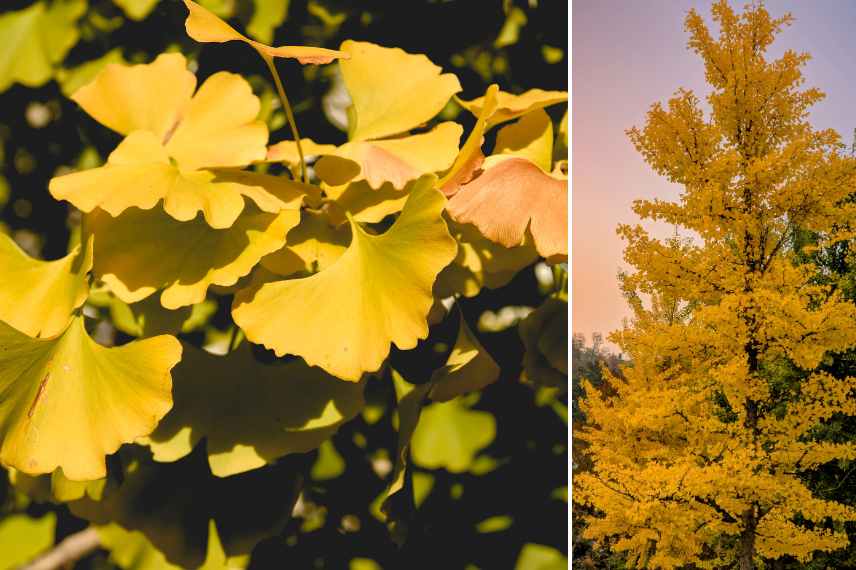
The golden colours of the Ginkgo are among the most beautiful in late autumn
Exceptional longevity and resilience
Ginkgo biloba is considered a symbol of resilience. An excellent illustration of resilience, it indeed possesses genetic characteristics that allow it to survive in extreme conditions. For example, it is said that several specimens were able to subsist despite the atomic bombing of Hiroshima in 1945. They thus had the extraordinary capacity to withstand intense heat and high levels of radiation, then to resume growing again a few months after the bombardment. They are therefore regarded as silent witnesses to that terrible period, but also show the regenerative capacity of living beings after a catastrophe.
Ginkgo’s natural resistance also makes it immune to any diseases or predators known to date. It is very hardy, able to withstand frosts down to about -30°C, and tolerates drought once well established. It is also a tree that tolerates air pollution without any problem and is very forgiving of its growing conditions. Only climatic hazards or human intervention seem able to destroy it.
But this tree is also a symbol of longevity. It is reputed to be immortal, capable of an impressive lifespan of more than 1,000 years. Genetically, the tree would have no senescence programme, would not experience any decline in disease resistance and would have a steady growth. It therefore remains a ‘young tree’ throughout its very long life. Even the germination rate of seeds from very aged specimens would be equivalent to that of younger specimens, allowing them to reproduce throughout their life. Some Ginkgo present in China are said to be more than 3,000 years old. Few trees can boast reaching such a venerable age. Some specimens therefore fall into the category of venerable multi-centenarian trees, alongside other majestic species such as the giant sequoia, the olive tree, some pines, the quaking aspen or the pedunculate oak. Despite this, there are virtually no Ginkgo in the wild: the trees we can admire today are almost all cultivated.
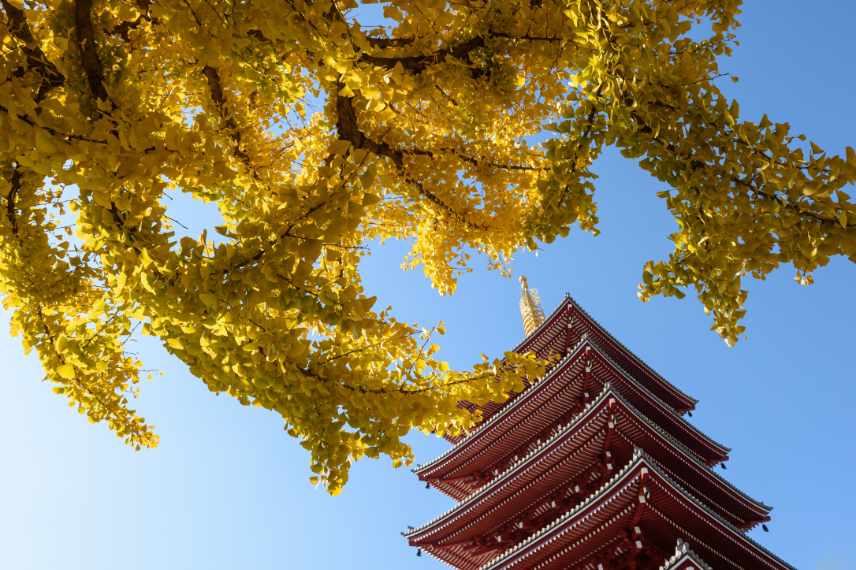
Ginkgo biloba is closely linked to Asia
An original aesthetic
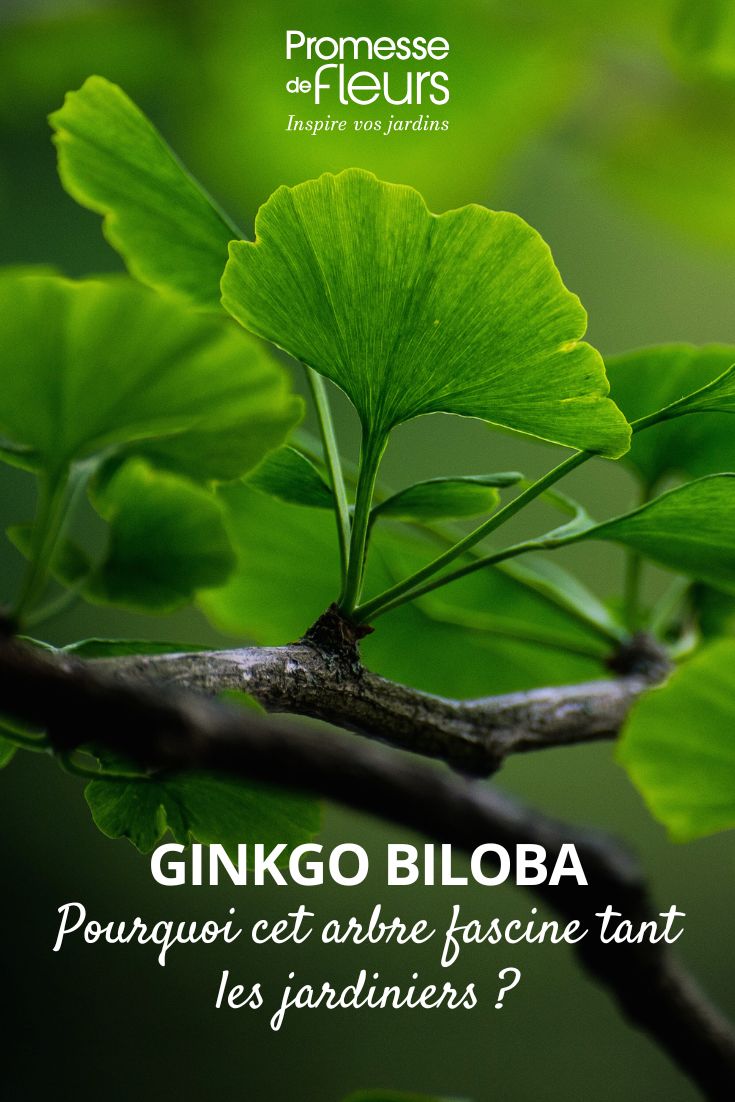
It is primarily its eye-catching foliage that sets the Ginkgo biloba apart and bears no resemblance to any other. Stunning, its leaves display a unique fan-shaped, bilobed form (which gives it its name ‘biloba’) and are petiolate. They cluster in threes or fours on the shoots.
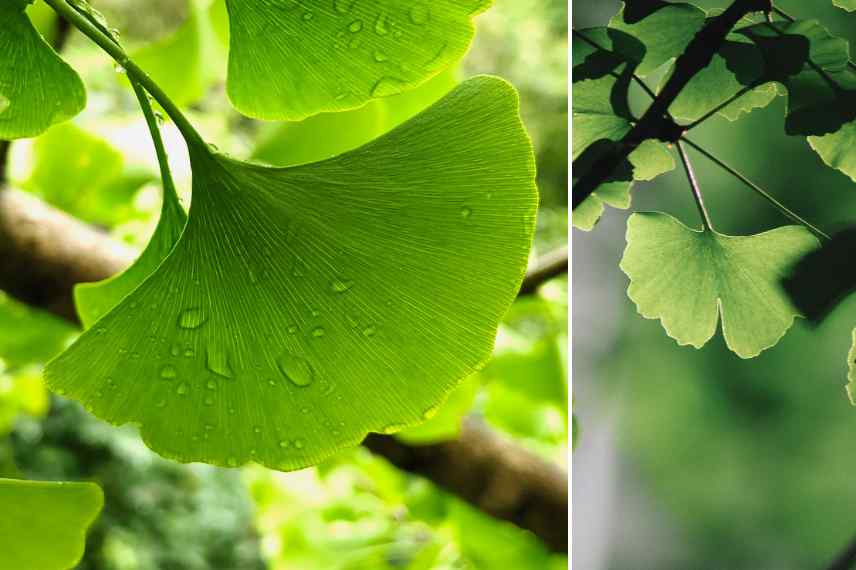
Ginkgo’s bilobed foliage is absolutely unique in its own right!
They are initially green, then take on stunning golden hues in autumn, before falling.
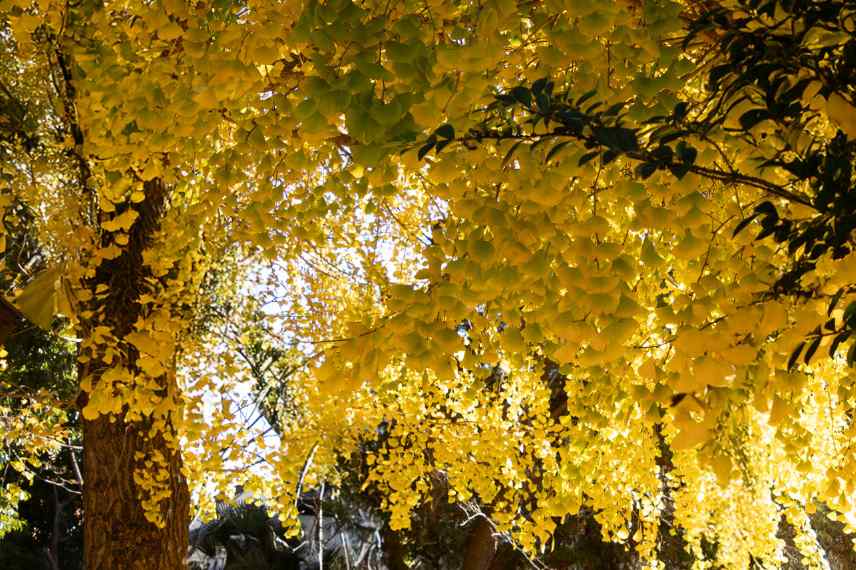 A shower of gold…
The Ginkgo leaf is the symbol of the city of Tokyo, which has included it in its logo since 1989. It also brightens our interiors, as it is reproduced on numerous decorative objects in recent years.
The Ginkgo biloba is also valued for its attractive brown-grey bark, which cracks and fissures with age. Its wood is also prized in cabinetmaking and sculpture. On the trunks of mature specimens, you can observe ‘Chi Chis’, outgrowths resembling udders or teats, believed to be lucky charms.
If the large Ginkgo biloba trees are often grown in isolation or at the back of a border, the smaller varieties (‘Baldi’, ‘Troll’) can easily be grown in pots. But it is also a plant that lends itself very well to the art of bonsai.
In exotic, Japanese-inspired, contemporary or more naturalistic gardens, the majesty of the Ginkgo biloba makes its presence felt in every setting.
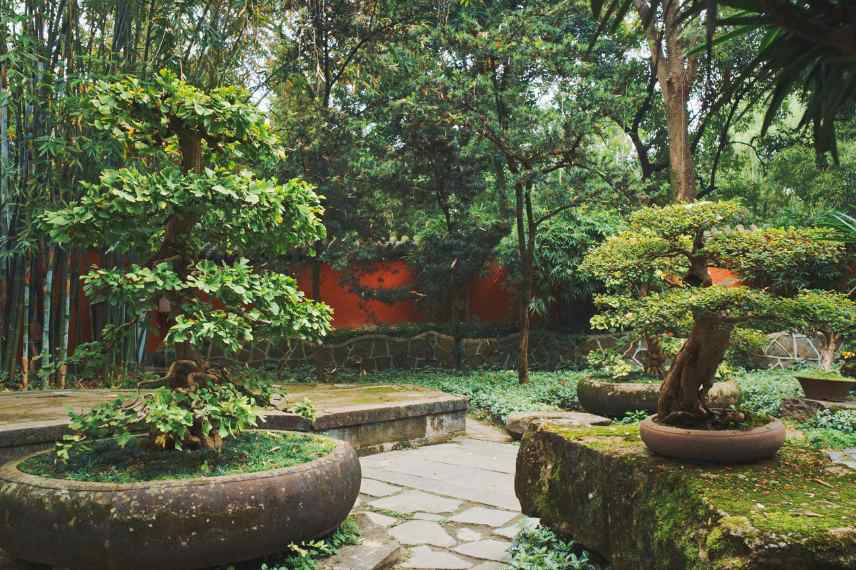 Ginkgo trained into cloud-like shapes, like giant bonsai, at the Wuhou Memorial Temple in Chengdu (China)
A distinctive odour in certain specimens
We always recommend opting for male specimens. Deliberately playing the original at every level, the Ginkgo may indeed have one peculiarity: its nauseating odour.
This tree does not produce seeds. Male specimens bear aments, while female plants produce flowers that develop into ovules resembling mirabelle plums. If fertilised by pollination, they will fall to the ground to decompose. But they then exhale a rancid butter odour, rather unpalatable, due to the production of the butyric acid molecule. A scent of putrefaction not particularly pleasant, which contrasts with the scent of most garden flowering, but it will not deter enthusiasts able to tolerate this minor drawback to enjoy the tree’s beauty for years.
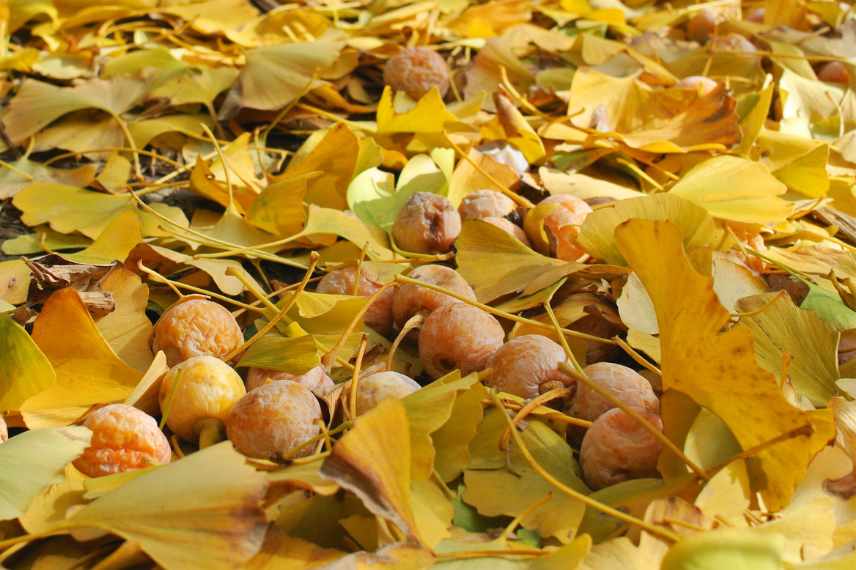
The fruits of female plants fallen to the ground in autumn
Medicinal properties
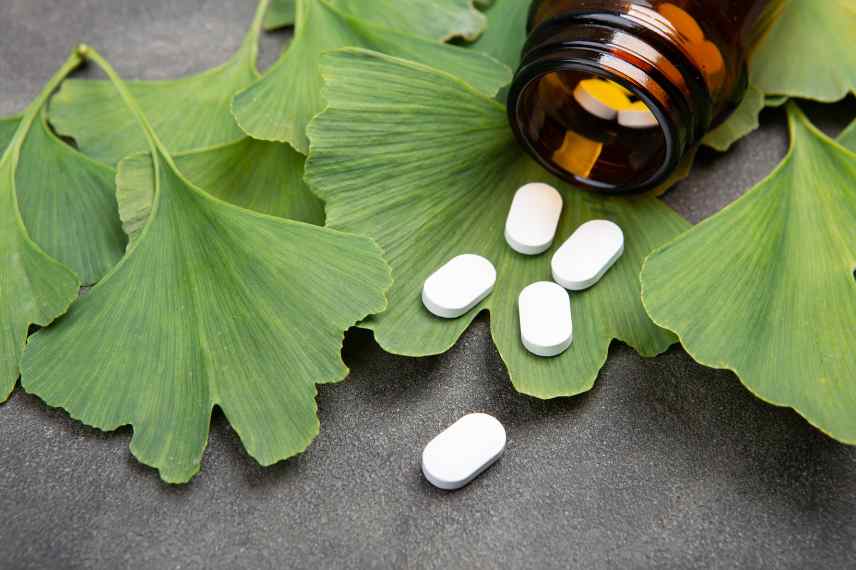
The Ginkgo biloba is also a plant prized for its medicinal virtues. It has been part of the Chinese pharmacopoeia since ancient times. The Ginkgo biloba extract is the active ingredient in a prescription medicine used to treat certain age-related cognitive disorders. These are the leaves, rich in flavonoids, and the fruits that are prized for this use.
- Subscribe!
- Contents
Comments