
































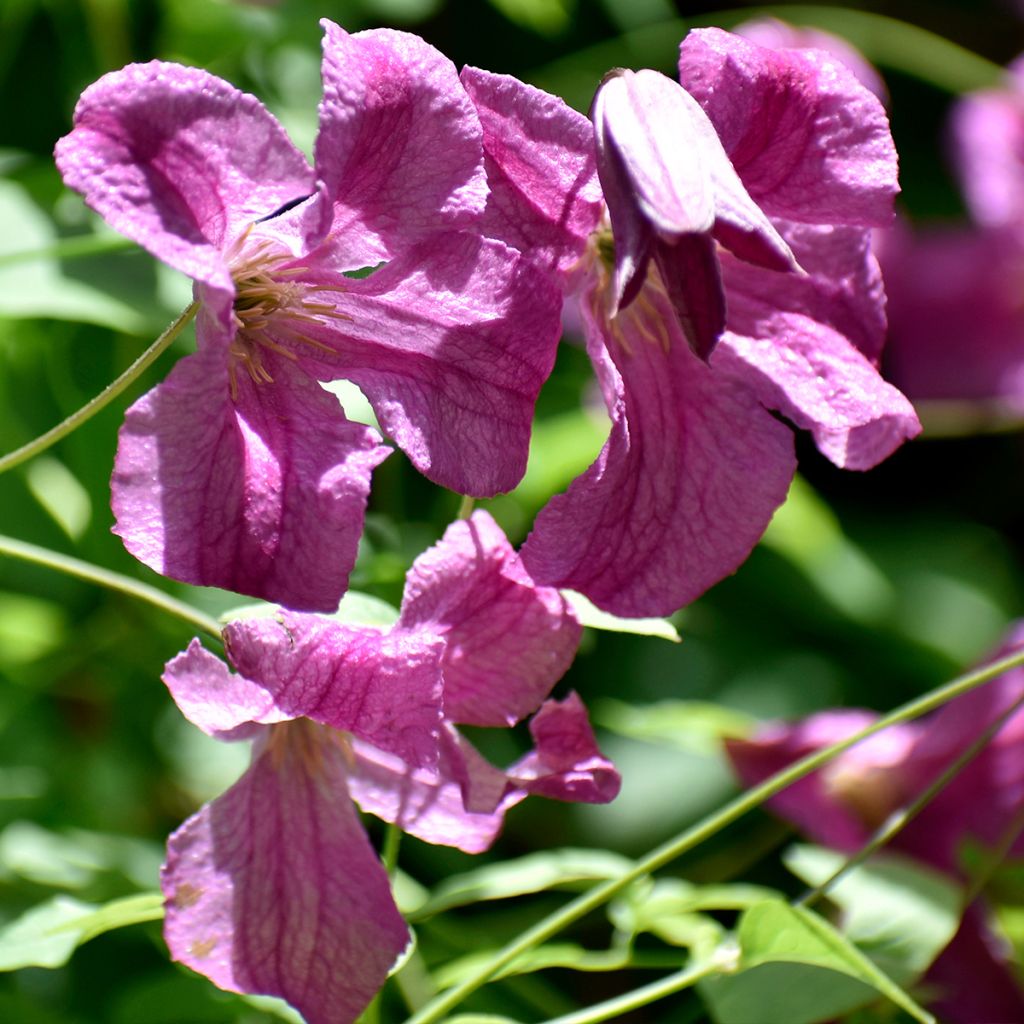
Clematis x viticella 'Krakowiak' Pink Mink - Clématite italienne Pink Mink
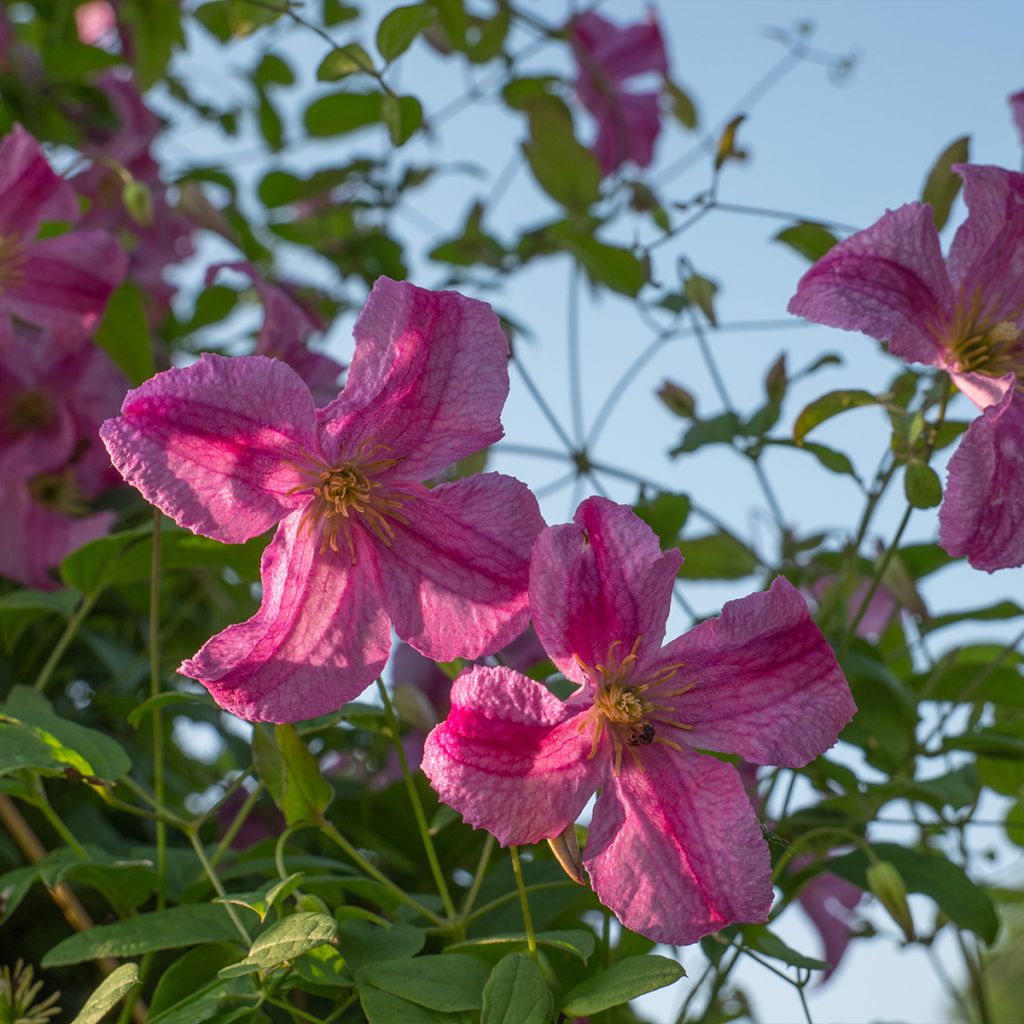
Clematis x viticella 'Krakowiak' Pink Mink - Clématite italienne Pink Mink
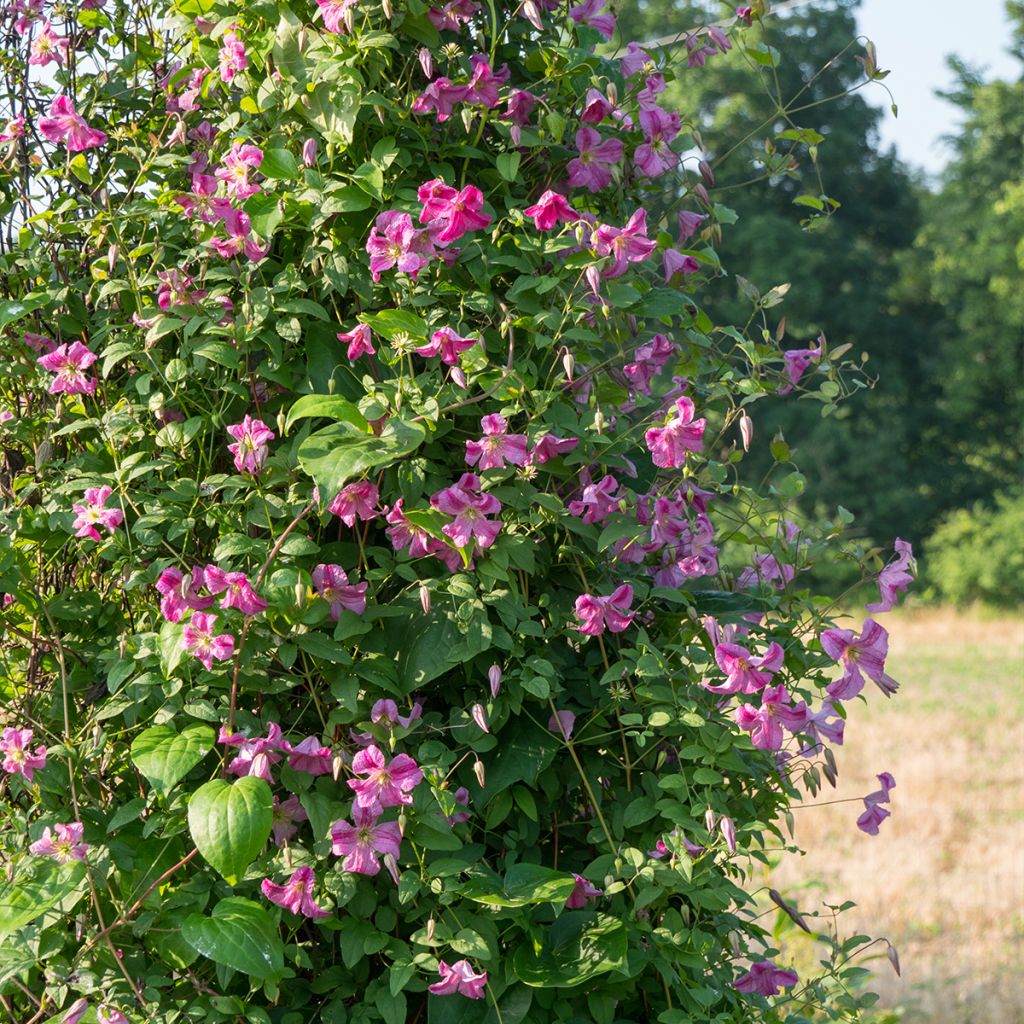
Clematis x viticella 'Krakowiak' Pink Mink - Clématite italienne Pink Mink
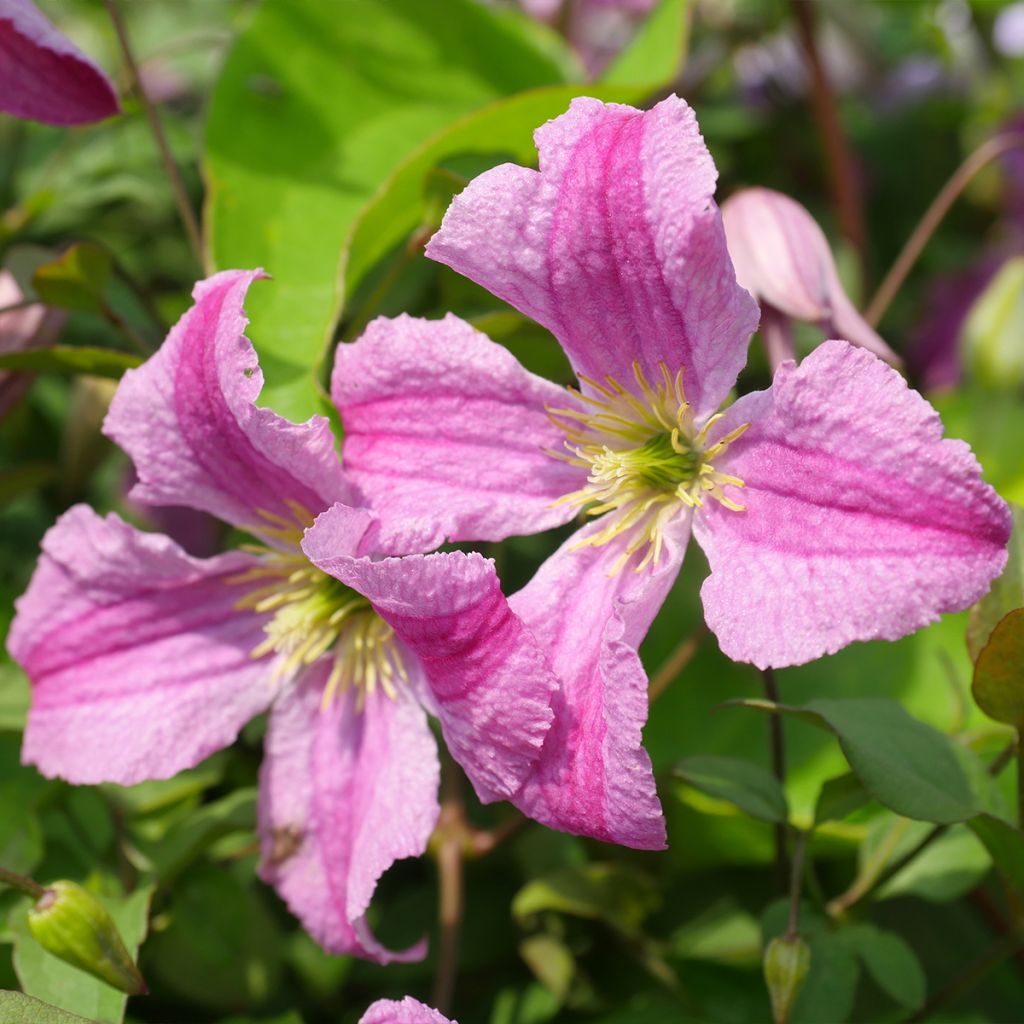
Clematis x viticella 'Krakowiak' Pink Mink - Clématite italienne Pink Mink
Clematis x viticella 'Krakowiak' Pink Mink - Clématite italienne Pink Mink
Clematis x viticella 'Krakowiak' Pink Mink - Clématite italienne Pink Mink
Clematis x viticella 'Krakowiak' Pink Mink - Clématite italienne Pink Mink
Clematis x viticella 'Krakowiak' Pink Mink - Clématite italienne Pink Mink
Clematis x viticella 'Krakowiak' Pink Mink - Clématite italienne Pink Mink
Clematis x viticella 'Krakowiak' Pink Mink
I purchased it in April 2024. It stayed green all summer 2024, didn't produce a single flower, only leaves, and it didn't survive the winter. I hope for a refund, thank you.
Beatrice, 02/05/2025
Special offer!
Receive a €20 voucher for any order over €90 (excluding delivery costs, credit notes, and plastic-free options)!
1- Add your favorite plants to your cart.
2- Once you have reached €90, confirm your order (you can even choose the delivery date!).
3- As soon as your order is shipped, you will receive an email containing your voucher code, valid for 3 months (90 days).
Your voucher is unique and can only be used once, for any order with a minimum value of €20, excluding delivery costs.
Can be combined with other current offers, non-divisible and non-refundable.
Home or relay delivery (depending on size and destination)
Important : des droits de douane sont susceptibles de vous être facturés par la douane de votre pays lors de la livraison.
Schedule delivery date,
and select date in basket
This plant carries a 12 months recovery warranty
More information
We guarantee the quality of our plants for a full growing cycle, and will replace at our expense any plant that fails to recover under normal climatic and planting conditions.
Would this plant suit my garden?
Set up your Plantfit profile →
Description
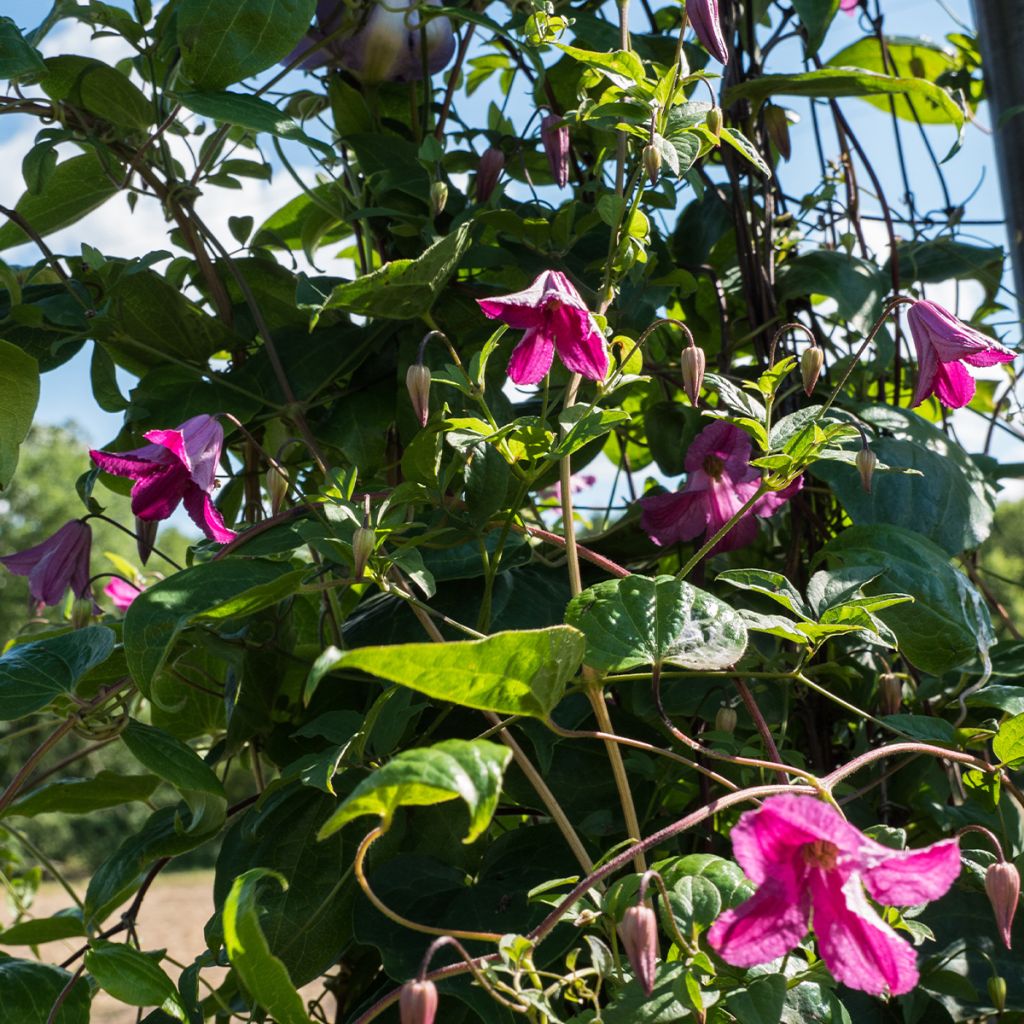
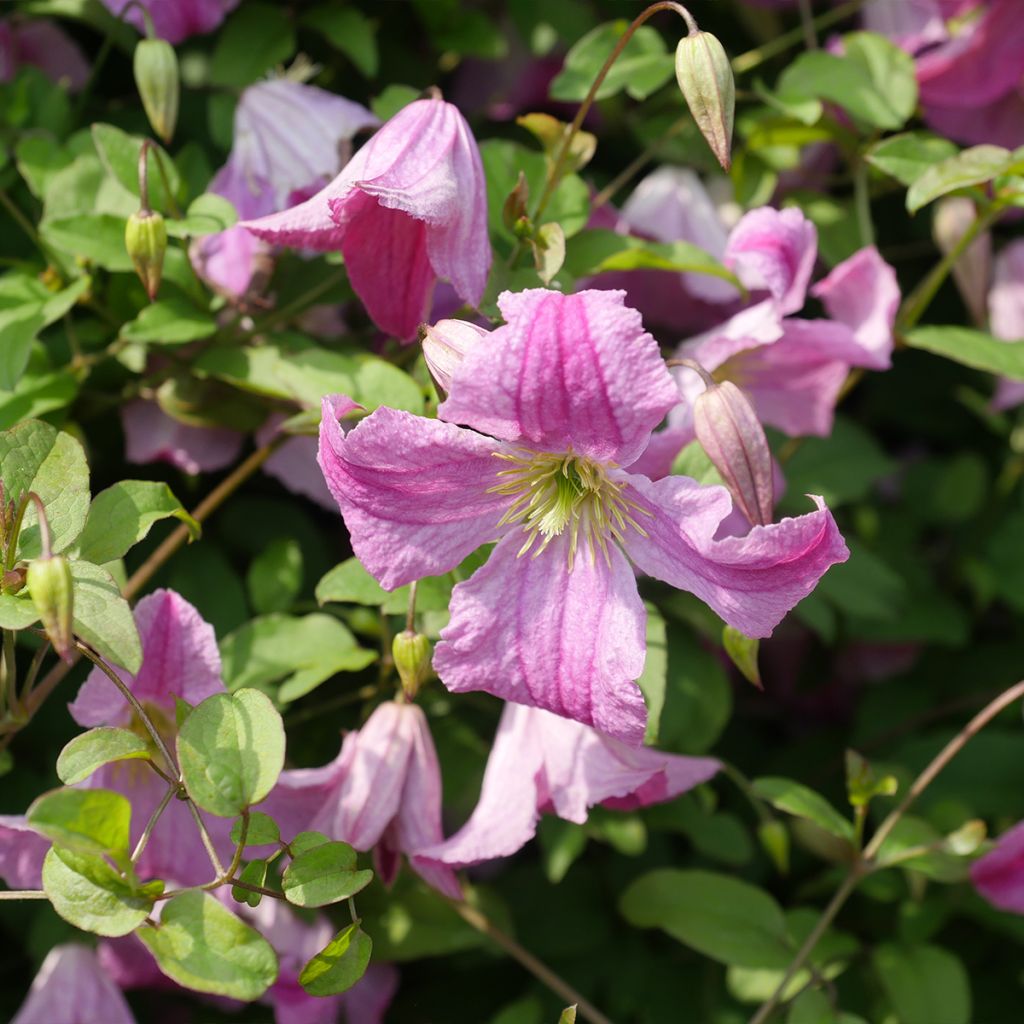
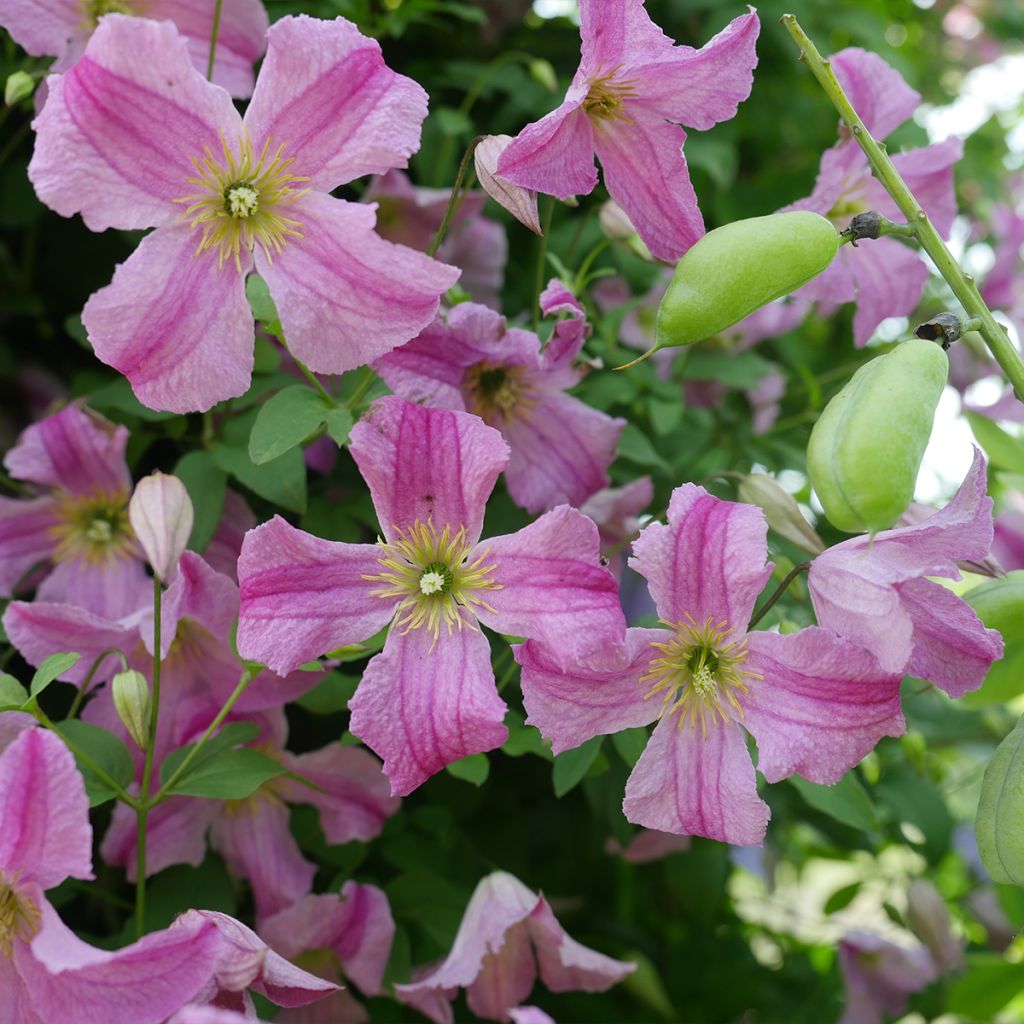
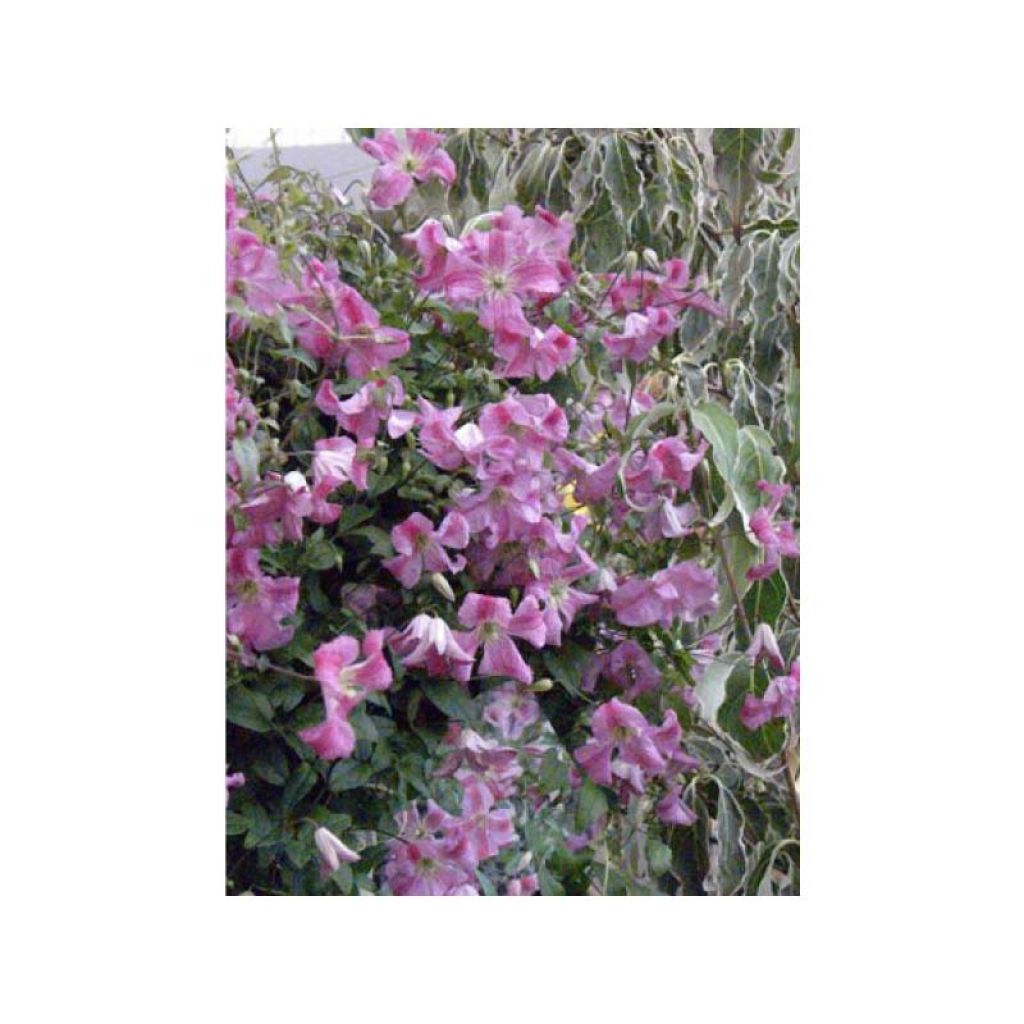
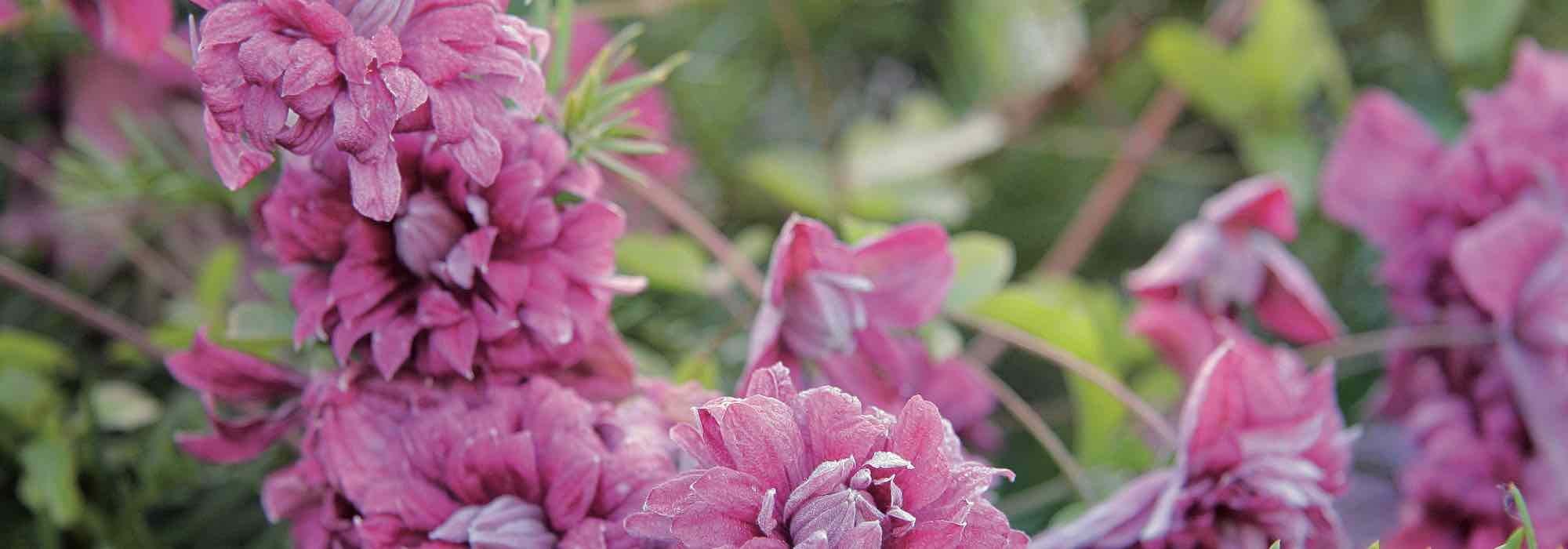
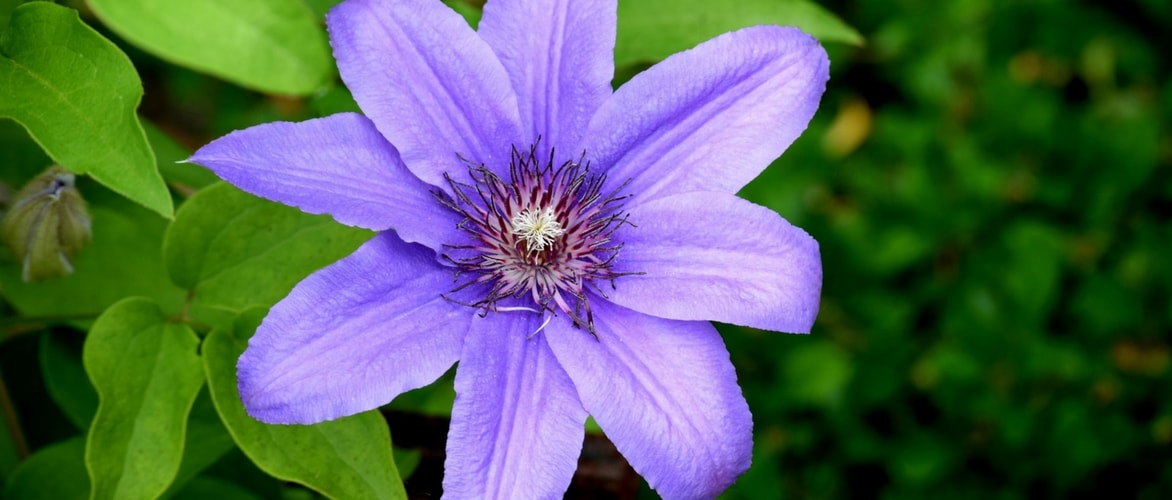
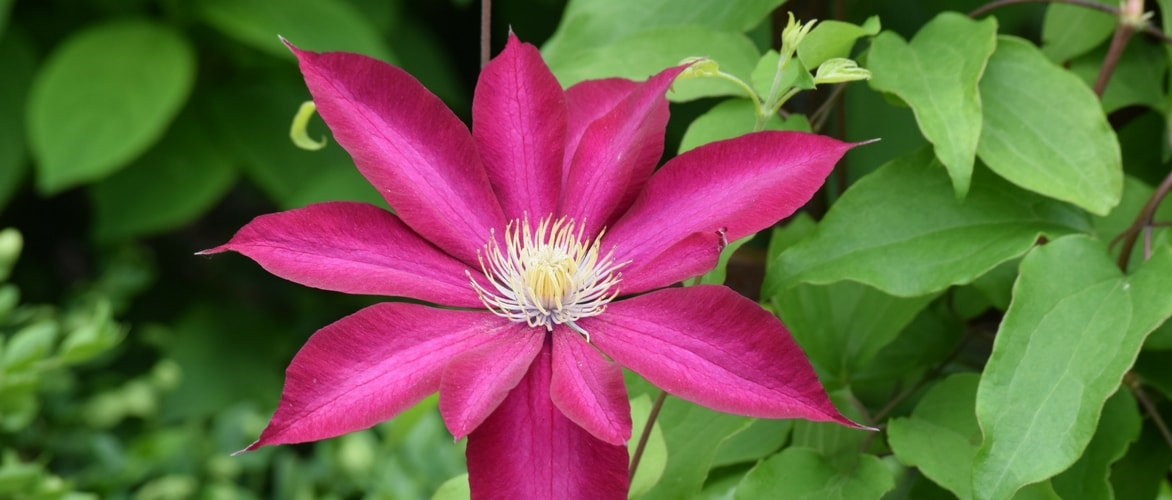
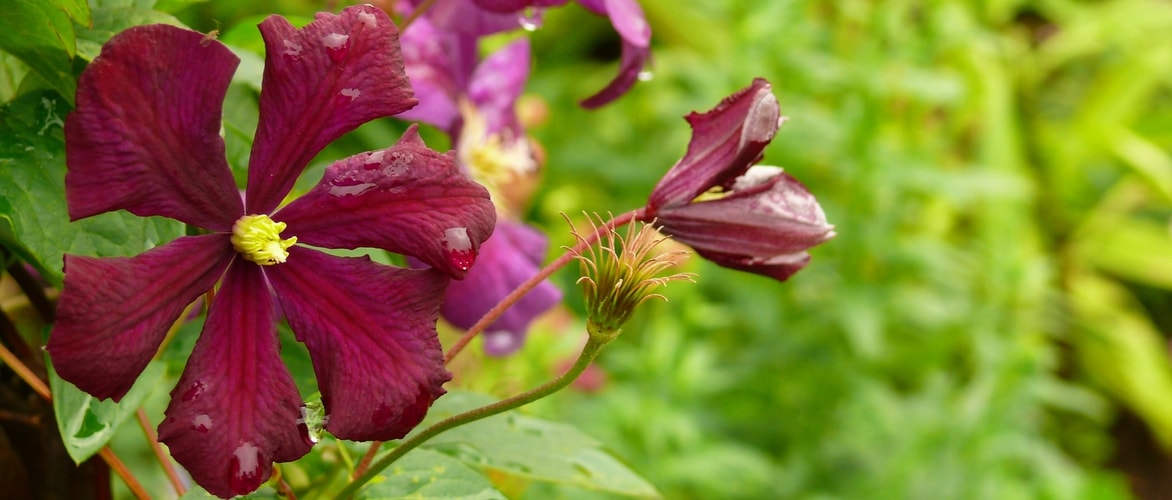
The clematis 'Pink Mink' ('Krakowiak') is a hybrid of the Italian clematis or Clematis viticella, from which it inherits hardiness and long summer flowering. Its delicate-looking flowers are small open pink bells striped with dark pink. Charmingly curved back, they reveal a bright green-white heart that catches the light. Its very numerous flowers and compound foliage quickly form a graceful mass. This climbing plant is hardy and easy to grow, requiring only short pruning at the end of winter. Not very bulky, it will dress up an unsightly fence, a somewhat dull shrub, or even a balustrade on a balcony.
Clematis belong to the Ranunculaceae family. The cultivar 'Krakowiak' is a Polish variety, selected by Szczepan Marczynski, marketed from 2011. It is distinguished from other cultivars by its pink flowers. Its female parent is an unnamed Clematis viticella, the male parent is not identified. This variety received a gold medal at the Polish plant novelties competition 2011, as well as a silver medal at the Flowers 2011 exhibition in Moscow. It descends from Clematis viticella, native to southern Europe, renowned for its natural resistance to clematis wilt. It is a perfectly perennial, semi-woody, climbing herbaceous plant, which will reach an average height of 3 m, with a spread of 1 m. This clematis bears well-open flowers, 5 to 8 cm in diameter, which appear on the current year's shoots from June until the end of summer, in successive waves. The flowers are solitary or grouped in small clusters. When they appear, they open into stars, revealing 4 delicately crinkled tepals, a deep pink with darker midlines, reddish pink. It is the light centre of the flower that gives it its charm: its long, bristly white-green stamens intensify the contrast between the light pink and dark pink of its tepals. The leaves are divided into 3 elliptical to lanceolate leaflets, an olive green colour. The foliage dries and dies in winter. This clematis attaches itself to the support or host plant via petioles transformed into tendrils.
Plant your clematis together with your roses climbing, to prolong the flowering of your walls and pergolas until the end of summer. It is a genus rich in diversity, there are all colours, all shapes and all sizes. Take advantage of their ease of cultivation to give your garden a little romantic and bohemian feel. 'Pink Mink' pairs well with the clematis viticella 'White Prince Charles', bluish and light, which is pruned in the same way. The rose 'Perennial Blue' will offer small purple-crimson clusters on an arch or fence. At their base, the Physocarpus opulifolius Little Devil™ will spread its beautiful dark foliage, while the Geranium 'Orion' will form a carpet of blue-violet flowers for a good part of the summer.
Tips: avoid excess fertiliser which stimulates foliage at the expense of flowers.
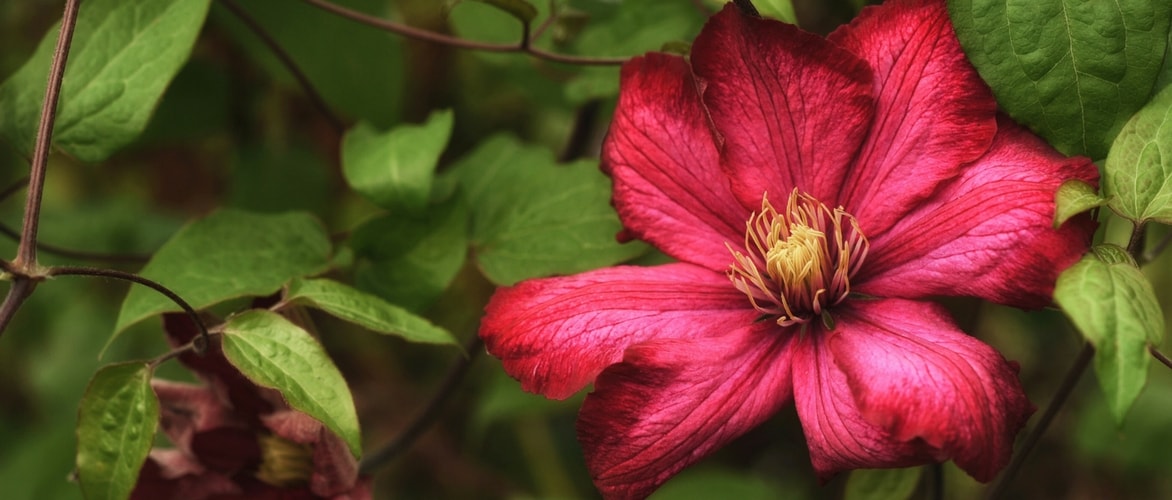
Clematis x viticella 'Krakowiak' Pink Mink - Clématite italienne Pink Mink in pictures
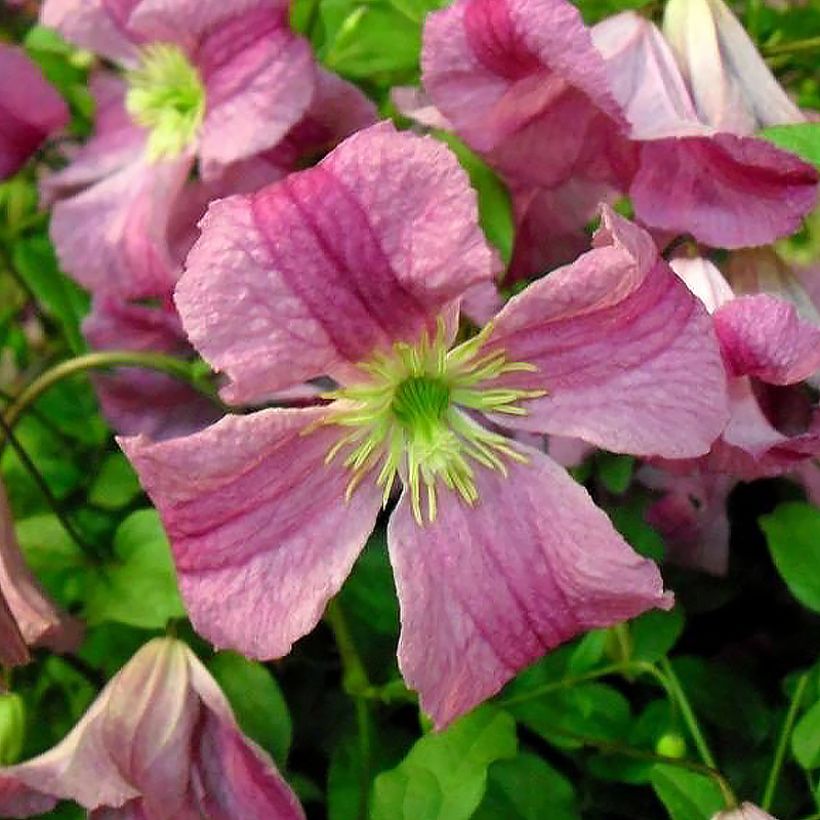
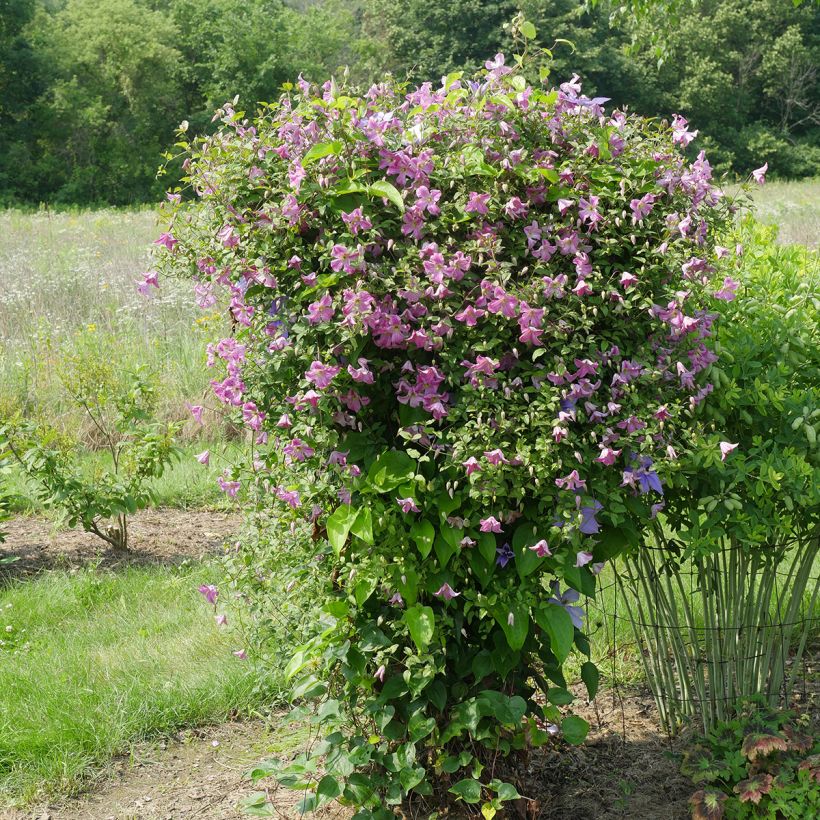
Plant habit
Flowering
Foliage
Botanical data
Clematis
x viticella
'Krakowiak' Pink Mink
Ranunculaceae
Clematis viticella 'Krakowiak', Clematis viticella Pink Mink
Cultivar or hybrid
Planting and care
Clematis Pink Mink 'Krakowiak' prefers positions that are not scorching but sunny for part of the day. It will even flower in light shade, particularly in our very sunny regions. Plant it in fertile soil enriched with compost, well-drained, while shading the roots and base of the stem (with a flat tile, for example). The clematis wilts in soil that is too damp, but varieties carrying the genes of C. viticella seem more resistant to this dreadful disease. They also tolerate heat and relatively dry soils in summer better.
Plant it with the rootball at an angle, covering it with 3 cm of soil, in cultivated ground lightened with a good quality compost and coarse sand. After planting, cut back the clematis stems to about 30 cm from the base above a good pair of buds. Water regularly for the first few weeks. However, ensure water does not stagnate, as this can cause a fungus to develop at the collar. Mulch all clematis in February with garden compost or well-rotted manure, avoiding direct contact with the stems. Train the stems without tying them tightly until the plant clings on its own.
Clematis also enjoy growing freely among neighbouring plants. After a few years, cover the base of your climbing clematis with a small mound of soil to reduce the risk of wilting while encouraging the production of vigorous shoots from the stump. Voles and cutworms can attack clematis and devour the stems. Aphids and glasshouse whiteflies are also potential pests of clematis.
Planting period
Intended location
Care
Planting & care advice
-
-
-
-
-
-
-
-
-
, onOrder confirmed
Reply from on Promesse de fleurs
Recently viewed products
Haven't found what you were looking for?
Hardiness is the lowest winter temperature a plant can endure without suffering serious damage or even dying. However, hardiness is affected by location (a sheltered area, such as a patio), protection (winter cover) and soil type (hardiness is improved by well-drained soil).

Photo Sharing Terms & Conditions
In order to encourage gardeners to interact and share their experiences, Promesse de fleurs offers various media enabling content to be uploaded onto its Site - in particular via the ‘Photo sharing’ module.
The User agrees to refrain from:
- Posting any content that is illegal, prejudicial, insulting, racist, inciteful to hatred, revisionist, contrary to public decency, that infringes on privacy or on the privacy rights of third parties, in particular the publicity rights of persons and goods, intellectual property rights, or the right to privacy.
- Submitting content on behalf of a third party;
- Impersonate the identity of a third party and/or publish any personal information about a third party;
In general, the User undertakes to refrain from any unethical behaviour.
All Content (in particular text, comments, files, images, photos, videos, creative works, etc.), which may be subject to property or intellectual property rights, image or other private rights, shall remain the property of the User, subject to the limited rights granted by the terms of the licence granted by Promesse de fleurs as stated below. Users are at liberty to publish or not to publish such Content on the Site, notably via the ‘Photo Sharing’ facility, and accept that this Content shall be made public and freely accessible, notably on the Internet.
Users further acknowledge, undertake to have ,and guarantee that they hold all necessary rights and permissions to publish such material on the Site, in particular with regard to the legislation in force pertaining to any privacy, property, intellectual property, image, or contractual rights, or rights of any other nature. By publishing such Content on the Site, Users acknowledge accepting full liability as publishers of the Content within the meaning of the law, and grant Promesse de fleurs, free of charge, an inclusive, worldwide licence for the said Content for the entire duration of its publication, including all reproduction, representation, up/downloading, displaying, performing, transmission, and storage rights.
Users also grant permission for their name to be linked to the Content and accept that this link may not always be made available.
By engaging in posting material, Users consent to their Content becoming automatically accessible on the Internet, in particular on other sites and/or blogs and/or web pages of the Promesse de fleurs site, including in particular social pages and the Promesse de fleurs catalogue.
Users may secure the removal of entrusted content free of charge by issuing a simple request via our contact form.
The flowering period indicated on our website applies to countries and regions located in USDA zone 8 (France, the United Kingdom, Ireland, the Netherlands, etc.)
It will vary according to where you live:- In zones 9 to 10 (Italy, Spain, Greece, etc.), flowering will occur about 2 to 4 weeks earlier.
- In zones 6 to 7 (Germany, Poland, Slovenia, and lower mountainous regions), flowering will be delayed by 2 to 3 weeks.
- In zone 5 (Central Europe, Scandinavia), blooming will be delayed by 3 to 5 weeks.
In temperate climates, pruning of spring-flowering shrubs (forsythia, spireas, etc.) should be done just after flowering.
Pruning of summer-flowering shrubs (Indian Lilac, Perovskia, etc.) can be done in winter or spring.
In cold regions as well as with frost-sensitive plants, avoid pruning too early when severe frosts may still occur.
The planting period indicated on our website applies to countries and regions located in USDA zone 8 (France, United Kingdom, Ireland, Netherlands).
It will vary according to where you live:
- In Mediterranean zones (Marseille, Madrid, Milan, etc.), autumn and winter are the best planting periods.
- In continental zones (Strasbourg, Munich, Vienna, etc.), delay planting by 2 to 3 weeks in spring and bring it forward by 2 to 4 weeks in autumn.
- In mountainous regions (the Alps, Pyrenees, Carpathians, etc.), it is best to plant in late spring (May-June) or late summer (August-September).
The harvesting period indicated on our website applies to countries and regions in USDA zone 8 (France, England, Ireland, the Netherlands).
In colder areas (Scandinavia, Poland, Austria...) fruit and vegetable harvests are likely to be delayed by 3-4 weeks.
In warmer areas (Italy, Spain, Greece, etc.), harvesting will probably take place earlier, depending on weather conditions.
The sowing periods indicated on our website apply to countries and regions within USDA Zone 8 (France, UK, Ireland, Netherlands).
In colder areas (Scandinavia, Poland, Austria...), delay any outdoor sowing by 3-4 weeks, or sow under glass.
In warmer climes (Italy, Spain, Greece, etc.), bring outdoor sowing forward by a few weeks.