Frankly, aren't you fed up with being buried under apple harvests so abundant that even your neighbours no longer want to open their door? If the prospect of baking yet another homemade tart with your own plums sends you into a cold sweat, it's high time to take back control of your garden by learning delicate art of horticultural sabotage. This guide promises to turn any vigorous pear tree into a pathetic pile of dead wood in just three radical steps.
Of course, for twisted minds who would actually like to fill their baskets, simply take this manual literally and do exactly the opposite of our advice.
Choose the worst possible moment!
The secret to a spectacular failure lies above all in your timing: if you prune at the right moment, you risk strengthening the tree, which would be a total failure for our mission. For successful sabotage, aim for peak sap flow, ideally when the tree is in flower; not only is it pleasing to see petals fall like snow beneath your pruning shear, but it also ensures the tree will exhaust its precious reserves for nothing.
If you miss the spring window, turn to the "Thermal Shock" technique: wait for a polar freeze overnight, around -10°C, before bringing out your tools. By opening tree tissues in severe cold, you prevent any healing and let the frost burst the wood cells, thus creating splendid permanent necroses.
Finally, to perfect the job, don't forget golden rule of moisture: the more it rains, the merrier. Fungal spores and bacteria are poor swimmers, so make life easy for them by offering gaping wounds under driving rain. It's a free pass to all cryptogamous diseases in neighbourhood, which will happily settle into your orchard.

The real advice
If, by strange fit of kindness, you want your trees to survive, know that pome fruit trees (apple, pear trees) are generally pruned only during full dormancy (winter, but when frost-free), and stone fruit trees (cherries, plums) just after harvest to avoid excessive gum loss.
Wield your tools with artistic negligence
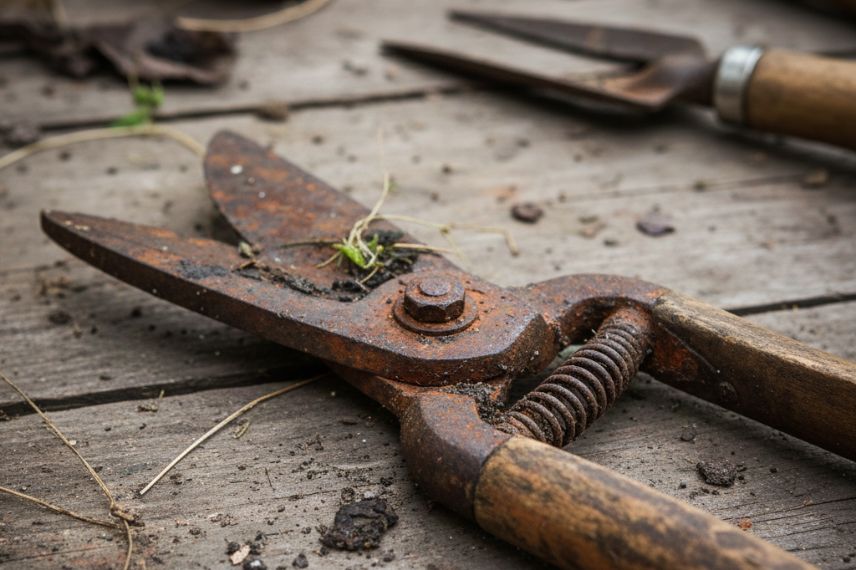
Once you've chosen worst possible moment, it's time to use the most unsuitable equipment. For optimal result, forget shiny pruning shears and embrace liberating rust philosophy. Bring out grandad's old pruning shear, the one that hasn't seen a sharpening stone since 1998 World Cup: if blade is so blunt it no longer cuts but happily crushes wood fibres, you're on right track. A crushed branch is a branch that never heals, offering unlimited playground for bacteria.
In spirit of generosity, also practise disease sharing. Why confine a nice canker or grey rot to single apple tree when you can spread it across whole orchard? By stubbornly refusing to disinfect your blades between trees, you become vector of a magnificent, supportive parasite community. It's the all-you-can-eat buffet: what tree A has, tree B will receive free of charge via your filthy blade.
Finally, let your creativity run wild with "Free Style" cutting angle. Ignoring bevel rule is excellent way to create little stagnant pools on each cut surface. By cutting square or, better, towards bud, you turn every wound into tiny watering hole for fungi and wood-boring insects. After all, why let water run off naturally when you can invite it to settle and rot wood from inside?
The real advice
Those who care about their fruit will tell you that cutting tool must be razor-sharp for a clean cut and disinfected with 70% alcohol between each subject. They also recommend always cutting on a slant (about 45°), away from bud, so rainwater runs well clear of sensitive area.
Practice "Chainsaw Massacre" pruning
Here is where your misunderstood artist soul comes into play. To turn a fruit tree into sterile abstract sculpture, forget delicacy.
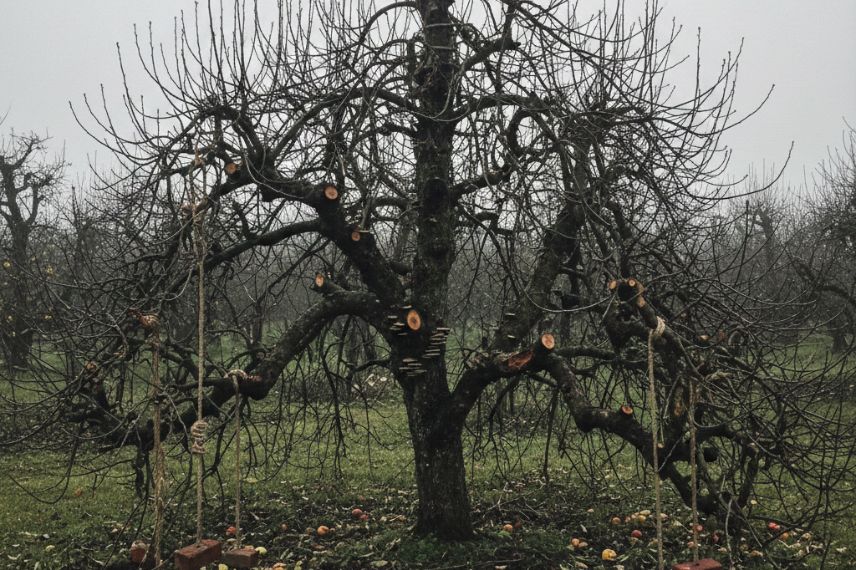
Start with radical method of wild topping. Why let central leader rise gracefully towards sky when you can lop it off at two metres? By cutting top, you force tree into absolute panic: it will respond by producing forest of vertical shoots (the water shoots) that will drain all energy and never deliver a single apple. Chaos guaranteed, and that's exactly what we're after.
Continue with strategy of total darkness. A well-maintained tree often looks like light well, but we aim for impenetrable jungle vibe. Carefully leave all dead wood and crossing branches in centre of trunk. By preventing air and sun from circulating, you create warm, humid microclimate at tree core, ideal for raising colonies of aphids and mosses.
Finally, to finish your masterpiece, practise systematic removal of spurs. These short, stubby buds are future fruit, so sworn enemies. Cut them mercilessly thinking they are useless protrusions. By contrast, keep long, smooth, vertical shoots that reach for clouds: they look magnificent, consume all sap and have wonderful trait of never, ever producing fruit.
The real advice
For those who prefer harvests to disasters: good pruning involves thinning centre to let light through and encouraging horizontal branches (those that bear fruit). Aim to preserve fruit buds (the spurs) while limiting vigour of vertical water shoots.
Comparison table: real vs fake
| Pruning action | "Sabotage" objective (wrong move) | Harvest objective (truth) |
|---|---|---|
| Timing | During freeze (-10°C) or in torrential rain. | In dry conditions, frost-free, during dormancy. |
| Tool condition | Rusty, blunt and covered in last year's dried sap. | Blade sharpened (clean cut) and disinfected with alcohol. |
| Structure | Keep dense centre to create fungus nest. | Open tree centre to let light through (daylight shaft). |
| Cutting angle | Straight or sloping towards bud to retain moisture. | On a slant (45°), away from bud to shed water. |
| Fate of vigorous shoots | Leave them to grow vertically to the sky. | Remove or bend to favour fruiting. |
Frankly, aren’t you fed up with being buried under apple harvests so abundant that even your neighbours no longer want to open their door? If the prospect of baking yet another homemade tart with your own plums sends you into a cold sweat, it’s high time to take back control of your garden by learning […]
When we go shopping or peel an apple, we don't really think about the origins of the various fruits that grace our tables, as they are such a part of our daily lives. Yet, if they could speak, they would tell us the incredible journey that brought them to us, from the earliest times!
These juicy and fragrant fruits that we enjoy throughout the year mostly appeared long ago in distant lands, although some arrived on our old continent more recently.
As I shared the epic of vegetables in a previous episode, I invite you this summer to continue this tasty journey into the colourful world of our most familiar fruits.
Origin of fruits: the continents that they originate from
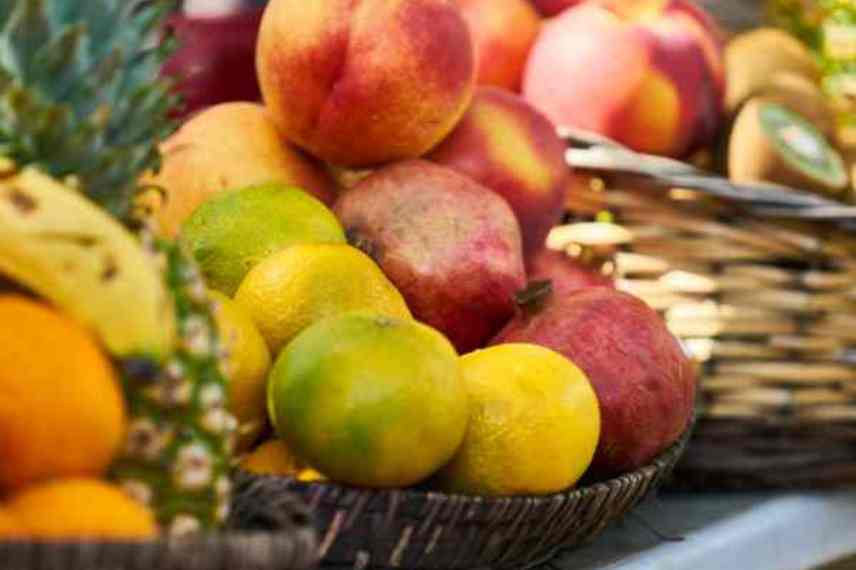
There are nearly 150 different fruits in the world... and thousands of varieties. While we associate some with a national culture, the vast majority come from countries, or even distant continents. Some, like cherries or pears, have two distinct origins. Here are the distribution areas and origins* of some of the most consumed fruits today, by continents and major regions of the world:
- America: pineapple (Brazil), avocado (Mexico), tomato - botanically a fruit! - (Mexico and Central America), papaya (Central America), guava (Central America and Brazil).
- Asia: pear, peach, apricot, kiwi, and orange (China), banana (Southeast Asia), lemon and mango (India), pomegranate (Central Asia, Afghanistan).
- Middle East: fig (Turkey), date (Mesopotamia), pomegranate (Iran), cherry (Anatolia).
- Europe: apple (Caucasus), pear (Europe and Asia Minor), grape (Middle East and Europe), strawberry (Europe and North America), grape (Caucasus and Southern Europe).
- Africa: watermelon, melon.
* This distribution lists fruits native to countries that were later introduced to other regions of the world, before becoming naturalised in some.
Fruits through time and cultures
Wild berries, ancestors of our blackberries and raspberries, were an important part of the diet of hunter-gatherers and were consumed by prehistoric humans long before agriculture developed.
But one of the oldest cultivated fruits in humanity is considered to be the fig. It is believed to be the first fruit to have been domesticated, even before cereals in some regions of the present-day Middle East. Excavations in the Jordan Valley, in the Jericho region of the West Bank, have uncovered carbonised figs dating back to around 9000 BC. Dates were also cultivated from antiquity.
In the Middle Ages and the Renaissance, fruit cultivation developed in Europe and Asia. In European monasteries, the creation of the kitchen garden with the medieval enclosed garden played a crucial role in the preservation and development of fruit cultivation, particularly of apple, quince, and cherry trees. The medieval orchard is associated with the lost paradise, and many illuminations depict it. Fruits like apple, pear, and grape made their way to the tables. The Crusades and later the great maritime expeditions would enrich the diversity of available fruits. This was a time when fruits were often consumed in dried form, allowing for longer preservation (figs, apples, apricots, plums, and cherries).
During the Renaissance, trade introduced new varieties of grapes, enriching European viticulture. The Crusades also facilitated the introduction of citrus trees to Europe, significantly transforming eating habits. Horticulturists and later fruit growers made decisive advances in fruit-growing techniques (grafting, cultivation on trellises, and the creation of fruit shapes, hardening under glass), leading to the fruit heritage as we know it today.
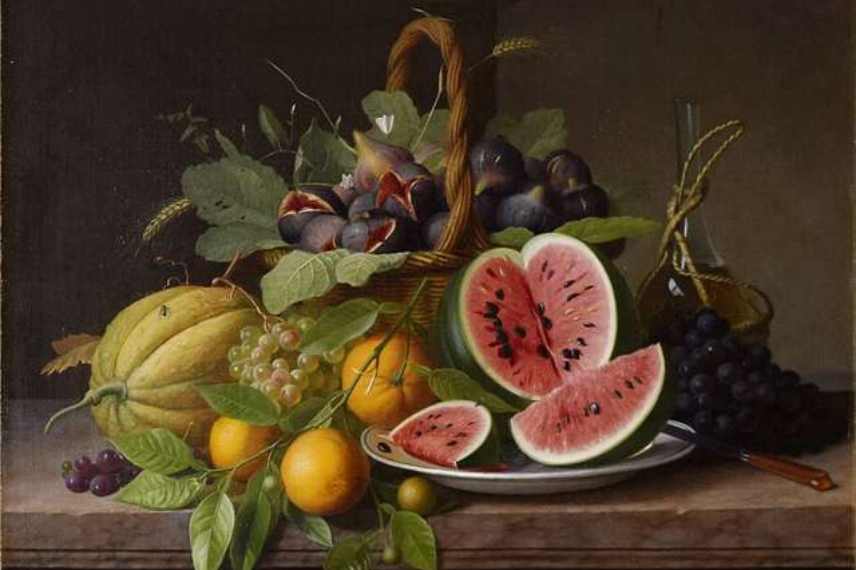
Photo Wikimedia Commons
Discovering three iconic fruits: pear, melon, and strawberry
Among the wide array of fruits available to us today, I have chosen to talk about three fruits that have now become part of our consumption habits.
Pear: millennia of know-how and innovations
A common fruit today, the pear is counted among around sixty species, and nearly 2000 varieties worldwide!: Comice, Conference, Williams, Passe Crassane, or Guyot... to name just a few of the most common in our markets.
It is actually one of the oldest fruits cultivated in the Northern Hemisphere, and its history dates back millennia.
Originating in Asia, the pear later made its way to Europe. In China, where writings dating back to the 5th century BC mention it, it has been cultivated for over 5000 years. Remains and seeds of pears (Pyrus communis) have been found in the lake dwellings of present-day Switzerland and in prehistoric Neolithic sites. While it appears in Egyptian and Greek civilizations, it was the Romans who first developed and improved this fruit by practising early grafting. By 50 AD, there were already 35 different species.
The pear established its presence in Europe from the Middle Ages, but at that time it was little appreciated, often cooked, and had various unflattering names (anguish pear or rosy stone). Quintinie (1626-1688) truly gave it its letters of nobility: King Louis XIV was fond of it (well... mainly to decorate his gala tables), and it was from the 17th century that cross-breeding began, with quince trees. Improvements in fruit cultivation techniques then allowed for the production of higher quality pears, much more melting, contributing to their growing popularity among both nobles and commoners. Five hundred species were already recorded during Quintinie's time, including the stars of the era, Bon Chrétien or Cuisse-Madame.
The Williams pear was born in 1796, the Conference pear was named in 1885, and the Angelys pear, one of the latest, was born in 1998. It is now marketed under the name Angys®, a product of Angevin research from INRAE (hurray!), resulting from a cross between Doyenné du Comice and Doyenné d'Hiver.
Asian pears (Pyrus pyrifolia) and their descendants are crunchy-fleshed fruits, like the Nashi, while our common European pear trees (Pyrus communis), descended from wild pear trees in the mountainous regions of the Caspian Sea, produce tender and juicy fruits. Even today, we distinguish between "knife pears" for raw tasting, melting pears, and "cooking pears," much like with apples. The main edible species come from Pyrus pyrifolia. In Asia, there are nearly 3000 varieties from Pyrus pyrifolia, Pyrus ussuriensis, and Pyrus bretshneideri, some of which are hardy to below -30°C.
The sixth favourite fruit of the French, available all year round in our markets, and in world-renowned recipes like pear Belle Hélène, this fruit continues to charm us. Notably, the largest producer of pears in the world is once again... China, with a production of 16.5 million tonnes of pears. Strangely, 50% of the pears consumed in France are imported, knowing that our main producing regions are the Loire and Val-de-Loire regions.
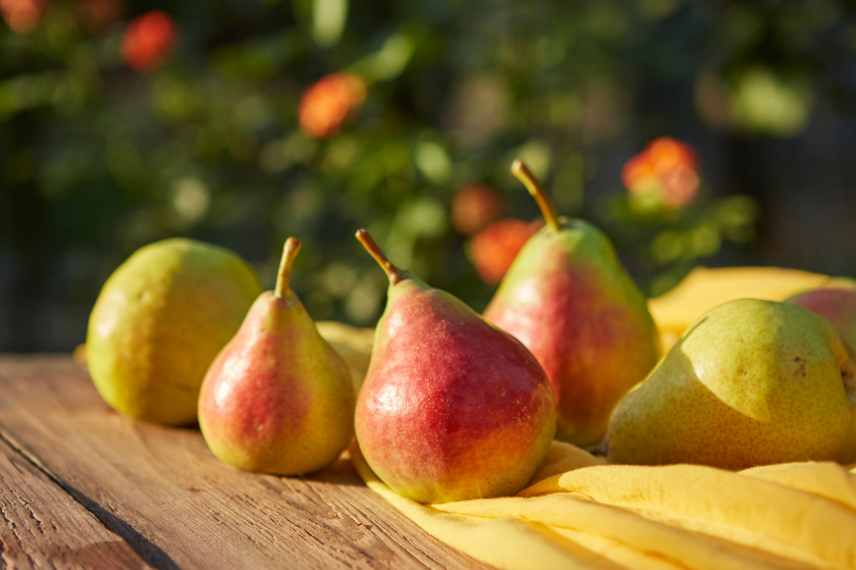
Apricot: from Tibet to Provence
Its botanical name, Prunus armeniaca, mistakenly attributed by Carl von Linné, would suggest an Armenian origin for the apricot tree. This is not the case, as this highly appreciated summer fruit, associated with the Mediterranean basin, actually originated on the foothills of the Himalayas, between Turkestan, Tibet, and Manchuria, just like our good old peach. This wild ancestor of the modern apricot tree was introduced much further east, indeed passing through Armenia, via the Silk Road. The apricot arrived in the West in already improved forms, as the Chinese had been cultivating it for millennia. It conquered Greece and the Roman Empire at the very beginning of the Christian era. The Romans named it praecoquum, meaning the early fruit, and later Punum armeniacum, in reference to its introduction in Armenia. The name apricot would not appear in the French language until the 16th century, borrowed from the Spanish albaricoque, which itself derives from the Arabic al-barqūq.
It was the Moors who, in the 8th century, brought the apricot to Spain. It was not until the 16th century that this fruit gradually began to be appreciated. The good King René, who inherited the kingdoms of Naples and Sicily, is said to have introduced the apricot tree to Anjou a century earlier, around 1435. During the Middle Ages, it had a poor reputation, thought to cause fever. It took time before the apricot was consumed raw, as we do today by biting into the sun-warmed fruit right from the tree. Quintinie himself reserved it exclusively for cooked preparations like jams or compotes. It wasn't until the 18th century that its cultivation expanded in the southern regions of France, and more and more varieties began to emerge.
The modern apricot has thus been cultivated in our regions for less than 500 years. Today, the main apricot-growing areas are still the Mediterranean basin, with France being the 17th largest producer by volume. Turkey, the world's leading producer, primarily produces dried apricots from varieties particularly suited for drying.
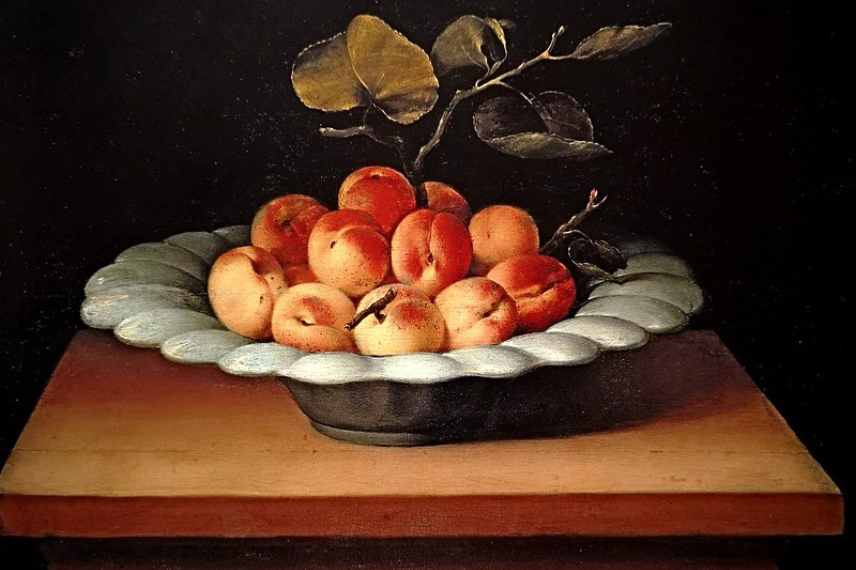
(oil on wood panel, circa 1630; Rennes Museum) - Photo Wikimedia Commons
Melon: an unloved fruit turned summer star
The orange-fleshed melon, bursting with sugar and sunshine that we enjoy in France in the heart of summer (Cucumis melo), originating from Africa and Asia, also has a fascinating history. Cultivated since antiquity in Egypt and Mesopotamia, it was then appreciated for its seeds as much as for its flesh. It appears, along with watermelon, in tomb frescoes. The Romans, likely the ones who introduced it to Europe, knew it but often preferred watermelon (Cucumis citrullus), finding it rather bland. At that time, the melon was actually considered more of a vegetable and was often consumed cooked and salted or in salads.
In the year 800, Charlemagne mentions it among the recommended plants in the Capitulaire de Villis, using the name given to it by the Greeks, "pepon" ('cooked by the sun).
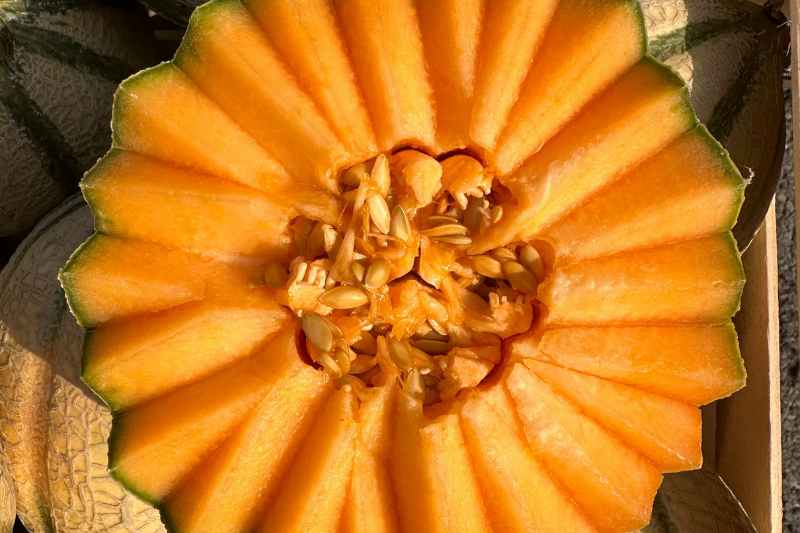
This delicate fruit began to acclimatise in Europe thanks to the development of greenhouses, starting in the 17th century, which allowed it to be hastened and consumed year-round, as demanded by the nobility. It became larger and tastier. In France, the melon, like other fruits or vegetables, still had a poor reputation, often perceived by doctors as a dangerous food, causing indigestion due to its harmful juices, the "succum pessimum". Several popes even died from excessive consumption, as was said of Clement VIII. This reputation gradually faded in the 18th century, where an author like Marc-Antoine Girard de Saint-Amand made a flattering description in a poem full of finesse: The Melon. Voltaire even crowned it "the masterpiece of summer." Since 1780, the cantaloupe melon, round and with orange flesh, from the summer residence of the popes of Cantaluppi, became known in French gardens. The Marquise de Sévigné and later Alexandre Dumas became ambassadors of the Cavaillon melon, the former for her adoration of this Provençal fruit, the latter for having it delivered to him until his death as a life annuity in exchange for books!
Greenhouse and cloche cultivation methods improved, and the large melon cloche appeared in the 18th century, still used today by those fortunate enough to possess one. It became a fruit that signified a high social status.
Although few writings confirm it factually, it is often said that melons, due to their increasing market value and popularity, became targets of theft when grown in enclosed and monitored gardens, particularly in Europe during the 17th and 18th centuries.
Today, the melon is enjoyed worldwide and is cultivated in open fields or greenhouses in many regions. France is one of the leading producers in Europe, with Provence and Charente renowned for the quality of their melons. Charentais melons, recognisable by their orange flesh and wrinkled skin, are prized for their sweet and fragrant flavour. The Cavaillon melon remains a summer staple. In France, we are the thirteenth largest producer of melons globally, but we must import them (mainly from Spain and Morocco) for our summer consumption.
As for yellow melons or sweet melons, they are associated with Spain, where they are widely consumed. These melons, also known as Santa Claus melons or 'Piel de Sapo' melons (toad skin), have a green speckled skin and a very refreshing white or green flesh. They are primarily cultivated in the Spanish regions of Murcia, Andalusia, and Valencia.
The new hybrids and exotic fruits
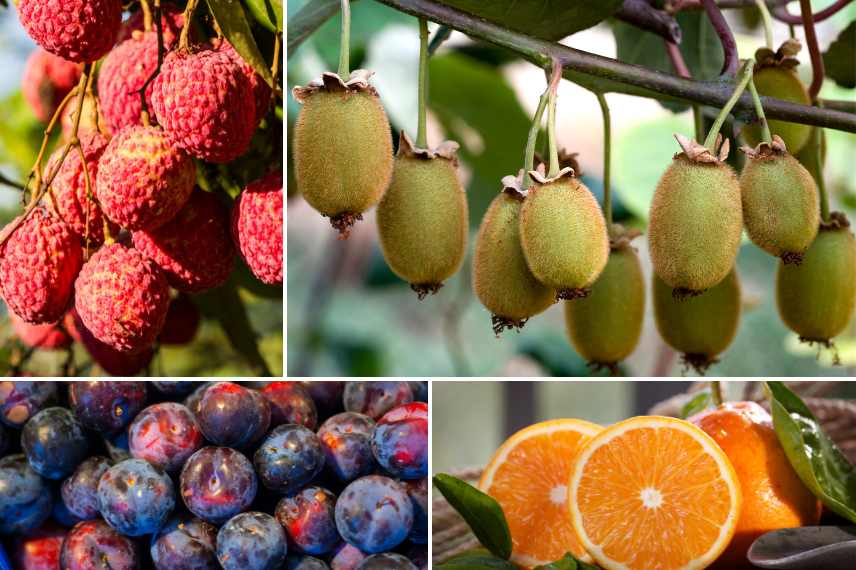
Most of our fruits date back to very ancient times, but some fruits only appeared late in our kitchens and on our tables. These are mainly exotic fruits that our palates began to discover and appreciate at the dawn of the 20th century, such as the kiwi, originally from China but cultivated in New Zealand since the early 20th century, and only becoming popular in Europe from the 1960s, or the lychee, which appeared in Europe as early as the 18th century thanks to colonial imports. The prickly pear, now available in some markets, had remained relatively unknown in the West since Christopher Columbus.
Since the 1970s and 80s, other fruits have appeared on the market, born from the hybridization of two species, horticultural selections, genetic manipulations, or natural mutations. Some are still little known, such as the boysenberry or blackberry-raspberry, a cross between a raspberry and a wild bramble, and the caseille or cassisberry, another cross of red fruits between a blackcurrant and a gooseberry. The aprium, born from the (American) love affair between a plum and an apricot tree, the pluot, another hybrid between plum and apricot, are other laboratory discoveries. Citrus fruits are not left out, with notably the tangelo (or Minneola), a hybrid of a mandarin and a grapefruit, less acidic and sweeter than a pomelo. The Americans, who have also developed pink blueberries (like 'Pink Lemonade'), are often behind these more or less fanciful genetic discoveries...
All these new fruits are proof that fruit innovation has not yet said its last word in adapting, among other things, to the new global climate challenges.
Heirloom and forgotten fruits
We are also currently witnessing the rediscovery of forgotten fruits like quince, medlar, jujube, or persimmon, often brought back to the forefront by chefs or organic orchards. Would you like to learn more about these ancient fruits? Browse our articles and recipes:
- Growing the male dogwood for its fruits
- The jujube tree: planting, pruning, and caring for
- How to make quince jelly? and How to harvest and store quinces?
- How to harvest and store medlar?
- How to harvest and store persimmons?
- Physalis: sowing, cultivation, harvest
- The beech nut: an edible fruit to discover.
Further reading: some useful books and websites
For botanists or history enthusiasts and those passionate about local and ancient fruit varieties, I recommend the following works (in French):
- The ABCs of Fruits, Antoine Jacobsohn. Flammarion Editions. 1997. A condensed source of information by the head of the King's Kitchen Garden.
- Astonishing Stories of Fruits. Bertrand Dumont. MultiMondes Editions. 2022.
- Fruits from Here and Elsewhere: Insights into the History of Some Fruits Consumed in Europe. Marie-Pierre Ruas. Omniscience Editions. 2016. A bible that will delight history enthusiasts.
- Rediscovered Fruits, Heritage of Tomorrow. History and diversity of ancient species from the Southwest. Evelyne Leterme and Jean-Marie Lespinasse. Rouergue Editions. Redouté Prize 2008. Another extensive book.
- And a historical detective novel by Michèle Barrière, Murder in the King's Kitchen Garden, about the famous thefts of melons at Versailles: a delightful summer read.
Several associations and organisations allow for further learning about the origin and conservation of fruits:
- The Apple Crunchers, who have been advocating for the preservation of regional fruit varieties for years.
- Forgotten Fruits: a network that contributes to the promotion and preservation of fruit heritage.
- The National Centre for Pomology, an association dedicated to the conservation, study, and promotion of fruit varieties, particularly ancient and local varieties.
To extend this reading, discover the ancestral history of the fig in this excellent article by Alain Bonjean in the Chronicles of Vegetal. You will learn all about the genomes of the apricot in this publication from INRAE. And Eric Birlouez tells you much more about the apricot's journey in his podcast on France Inter...
Finally, listen to a delightful segment, In the Intimacy of History: The Pear, an Erotic Fruit, narrated by historian Clémentine Portier-Kaltenbach.
.
When we go shopping or peel an apple, we don’t really think about the origins of the various fruits that grace our tables, as they are such a part of our daily lives. Yet, if they could speak, they would tell us the incredible journey that brought them to us, from the earliest times!These juicy […]
For centuries, vegetables have travelled across continents, carried by explorers, merchants, and botanists. Aubergines, potatoes, celery, cabbages, carrots, and other parsnips… The vegetables so familiar in our everyday cooking often come from the antipodal cells, or at least from distant territories. We learn in our history classes that tomatoes and corn were brought to us from America. But what do we really know about the epic journey of our vegetables?
From Antiquity to modern hybridizations, vegetables from Asia and the Near East or native to America, I invite you on a spatio-temporal journey to the four corners of our planet. You may discover what the oldest vegetable in the world is, which vegetables are the most consumed today worldwide, and some tasty tales about their history and how they reached us!
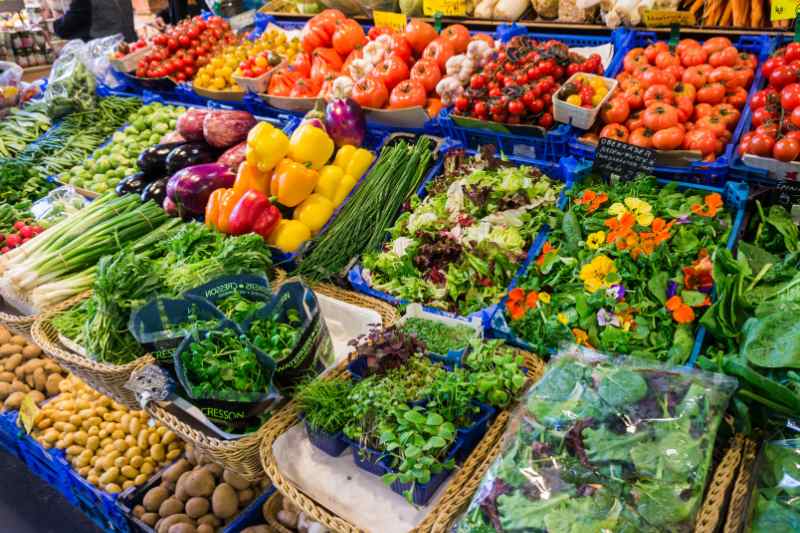
Origin of vegetables: the continents that gave birth to them
Three major regions of the world are the source of most of the vegetables that make up our diet today: the Near East, Asia, and the Americas. It is important to note that when we refer to this origin, we are talking about the geographical areas where these vegetables were cultivated, not where the vegetable was recorded as a wild plant. This sometimes explains the discrepancies we notice regarding the origin of certain vegetables (a good example being the unresolved debate about the aubergine, which is said to be either Chinese or Indian).
Here are the origins of some of the most commonly used vegetables today, by continent and major regions of the world:
- America: tomato (Mexico and Central America), bean, squash and courgette (Mexico), potato (Peru and Bolivia), pepper (Central America), sweet potato (Peru), corn (Mexico)
- Asia: aubergine and cucumber (India), spinach (Persia), garlic, shallot and onion, carrot, cucumber, turnip, crosne (Japan)
- Near East: pea* (Fertile Crescent), radish, lentil, chickpea, rocket, and cabbage, which was likely domesticated there.
- Middle East: carrot (Afghanistan), onion (Iran and Afghanistan)
*(often accepted as one of the oldest vegetables in the world, its cultivation dating back 7,000 to 10,000 years)
Europe and Africa are also the cradle of several vegetables in our daily lives. Cabbage, fennel, Swiss chard, parsnip, broad bean, and many salads like lamb's lettuce (from Sicily and Sardinia), escarole or chicory for Europe, beetroot and artichoke coming from North Africa.
While all these vegetables were brought back by the great expeditions of the 15th and 16th centuries or by the Arab conquest (the Silk Road and the Incense Route concerned not food, but spices, fabrics, and precious woods), they underwent a slow evolution, being domesticated and then hardened in regions with climates very different from their areas of origin.
Vegetables through time: a brief timeline of an announced success
The consumption of vegetables is documented in numerous ancient writings and manuscripts across different cultures and eras, but also through paintings and still lifes from the Renaissance onwards. Archaeologists have thus identified the pantry of our distant ancestors, historians have investigated their introduction, and naturalists and botanists have studied their acclimatization in our countries.
As we learn it in school, nomadic man did not cultivate; he was a hunter-gatherer. When he settled down, around 10,000 BC, he began to domesticate certain animals… and to plant! The first centres of settlement in the Near East, what is called the Fertile Crescent (corresponding to Iran, Iraq, and Turkey) report the cultivation of cereals such as barley (Hordeum vulgare), then wheat, oats, and rye. Considered the first cultivated food, barley was indeed on the menu of our Mediterranean ancestors.
Ancient Egypt, which has left us numerous testimonies of its dietary practices in its temples, tombs, and papyri, cultivated cabbage and cucumber, as well as chickpeas and, more surprisingly, radishes, as well as the nut sedge (papyrus) which was consumed. It was a predominantly vegetarian people.
Closer to us, in ancient Rome, we were able to identify the vegetables that the inhabitants of Pompeii ate: peas, broad beans, and lentils encountered in Egypt, thus many legumes, but vegetables such as cabbage, leek, onions, and asparagus also already appeared. All these vegetables are mentioned by Columella, a Roman agronomist, and by Pliny the Elder in his Natural History.
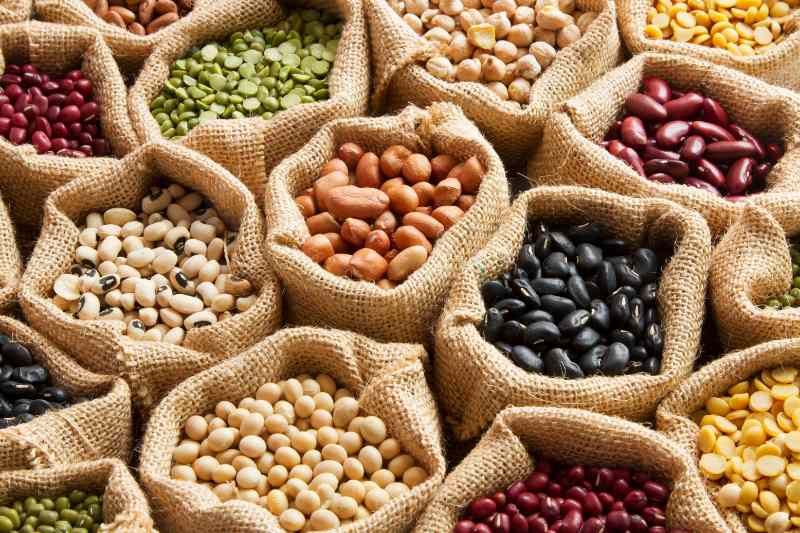
Later still, in the Middle Ages, many manuscripts recount the vegetables that graced the tables: mostly leafy vegetables, such as spinach, orache, and borage, root vegetables (chervis, parsnip, carrots, turnips…) and so-called perpetual or perennial vegetables. There is still much evidence of legumes such as chickpeas and lentils. The beetroot makes its appearance, and Charlemagne attempts to impose it in the vegetable garden. He includes it in his Capitulare de Villis and recommends it as a vegetable crop for the Empire. Medieval cuisine often consisted of all these vegetables, consumed in the form of soups, broths, pies, and stews, with meats, game, and fish reserved for the noble classes.
The Age of Discoveries in the 15th and 16th centuries further enriched this mapping of vegetables. The discovery of the Americas by Christopher Columbus in 1492 led to the introduction of many new vegetables to Europe, such as tomatoes, potatoes, corn, peppers, and squash, to name just a few. These vegetables from the New World literally fascinated our old continent. They graced the tables of monarchs and European courts, ensuring the splendour of banquets during the Renaissance, and later integrated into European cuisines in the modern era.
Subsequently, we witnessed the acclimatization of these vegetables growing in warm climates, adapting them to our regions, our humidity, and our four seasons. The greenhouses that developed from the 18th century onwards allowed for an unprecedented boom in market gardening. Farmers gradually began to produce many types of vegetables throughout the year, increasing both diversity and productivity.
Aubergine, carrot, and artichoke: three domesticated vegetables under the microscope
Alexandra has already explored the fascinating history of certain vegetables in My Vegetable Garden Comes from Afar, such as potatoes, tomatoes, or squashes. I will complete this list by discussing here the aubergine, carrot, and artichoke, three vegetables rich in flavour and colour... well... not all at the beginning!
- Aubergine
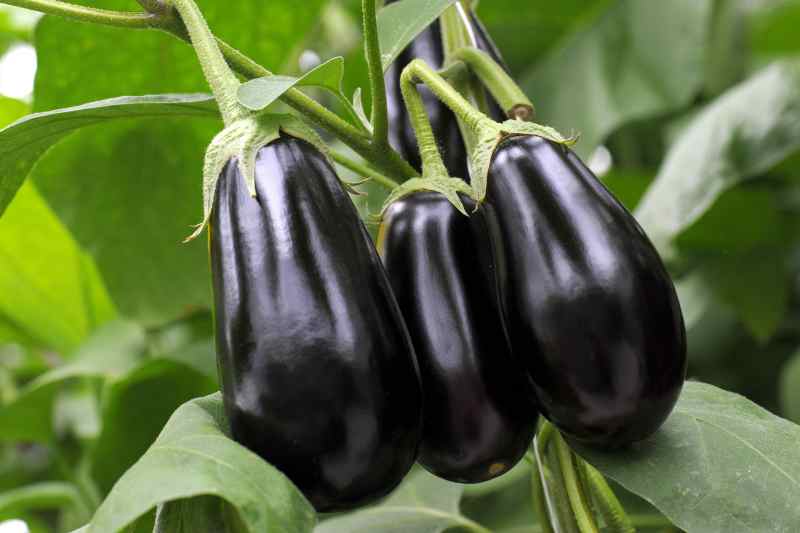
The Aubergine (Solanum melongena L), long referred to as the madman's apple or the apple of Sodom in the 14th century, had a rather poor reputation before becoming this much-loved summer vegetable in Mediterranean, Lebanese, and Asian cuisine. It was said to be dangerous, as it was associated, as was the tomato, with belladonna, which belongs to the same botanical family, the nightshades. It was attributed with fevers, epileptic fits, and those who ate it were even said to lose their sanity.
Aubergines were thus, like some other vegetables, initially considered ornamental plants in Europe, but soon gained popularity as food in southern Europe. They are documented in cultivation around 500 BC in India and Burma. The white aubergines are believed to be the oldest cultivated forms. In India, Burma, and China, mentions of light or white varieties can be found in ancient texts, as early as the 5th century.
They are still called "eggplants" in English because they resembled… chicken eggs!
It was the Arabs who discovered it in the Middle Ages and brought it from Asia, likely from India in the 15th century. They named it "al-bâdinjân", introduced it into the Mediterranean basin, and quickly adopted it through their trade with the Arab world. The aubergine passed through North Africa, then Spain, and into other Maghreb countries. However, it was the Italians who truly popularised it in the 19th century. It would then be more consumed in Spain and Italy, as well as in Greece. The aubergine would not appear in markets in northern France until the mid-19th century.
The aubergine remains widely consumed in the Middle East, where it is the star of iconic dishes like baba ghanoush in Lebanon, or Imam bayildi in Turkey, for example. In Turkey, where aubergine jam is a specialty, it is also consumed sweet, and in Andalusia, cooked with honey as a dish, the aubergine regains its status as a fruit, as botanically it is indeed one.
The aubergine is now among the top 7 most cultivated vegetables in the world, with over 60 million tonnes produced annually. The global production of aubergine is primarily Chinese and Indian, with China accounting for about 63% of global production and India about 24%. It remains predominantly consumed in Asia. Today, there are no fewer than 341 varieties of aubergines listed in the official catalogue!
- Carrot
Iran is credited with a developed culture of the carrot (Daucus carota), but it is in Afghanistan that it is said to have appeared in the 10th century, quite recently in fact. It was initially produced in Europe, mainly in Spain, and after crossing the Pyrenees, it arrived in France, then Italy in the 14th century.
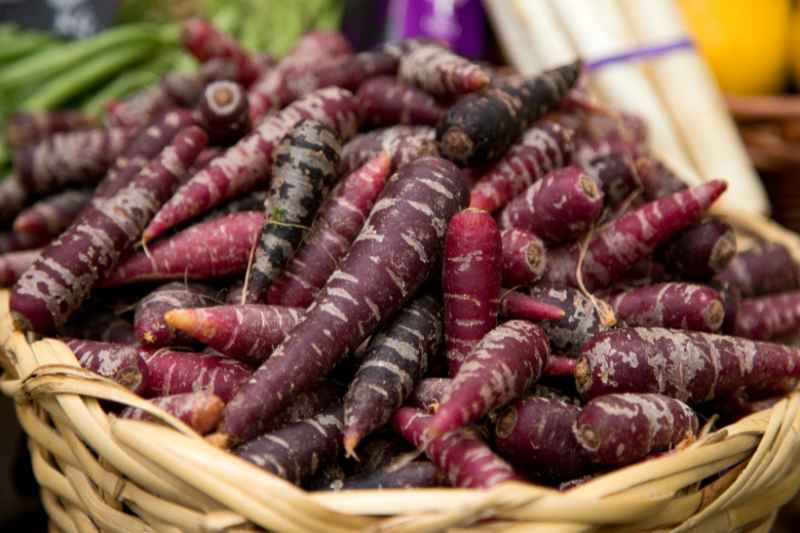
Yellow, white, and red carrots, ancestors of the orange carrot, delighted the royal tables of Europe in this colour until the Renaissance. Like other vegetables or fruits that gradually changed colour, the carrot originally had whitish hues. It was the Dutch who, in the 17th century, through numerous hybridizations, transformed this pale carrot into an increasingly orange one.
We now find yellow and purple carrots on the stalls, a curious turnaround! Fashion and trends...
- Artichoke
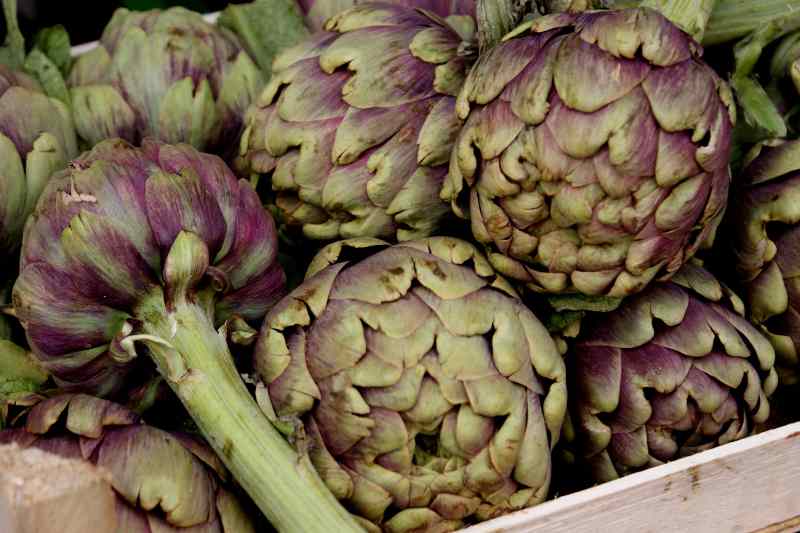
The artichoke (Cynara scolymus), a symbol of Brittany for us, originates... from the Mediterranean basin, specifically North Africa. It is nothing other than a domesticated wild thistle! It was probably already consumed in Antiquity by the Egyptians and the Berbers, in its wild form, the cardoon (Cynara cardunculus).
It is from this species that the cultivated artichoke is obtained through selection. It reached Italy in the 1st century under the Roman Empire, where it was mainly used, like in Greece, for its medicinal properties. It was during the Renaissance, around 1644, that it was truly popularised and cultivated in aristocratic gardens, particularly in Naples and Sicily. It was then credited with digestive and even aphrodisiac properties. It appeared in France thanks to Catherine de Medici, who introduced it to royal gardens in the 16th century. Louis XIV adored this vegetable… La Quintinie cultivated five different varieties.
It was not until the early 19th century that the artichoke became popular, thanks to the creation of the famous large Camus de Bretagne. It thus became a significant market gardening crop in Brittany, Provence, and the Loire Valley. There are several varieties, such as the Gros vert de Laon, the purple artichoke of Provence, or the poivrade—which appeared later—a small tender variety often consumed raw or in oil. The artichoke remains an emblematic vegetable of Mediterranean cuisine, found stuffed, in barigoule, or Roman-style.
Italy, Spain, and Egypt are now among the three main producers of artichokes in the world, far ahead of France.
The 'new vegetables'
While we often think that all our vegetables are ancient, some have only recently appeared in our gardens and on our stalls, particularly with the globalization of food, the rise of organic produce, and new consumption habits (gluten-free, vegetarianism).
Among the vegetables that have recently arrived in our gardens and markets are exotic vegetables, but not only...
- Chayote (or christophine), a cucurbit from Central America, widely used in Caribbean and Reunion cuisines, now well acclimatisated and cultivated in France, in the mild Atlantic zone or in the south.
- Kale – making a comeback since the 2010s, a star of health diets. It is now widely cultivated in urban, organic, and alternative gardens.
- Romanesco cabbage arrived in our markets in the 1990s.
- Sweet potato: it was rare just 30 years ago and is now ubiquitous in markets, even cultivated in the southwest of France. Some varieties are adapted to the French climate.
- The yacon (earth pear): Originating from South America, it is still marginal but is entering organic circuits and AMAPs (Associations for the Maintenance of Peasant Agriculture). Its taste is sweet, similar to that of the Jerusalem artichoke.
Also added to this list is black radish, an ancient vegetable rehabilitated by modern cuisine and wellness trends. Long relegated to herbalism, it is now reappearing in winter salads and detox plates. These vegetables reflect the plant renaissance of the 21st century, between exoticism and culinary innovations.
We are also witnessing the rediscovery of forgotten vegetables such as chervis, orache, helianthi, crosne, or even cardoon, and herbs like wild garlic, often brought back to the forefront by chefs or organic gardens.
21st-century agriculture has also seen the emergence of hybrid or crossbred vegetables, such as broccolini (a cross between broccoli and kai-lan), or kalette (kale + Brussels sprout), reflecting our growing taste for plant innovation, but also the need to adapt to new climatic conditions.
These vegetables that might never have existed!
Finally, there are also vegetables that never came to be... and those that could have remained unknown in Europe.
We will thus try to consume the tuber of the Dahlia, brought to France in 1802 from Mexico via Spain. This plant was cultivated, used decoratively in flowering tiaras, but also consumed by the Aztecs for centuries. Botanist André Thouin thought he could use it here, somewhat like the potato, as the tuber had a floury consistency. But its peppery taste did not appeal to the testers of the time, and thus it was relegated in 1804 (to our great delight) as the only ornamental plant!
Some of the vegetables we cherish today almost didn't make it into our kitchens. The potato and the tomato are good examples; the former long deemed unfit for consumption, indigestible, only good for feeding animals, and supposedly transmitting the plague, while the latter retained its image as a toxic plant for a long time. It was only adopted by the French from 1731, and by the Germans even later, around 1870. These plants, labelled as poisonous, were also the fate of some fruits, but we will return to this in a future article.
Further reading
I highly recommend one of the books that recently received the French Saint-Fiacre Prize 2024: "Tour de France of Fruits and Vegetables" by Noémie Vialard and Stéphane Houlbert, as well as History of Vegetables: From Origins to the Dawn of the 21st Century, by Michel Pitrat and Claude Foury.
If you are wandering in Anjou, visit the gardens of Puygirault, a unique place that traces the evolution of the vegetable garden from the earliest times.
Want to discover heirloom vegetables? Check out our articles and recipes on the subject:
- 9 Heritage Vegetables to Grow in the Vegetable Garden
- Jerusalem Artichoke: A Forgotten Vegetable to Rediscover
- Chervis, an Easy-to-Grow Forgotten Perennial Vegetable
- Borage Leaf Soup: A Simple and Tasty Recipe
- Orache in the Kitchen: Plant-Based Recipes of an Ancient Vegetable to Rediscover
- Helianthi: How to Harvest, Store, and Cook It?
Find an interesting article from National Geographic on a thermopolium discovered intact in Pompeii.
The Cluny Museum inspires us with its medieval recipes!
For centuries, vegetables have travelled across continents, carried by explorers, merchants, and botanists. Aubergines, potatoes, celery, cabbages, carrots, and other parsnips… The vegetables so familiar in our everyday cooking often come from the antipodal cells, or at least from distant territories. We learn in our history classes that tomatoes and corn were brought to us […]
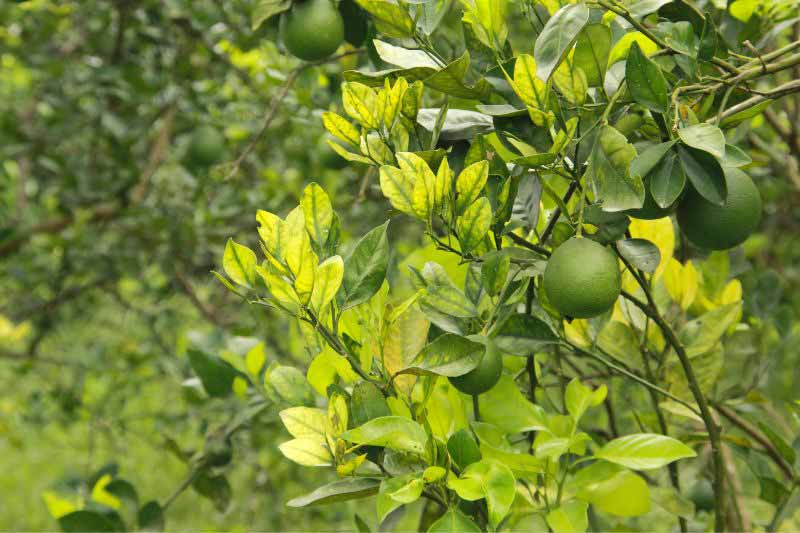
The Yellow Dragon disease, scientifically known as Huanglongbing (HLB), is one of the most serious current threats to citrus production worldwide. Caused by a deadly bacterium, this disease affects oranges, lemons, mandarins, and grapefruits, leading to significant economic losses and jeopardising the future of citrus orchards. Let’s explore the origins, symptoms, modes of transmission, consequences, and solutions to combat this scourge.
What is Yellow Dragon disease (HLB)?
Yellow Dragon disease (HLB), or Huanglongbing, was first identified in the early 20th century. It was described in China in 1919, where it was known as the "yellowing disease" of citrus. At that time, farmers observed symptoms of irregular leaf yellowing and tree decline, but the precise causes of the disease were not yet known. It was not until the 1940s-1950s that further research allowed for a better understanding of its bacterial origin and its transmission by vector insects. Since its emergence, the disease has spread rapidly, affecting Asia, Africa, Latin America, the United States, and even some regions of Europe. Today, it is considered one of the greatest threats to global citrus production. Associated losses are estimated to be in the billions of dollars each year.
What is the pathogen of the dragon?
The Yellow Dragon disease is caused by a bacterium belonging to the genus Candidatus Liberibacter. Three main variants of this bacterium are known: asiaticus, africanus, and americanus. All attack the vascular system of citrus, blocking the circulation of nutrients and leading to tree decline.
Symptoms of Yellow Dragon disease
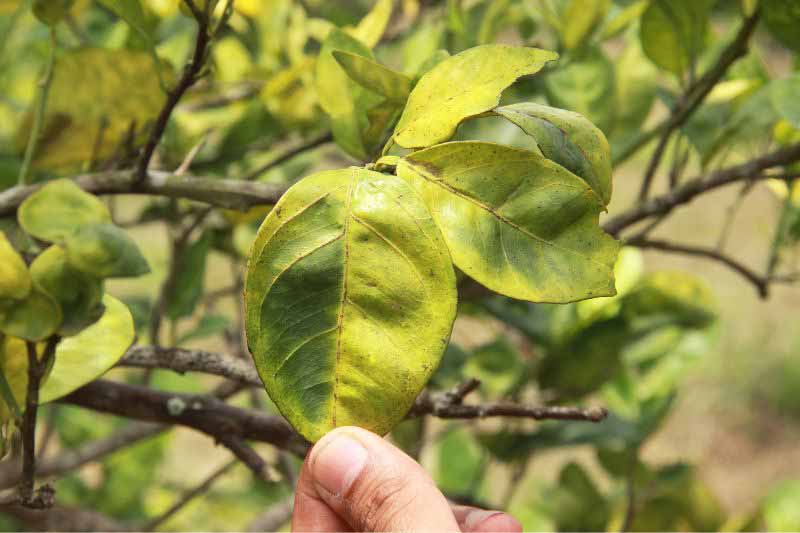
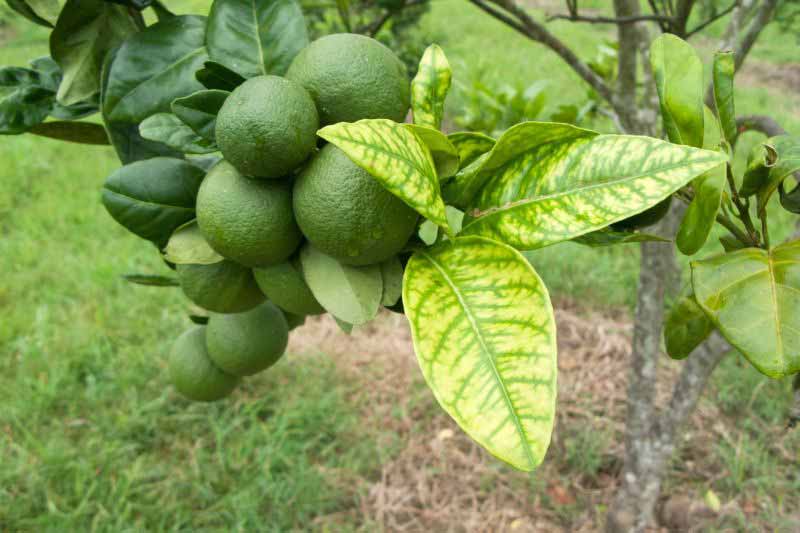
The first signs of the disease appear on the leaves, which exhibit irregular yellowing often confused with nutrient deficiencies. Unlike other diseases, the yellowing of leaves caused by HLB is asymmetrical, affecting part of the lamina while the other remains green. The fruits of infected trees become small, misshapen, and their taste is altered, often bitter or bland. The skin of the fruits may also show unusual colour spots.
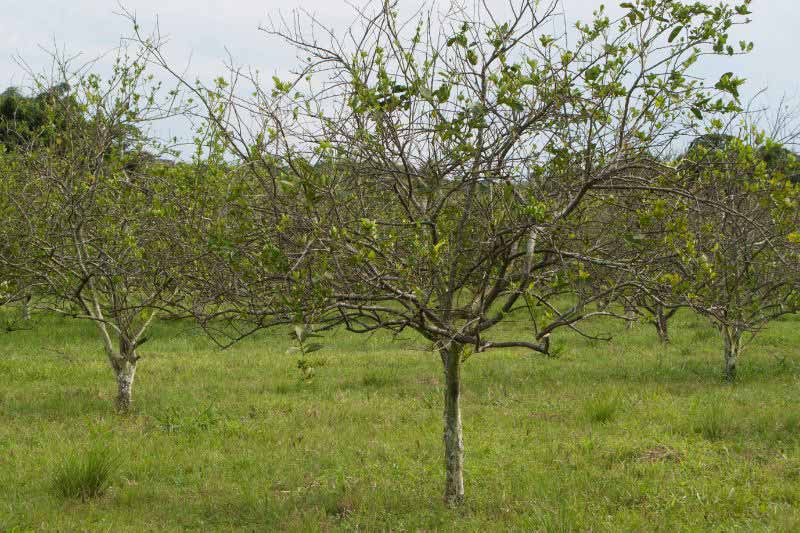
As the disease progresses, the entire tree shows signs of decline. Leaves and fruits drop prematurely, growth slows, and if no intervention is made, the tree eventually dies. Once infected, a tree cannot be cured, making early detection and prevention essential.
In summary:
- Irregular yellowing of leaves
- Small, misshapen, and often bitter fruits.
- Irregular skin coloration.
- Premature dropping of leaves and fruits.
- Slowed growth.
- Possible death of the tree.
How does the disease spread?
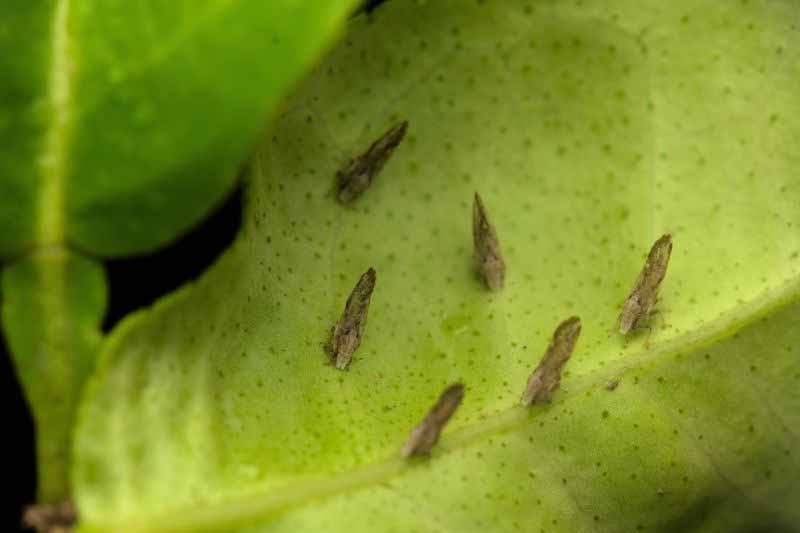
The bacterium is transmitted by vector insects, primarily the Asian citrus psyllid (Diaphorina citri) and the African citrus psyllid (Trioza erytreae). These small insects feed on the sap and spread the bacterium from an infected tree to a healthy one. The dissemination of the disease is exacerbated by the transport of infected plants or contaminated grafts, usually from one region to another. The globalisation of agricultural trade has significantly contributed to the spread of the disease, making control even more complex. Poor agricultural practices and a lack of awareness in certain regions further worsen the situation.
What cures the dragon disease?
Currently, there is no definitive cure for Yellow Dragon disease (HLB). HLB is an incurable disease. Once a tree is infected by the bacterium Candidatus Liberibacter, it cannot be cured. This is why prevention is key to protecting orchards.
Economic and environmental consequences
The impacts of HLB are catastrophic for producers. Yields drop dramatically, as fruits from infected trees cannot be marketed. Costs increase in attempts to control psyllid populations or replace lost trees. Yellow Dragon disease (HLB) has profound repercussions on the global economy, particularly in regions where citrus cultivation is an agricultural and commercial pillar, threatening the citrus sector.
Countries heavily dependent on citrus, such as Brazil, the United States, Mexico, and India, incur colossal losses each year. The decline in yields, combined with rising management costs (pesticides, replacement of infected trees, orchard monitoring), puts farms under pressure.
For many small farmers, these losses can be insurmountable, leading to bankruptcies and migrations to less affected crops. Beyond orchards, the repercussions are felt in the agri-food industry: the entire citrus supply chain is impacted, from processing (juices, jams, essential oils) to export. Fruit shortages drive up prices in the market, making products less accessible to consumers.
Increased use of pesticides
The fight against HLB also has concerning ecological impacts, particularly in areas where intensive practices dominate. To control psyllid vector populations, producers often turn to intensive chemical treatments. While these pesticides may temporarily reduce infestations, they pose major environmental problems.
Loss of biodiversity in orchards and indirect deforestation
Intensive monocultures of citrus, particularly vulnerable to HLB, are already ecologically fragile. The massive removal of infected trees, combined with intensive chemical management, exacerbates the loss of biodiversity in orchards, making them even more vulnerable to other diseases and pests. To compensate for losses caused by HLB, some producers clear new land to plant citrus, contributing to the destruction of natural habitats.
Control strategies and prevention
In the face of this threat, combating HLB relies on several axes. Prevention plays a key role. Strict phytosanitary controls aim to limit the spread of the disease through international trade of plants. Training farmers to detect early symptoms is also essential for rapid intervention.
Managing vector insects is another lever. Producers resort to insecticides to reduce psyllid populations, although this approach requires precautions to minimise its ecological impact. Alternative methods such as using traps or introducing natural predators, such as ladybirds, offer more sustainable options.
When trees are infected, their rapid removal is imperative to prevent contamination of neighbouring trees. Researchers are also actively working on selecting citrus varieties resistant to the bacterium, although this process is still ongoing.
What are the prospects?
Combating HLB, or Yellow Dragon disease, requires a comprehensive and multidimensional approach to protect global citrus production. The prospects rely on promising scientific advances, such as the creation of resistant citrus varieties through genomic editing (CRISPR), the use of bacteriophages, natural viruses, to target the bacterium Candidatus Liberibacter, and the search for vaccines to immunise trees. Initial tests of vaccines or resistant varieties show encouraging results.
To control psyllid vectors, sustainable alternatives to pesticide use are preferred, as seen, such as biological control using natural predators (ladybirds, parasitoid wasps), disrupting insect reproductive cycles with pheromones, and integrating companion crops to repel or attract these pests.
Modern technologies, including drones and artificial intelligence, also enable effective monitoring of orchards and early detection of infected trees, facilitating rapid interventions. Finally, regenerative agriculture, which enriches soils and strengthens the natural resilience of trees through practices such as adding compost or using cover crops, is a key solution to reduce the vulnerability of citrus to diseases. These combined efforts aim to limit the economic and environmental impacts of this disease while ensuring the sustainability of citrus production and the preservation of ecosystems.
The Yellow Dragon disease, scientifically known as Huanglongbing (HLB), is one of the most serious current threats to citrus production worldwide. Caused by a deadly bacterium, this disease affects oranges, lemons, mandarins, and grapefruits, leading to significant economic losses and jeopardising the future of citrus orchards. Let’s explore the origins, symptoms, modes of transmission, consequences, […]
Basil, this beloved herb of chefs and gardeners alike, is actually a bit temperamental… and many gardeners, whether novice or experienced, make classic mistakes that lead to disastrous results. Too much water, not enough light, poor soil, neglecting pruning… the list goes on! So why stand out? Isn’t it better to follow the crowd and fail at growing basil? We’re going to show you how to spectacularly fail at growing your basil, so you can learn with humour what not to do!
Lesson 1: forget about watering
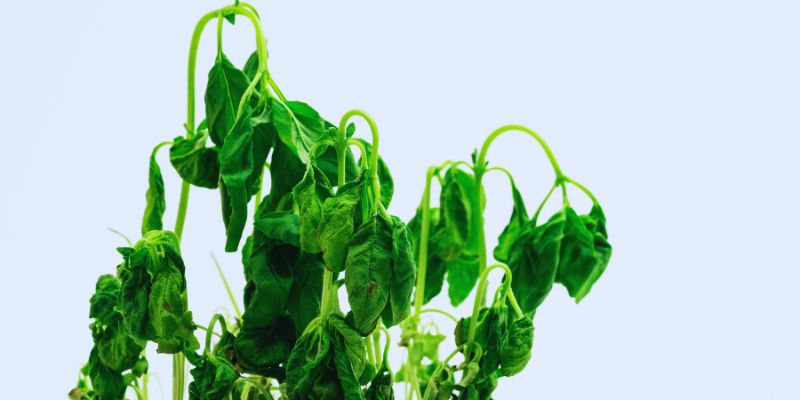
Basil is a plant that loves its substrate to remain slightly moist. But if your goal is to see it wither quickly, nothing could be simpler: completely forget to water it! After all, it’s a plant from a warm climate, right? At first, it will lose a few leaves, which will yellow before falling off… then the whole plant will dry out quickly, like a houseplant forgotten during the holidays. You can then say goodbye to your dreams of homemade pesto.
But if, in a moment of clarity, you want to save your basil, make sure to water it regularly (neither too much nor too little) with lukewarm rainwater, especially during heatwaves. Also, provide it with an organic mulch on the surface to limit the drying out of the soil.
Lesson 2: place it in a dark corner
Basil is a plant that loves light. In fact, it needs plenty of sunshine to thrive and produce its aromatic leaves. But if your aim is to fail at growing it, place it in a dark corner of your home, like between two kitchen appliances; it’s much more convenient, isn’t it?
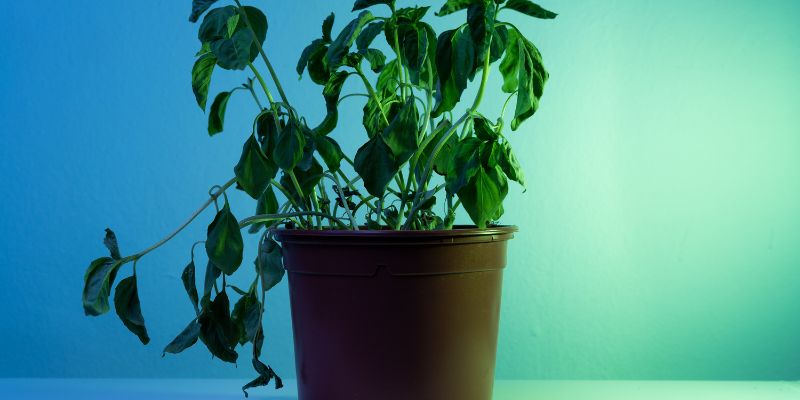
Without sufficient light, your basil will desperately stretch in search of brightness, becoming thin and leggy. The leaves will turn pale green and fall off at the slightest touch.
But if, in a moment of compassion, you decide to give your basil a chance, place it in a sunny spot, like a south-facing windowsill or a well-exposed garden. It needs six hours of direct light per day to develop. You’ll see, it will quickly regain its vigour and vibrancy.
Lesson 3: forget about the ideal temperature
Basil enjoys mild and moderate temperatures but fears cold and excessive heat. To fail at growing it, forget all that and subject it to extreme temperatures. After all, why worry about its specific needs? In winter, leave it in its pot or container outside; nothing like a little cold snap to see it wilt! And in summer, leave it in the blazing sun, or better yet, in a greenhouse… The leaves will turn brown and crispy, looking literally cooked by the heat. You can then say goodbye to your salads and homemade pestos.
But if, by a miracle of common sense, you decide to give your basil a chance, keep it in an environment where the temperature is between 18 and 25 degrees Celsius. Avoid cold drafts and protect it from heatwaves. You’ll see, it will thank you by producing fresh and tasty leaves all season long.
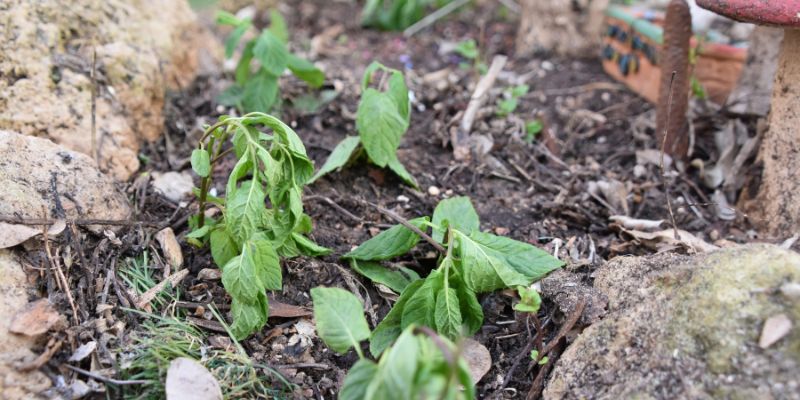
Lesson 4: give it poor, compact soil
To spectacularly fail at growing your basil, plant it in poor, compact soil. For pot planting, use clayey or poor garden soil. Compact soil does not allow the roots to breathe or spread. Your basil, trapped in this vegetative prison, will suffer from a lack of oxygen and essential nutrients. Its suffocated roots will be unable to draw the necessary water and nutrients. You’ll see its leaves yellow, shrivel, and fall one by one. A true symphony of plant suffering!
To do it right, water this clayey soil just enough to turn it into a heavy, sticky mud, but not too much, or the basil might find a few drops of comfort. And above all, don’t even think about adding compost or fertilisers; that would be cheating.
But if, in a sudden fit of kindness, you decide to save your basil, provide it with light, well-drained soil enriched with compost. Add a bit of sand to improve drainage and ensure the soil remains slightly moist.
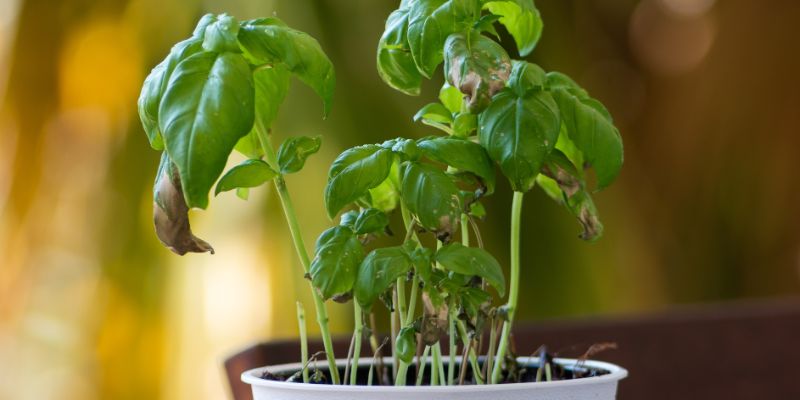
Lesson 5: never prune your basil
If your goal is to see your basil wither, never prune it! Let it grow as it pleases; it will manage on its own to become a chaotic bush.
Without pruning, your basil will become an impenetrable jungle of long, weak stems. The older, lower leaves, deprived of light, will yellow and fall, leaving behind a bare and unhealthy plant. In a few weeks, your basil will resemble a wild creature escaped from a tropical forest, but without the lushness or health. The stems will be so long and twisted that they won’t be able to stand upright, and the whole plant will eventually collapse under its own weight.
Also, let the flowers develop freely; after all, why not let the plant exhaust itself producing seeds instead of tasty leaves? Unless, of course, your goal is to obtain basil seeds. Soon, your basil will be unable to provide a single leaf worthy of being picked for your cooking.
But if, in a flash of genius, you decide to save your basil, prune it regularly. Cut the stems just above a node of leaves to encourage branching and the growth of new leaves. Remove the flowers as soon as they appear to keep the plant focused on producing leaves. You’ll see, your basil will become a dense, vigorous bush, ready to flavour your dishes all summer long.
Basil, this beloved herb of chefs and gardeners alike, is actually a bit temperamental… and many gardeners, whether novice or experienced, make classic mistakes that lead to disastrous results. Too much water, not enough light, poor soil, neglecting pruning… the list goes on! So why stand out? Isn’t it better to follow the crowd and […]
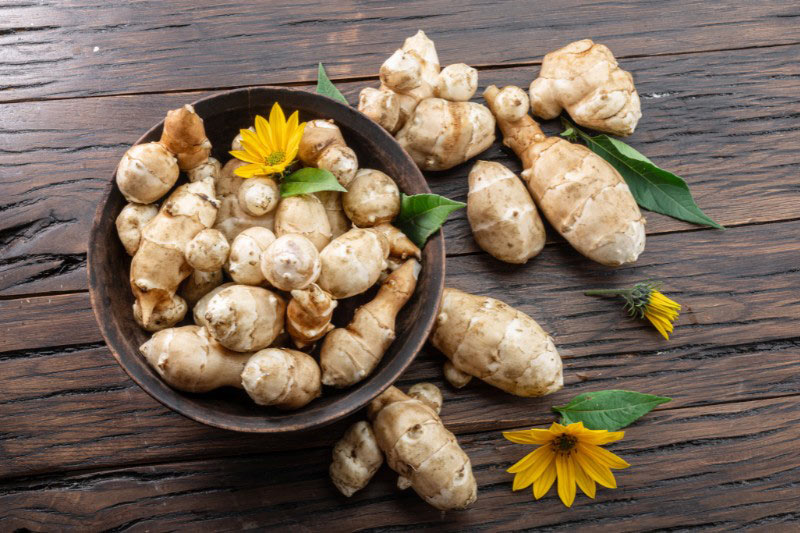
An overlooked vegetable, the Jerusalem artichoke, also known as Earth pear, Jerusalem artichoke, or Canadian truffle, is a root vegetable and perennial, cultivated for its edible tuber. Long dethroned in favour of the potato, it is now making a grand return to the vegetable garden and our plates! We explain why it is generating so much interest, what its qualities are, and how to grow it.
To learn everything about the Jerusalem artichoke and its cultivation, check out our complete guide: "Jerusalem Artichoke: planting, harvest, cultivation".
What is the Jerusalem artichoke?
The Jerusalem artichoke or Helianthus tuberosus is a perennial plant from the Asteraceae family originating from the central United States, where it was cultivated by Native American tribes. It was imported to France in 1607 and was widely consumed during World War II, as it was not requisitioned by the Germans, unlike the potato. It was later dethroned in favour of the latter, probably because it was associated with that dark period and synonymous with famine.
The Jerusalem artichoke forms large clumps reaching heights of 2.5 m to 3 m (but there are also dwarf varieties that do not exceed 50 cm in height). Its long, upright, rough stems bear dark green, oval to lanceolate leaves, 10 to 20 cm long, and at their top, from August to October, lovely yellow flowers resembling those of the sunflower, which belongs to the same family. It produces fleshy, nodose tubers that resemble ginger roots. This very vigorous plant spreads quickly thanks to its tubers, making it somewhat invasive. The Jerusalem artichoke is also closely related to Helianthus, another forgotten vegetable.
There are many varieties of Jerusalem artichoke, offering different shapes and colours of tubers, as well as different flavours. The variety 'Culinary Spindle', for example, is distinguished by its elongated, beige tubers with a slightly sweet flesh. There are also pink Jerusalem artichokes or purple ones.
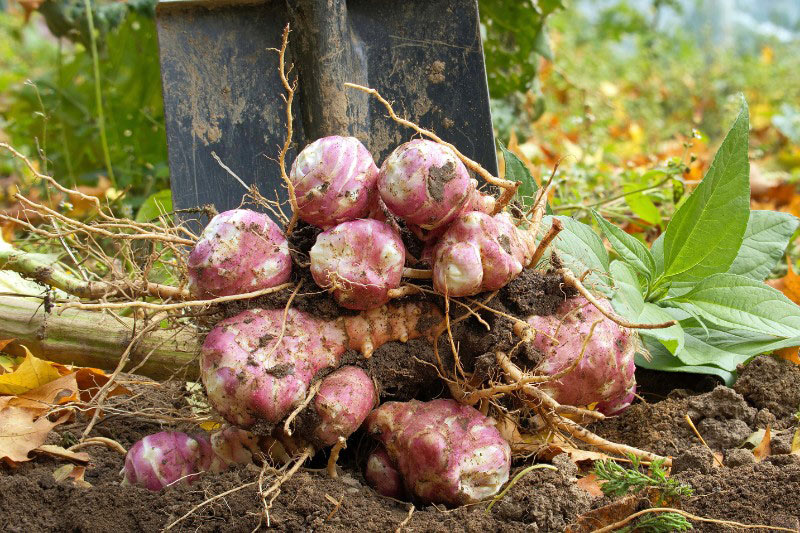
Why is the Jerusalem artichoke back in the spotlight?
The Jerusalem artichoke is back in the limelight for several reasons:
- Its taste qualities: The tubers of the Jerusalem artichoke have a delicate flavour reminiscent of artichoke, water chestnut, or salsify, with a slight sweetness. The Jerusalem artichoke is now being rehabilitated by top chefs. The famous Michelin-starred chef Alain Ducasse makes a delicious velouté from it.
- Its nutritional qualities: The Jerusalem artichoke is reputed to be rich in fibre, phosphorus, potassium, iron, and B vitamins. It contains no starch. Although it has a slightly sweet taste, this is due to the presence of inulin, a natural fibre that does not affect blood sugar levels: the Jerusalem artichoke is therefore particularly suitable for diabetes. Additionally, inulin has the advantage of helping to regulate transit. Low in calories, the Jerusalem artichoke contains only 60 to 80 kcal per 100 g.
- Its ease of cultivation: In addition to being a perennial vegetable, the Jerusalem artichoke is very easy to grow. It even tends to be a bit invasive! However, there are now dwarf varieties that adapt to pot cultivation, which can be placed, for example, on a terrace. The Jerusalem artichoke is also perfectly hardy.
- Its productivity: The Jerusalem artichoke is very productive, even in poor soils. It can yield up to 3 kg of tubers per square metre under ideal conditions.
Adding to this is its lovely yellow flowering, which makes it a very ornamental plant! The Jerusalem artichoke will fit wonderfully into a productive ornamental garden, both beautiful and productive.
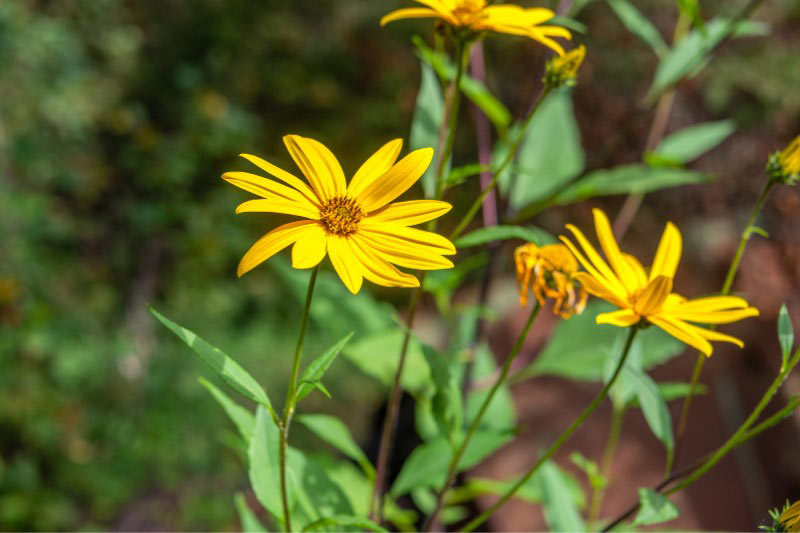
How to grow it?
The tubers are planted from February to June, for a harvest from November to March. The Jerusalem artichoke thrives in full sun or partial shade and prefers light, well-drained soils that are fairly rich in humus. However, it grows in any type of soil as long as it is sufficiently draining. For more information, feel free to consult our advice sheet "Planting Jerusalem artichokes".
Being somewhat invasive, it is important to allocate an appropriate space for the Jerusalem artichoke. Place it away from the vegetable garden (where it might smother other vegetables), for example, in a neglected corner of the garden. The dwarf varieties, which generally do not exceed 50 cm in height, can be planted in pots and are particularly suited for small gardens.
The tubers are harvested about 7 months after planting. Dig them up with a fork as needed. Once harvested, they do not keep well (only 2 to 3 days in the refrigerator), so it is better to only take what you need. It is also because the tubers do not store well that they are very rarely sold commercially… All the more reason to grow the Jerusalem artichoke in your garden!
How to cook it?
The tubers of the Jerusalem artichoke are usually peeled before consumption, but they can also be rinsed or brushed to remove dirt. The largest and least knobby tubers are obviously easier to peel. To prevent their flesh from oxidising and turning brown, you can soak them in water mixed with lemon juice. It is best to consume the Jerusalem artichoke in small quantities, as it has carminative properties and can be somewhat difficult to digest.
The Jerusalem artichoke lends itself to many recipes! Here are some suggestions for cooking it:
- In salad: sliced or grated, like carrots, dressed with vinaigrette, for example.
- In gratin: you can make a variation of gratin dauphinois by replacing the potatoes with Jerusalem artichokes.
- In soup or velouté: with fresh cream and roasted hazelnuts.
- Sautéed: with potatoes, mushrooms, and onions. You can enhance your dish with garlic, herbs de Provence...
- In purée: combine them with potatoes to make a delicious purée. Season with cumin and nutmeg.
- Baked: you can roast Jerusalem artichokes, seasoned with thyme, for example.
An overlooked vegetable, the Jerusalem artichoke, also known as Earth pear, Jerusalem artichoke, or Canadian truffle, is a root vegetable and perennial, cultivated for its edible tuber. Long dethroned in favour of the potato, it is now making a grand return to the vegetable garden and our plates! We explain why it is generating so […]
This year, we tested around twenty varieties of tomatoes to grow in the vegetable garden to select the best among them. However, as tomato cultivation varies from region to region, Ingrid and Sophie tested them in their respective gardens: one in the north of France, the other in the south of the country. This almost sparked a tomato war! But it was all for the delight of their taste buds. Discover our 5 favourite tomato varieties, selected based on several criteria and according to the region, with a bonus variety that left us a bit disappointed.
Our selection criteria
1- Taste
Taste is one of the most important criteria. Depending on the varieties and growing conditions, tomatoes can have a more or less sweet or tangy flavour, with textures ranging from juicy to crunchy. It’s worth noting that cherry tomatoes are often the sweetest, but again, it all depends on ripeness and the growing region.
2- Productivity
The productivity of tomato plants is also a key selection criterion, especially as it strongly depends on the varieties and their earliness, particularly in the north. The climatic conditions (sunlight, temperatures, etc.) can also influence the yield of each tomato plant.
3- Cultivation and care
Some tomato varieties can form a tall and wide bush, which requires staking to prevent branch breakage under the weight of the fruits. Other cultivars are much smaller ('Green sausage') and take up less space, even being suitable for pot cultivation. We also considered the resistance of the varieties to diseases, particularly the infamous blight, as well as to pests and drought that we experienced in the summer of 2022.
4- Fruit size
The size of tomatoes can vary significantly depending on the variety, from a few centimetres for cherry tomatoes ('Yellow pearshaped', 'Mexican honey') to over 10 centimetres for the largest varieties, such as tomato 'Ananas' or 'Brandywine'. They also vary in shape, colour, and texture. Small cherry tomatoes are perfect for appetizers, medium varieties for salads, while the larger ones are ideal for making sauces, tomato purée, or stuffed tomatoes.
Ingrid: our top 5 for the North
Tomato 'Mexican Honey': the most abundant - 19/20
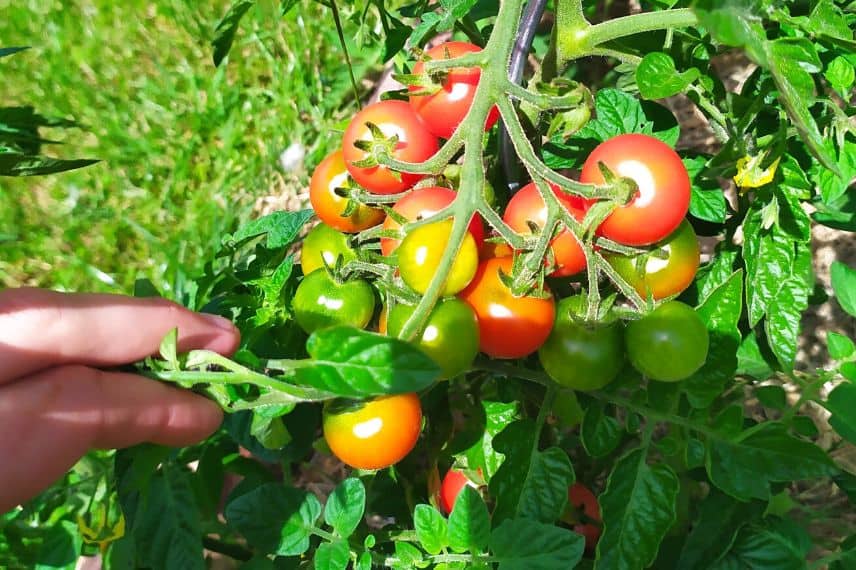
This is the tomato that captivated me the most. This cherry tomato variety is among the first to harvest, but also among the last! Good productivity throughout the summer (almost daily!), good resistance to drought and also to diseases (the last to catch blight in autumn). These small red tomatoes are very juicy, with a slightly sweet flavour.
Tomato 'Green Zebra': the most original - 17/20
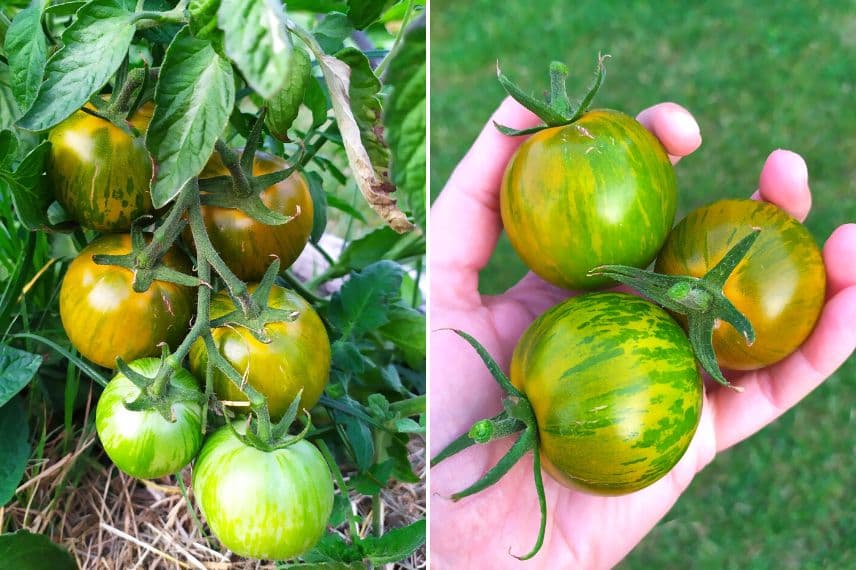
Here’s a beautiful original tomato, with its lovely anise green colour, striped with yellow-orange and a very sweet, emerald green flesh that is full of flavour. We loved it in salads or simply with a drizzle of olive oil. It is a bit late to ripen, but this detail is quickly forgotten thanks to its taste, good productivity, and drought tolerance.
Tomato 'Oaxacan Jewel': an excellent heirloom tomato - 16/20
I particularly love heirloom tomatoes, and this variety met my criteria: early, with beautiful juicy fruits (50 to 130 g) with a pink-orange skin and a lovely bicolour flesh, yellow-orange and red. It is perfect for salads and making sauces.
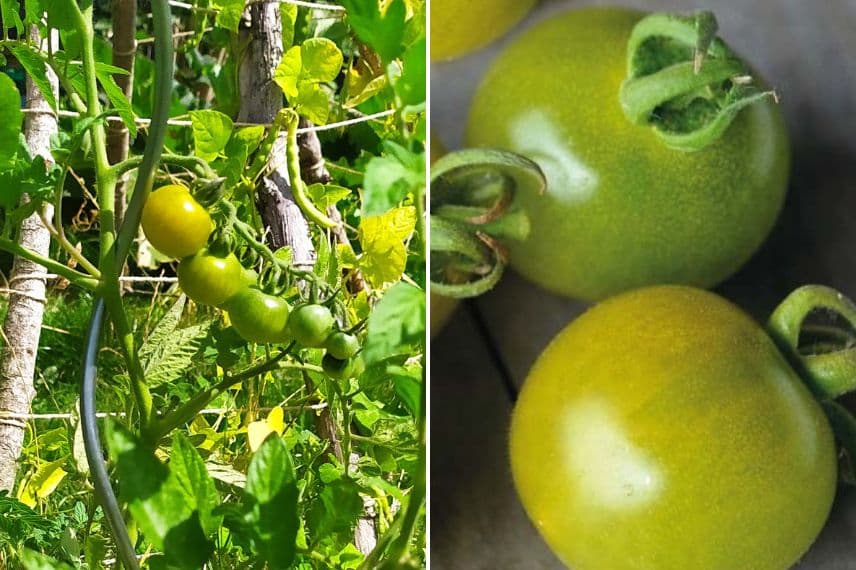
Tomato 'Green Doctor's Frosted': the sweetest - 15/20
These surprising small green cherry tomatoes have particularly juicy and sweet flesh! A delight for appetizers. Almost like a sweet treat that you eat out of indulgence! It’s actually my children’s favourite.
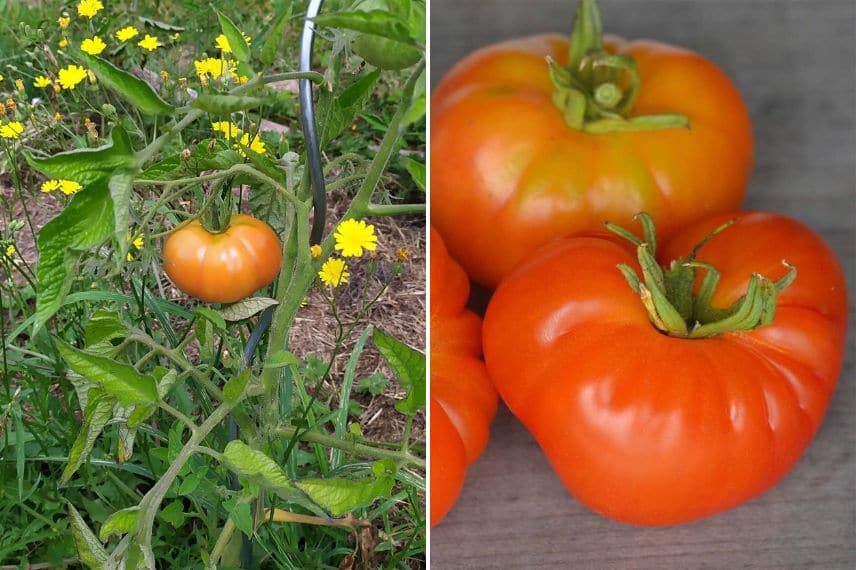
Tomato 'Brandywine': the most fleshy - 14/20
A beautiful variety that provided us with large fruits, between 200 and 300 g each! This tomato is beautifully pink-red, slightly ribbed, very juicy and flavourful. Excellent in salads, in sauces, or as stuffed tomatoes.
Sophie: our top 5 for the South
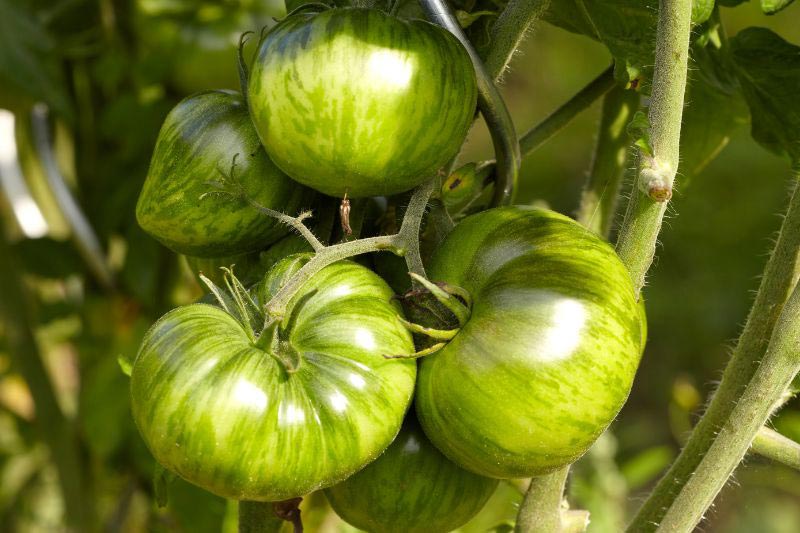
Tomato 'Green Zebra': the tastiest - 18/20
With its stunning colours, striped with yellow and green, the 'Green Zebra' catches the eye in the garden, as well as on the plate. Then, upon tasting, it reveals the best qualities among all the tested tomato varieties: it has a sweet and tangy flavour, slightly sweet, and a fairly firm texture that makes it ideal for salads. Medium-sized, it is easy to handle, use in cooking, and snack on directly in the garden! I found it easy to grow, resistant to drought and common tomato diseases, in short, accessible to all gardeners, even beginners.
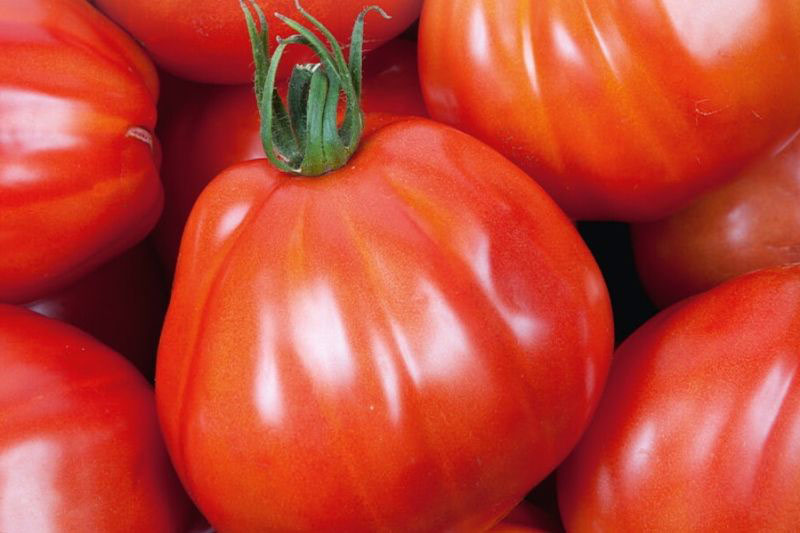
Tomato 'Liguria': the most fleshy - 18/20
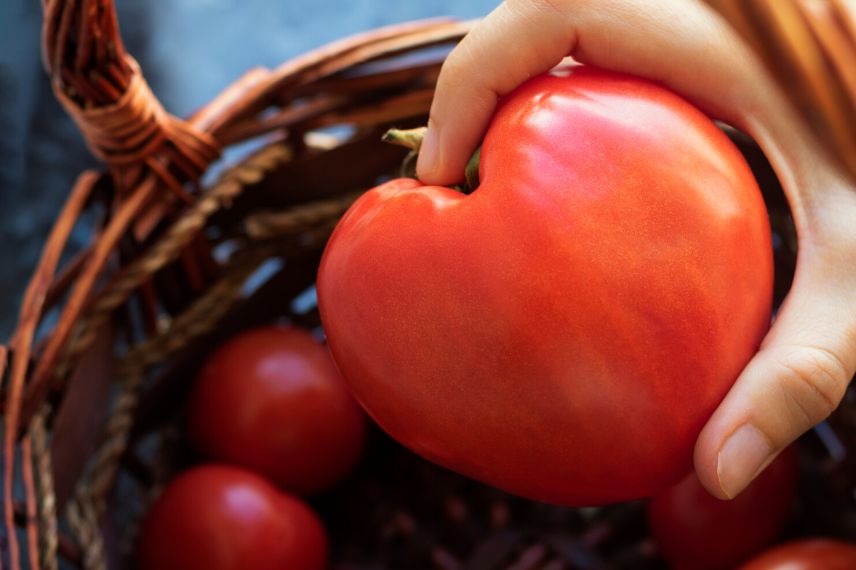
Of the Beefheart type, the variety 'Liguria' produces many very large ribbed red fruits. This variety captivated me with its generosity, but also with its very interesting taste qualities, with few seeds. It can be enjoyed raw, but is also ideal for stuffed tomatoes, sauces, or purées.
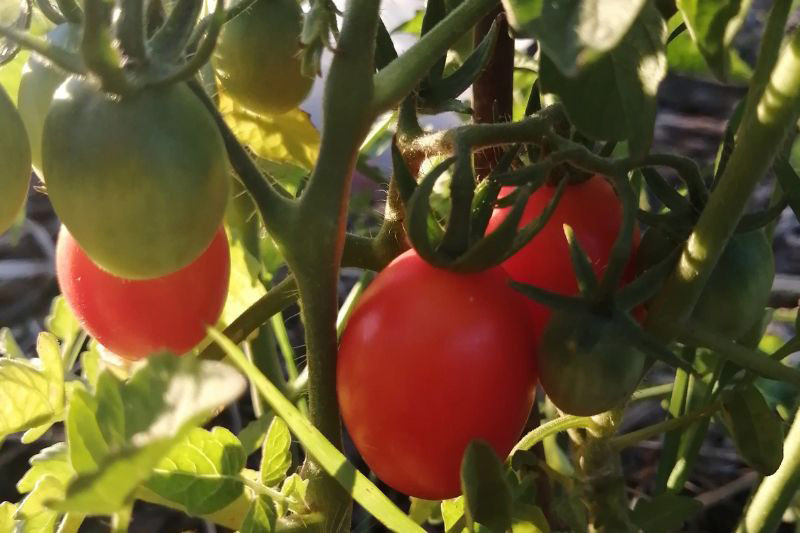
Tomato 'Prince Borghese': the sweetest - 16/20
A cocktail-type cluster tomato, very tasty and quite firm, with a well-sweetened flavour. In the garden, 'Prince Borghese' forms plants about 1m tall that are quite compact, making it ideal for cultivation in a square garden or in small gardens. The clusters are numerous and generous, and the fruits can be stored for a long time.
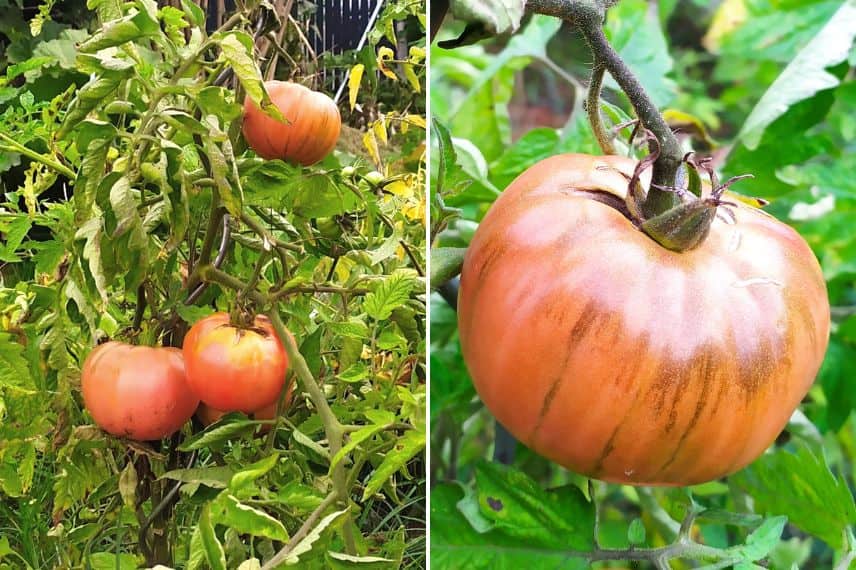
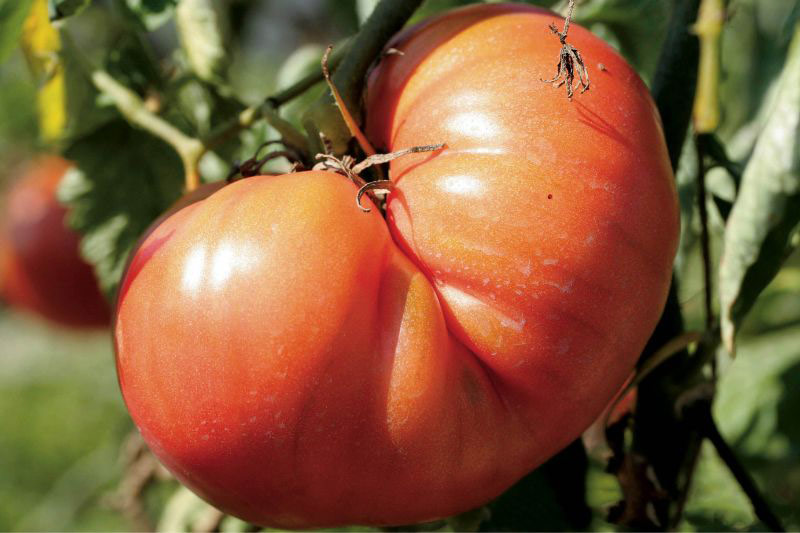
Tomato 'Brandywine': the juiciest - 15/20
The colour of this tomato is not very attractive, as we instinctively associate taste qualities with a beautiful red colour. Its skin is a pale red, striped with green at the base. But when you taste them, you immediately change your mind: 'Brandywine' has a fine, fragrant, and sweet flavour and is very juicy. Best enjoyed as is, well-ripened and sun-soaked, just with a drizzle of olive oil!
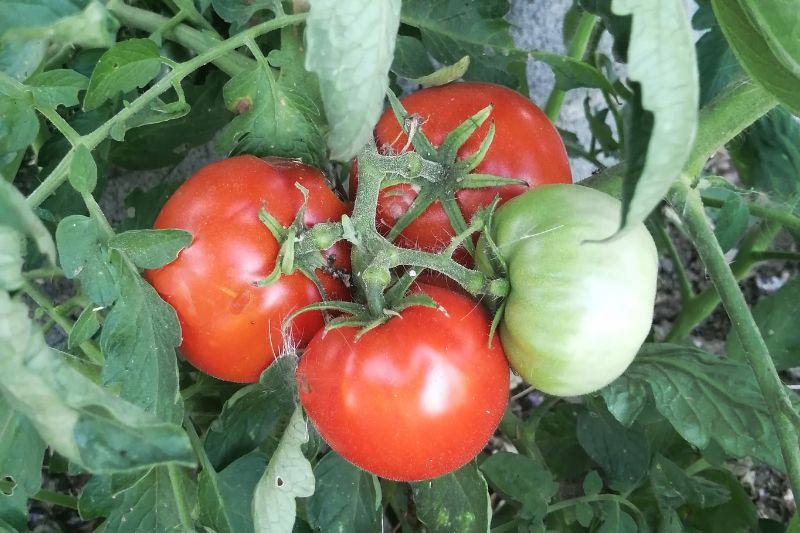
Tomato 'Rio Grande': the most productive - 14/20
A 'Roma' type variety that produces clusters of oblong, very fleshy red fruits, 'Rio Grande' is not only particularly tasty and firm in texture, but this tomato variety also produces an abundance of fruits throughout the season. Its plants have vigorous growth and can reach a height of 1.5 to 2 metres, producing many fruits. Its disease resistance is an added advantage that helps ensure a plentiful and delicious harvest.
The less successful varieties
For the north: tomato 'Ananas' - 2/20
Very late, despite sowing in April, I harvested the first 'Ananas' tomato only in September! This variety is not suited for my region and struggles with drought and is very sensitive to blight.
For the south: tomato 'Lemon Tree' - 4/20
This tomato is disappointing in taste. Its floury flesh did not win us over; it is neither juicy nor flavourful and too tangy.
Conditions of the two trials
For these two trials, two gardens:
- The first, at Ingrid's, is located in the far north of France, in the town of Hazebrouck, 40 km from Lille.
- The second, at Sophie’s, is located in the south of France, near Narbonne and the Mediterranean coast.
We applied similar growing conditions in both gardens, namely:
- Sowing tomato seeds in pots at the beginning of April, first indoors, then under a cold greenhouse once they have germinated.
- By mid-May, after the risk of frost has passed, the tomato plants are transplanted into the vegetable garden.
- The suckers (side shoots) were not removed.
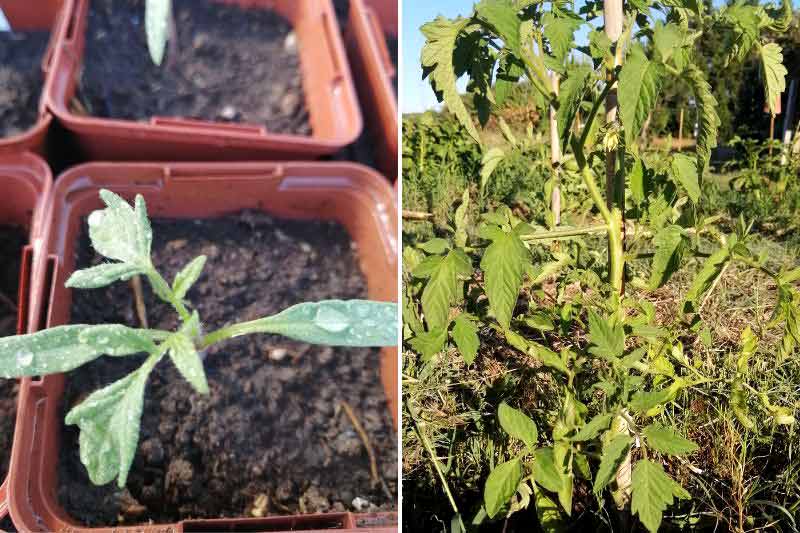
- The first harvests at Sophie’s began in early July, with the tomatoes 'Prince Borghese' and 'Oaxacan Jewel'.
- At Ingrid's, the first harvest started later, around the end of July with the same varieties, but also 'Green sausage', 'Mexican Honey', and 'Orange Berry'.
- It is worth noting that both regions experienced summer drought, with plenty of sunshine and little rain.
List of tested tomatoes
Large fruit tomatoes
- Tomato 'Yellow Ananas'
- Tomato 'Oaxacan Jewel'
- Tomato 'Rio Grande'
- Tomato 'Jack White'
- Tomato 'Brandywine'
- Tomato 'Black from Tula'
- Tomato 'Black Crimea'
Medium fruit tomatoes
- Tomato 'Little Beefheart'
- Tomato 'Liguria'
- Tomato 'Green Zebra'
- Tomato 'Lancelot'
- Tomato 'Prince Borghese'
- Tomato 'Green Sausage'
- Tomato 'Andean Cornue'
- Tomato 'Lemon Tree'
Cherry tomatoes
- Tomato 'Yellow Pear'
- Tomato 'Mexican Honey'
- Tomato 'Green Doctor’s Frosted'
- Tomato 'Orange Berry'
- Tomato 'Black Cherry'
And you, what are your favourite tomato varieties? Let us know in the comments.
This year, we tested around twenty varieties of tomatoes to grow in the vegetable garden to select the best among them. However, as tomato cultivation varies from region to region, Ingrid and Sophie tested them in their respective gardens: one in the north of France, the other in the south of the country. This almost […]
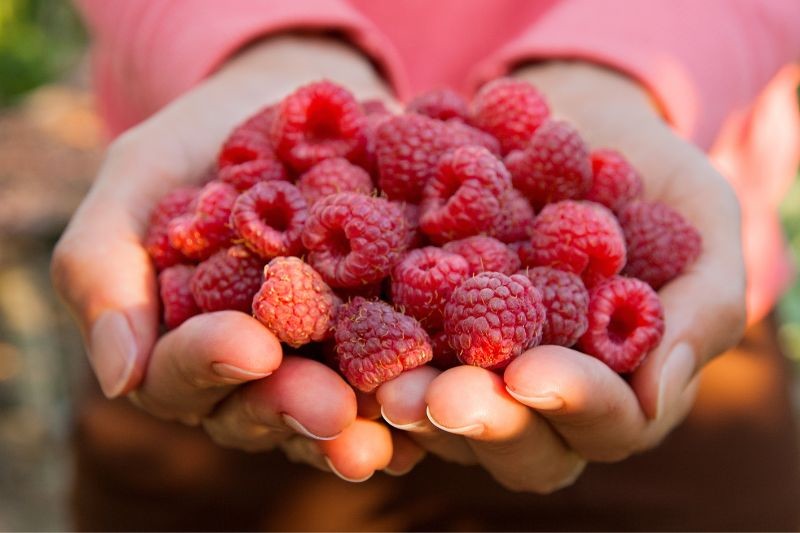
I tested around twenty varieties of raspberry bushes in my garden in Lower Normandy, and then my family and I indulged in our love for sweets. ^^ We tasted, baked, re-tasted, compared, and of course, took notes. Discover our 5 favourite raspberries, selected based on several criteria and a variety that left us a bit disappointed.
Our selection criteria
1- Taste
This is obviously an important criterion! Raspberries can be more or less acidic or sweet, and their flavours can be more or less pronounced, sometimes with hints of blackberries ('Black Jewel'). Red raspberries are often the most aromatic, while yellow raspberries tend to be milder and sweeter.
2- Cultivation and care
Some varieties produce long canes that need to be managed, but there are smaller, even dwarf varieties ('Rustica', 'Ruby Beauty'...) that do not require staking and can be easily grown in pots on a terrace or balcony. Others are more resistant to diseases or pests like the raspberry borer. Finally, thornless varieties ('Glen Ample', 'Autumn Amber', 'Versailles') allow for easier harvesting.
To learn more about staking, read our article: How to properly stake raspberry bushes?
3- Use of the fruit
Depending on the firmness of the raspberries, they are used differently. The firmer ones are best enjoyed fresh or are more suitable for baking, while the others can be used in jam, jelly, or syrup.
4- Everbearing and non-everbearing varieties
Everbearing varieties produce twice a year (once at the end of summer and again in June-July the following year), while non-everbearing varieties only offer a single, abundant harvest in early summer. It is possible to mix both to extend the enjoyment.
5- Productivity
Some varieties are more productive than others, but you will need to wait three years of cultivation to achieve the abundant harvests you desire.
Note that it is possible to mix several varieties to improve production.
Our Top 5
Raspberry 'Marastar': the largest fruits - 19/20
This raspberry bush gave us the largest fruits! We enjoyed their flavour as well as their firmness. This is undoubtedly the best raspberry bush, both for baking and for table consumption.
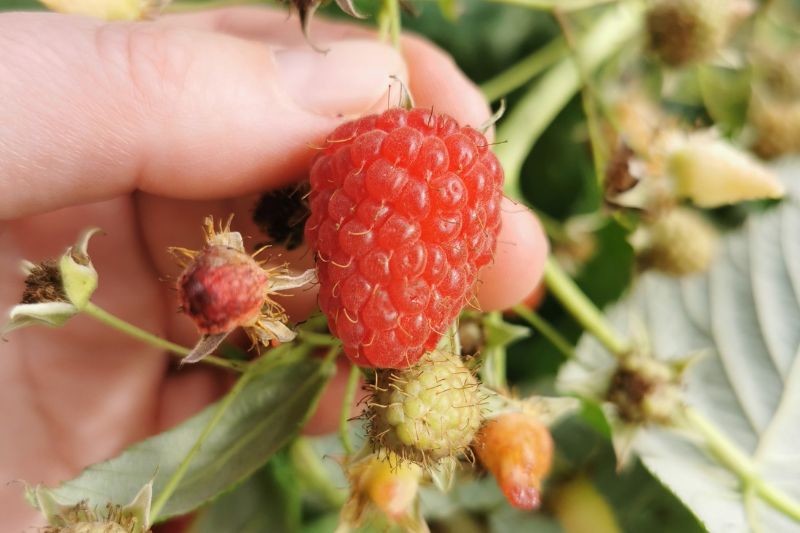
Blackberry Raspberry 'Buckingham Tayberry': a delicious blackberry aroma - 17/20
Halfway between a blackberry and a raspberry, this variety produces large, elongated fruits with a subtle aroma. It is a climbing and productive variety. It is undoubtedly the most original of all.
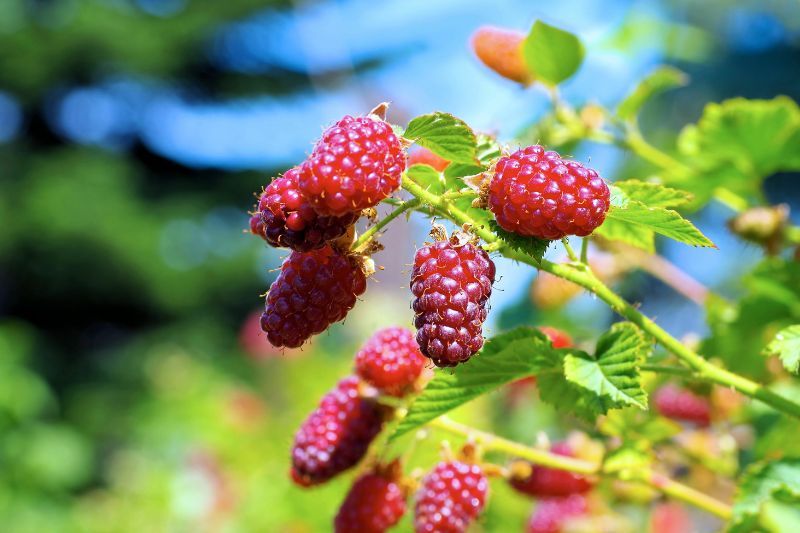
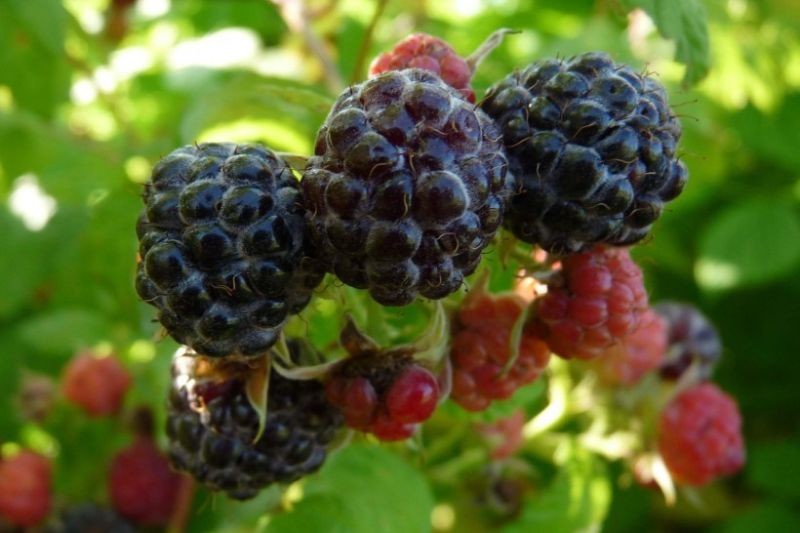
Raspberry 'Black Jewel': astonishing black fruits - 16/20
This raspberry bush surprised us all with the colour of its fruits, which have pronounced blackberry aromas. With a firm texture, the fruits are also perfect for baking. Finally, it is a low-running variety.
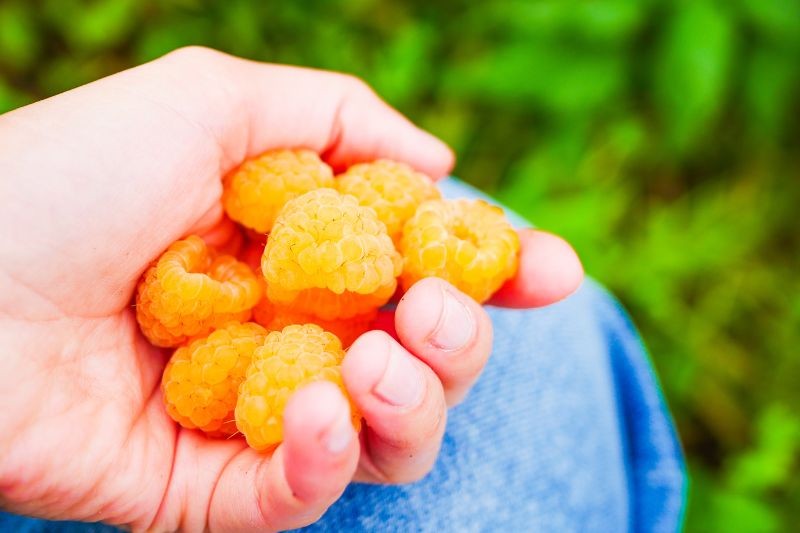
Raspberry 'Fall Gold': the children's favourite - 14/20
Its yellow raspberries are not acidic and are a hit with sweet-toothed individuals. It's impossible to visit the garden without snacking on its fruits along the way. It impressed us with its vigour and productivity. However, it is very suckering and requires a large growing area.
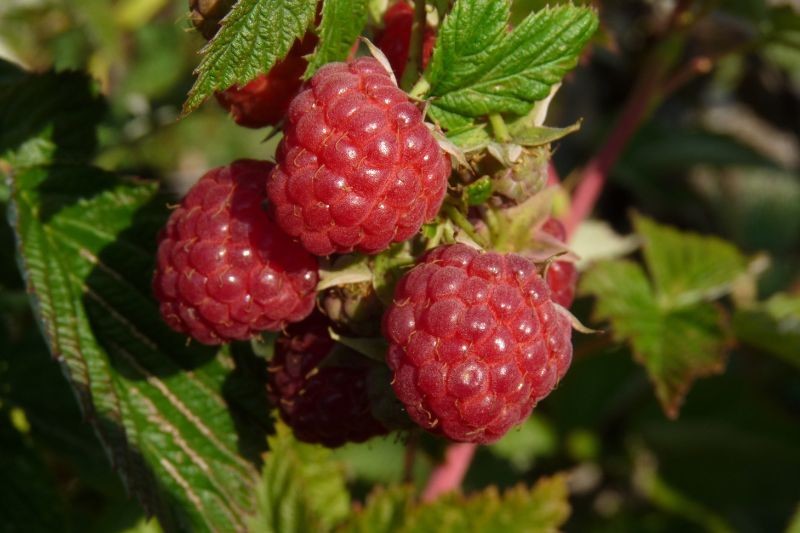
Raspberry 'Autumn First': perfect for jam - 14/20
This variety is the most productive, it is well everbearing and early. It produces very aromatic fruits. For us, it is the best for making raspberry jams, jellies, or syrups.
The least impressive student
Raspberry 'Groovy': ornamental - 9/20
We appreciated this variety for its ornamental character. Its golden foliage is incredible and fits very well into a flowerbed. While it holds up well and does not require staking, it produces too few fruits for our taste, unfortunately!
Caring for raspberry bushes
To maintain my raspberry bushes, I add a good layer of homemade compost every autumn. In spring, I supplement with a special fertiliser for small fruits and then I cover the soil with mulch (shredded material, dried grass clippings, or fallen leaves in autumn) to retain moisture.
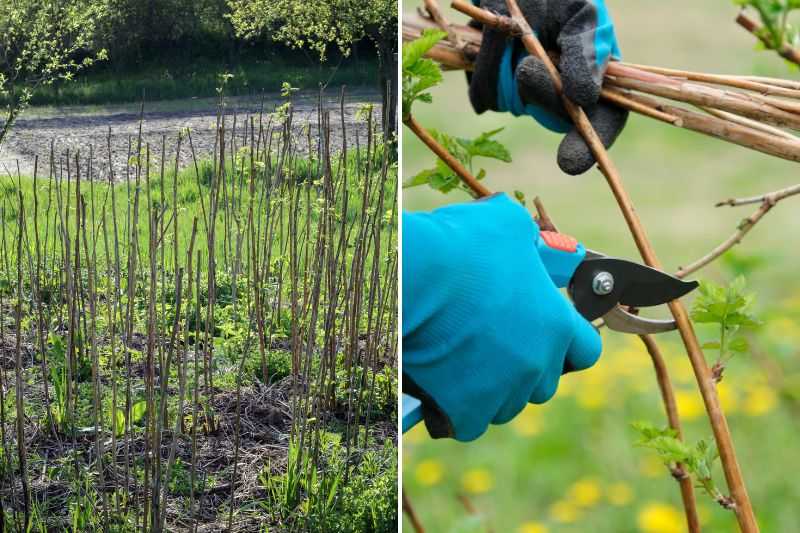
Equipped with a pair of gloves and armed with a pruning shear that is clean and well-sharpened, I always take care to remove dry, weak, or diseased stems and then I remove the suckers using a spade.
As for pruning, it's simple:
- For non-everbearing raspberries: I intervene after the harvest, but it can also be done in winter. I remove all the canes that have fruited, the weakest suckers that will yield nothing, and I keep 8 to 10 shoots per clump.
- For everbearing raspberries: In August, I completely remove the canes that have fruited twice, then in winter, I prune about 1/3 of the canes that fruited the previous autumn, ensuring harvests for the next summer.
To learn more about maintenance, check out our complete guide on raspberries as well as Ingrid's tips: pruning raspberries will hold no secrets for you.
List of tested raspberry varieties
- 'Autumn Amber'
- 'Black Jewel'
- 'Blissy' or 'Autumn Bliss'
- 'Bohème'
- 'Buckingham Tayberry'
- 'Raspberry Delight'
- 'Fall Gold'
- 'Glen Ample'
- 'Golden Everest'
- 'Groovy'
- 'Heritage'
- 'Magnific Delbard'
- 'Malling Happy'
- 'Malling Promise'
- 'Marastar'
- 'Meeker'
- 'Little Sweet Sister'
- 'Ruby Beauty'
- 'Paris'
- 'Rustica'
- 'Versailles'
- 'Willamette'
- 'Zeva'
The choice was really difficult as other varieties were also excellent, such as 'Malling Promise', 'Heritage', or 'Versailles' for example.
And you, what are your favourites? Let us know in the comments.
I tested around twenty varieties of raspberry bushes in my garden in Lower Normandy, and then my family and I indulged in our love for sweets. ^^ We tasted, baked, re-tasted, compared, and of course, took notes. Discover our 5 favourite raspberries, selected based on several criteria and a variety that left us a bit […]
The new year has just begun, bringing with it good resolutions and the desire to prepare your vegetable garden, particularly by purchasing your seed potatoes to grow. But when can you really buy your potatoes? What should you do with these precious tubercles while waiting for planting in the garden? Discover our tips for buying, storing, and preparing your potatoes for planting.
As from January for a good selection
Seed potatoes are often available from the beginning of the year, in January. The undeniable first advantage of buying your potatoes early is having a choice of variety: early potatoes, late potatoes, blight-resistant potatoes, or original and colourful potatoes, there is something for everyone.
Tip: at Promesse de fleurs, you can place an order and defer your delivery to a time of your choice.
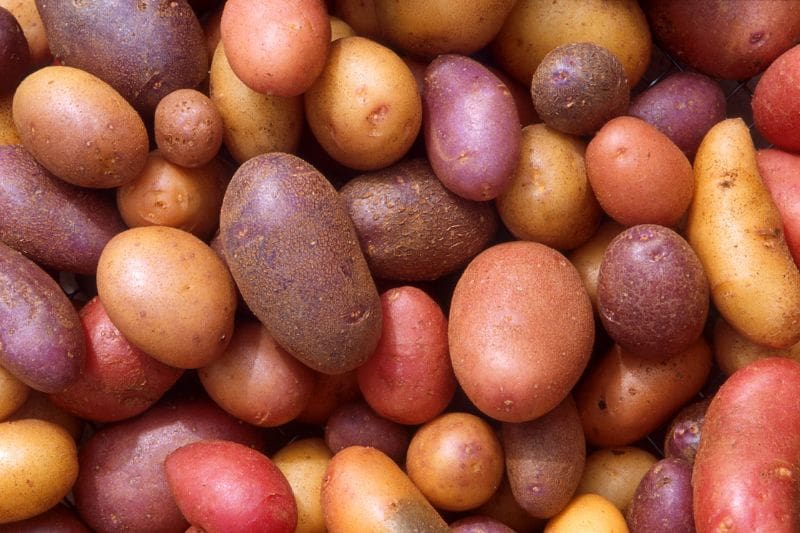
From January to April depending on the climate and planting period
Did you know that you should buy your potatoes at least 6 weeks before the planting period? Indeed, to achieve a good yield, the potato needs to be chitted for 4 to 6 weeks before planting. The vigorous shoots obtained allow for better resistance of the potato plants to moisture. Additionally, this process speeds up the harvest period and consequently the crop rotation in the vegetable garden.
You should therefore determine your purchase date based on your planting date, taking this chitting period into account.
For southern regions:
The mild winters in the south of the country allow for planting as early as February-March under cover for the so-called "early" potatoes. Thus, we will buy our seed potatoes for growing under cover about a month in advance, in January.
Outdoor cultivation will begin around March to April, when the soil temperature exceeds 10°C. In this case, you should buy your potatoes around February-March.
For other regions:
In regions with harsher winters, the planting period under cover generally starts around March. You can therefore buy your seed potatoes for growing under cover 4 to 6 weeks before planting, starting in February.
For outdoor planting, this occurs between March and May, when the risk of late frosts has passed and soil temperatures are above 10°C. Taking the chitting time into account, you should buy your potatoes between February and April.
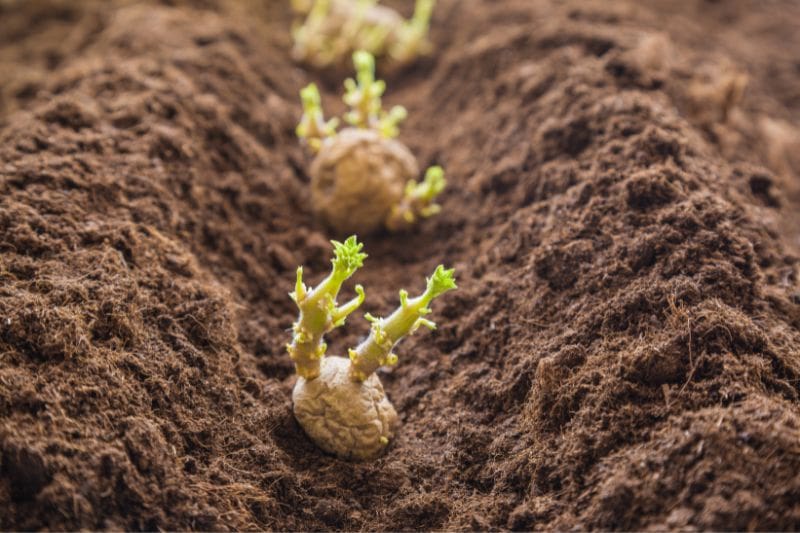
How to store potatoes in the meantime?
If you have bought potatoes too early, you can store them for several weeks in a wooden box or a jute sack. Then place your potatoes in the dark, in a cool, frost-free, dry, and ventilated place, such as a cellar or a garage without windows.
If, despite your efforts, some shoots appear well before the desired chitting period (4 to 6 weeks before planting), you can remove them to prevent the tubercles from exhausting themselves.
Until when can you buy potatoes?
The last potatoes can be purchased until May, for planting at the latest in June. Indeed, depending on the variety, potatoes need to be grown for 60 to 120 days to yield a bountiful harvest. You will need to consider this growing time and the chitting time to choose the appropriate variety.
Also take into account your weather and temperatures at the end of summer, particularly towards the end of August and September. In very cold (for example, mountainous) or very humid regions, growing potatoes late in the season can be compromised. It is better to "anticipate" and plant in April-May or use cloches or fleece covers.
Further reading:
- Find all our varieties of potatoes.
- To learn everything, check out our complete guide on potatoes: planting, cultivation, and harvest.
The new year has just begun, bringing with it good resolutions and the desire to prepare your vegetable garden, particularly by purchasing your seed potatoes to grow. But when can you really buy your potatoes? What should you do with these precious tubercles while waiting for planting in the garden? Discover our tips for buying, […]
The Yello! Berryblue Blueberry® is a brand new variety that is both ornamental and productive. Flowering occurs in early May, featuring charming little white bells edged with pink.
From July to August, this American blueberry bush produces large, sweet, and fragrant blue fruits. Finally, it is in autumn that the bush stands out the most, as its deciduous foliage takes on a stunning coppery orange hue before falling.
Extremely cold-resistant, this small fruit tree will not exceed 1.25 m in height and 80 cm in width, making it ideal for small spaces or even container growing. Moreover, it is a self-fertile variety: it does not require another blueberry bush nearby to produce fruit.
Although easy to grow, blueberries require specific growing conditions: an acid soil (pH between 4 and 5), light, rich in humus, and a location that is somewhat shaded. These qualities were lacking in my garden, which has heavy, clayey, and neutral soil. The blueberry harvest was off to a poor start! I improved my soil at the time of planting the blueberry bush with well-decomposed compost and by mixing in some gravel with the extracted soil. An addition of heather soil was also necessary to provide acidity. If you do not have such conditions in your garden, plant it in partial shade, in a container filled with forest heather soil.
It was only natural that I paired my blueberry bush with other heather soil shrubs: Rhododendrons and Azaleas, Camellias, Andromedas, Cranberries and red bilberries that require the same growing conditions.
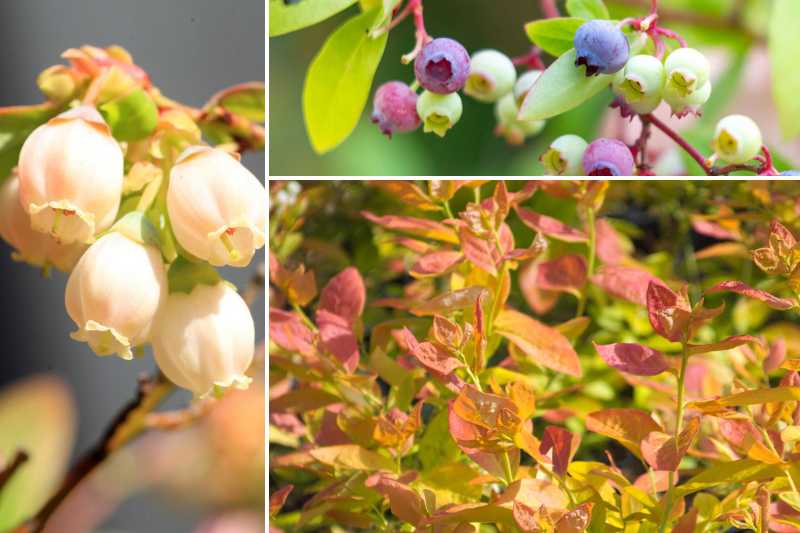
The Yello! Berryblue Blueberry® is a brand new variety that is both ornamental and productive. Flowering occurs in early May, featuring charming little white bells edged with pink. From July to August, this American blueberry bush produces large, sweet, and fragrant blue fruits. Finally, it is in autumn that the bush stands out the most, […]