Further reading…
Making a garden resilient, stronger in the face of the repeated heatwaves our countries now suffer, is one of the challenges of the Chaparral garden, which draws on flora from extreme climates, such as those found in New Mexico or California. The multiple heatwaves of summer 2026 confirm this reality and will certainly steer us towards undemanding plants that are also hardy in our winters. Discover this new type of garden, inherently waterwise, low-maintenance and very promising.
What is a chaparral?
Chaparro is a Spanish word referring to several oak species (Quercus ilex, holm oak, but also Quercus coccifera and sometimes cork oak). The term also covers less well-known species such as Castela tortuosa, a shrub native to arid areas of Mexico and southern United States.
Chaparral is nothing more than an area of scrub and shrubs, forming a specific ecosystem in Mediterranean climates. It generally resembles a stand of holm oaks, in other words a garrigue or maquis, terms and landscapes more familiar to us. The name in Spanish denotes a biome found mainly from Mexico to California, and in Europe around the Mediterranean such as Andalusia or Sardinia. These areas are wooded, populated by shrubs and undershrubs able to withstand very hot conditions.
Plants able to grow in chaparral are often sclerophyllous (small, leathery leaves covered by a protective cuticle), sharing unique adaptations to this dry environment: deep roots, grey-green leaves that reflect light, and essential oils that limit evaporation.
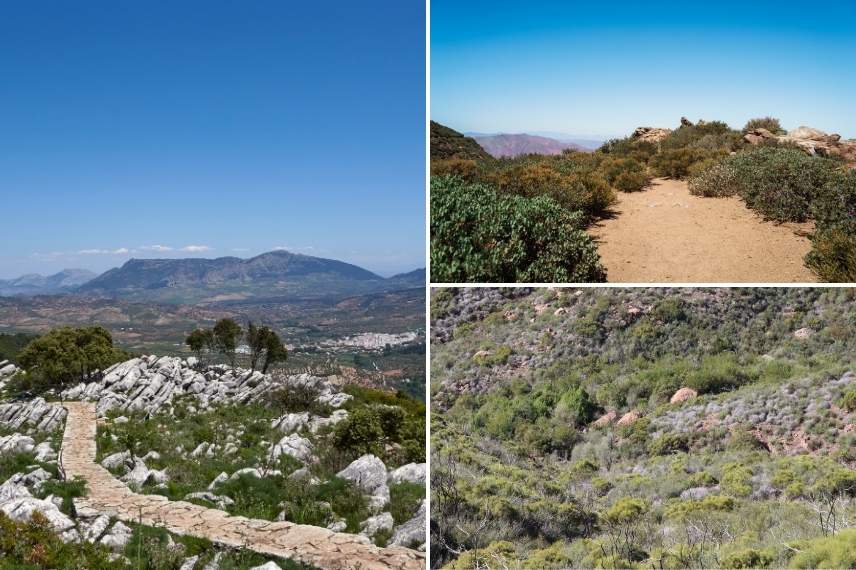
We imagined three scenes to reproduce, in spirit, this ultra-resilient type of landscape. You can create a single area of the garden that receives particularly strong summer sun, or treat the whole garden in this style, provided you live in temperate valleys or mild zones of the country.
Adapting the chaparral to a dry exotic garden
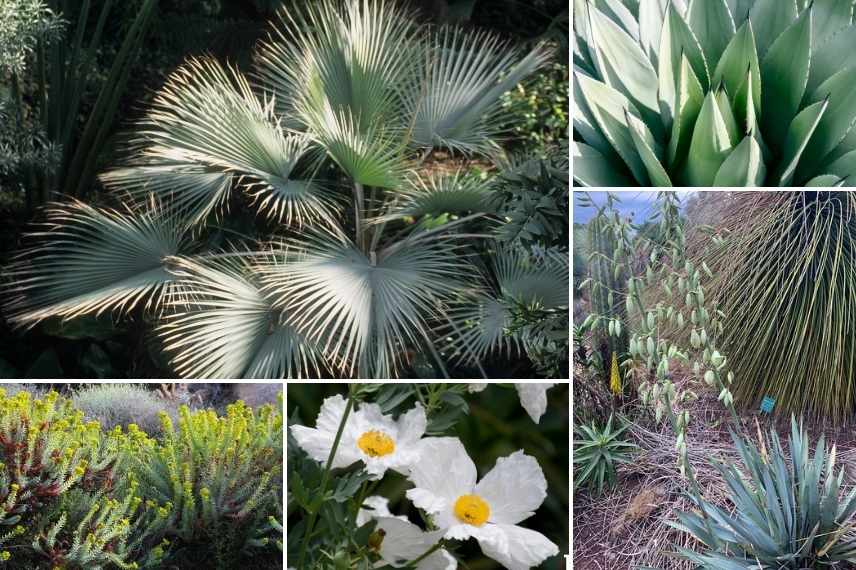
A dry garden can create a sublime scene with exceptional plants.
Here we play with a palette of blue-tinged foliage using plants surprisingly resistant to short frosts in winter, not exceeding −10°C. The tree poppy, a Californian and Mexican plant with wonderful white flowers, and the Mexican blue palm for an original backdrop, have proven able to withstand very dry summers. Once well established, Romneya poses no real hardiness issues. A Yucca pallida joins them to form that superb silvery-blue base, accompanied by an agave hardy enough such as Agave parryi or Agave montana.
A Mediterranean perennial, Euphorbia pithyusa, a Balearic spurge that stays low, and a Mexican-origin plant, Mathiasella bupleuroides 'Green Dream' with jade-green flowers, naturally fit among these plants. We bring in chartreuse and blue-green tones for a duet of colours evoking Mediterranean aridity.
NB: this blue planting can easily be part of a blue garden, located in the sunniest, driest part of the garden!
Transport yourself to Lanzarote
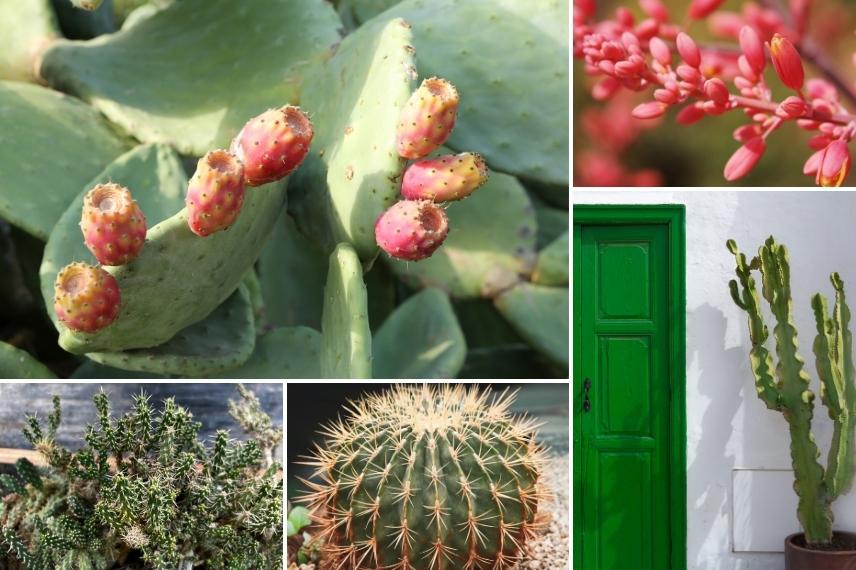
Lanzarote's cactus gardens are exceptionally photogenic. On this volcanic archipelago grow sclerophyllous plants with small leathery leaves adapted to drought, and spiny cacti. Drawing inspiration from them, while carefully selecting cacti cold-hardy enough for our winters, allows creation of a unique area within a dry garden, ready to face repeated summer heat spikes. Ensure perfect drainage, as this type of garden cannot tolerate any standing moisture in winter.
A prickly pear, well adapted to sea spray, is interesting for its slightly greater hardiness (down to around −15°C for some) and its unique habit with large spiny pads. Plant them liberally; choices include Opuntia scheeri or Opuntia engelmannii var. rastrera, among many others. In this distinctive setting, succumb to oddity of Cylindropuntia kleiniae, a cousin of opuntias, quite cold-hardy and producing a beautiful magenta summer bloom. Complement the area with a Hesperaloe parviflora and an Echinocactus grusonii, the golden barrel cactus often seen on the island.
This type of garden is intended for warm, mild regions of the country with less severe winters and dry summers.
Use pumice or black volcanic stones to simulate island soils and to ensure drainage. Finishing touch? a whitewashed house with green shutters to reproduce another characteristic of this island close to African coasts.
... or to landscape a poor, unproductive slope
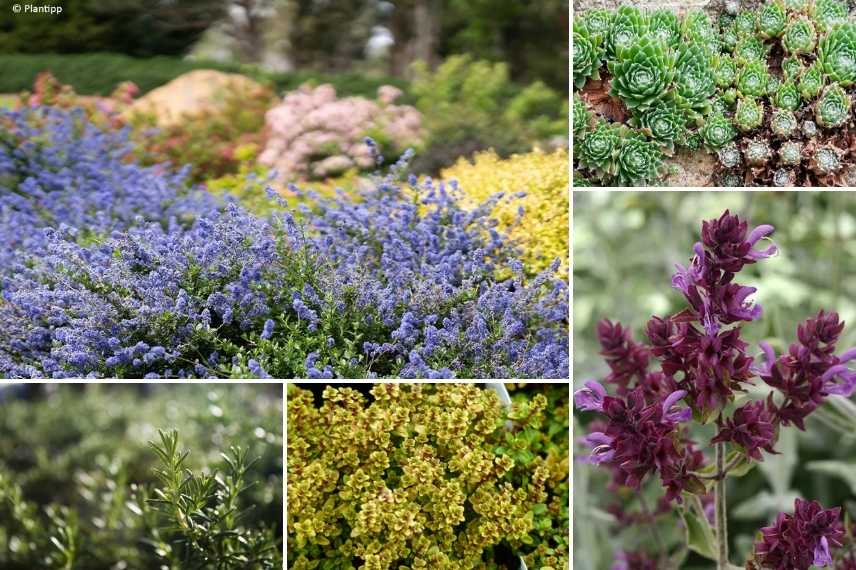
A south-facing, dry and unproductive slope can also be transformed into a resilient space by imitating the chaparral, an ecosystem adapted to extreme conditions.
To turn poor soil into a semi-desert rockery, favour low, hardy shrubs such as cistus (Cistus), a California lilac like the ceanothus ' Pacific Wave' or its groundcover form (C. thyrsiflorus 'Repens'), a prostrate rosemary and some sempervivums. These plants, with deep roots and leathery or fleshy leaves, tolerate drought and poor soils perfectly. Add a golden thyme, and some sages (such as Canary Island sage 'Lancelot'), aromatic plants that will scent the garden while attracting pollinators.
Once established, these plants require little watering and maintenance. Their dense foliage will protect soil from erosion and limit growth of weeds that are unwanted on the slope. A mineral mulch will help conserve moisture and enhance the slope's natural appearance. A few ochre or orange boulders placed here and there will also help evoke Californian or Andalusian maquis while enhancing the area.
Discover our selection of succulents and perennials on our "Dry garden" page online, and our inspiration in the trend booklet 2026!
Since Beth Chatto, the dry garden movement has increasingly been seen among landscapers and in gardening magazines and books. We cover it in detail in Designing a dry exotic garden, Laying out a gravel garden, the Californian-style garden and the garrigue garden, as well as strong trends recently seen at the Chelsea Flower Show in London, such as the antipodal garden and the sand garden.
Find all garden trends for 2026 in: What are the five major trends for 2026?
Making a garden resilient, stronger in the face of the repeated heatwaves our countries now suffer, is one of the challenges of the Chaparral garden, which draws on flora from extreme climates, such as those found in New Mexico or California. The multiple heatwaves of summer 2026 confirm this reality and will certainly steer us […]
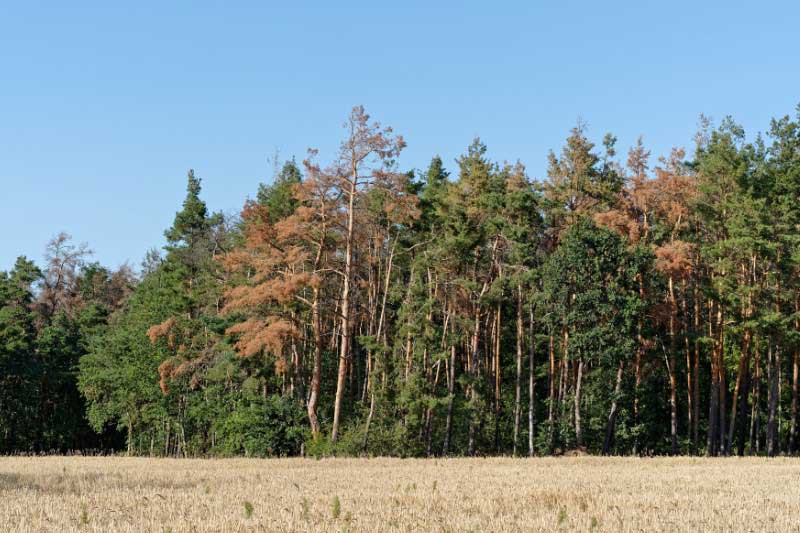
Beeches, oaks, but also hornbeams and chestnuts are already losing their leaves in summer well before autumn arrives, in August, but sometimes as early as mid‑July. This unusual phenomenon gives forests an early autumn appearance… and our gardens a prematurely autumnal look, with a carpet of dead leaves already covering the ground. Two heatwaves, a significant water deficit and parched soil have weakened these trees, causing premature leaf drop. A visible symptom of water stress and climate disruption, browning is now observed each summer with increasing frequency. Which species are most sensitive? Sun‑scorched leaves on trees, leaf yellowing in summer — does this early browning mean the tree will die? And above all, what can be done to mitigate these effects? We explain.
Why do tree leaves turn yellow in the middle of August?
August 2025 spared little vegetation. In many regions, notably Nouvelle‑Aquitaine, trees began to defoliate well ahead of time. This phenomenon is not due to an early season but to physiological stress caused by extreme climatic conditions.
In summer, foliage would normally display a deep green, fuelled by chlorophyll that captures solar energy and enables the tree to build reserves via photosynthesis. But repeated heatwaves, combined with ever drier soils, deeply disrupt this cycle.
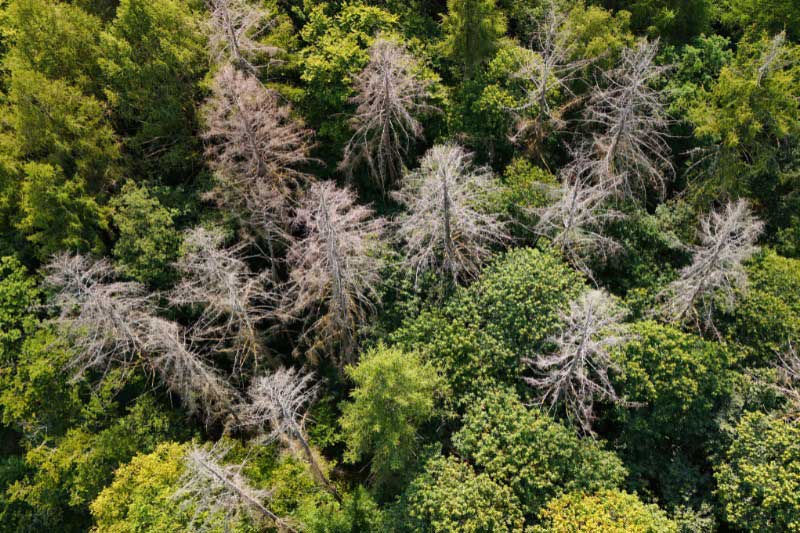
The figures are telling: over the 2021–2023 period, an estimated 8% of trees in French forests (living or standing dead for less than five years) were physiologically affected — some 186 million trees out of 2,270 million. This is not an isolated incident: IGN (National Institute of Geographic and Forest Information) also reports a 54% increase in tree mortality between 2012 and 2022.
And this is only the beginning. Projections indicate that by 2050, summer droughts will last on average two to four months, compared with two months currently, having more lasting effects on soils. If warming continues, some regions could face up to 39 additional drought days per year, and in the south soils could remain dry for seven to eight consecutive months.
In France, native species, adapted for millennia to a temperate climate, struggle to keep pace with this disruption. Some adapt partially, others show clear signs of exhaustion.
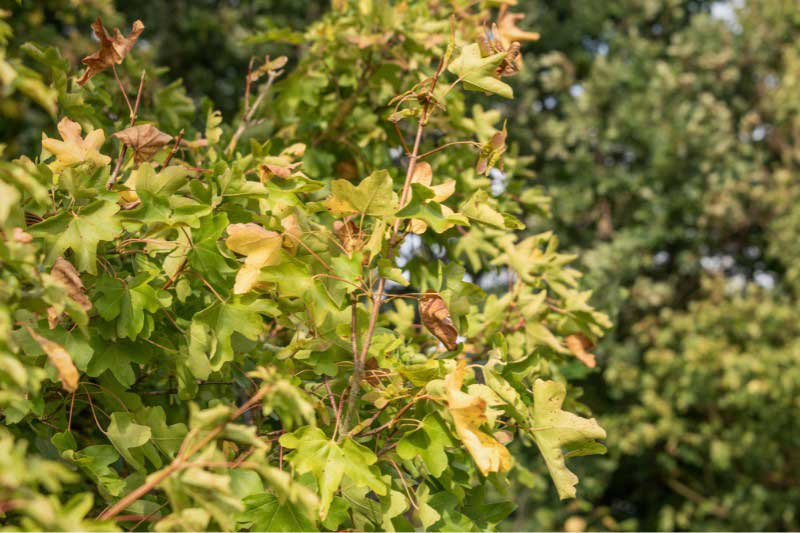
Lack of water, combined with very high temperatures, forces trees to close their stomata to limit water loss. This survival reflex halts photosynthesis and leads to a rapid loss of vigour. Leaves deprived of water and nutrients brown, dry out and fall. The phenomenon of leaves yellowing in summer is not natural: it is a defence mechanism to reduce evaporative surface area. This is known as water stress.
Certain species, such as beech, are particularly vulnerable: they suffer leaf scorch, bark lesions and even micro‑cracks that block sap rise or cause embolisms (air bubbles). All these troubles interrupt water functioning, compromise photosynthesis — and weaken the tree in the long term.
What happens after premature leaf drop?
When a tree loses its leaves as early as summer, it enters a kind of early dormancy, as if self‑protecting in a critical situation. This defence mechanism reduces its water and energy needs, but has medium‑ and long‑term consequences.
1. Photosynthesis stopped = reserves not replenished
Normally, leaves remain active until autumn to produce sugars via photosynthesis. These sugars reinforce root reserves, essential to survive winter and restart in spring. Summer defoliation prevents this process. The tree therefore enters the cold season with insufficient reserves, making it more vulnerable to disease, frost or pest attacks.
2. Growth halted
Without leaves, the tree can no longer grow in height or diameter. Over several successive seasons this results in slowed development, a thinner crown and a progressive decline in vitality.
3. Risk of long‑term weakening
If the stress episode is isolated, the tree can recover, especially if well established. But if stress recurs (as increasingly happens), the tree has no time to rebuild its reserves and weakens progressively. This process can take several years before leading to total decline.
4. Delayed consequences visible in spring
A tree that lost its leaves in August may appear alive in winter but fail to leaf out in the following spring, or do so only partially. This lack of foliage then reflects internal exhaustion, often irreversible.
Does this mean the tree will die?
Not necessarily, but it is worrying. Early browning and defoliation are signs of acute stress, not an irreversible sentence. However, if these episodes repeat year after year, they can cause lasting weakening, loss of carbon reserves, reduced resistance to pests and an increased risk of mortality.
Most sensitive species
Not all species respond the same way to these extreme climatic episodes. Some are more vulnerable than others:
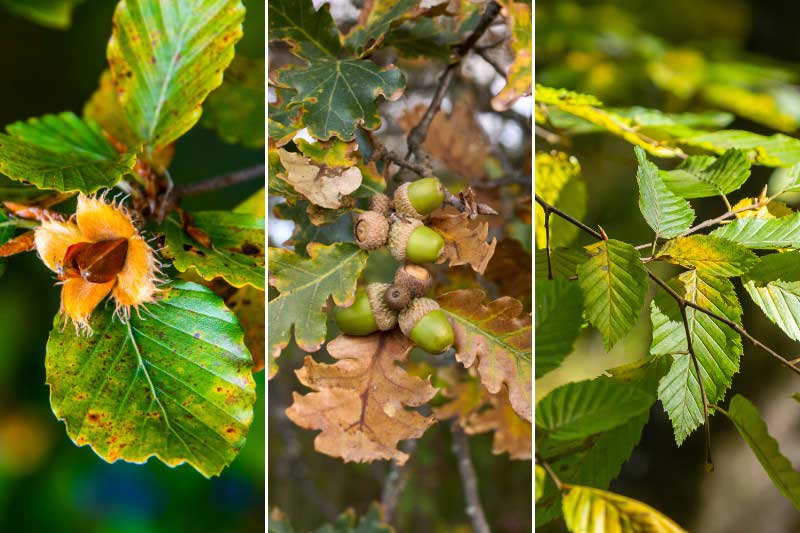
- The beech (Fagus sylvatica): one of the most affected species. Native to humid, temperate climates, it quickly suffers from lack of water and heat stress. Browning of its foliage is common in summer, even in dense forest. Leaf deficit — the proportion of missing foliage compared with normal — rose from about 15% between 1997 and 2003 to nearly 35% between 2017 and 2023. This increase illustrates a worrying trend, even if the species sometimes shows the ability to recover when conditions improve.
- Oaks (Quercus robur, Q. petraea): among them, the pedunculate oak (Quercus robur) proves more sensitive to summer water stress, while the sessile oak and downy oak display better resistance. However, repeated weakening makes them more vulnerable to pests such as jewel beetles or certain pathogenic fungi. They account for nearly 25% of France’s forest area — a significant share.
- The hornbeam (Carpinus betulus) and the chestnut (Castanea sativa): these too show weakness from the end of summer, with premature leaf drop during prolonged drought.
- Conifers such as spruce: poorly adapted to dry summers, they suffer marked weakening, often exploited by pests such as bark beetles.
This reflects a general deterioration affecting all tree categories. It is estimated that one third of oaks (sessile and pedunculate), two thirds of beeches, 60% of firs at low and mid altitudes, and 90% of spruces may no longer be able to develop in their current zones by 2050.
What can be done?
Faced with this situation, several actions can be considered:
- Plant species better adapted to conditions
In the current context, it makes sense to rethink species choices without abandoning local vegetation. Some species show better tolerance to repeated summer droughts. It is advisable to favour resilient but diverse species, and adapt plantings to local pedoclimatic conditions: soil type, aspect, water‑holding capacity, altitude…
Among species better suited to dry conditions are downy oak, the Atlas cedar, and the European nettle tree, as well as Mediterranean species such as Aleppo pine or the holm oak. These species can resist heat when planted in suitable exposures and climates. Species such as Japanese pagoda tree (Styphnolobium japonicum) or the Siberian elm (Ulmus pumila) also show good adaptive capacity.
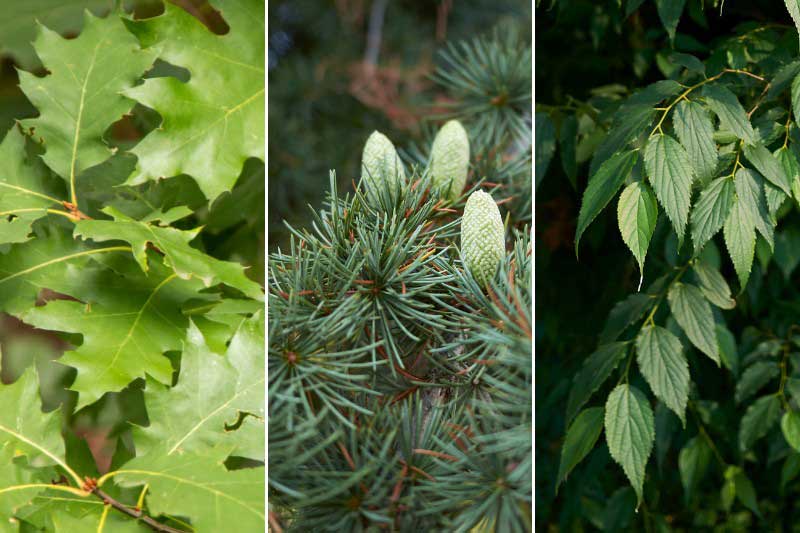
- Encourage plant biodiversity: diversifying species is an effective strategy to strengthen overall resilience. Mixed stands (species with different root systems and needs) cope better with climatic hazards.
- Preserve the soil: living soil rich in organic matter retains water better. Mulch, leave dead leaves in place and avoid soil compaction — simple but effective measures.
- Limit interventions during stress periods: avoid heavy pruning, transplanting or applications of nitrogenous fertilisers in mid‑summer. Do not rush to prune or fell a stressed tree: with time and improved conditions it can sometimes recover.
Beeches, oaks, but also hornbeams and chestnuts are already losing their leaves in summer well before autumn arrives, in August, but sometimes as early as mid‑July. This unusual phenomenon gives forests an early autumn appearance… and our gardens a prematurely autumnal look, with a carpet of dead leaves already covering the ground. Two heatwaves, a […]
Terraces, courtyards, patios and small bohemian balconies are the new stars of summer! This very colourful "boho" trend that has invaded our interiors and wardrobes also appears in our summer green retreats. It matches the sunny cheerfulness of a season when we spend a lot of time outdoors.
Let’s take inspiration from the gypsy world to prepare bright alcoves on balconies, terraces and inner courtyards from the first fine days, with planting ideas and decorative elements. We explore this Boho Patio in three scenes easy to recreate at home!
Boho Patio codes
The bohemian atmosphere dresses itself in vivid, deep and variegated colours that answer one another, but also in associations of warm tones in the blooms: intense reds, deep violets, Indian pinks and spicy oranges, not forgetting bicoloured flowers. Bluish, golden or purplish foliage helps to reinforce this playful mood, bringing red or variegated splashes.
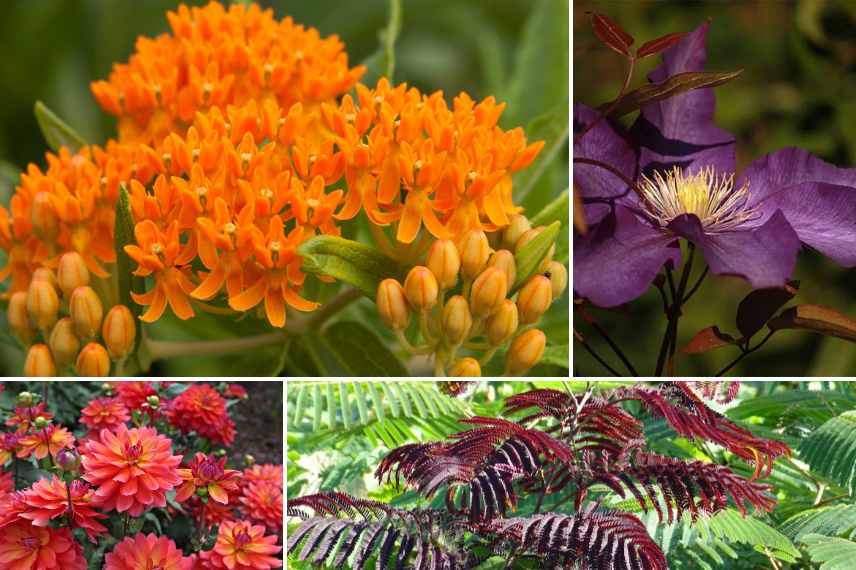
This mixed-up planting borrows from gypsy culture a festive, hybrid universe that laughs at convention and pairs a whole spectrum of colours, provided they are warm and bright.
This style is also based on improvisation, like manouche music, and on bold accents. This temperament appears in the garden in temporary scenes created especially for the summer months, and in the accumulation of mismatched small objects (side tables, stools, small cushions, etc.).
On the décor side, important for dining and relaxation areas, have fun with mismatched pairings: rustic furniture repainted turquoise or green, rattan chairs, fabric pouffes, Provençal floral and ethnic patterns juxtaposed with strong colours: turquoise, pink, orange and bright yellow. The advantage of this bohemian décor is that you can mix disparate objects and accessories, using what you already have at home or stored in the attic, to give them a second life: bring out granny’s lace and embroidery for the summer, macramé and trimmings, old rattan armchairs, baskets and fruit crates, airy curtains. In a joyful mix of materials, the décor is done!

On a sun-drenched terrace
Terrace or balcony are often west- or south-facing. They can be radically transformed into an ultra-cheerful cocoon with sun-tolerant plants that do well in pots. Explore a plant colour palette ranging from saffron yellow to violet for a truly bohemian vibe.
Alstroemerias 'Indian Summer', orange and yellow contrasting against bronze foliage, will look stunning alongside Coreopsis 'Cosmic Eye', a bright yellow spotted with purple, or the pretty all-yellow 'Full Moon Madness'. Add other long-flowering plants such as a common Rose mallow 'Pink Passion' with giant flowers and dark purple foliage, and provide more foliage interest with a pomegranate that can be grown in a pot, such as Punica granatum 'Nana', whose brilliant flowers will pair beautifully with the other perennials. For snacking at aperitif time, invite, for example, the surprising cherry tomatoes 'Akoya', whose fruits turn almost black.
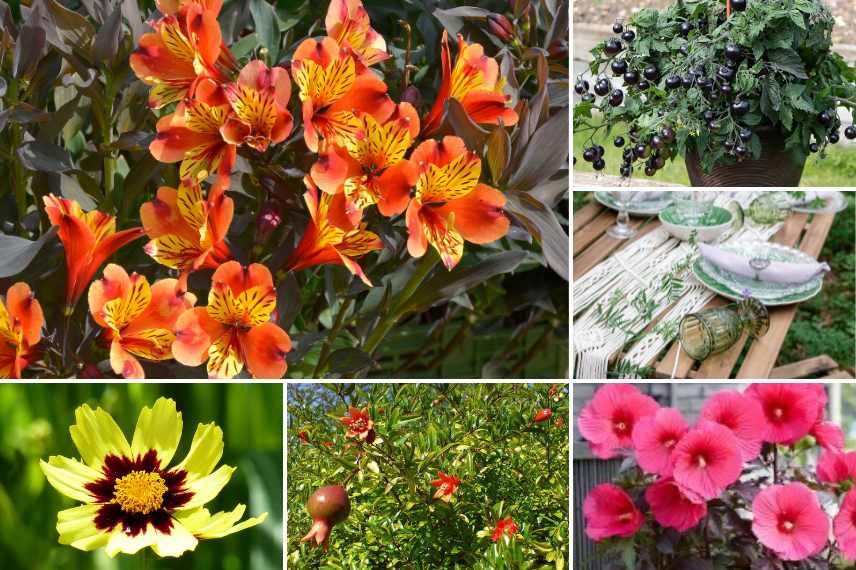
In a semi-shaded urban patio
Small city courtyards benefit from focusing on colour and variegated or golden foliage to lift them out of the shade. In a semi-shaded patio receiving enough light and warmth in summer, opt for sunny flowers and a few "indestructibles":
Hosta 'The King', Hakonechloa macra and an Aucuba japonica 'Crotonifolia' for their golden and variegated foliage (Aucuba will reward you with pretty red berries a little earlier) together with the bold flowers of Hibiscus syriacus 'Hibisa rosada', and the Peruvian lily 'Duc d'Anjou'.
The bohemian spirit will also be present in accessories, essential in less bright areas and in smaller spaces.
Beyond plants, bring colour without fearing the boldest mixes. Dare genre-mixing: antique rug + Italian ceramics + small disparate or oversized objects and a cosy bench, etc. Here, the evening atmosphere will be especially worked on: lanterns, paper lanterns and candles, and don’t forget a crochet throw in these patios that are often cooler at night.

Garden refuge as an improvised alcove
This bohemian trend can also be expressed in a corner of the garden used as an improvised summer retreat.
In front of a shed, garden shelter or at the foot of a fine tree from which a rattan chair is hung, set up a summer hideaway using bohemian codes. A temporary terrace, improvised with clip-together wooden decking tiles readily available from DIY stores, is easy to install. In summer it becomes a true green cocoon perfect for relaxing on a garden sofa made of a few stacked pallets or large pouffes, in a fairground style.
Here, a few colourful annuals join the party: multicoloured zinnias and orange calendulas (marigolds) sown in pots in spring, or beds of African marigold 'Mango Tango' around the area, as well as sun-loving perennials such as the charming Delosperma 'Ocean Sunset Orange Glow'. Count on two striking pots of dahlias with evocative names, the fiery 'Bohemian Spartacus' and the more restrained compact 'Melody Gipsy', for a long and remarkable display. Sunflowers 'Mongolian Giant' will bring pep and height, while a pot of basil 'Everleaf Emerald Tower' will be handy for salads at barbecues or sunny lunches.
Gather your most colourful pots, bring in lace, hangings, vintage crockery and cushions: job done!
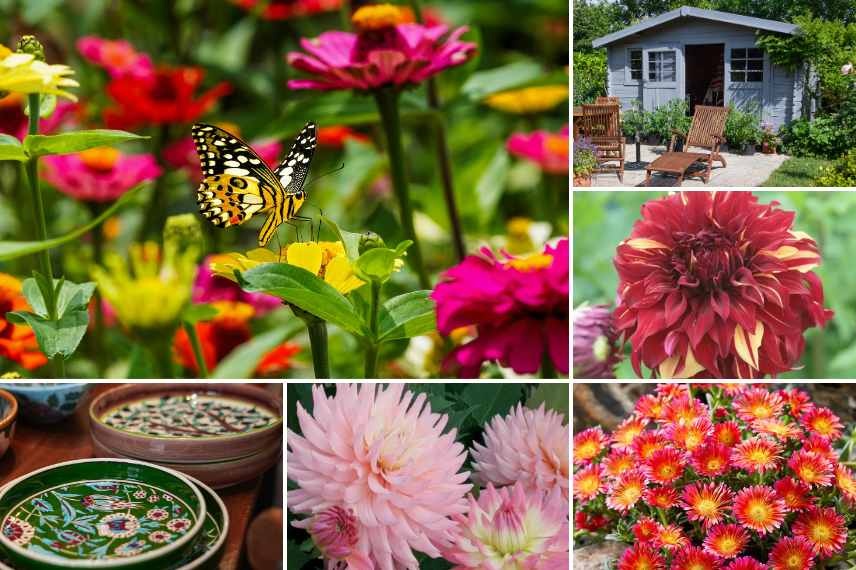
Discover other plants ideal for composing this bohemian green décor on a terrace in our "Boho Patio" selection online and in our trend booklet!
Feeling the bohemian spirit? Find our advice on creating a bohemian garden, and our inspirational sequences: Catalane and Peach Raspberry.
This Boho Patio trend also draws on recycling second‑hand objects. Explore our topics to let your creativity run free: Decor idea: plants in unusual containers; How to make a planter from a pallet?; Recycling in the garden and How to use and properly integrate terracotta pots in the garden?
Terraces, courtyards, patios and small bohemian balconies are the new stars of summer! This very colourful “boho” trend that has invaded our interiors and wardrobes also appears in our summer green retreats. It matches the sunny cheerfulness of a season when we spend a lot of time outdoors. Let’s take inspiration from the gypsy world […]
Here’s a distinctive trend emerging in outdoor spaces, and not only among landscapers fond of conceptual gardens or in coastal areas! While a sand garden is particularly suited to coastal gardens, it proves to be an undemanding, on-trend garden, halfway between a gravel garden and a dry garden, perfectly in tune with current climate upheavals.
We invite you to discover it in three scenes that demonstrate its aesthetic appeal and sunny atmosphere!
Sand garden: a landscaping trend between frugality and aesthetics
Far from the image of the traditional Japanese zen garden with raked gravel or pale sand, the sand garden imposes itself as a new version of the garden. It retains a sense of serenity but transposes it into a warmer register, where maintenance and watering are reduced to an absolute minimum. It answers a need created by climate change: how to introduce more Mediterranean plants into northern regions? Even if rising temperatures allow it, the problem of waterlogged winter soils, often fatal to these plants, remains. The sand garden is one solution, providing effective drainage.
It is a functional garden, still experimental globally, which showcases plants that ripple in the wind, like a reminder of a sea that is not always present. It also emphasises contrasting materials and textures, often using Corten steel as a support, woven willow in tontines or sculptures, large stones or retaining walls.
Undemanding plants grow in a substrate made up of a thick layer of sand. They therefore need to draw water from deep down to survive. For this reason we choose the most drought-tolerant plants and xerophilous plants, those whose taproot systems mean they will withstand heatwave summers.
We also seek to enhance the golden aspect of the sand using a palette of warm tones available to us, both in plants and materials. Plants will generally be low-growing, mat-forming or supple, also incorporating some greyed foliage to reinforce the impression of warmth.
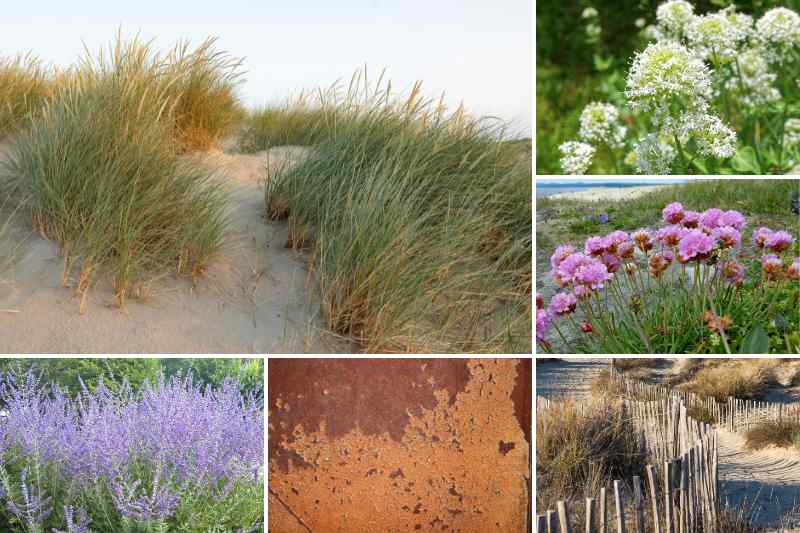
A holiday feel
Coastal gardens, and especially those located right on the coastline, are difficult to plant because of the omnipresence of sand on site. They are perfectly suited to the constraints of a sand garden. In a beach-return spirit, the focus is fully on the sand-and-beach duo, taking inspiration from the dune ecosystem.
Essential plants: valerian, Lagurus ovatus and oyat (Ammophila arenaria), Armeria maritima 'Vesuvius' (sea thrift), sandwort, Erigeron glaucus 'Sea Breeze' or Erigeron karvinskanius, sand carnations, Perovskia, blue fescue, sea holly (Eryngium maritimum), milk thistle, etc.
To bring back vegetal blond tones, use wooden slats as decking, mini sand fences, and pair with coppery accents such as a brazier, useful for summer evenings.
Our tip: take care not to multiply beach clichés. Restrict decoration to sand alone, without superfluous additions of pebbles, shells or other seaside trimmings to avoid caricature. Plants create the scene, not the other way round!
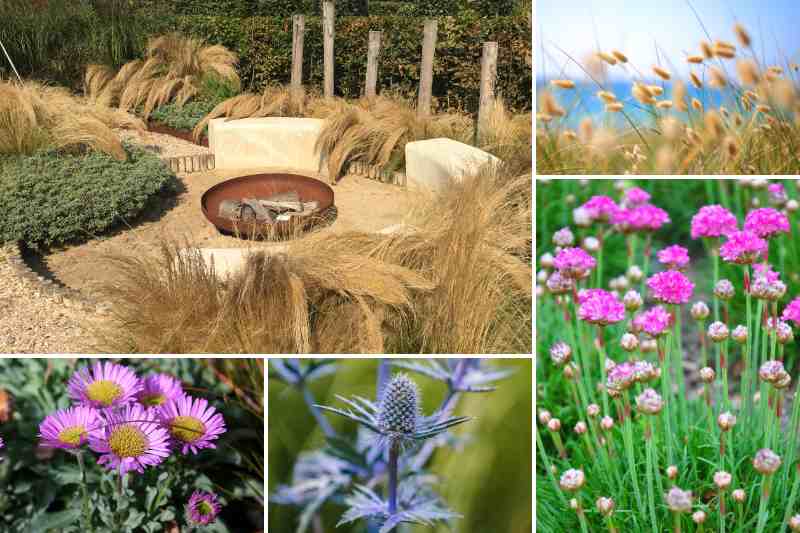
Contemporary sand garden
At the opposite end from the dune garden that naturally links to its environment, the idea of undemanding plants and sand also evokes minimalism and the mineral feel of modernist gardens. The sobriety of the sand, combined with an appropriate plant palette, allows creation of a sand garden that suggests a coast not necessarily nearby, in perfect harmony with contemporary architecture.
Here, colour is conceived in monochrome, or in white/black, white/mauve or purple and green duos, to name a few pertinent combinations. Plants are chosen for their prostrate habit, their original textures or the shapes of their inflorescences. Greyed tones for foliage are also favoured to blend well with often anthracite outdoor furniture. Corten steel, used for boards or attractive windbreaks, stands out as a material that enhances the sand’s sheen, as does brick, which can serve as a path.
Essential plants: silver santolina, Artemisia 'Powis Castle', Ballota pseudodictamnus, medium to tall grasses such as coppery Carex (Carex testacea), the movement of Hordeum jubatum, graphic silhouettes (Cordylines, Yuccas) on flat ground, and low to medium plants as on a shaped sand mound (sea thrift, creeping gypsophila, wild thyme, etc.).
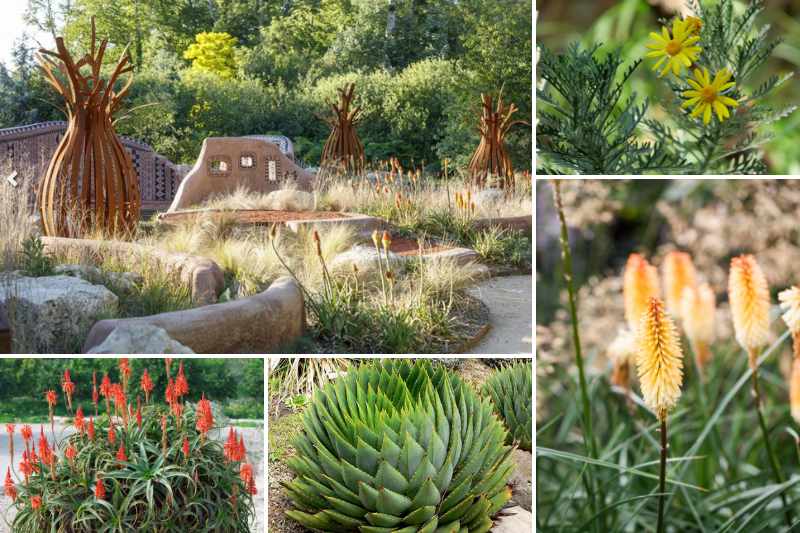
South African atmosphere
One attractive idea with the sand garden is to travel to an arid, heat-baked world. You can plant stunning perennials and ultra-resilient grasses and lean towards a Californian vibe, or, as here, a South African feel.
Let’s take inspiration from Léon Kluge’s work, the world-renowned South African landscaper, at Domaine de Chaumont-sur-Loire in France: few plants for a spectacular effect in this full-sun garden. The scene draws from the African bush, where red sand and oversized stylised baobab sculptures mainly make up the decor, with waves of Stipa tenuifolia and torch lilies. At home, imagine tall red-willow tontines or large woven willow spheres to add volume and blend into this atmosphere.
Key plants: succulents and light grasses (Aloes, Euphorbia myrsinites, Stipas, Sesleria argentea, Lomandra longifolia), and perennials with sunny yellow to orange blooms (Kniphofias, Euryops pectinatus, bulbines, Leonotis leonurus, gazanias…). Plants native to South Africa, Patagonia or Tasmania are favoured, some tolerating down to -8°C in sheltered conditions.
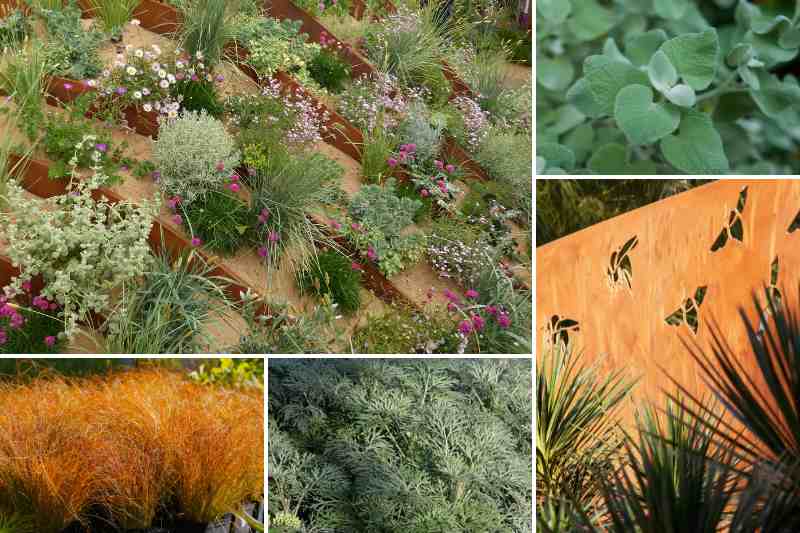
The naturalistic garden and the English garden also draw on this avant-garde technique, and we could just as well have developed scenes in these two worlds, which lend themselves to experimentation currently being carried out notably across the Channel.
Find our selection of plants suited to the Sand Garden spirit on our online nursery as well as on our inspiration page in the 2026 Trend Book !
Do you enjoy these distinctive atmospheres? Discover other inspiring scenes in related worlds:
Here’s a distinctive trend emerging in outdoor spaces, and not only among landscapers fond of conceptual gardens or in coastal areas! While a sand garden is particularly suited to coastal gardens, it proves to be an undemanding, on-trend garden, halfway between a gravel garden and a dry garden, perfectly in tune with current climate upheavals.We […]
You dream of a lush vegetable garden on your balcony or terrace, but achieving success seems far too conventional? Why aiming for abundant harvests when you could join the prestigious circle of "frustration growers"?
In this article, we present to you 6 foolproof tips for failing at your container garden. These 100% absurd tips will transform your balcony into a joyful botanical disaster. Of course, if you do the exact opposite, you might just harvest vegetables worthy of a Michelin-starred chef... but where's the fun in that?
Take notes and get ready to turn your balcony or terrace into a true laboratory of improbable and memorable gardening experiments!
Lesson 1: Choose your plants poorly!
Basil, strawberries, leeks, cacti... Plant everything you can find, regardless of whether these plants prefer shade, full sun, or even an arid desert. After all, a cactus and a lettuce are pretty much the same thing, right?
Don't stop there: completely ignore care sheets or seed labels. Seasons? A lazy gardener's invention. So, plant your tomatoes in the middle of December for guaranteed dramatic effect, and why not some radishes in the height of summer? It will add a lovely touch of unpredictability to your balcony.
Bonus tip: if a plant doesn't grow, blame the wind or your neighbours. After all, why should it be your fault?
The real advice: choose plants suited to your space, exposure (sun or shade), and the season. Herbs like basil or parsley are perfect for beginners!
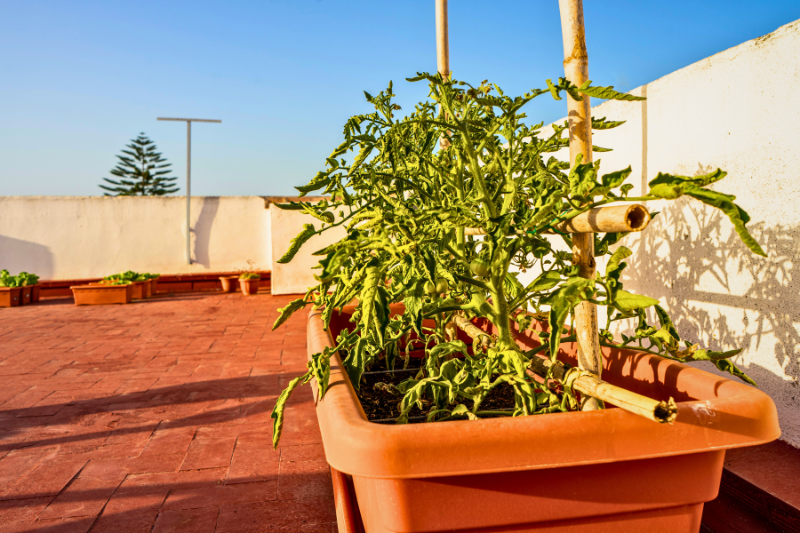
Lesson 2: Water blindly, or better yet, not at all!
Gardening is complicated enough, so why bother with thoughtful watering? Opt for the "Russian roulette of watering" method. One day, drown your plants in a spa-worthy bath (or a municipal pool), and then let them ponder their thirst for three weeks. Plants love these emotional rollercoasters... well, in theory.
Be creative: a blast of cold water at dawn, a day where you completely forget their existence, and a light mist of lukewarm water just before a heatwave. It's a great way to test their resilience... and your patience.
Bonus tip to perfect this method: don't bother learning the specific needs of each plant. A succulent and a basil plant? Same battle! Don't all plants have the same taste for water? (Spoiler: no, not at all.)
The real advice: consistency is key. Adjust watering to the needs of each plant. And a small watering can with a fine spout is better than your neighbour's hose.
Lesson 3: Completely ignore container size
Disregard container size! Do you have a lovely mint plant? Plant it in a tiny pot, ideally the size of a thimble. After all, why give it room to thrive when you can force it to become a minimalist artist? In contrast, your strawberry plant deserves to dream big: put it in a giant container designed for a palm tree. After all, it needs to compensate for its limited growth ambitions.
Consistency? Too boring. Logic? The sworn enemy of fun! Imagine carrots in a gratin dish or tomatoes in a bonsai planter. Nothing like surprising your plants (and their root systems). At least you'll be sure your garden looks like no other.
Bonus tip: don't bother with drainage holes or suitable materials. Who said plants needed well-aerated soil? Aim for originality, and let your plants live their best (and last?) life.
The real advice: plants need space to grow. Choose suitable containers and think about drainage (hello, small stones or clay balls at the bottom!).
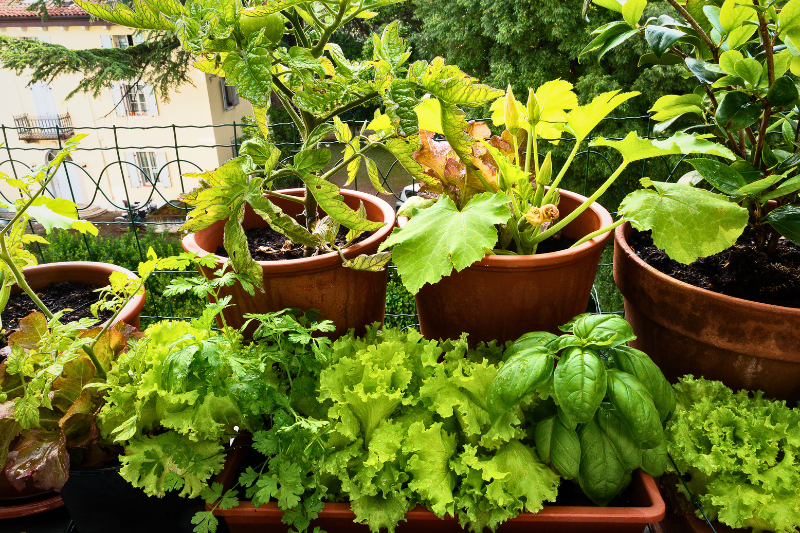
Lesson 4: Use the most dubious soil possible
Do you really want to be original? Forget the classic potting soil, far too mainstream. Instead of investing in a rich, suitable substrate, go on an adventure and collect unexpected treasures: construction sand found on the sidewalk, dusty soil gathered during your last mountain trek, or rubble salvaged from an alley. It's a true ode to diversity... or at least, to improvisation.
The idea is simple: the more sterile, compact, and hostile the mix, the better! Why settle for nutrient-rich soil when your vegetables can experience extreme survival? You could even spice up the experience by adding a bit of gravel to remind them of the joys of a stony desert.
And above all, don't forget to proclaim your love for innovation loudly: "Here, we plant boldly, not scientifically!" Sure, your plants might wonder why they are condemned to grow in soil that could just as well be used to build a highway. But isn't that the essence of experimentation?
The real advice: good potting soil is essential for a container garden. Invest in a special potting soil or enrich it with compost.
Lesson 5: Let Mother Nature do all the work
Once your seeds are carefully sown (or randomly thrown, let's be honest), take a deep breath and solemnly declare: "From now on, it's you and me, universe!" Then, proudly walk away from your plants and let them face their fate. Why waste your time checking on their condition? After all, they are plants; they know how to grow on their own, right? (Spoiler: no, not at all.)
No need to water them regularly, monitor if weeds are choking them, or check if insects are nibbling their leaves. All of that is detail! Plants are big and strong; they will manage without your help, just like in the wild. What you might forget is that a balcony or terrace has little in common with a lush jungle where ecosystems self-regulate. Here, if you do nothing, your plants will do exactly the same: nothing at all... except die.
Bonus tip: to perfect this "zero maintenance" method, completely ignore signs of distress. A plant that is yellowing, wilting, or seems to be crying for help? Look away with a stoic expression. It's a life lesson for them and a great opportunity for you to practice emotional detachment.
The real advice: a garden, even on a balcony, requires a minimum of maintenance. Remove dead leaves, watch for pests, and give a little love to your plants.
Lesson 6: Ignore space requirements
Why limit yourself to reality? In your mind, your 2-square-metre balcony is probably as vast as the plains of the Midwest. So go wild: plan for ten tomato plants, three courgettes, a row of strawberries, and while you're at it, a cherry tree. It doesn't matter that your space is more suited to a camping chair than a budding farm.
Be bold: stack your pots, layer your planters, and why not hang containers from the ceiling (never mind if you can no longer open the door). Did you dream of an abundant garden? Just play Tetris with your plants. Sure, your plants will have to fight for every inch of sun or air, but isn't that how the greatest champions are born?
Bonus tip: completely forget that a courgette needs plenty of space to spread out. Plant it in a small pot wedged between a geranium and a basil plant. Watch the chaos: the leaves will wrap around the other plants, and it will be a true botanical battlefield on your terrace.
The real advice: think about the space needed for each plant and how they grow. Opt for a few well-spaced crops suited to your balcony or terrace rather than a true plant traffic jam!
You dream of a lush vegetable garden on your balcony or terrace, but achieving success seems far too conventional? Why aiming for abundant harvests when you could join the prestigious circle of “frustration growers”? In this article, we present to you 6 foolproof tips for failing at your container garden. These 100% absurd tips will […]
When we go shopping or peel an apple, we don't really think about the origins of the various fruits that grace our tables, as they are such a part of our daily lives. Yet, if they could speak, they would tell us the incredible journey that brought them to us, from the earliest times!
These juicy and fragrant fruits that we enjoy throughout the year mostly appeared long ago in distant lands, although some arrived on our old continent more recently.
As I shared the epic of vegetables in a previous episode, I invite you this summer to continue this tasty journey into the colourful world of our most familiar fruits.
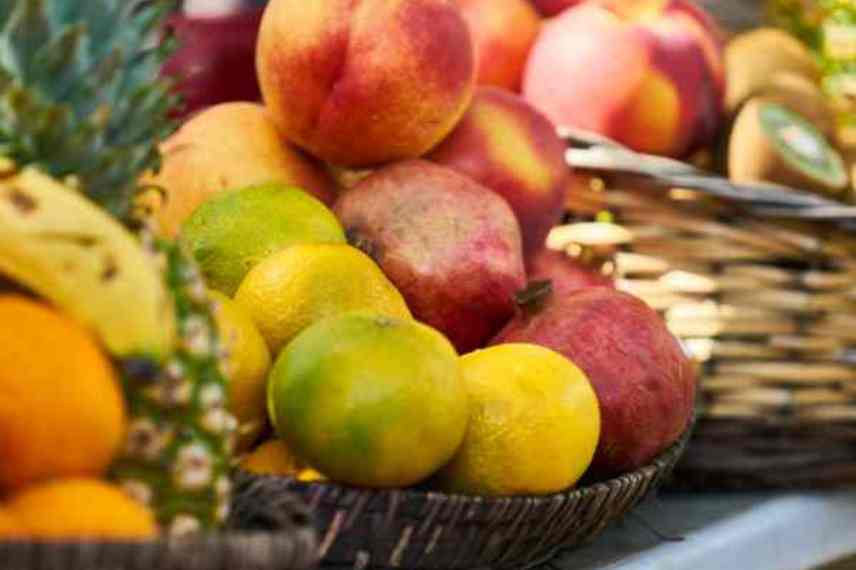
Origin of fruits: the continents that they originate from
There are nearly 150 different fruits in the world... and thousands of varieties. While we associate some with a national culture, the vast majority come from countries, or even distant continents. Some, like cherries or pears, have two distinct origins. Here are the distribution areas and origins* of some of the most consumed fruits today, by continents and major regions of the world:
- America: pineapple (Brazil), avocado (Mexico), tomato - botanically a fruit! - (Mexico and Central America), papaya (Central America), guava (Central America and Brazil).
- Asia: pear, peach, apricot, kiwi, and orange (China), banana (Southeast Asia), lemon and mango (India), pomegranate (Central Asia, Afghanistan).
- Middle East: fig (Turkey), date (Mesopotamia), pomegranate (Iran), cherry (Anatolia).
- Europe: apple (Caucasus), pear (Europe and Asia Minor), grape (Middle East and Europe), strawberry (Europe and North America), grape (Caucasus and Southern Europe).
- Africa: watermelon, melon.
* This distribution lists fruits native to countries that were later introduced to other regions of the world, before becoming naturalised in some.
Fruits through time and cultures
Wild berries, ancestors of our blackberries and raspberries, were an important part of the diet of hunter-gatherers and were consumed by prehistoric humans long before agriculture developed.
But one of the oldest cultivated fruits in humanity is considered to be the fig. It is believed to be the first fruit to have been domesticated, even before cereals in some regions of the present-day Middle East. Excavations in the Jordan Valley, in the Jericho region of the West Bank, have uncovered carbonised figs dating back to around 9000 BC. Dates were also cultivated from antiquity.
In the Middle Ages and the Renaissance, fruit cultivation developed in Europe and Asia. In European monasteries, the creation of the kitchen garden with the medieval enclosed garden played a crucial role in the preservation and development of fruit cultivation, particularly of apple, quince, and cherry trees. The medieval orchard is associated with the lost paradise, and many illuminations depict it. Fruits like apple, pear, and grape made their way to the tables. The Crusades and later the great maritime expeditions would enrich the diversity of available fruits. This was a time when fruits were often consumed in dried form, allowing for longer preservation (figs, apples, apricots, plums, and cherries).
During the Renaissance, trade introduced new varieties of grapes, enriching European viticulture. The Crusades also facilitated the introduction of citrus trees to Europe, significantly transforming eating habits. Horticulturists and later fruit growers made decisive advances in fruit-growing techniques (grafting, cultivation on trellises, and the creation of fruit shapes, hardening under glass), leading to the fruit heritage as we know it today.
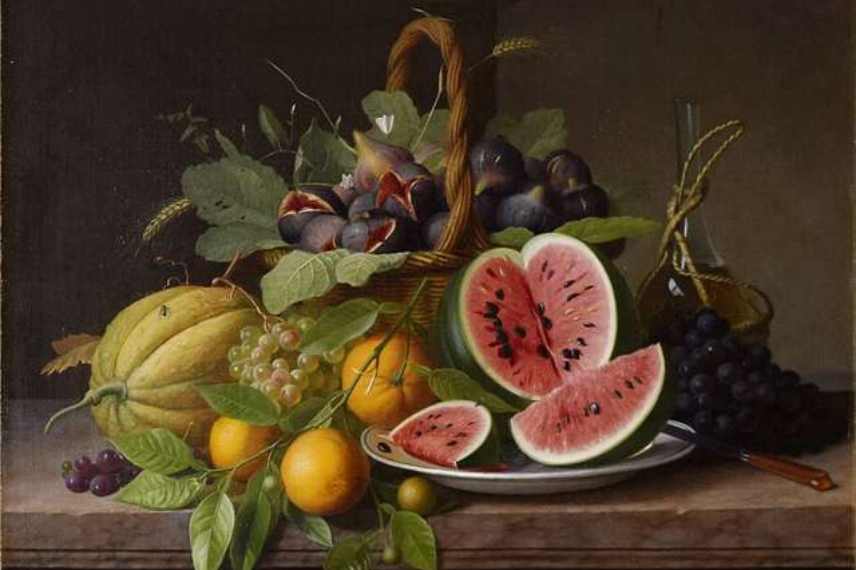
Photo Wikimedia Commons
Discovering three iconic fruits: pear, melon, and strawberry
Among the wide array of fruits available to us today, I have chosen to talk about three fruits that have now become part of our consumption habits.
Pear: millennia of know-how and innovations
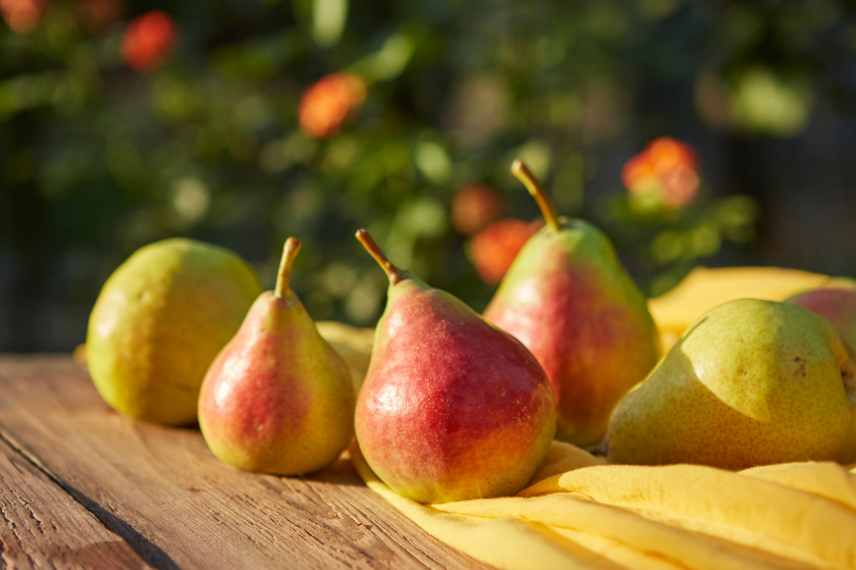
A common fruit today, the pear is counted among around sixty species, and nearly 2000 varieties worldwide!: Comice, Conference, Williams, Passe Crassane, or Guyot... to name just a few of the most common in our markets.
It is actually one of the oldest fruits cultivated in the Northern Hemisphere, and its history dates back millennia.
Originating in Asia, the pear later made its way to Europe. In China, where writings dating back to the 5th century BC mention it, it has been cultivated for over 5000 years. Remains and seeds of pears (Pyrus communis) have been found in the lake dwellings of present-day Switzerland and in prehistoric Neolithic sites. While it appears in Egyptian and Greek civilizations, it was the Romans who first developed and improved this fruit by practising early grafting. By 50 AD, there were already 35 different species.
The pear established its presence in Europe from the Middle Ages, but at that time it was little appreciated, often cooked, and had various unflattering names (anguish pear or rosy stone). Quintinie (1626-1688) truly gave it its letters of nobility: King Louis XIV was fond of it (well... mainly to decorate his gala tables), and it was from the 17th century that cross-breeding began, with quince trees. Improvements in fruit cultivation techniques then allowed for the production of higher quality pears, much more melting, contributing to their growing popularity among both nobles and commoners. Five hundred species were already recorded during Quintinie's time, including the stars of the era, Bon Chrétien or Cuisse-Madame.
The Williams pear was born in 1796, the Conference pear was named in 1885, and the Angelys pear, one of the latest, was born in 1998. It is now marketed under the name Angys®, a product of Angevin research from INRAE (hurray!), resulting from a cross between Doyenné du Comice and Doyenné d'Hiver.
Asian pears (Pyrus pyrifolia) and their descendants are crunchy-fleshed fruits, like the Nashi, while our common European pear trees (Pyrus communis), descended from wild pear trees in the mountainous regions of the Caspian Sea, produce tender and juicy fruits. Even today, we distinguish between "knife pears" for raw tasting, melting pears, and "cooking pears," much like with apples. The main edible species come from Pyrus pyrifolia. In Asia, there are nearly 3000 varieties from Pyrus pyrifolia, Pyrus ussuriensis, and Pyrus bretshneideri, some of which are hardy to below -30°C.
The sixth favourite fruit of the French, available all year round in our markets, and in world-renowned recipes like pear Belle Hélène, this fruit continues to charm us. Notably, the largest producer of pears in the world is once again... China, with a production of 16.5 million tonnes of pears. Strangely, 50% of the pears consumed in France are imported, knowing that our main producing regions are the Loire and Val-de-Loire regions.
Apricot: from Tibet to Provence
Its botanical name, Prunus armeniaca, mistakenly attributed by Carl von Linné, would suggest an Armenian origin for the apricot tree. This is not the case, as this highly appreciated summer fruit, associated with the Mediterranean basin, actually originated on the foothills of the Himalayas, between Turkestan, Tibet, and Manchuria, just like our good old peach. This wild ancestor of the modern apricot tree was introduced much further east, indeed passing through Armenia, via the Silk Road. The apricot arrived in the West in already improved forms, as the Chinese had been cultivating it for millennia. It conquered Greece and the Roman Empire at the very beginning of the Christian era. The Romans named it praecoquum, meaning the early fruit, and later Punum armeniacum, in reference to its introduction in Armenia. The name apricot would not appear in the French language until the 16th century, borrowed from the Spanish albaricoque, which itself derives from the Arabic al-barqūq.
It was the Moors who, in the 8th century, brought the apricot to Spain. It was not until the 16th century that this fruit gradually began to be appreciated. The good King René, who inherited the kingdoms of Naples and Sicily, is said to have introduced the apricot tree to Anjou a century earlier, around 1435. During the Middle Ages, it had a poor reputation, thought to cause fever. It took time before the apricot was consumed raw, as we do today by biting into the sun-warmed fruit right from the tree. Quintinie himself reserved it exclusively for cooked preparations like jams or compotes. It wasn't until the 18th century that its cultivation expanded in the southern regions of France, and more and more varieties began to emerge.
The modern apricot has thus been cultivated in our regions for less than 500 years. Today, the main apricot-growing areas are still the Mediterranean basin, with France being the 17th largest producer by volume. Turkey, the world's leading producer, primarily produces dried apricots from varieties particularly suited for drying.
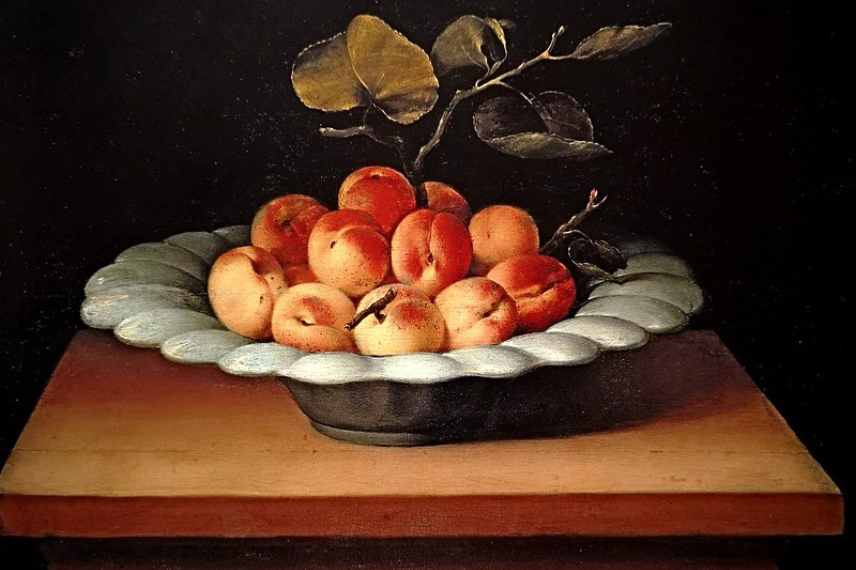
(oil on wood panel, circa 1630; Rennes Museum) - Photo Wikimedia Commons
Melon: an unloved fruit turned summer star
The orange-fleshed melon, bursting with sugar and sunshine that we enjoy in France in the heart of summer (Cucumis melo), originating from Africa and Asia, also has a fascinating history. Cultivated since antiquity in Egypt and Mesopotamia, it was then appreciated for its seeds as much as for its flesh. It appears, along with watermelon, in tomb frescoes. The Romans, likely the ones who introduced it to Europe, knew it but often preferred watermelon (Cucumis citrullus), finding it rather bland. At that time, the melon was actually considered more of a vegetable and was often consumed cooked and salted or in salads.
In the year 800, Charlemagne mentions it among the recommended plants in the Capitulaire de Villis, using the name given to it by the Greeks, "pepon" ('cooked by the sun).
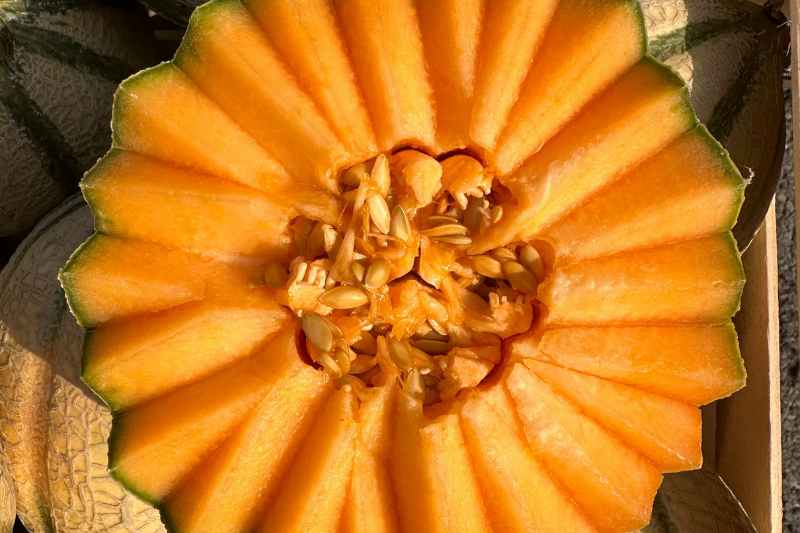
This delicate fruit began to acclimatise in Europe thanks to the development of greenhouses, starting in the 17th century, which allowed it to be hastened and consumed year-round, as demanded by the nobility. It became larger and tastier. In France, the melon, like other fruits or vegetables, still had a poor reputation, often perceived by doctors as a dangerous food, causing indigestion due to its harmful juices, the "succum pessimum". Several popes even died from excessive consumption, as was said of Clement VIII. This reputation gradually faded in the 18th century, where an author like Marc-Antoine Girard de Saint-Amand made a flattering description in a poem full of finesse: The Melon. Voltaire even crowned it "the masterpiece of summer." Since 1780, the cantaloupe melon, round and with orange flesh, from the summer residence of the popes of Cantaluppi, became known in French gardens. The Marquise de Sévigné and later Alexandre Dumas became ambassadors of the Cavaillon melon, the former for her adoration of this Provençal fruit, the latter for having it delivered to him until his death as a life annuity in exchange for books!
Greenhouse and cloche cultivation methods improved, and the large melon cloche appeared in the 18th century, still used today by those fortunate enough to possess one. It became a fruit that signified a high social status.
Although few writings confirm it factually, it is often said that melons, due to their increasing market value and popularity, became targets of theft when grown in enclosed and monitored gardens, particularly in Europe during the 17th and 18th centuries.
Today, the melon is enjoyed worldwide and is cultivated in open fields or greenhouses in many regions. France is one of the leading producers in Europe, with Provence and Charente renowned for the quality of their melons. Charentais melons, recognisable by their orange flesh and wrinkled skin, are prized for their sweet and fragrant flavour. The Cavaillon melon remains a summer staple. In France, we are the thirteenth largest producer of melons globally, but we must import them (mainly from Spain and Morocco) for our summer consumption.
As for yellow melons or sweet melons, they are associated with Spain, where they are widely consumed. These melons, also known as Santa Claus melons or 'Piel de Sapo' melons (toad skin), have a green speckled skin and a very refreshing white or green flesh. They are primarily cultivated in the Spanish regions of Murcia, Andalusia, and Valencia.
The new hybrids and exotic fruits
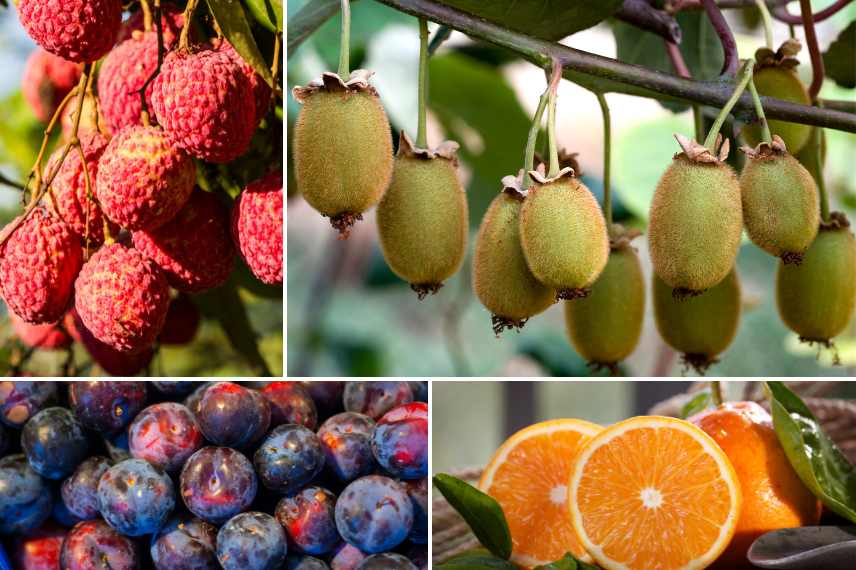
Most of our fruits date back to very ancient times, but some fruits only appeared late in our kitchens and on our tables. These are mainly exotic fruits that our palates began to discover and appreciate at the dawn of the 20th century, such as the kiwi, originally from China but cultivated in New Zealand since the early 20th century, and only becoming popular in Europe from the 1960s, or the lychee, which appeared in Europe as early as the 18th century thanks to colonial imports. The prickly pear, now available in some markets, had remained relatively unknown in the West since Christopher Columbus.
Since the 1970s and 80s, other fruits have appeared on the market, born from the hybridization of two species, horticultural selections, genetic manipulations, or natural mutations. Some are still little known, such as the boysenberry or blackberry-raspberry, a cross between a raspberry and a wild bramble, and the caseille or cassisberry, another cross of red fruits between a blackcurrant and a gooseberry. The aprium, born from the (American) love affair between a plum and an apricot tree, the pluot, another hybrid between plum and apricot, are other laboratory discoveries. Citrus fruits are not left out, with notably the tangelo (or Minneola), a hybrid of a mandarin and a grapefruit, less acidic and sweeter than a pomelo. The Americans, who have also developed pink blueberries (like 'Pink Lemonade'), are often behind these more or less fanciful genetic discoveries...
All these new fruits are proof that fruit innovation has not yet said its last word in adapting, among other things, to the new global climate challenges.
Heirloom and forgotten fruits
We are also currently witnessing the rediscovery of forgotten fruits like quince, medlar, jujube, or persimmon, often brought back to the forefront by chefs or organic orchards. Would you like to learn more about these ancient fruits? Browse our articles and recipes:
- Growing the male dogwood for its fruits
- The jujube tree: planting, pruning, and caring for
- How to make quince jelly? and How to harvest and store quinces?
- How to harvest and store medlar?
- How to harvest and store persimmons?
- Physalis: sowing, cultivation, harvest
- The beech nut: an edible fruit to discover.
Further reading: some useful books and websites
For botanists or history enthusiasts and those passionate about local and ancient fruit varieties, I recommend the following works (in French):
- The ABCs of Fruits, Antoine Jacobsohn. Flammarion Editions. 1997. A condensed source of information by the head of the King's Kitchen Garden.
- Astonishing Stories of Fruits. Bertrand Dumont. MultiMondes Editions. 2022.
- Fruits from Here and Elsewhere: Insights into the History of Some Fruits Consumed in Europe. Marie-Pierre Ruas. Omniscience Editions. 2016. A bible that will delight history enthusiasts.
- Rediscovered Fruits, Heritage of Tomorrow. History and diversity of ancient species from the Southwest. Evelyne Leterme and Jean-Marie Lespinasse. Rouergue Editions. Redouté Prize 2008. Another extensive book.
- And a historical detective novel by Michèle Barrière, Murder in the King's Kitchen Garden, about the famous thefts of melons at Versailles: a delightful summer read.
Several associations and organisations allow for further learning about the origin and conservation of fruits:
- The Apple Crunchers, who have been advocating for the preservation of regional fruit varieties for years.
- Forgotten Fruits: a network that contributes to the promotion and preservation of fruit heritage.
- The National Centre for Pomology, an association dedicated to the conservation, study, and promotion of fruit varieties, particularly ancient and local varieties.
To extend this reading, discover the ancestral history of the fig in this excellent article by Alain Bonjean in the Chronicles of Vegetal. You will learn all about the genomes of the apricot in this publication from INRAE. And Eric Birlouez tells you much more about the apricot's journey in his podcast on France Inter...
Finally, listen to a delightful segment, In the Intimacy of History: The Pear, an Erotic Fruit, narrated by historian Clémentine Portier-Kaltenbach.
.
When we go shopping or peel an apple, we don’t really think about the origins of the various fruits that grace our tables, as they are such a part of our daily lives. Yet, if they could speak, they would tell us the incredible journey that brought them to us, from the earliest times!These juicy […]
For centuries, vegetables have travelled across continents, carried by explorers, merchants, and botanists. Aubergines, potatoes, celery, cabbages, carrots, and other parsnips… The vegetables so familiar in our everyday cooking often come from the antipodal cells, or at least from distant territories. We learn in our history classes that tomatoes and corn were brought to us from America. But what do we really know about the epic journey of our vegetables?
From Antiquity to modern hybridizations, vegetables from Asia and the Near East or native to America, I invite you on a spatio-temporal journey to the four corners of our planet. You may discover what the oldest vegetable in the world is, which vegetables are the most consumed today worldwide, and some tasty tales about their history and how they reached us!
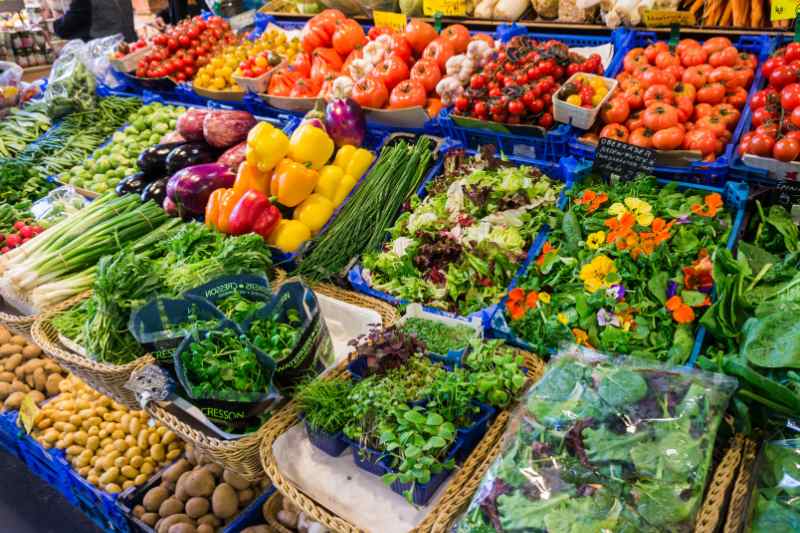
Origin of vegetables: the continents that gave birth to them
Three major regions of the world are the source of most of the vegetables that make up our diet today: the Near East, Asia, and the Americas. It is important to note that when we refer to this origin, we are talking about the geographical areas where these vegetables were cultivated, not where the vegetable was recorded as a wild plant. This sometimes explains the discrepancies we notice regarding the origin of certain vegetables (a good example being the unresolved debate about the aubergine, which is said to be either Chinese or Indian).
Here are the origins of some of the most commonly used vegetables today, by continent and major regions of the world:
- America: tomato (Mexico and Central America), bean, squash and courgette (Mexico), potato (Peru and Bolivia), pepper (Central America), sweet potato (Peru), corn (Mexico)
- Asia: aubergine and cucumber (India), spinach (Persia), garlic, shallot and onion, carrot, cucumber, turnip, crosne (Japan)
- Near East: pea* (Fertile Crescent), radish, lentil, chickpea, rocket, and cabbage, which was likely domesticated there.
- Middle East: carrot (Afghanistan), onion (Iran and Afghanistan)
*(often accepted as one of the oldest vegetables in the world, its cultivation dating back 7,000 to 10,000 years)
Europe and Africa are also the cradle of several vegetables in our daily lives. Cabbage, fennel, Swiss chard, parsnip, broad bean, and many salads like lamb's lettuce (from Sicily and Sardinia), escarole or chicory for Europe, beetroot and artichoke coming from North Africa.
While all these vegetables were brought back by the great expeditions of the 15th and 16th centuries or by the Arab conquest (the Silk Road and the Incense Route concerned not food, but spices, fabrics, and precious woods), they underwent a slow evolution, being domesticated and then hardened in regions with climates very different from their areas of origin.
Vegetables through time: a brief timeline of an announced success
The consumption of vegetables is documented in numerous ancient writings and manuscripts across different cultures and eras, but also through paintings and still lifes from the Renaissance onwards. Archaeologists have thus identified the pantry of our distant ancestors, historians have investigated their introduction, and naturalists and botanists have studied their acclimatization in our countries.
As we learn it in school, nomadic man did not cultivate; he was a hunter-gatherer. When he settled down, around 10,000 BC, he began to domesticate certain animals… and to plant! The first centres of settlement in the Near East, what is called the Fertile Crescent (corresponding to Iran, Iraq, and Turkey) report the cultivation of cereals such as barley (Hordeum vulgare), then wheat, oats, and rye. Considered the first cultivated food, barley was indeed on the menu of our Mediterranean ancestors.
Ancient Egypt, which has left us numerous testimonies of its dietary practices in its temples, tombs, and papyri, cultivated cabbage and cucumber, as well as chickpeas and, more surprisingly, radishes, as well as the nut sedge (papyrus) which was consumed. It was a predominantly vegetarian people.
Closer to us, in ancient Rome, we were able to identify the vegetables that the inhabitants of Pompeii ate: peas, broad beans, and lentils encountered in Egypt, thus many legumes, but vegetables such as cabbage, leek, onions, and asparagus also already appeared. All these vegetables are mentioned by Columella, a Roman agronomist, and by Pliny the Elder in his Natural History.

Later still, in the Middle Ages, many manuscripts recount the vegetables that graced the tables: mostly leafy vegetables, such as spinach, orache, and borage, root vegetables (chervis, parsnip, carrots, turnips…) and so-called perpetual or perennial vegetables. There is still much evidence of legumes such as chickpeas and lentils. The beetroot makes its appearance, and Charlemagne attempts to impose it in the vegetable garden. He includes it in his Capitulare de Villis and recommends it as a vegetable crop for the Empire. Medieval cuisine often consisted of all these vegetables, consumed in the form of soups, broths, pies, and stews, with meats, game, and fish reserved for the noble classes.
The Age of Discoveries in the 15th and 16th centuries further enriched this mapping of vegetables. The discovery of the Americas by Christopher Columbus in 1492 led to the introduction of many new vegetables to Europe, such as tomatoes, potatoes, corn, peppers, and squash, to name just a few. These vegetables from the New World literally fascinated our old continent. They graced the tables of monarchs and European courts, ensuring the splendour of banquets during the Renaissance, and later integrated into European cuisines in the modern era.
Subsequently, we witnessed the acclimatization of these vegetables growing in warm climates, adapting them to our regions, our humidity, and our four seasons. The greenhouses that developed from the 18th century onwards allowed for an unprecedented boom in market gardening. Farmers gradually began to produce many types of vegetables throughout the year, increasing both diversity and productivity.
Aubergine, carrot, and artichoke: three domesticated vegetables under the microscope
Alexandra has already explored the fascinating history of certain vegetables in My Vegetable Garden Comes from Afar, such as potatoes, tomatoes, or squashes. I will complete this list by discussing here the aubergine, carrot, and artichoke, three vegetables rich in flavour and colour... well... not all at the beginning!
- Aubergine
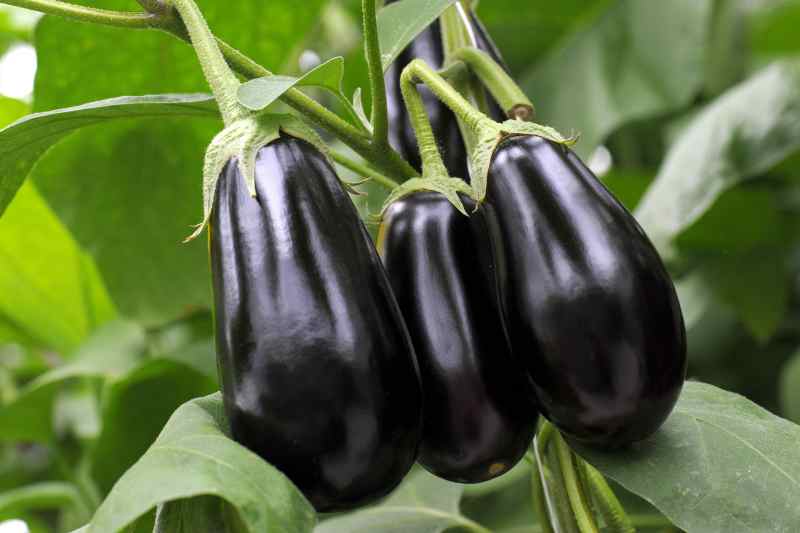
The Aubergine (Solanum melongena L), long referred to as the madman's apple or the apple of Sodom in the 14th century, had a rather poor reputation before becoming this much-loved summer vegetable in Mediterranean, Lebanese, and Asian cuisine. It was said to be dangerous, as it was associated, as was the tomato, with belladonna, which belongs to the same botanical family, the nightshades. It was attributed with fevers, epileptic fits, and those who ate it were even said to lose their sanity.
Aubergines were thus, like some other vegetables, initially considered ornamental plants in Europe, but soon gained popularity as food in southern Europe. They are documented in cultivation around 500 BC in India and Burma. The white aubergines are believed to be the oldest cultivated forms. In India, Burma, and China, mentions of light or white varieties can be found in ancient texts, as early as the 5th century.
They are still called "eggplants" in English because they resembled… chicken eggs!
It was the Arabs who discovered it in the Middle Ages and brought it from Asia, likely from India in the 15th century. They named it "al-bâdinjân", introduced it into the Mediterranean basin, and quickly adopted it through their trade with the Arab world. The aubergine passed through North Africa, then Spain, and into other Maghreb countries. However, it was the Italians who truly popularised it in the 19th century. It would then be more consumed in Spain and Italy, as well as in Greece. The aubergine would not appear in markets in northern France until the mid-19th century.
The aubergine remains widely consumed in the Middle East, where it is the star of iconic dishes like baba ghanoush in Lebanon, or Imam bayildi in Turkey, for example. In Turkey, where aubergine jam is a specialty, it is also consumed sweet, and in Andalusia, cooked with honey as a dish, the aubergine regains its status as a fruit, as botanically it is indeed one.
The aubergine is now among the top 7 most cultivated vegetables in the world, with over 60 million tonnes produced annually. The global production of aubergine is primarily Chinese and Indian, with China accounting for about 63% of global production and India about 24%. It remains predominantly consumed in Asia. Today, there are no fewer than 341 varieties of aubergines listed in the official catalogue!
- Carrot
Iran is credited with a developed culture of the carrot (Daucus carota), but it is in Afghanistan that it is said to have appeared in the 10th century, quite recently in fact. It was initially produced in Europe, mainly in Spain, and after crossing the Pyrenees, it arrived in France, then Italy in the 14th century.
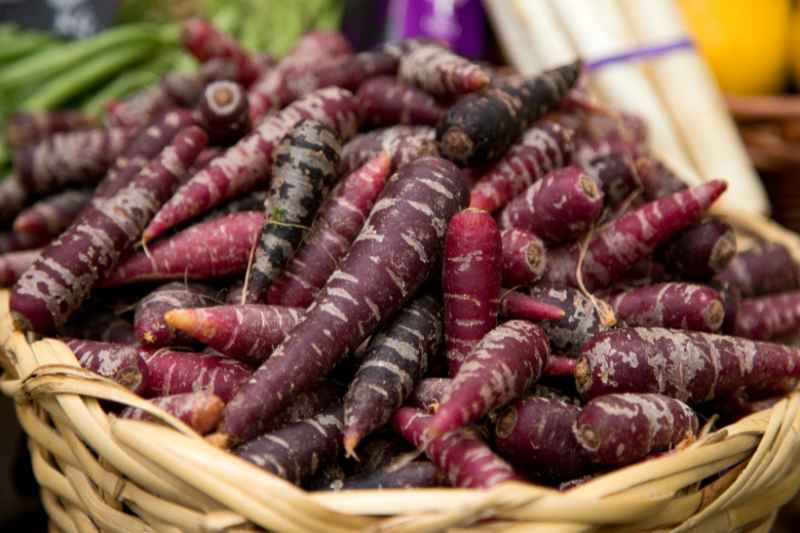
Yellow, white, and red carrots, ancestors of the orange carrot, delighted the royal tables of Europe in this colour until the Renaissance. Like other vegetables or fruits that gradually changed colour, the carrot originally had whitish hues. It was the Dutch who, in the 17th century, through numerous hybridizations, transformed this pale carrot into an increasingly orange one.
We now find yellow and purple carrots on the stalls, a curious turnaround! Fashion and trends...
- Artichoke
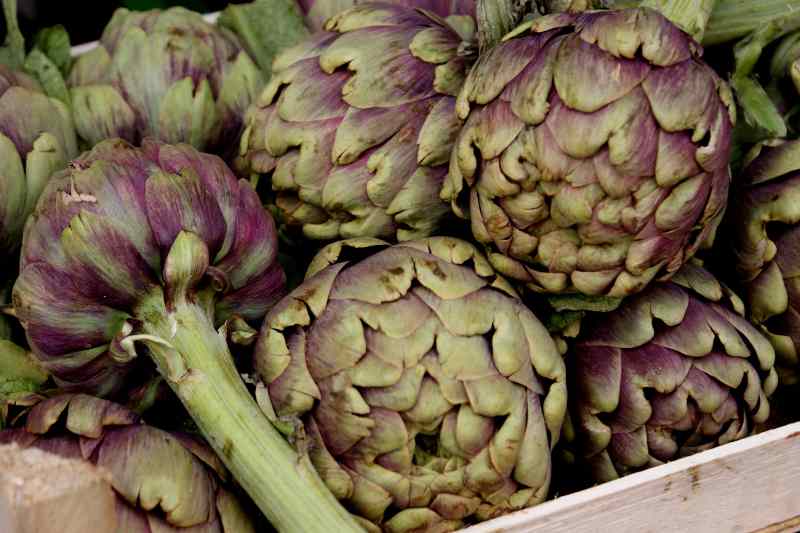
The artichoke (Cynara scolymus), a symbol of Brittany for us, originates... from the Mediterranean basin, specifically North Africa. It is nothing other than a domesticated wild thistle! It was probably already consumed in Antiquity by the Egyptians and the Berbers, in its wild form, the cardoon (Cynara cardunculus).
It is from this species that the cultivated artichoke is obtained through selection. It reached Italy in the 1st century under the Roman Empire, where it was mainly used, like in Greece, for its medicinal properties. It was during the Renaissance, around 1644, that it was truly popularised and cultivated in aristocratic gardens, particularly in Naples and Sicily. It was then credited with digestive and even aphrodisiac properties. It appeared in France thanks to Catherine de Medici, who introduced it to royal gardens in the 16th century. Louis XIV adored this vegetable… La Quintinie cultivated five different varieties.
It was not until the early 19th century that the artichoke became popular, thanks to the creation of the famous large Camus de Bretagne. It thus became a significant market gardening crop in Brittany, Provence, and the Loire Valley. There are several varieties, such as the Gros vert de Laon, the purple artichoke of Provence, or the poivrade—which appeared later—a small tender variety often consumed raw or in oil. The artichoke remains an emblematic vegetable of Mediterranean cuisine, found stuffed, in barigoule, or Roman-style.
Italy, Spain, and Egypt are now among the three main producers of artichokes in the world, far ahead of France.
The 'new vegetables'
While we often think that all our vegetables are ancient, some have only recently appeared in our gardens and on our stalls, particularly with the globalization of food, the rise of organic produce, and new consumption habits (gluten-free, vegetarianism).
Among the vegetables that have recently arrived in our gardens and markets are exotic vegetables, but not only...
- Chayote (or christophine), a cucurbit from Central America, widely used in Caribbean and Reunion cuisines, now well acclimatisated and cultivated in France, in the mild Atlantic zone or in the south.
- Kale – making a comeback since the 2010s, a star of health diets. It is now widely cultivated in urban, organic, and alternative gardens.
- Romanesco cabbage arrived in our markets in the 1990s.
- Sweet potato: it was rare just 30 years ago and is now ubiquitous in markets, even cultivated in the southwest of France. Some varieties are adapted to the French climate.
- The yacon (earth pear): Originating from South America, it is still marginal but is entering organic circuits and AMAPs (Associations for the Maintenance of Peasant Agriculture). Its taste is sweet, similar to that of the Jerusalem artichoke.
Also added to this list is black radish, an ancient vegetable rehabilitated by modern cuisine and wellness trends. Long relegated to herbalism, it is now reappearing in winter salads and detox plates. These vegetables reflect the plant renaissance of the 21st century, between exoticism and culinary innovations.
We are also witnessing the rediscovery of forgotten vegetables such as chervis, orache, helianthi, crosne, or even cardoon, and herbs like wild garlic, often brought back to the forefront by chefs or organic gardens.
21st-century agriculture has also seen the emergence of hybrid or crossbred vegetables, such as broccolini (a cross between broccoli and kai-lan), or kalette (kale + Brussels sprout), reflecting our growing taste for plant innovation, but also the need to adapt to new climatic conditions.
These vegetables that might never have existed!
Finally, there are also vegetables that never came to be... and those that could have remained unknown in Europe.
We will thus try to consume the tuber of the Dahlia, brought to France in 1802 from Mexico via Spain. This plant was cultivated, used decoratively in flowering tiaras, but also consumed by the Aztecs for centuries. Botanist André Thouin thought he could use it here, somewhat like the potato, as the tuber had a floury consistency. But its peppery taste did not appeal to the testers of the time, and thus it was relegated in 1804 (to our great delight) as the only ornamental plant!
Some of the vegetables we cherish today almost didn't make it into our kitchens. The potato and the tomato are good examples; the former long deemed unfit for consumption, indigestible, only good for feeding animals, and supposedly transmitting the plague, while the latter retained its image as a toxic plant for a long time. It was only adopted by the French from 1731, and by the Germans even later, around 1870. These plants, labelled as poisonous, were also the fate of some fruits, but we will return to this in a future article.
Further reading
I highly recommend one of the books that recently received the French Saint-Fiacre Prize 2024: "Tour de France of Fruits and Vegetables" by Noémie Vialard and Stéphane Houlbert, as well as History of Vegetables: From Origins to the Dawn of the 21st Century, by Michel Pitrat and Claude Foury.
If you are wandering in Anjou, visit the gardens of Puygirault, a unique place that traces the evolution of the vegetable garden from the earliest times.
Want to discover heirloom vegetables? Check out our articles and recipes on the subject:
- 9 Heritage Vegetables to Grow in the Vegetable Garden
- Jerusalem Artichoke: A Forgotten Vegetable to Rediscover
- Chervis, an Easy-to-Grow Forgotten Perennial Vegetable
- Borage Leaf Soup: A Simple and Tasty Recipe
- Orache in the Kitchen: Plant-Based Recipes of an Ancient Vegetable to Rediscover
- Helianthi: How to Harvest, Store, and Cook It?
Find an interesting article from National Geographic on a thermopolium discovered intact in Pompeii.
The Cluny Museum inspires us with its medieval recipes!
For centuries, vegetables have travelled across continents, carried by explorers, merchants, and botanists. Aubergines, potatoes, celery, cabbages, carrots, and other parsnips… The vegetables so familiar in our everyday cooking often come from the antipodal cells, or at least from distant territories. We learn in our history classes that tomatoes and corn were brought to us […]
Cinnamon, this fragrant and sweet spice found in many sweet and savoury dishes, has a fascinating history that spans continents and centuries. Its use is not limited to cooking: it has played a crucial role in global trade and has contributed to major voyages and explorations. In this article, we will explore the origins of cinnamon, its role in the history of trade, and the explorations it has inspired.
Origins of Cinnamon: A Treasure from Southeast Asia
Cinnamon primarily comes from the inner bark of trees in the Cinnamomum genus, native to tropical regions. There are several types of cinnamon, but the two most well-known are Ceylon cinnamon (or "true" cinnamon) and Chinese cinnamon (or cassia).
- Ceylon cinnamon (Cinnamomum verum) originates from Sri Lanka and southern India. It is sweeter and more subtle than its cousin cassia and is considered the most prized form of the spice.
- Chinese cinnamon (Cinnamomum cassia) comes, as its name suggests, from China, but it also grows in Vietnam, Indonesia, and other regions of Southeast Asia. This variety has a stronger taste, is more robust, and is often used in Asian cuisine and as an alternative to Ceylon cinnamon in many commercial products.

In the Cinnamomum genus, you can also find the Cinnamomum camphora, more commonly known as the camphor tree.
Good to know: the paperbark maple (Acer griseum) gets its name from the way its bark peels with age, resembling cinnamon. It’s very beautiful, but it’s not edible!
Did you know?: the harvesting of cinnamon is a delicate and manual process, usually done twice a year during the rainy season. Growers cut the young branches of the tree and remove the rough outer bark. They then scrape the thin layer of inner bark, which is then dried. As it dries, this bark naturally curls to form the characteristic cinnamon sticks. Once dried, it is cut into sections and sorted by quality. The amount of cinnamon obtained depends on the age of the tree and the growing conditions, but generally, a tree can provide about 50 to 100 kg of bark each year.
Cinnamon in Antiquity: A Precious and Mystical Spice
The use of cinnamon dates back thousands of years. Traces of its use have been found in ancient Egypt, where it was used in embalming processes and as a perfume. The Egyptians believed that this spice had mystical powers and incorporated it into sacred rituals.
In the Greco-Roman world, cinnamon was considered a luxury product. It was so rare and precious that it was sometimes worth more than its weight in gold. Herodotus, the Greek historian, mentioned that cinnamon came from mysterious and distant lands, further heightening the mystery and value of this spice.
Arab merchants, who controlled the cinnamon trade, deliberately maintained this mystery to protect their sources. They invented fantastic stories, claiming that cinnamon came from nests of great birds perched on inaccessible cliffs.
The Age of Discoveries: In Search of Cinnamon and Spices
During the Middle Ages, the demand for cinnamon, like other spices such as pepper and cloves, increased significantly in Europe. Spices were used not only to enhance the flavour of food but also to preserve meats. They also played a symbolic role of wealth and power.
It was during this period that European explorers began undertaking great voyages to find new trade routes to the sources of spices. European powers, particularly Portugal, Spain, and the Netherlands, initiated the age of great explorations.
- The Portuguese were the first to establish direct relations with cinnamon producers in Ceylon, present-day Sri Lanka. In 1505, they colonised the island and began exploiting this lucrative trade.
- The Dutch followed closely behind. In the 17th century, the Dutch East India Company (VOC) took control of Sri Lanka after expelling the Portuguese. They imposed a strict monopoly on the cinnamon trade, carefully controlling production and exports to maximise their profits.
- The British eventually supplanted the Dutch in Sri Lanka by the late 18th century, but by that time, cinnamon had already lost some of its status as a rare product, as other spices had gained popularity and accessibility.

Trade Routes and the Stakes of Cinnamon
The cinnamon trade was one of the first drivers of the creation of maritime trade routes between Asia and Europe. These routes were of paramount importance for the economic rise of the great maritime powers.
- Land routes, which were part of the ancient Silk Road, had long remained the main way to transport cinnamon to Europe. But with the rise of maritime routes, which were faster and more efficient, the trade of cinnamon, along with other spices, experienced unprecedented expansion.
- Portuguese maritime routes, for example, followed the west coast of Africa, rounded the Cape of Good Hope, and ascended the Indian Ocean to Ceylon. These routes were also taken by other European nations as competition for control of spices intensified.
The spice trade, particularly that of cinnamon, greatly enriched colonial empires, but it also had profound consequences for local populations, who were often exploited or displaced in the process.
The Evolution of Cinnamon Trade to Today
Today, cinnamon is widely available around the world, but the two main varieties continue to be primarily cultivated in Southeast Asia. Sri Lanka, formerly Ceylon, remains the leading producer of Ceylon cinnamon, while cassia is mass-produced in Indonesia and China.
With the evolution of agricultural practices and transportation methods, cinnamon is no longer the rare and precious spice it once was, but it retains a special status in many cultures. It is still highly valued in cuisines worldwide and is used not only for its flavour qualities but also for its medicinal properties. Indeed, cinnamon is renowned for its antioxidant, anti-inflammatory, and antibacterial properties.
Cinnamon, this fragrant and sweet spice found in many sweet and savoury dishes, has a fascinating history that spans continents and centuries. Its use is not limited to cooking: it has played a crucial role in global trade and has contributed to major voyages and explorations. In this article, we will explore the origins of […]
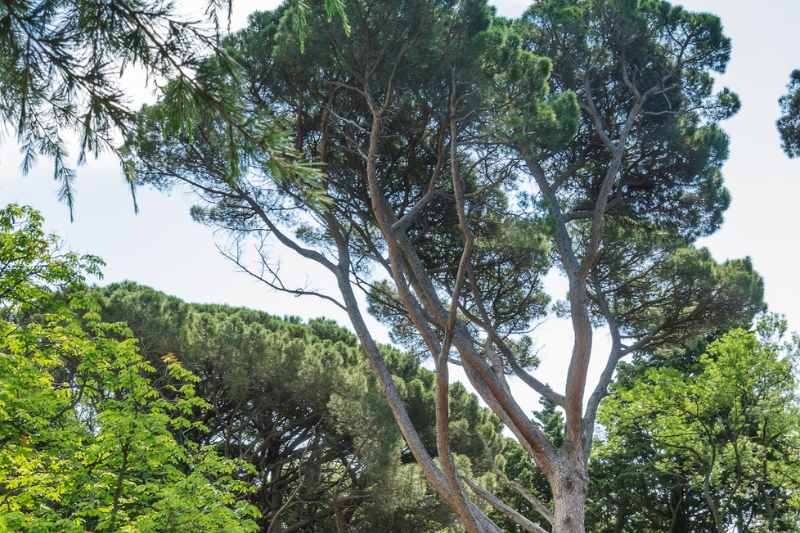
When discussing reforestation or the planting of new trees, the images that come to mind are often those of young shoots, symbols of hope and renewal for our environment. However, while planting new trees is essential for many ecological reasons, it cannot replace the value and ecological functions of old trees. These green giants, often forgotten or neglected in favour of their younger successors, possess irreplaceable attributes that deserve special attention.
Old trees are true ecological pillars in their ecosystems. Their imposing size, the result of decades or even centuries of growth, allows them to play a crucial role in absorbing carbon dioxide, far exceeding that of young trees. Their complex structure provides a rich and diverse habitat for many animal and plant species, thus contributing to robust and resilient biodiversity.

The ecological benefits of old trees
Carbon storage capacity
Old trees are champions in the fight against climate change due to their remarkable ability to store carbon. Over their long lives, they accumulate a significant amount of carbon in their wood, which reduces the amount of carbon dioxide, a greenhouse gas, in the atmosphere. An old tree can contain hundreds of kilograms of carbon, stored not only in its trunk but also in its branches and roots. This carbon sequestration capacity is much higher in old trees than in young ones, as they have greater standing crop and more stabilised growth.
For example: a large pedunculate oak 20 m tall and around a hundred years old can store over 1 tonne of carbon in its structure, which is equivalent to absorbing about 3.67 tonnes of carbon dioxide from the atmosphere. A young tree (let's say, 10 years old) of the same species can store about 9.5 kg of carbon per year. If we consider a small wood composed of 100 individuals of these young trees, the total would be 950 kg of carbon stored annually, nearly the same as a single old oak.
Biodiversity associated with old trees
In addition to their role in carbon storage, old trees are ecosystems in their own right. Their size and structural complexity provide varied habitats for many species. Cavities in aging trunks and branches can serve as nests for birds and refuges for small mammals and insects. Their broad canopies provide shade and an essential micro-habitat for different varieties of plants, mosses, and ferns. This diversity of habitats contributes to greater species diversity, making old trees true pillars of local biodiversity.
Role in microclimatic regulation
Old trees also influence the microclimate of their environment. Their broad canopy helps to moderate local temperatures, providing shade and reducing the urban heat island effect. This shade lowers the temperature of the ground and surrounding air, which can be particularly beneficial in urban areas where concrete and asphalt absorb and re-emit the sun's heat. Additionally, the transpiration of old trees adds moisture to the air, which can improve air quality and contribute to a more pleasant and healthier environment.
Aesthetic and cultural importance of ancient trees
Landscape and heritage value
Ancient trees play a crucial role in the landscape, bringing majestic beauty that is often the result of decades or centuries of growth. Their size, the shape of their canopy, and textured bark attract the eye and serve as focal points in various landscaping designs, offering character and continuity. These trees are at the heart of natural heritage conservation efforts, as they represent a living link to the past and are valued for their contribution to the identity and beauty of a region.
Trees as witnesses to local and global history
Ancient trees are also witnesses to history. Each of these trees can tell stories of the past, having survived major historical events or having witnessed significant changes in their immediate environment. For example, specific trees can be identified as sites where historical events took place, serving as landmarks for local communities and historians. They can also represent historical or cultural symbols, linked to legends, poems, or cultural practices.
Beyond their role as silent witnesses to human history, these trees often hold spiritual or religious significance, embedded in local practices and beliefs. They are sometimes regarded as sacred or as protectors by communities, reinforcing their role in the cultural fabric of society.
The challenges associated with the growth of young trees
Unlike annual plants or bushes, trees typically require several decades to fully develop their root structure, trunk, and canopy. During this growth period, they do not yet have the capacity to provide the same ecological services as mature trees, such as significant carbon sequestration, support for high biodiversity, and effective microclimate regulation. This long delay before they become fully "functional" in the ecosystem can be seen as a long-term investment, but one that does not immediately compensate for the loss of old trees.
Young trees also face relatively low survival rates, particularly in urban or disturbed environments. Challenges include competition for resources such as light, water, and nutrients, especially if space is limited or if the soil is of poor quality. Young trees are more vulnerable to environmental stresses such as droughts, floods, extreme temperatures, and diseases. Furthermore, they can be damaged by human activities, such as construction and pollution. In other words, it is not always a given, and it is therefore better to keep older trees.
Conservation strategies for old trees
Effective conservation of old trees requires appropriate care and sustainable management policies that value their ecological and cultural importance in urban and rural environments. These strategies include regular inspections, careful pruning, structural support, and adjustments in irrigation and soil quality, as well as integration into urban planning, legal protection, public awareness, and adequate funding for conservation programmes. These joint efforts are essential to preserve these trees, which are crucial elements of our natural heritage and vital contributors to biodiversity and environmental well-being.
When discussing reforestation or the planting of new trees, the images that come to mind are often those of young shoots, symbols of hope and renewal for our environment. However, while planting new trees is essential for many ecological reasons, it cannot replace the value and ecological functions of old trees. These green giants, often […]
You have spent months nurturing your vegetable plants or fruit bushes, watering, feeding, and protecting them from pests. Now, it’s time to reap the rewards of your hard work… However, preserving your vegetables and fruits is no small feat, where every mistake can turn your harvest into a disaster in your cellar. Unless that’s your goal?
In this article, we will explore, with a generous dose of humour and a hint of irony, the myriad ways to fail at preserving your precious harvest. From tomatoes that fancy themselves as modern sculptures to potatoes competing in their own “who has the longest sprout?” contest, we will cover all possible catastrophic scenarios.
But don’t worry, dear gardeners, behind every anecdote lies a useful tip, and behind every joke, a lesson to be learned. Discover how to fail (or not) at preserving your harvest!
Lesson 1: Choosing the Wrong Time to Harvest
To spectacularly fail at harvesting from your garden, the key lies in timing, or rather, its complete absence. Harvest whenever you please without checking the harvest periods for each plant variety! Don’t rely on the colour, texture, or size of your vegetables and fruits! Thus, pick your carrots when they are thinner than your fingers, and your tomatoes, green as apples, will end up wondering if they are colour-blind. Let them ripen on the windowsill to better savour the absence of flavour… or watch them rot.
And what about those squashes you leave on the plant until they are big enough to house a family of elves? Watching them grow is a spectacle, but eating them… that’s a whole different story! You might even test the patience of your potatoes, leaving them underground until they decide to retire and sprout from old age.
But if, in a moment of clarity, you decide to harvest wisely, remember that each fruit and vegetable has its moment of glory. Carefully observe the signs of ripeness: colour, size, and tenderness. A little attention and knowledge about the optimal time for each plant can turn your harvest into a celebration of flavours rather than an exhibition of botanical curiosities.
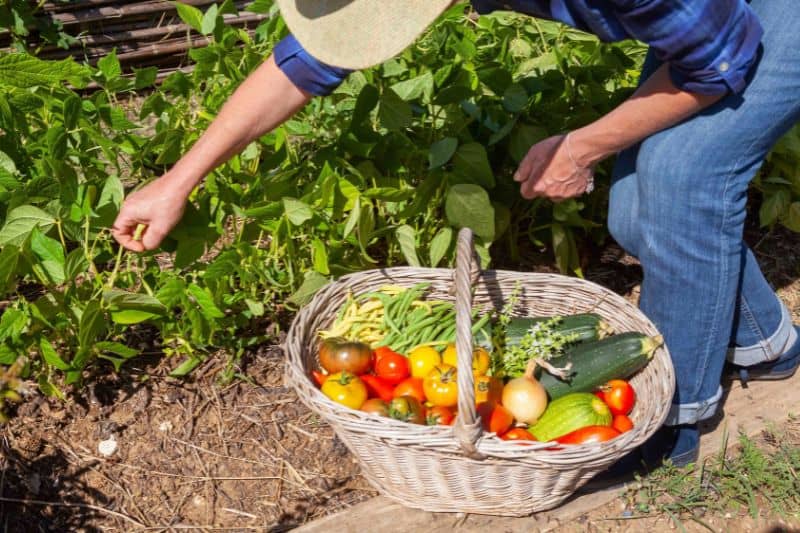
Lesson 2: Neglecting to Clean and Sort Your Harvest
To ensure your vegetables are doomed to fail in preservation, nothing beats adopting the “I’ll deal with it later” technique. After harvesting, abandon the vegetables in a corner, completely forgetting to prepare them for their long winter stay. Don’t worry about removing the dirt or the little critters that may have taken a liking to your vegetables.
Carrots? Leave the tops attached, like extravagant hairstyles, so they can exhaust all their energy before wilting sadly. Potatoes? Store them immediately after harvesting so that the still damp soil sticks and forms a layer of mould. And apples? Feel free to polish them until they shine like miniature suns, ignoring the fact that this removes their precious natural wax protective layer.
But back to reality. If you want your harvest to survive in the best conditions, a little preparation is essential. Washing vegetables is not always recommended, especially if they are to be stored for a long time. However, a good dusting, a little brush to remove excess soil, and a quality check are in order. Cut away damaged parts, remove tops if necessary, let potatoes dry for two or three days in the sun and ensure that only healthy vegetables go into storage. Be diligent in sorting and remember that some fruits and vegetables do not get along well. For example, storing apples away from others prevents them from triggering premature ripening in their neighbours.
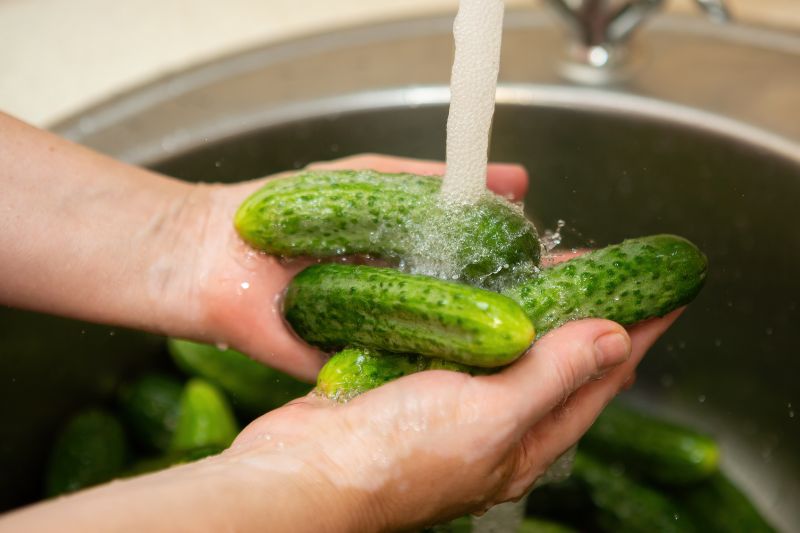
Lesson 3: Ignoring Storage Conditions
For a true culinary disaster, don’t forget to ignore the storage conditions! It’s a bit like inviting your harvest to a party themed: “Survival in Hostile Environments”.
Store your apples in a warm and humid place, watching them turn into applesauce before they even reach the pot! For potatoes, choose a spot in the light so they can turn green! Even better, place them next to onions, creating the most romantic rendezvous between two vegetables that cordially despise each other. Carrots, on the other hand, might find themselves in a plastic bag, where they throw a little sauna party, relishing the moisture until they lose their crunch. And tomatoes and herbs? Leave them in the fridge, where they can quietly meditate on the loss of their flavour and texture!
But if the idea of preserving your harvest appeals to you, a little common sense is in order. Apples prefer cool, airy places, away from their vegetable companions. Onions and potatoes need their personal space, in a dry, dark place. As for carrots, they like moisture, but controlled, like in a cool room with good air circulation. And tomatoes at room temperature!
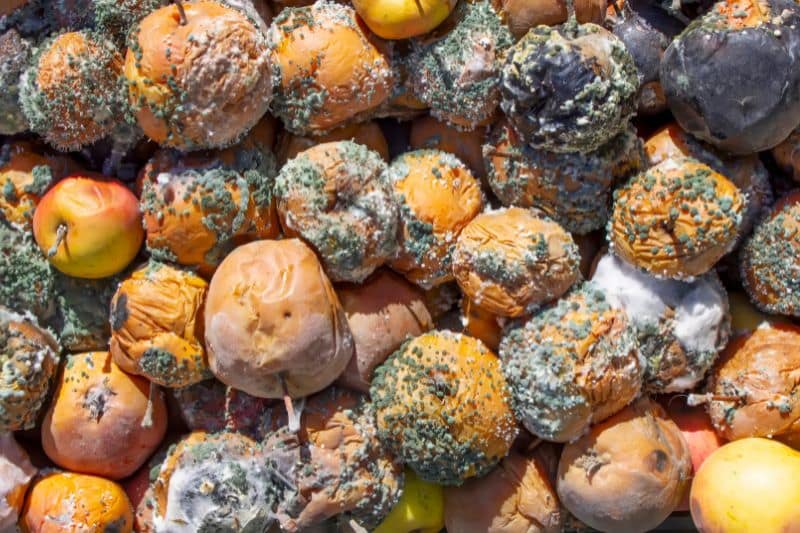
Lesson 4: Forgetting to Regularly Check Stored Harvests
Forgetting to regularly check your stored harvests is a bit like leaving children home alone without supervision. You return to discover a sort of wild party where mould acts as the DJ, leading vegetables and fruits into a frantic decomposition dance.
Imagine opening your pantry to find that your potatoes have started their own gardening, with sprouts so long they could audition for roles in science fiction films. Or discover your onions in such an emotional state that they have made the other vegetables around them cry, creating a melodramatic atmosphere in your pantry.
And the apples? If you forget them for too long, they might turn into spontaneous applesauce, deciding it’s more fun to decompose on their own than wait to be eaten.
To avoid this edible chaos, a little ritual of regular checking is essential. Dedicate a moment each week to play detective in your storage. Examine fruits and vegetables for signs of distress like mould, sprouts, or spots. Remove the culprits to prevent them from contaminating the rest of the bunch.
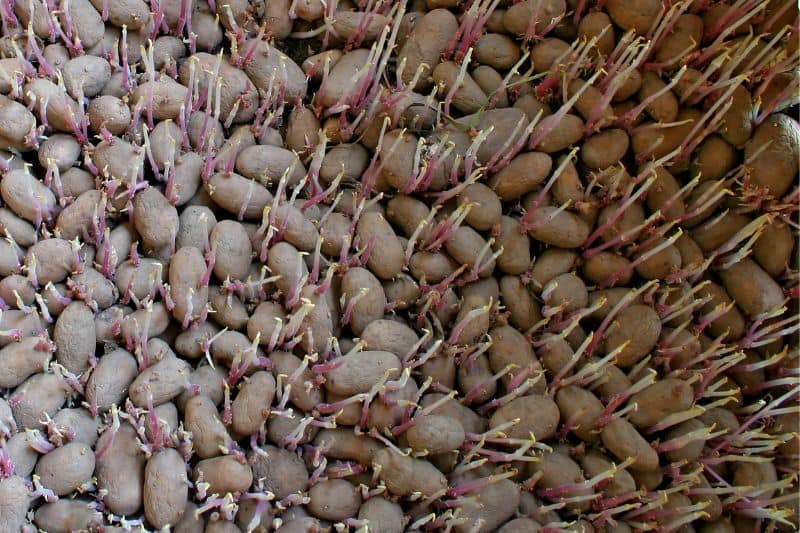
Lesson 5: Using Inappropriate Preservation Methods
Using inappropriate preservation methods is a surefire way to fail at preservation! Put your carrots and green beans in a freezer without blanching them first, turning them into frozen vegetables. Or, try drying your tomatoes by simply leaving them on the counter, then watch them turn into a sad, shrivelled version of themselves, far from the glory of sun-dried tomatoes.
And what about the ambitious project of making jam with every fruit and vegetable on hand? Potato jams, cucumber jams, and why not lettuce jams, turning your kitchen into an experimental lab where every jar is a taste surprise… often dubious.
To avoid these comedic culinary scenarios, choosing the right preservation method for each type of harvested vegetable or fruit is crucial. Blanching vegetables before freezing preserves their texture and flavour. Tomatoes, on the other hand, lend themselves wonderfully to canning or drying, but make sure to follow the right techniques. And for fruits, jam, drying, or freezing are excellent ways to preserve them, as long as the method suits their characteristics.
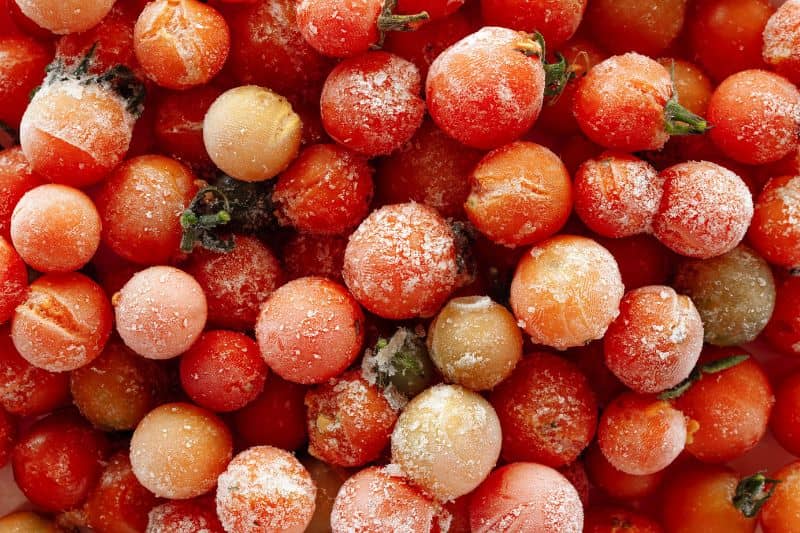
Lesson 6: Neglecting the Temperature and Humidity of the Storage Area
Finally, turning a blind eye to the temperature and humidity of the storage area is a guaranteed way to fail at preserving your vegetables and fruits. A temperature that is too high and excessive humidity can create a tropical climate, prompting potatoes to dream of beaches and palm trees, ultimately sprouting with overwhelming enthusiasm or apples turning into applesauce all on their own. Conversely, in a warm and overly dry environment, your apples might start to shrivel, as if they decided to try out a new extreme beauty regimen.
In this scenario, your cellar or pantry transforms into a sort of sauna for certain vegetables, orchestrating a chaotic dance of temperatures and humidity that leaves your harvest completely disoriented.
To avoid this climatic disaster, careful monitoring of humidity and temperature is essential. Cellars and pantries should be cool, but not cold, with enough humidity to prevent drying out, but not so much as to encourage mould. A thermometer and hygrometer can be your best friends in keeping an eye on these conditions.
You have spent months nurturing your vegetable plants or fruit bushes, watering, feeding, and protecting them from pests. Now, it’s time to reap the rewards of your hard work… However, preserving your vegetables and fruits is no small feat, where every mistake can turn your harvest into a disaster in your cellar. Unless that’s your […]