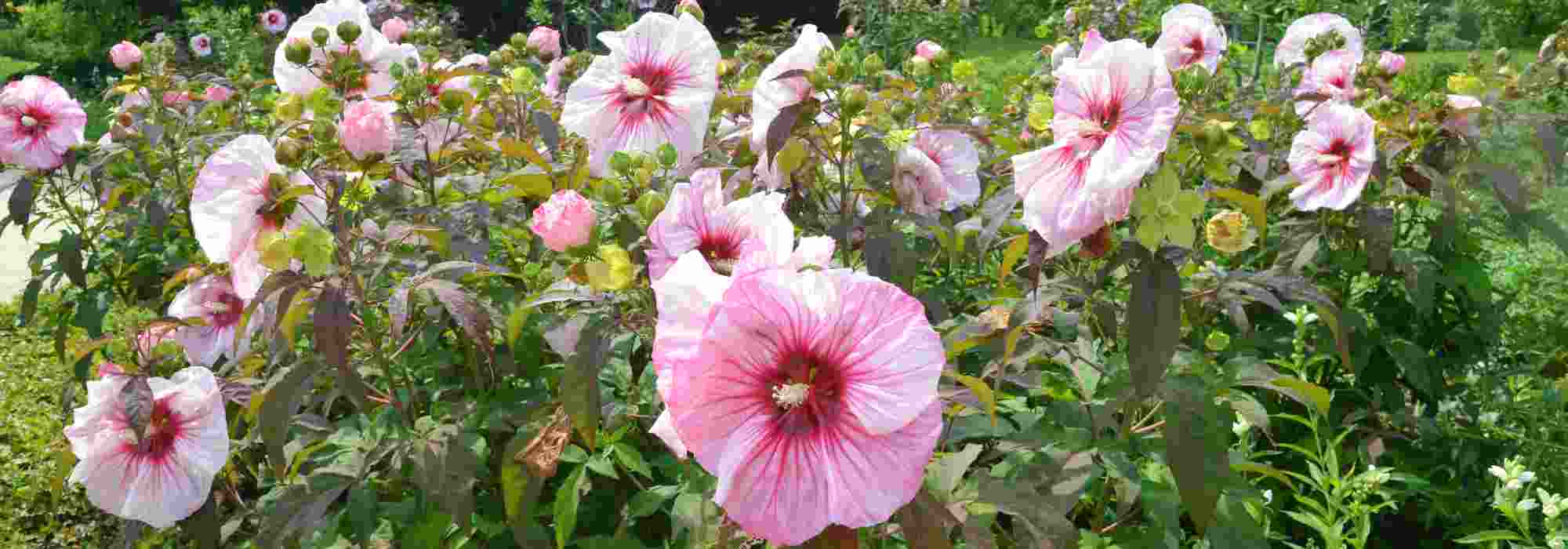
How to grow common Rose mallow in the garden?
Easily plant this perennial with impressive flowering
Contents
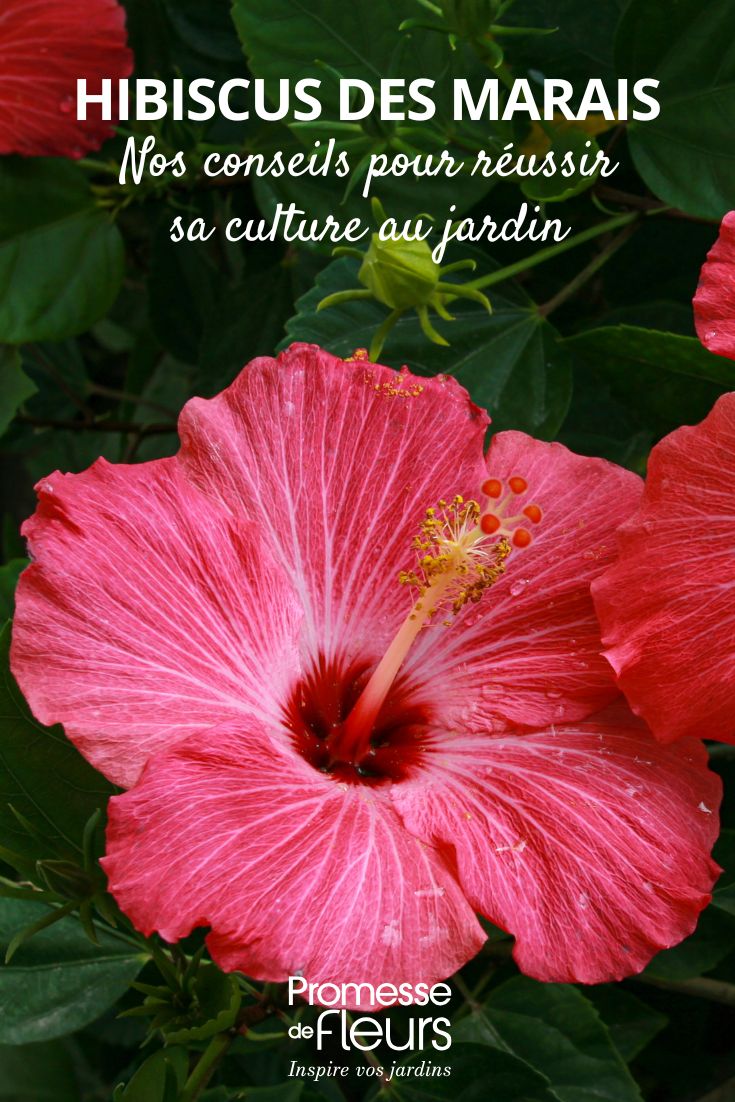
With their spectacular blooms, common Rose mallow (Hibiscus moscheutos) are impossible to miss in the garden. Their large, colourful flowers, which open in summer, can reach more than 20 cm in diameter. Easy to grow, they mainly need water and sun to thrive, making them perfect candidates for planting around a water feature, pond or lake. They are indispensable for adding an exotic, transportive touch.
Discover our tips here to successfully grow a common Rose mallow in the garden, from planting to care.
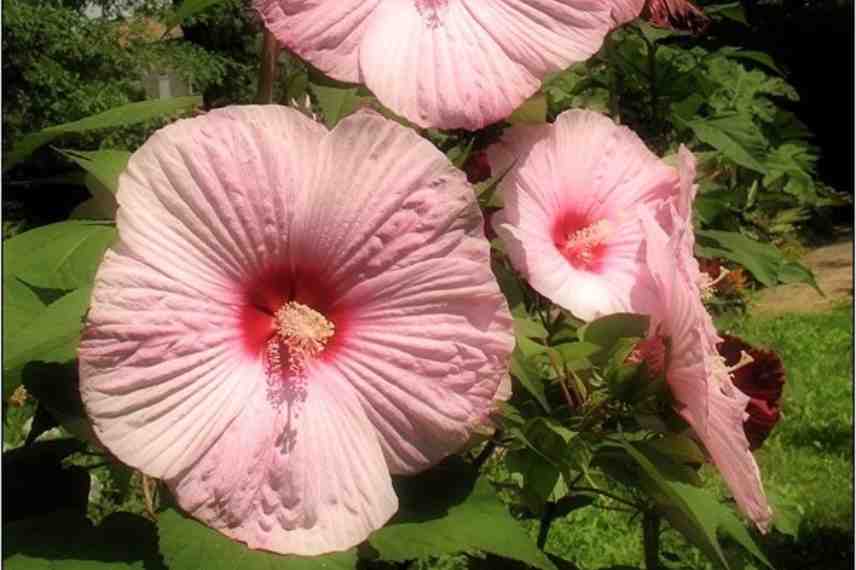
Common Rose mallows and their extraordinary flowers

When to plant common Rose mallow in your garden?
Common Rose mallow is best planted in the garden in autumn in mild climate regions, where winters are not too severe or long, and summers are warm. This allows plants to establish well before summer. Plant between September and November.
In cooler, more continental regions, planting in spring, once the last risk of frosts has passed, is preferable. Plant between March and early June.
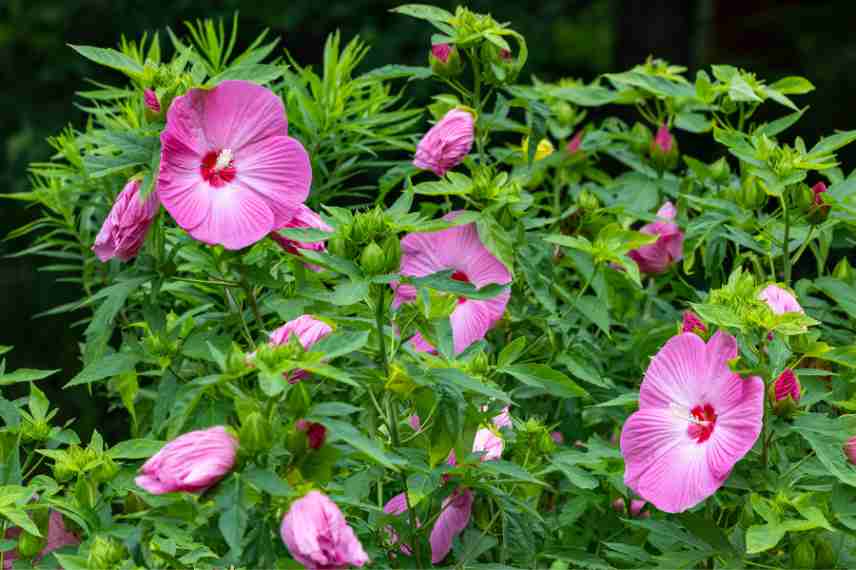
Hibiscus moscheutos
Planting common Rose mallow
Location
Common Rose mallow are plants native to marshy areas of the eastern and southern United States. They therefore appreciate damp, even waterlogged spots throughout their growing season (May to September). A location beside a body of water will therefore be perfect.
By contrast, they will prefer a position sheltered from cold winds, which could damage and cause the petals of their short-lived flowers to fall prematurely.
These hibiscus also need plenty of sun to flower well. In warm southern regions, a partly shaded position, especially during the hottest hours of the day, will be preferable.
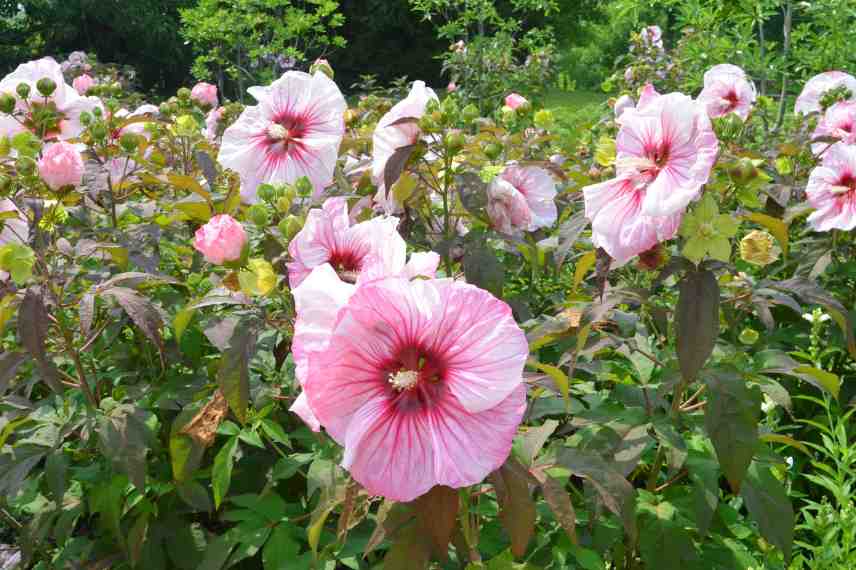
Loving damp soil, it is important to choose a suitable location for common Rose mallow
Growing medium
As for the growing medium (the soil in which the plant grows), Common Rose mallow prefers it to be fertile, that is rich in organic matter. It can even tolerate heavy, clay soils. Conversely, soil that drains too quickly may dry out too fast.
In terms of pH, it likes neutral to calcareous soils.
When planting, feel free to mix some compost for flowering plants into your garden soil. If your soil is fairly poor in nutrients, also consider adding well-rotted compost, manure, horn meal or blood meal. No need to add drainage amendments: Common Rose mallow likes to have its feet in water.
Planting
- Half an hour before planting, immerse your Common Rose mallow in a container of water at room temperature. This will allow the rootball to soak up water and will also make removing the pot easier.
- Dig a planting hole about twice the size of the rootball. Prepare the site by removing adventive plants (“weeds”) and any large stones.
- Remove the Common Rose mallow from its pot and place it in the centre of the hole. Backfill with the mixture of garden soil and compost (+ any amendments). Firm the soil around the plant to ensure good contact with the rootball.
- Water thoroughly.
- Apply an organic mulch (straw, dead leaves, RCW, plant husks…), which will retain moisture at the base of the plant and limit the emergence of adventive plants.
If growing several plants, space them about 50 cm to 1 metre apart in all directions, depending on the mature spread of the variety chosen.
Care of common Rose mallow
Common Rose mallow are fairly easy to grow. Above all, provide water and sun!
Watering
This is one of the key points for successful planting of Hibiscus moscheutos. Soil must never dry out. If necessary, water heavily and regularly, especially from late spring to early autumn. Water in early morning or late afternoon to reduce evaporation.
In late autumn and winter, when foliage has yellowed, soil may be allowed to dry out a little to better withstand cold. Space out watering accordingly, or stop it altogether if rainfall is sufficient.
Feeding
Common Rose mallow are fairly demanding plants that prefer to grow in fertile soil to flower well. Do not hesitate to apply fertiliser to stimulate flowering in early spring. Choose a fertiliser rich in potash, but not too rich in nitrogen, otherwise more foliage than flowers may develop. You can also add wood ash or well-rotted compost in autumn.
Pruning
For Common Rose mallow, pruning takes place in early spring, possibly in late autumn in regions where it does not freeze. It consists of cutting stems back to about 5 cm from the ground to stimulate flowering to come and maintain a neat, dense habit.
Don’t panic if you do not see signs of regrowth at the start of spring: Common Rose mallow grow slowly and often do not restart before May.
Pests and diseases
Common Rose mallow are not very susceptible to pests and diseases.
Overwintering
More tender than their cousins Hibiscus syriacus, our Common Rose mallow tolerate frosts down to around -10°C. They can be grown in open ground without problem in Mediterranean or oceanic regions. In colder climates, from north of the Loire and in mountainous areas, Common Rose mallow should be grown in pots. If planted in open ground, they must be protected: thick mulch at their base and fleece.
Propagation
Common Rose mallow multiply very well by propagation by cuttings. Feel free to read our dedicated article: How to propagate Common Rose mallow by cuttings?
Sowing is possible, but takes longer and is less reliable. You will need to wait several years before admiring first flowers.
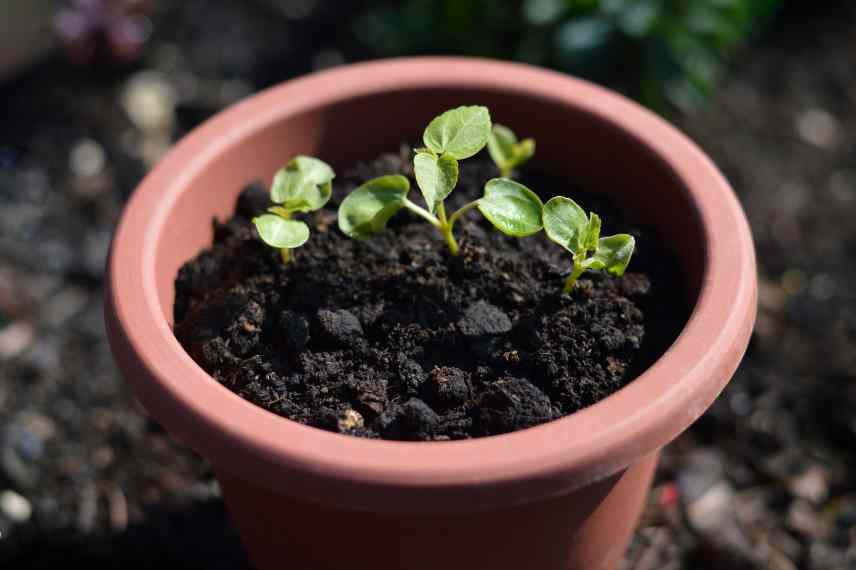
Sowing is possible, but be prepared to be patient
- Subscribe!
- Contents
This form is protected by reCAPTCHA - the Google Privacy Policy and Terms of Service apply.

































Comments