Had enough of that crystal-clear water that reveals pond bottom? Find the ballet of your fish in healthy water painfully lacking in dramatic suspense? This guide is for you. Here is the foolproof method to sabotage your aquatic ecosystem, encourage filamentous algae proliferation and turn your garden into a disaster zone even dragonflies will carefully avoid.
Location: choose worst possible spot
To ruin your pond from the start, location is crucial. Insist on a spot exposed to full sun from morning till night, with no shade whatsoever. Excessive heat will reduce oxygen levels and turn pond into a boiling pea soup where only algae will thrive. To perfect the disaster, place pond directly under a weeping willow or an old resinous tree. Massive build-up of fallen leaves and acidic needles will create a layer of toxic sediment at the bottom, ideal for acidifying water and clogging pump in record time.
Also make sure to dig perfectly vertical, smooth banks, with no depth shelves. That guarantees marginal plants will never take root and any creature falling in will stay trapped on the bottom.
Filtration: be minimalist (or completely absent)
Filtration is often considered the lungs of a pond; so atrophy it as much as possible. Opt for a grossly undersized filter, rated for a volume half of yours, to ensure water remains perpetually loaded with suspended particles. To save a few pennies on electricity, feel free to switch the system off every night. This fatal gesture will annihilate beneficial bacteria colonies that need a constant oxygen flow to convert ammonia into nitrates. Finally, if you must clean filter sponges, use chlorinated tap water rather than pond water, to be sure of obliterating every trace of biological life in the filter.
For fauna and flora: aim for chaos!
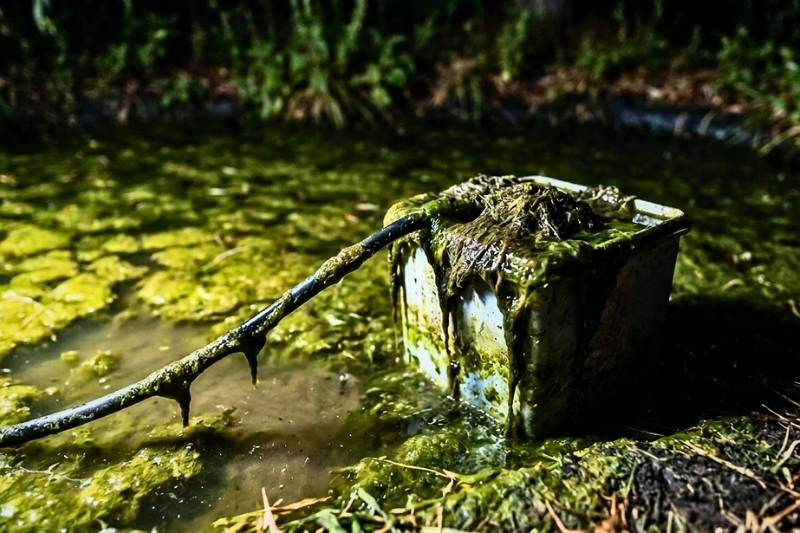
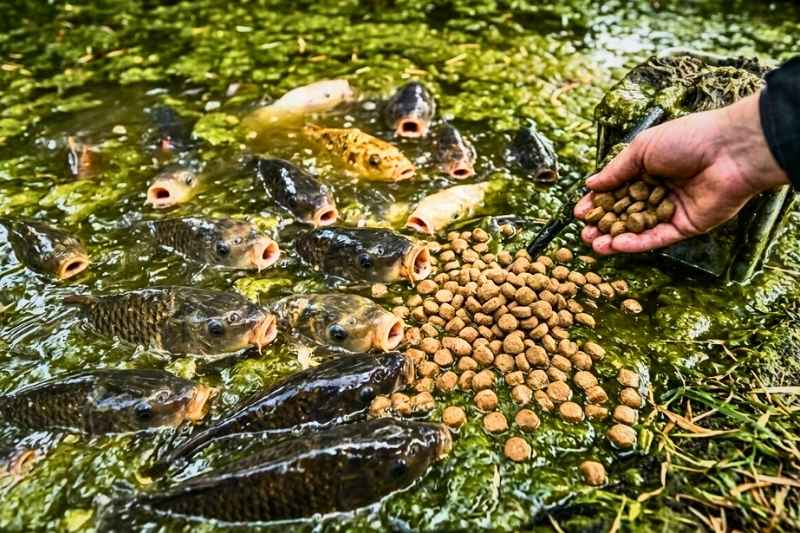
An overstocked pond is a doomed pond, so do not hesitate: introduce twenty Koi carp where wisdom would suggest only two. These magnificent fish are genuine waste factories that will saturate water with organic matter faster than you can say “eutrophication”. On feeding, be generous and overfeed them several times a day, even if food floats uneaten. These decaying pellets are perfect fertiliser for feeding algae. As for oxygenating plants, ignore them completely, since they might have the audacity to purify water and compete with your beloved green algae.
To perfect this chaos, do not hesitate to add invasive exotic species to your pond (EEE – species classified as invasive). These newcomers will choke your pond in fifteen days while eradicating local biodiversity for a complete ecological disaster.
Maintenance: procrastinate with passion
Secret of a failed pond lies in total ignorance of water's chemical parameters. Never use a test kit: pH, GH (water hardness) or nitrites are abstract concepts to you? Good. When water level falls in summer, top up abruptly with icy, chlorine-rich tap water, ideally in mid-afternoon to provoke a memorable thermal shock for your charges. Let muck accumulate at pond bottom for years without ever using a vacuum or natural products. This black sludge, seat of anaerobic fermentations, will eventually release foul-smelling gases that give your garden that much-sought-after marsh aroma.
Winter: art of the finishing blow
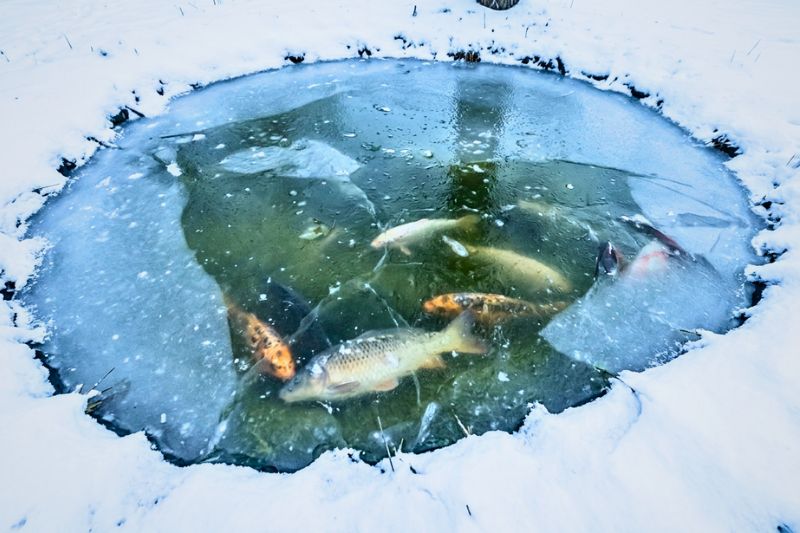
When frost sets in, let pond surface seal airtight under a thick layer of ice without ever installing an anti-freeze dome or an aerator. This method is radical: it prevents gas exchanges, trapping decomposition gases beneath the surface while depriving what little life remained of oxygen. And if you see fish struggling under the ice, do not resist temptation to give heavy blows to the frozen surface. The shock waves thus created are extremely effective at bursting fish swim bladders.
Real advice for serious readers
If you read this article in horror, you have grasped the essential! For a successful pond, simply do the exact opposite of everything just mentioned! A good location, robust filtration, sensible stocking of fish and regular maintenance will turn your pond, pool or water garden into an inexhaustible source of joy and a major boon for biodiversity.
For more genuine advice, read these articles and fact sheets:
- Creating my garden pond by Virginie Douce
- Create a natural pond
- Maintaining a garden pond through the seasons
- Find all our aquatic and marginal plants on our site.
- And all our books on pond and water garden design

































Comments