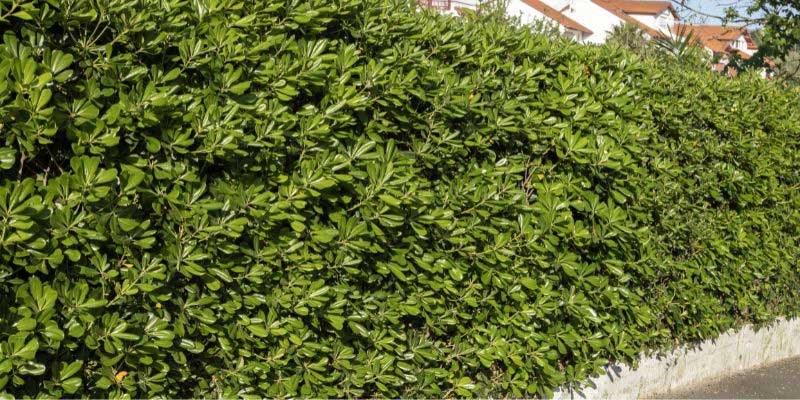
Pittosporum is an evergreen shrub much appreciated for forming a dense, elegant and low-maintenance hedge. With decorative foliage, relatively fast growth and good resistance to wind and sea spray, it fits easily into contemporary as well as Mediterranean gardens. Discover all our tips to succeed in planting it as a hedge!
Why choose Pittosporum for a hedge?
Pittosporum offers several advantages:
- evergreen foliage all year round;
- relatively fast growth depending on variety;
- good tolerance of pruning;
- resistance to wind and sea spray;
- dense habit ideal for creating a screen;
- limited maintenance once established.
Suitable for both informal and trimmed hedges.
Which variety to choose for a hedge?
- Pittosporum tenuifolium : species widely used for evergreen hedges thanks to its fast growth, dense foliage and good response to pruning
- Pittosporum tenuifolium ‘Silver Queen’: green leaves edged with cream, ideal for adding brightness to a hedge
- Pittosporum tenuifolium 'Green Elf': variety with small grey-green leaves borne on very decorative dark stems
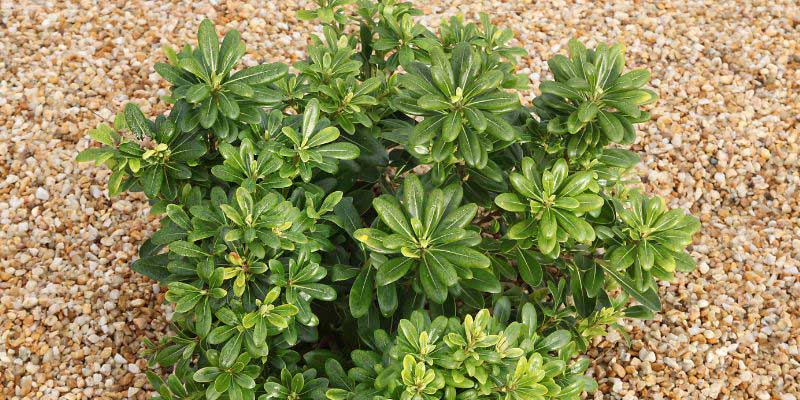
- Pittosporum tenuifolium ‘Tom Thumb’ : compact variety with purple foliage, perfect for low hedges
- Pittosporum tobira : very tolerant of sea spray and wind, particularly suited to coastal gardens thanks to its glossy foliage and scented flowers.
When to plant?
Planting a Pittosporum hedge is ideally done in autumn, between September and November, while soil is still warm and sufficiently moist to favour rooting. This period allows shrubs to establish well before onset of summer heat. Spring planting is also possible, provided frost periods are avoided and regular watering is planned during first months. Avoid planting during heatwaves or when soil is waterlogged, to limit stress on young plants and encourage quick establishment.
Tools needed to plant a hedge
Before starting, prepare:
- a spade to prepare soil and dig planting holes
- a garden line to ensure a straight hedge
- well-rotted compost or manure to enrich soil
- a watering can or garden hose
- mulch
How to plant a Pittosporum hedge?
- Clear weeds and loosen soil along entire length of future hedge to aid root development.
- Incorporate compost to enrich soil and improve plant establishment.
- Stretch a garden line to obtain a straight, harmonious hedge.
- Space plants about 80 cm to 1 metre apart to create a dense hedge.
- Dig planting holes roughly twice as wide as the root balls.
- Soak root balls in water for a few minutes before planting.
- Set plants in upright, ensuring top of root ball is level with soil surface.
- Refill holes with soil-compost mix then firm lightly around roots.
- Water thoroughly after planting to encourage rooting and remove air pockets.
- Add mulch around base of shrubs to conserve soil moisture and limit weeds.
How to maintain a Pittosporum hedge?
- Water young plants regularly during first two years after planting, especially in dry periods.
- Keep soil slightly cool without waterlogging, as Pittosporum dislikes permanently wet soils.
- Renew mulch each year to limit weed growth and preserve soil moisture.
- Apply compost or an organic fertiliser in spring to promote vigorous growth and dense foliage.
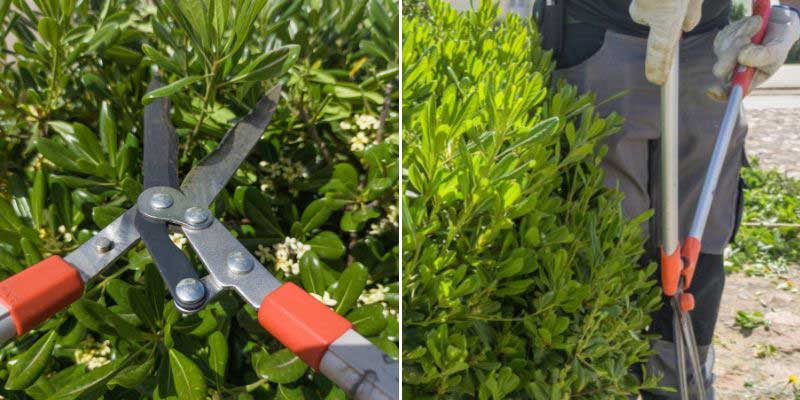
- Prune hedge once or twice a year, ideally in spring and late summer, to retain a compact, even shape.
- Remove dead, damaged or poorly positioned branches to maintain attractive habit and encourage good air circulation.
- Watch for signs of pests or disease and act quickly if necessary.
- Protect young plants with a fleece in case of severe frost, especially in regions with harsh winters.
- Check hedge density regularly and carry out light but frequent pruning to encourage ramification and prevent thinning at the base.


































Comments