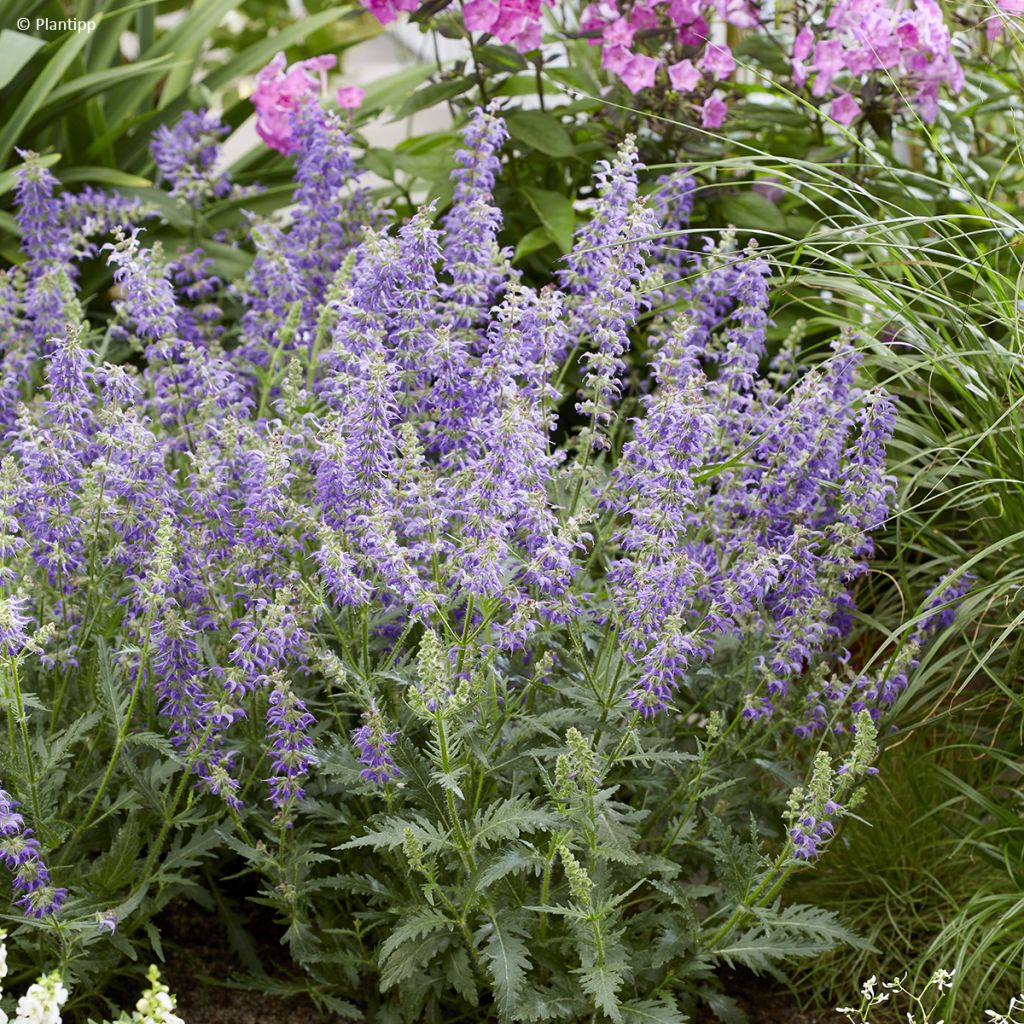
Salvia 'Bocofpea' Feathers Peacock - Perennial sage
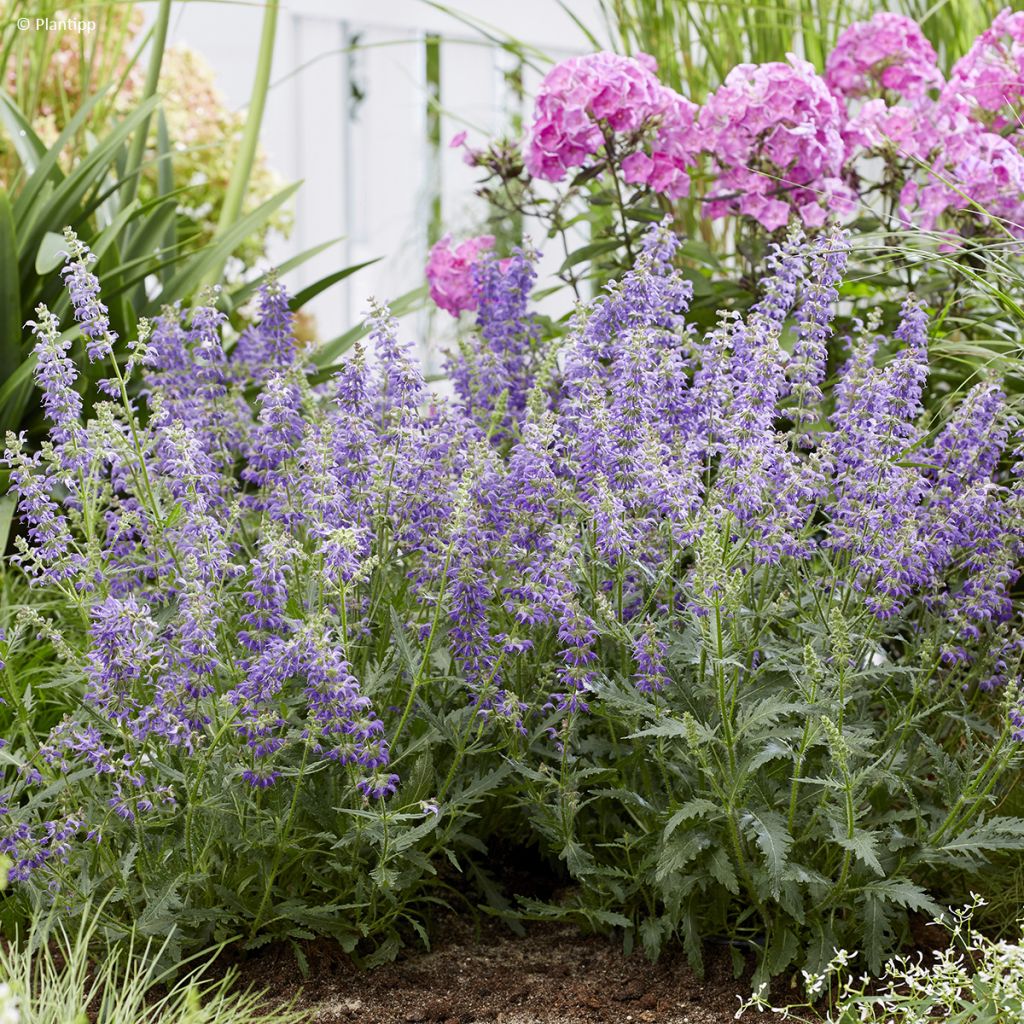
Salvia 'Bocofpea' Feathers Peacock - Perennial sage
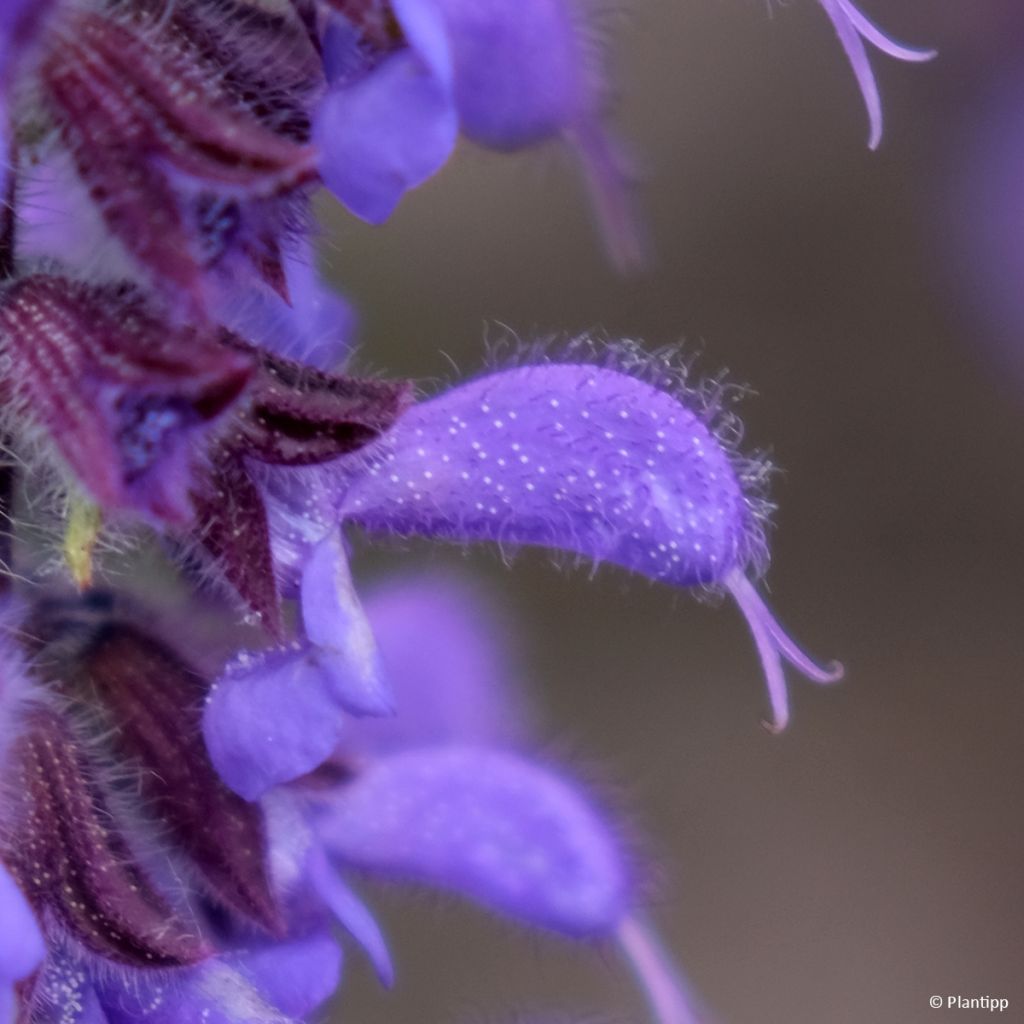
Salvia 'Bocofpea' Feathers Peacock - Perennial sage
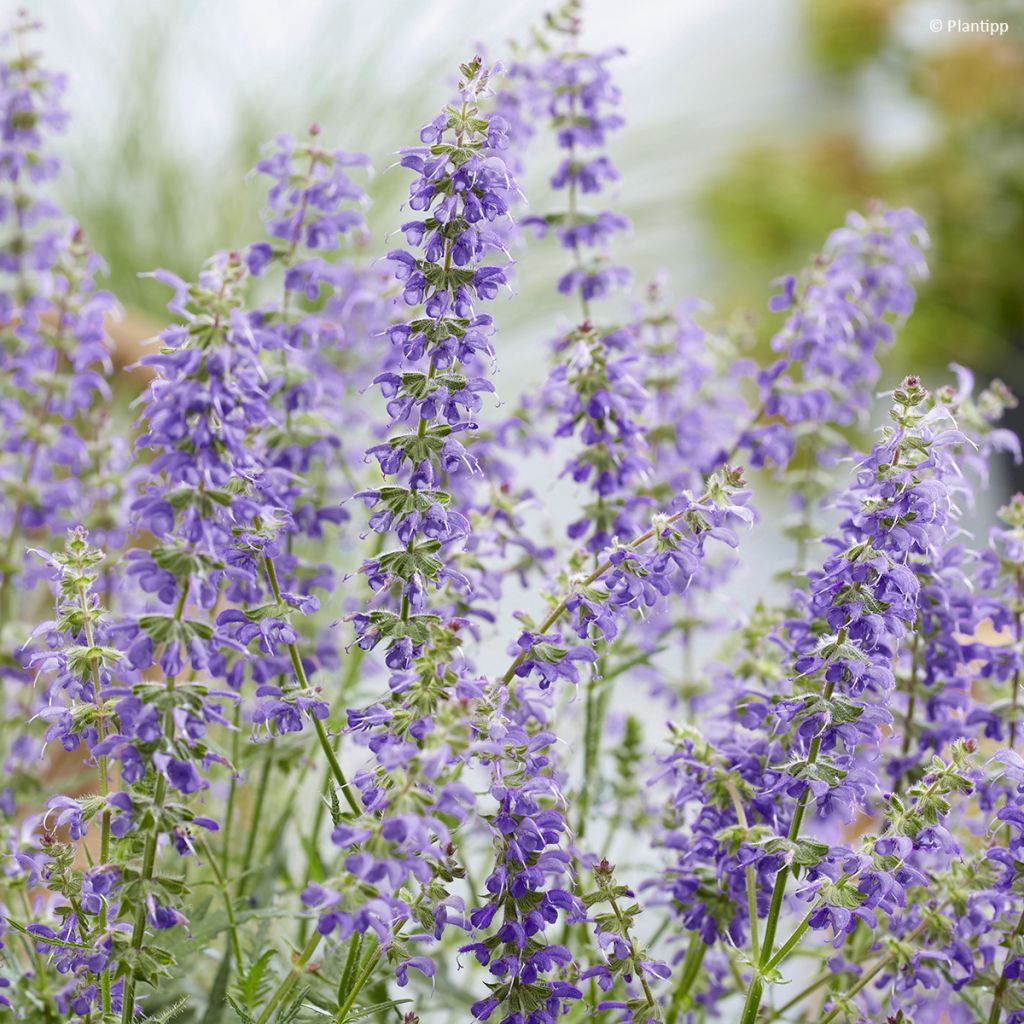
Salvia 'Bocofpea' Feathers Peacock - Perennial sage
Salvia 'Bocofpea' Feathers Peacock - Perennial sage
Salvia 'Bocofpea' Feathers Peacock - Perennial sage
Salvia 'Bocofpea' Feathers Peacock - Perennial sage
Salvia x nemorosa 'Bocofpea' Feathers Peacock
Sauge laciniée Feathers Peacock
Back-to-school special offer!
Get €10 off for every €50 you spend! And get up to €40 off on a single order.
How does it work?
1. Shop your favourites
Add your favourite plants to your basket. For every €50 you spend (excluding delivery charges, store credit and the plastic-free option), you’ll receive a €10 voucher.
€50 spent = €10 voucher
€100 spent = €20 voucher
€150 spent = €30 voucher
€200 spent = €40 voucher
2. Place your order
Once your basket reaches one of the spending thresholds, place your order. You can even choose your delivery date!
3. Receive your voucher
As soon as your order has been shipped, you’ll receive an email containing your personal voucher code and its value.
4. Use it on your next order
Your voucher is valid for 90 days from the date you receive it. It can be used once only, on a new order worth at least the value of the voucher, excluding delivery charges.
Please note: Vouchers can be combined with other offers, but cannot be split or refunded.
Why not try an alternative variety in stock?
View all →
Available in 1 sizes
Available in 3 sizes

Available in 3 sizes
Available in 2 sizes

Available in 2 sizes
Available in 2 sizes
Available in 3 sizes

Available in 2 sizes
Available in 2 sizes

Available in 2 sizes
This plant carries a 12 months recovery warranty
More information
We guarantee the quality of our plants for a full growing cycle, and will replace at our expense any plant that fails to recover under normal climatic and planting conditions.
Would this plant suit my garden?
Set up your Plantfit profile →
Description
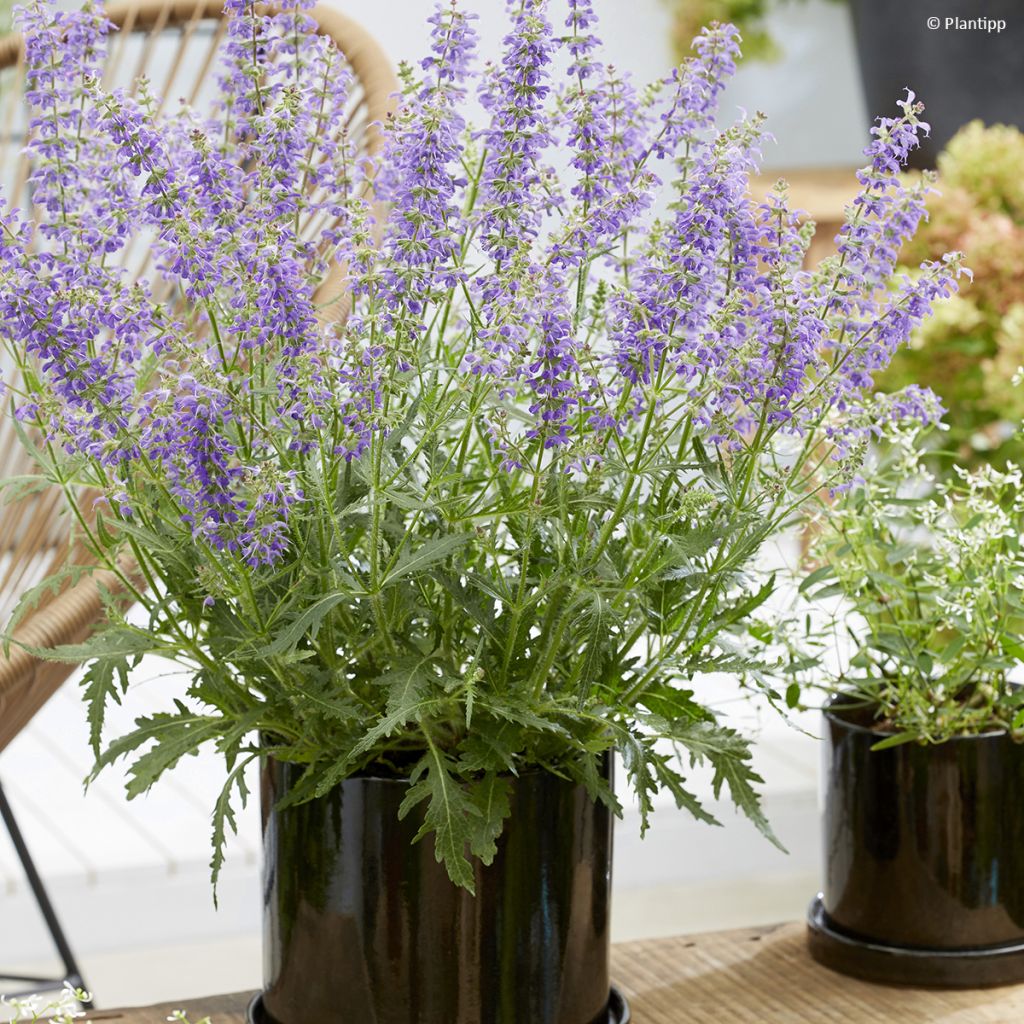
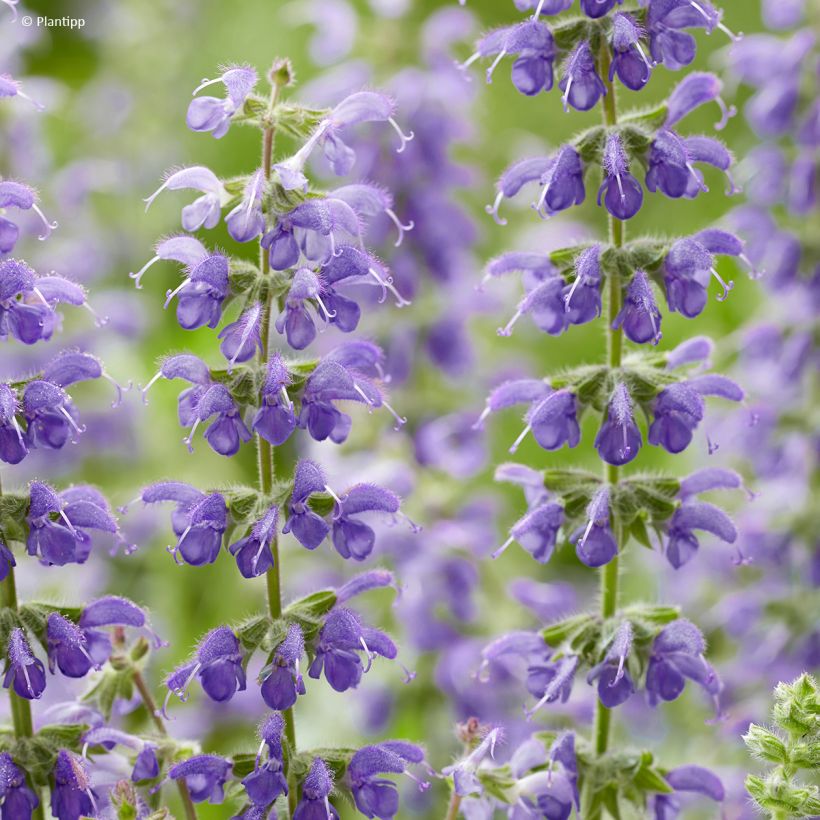
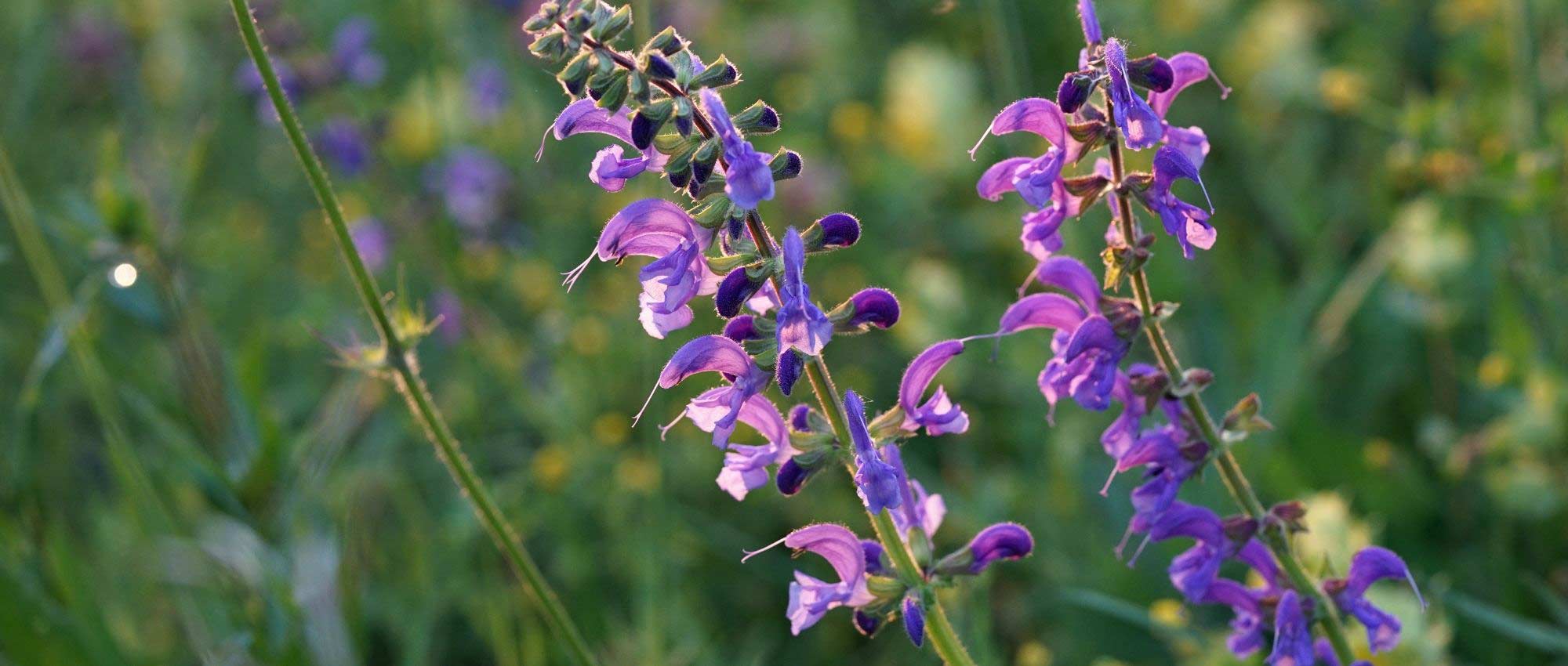
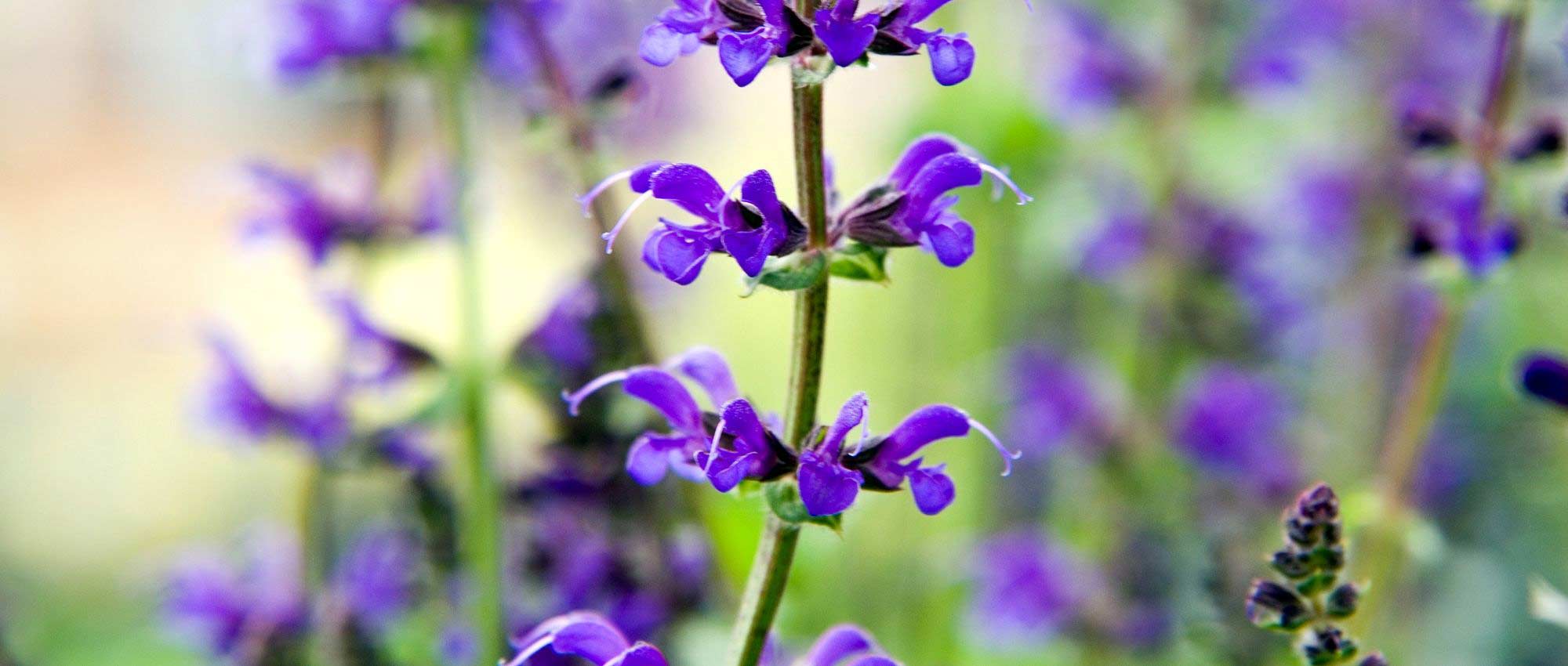
Salvia 'Feathers Peacock' is a distinctly different perennial sage, with finely divided foliage that adds a delicate texture to flower beds. This variety also stands out for its dense, upright blue-violet flower spikes, which bloom from spring to summer, and again in autumn. This charming, compact and well-branched variety is perfect for borders, rockeries, sunny beds, or even containers. Well-drained soil and a position in full sun are all it needs to thrive, with no complicated care required.
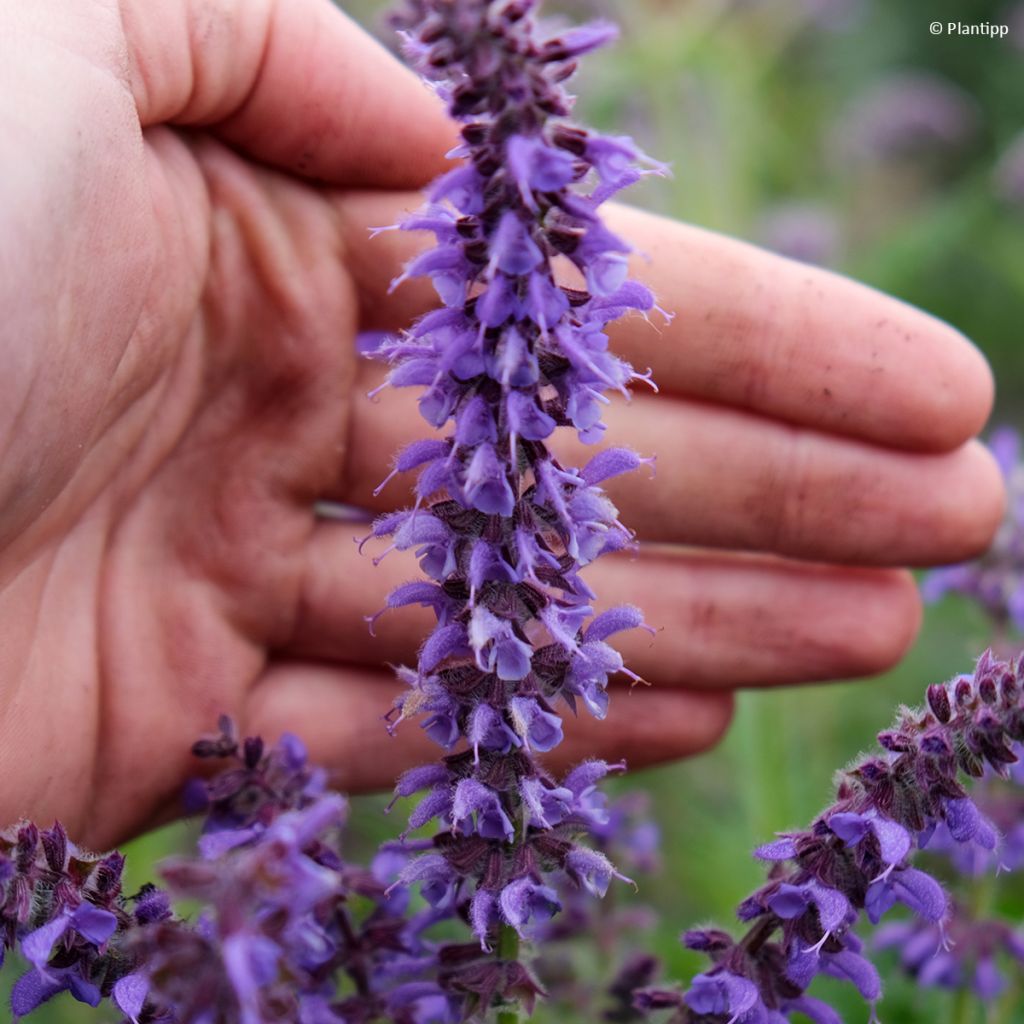
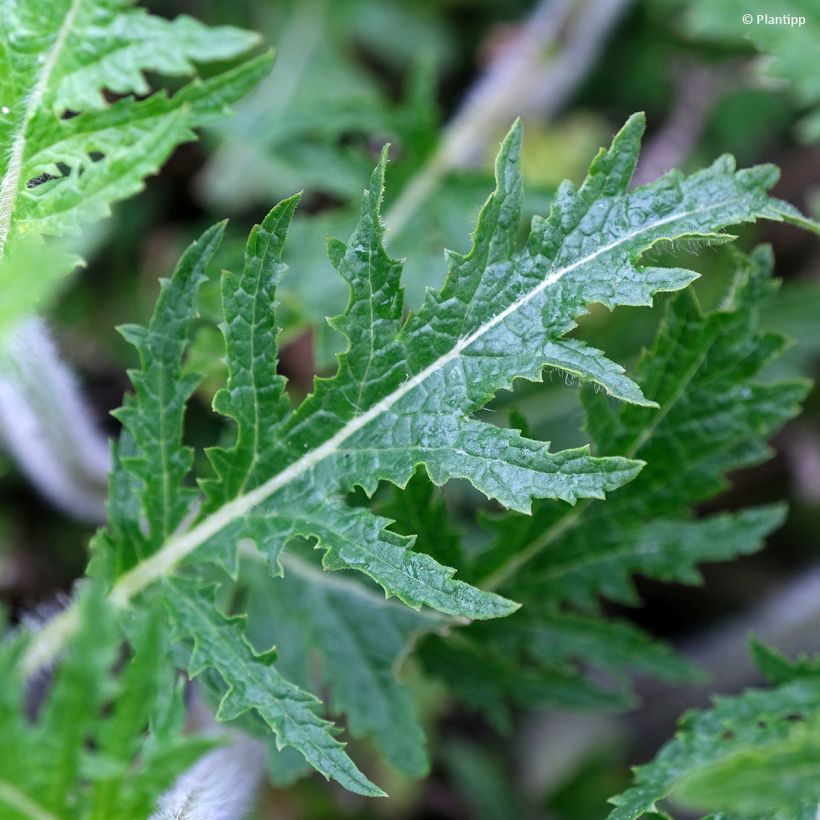
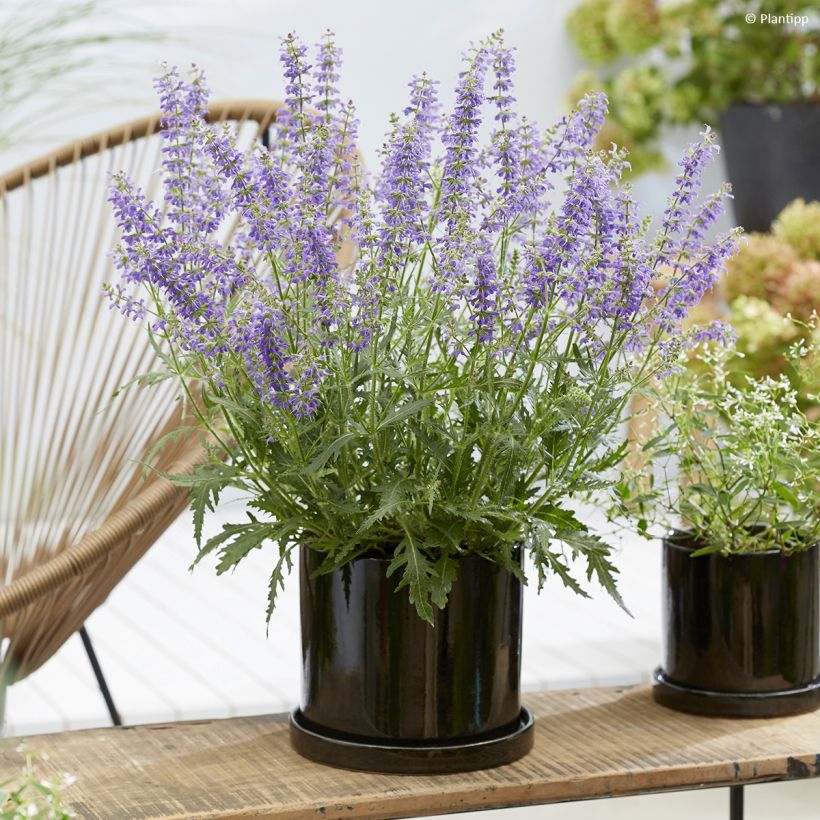
Salvia 'Feathers Peacock' is a herbaceous perennial plant belonging to the Lamiaceae family. Known as woodland sage or meadow sage, it is a horticultural cultivar resulting from cross-breeding between Salvia nemorosa and Salvia jurisicii. This cultivar, registered under the name 'Bocofpea' (PBR EU 59244), was selected in 2018 by Dutch breeder Kees Jan Kraan of Boot & Dart Boomkwekerijen BV nursery and was awarded a gold medal at the KVBC Spring Challenge 2021. 'Feathers Peacock' sage is distinguished by its deeply incised foliage, reminiscent of ferns, in a glossy dark green that releases an aromatic scent when crushed. This unique feature gives the plant a light and elegant appearance, uncommon among sages. The plant has a bushy, compact, and well-branched habit. It reaches 45 to 60 cm in height with a spread of 25 to 30 cm within 2 years. The inflorescences consist of dense, upright, and slightly trailing flower spikes, measuring up to 20 cm long. The vibrant, violet-blue flowers, have a two-lipped corolla. Flowering can be enjoyed from the first year after planting, from May to August. If the faded flower spikes are pruned, the plant will bloom again in October. Pollination is carried out by bees, butterflies, and other pollinating insects. In winter, this sage often persists as green rosettes flattened against the ground, with the leafy stems drying out due to the cold. Its crown is very cold-resistant and can withstand harsh winters if the soil is well-drained.
Plant Salvia 'Feathers Peacock' in sunny borders, rock gardens, or containers on the patio. It will be beautifully showcased alongside silver foliage such as Artemisia ludoviciana 'Valerie Finnis' or Stachys byzantina 'Silver Carpet', and pairs wonderfully with the airy spikes of Pennisetum. It can also be combined with yellow or white blooms, such as those of Common Yarrow or Coreopsis, to create a multicoloured and luminous display all summer long. Its delicate texture and nectar-rich flowering also make it suitable for naturalistic or contemporary gardens.
With over 900 species of annuals, perennials, and soft-wooded shrubs, distributed across the globe except in very cold regions and tropical forests, the Salvia genus is the largest in the Lamiaceae family. The name Salvia, dating back to Roman times, derives from the Latin salvus meaning "healthy", alluding to the medicinal virtues of common sage.
Salvia 'Bocofpea' Feathers Peacock - Perennial sage in pictures
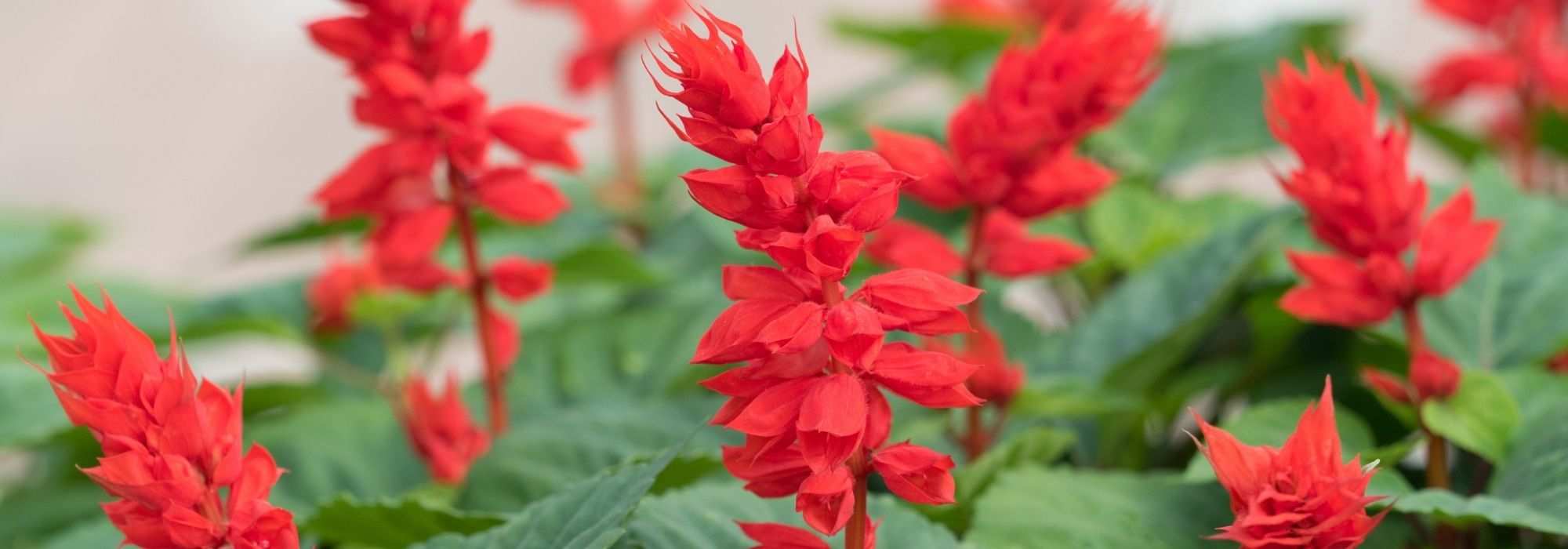
Flowering
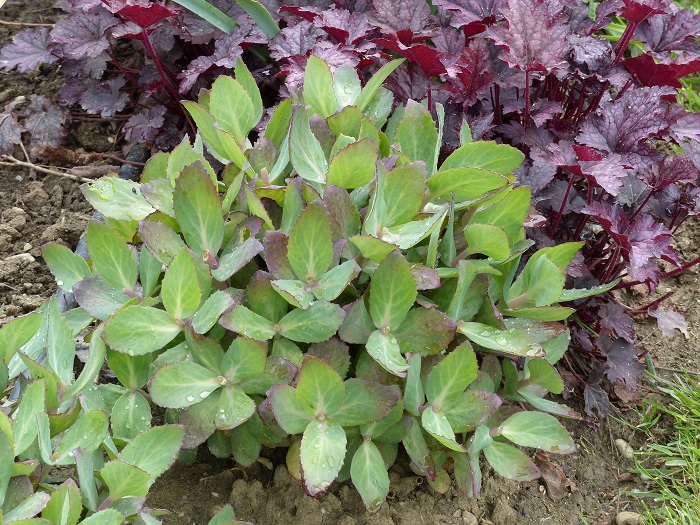
Foliage
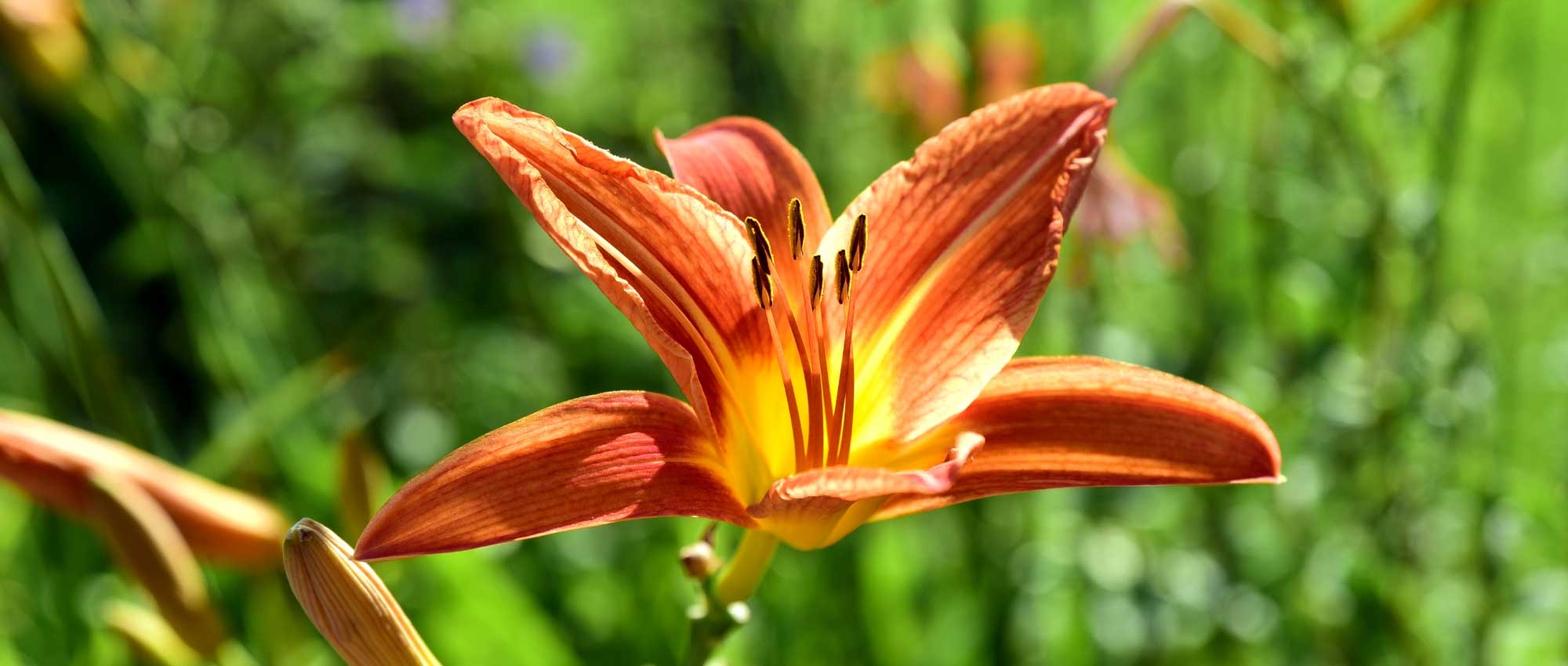
Plant habit
Botanical data
Salvia
x nemorosa
'Bocofpea' Feathers Peacock
Lamiaceae
Sauge laciniée Feathers Peacock
Cultivar or hybrid
Planting and care
Plant Salvia Feathers Peacock in ordinary, even poor and rather chalky soil, but above all, well-draining. This plant tolerates some drought, though at the expense of flowering. It does not appreciate heavy, waterlogged soils in winter, which can harm its hardiness. Plant it in a very sunny position. It is an easy, very floriferous plant. In spring, give it some fertiliser and in April, prune all branches by half. After flowering, cut back faded flower stems to stimulate and prolong flowering. To preserve the sage's vitality, it is good to divide the plant after 3 years. Plant the new young plants in well-worked soil: to improve soil that is a little too poor, mix in some horticultural compost. In more northern or humid regions, use a mineral "mulch" (gravel, pozzolana, pebbles...) 4 to 6 cm thick to help drain the plant's collar.
Planting period
Intended location
Care
Planting & care advice
This item has not been reviewed yet - be the first to leave a review about it.
Recently viewed products
Haven't found what you were looking for?
Hardiness is the lowest winter temperature a plant can endure without suffering serious damage or even dying. However, hardiness is affected by location (a sheltered area, such as a patio), protection (winter cover) and soil type (hardiness is improved by well-drained soil).

The flowering period indicated on our website applies to countries and regions located in USDA zone 8 (France, the United Kingdom, Ireland, the Netherlands, etc.)
It will vary according to where you live:- In zones 9 to 10 (Italy, Spain, Greece, etc.), flowering will occur about 2 to 4 weeks earlier.
- In zones 6 to 7 (Germany, Poland, Slovenia, and lower mountainous regions), flowering will be delayed by 2 to 3 weeks.
- In zone 5 (Central Europe, Scandinavia), blooming will be delayed by 3 to 5 weeks.
In temperate climates, pruning of spring-flowering shrubs (forsythia, spireas, etc.) should be done just after flowering.
Pruning of summer-flowering shrubs (Indian Lilac, Perovskia, etc.) can be done in winter or spring.
In cold regions as well as with frost-sensitive plants, avoid pruning too early when severe frosts may still occur.
The planting period indicated on our website applies to countries and regions located in USDA zone 8 (France, United Kingdom, Ireland, Netherlands).
It will vary according to where you live:
- In Mediterranean zones (Marseille, Madrid, Milan, etc.), autumn and winter are the best planting periods.
- In continental zones (Strasbourg, Munich, Vienna, etc.), delay planting by 2 to 3 weeks in spring and bring it forward by 2 to 4 weeks in autumn.
- In mountainous regions (the Alps, Pyrenees, Carpathians, etc.), it is best to plant in late spring (May-June) or late summer (August-September).
The harvesting period indicated on our website applies to countries and regions in USDA zone 8 (France, England, Ireland, the Netherlands).
In colder areas (Scandinavia, Poland, Austria...) fruit and vegetable harvests are likely to be delayed by 3-4 weeks.
In warmer areas (Italy, Spain, Greece, etc.), harvesting will probably take place earlier, depending on weather conditions.
The sowing periods indicated on our website apply to countries and regions within USDA Zone 8 (France, UK, Ireland, Netherlands).
In colder areas (Scandinavia, Poland, Austria...), delay any outdoor sowing by 3-4 weeks, or sow under glass.
In warmer climes (Italy, Spain, Greece, etc.), bring outdoor sowing forward by a few weeks.
Shipping country and language
Your country of residence may be:
Your country of residence is:
For a better user experience on our website, you can select:
Your shipping country:
-
 Austria
-
 Belgium
-
 Bosnia & Herzegovina
-
 Bulgaria
-
 Croatia
-
 Cyprus
-
 Czechia
-
 Denmark
-
 Estonia
-
 Finland
-
 France
-
 Germany
-
 Greece
-
 Hungary
-
 Iceland
-
 Ireland
-
 Italy
Italy
-
 Latvia
-
 Liechtenstein
-
 Lithuania
-
 Luxembourg
-
 Malta
Malta
-
 Netherlands
-
 Poland
-
 Portugal
-
 Romania
-
 Serbia
-
 Slovakia
-
 Slovenia
-
 Spain
Spain
-
 Sweden
-
 Switzerland
Language:
-
French
-
 English
-
Spanish
-
Italian
-
German
-
Portuguese
-
Dutch
-
Finnish
My Account
Hello
My wish lists
My cart
Log in / Register
Existing customer?
This form is protected by reCAPTCHA - the Google Privacy Policy and Terms of Service apply.
New customer?
Create an account to track your orders, access our customer service and, if you wish, make the most of our upcoming offers.