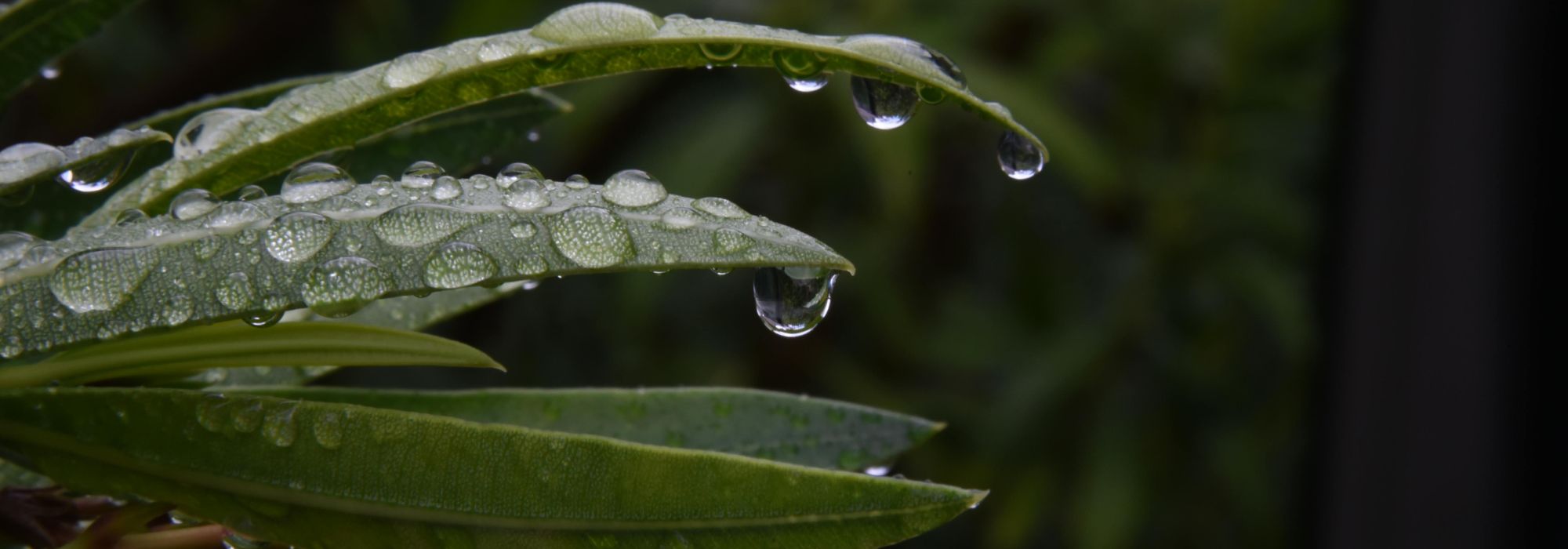
Very wet spring: how to ensure successful planting?
Adopt the right practices to protect your roots from asphyxiation and rot
Contents
Gardening in persistent rain or handling water-saturated soil is a genuine technical challenge that severely tests gardener’s patience. If water is, by nature, the source of all life in the garden, an excess in spring paradoxically becomes a poison: by filling soil’s micro-cavities it drives out essential air, brutally asphyxiates rootlets and creates ideal conditions for rot and cryptogamous diseases.
However, fickle weather does not mean a complete halt to your activities. To prevent your plantings from failing before they’ve even taken root, it is important to relearn how to observe your plot and change your cultivation habits. Here is how to precisely adapt your actions and methods to avoid losing our plants, whether in the vegetable patch, the orchard or in ornamental beds.

Vegetable garden: clever tricks to prevent root suffocation and rot
Sowing “off-ground” to save valuable time
Rather than battling waterlogged soil, move your crops under cover (greenhouse, cold frame, or simply windowsill).
-
Sow in cell trays or pots. This allows precise control of substrate moisture and temperature.
-
While waiting for your vegetable patch to drain (release excess water), your young plants develop a dense, vigorous root system.
-
Thus, once soil is finally workable, you will not be planting a fragile seed but a sturdy young plant 10–15 cm tall. It will have strength to pump away excess water and resist attacks from fungi and slugs, far more frequent in damp conditions.
Ridge technique: cultivate “in tiers”
Ridge (or cultivation on a long raised bed) is an excellent tip for market gardeners who must grow in wet areas or on clay soils.
-
Implementation : using a hoe or rake, lift soil to form raised rows of about 15 cm high.
-
Natural drainage : by simple gravity, water runs from top of ridge towards the paths. Heart of planting area thus remains aerated, preventing roots from sitting in an underground “pool”.
-
Thermal gain : raised soil is no longer cooled by standing water. It captures sun’s rays much better, even weak ones. Result : gain of 2–3°C at root level, which literally boosts recovery of your vegetables.
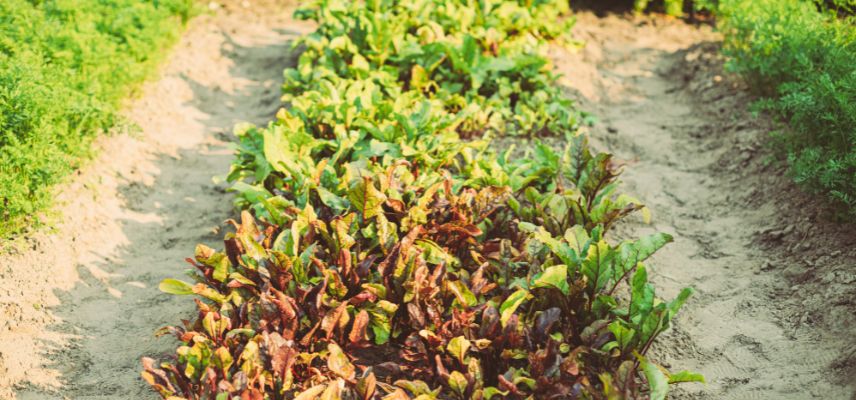
Ridge technique widely used by professionals on wet soils.
Read also
10 trees for heavy, wet soilOrchard: preventing root diseases
Planting
In clayey or waterlogged soil, digging a conventional planting hole simply creates an impermeable basin where water will collect. Roots, deprived of oxygen, eventually rot: this is called root rot.
-
Solution : do not dig deeply. Set the root ball of your tree almost level with the original soil surface, or slightly above.
-
Protective mound : bring soil (mixed with compost and a little sand) around the roots to form a bank or a “dome” that covers them. Rainwater will run off the sides of this dome instead of pooling at the base of the trunk.
Strategic choice of rootstock
If your soil tends to be wet, choose rootstock carefully for your grafted fruit variety.
-
Hardy rootstocks : for apple trees, MM106 rootstocks tolerate fresher soils better. For plum trees, Saint-Julien is a reliable choice in heavy soil.
-
Sensitive ones : absolutely avoid cherry trees (often grafted on merisier or Sainte-Lucie) and apricot trees in areas that remain waterlogged for too long; they hate “having their roots in water” and may die back in a single spring.
Reinforced staking
Waterlogged soil loses all load-bearing capacity. It becomes a sort of soft mud that no longer holds the roots of young scions.
-
The risk : at the slightest gust of wind, the tree wobbles. This rocking creates an air (or water) pocket around the collar, which weakens anchorage and can tear the young rootlets as they form.
-
The technique : opt for an angled stake (facing the prevailing wind) or double staking tied together with a crossbar. Drive stakes in deeply, well beyond the soft-soil zone, to guarantee total stability while the ground firms up.
A quick word from Oli : if you plant while it’s raining heavily, avoid “tamping” the soil down with your foot. A good watering (yes, even in the rain!) will be enough to bring soil into contact with the roots without compacting it.
In the ornamental garden: saving flowers and bulbs
Summer bulbs
Dahlias, gladioli, cannas and begonias are sugar-rich storage organs. In cold, waterlogged soil they become virtual sponges for fungi and rot within days.
-
Sand-bed tip : when planting, never place the bulb directly on bare soil at the bottom of the hole. Pour a 3 cm bed of river sand, fine gravel or lava. Simply set the bulb on top, then cover with soil (or compost). This sand or gravel bed will allow water to drain immediately away from the bulb base, where roots start and rot often begins.
Mediterranean perennials
Sun-loving plants such as lavenders, sages or santolinas are adapted to drought but not to wet soils. Their roots need perfect drainage.
-
Delay planting : if your soil is like a sponge, wait until it has drained before planting.
-
Raise planting : if you must plant them, sit them on small mounds or include them in a rockery. Aim for the plant base (collar) to always be on a high point so water never pools at the heart of the clump.
The special case of roses
Persistent moisture on foliage, combined with mild spring weather, is the perfect cocktail for diseases. The most feared is “black spot disease” (downy mildew) which prematurely defoliates roses. For more information, read our sheet on rose diseases.
-
Good air circulation : do not crowd plants. Leaving 10 to 20% extra space between each plant allows wind to circulate. Foliage that dries within 30 minutes after a shower is much less at risk than foliage that stays wet all day.
-
Preventive cleaning : remove lower leaves that touch wet soil; they are the first entry points for fungal spores splashed up by raindrops.
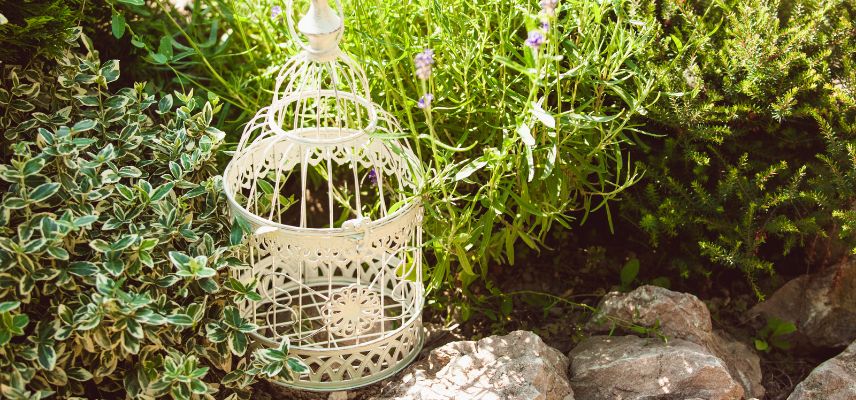
Plants that prefer to keep their feet dry benefit from being planted in a rockery or on a mound.
Essential tasks
-
Avoid trampling : walking on wet soil closes all air channels. Use stepping boards to spread your weight.
-
Thick mulch: a false friend. In dry years, mulch to retain water. In wet years, a thick mulch prevents soil from drying out and favours slugs. Leave soil bare for a few days as soon as a ray of sunshine appears to “sponge” the surface.
-
Good tools : unlike the flat spade, spading fork and organic fork do not asphyxiate soil by creating a smooth, impermeable hardpan. They aerate soil without turning it over.
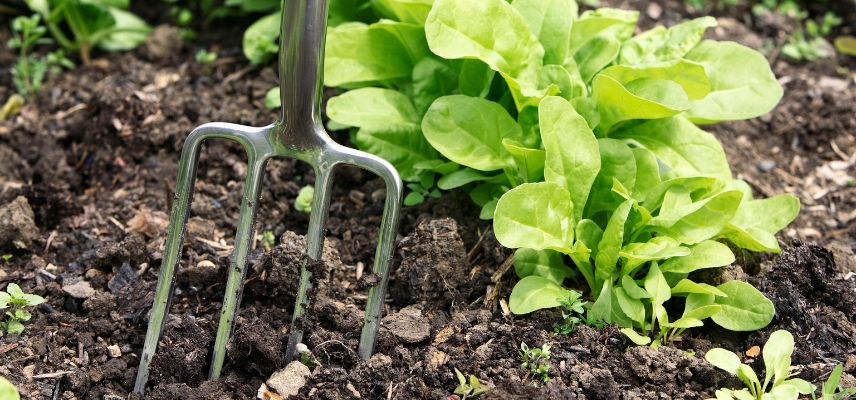
Spading fork or digging fork preserves soil and is ideal when soil is waterlogged.
- Subscribe!
- Contents
This form is protected by reCAPTCHA - the Google Privacy Policy and Terms of Service apply.

































Comments