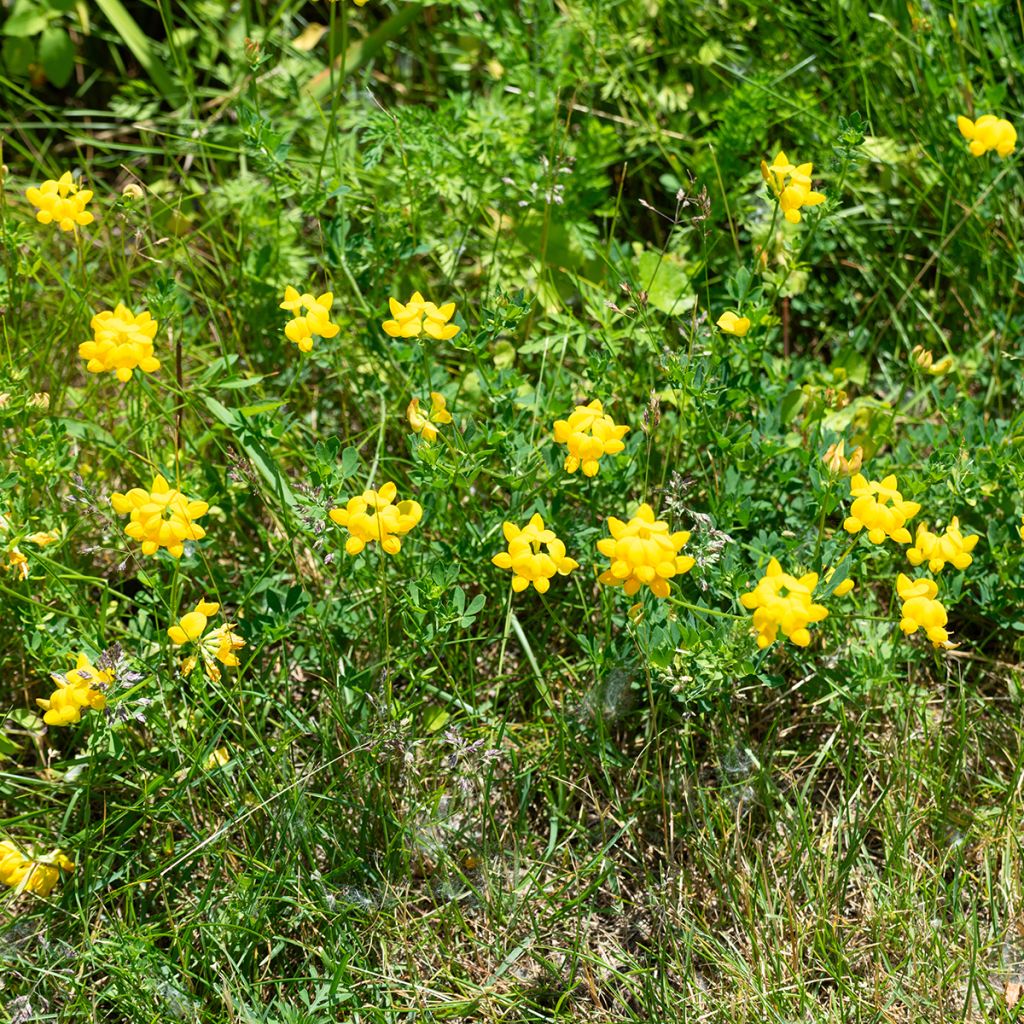
Lotus corniculatus - Bird's foot trefoil
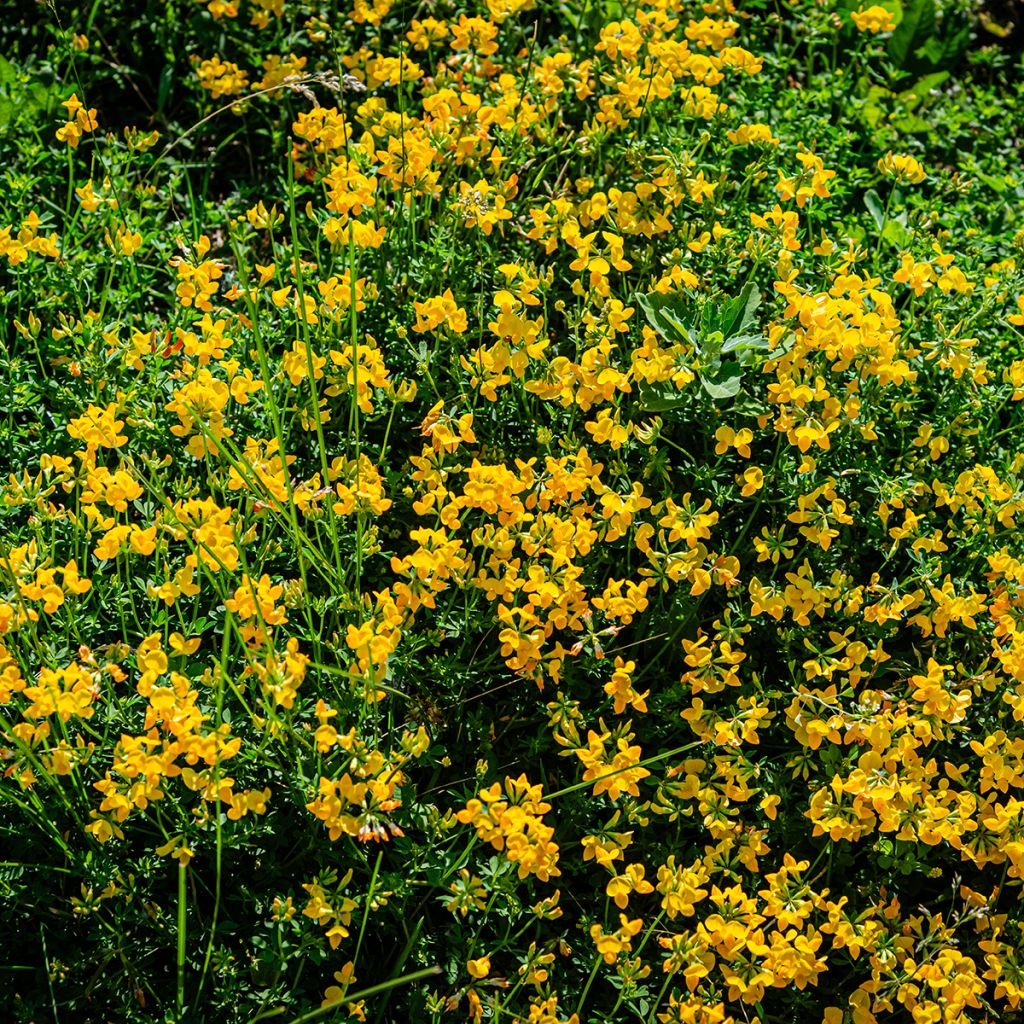
Lotus corniculatus - Bird's foot trefoil
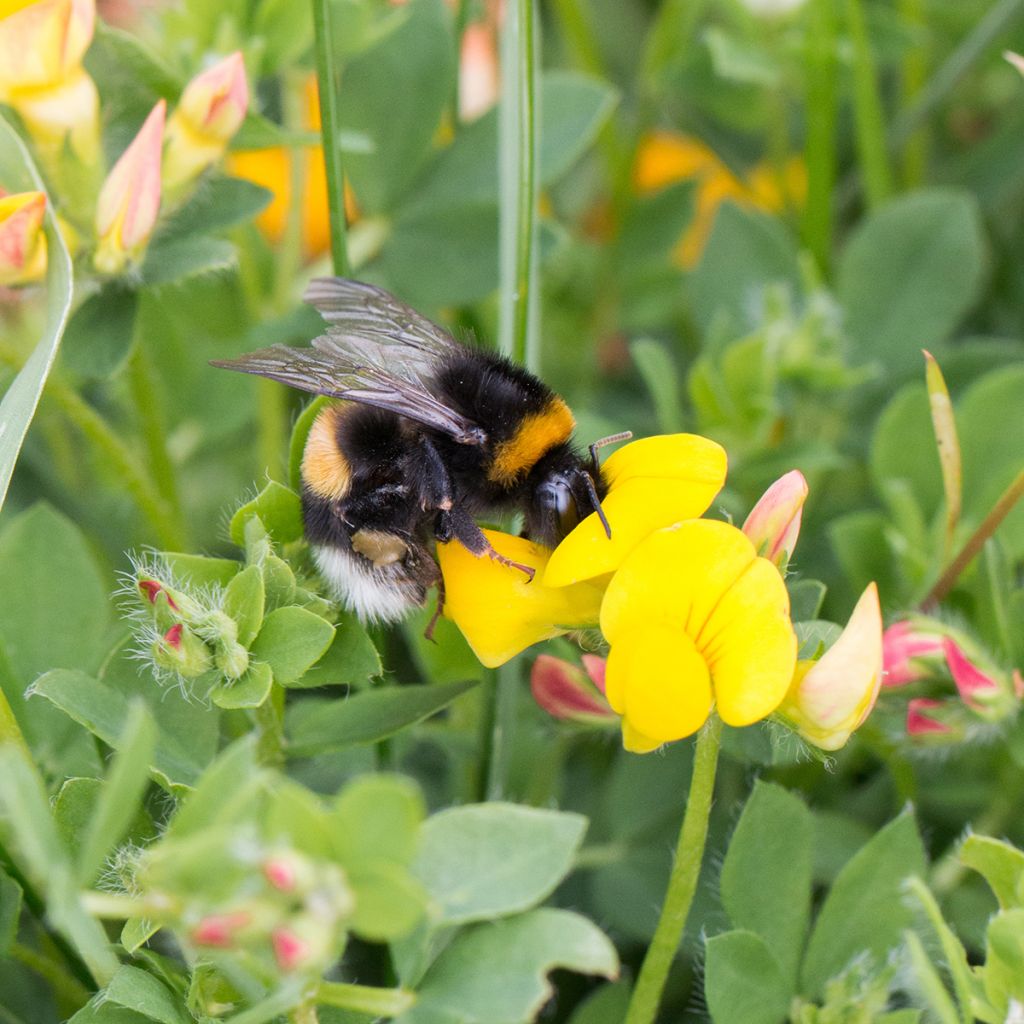
Lotus corniculatus - Bird's foot trefoil
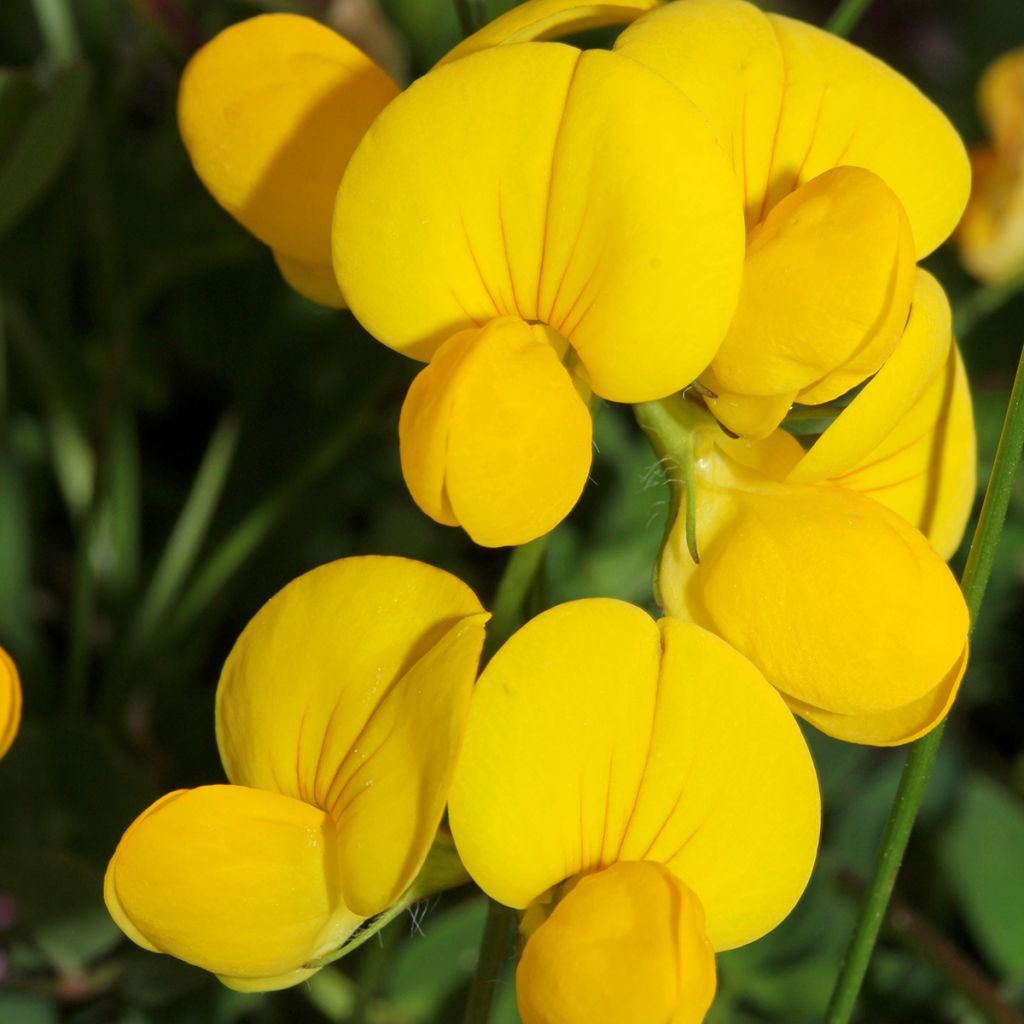
Lotus corniculatus - Bird's foot trefoil
Lotus corniculatus - Bird's foot trefoil
Lotus corniculatus
Bird's foot trefoil
Back-to-school special offer!
Get €10 off for every €50 you spend! And get up to €40 off on a single order.
How does it work?
1. Shop your favourites
Add your favourite plants to your basket. For every €50 you spend (excluding delivery charges, store credit and the plastic-free option), you’ll receive a €10 voucher.
€50 spent = €10 voucher
€100 spent = €20 voucher
€150 spent = €30 voucher
€200 spent = €40 voucher
2. Place your order
Once your basket reaches one of the spending thresholds, place your order. You can even choose your delivery date!
3. Receive your voucher
As soon as your order has been shipped, you’ll receive an email containing your personal voucher code and its value.
4. Use it on your next order
Your voucher is valid for 90 days from the date you receive it. It can be used once only, on a new order worth at least the value of the voucher, excluding delivery charges.
Please note: Vouchers can be combined with other offers, but cannot be split or refunded.
Home or relay delivery (depending on size and destination)
Important: You may be charged customs duties by your country’s customs authorities upon delivery.
Schedule delivery date
and select date in basket
This plant carries a 12 months recovery warranty
More information
We guarantee the quality of our plants for a full growing cycle, and will replace at our expense any plant that fails to recover under normal climatic and planting conditions.
Would this plant suit my garden?
Set up your Plantfit profile →
Description
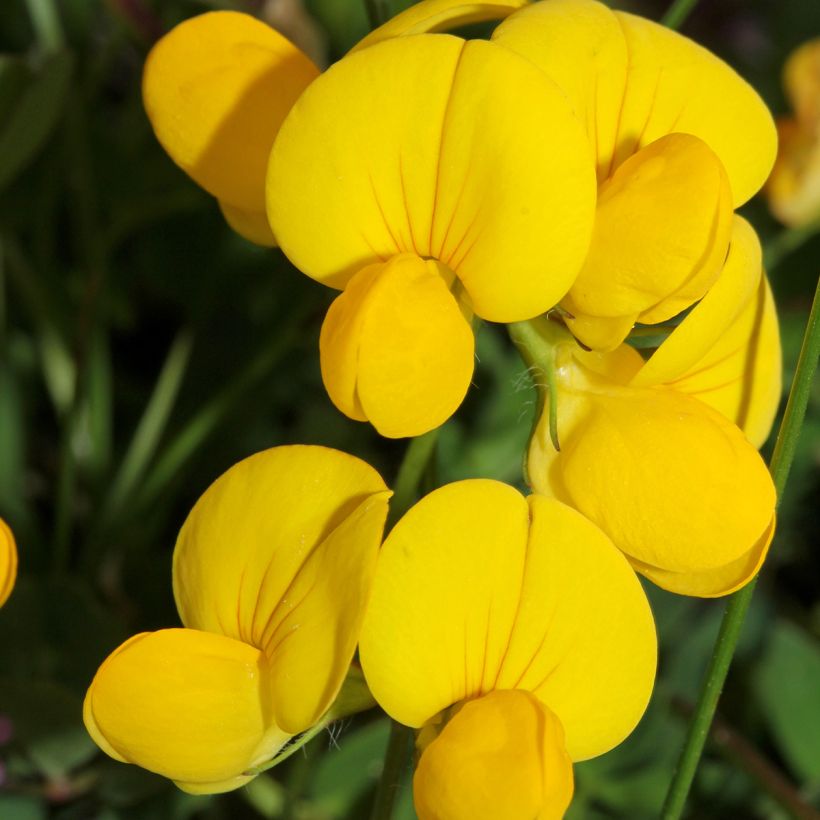
Lotus corniculatus, or Common Bird's-foot Trefoil, is a herbaceous perennial plant with deciduous foliage resembling clover. It forms a low, carpeting clump which produces flowers from June, sometimes May. The flowers are similar to sweet peas, in golden yellow, with some of them blooming in orange tones. This easily self-seeding, wild perennial combines natural qualities of resistance to both cold and drought, and is very ornamental. It finds a place in sunny rockeries and adds a natural touch to borders.
Bird's-foot Trefoil belongs to the vast Fabaceae family, formerly called legumes, the third largest in the plant world with nearly 23,000 species. It is the family of Beans and Peas, and many ornamental genera, ranging from Wisterias to Judas Trees. There are more than a hundred species of Bird's-foot Trefoil, whose scientific name Lotus should not be confused with the Lotus (common name), whose botanical name is Nelumbo. Lotus corniculatus is native to southern Eurasia and is part of the French flora. Common Bird's-foot Trefoil originally grew in alpine lawns and meadows, on basaltic and limestone plateaus and in alluvial valleys. It has since spread freely into agricultural meadows, roadsides, embankments and wasteland. Although toxic, the plant is used in medicine as a nervous sedative and as a green manure in agriculture. Fabaceae host bacteria in nodosities that develop on their roots, and these organisms capture atmospheric nitrogen. This characteristic allows plants in this family to succeed in growing in soils very poor in nitrogen, while this element is essential for plant growth.
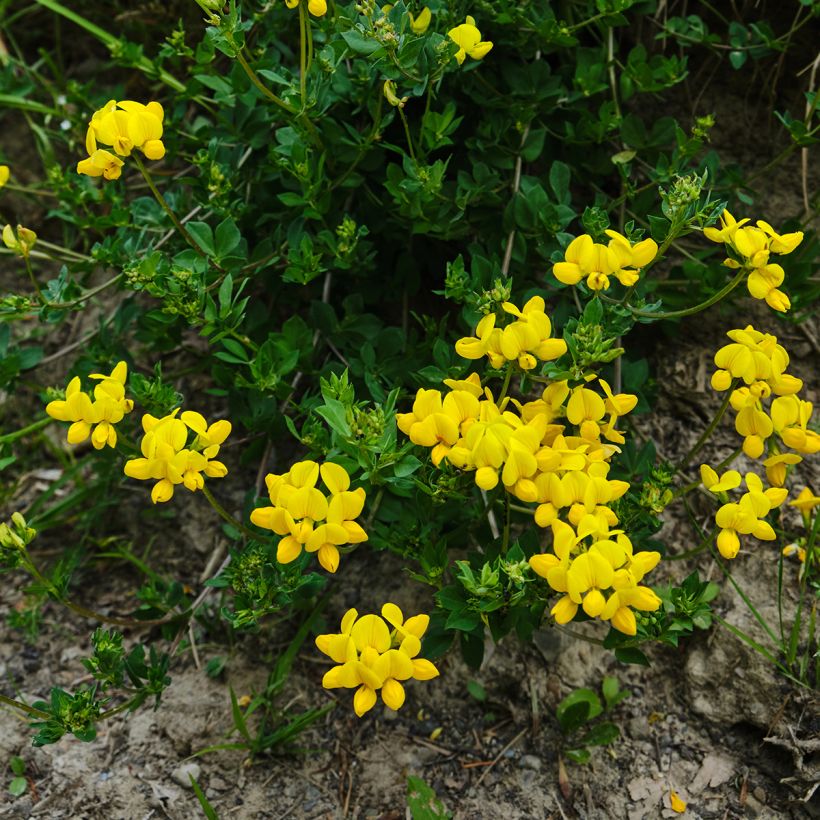
The Corniculate Bird's-foot Trefoil is a very hardy perennial (down to -25°C/-28°C) and quite drought-resistant, capable of establishing itself on very infertile, calcareous to neutral soils. It forms a low clump, 10 to 20 cm high with a 30 to 40 cm spread. The foliage consists of small trifoliate, medium green leaves which visually pair very well with the golden yellow of the flowers. These appear from May and June, depending on the region, and renew themselves until September, or even October. The flowers are of the papilionaceous type (because their shape resembles a butterfly), with five sepals: one upright called the banner, two lateral ones that constitute wings and two lower ones grouped into a keel. The flowers, measuring approximately 1.5 cm, are grouped in umbels of two to six flowers. Orange flowers mix with yellow ones on the same plant, which only enhances the ornamental interest of the plant. After flowering, a cylindrical, elongated, purplish pod forms. It is terminated by a small beak, hence the species name of the plant. Upon ripening, the pod expels the seeds a distance away, which allows the Bird's-foot Trefoil to spread. Furthermore, its deep rooting (up to 1 m) allows it to stabilise soils.
The Corniculate Bird's-foot Trefoil is a very robust plant, well adapted to poor or calcareous soils and sunny exposures, making it a perfect plant for rockeries and dry-stone walls, over which it will elegantly cascade. Its natural appearance is also great for naturalistic gardens, which favour wilder, more natural plants. You can plant it at the edge of a border with a Colutea media 'Cooper Beauty', another Fabaceae, but shrubby, better known as Bladder Senna. This variety with coppery orange flowers is also decorative for its large, inflated pink pods, which children love to pop under their feet. In the background, you could place a Cornus Mas, the Cornelian Cherry, which can reach 4 or 5 m in height and whose yellow flowers bloom in late winter. If you prefer to plant it in a rockery, your Bird's-foot Trefoil will get along well with Soapwort from Montpellier, whose multitude of small pink flowers will contrast pleasantly with its yellow flowers.
Report an error about the product description
Lotus corniculatus - Bird's foot trefoil in pictures
Flowering
Foliage
Plant habit
Botanical data
Lotus
corniculatus
Fabaceae
Bird's foot trefoil
Lotus caucasicus, Lotus carpetanus, Lotus ambiguus, Lotus arvensis
Southern Europe, North Africa
Planting and care
The Corniculate Bird's-foot Trefoil is a very hardy plant, down to -25°C or lower, and also very well-suited to drought. In the wild, it grows mostly in calcareous soil, but can adapt to other terrains, provided they are well-drained. It thrives in full sun and will tolerate partial shade in the very bright regions of the south. Poor soils do not deter it because, as a good Legume (Fabaceae), it is capable, thanks to the bacterium hosted by its roots, of capturing nitrogen from the air.
Planting period
Intended location
Care
Planting & care advice
-
-
-
-
-
-
-
-
This item has not been reviewed yet - be the first to leave a review about it.
Recently viewed products
Haven't found what you were looking for?
Hardiness is the lowest winter temperature a plant can endure without suffering serious damage or even dying. However, hardiness is affected by location (a sheltered area, such as a patio), protection (winter cover) and soil type (hardiness is improved by well-drained soil).

The flowering period indicated on our website applies to countries and regions located in USDA zone 8 (France, the United Kingdom, Ireland, the Netherlands, etc.)
It will vary according to where you live:- In zones 9 to 10 (Italy, Spain, Greece, etc.), flowering will occur about 2 to 4 weeks earlier.
- In zones 6 to 7 (Germany, Poland, Slovenia, and lower mountainous regions), flowering will be delayed by 2 to 3 weeks.
- In zone 5 (Central Europe, Scandinavia), blooming will be delayed by 3 to 5 weeks.
In temperate climates, pruning of spring-flowering shrubs (forsythia, spireas, etc.) should be done just after flowering.
Pruning of summer-flowering shrubs (Indian Lilac, Perovskia, etc.) can be done in winter or spring.
In cold regions as well as with frost-sensitive plants, avoid pruning too early when severe frosts may still occur.
The planting period indicated on our website applies to countries and regions located in USDA zone 8 (France, United Kingdom, Ireland, Netherlands).
It will vary according to where you live:
- In Mediterranean zones (Marseille, Madrid, Milan, etc.), autumn and winter are the best planting periods.
- In continental zones (Strasbourg, Munich, Vienna, etc.), delay planting by 2 to 3 weeks in spring and bring it forward by 2 to 4 weeks in autumn.
- In mountainous regions (the Alps, Pyrenees, Carpathians, etc.), it is best to plant in late spring (May-June) or late summer (August-September).
The harvesting period indicated on our website applies to countries and regions in USDA zone 8 (France, England, Ireland, the Netherlands).
In colder areas (Scandinavia, Poland, Austria...) fruit and vegetable harvests are likely to be delayed by 3-4 weeks.
In warmer areas (Italy, Spain, Greece, etc.), harvesting will probably take place earlier, depending on weather conditions.
The sowing periods indicated on our website apply to countries and regions within USDA Zone 8 (France, UK, Ireland, Netherlands).
In colder areas (Scandinavia, Poland, Austria...), delay any outdoor sowing by 3-4 weeks, or sow under glass.
In warmer climes (Italy, Spain, Greece, etc.), bring outdoor sowing forward by a few weeks.
Shipping country and language
Your country of residence may be:
Your country of residence is:
For a better user experience on our website, you can select:
Your shipping country:
-
 Austria
-
 Belgium
-
 Bosnia & Herzegovina
-
 Bulgaria
-
 Croatia
-
 Cyprus
-
 Czechia
-
 Denmark
-
 Estonia
-
 Finland
-
 France
-
 Germany
-
 Greece
-
 Hungary
-
 Iceland
-
 Ireland
-
 Italy
Italy
-
 Latvia
-
 Liechtenstein
-
 Lithuania
-
 Luxembourg
-
 Malta
Malta
-
 Netherlands
-
 Poland
-
 Portugal
-
 Romania
-
 Serbia
-
 Slovakia
-
 Slovenia
-
 Spain
Spain
-
 Sweden
-
 Switzerland
Language:
-
French
-
 English
-
Spanish
-
Italian
-
German
-
Portuguese
-
Dutch
-
Finnish
My Account
Hello
My wish lists
My cart
Log in / Register
Existing customer?
This form is protected by reCAPTCHA - the Google Privacy Policy and Terms of Service apply.
New customer?
Create an account to track your orders, access our customer service and, if you wish, make the most of our upcoming offers.