
Lysimachia christinae Sunburst - Hillysun, creeping lysimachia
Lysimachia christinae Sunburst - Hillysun, creeping lysimachia
Lysimachia christinae Sunburst - Hillysun, creeping lysimachia
Lysimachia christinae ‘Hillyssun’ Sunburst
Back-to-school special offer!
Get €10 off for every €50 you spend! And get up to €40 off on a single order.
How does it work?
1. Shop your favourites
Add your favourite plants to your basket. For every €50 you spend (excluding delivery charges, store credit and the plastic-free option), you’ll receive a €10 voucher.
€50 spent = €10 voucher
€100 spent = €20 voucher
€150 spent = €30 voucher
€200 spent = €40 voucher
2. Place your order
Once your basket reaches one of the spending thresholds, place your order. You can even choose your delivery date!
3. Receive your voucher
As soon as your order has been shipped, you’ll receive an email containing your personal voucher code and its value.
4. Use it on your next order
Your voucher is valid for 90 days from the date you receive it. It can be used once only, on a new order worth at least the value of the voucher, excluding delivery charges.
Please note: Vouchers can be combined with other offers, but cannot be split or refunded.
Why not try an alternative variety in stock?
View all →
Available in 1 sizes
Available in 1 sizes

Available in 1 sizes

Available in 1 sizes
Available in 1 sizes

Available in 2 sizes

Available in 1 sizes
Available in 1 sizes

Available in 3 sizes

Available in 1 sizes
This plant carries a 12 months recovery warranty
More information
We guarantee the quality of our plants for a full growing cycle, and will replace at our expense any plant that fails to recover under normal climatic and planting conditions.
Would this plant suit my garden?
Set up your Plantfit profile →
Description
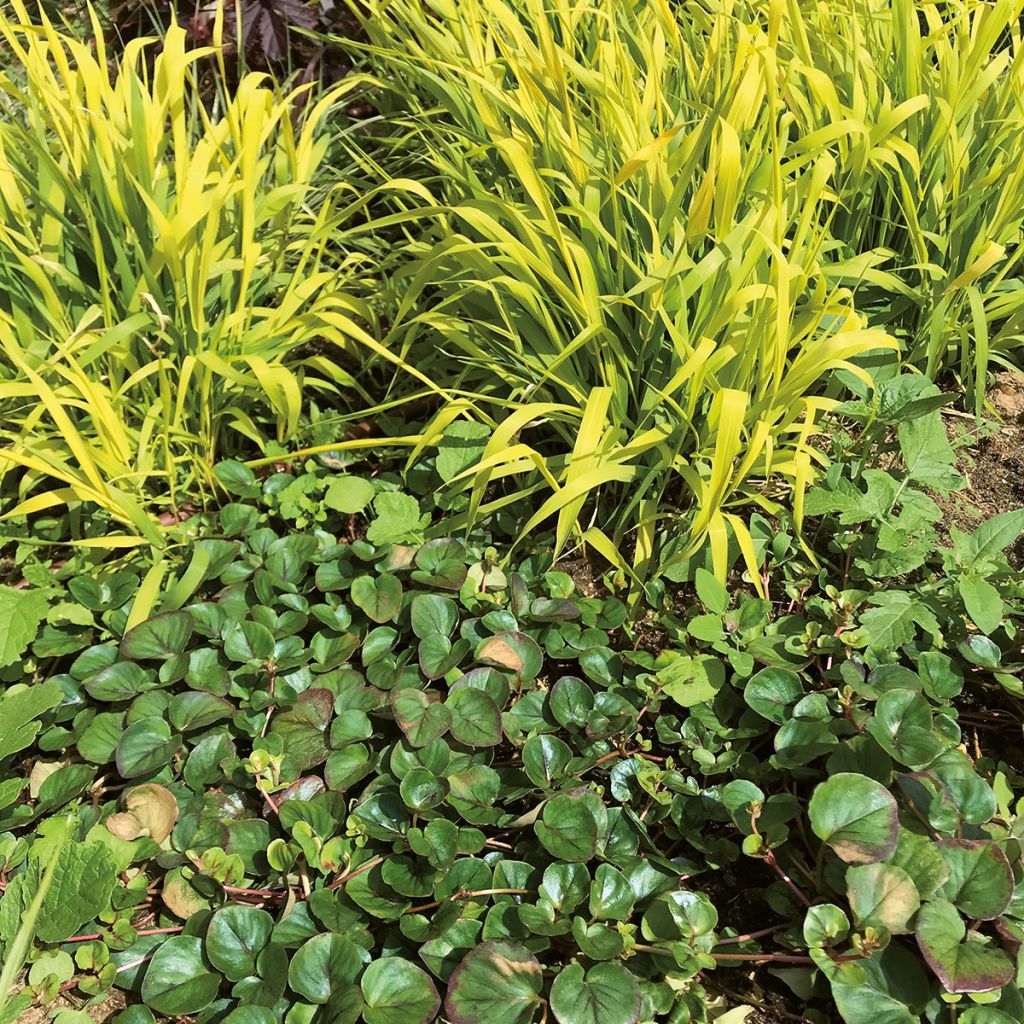
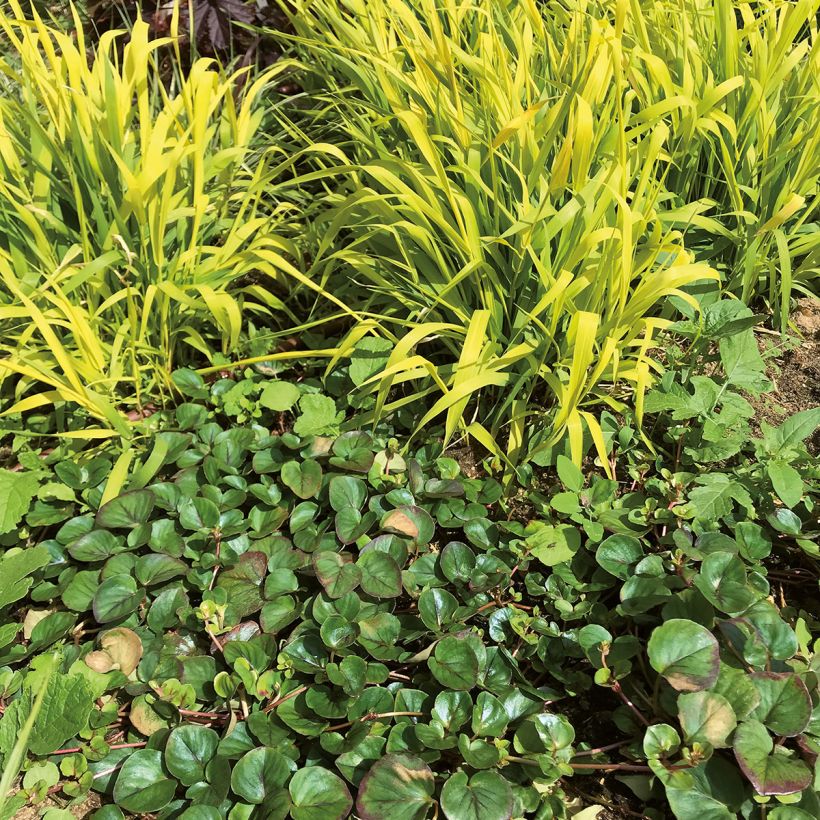
Lysimachia christinae ‘Sunburst’, also sold as Lysimachia ‘Hillyssun’ or Hillier™ Sunburst, is a carpeting perennial used as a groundcover in damp soil and as a trailing plant for planters, window boxes, and hanging baskets. This loosestrife is distinguished by its reddish stems, its dense, dark, and glossy foliage and its summer flowering in small yellow stars with a red heart. It is a very decorative plant on a windowsill, atop a low wall, or on the edge of a pond.
Botanically, Lysimachia christinae is a creeping herbaceous perennial from the Primulaceae family, like primroses. It is native to China and East Asia, where it is found in cool to damp places, on slopes, banks, meadows, and woodland edges, in regions with a humid subtropical climate. In these countries, the plant is also known as Jin Qian Cao, literally "gold coin herb", in reference to its small, rounded leaves and its ancient use in traditional medicine.
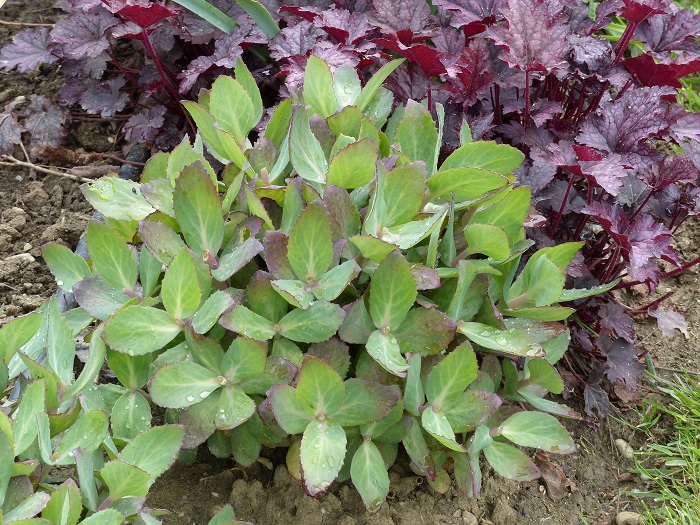
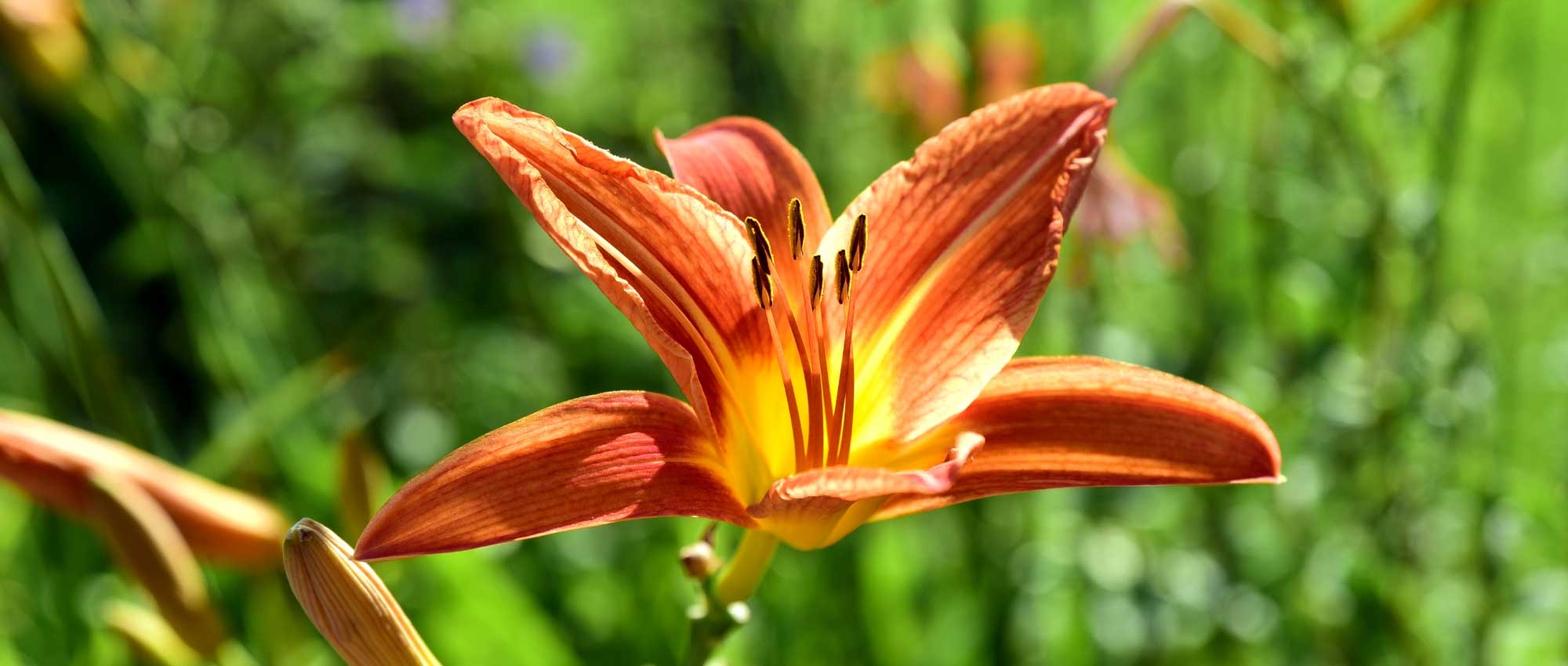
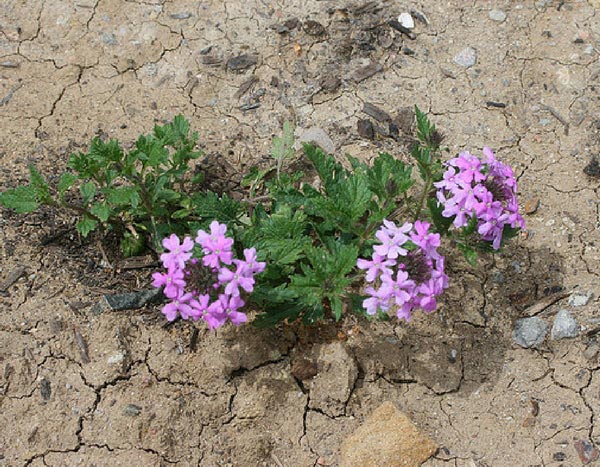
The cultivar ‘Hillyssun’ Sunburst is a recent horticultural selection developed for its very trailing habit, its good performance in pots and hanging baskets and its dark green foliage with well-defined red veins. It is marketed as a container plant to complement annuals with more voluminous flowers. The plant exhibits a creeping then trailing habit and rather rapid growth in moist soil. The stems are slender, cylindrical, smooth, and reddish. The plant spreads laterally and roots at the nodes that are in contact with damp soil. In the ground, it reaches a height of 5 to 10 cm with a spread of 1 m to 1.20 m; in a pot or hanging basket, the length of the trailing stems is particularly noticeable, often exceeding 60–80 cm in the space of a season. The rounded to slightly heart-shaped leaves resemble small coins. They measure 2.5 to 3 cm in diameter and have a fairly thick and smooth texture. The upper surface is a dark glossy green, while the underside is lighter. In ‘Sunburst’, the veins are marked with reddish-brown to purple. This foliage will be evergreen or semi-evergreen, depending on the severity of the winter. Flowering occurs from May to July – August. The solitary flowers are borne on short peduncles in the leaf axils. Each measures about 2 cm in diameter, forming a corolla composed of 5 spreading lobes with a narrower base, of a bright yellow, whose throat is tinged with orange-red around a small cluster of yellow stamens.
Ecologically and practically, Lysimachia christinae is suited to cool to damp soils, rich in organic matter, including pond edges or areas that are occasionally waterlogged. Its hardiness is around -15 to -18°C in well-drained soil. The plant tolerates occasional sun in a temperate climate if the soil remains moist, but prefers dappled sun or bright partial shade.
In the garden, this 'Sunburst' loosestrife creates a low carpet that quickly colonises damp borders and slopes, or the banks of water features; in containers, it forms very beautiful cascades. In a large rectangular planter, it can be combined with Heuchera ‘Caramel’ or ‘Obsidian’ for their volume and colourful foliage. In a planter on a partially shaded balcony, it will go with white or violet Petunia Surfinia® or small-flowered Calibrachoas like 'Noa Almond Blossom' (white) and 'Lia Dark Red' (red). On a terrace or stair rail, it can be planted in a deep hanging basket with a Begonia boliviensis ‘Santa Cruz’ or a Fuchsia ‘Mrs Popple’.

Lysimachia christinae Sunburst - Hillysun, creeping lysimachia in pictures
Flowering
Foliage
Plant habit
Botanical data
Lysimachia
christinae
‘Hillyssun’ Sunburst
Primulaceae
Lysimachia HILLIER™ Sunburst, Lysimachia FanciFillers™ Sunburst
Cultivar or hybrid
Planting and care
Plant Lysimachia christinae Sunburst in open ground in spring in a deep, humus-bearing, damp to moist, but well-drained soil, at the edge of a pond, at the foot of a slope, or in a shaded border, spacing the young plants about 40 to 50 cm apart to allow them room to spread. Loosen the soil to a depth of 25 to 30 cm, mix in well-rotted compost or good leaf mould, then water thoroughly after planting to encourage rooting; in a warm climate, choose a position in bright partial shade or morning sun to preserve soil moisture in summer. An organic mulch helps retain moisture and protects the crown from frost in colder regions, where the foliage may disappear in winter.
In a pot or planter, use a deep container at least 20 to 25 cm deep, with drainage holes in the bottom, filled with a mixture of potting compost for flowering plants, compost, and a little drainage material such as coarse sand or pumice, and place the loosestrife near the edge to showcase its trailing habit.
Water regularly during the growing season so the substrate remains slightly moist, without leaving stagnant water in the saucer. Apply a slow-release organic fertiliser or a little compost in spring. Prune overly long or bare stems in late summer or early spring; every two or three years, divide the clumps or repot to renew the substrate and maintain well-filled planters.
Planting period
Intended location
Care
Planting & care advice
-

-

-

-
-
-
-
-

This item has not been reviewed yet - be the first to leave a review about it.
Recently viewed products
Haven't found what you were looking for?
Hardiness is the lowest winter temperature a plant can endure without suffering serious damage or even dying. However, hardiness is affected by location (a sheltered area, such as a patio), protection (winter cover) and soil type (hardiness is improved by well-drained soil).

The flowering period indicated on our website applies to countries and regions located in USDA zone 8 (France, the United Kingdom, Ireland, the Netherlands, etc.)
It will vary according to where you live:- In zones 9 to 10 (Italy, Spain, Greece, etc.), flowering will occur about 2 to 4 weeks earlier.
- In zones 6 to 7 (Germany, Poland, Slovenia, and lower mountainous regions), flowering will be delayed by 2 to 3 weeks.
- In zone 5 (Central Europe, Scandinavia), blooming will be delayed by 3 to 5 weeks.
In temperate climates, pruning of spring-flowering shrubs (forsythia, spireas, etc.) should be done just after flowering.
Pruning of summer-flowering shrubs (Indian Lilac, Perovskia, etc.) can be done in winter or spring.
In cold regions as well as with frost-sensitive plants, avoid pruning too early when severe frosts may still occur.
The planting period indicated on our website applies to countries and regions located in USDA zone 8 (France, United Kingdom, Ireland, Netherlands).
It will vary according to where you live:
- In Mediterranean zones (Marseille, Madrid, Milan, etc.), autumn and winter are the best planting periods.
- In continental zones (Strasbourg, Munich, Vienna, etc.), delay planting by 2 to 3 weeks in spring and bring it forward by 2 to 4 weeks in autumn.
- In mountainous regions (the Alps, Pyrenees, Carpathians, etc.), it is best to plant in late spring (May-June) or late summer (August-September).
The harvesting period indicated on our website applies to countries and regions in USDA zone 8 (France, England, Ireland, the Netherlands).
In colder areas (Scandinavia, Poland, Austria...) fruit and vegetable harvests are likely to be delayed by 3-4 weeks.
In warmer areas (Italy, Spain, Greece, etc.), harvesting will probably take place earlier, depending on weather conditions.
The sowing periods indicated on our website apply to countries and regions within USDA Zone 8 (France, UK, Ireland, Netherlands).
In colder areas (Scandinavia, Poland, Austria...), delay any outdoor sowing by 3-4 weeks, or sow under glass.
In warmer climes (Italy, Spain, Greece, etc.), bring outdoor sowing forward by a few weeks.
Shipping country and language
Your country of residence may be:
Your country of residence is:
For a better user experience on our website, you can select:
Your shipping country:
-
 Austria
-
 Belgium
-
 Bosnia & Herzegovina
-
 Bulgaria
-
 Croatia
-
 Cyprus
-
 Czechia
-
 Denmark
-
 Estonia
-
 Finland
-
 France
-
 Germany
-
 Greece
-
 Hungary
-
 Iceland
-
 Ireland
-
 Italy
Italy
-
 Latvia
-
 Liechtenstein
-
 Lithuania
-
 Luxembourg
-
 Malta
Malta
-
 Netherlands
-
 Poland
-
 Portugal
-
 Romania
-
 Serbia
-
 Slovakia
-
 Slovenia
-
 Spain
Spain
-
 Sweden
-
 Switzerland
Language:
-
French
-
 English
-
Spanish
-
Italian
-
German
-
Portuguese
-
Dutch
-
Finnish
My Account
Hello
My wish lists
My cart
Log in / Register
Existing customer?
This form is protected by reCAPTCHA - the Google Privacy Policy and Terms of Service apply.
New customer?
Create an account to track your orders, access our customer service and, if you wish, make the most of our upcoming offers.