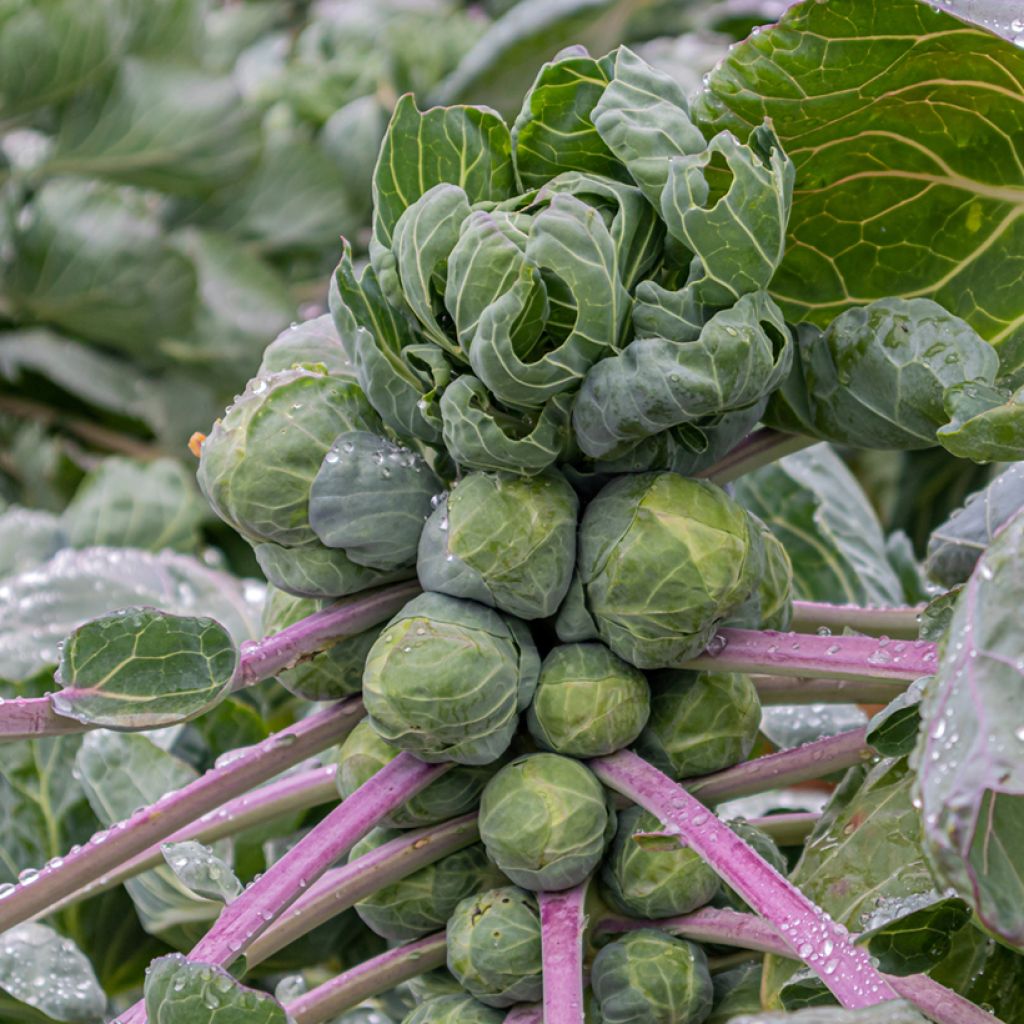
Brussels Sprouts Rosny - Brassica oleracea gemmifera
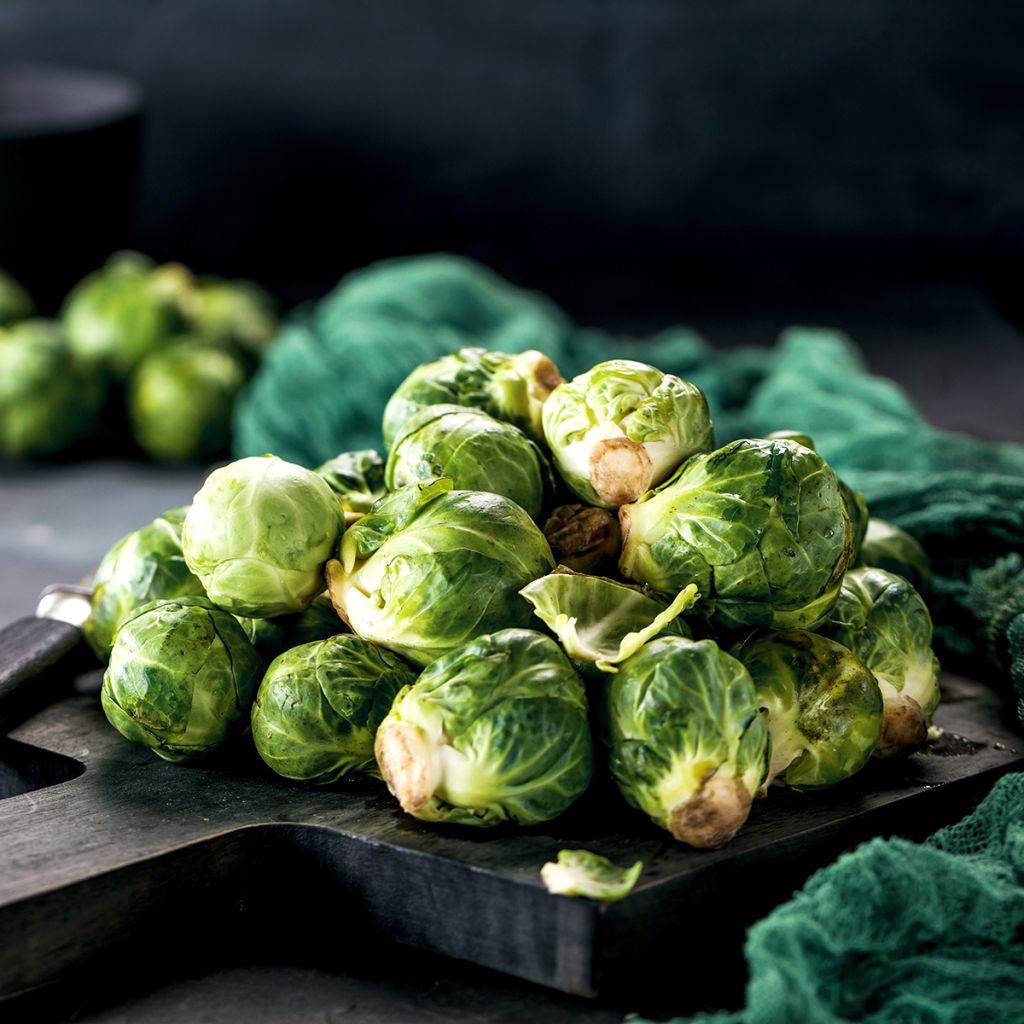
Brussels Sprouts Rosny - Brassica oleracea gemmifera
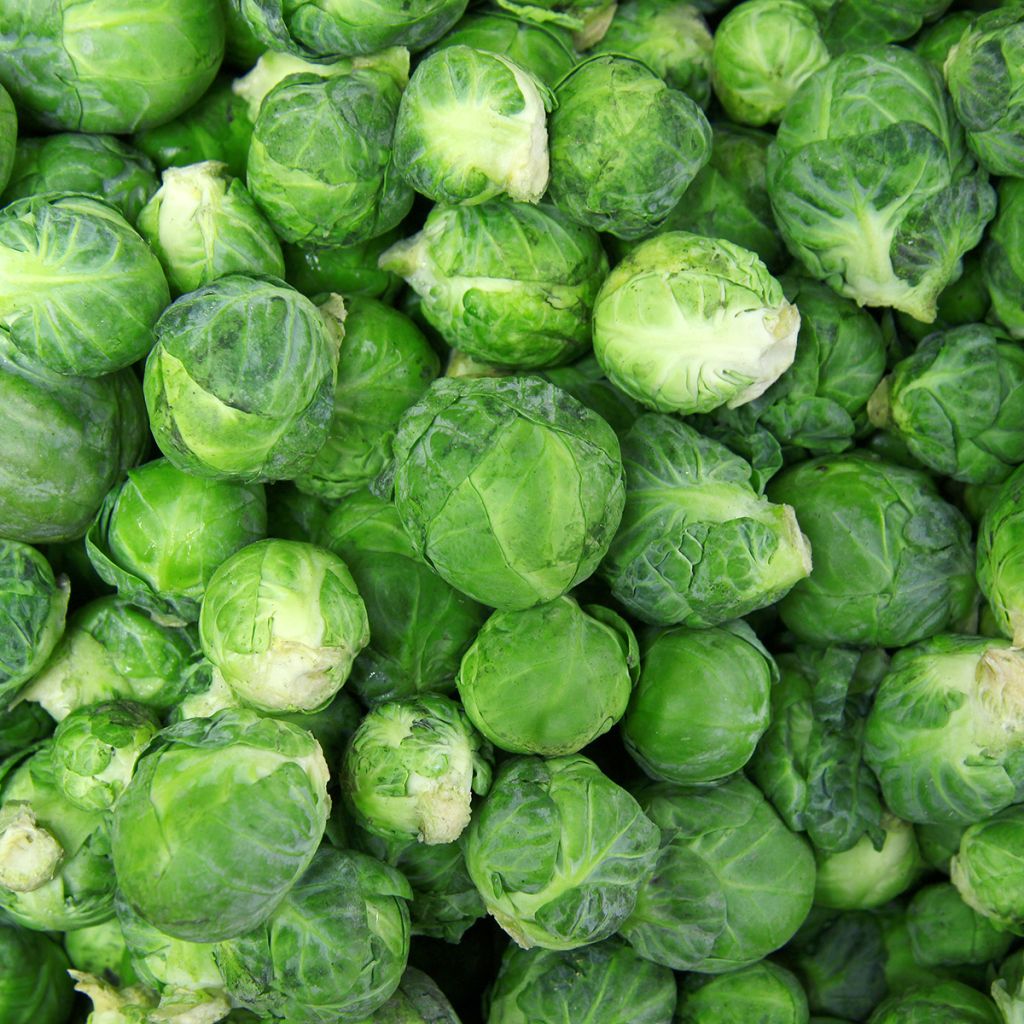
Brussels Sprouts Rosny - Brassica oleracea gemmifera
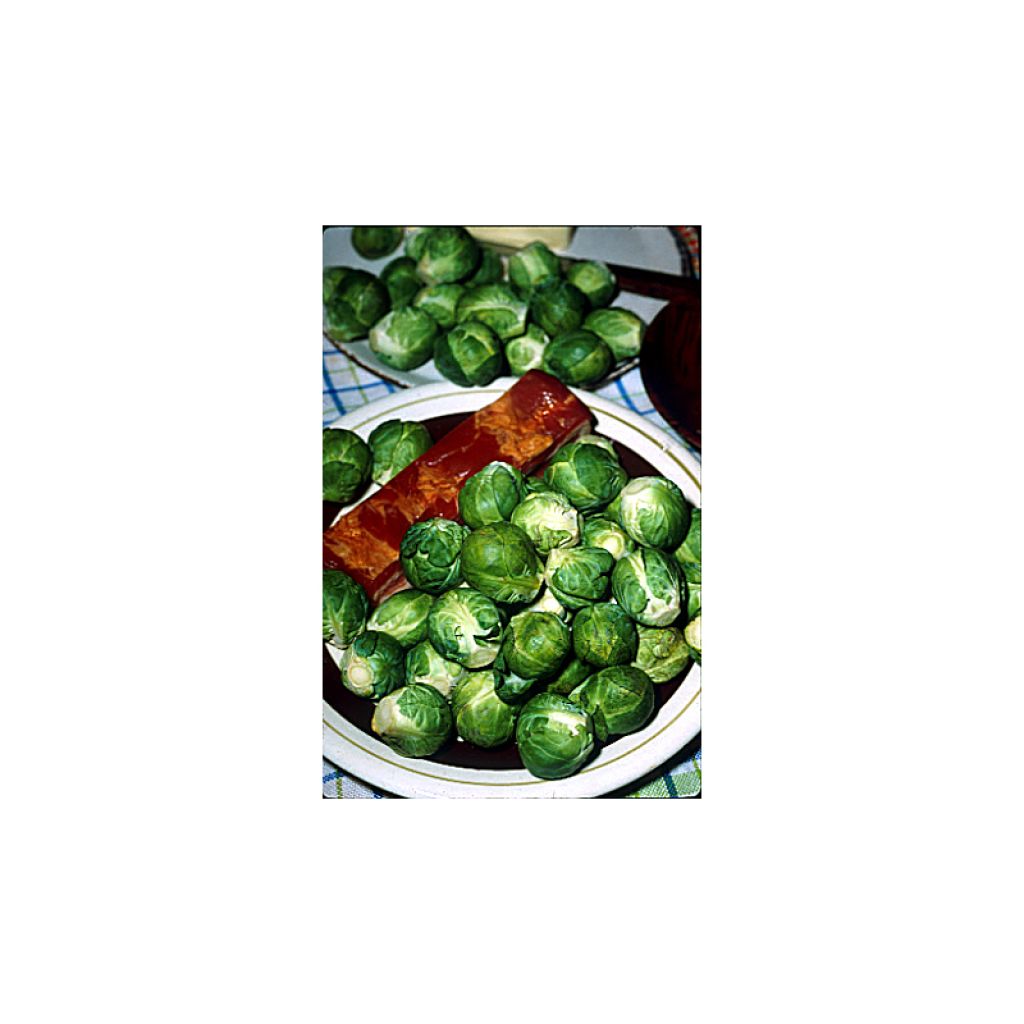
Brussels Sprouts Rosny - Brassica oleracea gemmifera
Brussels Sprouts Rosny - Brassica oleracea gemmifera
Brassica oleracea var. gemmifera De Rosny
Brussels Sprout
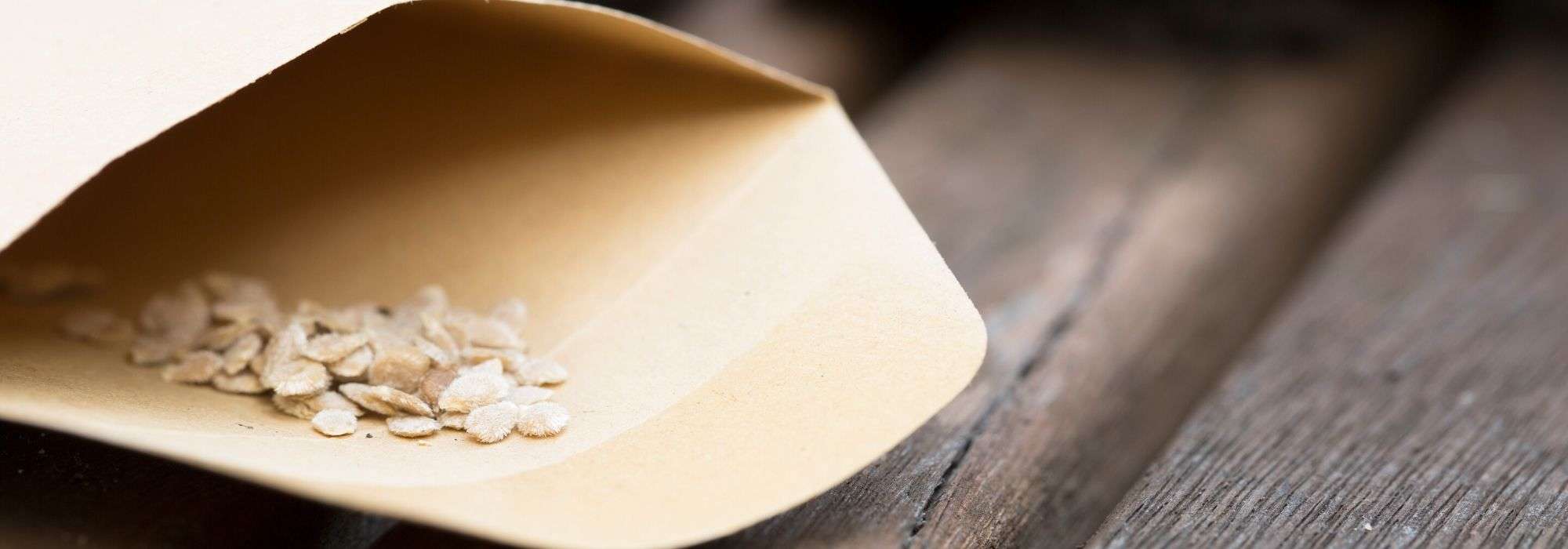
Seeds accompanied by their technical sheet
Pierre G., 15/01/2018
Back-to-school special offer!
Get €10 off for every €50 you spend! And get up to €40 off on a single order.
How does it work?
1. Shop your favourites
Add your favourite plants to your basket. For every €50 you spend (excluding delivery charges, store credit and the plastic-free option), you’ll receive a €10 voucher.
€50 spent = €10 voucher
€100 spent = €20 voucher
€150 spent = €30 voucher
€200 spent = €40 voucher
2. Place your order
Once your basket reaches one of the spending thresholds, place your order. You can even choose your delivery date!
3. Receive your voucher
As soon as your order has been shipped, you’ll receive an email containing your personal voucher code and its value.
4. Use it on your next order
Your voucher is valid for 90 days from the date you receive it. It can be used once only, on a new order worth at least the value of the voucher, excluding delivery charges.
Please note: Vouchers can be combined with other offers, but cannot be split or refunded.
Home or relay delivery (depending on size and destination)
Important: You may be charged customs duties by your country’s customs authorities upon delivery.
Schedule delivery date
and select date in basket
This plant carries a 6 months recovery warranty
More information
We guarantee the quality of our plants for a full growing cycle, and will replace at our expense any plant that fails to recover under normal climatic and planting conditions.

Description
Brassica oleracea (Gemmifera) 'De Rosny' is a classic French variety that is easy to grow. This variety of Brussels Sprout is late, hardy, and productive. Its heads persist for a long time without opening. Sow from February to May for a harvest from September to December.
Brussels sprouts are a vegetable whose axillary buds are consumed, forming small heads also called "buttons". This biennial vegetable, cultivated as an annual, belongs to the large Brassicaceae family of (formerly Cruciferae). Latin enthusiasts will appreciate the name "Gemmifera", which refers to precious stones.
Originating from Belgium, it is a hybrid developed in the 14th century by market gardeners from Saint-Gilles (a municipality in the Brussels periphery), concerned with increasing their productivity. Brussels sprouts take up little space on the ground and provide a generous yield.
Brussels sprouts are the ultimate autumn and winter vegetables. They have a sweet, slightly sugary, and comforting flavour. Carefully cooked, their delicate taste pairs well with bacon and chestnuts. They can be consumed cooked, sautéed, braised, or even in gratin. Quickly steam the sprouts and use them cold in salads. They are rich in fibre, antioxidants, and vitamins C and B.
Brussels sprouts are a much less demanding than the majority of brassicas. They thrive in the sun and in moderately rich soil, especially in nitrogen. Heavily fertilised soil will produce small, open, or burst heads.
Harvest: start from the bottom of the stem and cut the small heads with a knife.
Storage: they can be stored for 3 to 4 days in the vegetable drawer of the refrigerator. They can also be frozen after being blanched for 3 to 5 minutes in salted boiling water.
Gardener's tip: cabbage white butterflies (Pieris brassicae) can be a problem. This cream-white butterfly with small black spots wakes up from April-May to wreak havoc all summer by devouring brassica leaves. Don't be caught off guard. Protect the plants with an insect-proof cover placed over market garden hoops, which are then placed over the vegetables. These covers are easy to use and can protect a range of vegetable crops, including Brussels sprouts, carrots, and leeks. The covers are reusable.
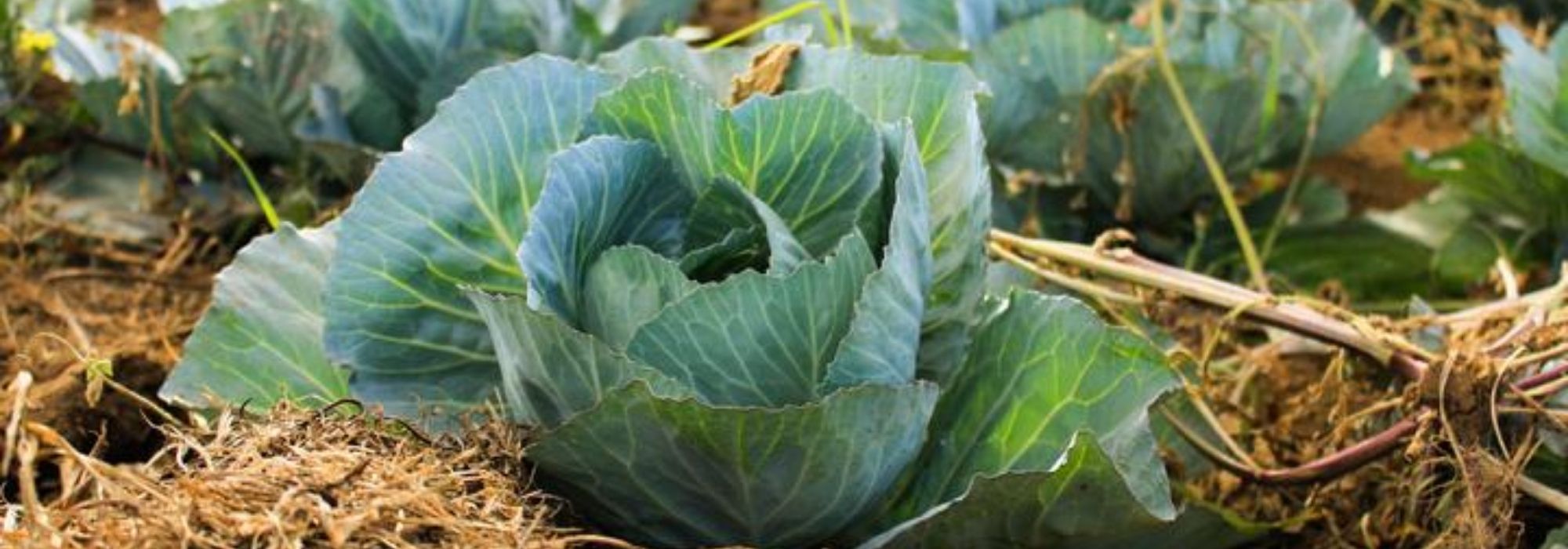
Harvest
Plant habit
Foliage
Botanical data
Brassica
oleracea var. gemmifera
De Rosny
Brassicaceae
Brussels Sprout
Cultivar or hybrid
Annual
Planting and care
Sowing
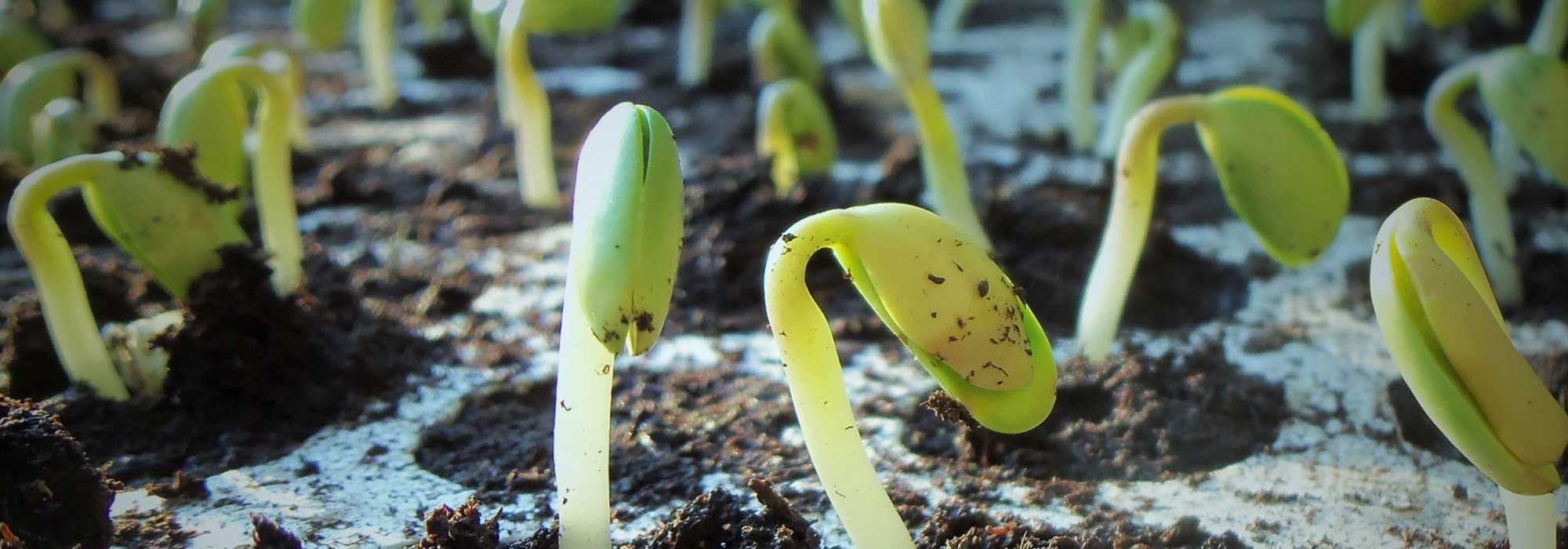
The seeds germinate between 7 and 20°C (44.6 and 68°F). Germination takes an average of 10 days.
Sow from February to May for a harvest from September to December.
You can sow in place or prepare seedlings that will then be planted in the garden in their final position.
Preparing seedlings
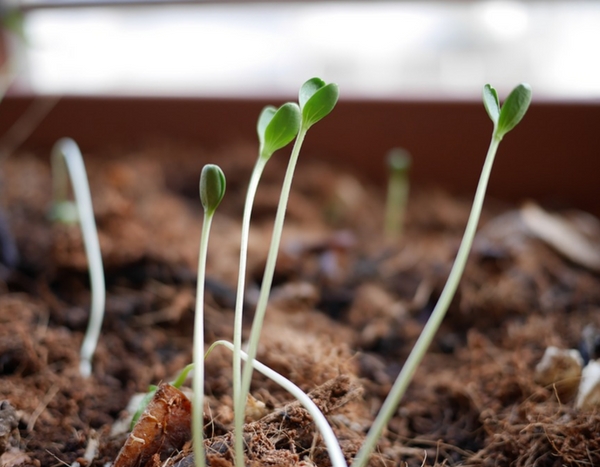
Sow under a heated shelter at the end of winter, or in a cold greenhouse or in a cold frame in the garden for the rest of the year. Sow the seeds at a depth of 1cm in good seed compost. Cover lightly with compost or vermiculite. Keep the substrate moist but not waterlogged.
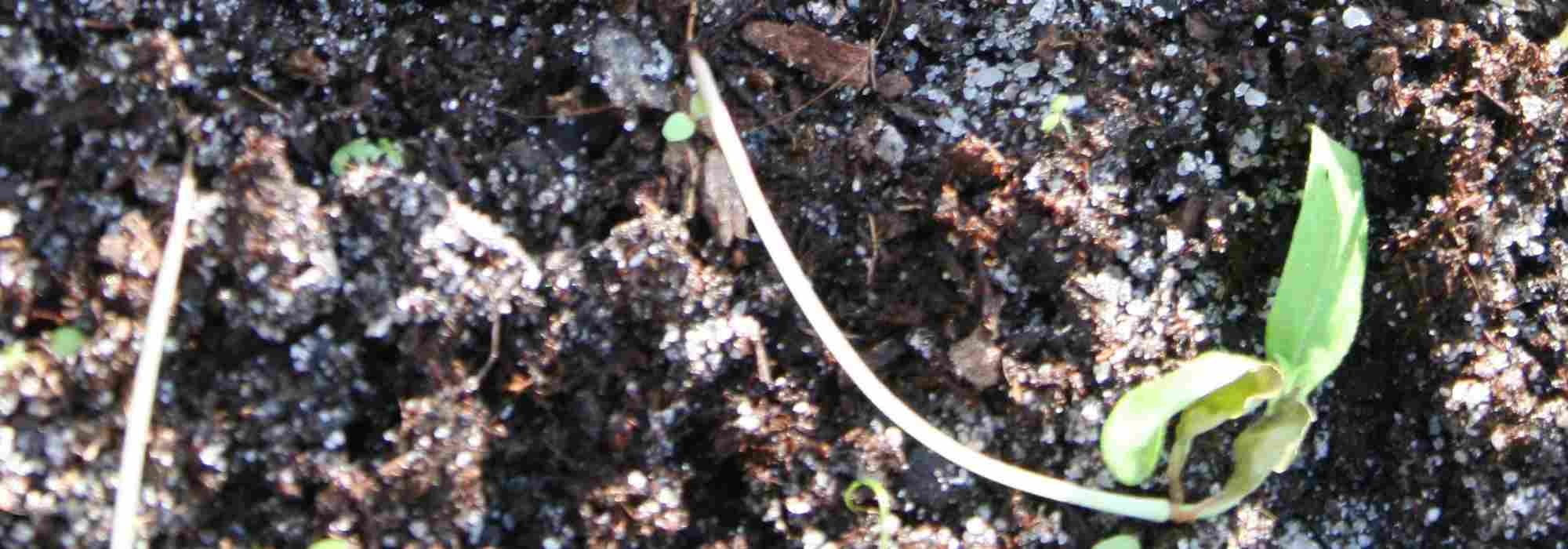
When the young plants appear strong enough to be handled, transplant them into pots, if necessary. For seeds sown under a heated shelter, gradually acclimatise them to cooler temperatures before transplanting them to the garden, when there is no longer any risk of frost.
Direct sowing
In properly amended and finely worked soil, make furrows 1cm deep, spaced 65cm (26in) apart. Sow the seeds and cover them with a thin layer of fine soil. When the seedlings are well developed, thin them out, keeping only one plant every 65cm (26in).
Cultivation
Brussels sprouts are less demanding vegetables than the majority of brassicas. They thrive in moderately rich soil, especially in nitrogen. Heavily fertilised soil will produce small, open, or burst heads.
Soil pH should be between 5.6 and 6.5. In acidic soil, gradually raise the pH by adding calcium in the form of dolomite or lime.
Brussels sprouts are quite susceptible to diseases such as clubroot. They are also attacked by certain pests (cabbage white butterfly, cabbage root fly, flea beetle, hessian fly).
It is very important to pay attention to crop rotations.
Seedlings
Care
Intended location
Planting & care advice
-
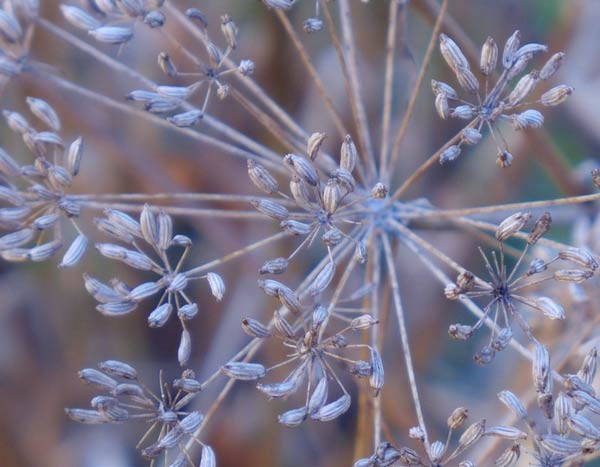
-
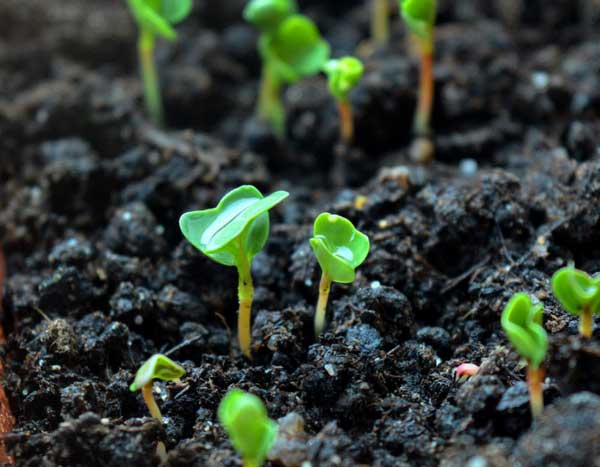
-

-
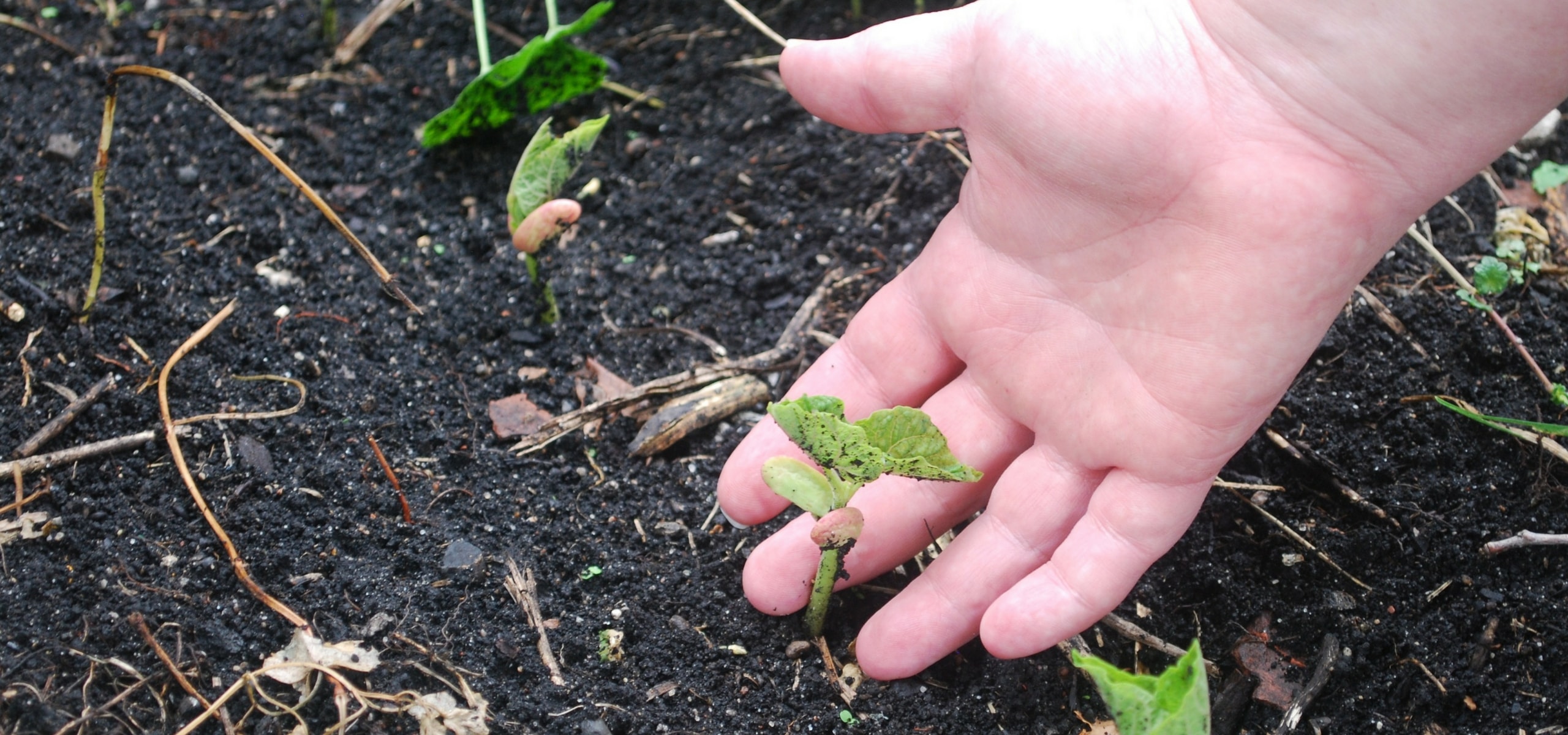
-
-
-
-
-
, onOrder confirmed
Reply from on Promesse de fleurs
Recently viewed products
Haven't found what you were looking for?
Hardiness is the lowest winter temperature a plant can endure without suffering serious damage or even dying. However, hardiness is affected by location (a sheltered area, such as a patio), protection (winter cover) and soil type (hardiness is improved by well-drained soil).

The flowering period indicated on our website applies to countries and regions located in USDA zone 8 (France, the United Kingdom, Ireland, the Netherlands, etc.)
It will vary according to where you live:- In zones 9 to 10 (Italy, Spain, Greece, etc.), flowering will occur about 2 to 4 weeks earlier.
- In zones 6 to 7 (Germany, Poland, Slovenia, and lower mountainous regions), flowering will be delayed by 2 to 3 weeks.
- In zone 5 (Central Europe, Scandinavia), blooming will be delayed by 3 to 5 weeks.
In temperate climates, pruning of spring-flowering shrubs (forsythia, spireas, etc.) should be done just after flowering.
Pruning of summer-flowering shrubs (Indian Lilac, Perovskia, etc.) can be done in winter or spring.
In cold regions as well as with frost-sensitive plants, avoid pruning too early when severe frosts may still occur.
The planting period indicated on our website applies to countries and regions located in USDA zone 8 (France, United Kingdom, Ireland, Netherlands).
It will vary according to where you live:
- In Mediterranean zones (Marseille, Madrid, Milan, etc.), autumn and winter are the best planting periods.
- In continental zones (Strasbourg, Munich, Vienna, etc.), delay planting by 2 to 3 weeks in spring and bring it forward by 2 to 4 weeks in autumn.
- In mountainous regions (the Alps, Pyrenees, Carpathians, etc.), it is best to plant in late spring (May-June) or late summer (August-September).
The harvesting period indicated on our website applies to countries and regions in USDA zone 8 (France, England, Ireland, the Netherlands).
In colder areas (Scandinavia, Poland, Austria...) fruit and vegetable harvests are likely to be delayed by 3-4 weeks.
In warmer areas (Italy, Spain, Greece, etc.), harvesting will probably take place earlier, depending on weather conditions.
The sowing periods indicated on our website apply to countries and regions within USDA Zone 8 (France, UK, Ireland, Netherlands).
In colder areas (Scandinavia, Poland, Austria...), delay any outdoor sowing by 3-4 weeks, or sow under glass.
In warmer climes (Italy, Spain, Greece, etc.), bring outdoor sowing forward by a few weeks.
Shipping country and language
Your country of residence may be:
Your country of residence is:
For a better user experience on our website, you can select:
Your shipping country:
-
 Austria
-
 Belgium
-
 Bosnia & Herzegovina
-
 Bulgaria
-
 Croatia
-
 Cyprus
-
 Czechia
-
 Denmark
-
 Estonia
-
 Finland
-
 France
-
 Germany
-
 Greece
-
 Hungary
-
 Iceland
-
 Ireland
-
 Italy
Italy
-
 Latvia
-
 Liechtenstein
-
 Lithuania
-
 Luxembourg
-
 Malta
Malta
-
 Netherlands
-
 Poland
-
 Portugal
-
 Romania
-
 Serbia
-
 Slovakia
-
 Slovenia
-
 Spain
Spain
-
 Sweden
-
 Switzerland
Language:
-
French
-
 English
-
Spanish
-
Italian
-
German
-
Portuguese
-
Dutch
-
Finnish
My Account
Hello
My wish lists
My cart
Log in / Register
Existing customer?
This form is protected by reCAPTCHA - the Google Privacy Policy and Terms of Service apply.
New customer?
Create an account to track your orders, access our customer service and, if you wish, make the most of our upcoming offers.