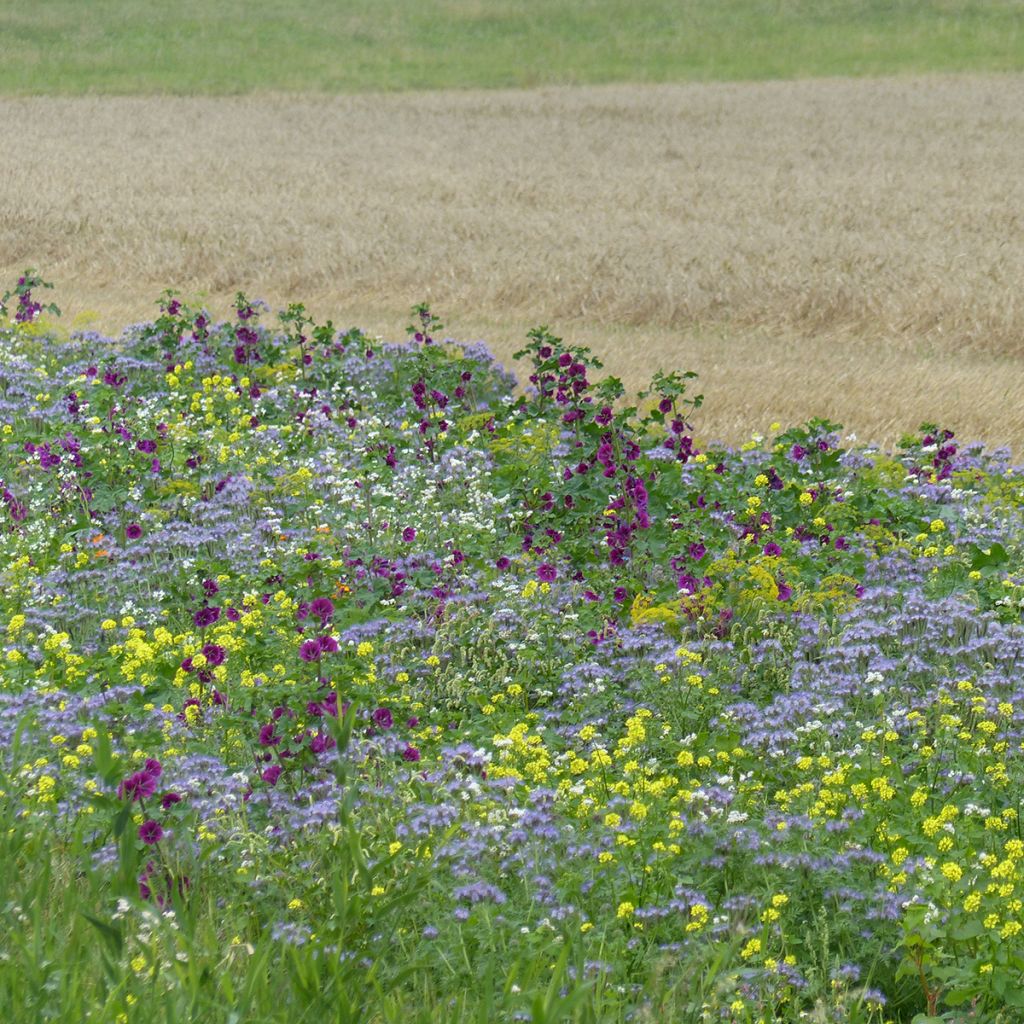
Tübinger organic nectar-rich meadow seed mix
Tübinger organic nectar-rich meadow seed mix
Back-to-school special offer!
Get €10 off for every €50 you spend! And get up to €40 off on a single order.
How does it work?
1. Shop your favourites
Add your favourite plants to your basket. For every €50 you spend (excluding delivery charges, store credit and the plastic-free option), you’ll receive a €10 voucher.
€50 spent = €10 voucher
€100 spent = €20 voucher
€150 spent = €30 voucher
€200 spent = €40 voucher
2. Place your order
Once your basket reaches one of the spending thresholds, place your order. You can even choose your delivery date!
3. Receive your voucher
As soon as your order has been shipped, you’ll receive an email containing your personal voucher code and its value.
4. Use it on your next order
Your voucher is valid for 90 days from the date you receive it. It can be used once only, on a new order worth at least the value of the voucher, excluding delivery charges.
Please note: Vouchers can be combined with other offers, but cannot be split or refunded.
Home or relay delivery (depending on size and destination)
Important: You may be charged customs duties by your country’s customs authorities upon delivery.
Schedule delivery date
and select date in basket
This plant carries a 6 months recovery warranty
More information
We guarantee the quality of our plants for a full growing cycle, and will replace at our expense any plant that fails to recover under normal climatic and planting conditions.
Would this plant suit my garden?
Set up your Plantfit profile →
Description
Tübinger Organic Melliferous Meadow is a blend of annual flowering plant seeds, sourced from organic farming, specially designed to nourish and attract numerous pollinators. Its nectar-rich flowering spreads over several months, transforming the garden into a refuge for wildlife, while respecting natural balances. Widely used in Germany and elsewhere in Europe, this certified organic blend offers continuous flowering from spring to autumn. Sow directly in place in spring, in full sun, on well-prepared soil.
The Tübinger blend was developed in the early 1980s by the Landesanstalt für Bienenkunde, the Regional Institute for Apiculture at the University of Hohenheim in Germany. It was created in response to the decline of pollinators to provide a regular source of nectar and pollen. Although its name refers to the city of Tübingen, it was actually developed in the surrounding region. Today, this blend has become one of the most widely used in Europe to promote biodiversity, in agriculture as well as in the garden. This blend exists in a classic version and a certified organic version.
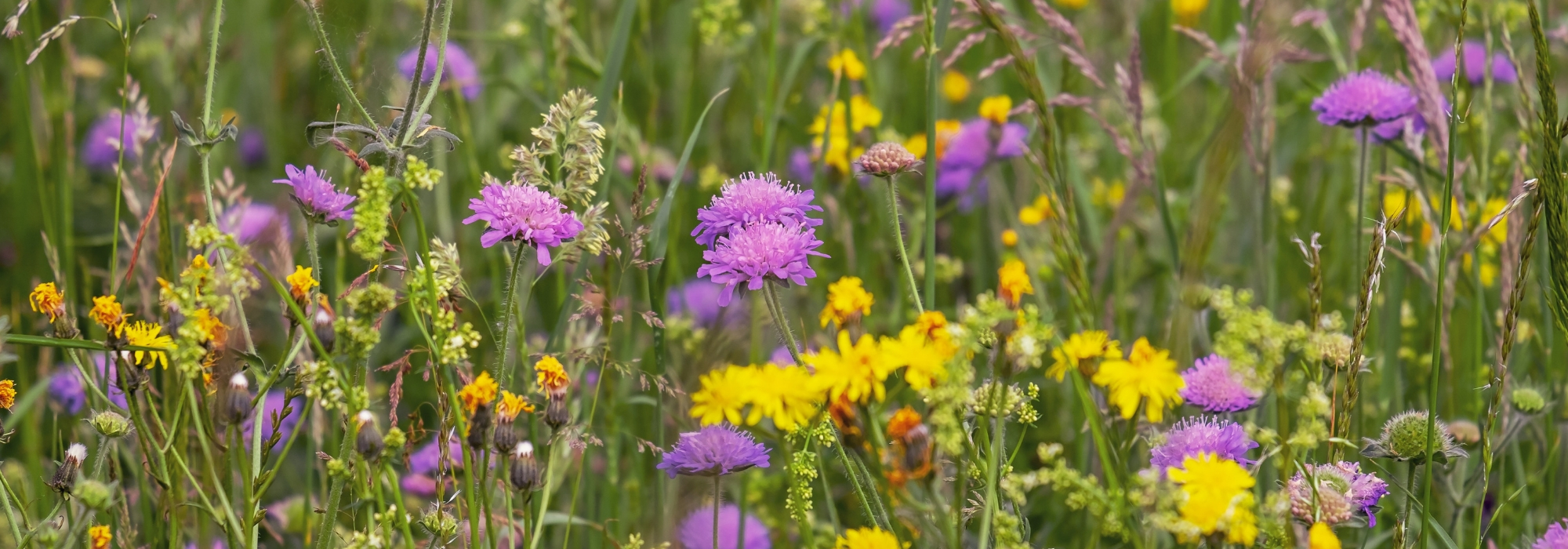
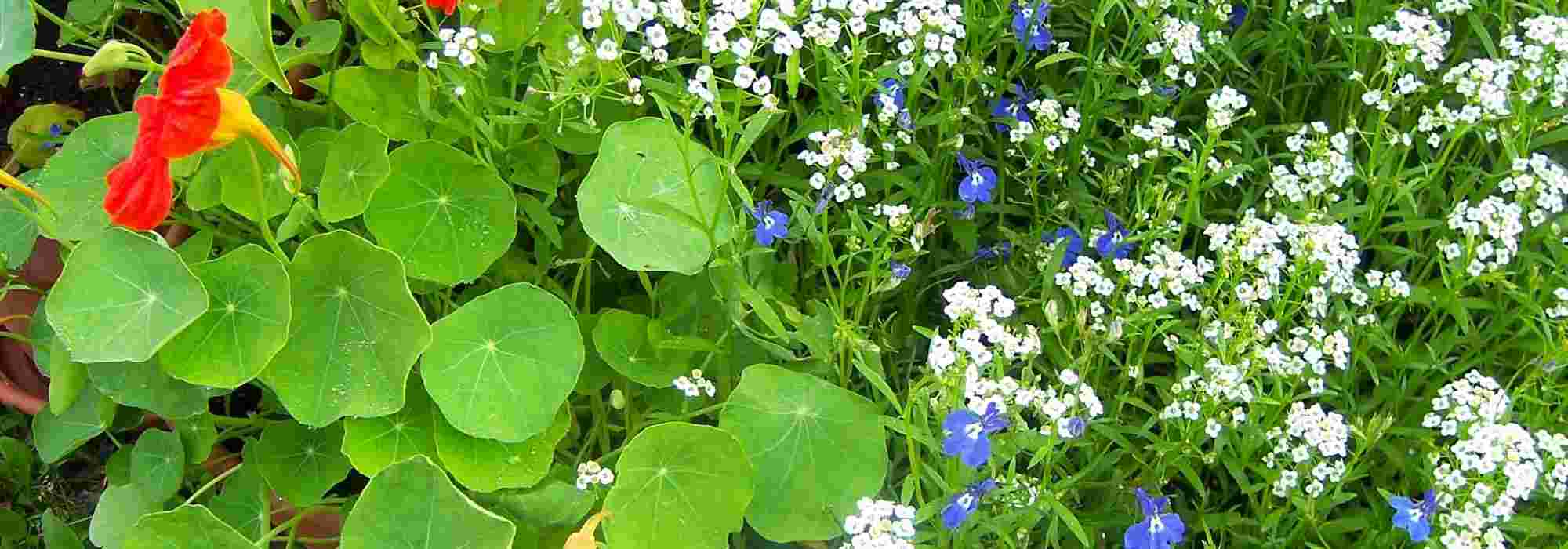
The Tübinger Organic blend combines 11 species of annual plants, chosen for their nectar-rich and honey-producing character, their complementary flowering and their ability to adapt to various soil types. It notably contains phacelia, valued for its abundant nectar and rapid flowering, as well as pot marigold, known for attracting bees and other beneficial insects. It also includes cornflower, borage and common mallow, three species with pollen-rich flowers. Buckwheat and white mustard enrich the plant cover and strongly attract pollinators in summer. Aromatic plants like coriander, dill and love-in-a-mist add further diversity in form and fragrance. The presence of radish allows for denser soil cover and limits the growth of weeds. The whole forms a living, evolving, and rich flowering meadow, whose flowering typically spreads from May until the first frosts.
Sown along the edge of the vegetable garden, in flower strips or in natural areas, the Tübinger Organic Melliferous Meadow attracts a beautiful variety of pollinators such as honeybees, bumblebees, hoverflies, and wild bees. It improves soil structure, colours the landscape, flowers abundantly, limits maintenance and grows with almost no care. Watering is only necessary in case of prolonged drought, especially during germination. A cut is recommended in October, at the end of the season. The cut plants can be left in place for a few days to allow seed drop, but an annual sowing remains essential to maintain the density and diversity of the flowering fallow.
This blend is particularly recommended for amateur beekeepers and all those who wish to promote biodiversity by cultivating an environmentally friendly garden.
Report an error about the product description
Flowering
Foliage
Plant habit
Botanical data
Cultivar or hybrid
Planting and care
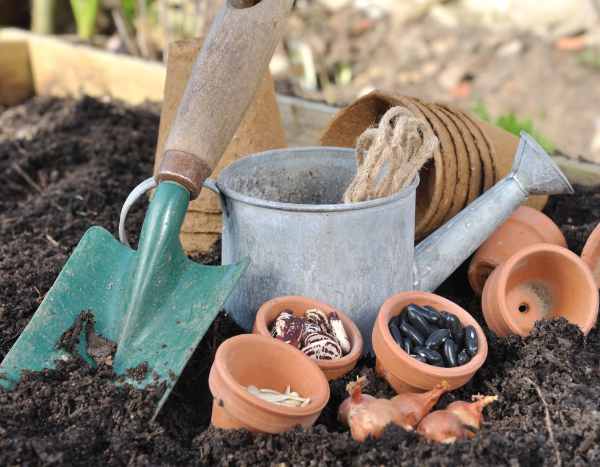
Sow the Tübinger organic nectar-rich meadow between April and June, when the soil temperatures are sufficiently mild to encourage germination. It is important to carefully prepare the plot by weeding and loosening the soil, without adding compost or fertiliser. A light raking of the surface helps a uniform distribution of the seeds.
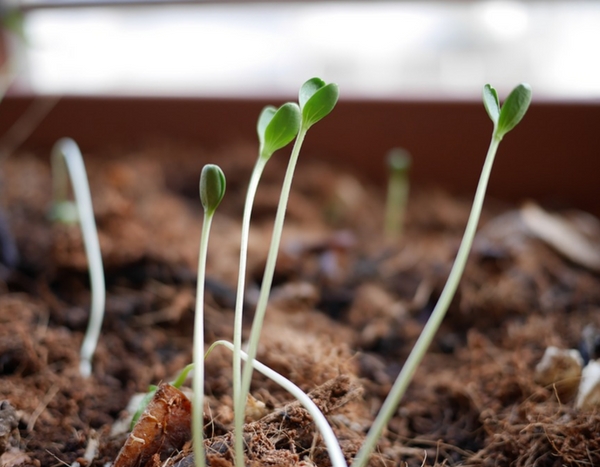
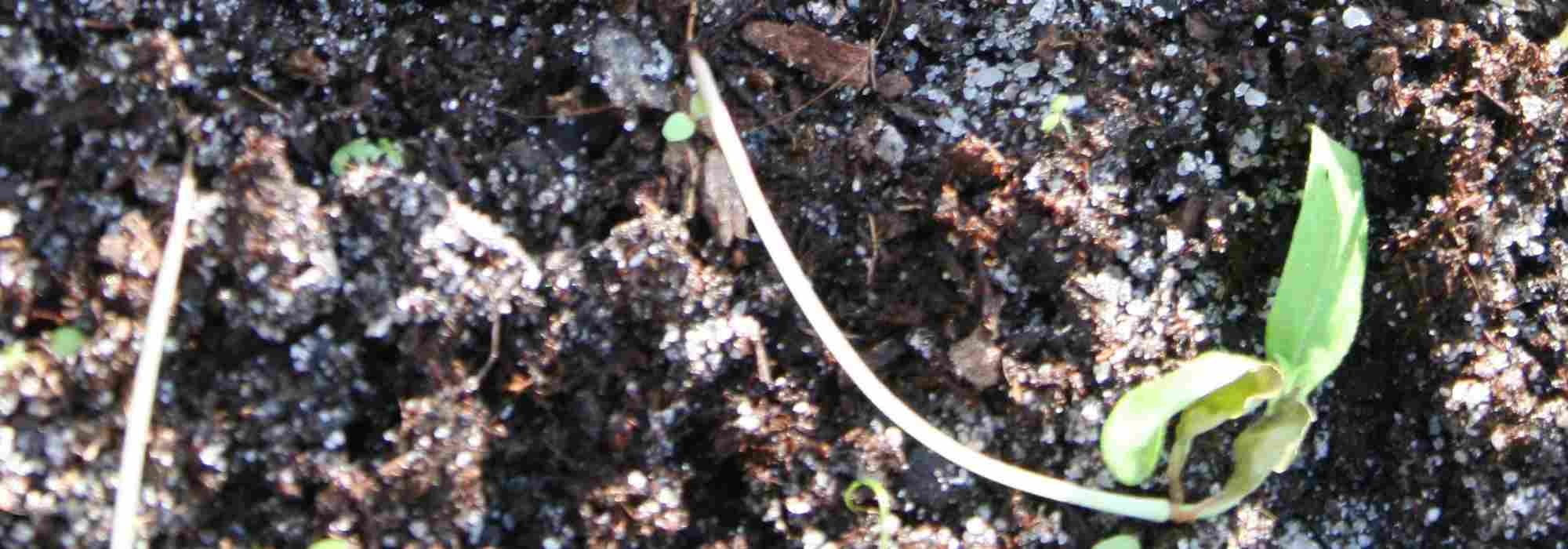
Broadcast sow, distributing approximately 1 to 2 grams of seeds per m². To ensure good contact with the soil, roll or lightly firm the area after sowing, then water with a fine spray to maintain moisture. The first seedlings usually appear within one to two weeks, depending on the weather. During this period, regular watering can be helpful if the weather is dry, especially in light or sandy soils.
Sow 1 to 2 grams/m²
Cultivation:
To partially preserve the flowering meadow for the following year, at the end of the flowering period (late September or early October) mow to 10 cm above the soil. Do not collect the cuttings. Some flowers will self-seed spontaneously. However, it is best to re-sow each year.
Sowing period
Intended location
Planting & care advice
-
-
-

-
-
-
-

-
This item has not been reviewed yet - be the first to leave a review about it.
Recently viewed products
Haven't found what you were looking for?
Hardiness is the lowest winter temperature a plant can endure without suffering serious damage or even dying. However, hardiness is affected by location (a sheltered area, such as a patio), protection (winter cover) and soil type (hardiness is improved by well-drained soil).

The flowering period indicated on our website applies to countries and regions located in USDA zone 8 (France, the United Kingdom, Ireland, the Netherlands, etc.)
It will vary according to where you live:- In zones 9 to 10 (Italy, Spain, Greece, etc.), flowering will occur about 2 to 4 weeks earlier.
- In zones 6 to 7 (Germany, Poland, Slovenia, and lower mountainous regions), flowering will be delayed by 2 to 3 weeks.
- In zone 5 (Central Europe, Scandinavia), blooming will be delayed by 3 to 5 weeks.
In temperate climates, pruning of spring-flowering shrubs (forsythia, spireas, etc.) should be done just after flowering.
Pruning of summer-flowering shrubs (Indian Lilac, Perovskia, etc.) can be done in winter or spring.
In cold regions as well as with frost-sensitive plants, avoid pruning too early when severe frosts may still occur.
The planting period indicated on our website applies to countries and regions located in USDA zone 8 (France, United Kingdom, Ireland, Netherlands).
It will vary according to where you live:
- In Mediterranean zones (Marseille, Madrid, Milan, etc.), autumn and winter are the best planting periods.
- In continental zones (Strasbourg, Munich, Vienna, etc.), delay planting by 2 to 3 weeks in spring and bring it forward by 2 to 4 weeks in autumn.
- In mountainous regions (the Alps, Pyrenees, Carpathians, etc.), it is best to plant in late spring (May-June) or late summer (August-September).
The harvesting period indicated on our website applies to countries and regions in USDA zone 8 (France, England, Ireland, the Netherlands).
In colder areas (Scandinavia, Poland, Austria...) fruit and vegetable harvests are likely to be delayed by 3-4 weeks.
In warmer areas (Italy, Spain, Greece, etc.), harvesting will probably take place earlier, depending on weather conditions.
The sowing periods indicated on our website apply to countries and regions within USDA Zone 8 (France, UK, Ireland, Netherlands).
In colder areas (Scandinavia, Poland, Austria...), delay any outdoor sowing by 3-4 weeks, or sow under glass.
In warmer climes (Italy, Spain, Greece, etc.), bring outdoor sowing forward by a few weeks.
Shipping country and language
Your country of residence may be:
Your country of residence is:
For a better user experience on our website, you can select:
Your shipping country:
-
 Austria
-
 Belgium
-
 Bosnia & Herzegovina
-
 Bulgaria
-
 Croatia
-
 Cyprus
-
 Czechia
-
 Denmark
-
 Estonia
-
 Finland
-
 France
-
 Germany
-
 Greece
-
 Hungary
-
 Iceland
-
 Ireland
-
 Italy
Italy
-
 Latvia
-
 Liechtenstein
-
 Lithuania
-
 Luxembourg
-
 Malta
Malta
-
 Netherlands
-
 Poland
-
 Portugal
-
 Romania
-
 Serbia
-
 Slovakia
-
 Slovenia
-
 Spain
Spain
-
 Sweden
-
 Switzerland
Language:
-
French
-
 English
-
Spanish
-
Italian
-
German
-
Portuguese
-
Dutch
-
Finnish
My Account
Hello
My wish lists
My cart
Log in / Register
Existing customer?
This form is protected by reCAPTCHA - the Google Privacy Policy and Terms of Service apply.
New customer?
Create an account to track your orders, access our customer service and, if you wish, make the most of our upcoming offers.