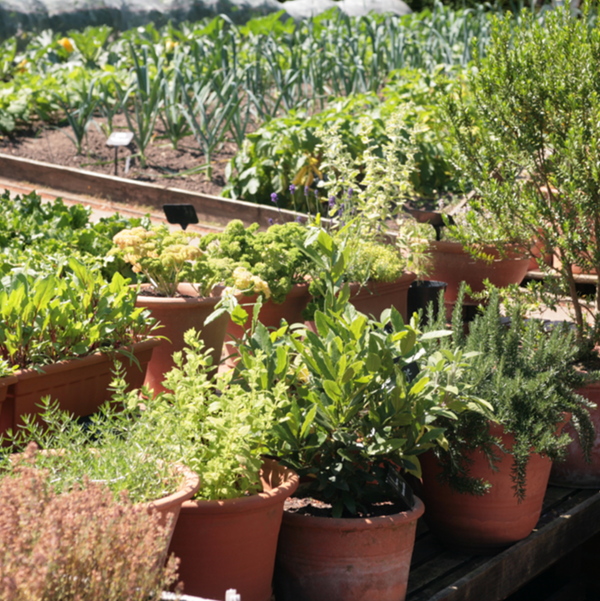
Exuding a thousand flavours and as many scents, from the most subtle to the most intense, aromatic and culinary herbs also have the advantage of being undemanding. They can be grown anywhere, whatever size or style of garden: in pots on terraces or balconies and in the ground, either in a dedicated area, at the edge of a vegetable patch and even within borders.
In our garden, they are everywhere and here’s how we "accommodate" them :
1- In the vegetable garden, "grouped" by theme, in raised beds
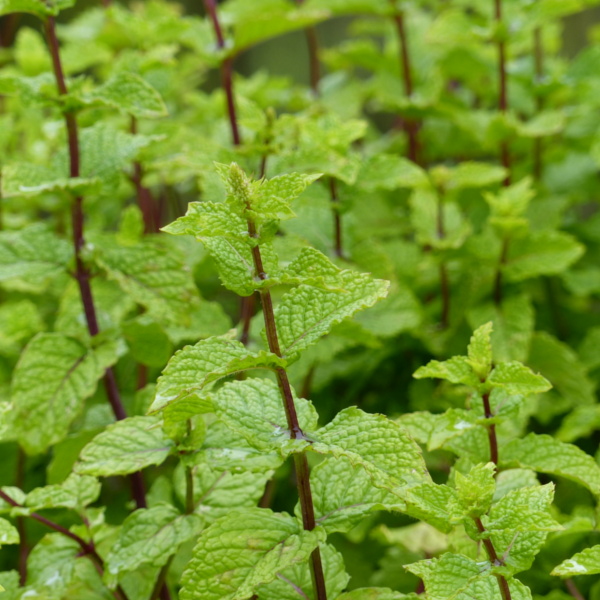
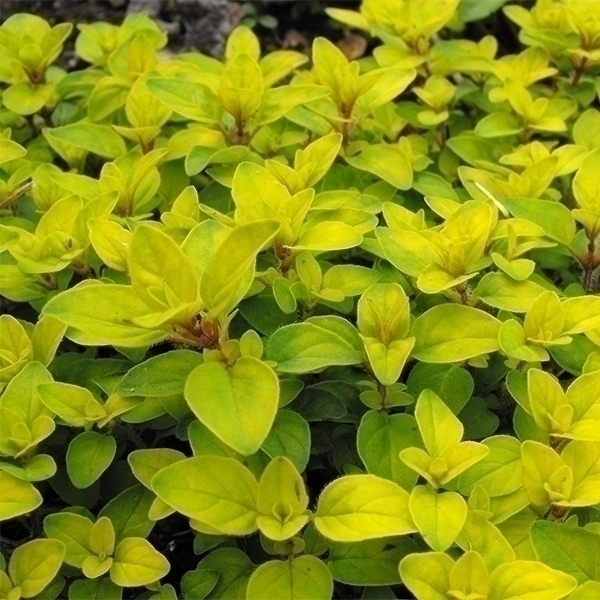
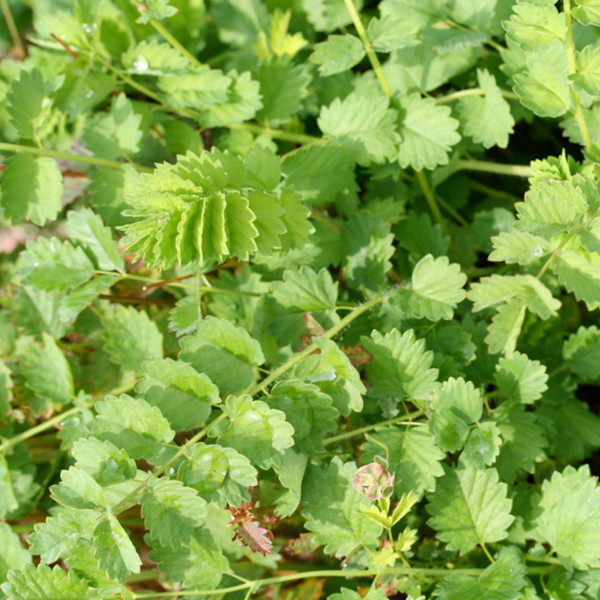
Because it’s very practical, we have grouped the herbs most commonly used in cooking into raised beds. Mediterranean ones that accompany barbecues and pizzas (oregano, basil, thyme) are planted in sun, in a well-draining mix as they dislike moisture. In light shade, lemon verbena grows with lemon balm and Moroccan mint; they are used for infusions. A third bed, also in partial shade, houses chives, coriander, parsley and salad burnet, grown as much for its charming name as for its faint cucumber flavour!
2- Along terrace edges, as a low hedge
More sprawling aromatics, which at maturity form undershrubs, are used as a low hedge along south-facing terraces: rosemary, tarragon, common sage, curry plant (Helichrysum) and Santolina with its pretty grey foliage.
3- With roses, in a romantic pairing
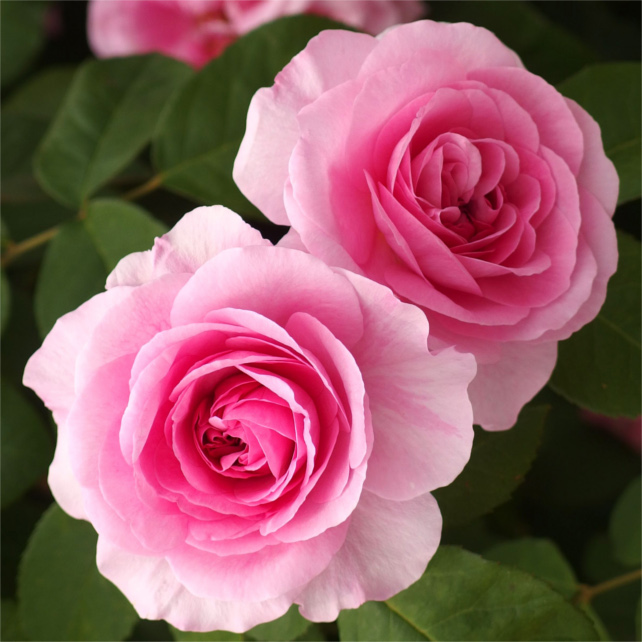
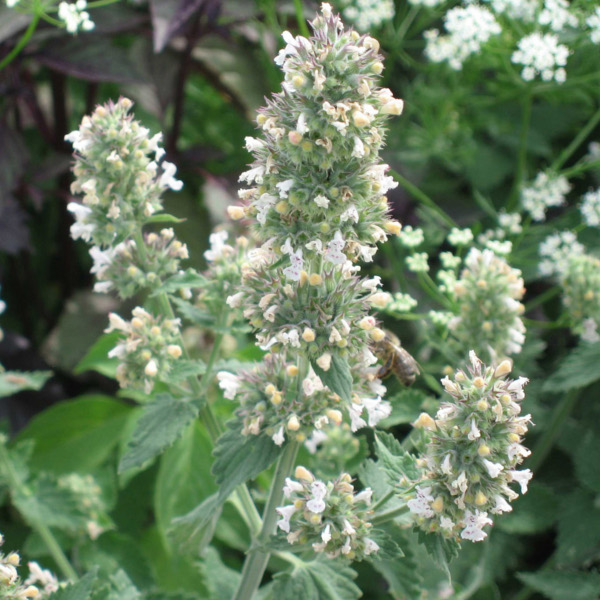
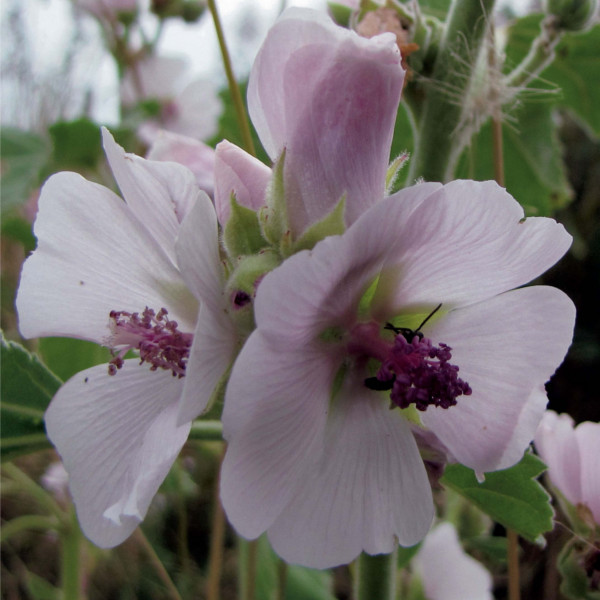
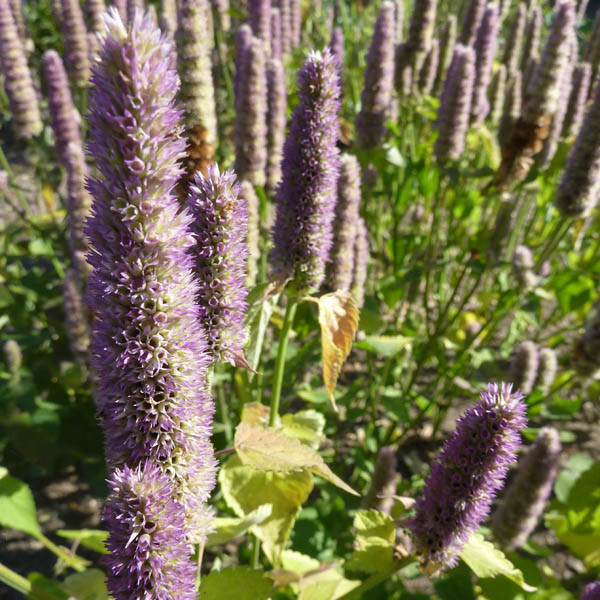
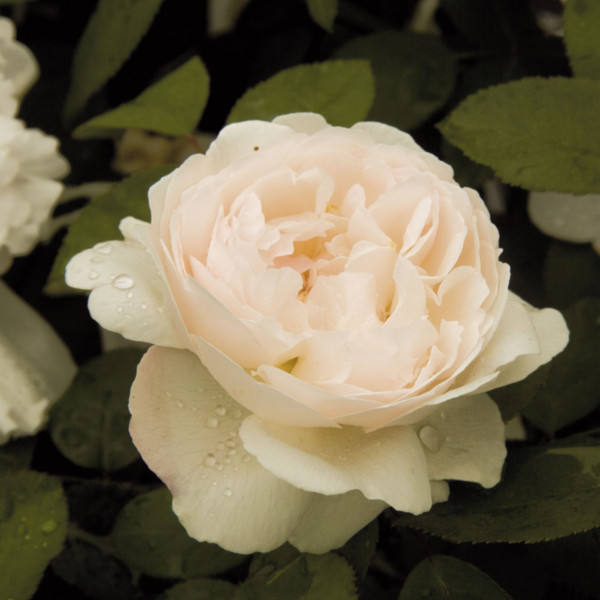
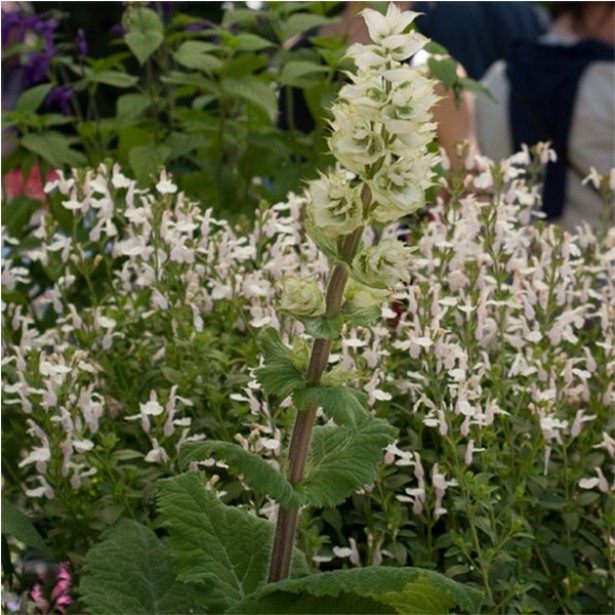
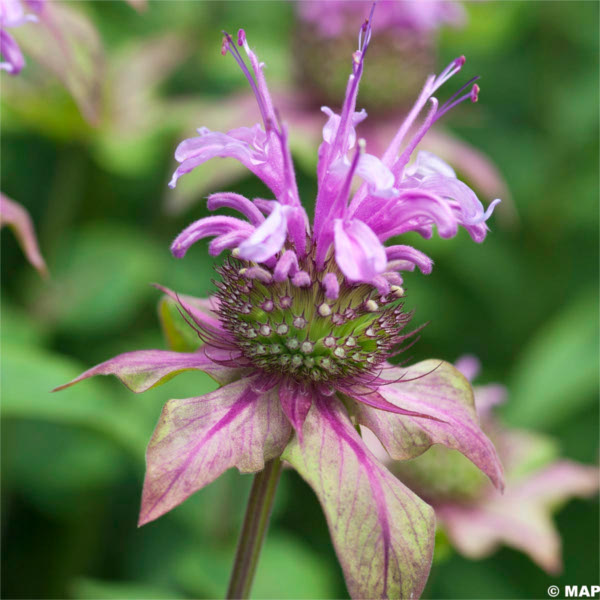
For several years, clary sage has made its home (it self-seeds) in the slightly romantic rose beds, alongside anise-leaved agastache, bergamot monarda and catnip, which Michoko, our cat, adores… which partly offsets the smell of rue that he dislikes but whose bluish foliage I love. This year I’m thinking of adding a few marshmallow plants; their flowering will harmonise beautifully with that of David Austin English roses.
4- In the heart of perennials
Every year, in every bed, I sow dill seeds generously two or three times (to enjoy them for longer), so taken am I with their elegant habit. While I use the leaves with fish and to pep up cucumber salads, I also add their wonderful umbels to my bouquets. Bronze fennel and angelica have found their place in a "meadow" bed where they sit well among the grasses. Finally, pineapple sage, which flowers late and whose leaves are wonderful in fruit salads, has taken up residence in another, more colourful bed.
5- At the foot of fruit trees
I interplanted tansy, reputed to repel worms, between two rows of raspberry canes (everbearing and non-everbearing are separated because they are pruned differently, but that’s another topic…) and I’m waiting for our young fruit trees to establish before planting at their feet a few plants of mugwort, golden oregano and chamomile.
And what about you? Do you have a small medieval-style area, a pretty dry-stone spiral where they are clustered or, like us, are you more 'freestyle' and plant them here and there? Tell us!


































Comments