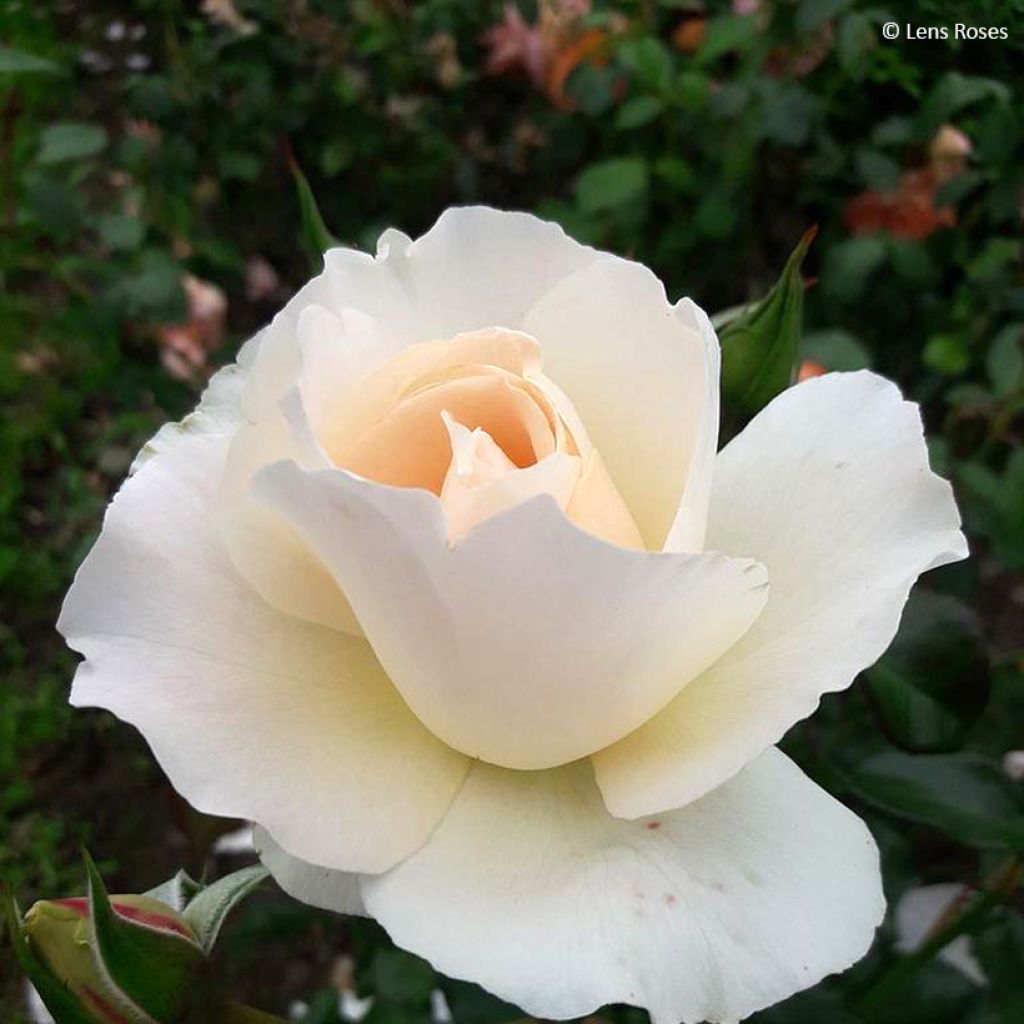
Rosa Prins Alexander - Hybrid Tea Rose

Rosa Prins Alexander - Hybrid Tea Rose
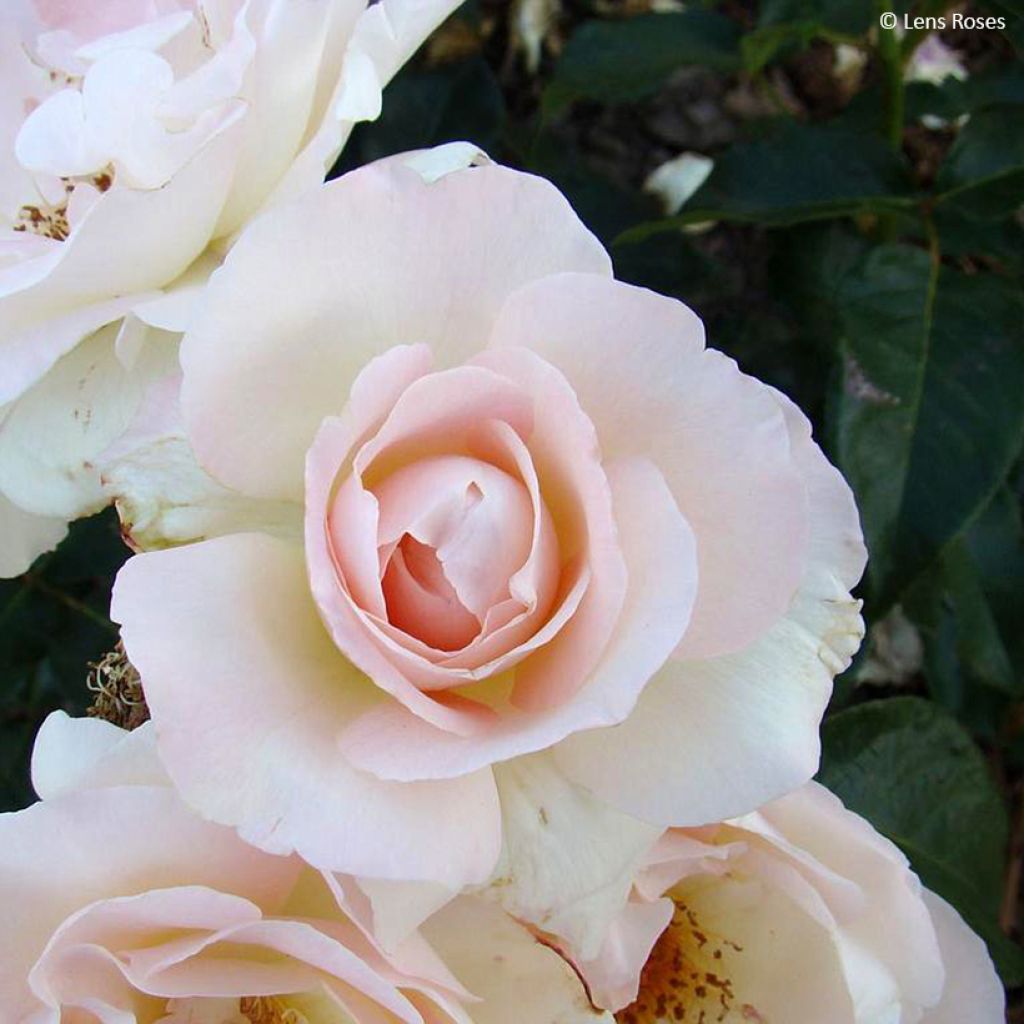
Rosa Prins Alexander - Hybrid Tea Rose
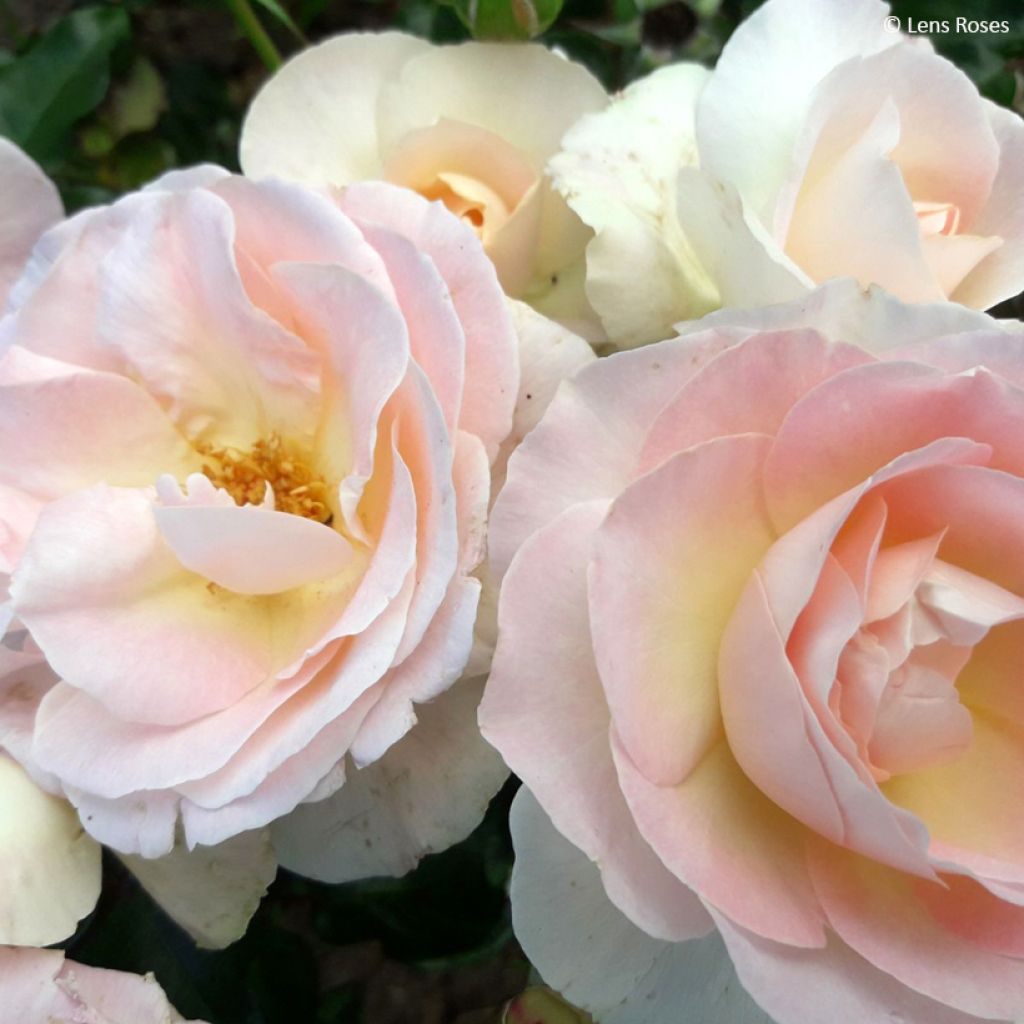
Rosa Prins Alexander - Hybrid Tea Rose
Rosa Prins Alexander - Hybrid Tea Rose
Rosa Prins Alexander® 'VEL17talma'
Hybrid Tea Rose, Prince Alexander
Thanks to the team (for order preparation and shipping), the bare-root rose received looks healthy to me (better appearance than the previous one ordered in late 2023 and which died...). Planted in the ground, I am now patiently waiting for the recovery... (or not?).
Thierry, 11/02/2025
Back-to-school special offer!
Get €10 off for every €50 you spend! And get up to €40 off on a single order.
How does it work?
1. Shop your favourites
Add your favourite plants to your basket. For every €50 you spend (excluding delivery charges, store credit and the plastic-free option), you’ll receive a €10 voucher.
€50 spent = €10 voucher
€100 spent = €20 voucher
€150 spent = €30 voucher
€200 spent = €40 voucher
2. Place your order
Once your basket reaches one of the spending thresholds, place your order. You can even choose your delivery date!
3. Receive your voucher
As soon as your order has been shipped, you’ll receive an email containing your personal voucher code and its value.
4. Use it on your next order
Your voucher is valid for 90 days from the date you receive it. It can be used once only, on a new order worth at least the value of the voucher, excluding delivery charges.
Please note: Vouchers can be combined with other offers, but cannot be split or refunded.
Home or relay delivery (depending on size and destination)
Important: You may be charged customs duties by your country’s customs authorities upon delivery.
Schedule delivery date,
and select date in basket
This plant carries a 6 months recovery warranty
More information
We guarantee the quality of our plants for a full growing cycle, and will replace at our expense any plant that fails to recover under normal climatic and planting conditions.
Description
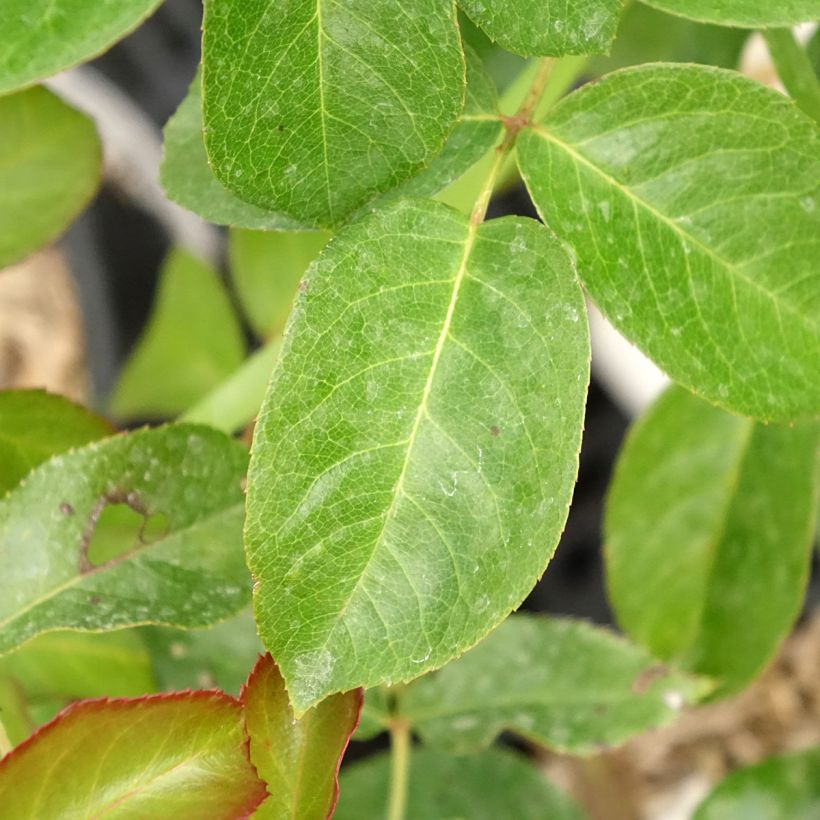
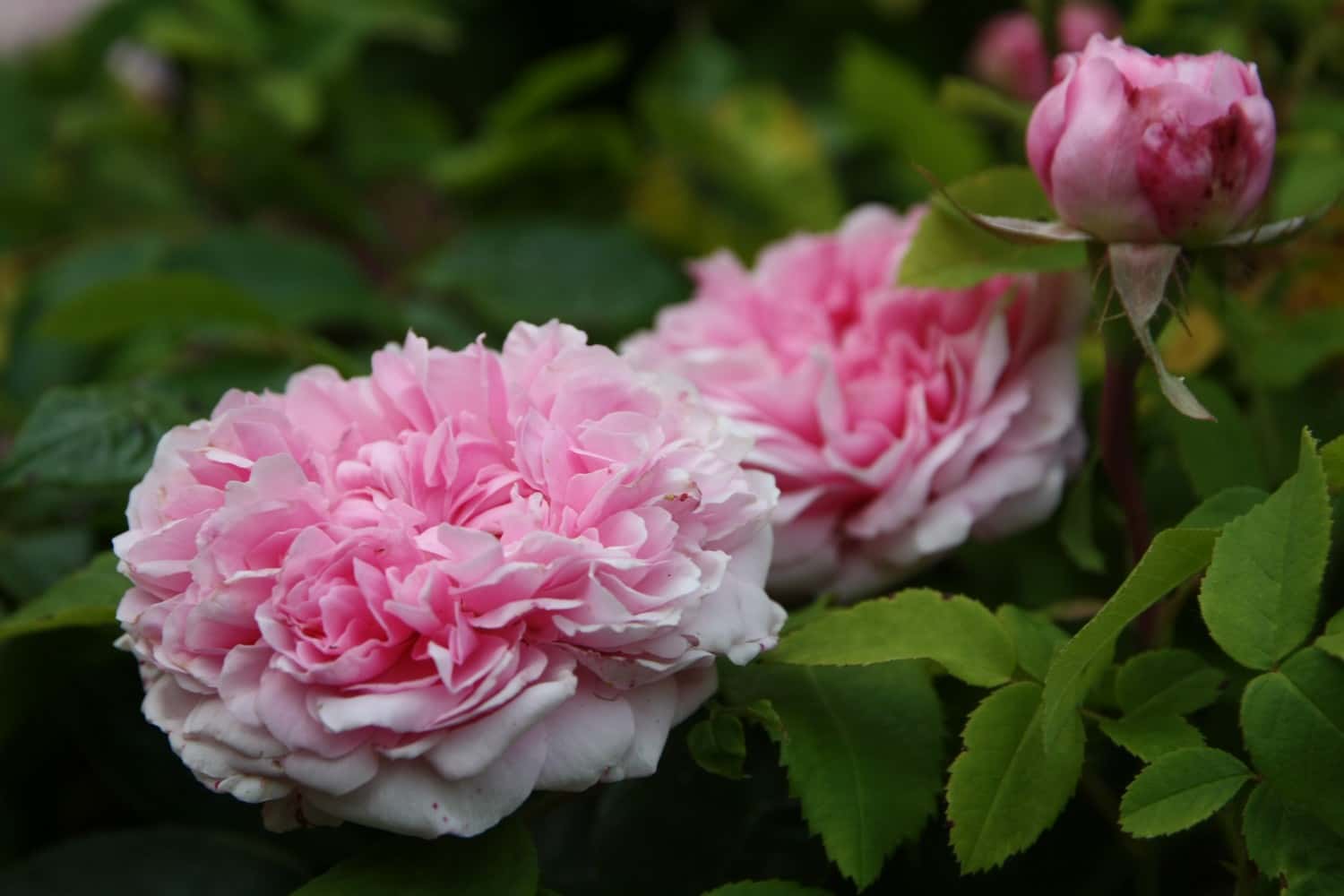
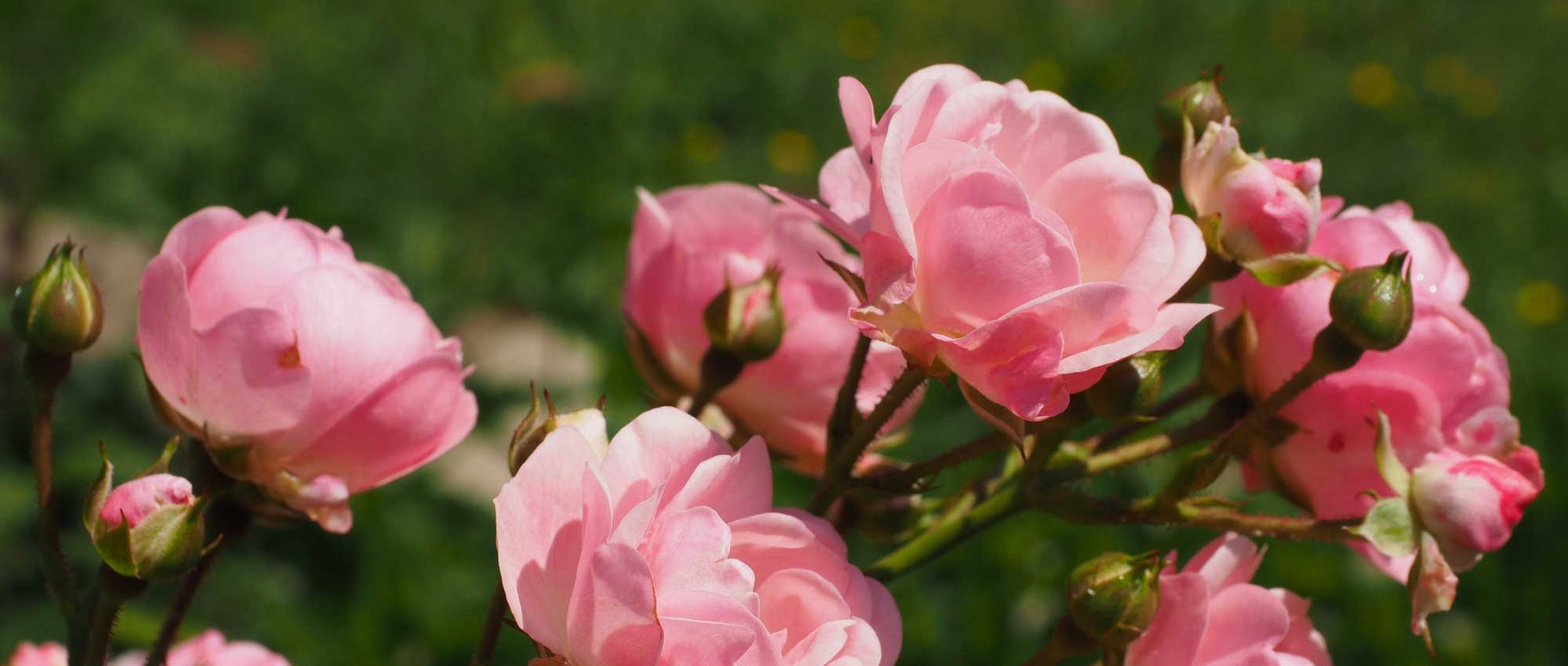
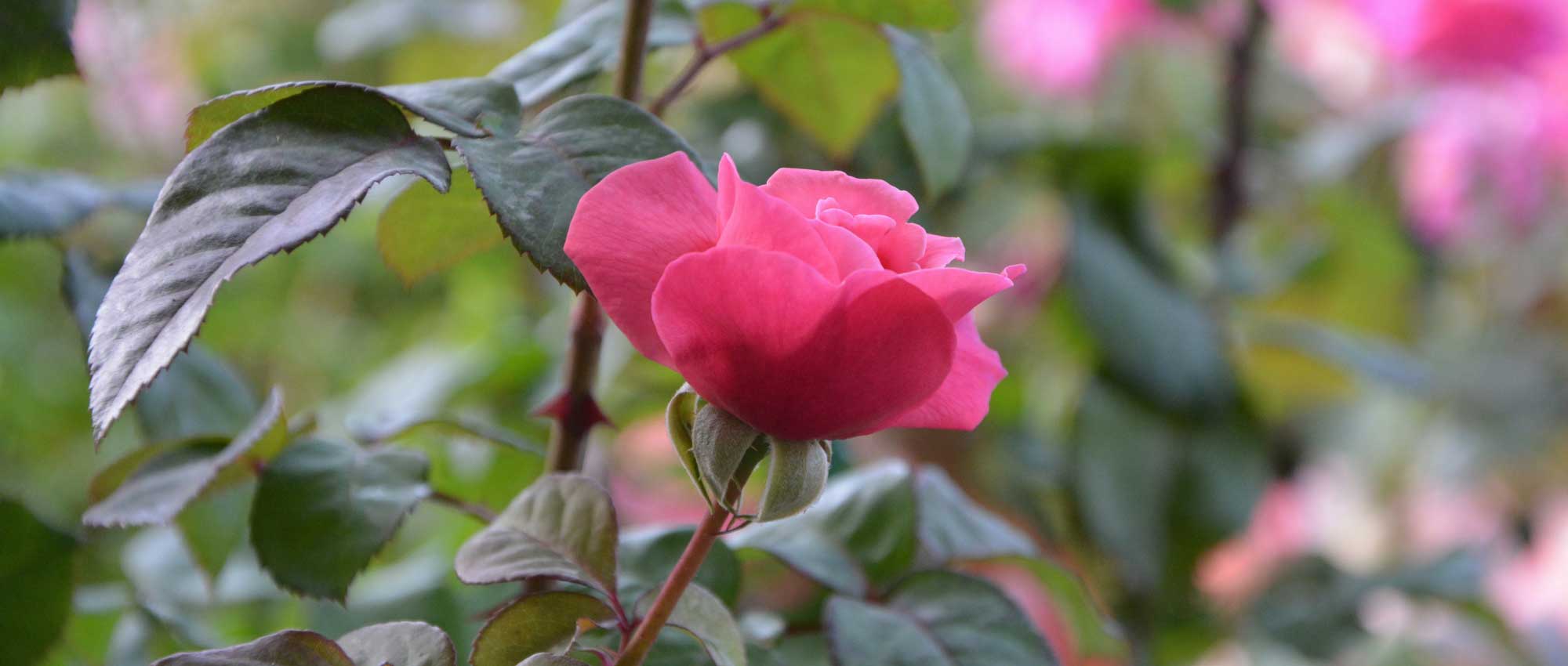
Rosa Prins Alexander will delight lovers of romantic flowers. Throughout summer, it has double roses of a ravishing pearly white, enhanced with a yellow to salmon pink heart. They bloom in clusters and diffuse an intense and pleasant fragrance in the air. It is compact and its stems are only lightly thorny, adorned with beautiful shiny dark green, disease-resistant foliage. It can be planted as a specimen, in a flowerbed, in a small hedge, with a group of perennials, or even in a pot.
The Prins Alexander Rose is a creation by Belgian rose breeder Lens. This recent variety was named by Princess Léa after her late husband, Prince Alexandre, in September 2017 during the Festival of Plants in Celles, in Hainaut (in Wallonia).
As a major member of the Rosaceae family, the Rosa genus is rich in numerous botanical species as well as a multitude of horticultural hybrids, classified into major categories. Historically, Hybrid Teas are the result of cross-breeding between remontant hybrids (with double and recurrent flowers) and tea roses (or roses with a tea fragrance), obtained from 1833 onwards, with beautiful moderately double flowers but not very hardy. These were later abandoned in favour of tea hybrids, from which Prins Alexander descends.
This variety is particularly attractive due to its dense and compact habit, forming a bushy shrub 60 to 80 cm (24 to 32in) high and 40 to 50 cm (16 to 20in) wide. Its shiny dark green foliage is very attractive and remains beautiful throughout the season, as Prins Alexander is highly disease-resistant. Another significant advantage is that the stems are only very lightly thorny. The flowers have a diameter of 7 cm (3in) and appear from June until October, provided you deadhead regularly, and have an elegant, princely charm. The roses are double, with a moderately numerous petal count, and in the shape of a cup, the typical and nearly perfect form of tea hybrids. They are a sumptuous pearly white and the petals in the centre take on yellow or pinkish nuances, sometimes both at the same time, creating a salmon-pink heart that enhances the white outer edge. Not only beautiful, they also emit a powerful fragrance combining the scent of myrrh, an aromatic resin obtained from an oriental shrub, and ripe pear. The deciduous foliage falls in autumn, and the hardiness of this rose is estimated at -15°C (5°F), or even slightly lower.
Prins Alexander Hybrid Tea rose is undemanding and easy to grow. You can incorporate it into a low flowering hedge alongside other flowering shrubs, such as Philadelphus Little White Love, a dwarf Mock Orange with pure white, fragrant flowers. It would be a good idea to intersperse a non-fragrant plant to fully enjoy the respective fragrances of these two shrubs. Deutzia Yuki Cherry Blossom would perfectly fulfill this role, with its small size and pretty little pink flowers, or Weigela florida Naomi Campbell, with its purple-pink flowers and chocolate-colored foliage that allows you to create interesting contrasts. And, to vary the colours alongside these white or pink flowers, play the blue card with the Perovskia atriplicifolia Blue Steel, whose long summer flowering of lavender blue is accompanied by very "classy" grey-white foliage.

Rosa Prins Alexander - Hybrid Tea Rose in pictures
Plant habit
Flowering
Foliage
Botanical data
Rosa
Prins Alexander® 'VEL17talma'
Rosaceae
Hybrid Tea Rose, Prince Alexander
Cultivar or hybrid
Planting and care
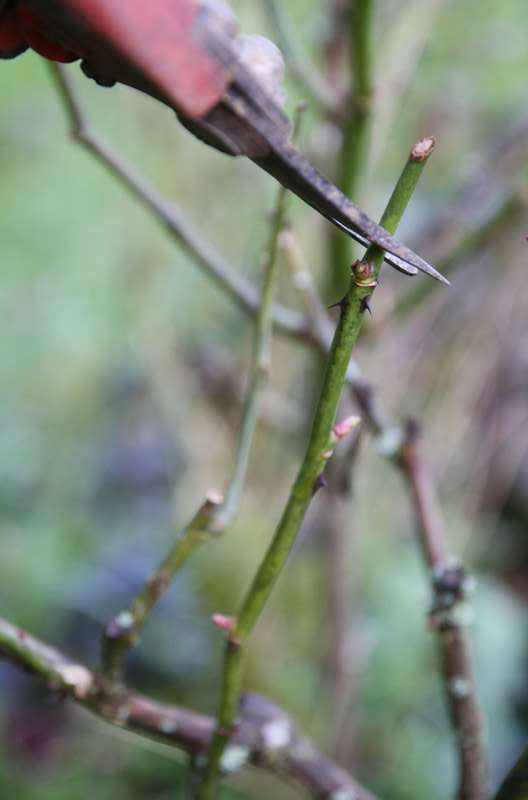
The Prins Alexander Rose should be planted in full sun, but it can tolerate partial shade in the hottest regions. It will grow in any garden as long as the soil is well-prepared and sufficiently rich. To plant your rose, work the soil by breaking it up and add slow-release organic fertiliser, such as bonemeal, at the bottom of the planting hole. Soak the root ball in a bucket for fifteen minutes beforehand, then water generously after planting to eliminate air pockets. Water regularly for a few weeks to aid root establishment. Pruning should be done in spring, keeping the most beautiful branches and removing dead wood and older shoots. Deadhead regularly to encourage the development of flower buds.
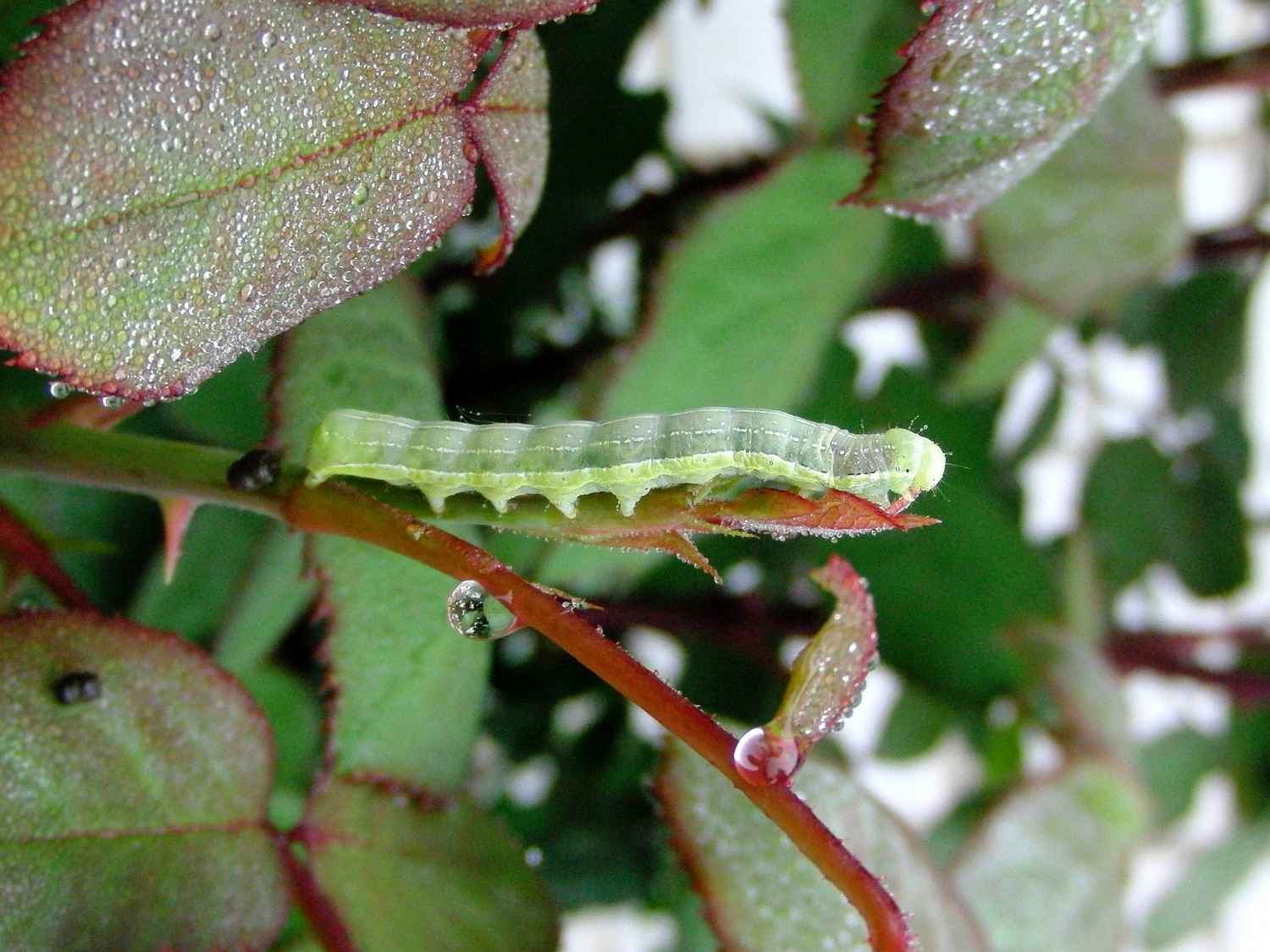
Roses are often stained or unsightly at the end of summer, but this is not a problem for their development. These spots are not harmful to the rose; it is a natural phenomenon.
Planting period
Intended location
Care
Planting & care advice
-

-
-

-
-

-
-
-
-
, onOrder confirmed
Reply from on Promesse de fleurs
Recently viewed products
Haven't found what you were looking for?
Hardiness is the lowest winter temperature a plant can endure without suffering serious damage or even dying. However, hardiness is affected by location (a sheltered area, such as a patio), protection (winter cover) and soil type (hardiness is improved by well-drained soil).

The flowering period indicated on our website applies to countries and regions located in USDA zone 8 (France, the United Kingdom, Ireland, the Netherlands, etc.)
It will vary according to where you live:- In zones 9 to 10 (Italy, Spain, Greece, etc.), flowering will occur about 2 to 4 weeks earlier.
- In zones 6 to 7 (Germany, Poland, Slovenia, and lower mountainous regions), flowering will be delayed by 2 to 3 weeks.
- In zone 5 (Central Europe, Scandinavia), blooming will be delayed by 3 to 5 weeks.
In temperate climates, pruning of spring-flowering shrubs (forsythia, spireas, etc.) should be done just after flowering.
Pruning of summer-flowering shrubs (Indian Lilac, Perovskia, etc.) can be done in winter or spring.
In cold regions as well as with frost-sensitive plants, avoid pruning too early when severe frosts may still occur.
The planting period indicated on our website applies to countries and regions located in USDA zone 8 (France, United Kingdom, Ireland, Netherlands).
It will vary according to where you live:
- In Mediterranean zones (Marseille, Madrid, Milan, etc.), autumn and winter are the best planting periods.
- In continental zones (Strasbourg, Munich, Vienna, etc.), delay planting by 2 to 3 weeks in spring and bring it forward by 2 to 4 weeks in autumn.
- In mountainous regions (the Alps, Pyrenees, Carpathians, etc.), it is best to plant in late spring (May-June) or late summer (August-September).
The harvesting period indicated on our website applies to countries and regions in USDA zone 8 (France, England, Ireland, the Netherlands).
In colder areas (Scandinavia, Poland, Austria...) fruit and vegetable harvests are likely to be delayed by 3-4 weeks.
In warmer areas (Italy, Spain, Greece, etc.), harvesting will probably take place earlier, depending on weather conditions.
The sowing periods indicated on our website apply to countries and regions within USDA Zone 8 (France, UK, Ireland, Netherlands).
In colder areas (Scandinavia, Poland, Austria...), delay any outdoor sowing by 3-4 weeks, or sow under glass.
In warmer climes (Italy, Spain, Greece, etc.), bring outdoor sowing forward by a few weeks.
Shipping country and language
Your country of residence may be:
Your country of residence is:
For a better user experience on our website, you can select:
Your shipping country:
-
 Austria
-
 Belgium
-
 Bosnia & Herzegovina
-
 Bulgaria
-
 Croatia
-
 Cyprus
-
 Czechia
-
 Denmark
-
 Estonia
-
 Finland
-
 France
-
 Germany
-
 Greece
-
 Hungary
-
 Iceland
-
 Ireland
-
 Italy
Italy
-
 Latvia
-
 Liechtenstein
-
 Lithuania
-
 Luxembourg
-
 Malta
Malta
-
 Netherlands
-
 Poland
-
 Portugal
-
 Romania
-
 Serbia
-
 Slovakia
-
 Slovenia
-
 Spain
Spain
-
 Sweden
-
 Switzerland
Language:
-
French
-
 English
-
Spanish
-
Italian
-
German
-
Portuguese
-
Dutch
-
Finnish
My Account
Hello
My wish lists
My cart
Log in / Register
Existing customer?
This form is protected by reCAPTCHA - the Google Privacy Policy and Terms of Service apply.
New customer?
Create an account to track your orders, access our customer service and, if you wish, make the most of our upcoming offers.