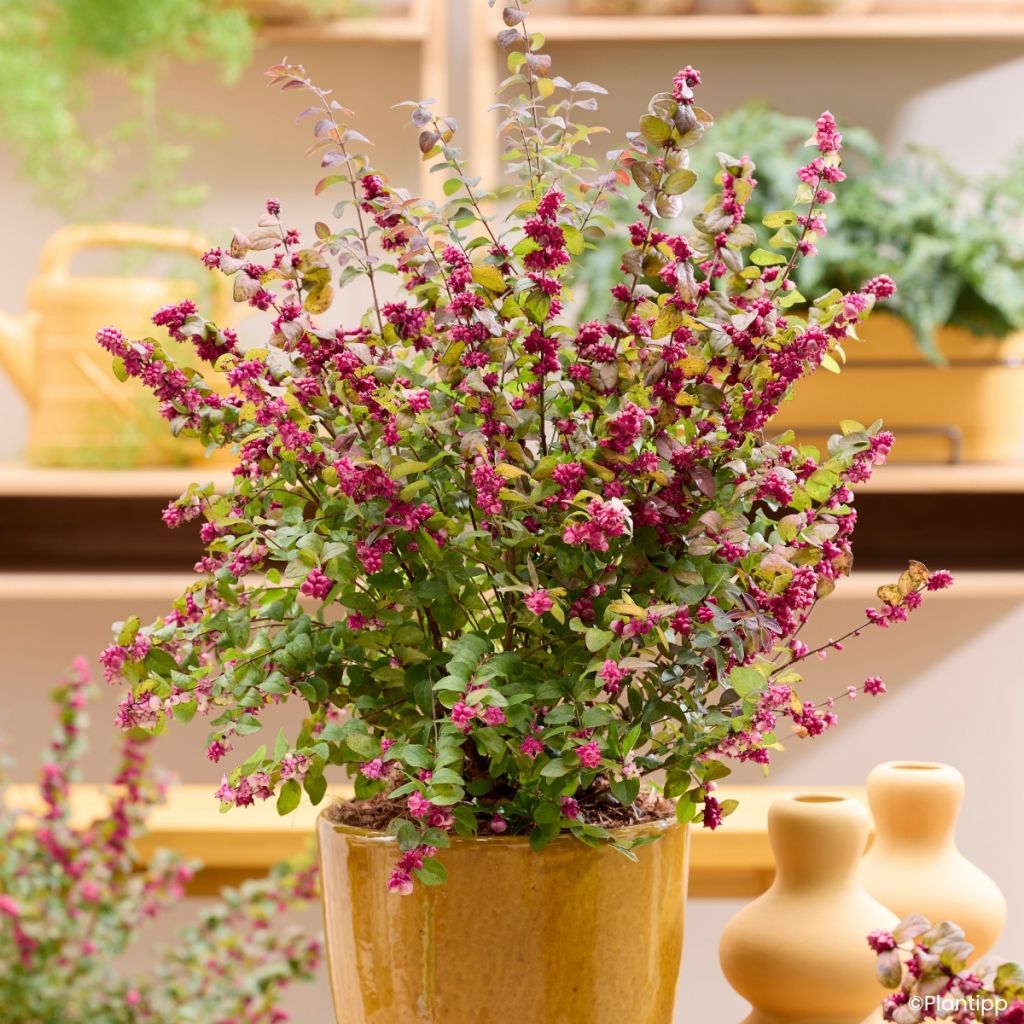
Symphoricarpos Little Berry
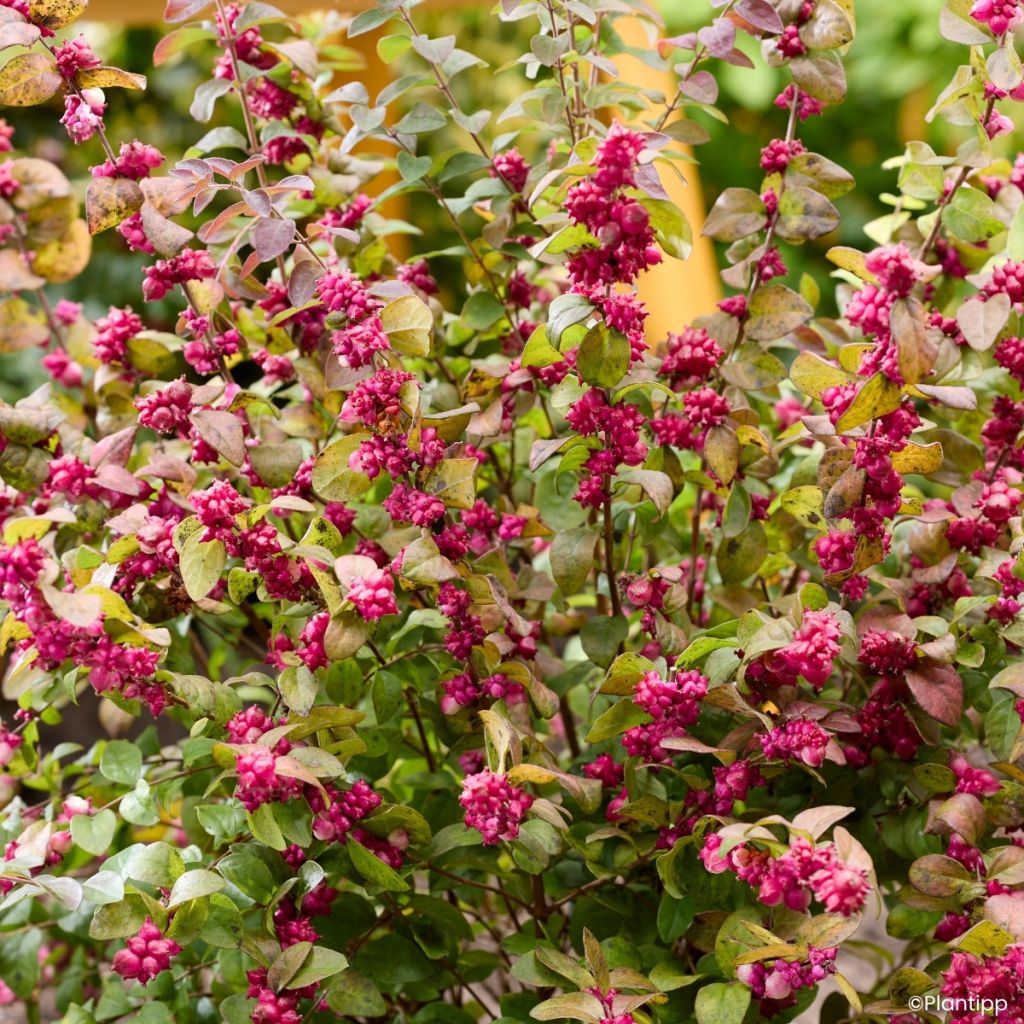
Symphoricarpos Little Berry
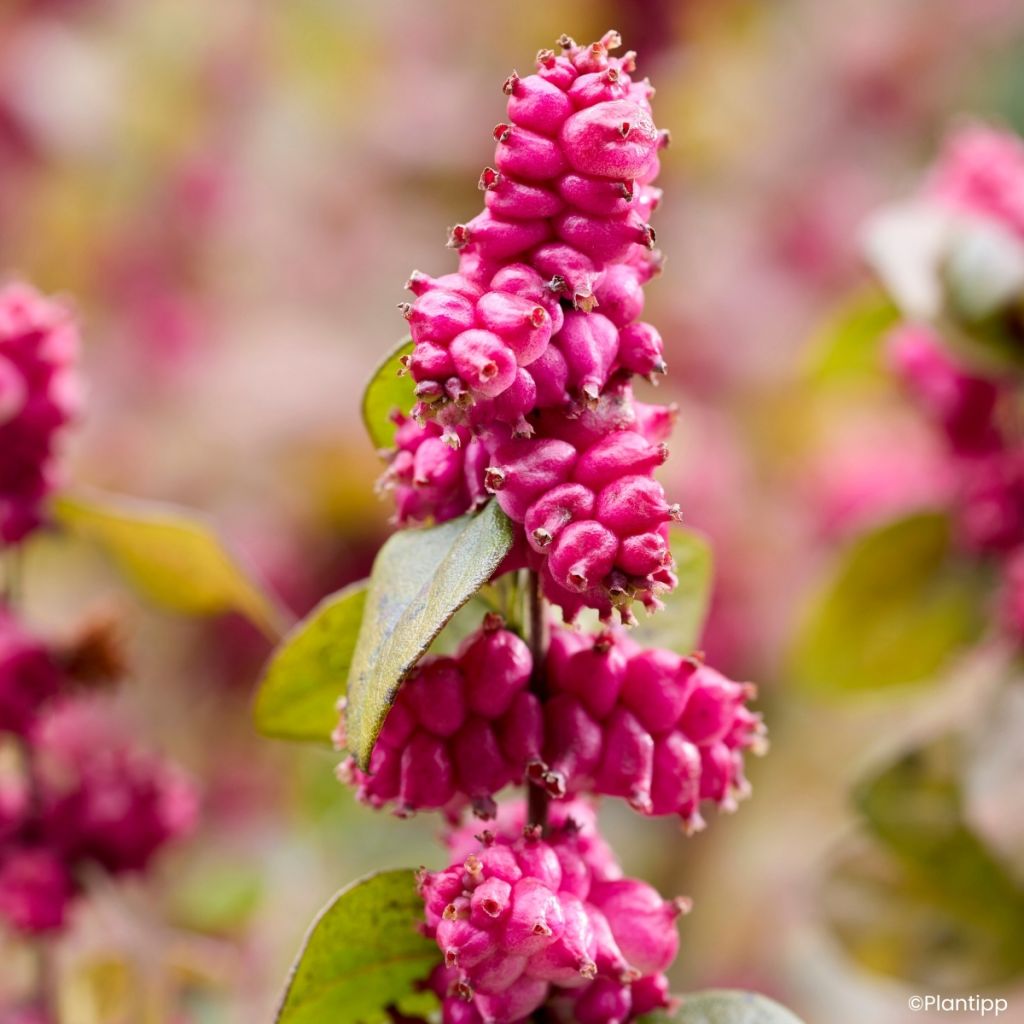
Symphoricarpos Little Berry
Symphoricarpos Little Berry
Symphorycarpos doorenboosii × chenaultii ‘GRSYCHLB’ Little Berry
Snowberry
Back-to-school special offer!
Get €10 off for every €50 you spend! And get up to €40 off on a single order.
How does it work?
1. Shop your favourites
Add your favourite plants to your basket. For every €50 you spend (excluding delivery charges, store credit and the plastic-free option), you’ll receive a €10 voucher.
€50 spent = €10 voucher
€100 spent = €20 voucher
€150 spent = €30 voucher
€200 spent = €40 voucher
2. Place your order
Once your basket reaches one of the spending thresholds, place your order. You can even choose your delivery date!
3. Receive your voucher
As soon as your order has been shipped, you’ll receive an email containing your personal voucher code and its value.
4. Use it on your next order
Your voucher is valid for 90 days from the date you receive it. It can be used once only, on a new order worth at least the value of the voucher, excluding delivery charges.
Please note: Vouchers can be combined with other offers, but cannot be split or refunded.
Home or relay delivery (depending on size and destination)
Important: You may be charged customs duties by your country’s customs authorities upon delivery.
Schedule delivery date
and select date in basket
This plant carries a 24 months recovery warranty
More information
We guarantee the quality of our plants for a full growing cycle, and will replace at our expense any plant that fails to recover under normal climatic and planting conditions.
Would this plant suit my garden?
Set up your Plantfit profile →
Description
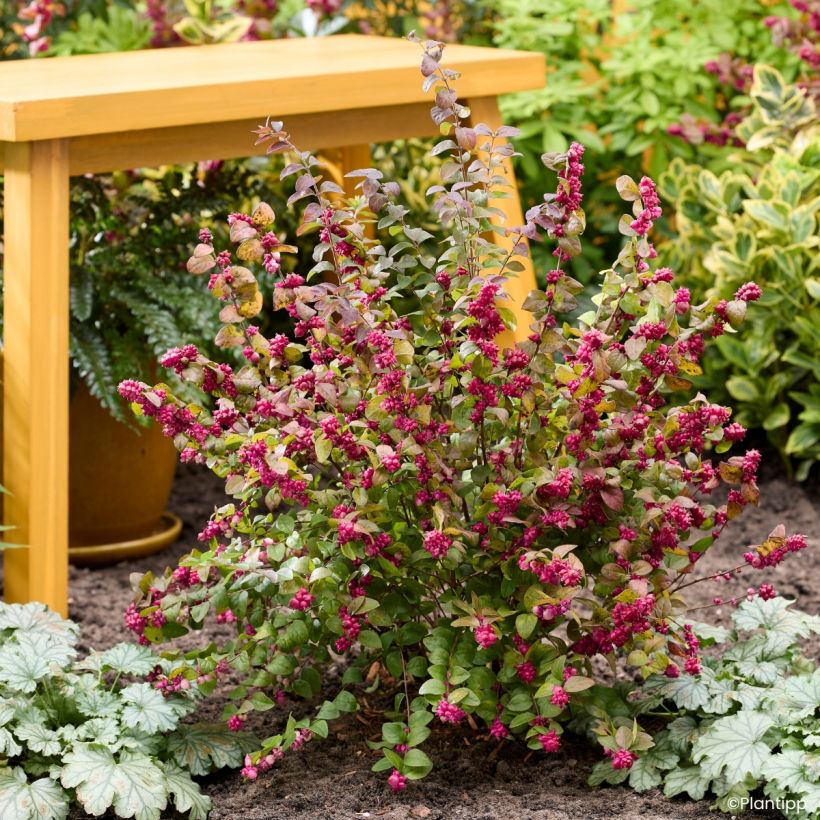
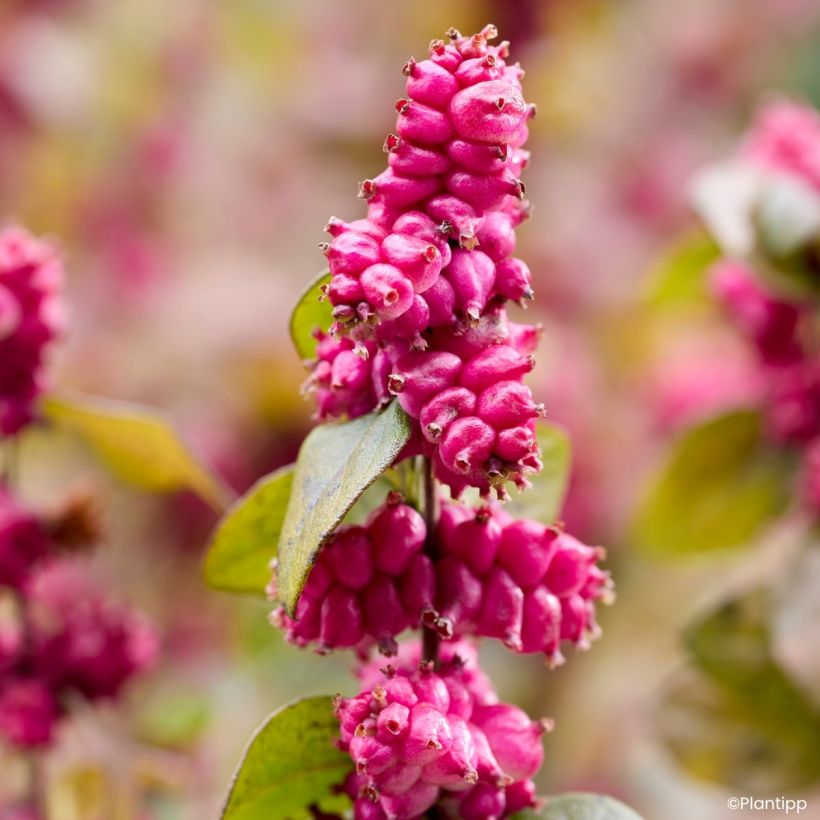
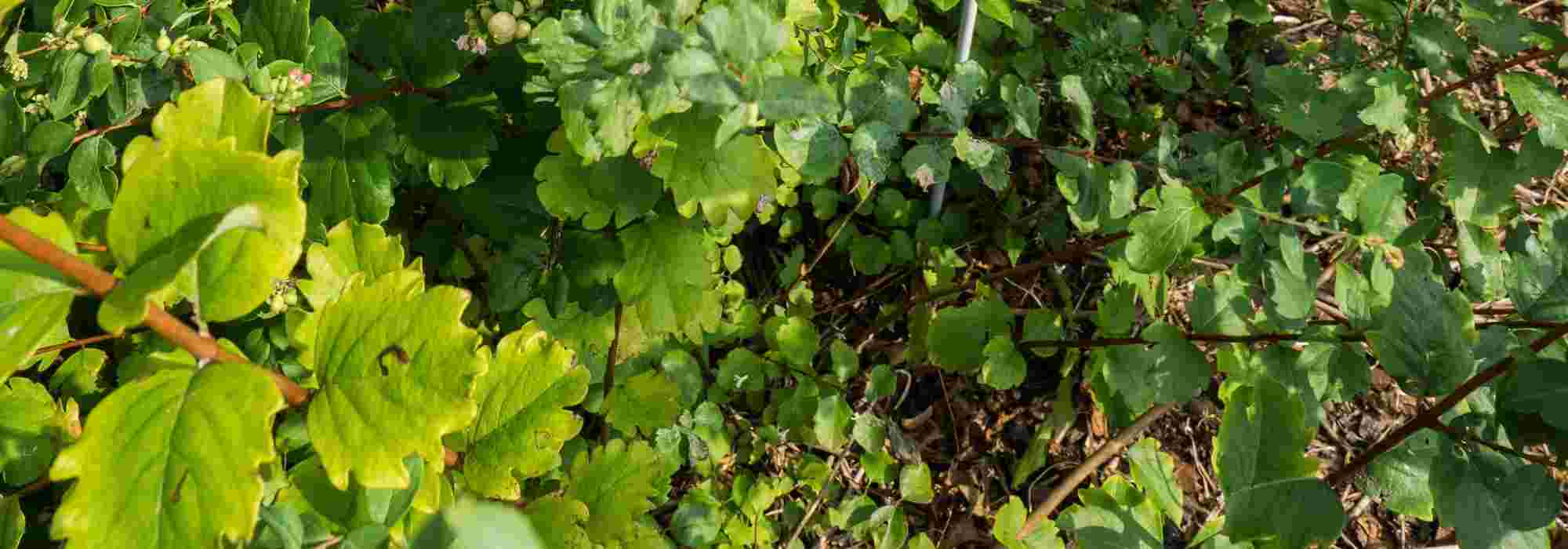
Symphoricarpos ‘GRSYCHLB’ Little Berry is a new variety of exceptionally productive snowberry, whose berries persist for a very long time in winter, often until spring. The compact shrub develops dark green foliage, which in autumn serves as a setting for the profusion of intensely purple-pink fruits. The small flowers are very nectar-rich and attract bees and other pollinators, thus promoting biodiversity in the garden. Growing equally well in sun or on the edge of trees, this Snowberry adapts to most growing conditions, and can even be kept in a container. A lovely plant for decorating beds and slopes during winter.
Snowberry is a member of the Caprifoliaceae family, which today comprises only five genera, including the popular Honeysuckles (Lonicera), and the much lesser-known Heptacodium miconioides, which deserves to be planted much more widely. Snowberry Little Berry is a hybrid variety resulting from the cross-breeding between Symphoricarpos doorenboosii (itself a hybrid) and S. chenaultii, another hybrid of horticultural origin (S. microphyllus x S. orbiculatus). We owe this complex hybrid to the Dutch breeder Guido Rouwette, also the originator of varieties of Physocarpus, Lonicera and Hydrangea. He managed to draw the best from the different parents to obtain remarkable fruiting. The compact shrub develops to form a dense and irregular clump, 50 to 70 cm in all directions, made up of numerous fine and flexible branches. The elegantly arching branches bear very small, opposite, elliptical leaves measuring only about 3 cm long. The rather dark green foliage lightens a little at the end of the season, before the deciduous leaves fall to the ground. In July or August, the plant produces flowers too small to be ornamental, but rich in nectar, delighting pollinators. The flowers that appear in the leaf axils develop to give small spherical fruits in great quantity. Of an intense pink, subtly tinged with purple, the multitude of berries forms early in autumn, while the shrub still bears its leaves, then persists for a very long time in winter and even until the following spring. Clearly visible on the bare wood, this ornamental (but not edible) fruiting adds colour in winter when the sky is often dark.
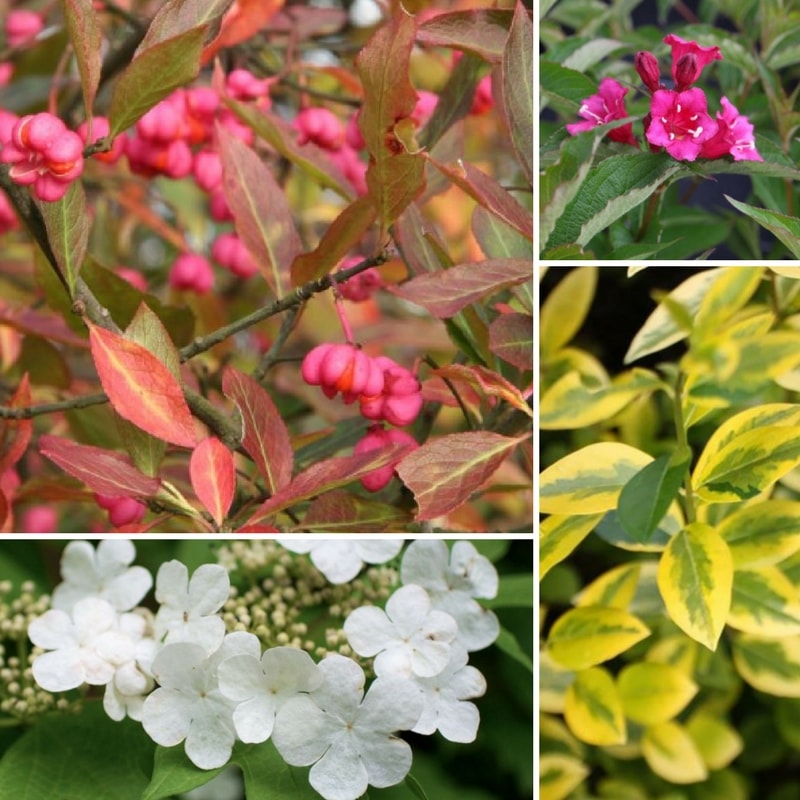
Snowberry Little Berry is one of those essential and easy plants to grow. With unfailing frost resistance, it tolerates urban pollution and even sea spray. Poor or calcareous soils do not prevent it from growing, nor do areas already occupied by the roots of large trees, under whose edge it will manage to live. It is a shrub of choice for a winter bed where you can plant it alongside other plants also attractive in this frequently gloomy season. Callicarpa bodinieri 'Magical Snowstar' with white berries will be a good companion to create an animated scene in winter. In the background to avoid its prickly leaves, plant a Holly 'Madame Briot', which will not only produce brilliant red berries but will also be ornamental in all seasons due to its green foliage variegated with yellow. Also consider decorative barks, like those of Cornus stolonifera 'Flaviramea', the Yellow-twig Dogwood, which you should plant in the dampest spot of your bed. And if you have enough space, plant a tree with decorative bark, which will finish structuring your bed. Betula albosinensis 'Blason' is a Birch with fascinating reddish bark whose foliage takes on a beautiful golden colour before falling, or if you prefer amber tones, opt for Prunus maackii 'Amber Beauty', another winter wonder.
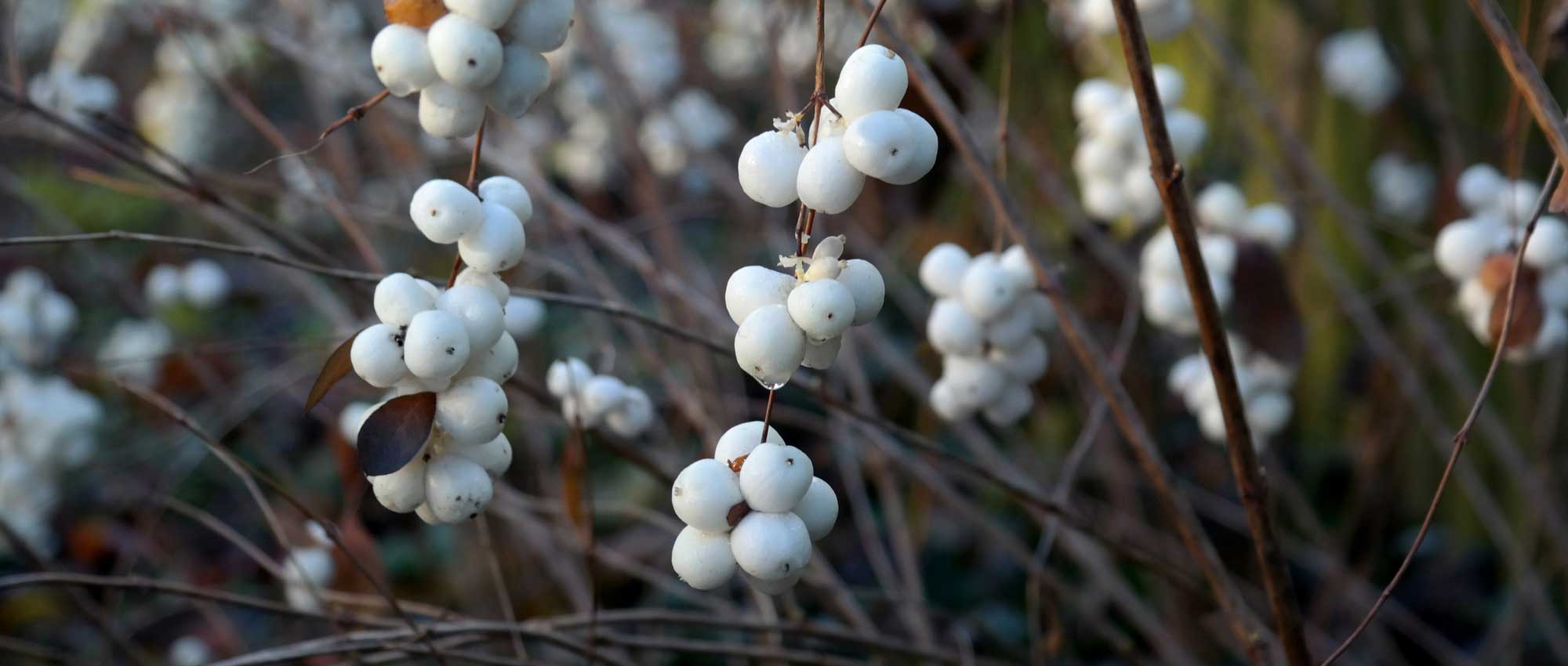
Symphoricarpos Little Berry in pictures
Plant habit
Flowering
Foliage
Botanical data
Symphorycarpos
doorenboosii × chenaultii
‘GRSYCHLB’ Little Berry
Caprifoliaceae
Snowberry
Cultivar or hybrid
Planting and care
Symphoricarpos Little Berry is a perfect beginner's plant. It adapts to virtually all exposures, from sun to partial shade, and to most climates. It withstands intense frost (-35°C), urban atmospheric pollution, and even wind in coastal situations. Regarding the soil, it prefers well-drained ground but tolerates most conditions, even poor and calcareous or drying out in summer. It is notably capable of growing in soils riddled with roots found under large trees and at the base of hedges. You can prune for shape in late winter.
Planting period
Intended location
Care
Planting & care advice
-
-

-
-

-

-
-
-

This item has not been reviewed yet - be the first to leave a review about it.
Recently viewed products
Haven't found what you were looking for?
Hardiness is the lowest winter temperature a plant can endure without suffering serious damage or even dying. However, hardiness is affected by location (a sheltered area, such as a patio), protection (winter cover) and soil type (hardiness is improved by well-drained soil).

The flowering period indicated on our website applies to countries and regions located in USDA zone 8 (France, the United Kingdom, Ireland, the Netherlands, etc.)
It will vary according to where you live:- In zones 9 to 10 (Italy, Spain, Greece, etc.), flowering will occur about 2 to 4 weeks earlier.
- In zones 6 to 7 (Germany, Poland, Slovenia, and lower mountainous regions), flowering will be delayed by 2 to 3 weeks.
- In zone 5 (Central Europe, Scandinavia), blooming will be delayed by 3 to 5 weeks.
In temperate climates, pruning of spring-flowering shrubs (forsythia, spireas, etc.) should be done just after flowering.
Pruning of summer-flowering shrubs (Indian Lilac, Perovskia, etc.) can be done in winter or spring.
In cold regions as well as with frost-sensitive plants, avoid pruning too early when severe frosts may still occur.
The planting period indicated on our website applies to countries and regions located in USDA zone 8 (France, United Kingdom, Ireland, Netherlands).
It will vary according to where you live:
- In Mediterranean zones (Marseille, Madrid, Milan, etc.), autumn and winter are the best planting periods.
- In continental zones (Strasbourg, Munich, Vienna, etc.), delay planting by 2 to 3 weeks in spring and bring it forward by 2 to 4 weeks in autumn.
- In mountainous regions (the Alps, Pyrenees, Carpathians, etc.), it is best to plant in late spring (May-June) or late summer (August-September).
The harvesting period indicated on our website applies to countries and regions in USDA zone 8 (France, England, Ireland, the Netherlands).
In colder areas (Scandinavia, Poland, Austria...) fruit and vegetable harvests are likely to be delayed by 3-4 weeks.
In warmer areas (Italy, Spain, Greece, etc.), harvesting will probably take place earlier, depending on weather conditions.
The sowing periods indicated on our website apply to countries and regions within USDA Zone 8 (France, UK, Ireland, Netherlands).
In colder areas (Scandinavia, Poland, Austria...), delay any outdoor sowing by 3-4 weeks, or sow under glass.
In warmer climes (Italy, Spain, Greece, etc.), bring outdoor sowing forward by a few weeks.
Shipping country and language
Your country of residence may be:
Your country of residence is:
For a better user experience on our website, you can select:
Your shipping country:
-
 Austria
-
 Belgium
-
 Bosnia & Herzegovina
-
 Bulgaria
-
 Croatia
-
 Cyprus
-
 Czechia
-
 Denmark
-
 Estonia
-
 Finland
-
 France
-
 Germany
-
 Greece
-
 Hungary
-
 Iceland
-
 Ireland
-
 Italy
Italy
-
 Latvia
-
 Liechtenstein
-
 Lithuania
-
 Luxembourg
-
 Malta
Malta
-
 Netherlands
-
 Poland
-
 Portugal
-
 Romania
-
 Serbia
-
 Slovakia
-
 Slovenia
-
 Spain
Spain
-
 Sweden
-
 Switzerland
Language:
-
French
-
 English
-
Spanish
-
Italian
-
German
-
Portuguese
-
Dutch
-
Finnish
My Account
Hello
My wish lists
My cart
Log in / Register
Existing customer?
This form is protected by reCAPTCHA - the Google Privacy Policy and Terms of Service apply.
New customer?
Create an account to track your orders, access our customer service and, if you wish, make the most of our upcoming offers.