Are you familiar with green fertilisers? White mustard, vetch, phacelia, buckwheat... to name a few, are commonly used in autumn or spring as "green fertilisers".In the organic vegetable garden and the garden in general, growing one or more green fertilisers is part of good practice to maintain soil fertility while giving it a pleasant texture. It’s an ecological way to improve and protect soil… at low cost. And it’s certainly for these reasons they are so widely used in permaculture.
What is a green fertiliser? How does it work?
A green fertiliser is a crop that will not be harvested yet is by no means a wasted crop; quite the opposite. Without any miracles (I don’t believe in miracle recipes in the garden), these plants, annuals or perennials, are grown to:
- enrich and return nutrients to soil for the following crop,
- revive degraded soils and manage adventive plants,
- improve texture and protect soil.
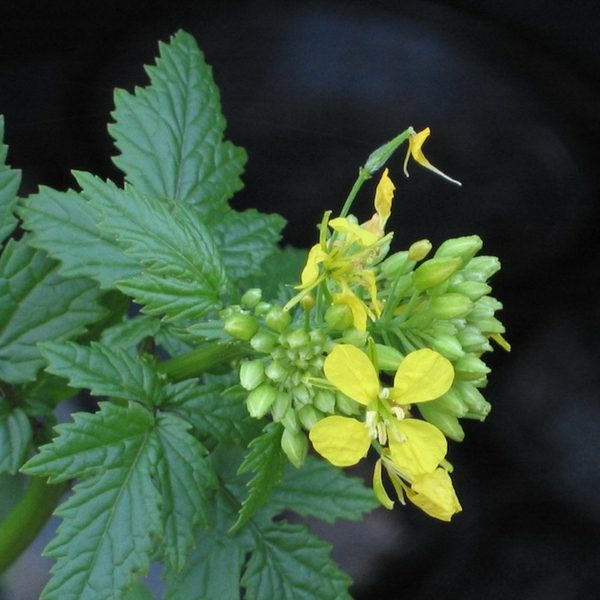
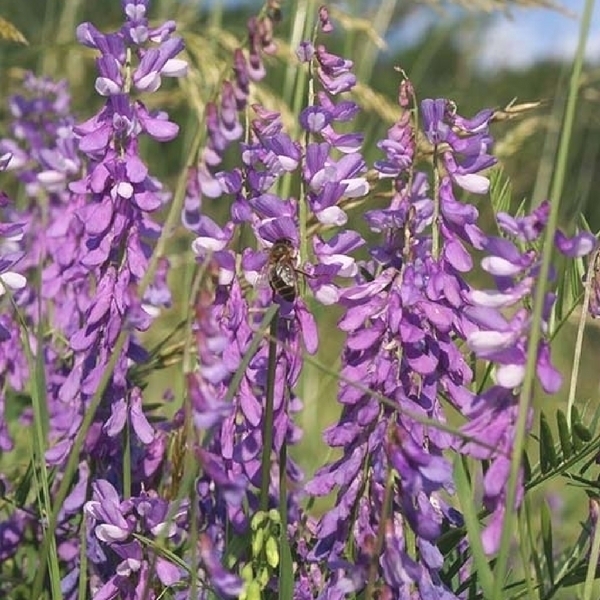
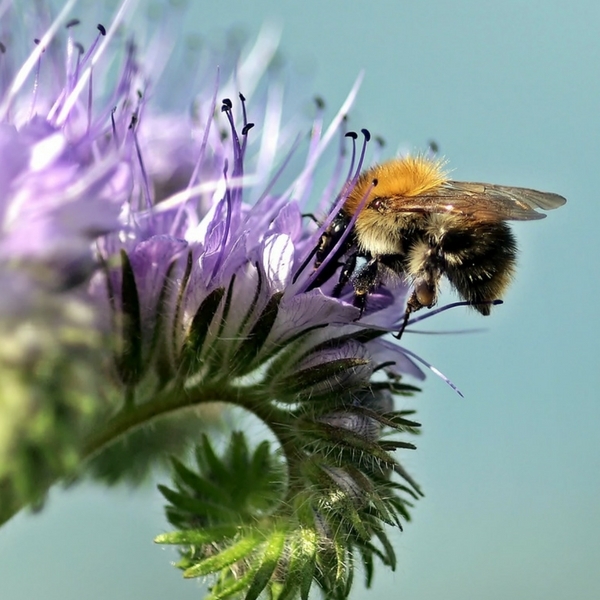
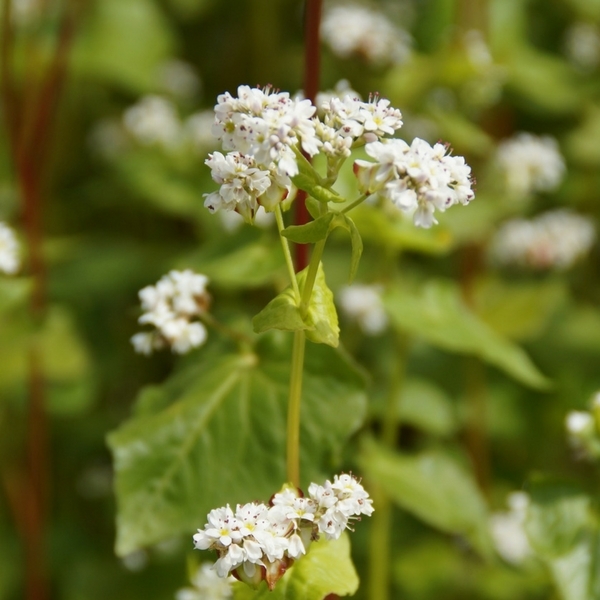
How green fertilisers work and why use them
To better understand how green fertilisers work, let’s revisit these three points:
1) green fertilisers enrich and return nutrients to soil
In the vegetable garden, as elsewhere, no magic. Nothing is created, everything is transformed: vegetables do not grow from thin air (well… we’ll talk later about legumes). They draw from soil, to build themselves, various nutrients, including nitrogen, which you supplied via fertilisers, manure and/or compost applied during the crop. In most cases, vegetables "do not eat everything", and some nitrogen remains available in soil after harvest. This nitrogen can be leached by autumn and winter rains and pollute groundwater. That’s where plants used as green fertilisers come in: they take up the residues for their own growth and thus store residual nitrogen in their tissues. Once cut, this nitrogen will be returned to the soil in a form usable by plants thanks to the work of soil organisms (earthworms, decomposer insects) and micro-organisms (fungi, bacteria): this is why they are called "green fertilisers". The same applies to other nutrients needed by plants such as phosphorus and potash.
In the particular case of green fertilisers belonging to the large family of Fabaceae, formerly legumes, such as vetch, bitter vetch or lupin, it’s a little different. As we saw here, they have the remarkable ability to fix atmospheric nitrogen in the soil. They thus transfer nitrogen from the air into soil rather than simply acting as "collectors" like other green fertilisers: they are therefore particularly useful to enrich poor soils.
2) green fertilisers revive degraded soils and limit adventive plants
When starting a garden, whether vegetable or ornamental, you rarely choose your soil. And when building a house, few contractors are mindful of soil health. Compacted by construction machinery or turned over by earthworks, soil is often completely upset, upside down.
Similarly, when deciding to install a vegetable garden, it’s usually in a sunny spot. And, for reasons hard to explain, in 90% of cases that is exactly where couch grass, dock and knotweed thrive.
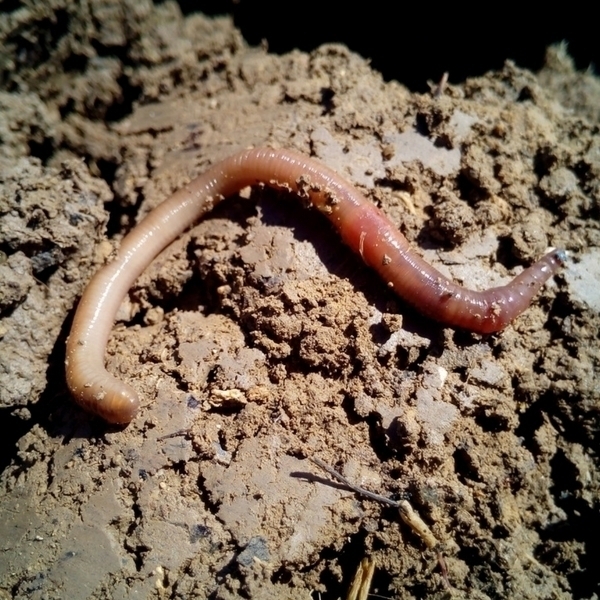
In both cases, a green fertiliser can be sown beforehand to revive soil, decompact it partly through root penetration and partly through the work it provides to earthworms that feed on it. Earthworms are the best-known and most visible soil organisms, but many others will have their activity stimulated by green fertilisers. Above all, they will compete with (and often beat!) adventive plants. Among the most effective are buckwheat and rye.
3) green fertilisers improve texture and protect soil
Nothing is worse than bare soil: sandy soil becomes a sieve with wide holes, letting nutrients run away; heavy soil compacts quickly and turns into concrete. Mulching is an effective protection technique. However, at certain times of year green waste can be in short supply, as can time to shred and spread it.
Green fertilisers are then a godsend. Sowing is quick and their vegetation acts on two levels:
- above ground, as a vegetative cover, protecting soil from raindrop impact, leaching and runoff;
- below ground, because their root system exerts a strong mechanical action.
Which green fertiliser to choose?
Choice of green fertiliser depends on several criteria:
- sowing period,
- desired effect (nitrogen supply, decompaction…),
- crop planned after the green fertiliser as it must fit into crop rotation. For example, before planting brassicas we avoid white mustard because both are from the Brassicaceae family. Phacelia is very flexible in use because it belongs to the Hydrophyllaceae family, which contains no vegetables.
To help you, here is a small table listing main green fertilisers:
| Plant | Botanical family | Cycle | Sowing | Benefits |
| Camelina | Brassicaceae | annual | April to June | decompacts and aerates soil, suppresses weeds - hardy, suited to poor soils |
| Fenugreek | Fabaceae (legume) | annual | late March to late July | enriches soil with nitrogen - suited to calcareous soils and dry climates |
| Alfalfa | Fabaceae (legume) | perennial | March to September | for long-term establishment, decompacting |
| White mustard | Brassicaceae | annual | March to September | traps nitrates, fast growth, smothers weeds |
| Phacelia | Hydrophyllaceae | annual | April to August | structures soil - melliferous |
| Sainfoin | Fabaceae (legume) | perennial | March to June | very hardy (−10 °C) - fixes atmospheric nitrogen - ideal on shallow, calcareous and dry soils |
| Buckwheat or Black wheat | Polygonaceae | annual | May to June | cleansing, decompacting, perfect for heavy, acidic soils and humid climates |
| White clover, Purple clover | Fabaceae (legume) | perennial | March to May | long-lasting cover, fixes nitrogen in soil, melliferous |
| Crimson clover | Fabaceae (legume) | annual | August to September | fixes nitrogen, melliferous, attractive red flowers |
| Rye | Poaceae (grass) | biennial | September to November | cleansing, good winter cover |
| Spring vetch | Fabaceae (legume) | annual | March to April | abundant growth - fixes atmospheric nitrogen, attractive blue flowers |
| Hairy vetch | Fabaceae (legume) | annual | August to October | suitable for heavy and poor soils |
Finally, know that green fertilisers can be used alone or mixed together in an improving mix.
In practice: sowing and terminating green fertilisers
Sowing green fertilisers is simple and quick. Undemanding, they will do with soil that has been roughly decompacted and raked. Sowing is done broadcast, observing recommended seed rate per m². The crop usually does not require watering.
Termination of the green fertiliser occurs naturally by frost or by cutting, more or less quickly (in all cases, before seed formation… to avoid volunteer seedlings).
Once terminated, the green fertiliser can, depending on choice, be:
- chopped then incorporated into the superficial layers of soil (do not bury organic matter, risk of wireworms), the following crop can then be planted only three weeks later,
- left in place as a mulch, it will decompose on site in a few weeks,
- collected and added to the compost, for rapid reuse of the plot.
To conclude, thank you for reading to the end 😉 You now know enough about green fertilisers to forget the traditional "blue fertiliser"... Feel free to ask any questions I haven’t answered!


































Comments