Yellow Narcissus - daffodils and jonquils
Would this plant suit my garden? Set up your Plantfit profile →
Available in 1 sizes
Available in 1 sizes
Available in 1 sizes
Available in 1 sizes
Available in 1 sizes
Available in 1 sizes
Available in 1 sizes
Available in 1 sizes
Available in 1 sizes
Available in 1 sizes
Available in 1 sizes
Available in 1 sizes
Available in 1 sizes
Available in 1 sizes
Available in 1 sizes
Available in 1 sizes
Available in 1 sizes
Available in 1 sizes
Available in 1 sizes
Available in 1 sizes
Available in 1 sizes
Available in 1 sizes
Available in 1 sizes
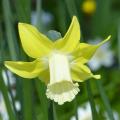
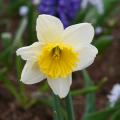
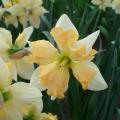
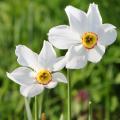
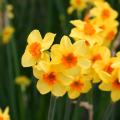
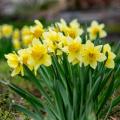
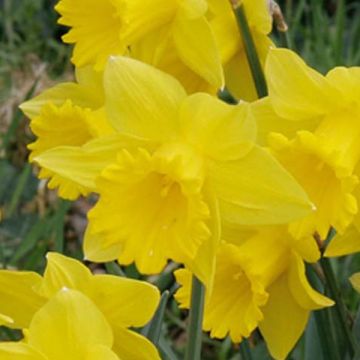
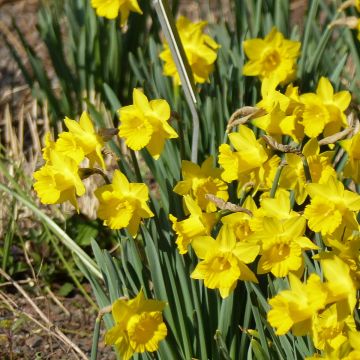
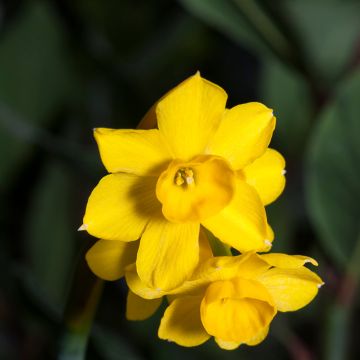
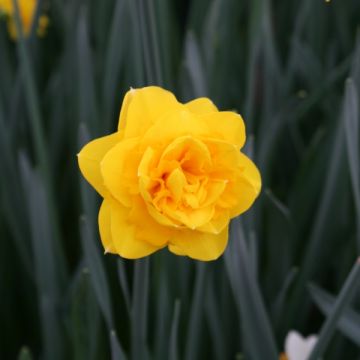
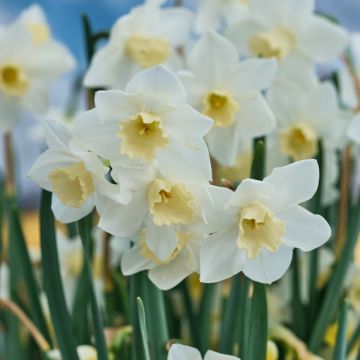
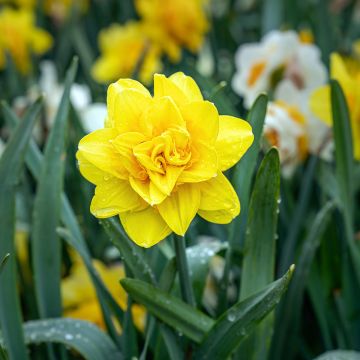
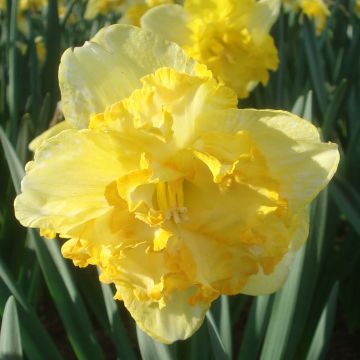
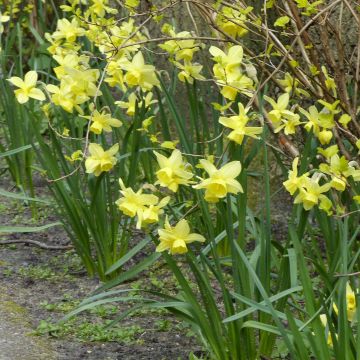
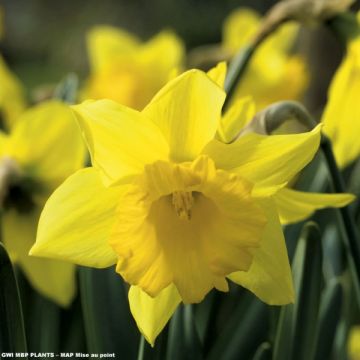
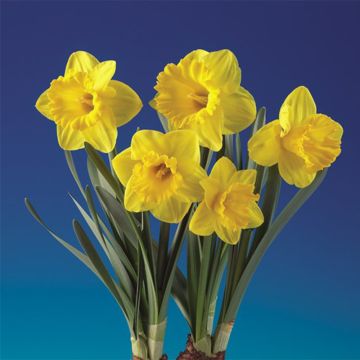
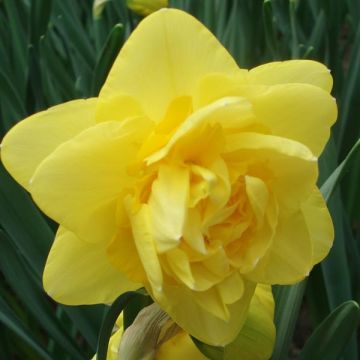
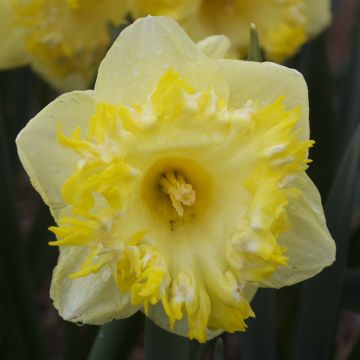
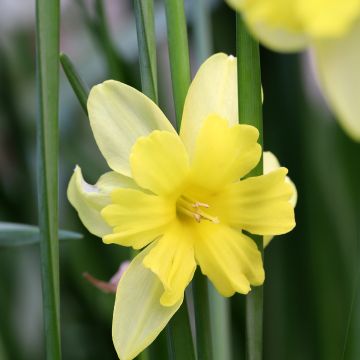
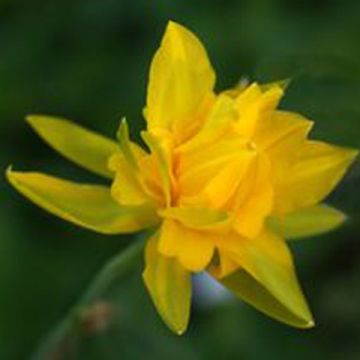
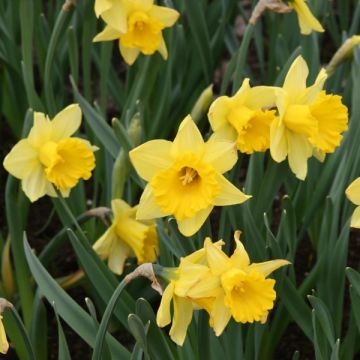
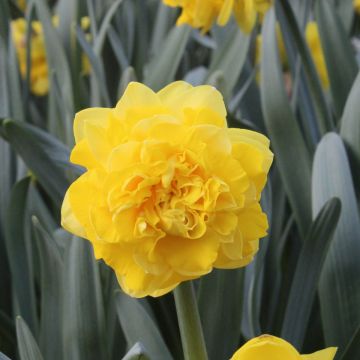
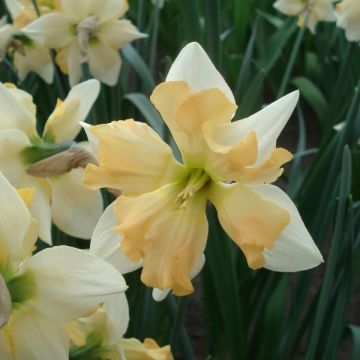
All-yellow narcissus are commonly known as daffodils or jonquils and are among the most familiar spring bulbs. The true jonquil is Narcissus jonquilla, recognisable by its fine foliage reminiscent of rushes. But the name also broadly applies to the yellow daffodil, Narcissus pseudonarcissus, the wild daffodil found in colonies in meadows, clearings and damp woodland edges. Plant their bulbs in autumn in flower beds, borders, containers or lawns mown later in the year, where they will easily grow and naturalise.
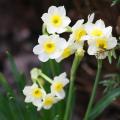
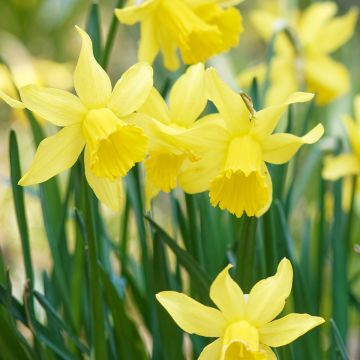
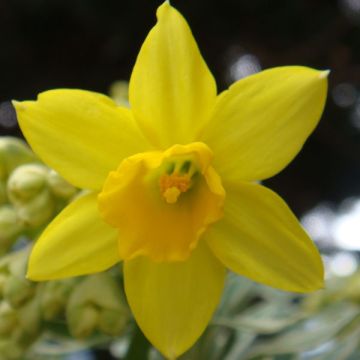
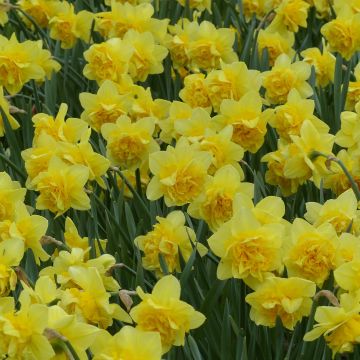
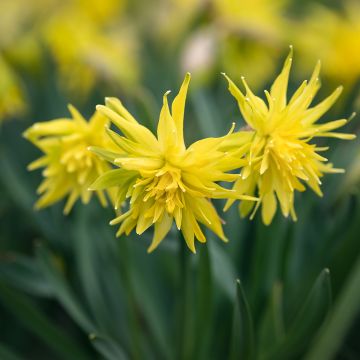
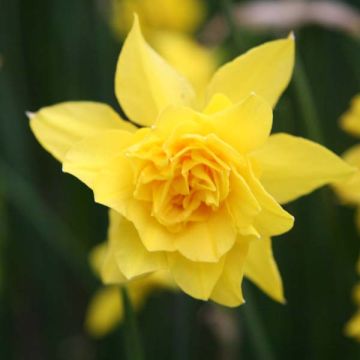
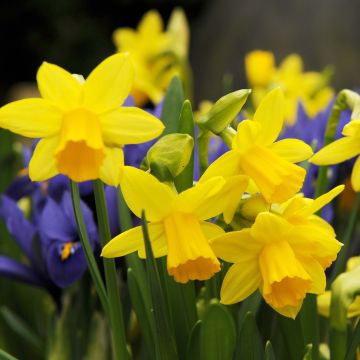
Narcissus pseudonarcissus 'Obvallaris' leads the display with its all-gold, solitary flower, natural-looking and radiant beneath deciduous trees or in a spring meadow. Derived from the true daffodil, daffodil 'Quail' bears several bright yellow, light and pleasantly scented flowers per stem. 'Twinkling Yellow', which produces many small fragrant yellow flowers, is a dwarf daffodil well suited to containers and rock gardens. 'Baby Moon', later-flowering and also multiflorous, blooms after the main March displays.
Botanical daffodils have that wild-flower look we love in the garden: they will thrive in small groups at the foot of deciduous trees or in a lawn that is mown late. Lower-growing miniature daffodils can be planted closer to the house, in containers, troughs or along the edge of a path.
For tips on planting, making them rebloom, and understanding the difference between a daffodil and a narcissus, see our article « Narcissus or daffodil: planting and care ». « Botanical daffodils: how to choose and combine them » offers ideas for pairing them with low perennials, grasses or other early spring bulbs.
Haven't found what you were looking for?