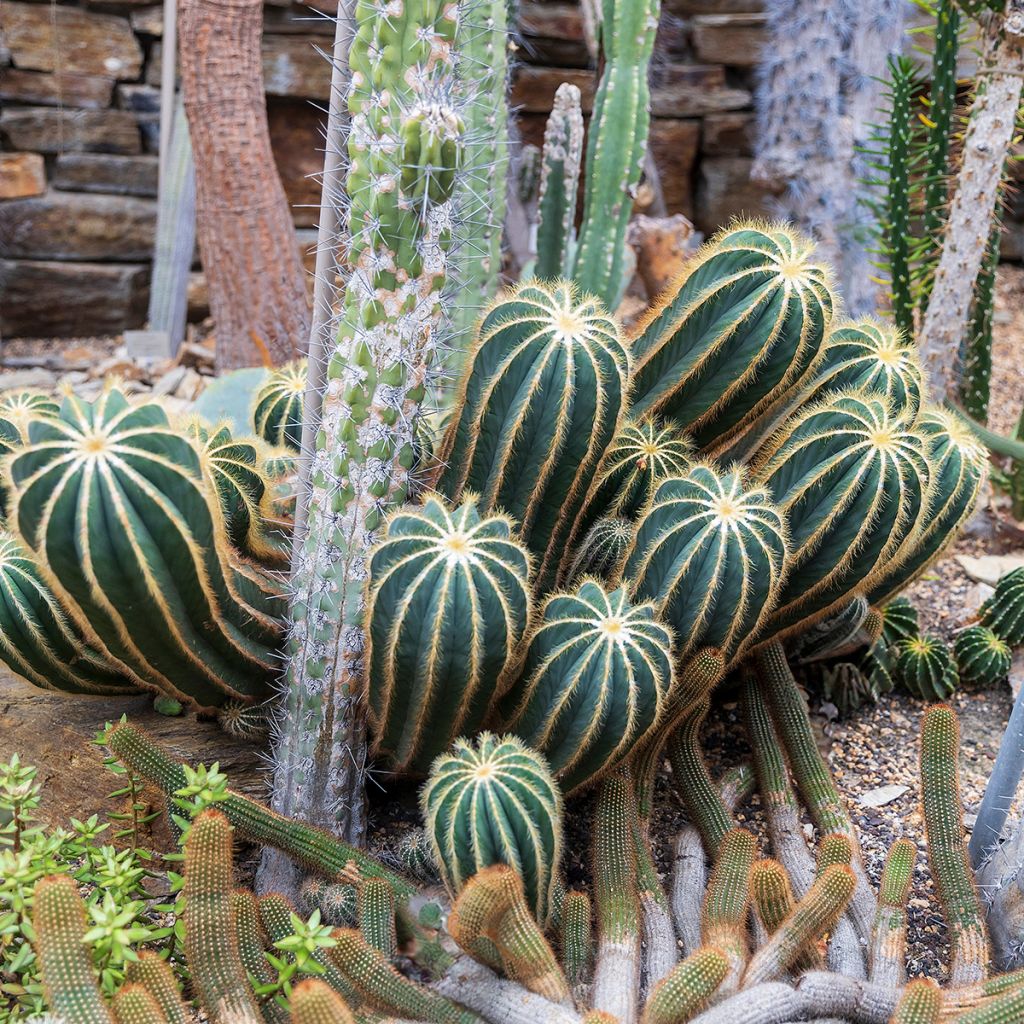
Parodia magnifica - Notocactus magnificus
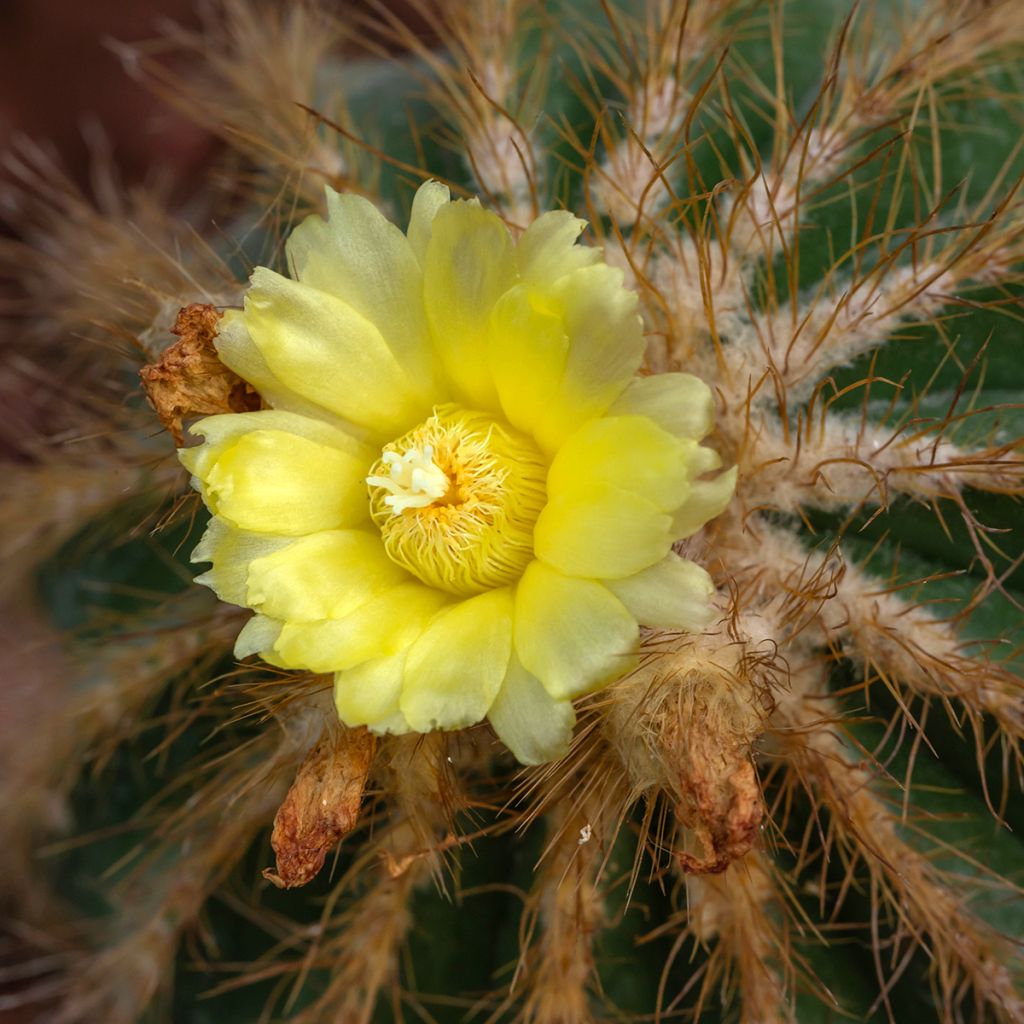
Parodia magnifica - Notocactus magnificus
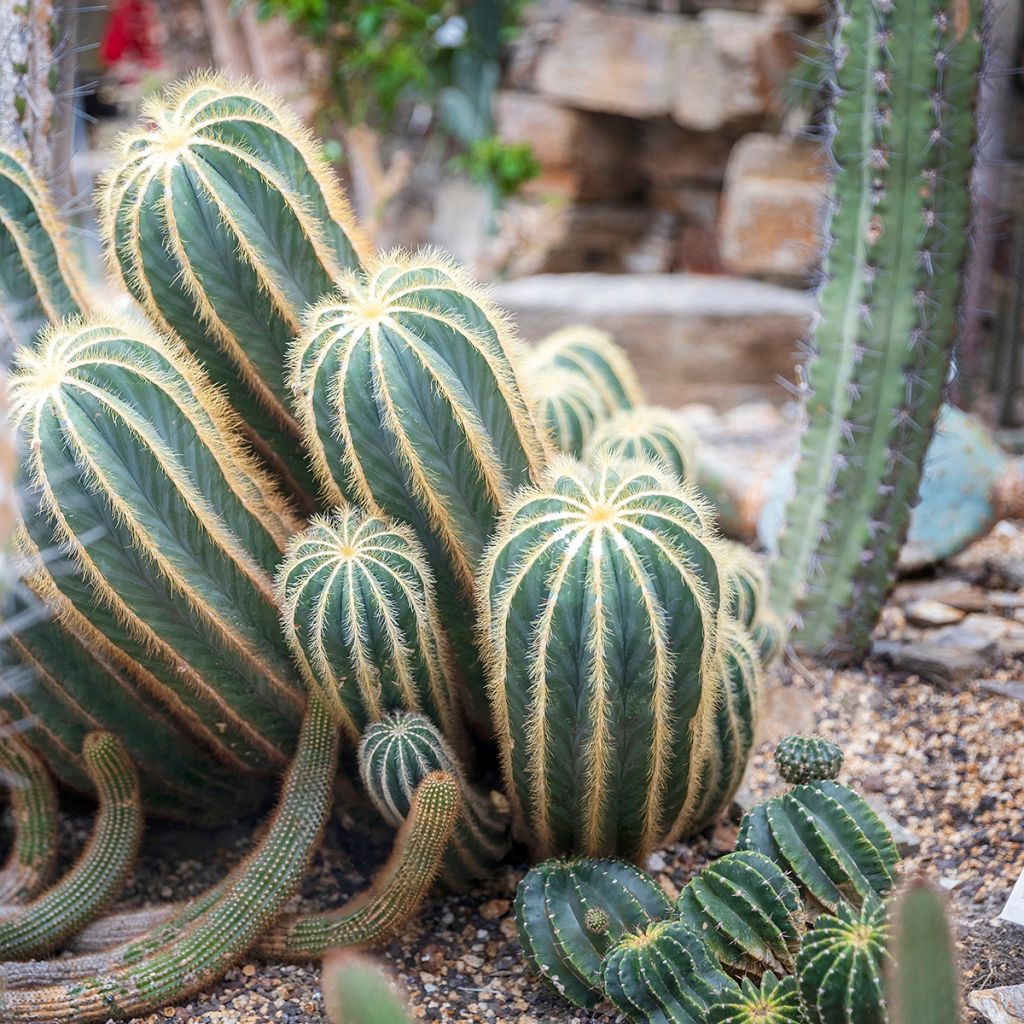
Parodia magnifica - Notocactus magnificus
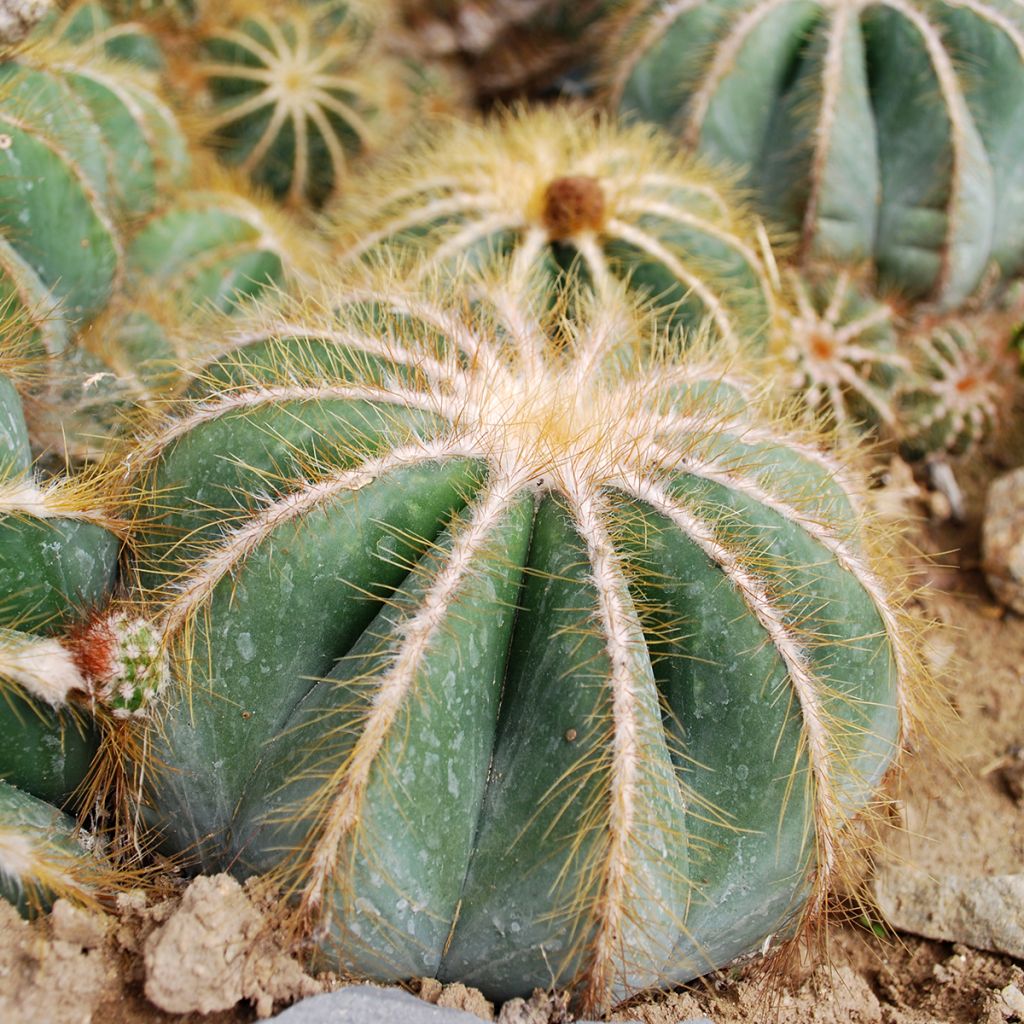
Parodia magnifica - Notocactus magnificus
Parodia magnifica - Notocactus magnificus
Parodia magnifica - Notocactus magnificus
Parodia magnifica
magnificent ball cactus
Back-to-school special offer!
Get €10 off for every €50 you spend! And get up to €40 off on a single order.
How does it work?
1. Shop your favourites
Add your favourite plants to your basket. For every €50 you spend (excluding delivery charges, store credit and the plastic-free option), you’ll receive a €10 voucher.
€50 spent = €10 voucher
€100 spent = €20 voucher
€150 spent = €30 voucher
€200 spent = €40 voucher
2. Place your order
Once your basket reaches one of the spending thresholds, place your order. You can even choose your delivery date!
3. Receive your voucher
As soon as your order has been shipped, you’ll receive an email containing your personal voucher code and its value.
4. Use it on your next order
Your voucher is valid for 90 days from the date you receive it. It can be used once only, on a new order worth at least the value of the voucher, excluding delivery charges.
Please note: Vouchers can be combined with other offers, but cannot be split or refunded.
Why not try an alternative variety in stock?
View all →
Available in 2 sizes
Available in 1 sizes
Available in 1 sizes

Available in 2 sizes
Available in 1 sizes
Available in 1 sizes

Available in 0 sizes

Available in 1 sizes
Available in 1 sizes

Available in 1 sizes
This plant carries a 12 months recovery warranty
More information
We guarantee the quality of our plants for a full growing cycle, and will replace at our expense any plant that fails to recover under normal climatic and planting conditions.
Would this plant suit my garden?
Set up your Plantfit profile →
Description
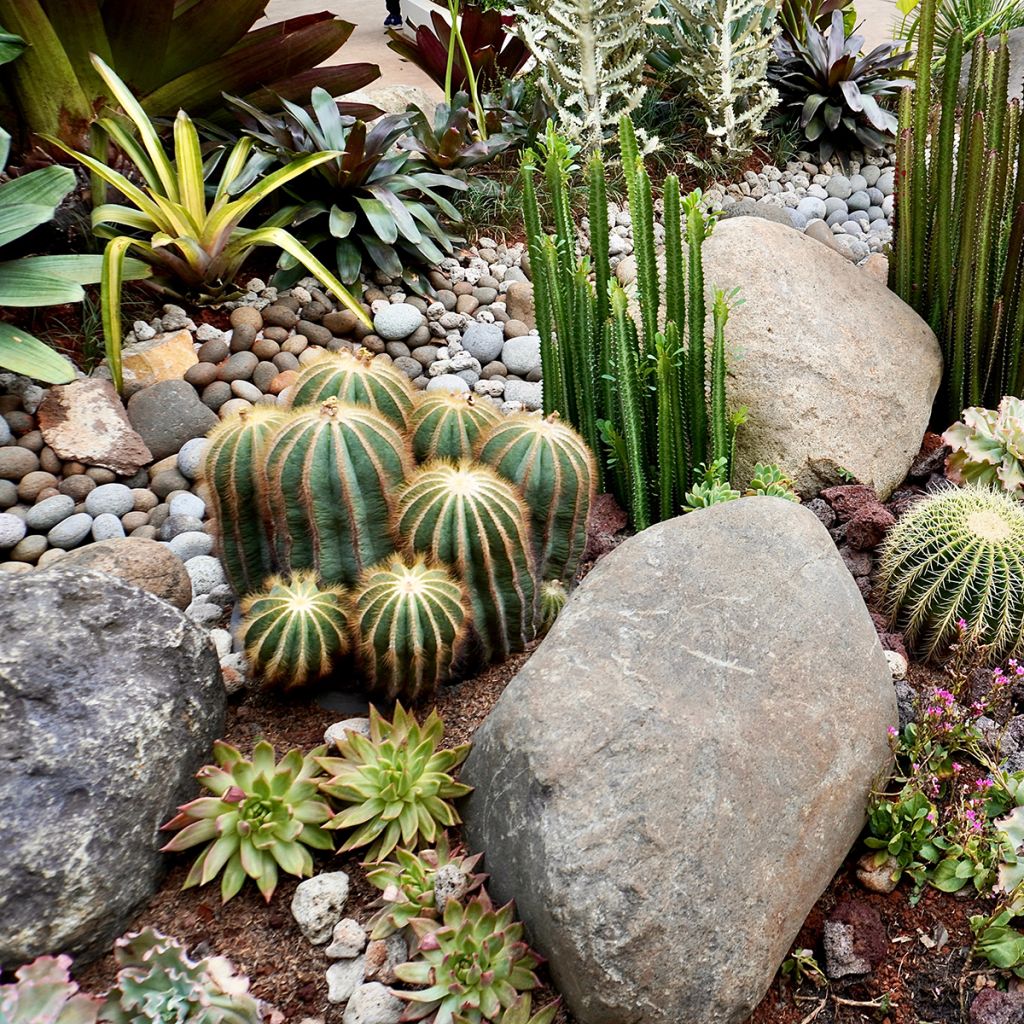
Parodia magnifica, formerly known as Notocactus magnificus (or Eriocactus magnificus), is a small cactus with a particularly ornamental shape. It is a slow-growing, globular plant with many prominent midribs and an epidermis ranging from blue-green to grey-green depending on the specimen. The midribs bear very attractive golden thorns that are not prickly. It flowers after a few years, producing pretty pale yellow flowers at the top of the globe. Older specimens stretch to become slightly cylindrical and can produce offshoots from the base, adding to the ornamental interest of this cactus. It is frost-sensitive and only thrives outdoors in the mildest climates. Its small size allows it to be grown in a pot to be brought indoors in winter in other regions, or even permanently placed in a conservatory, as it tolerates heat very well.
Parodia belongs to the Cactaceae family, whose 2,500 species delight collectors of Cereus, Mammillaria and other Mother-in-law's cushions (Echinocactus). The Parodia genus, which over the course of taxonomic revisions has been enriched by related genera (Malacocarpus, Eriocactus, Microspermia, etc.), now comprises around 50 species native to South America. P. magnifica is one of the largest species in the genus despite its small size. It grows naturally in southern Brazil, in meadows or up to 800 m altitude on rocky hills with well-drained soil, in a dry climate punctuated by seasonal rains. Older plants tend to produce offshoots and eventually form small colonies in their natural habitat.
Parodia magnifica fully deserves its species name, for everything about this cactus is beautiful. It is slow-growing, first taking a globular form, then stretching slightly into a cylinder. It can reach 15 to 20 cm in diameter, then lengthen to 30 or 40 cm. Older plants producing offshoots from the base, the offshoots develop outwards as there is no more room in the centre and eventually form a mass of vegetation spreading through almost 180°. Some offshoots may even begin to grow on the ground before the tip straightens vertically. The plant is structured by a dozen well-marked midribs that give it its geometric beauty. They are bristling with soft, beautiful golden colour, fairly short (about 1 cm) prickles. Their abundance gives them a fine presence in young specimens only a few centimetres in diameter, giving them the appearance of tropical sea urchins. Then, as the plant grows, they become proportionally more well-spaced, showing the cactus's epidermis. Depending on the specimen, this ranges from grey-green to blue-green, or even a true blue (though rare), absolutely irresistible. This epidermis can prove sensitive to overly aggressive sun, so the location must be chosen carefully when planting in the ground. After a few years of cultivation, this Parodia produces pretty pale yellow flowers in summer, 4 to 5 cm in diameter, which develop at the tip of the swollen stems that are the globes (the thorns being transformed leaves, adaptation strategies to drought in cacti).
Parodia magnifica is one of those botanical beauties whose form fascinates succulent and cactus enthusiasts. In very mild climates, plant it alongside other distinctive plants such as the superb Agave victoriae reginae with its equally appealing geometry, or Cleistocactus strausii, a woolly torch cactus with its characteristic silhouette. The sea-urchin cactus (Echinopsis subdenudata), with its strange appearance, will also be a perfect rock garden companion. In other regions, bring your Parodia indoors protected from frost in winter, in a cool, bright room, then in spring, after the last frosts, take it out again, gradually acclimatising it to the sun to avoid any risk of sunburn.
Parodia magnifica - Notocactus magnificus in pictures
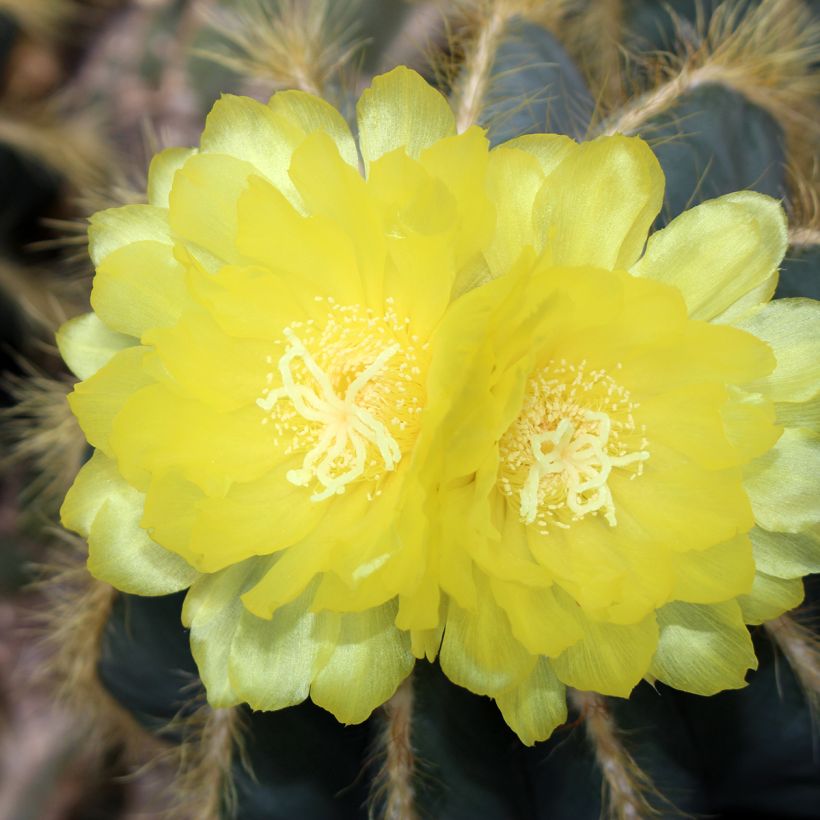
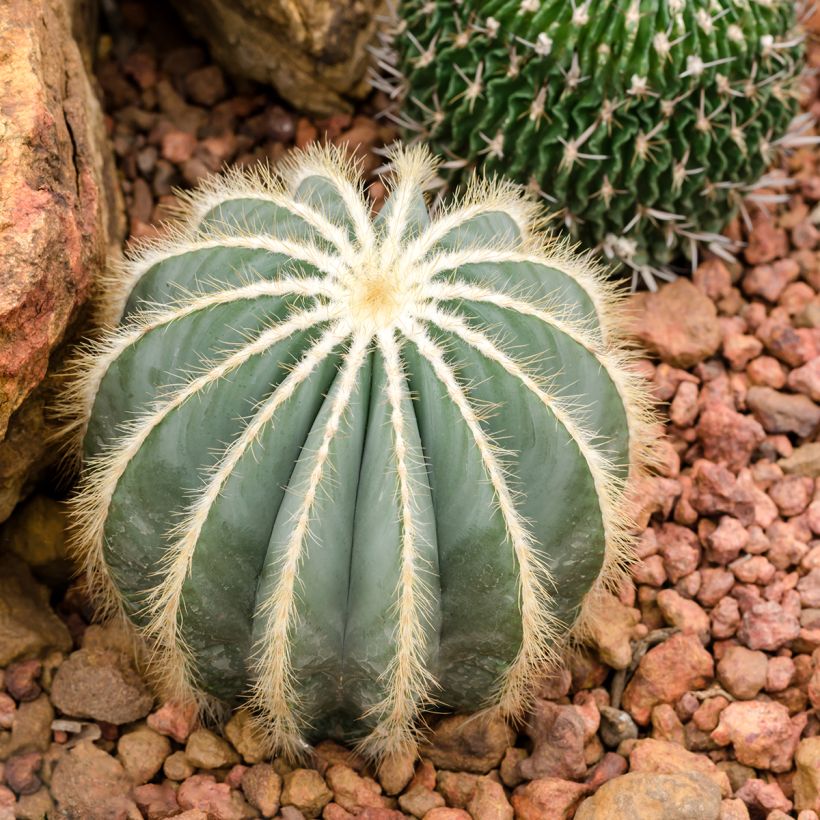
Flowering
Foliage
Plant habit
Botanical data
Parodia
magnifica
Cactaceae
magnificent ball cactus
South America
Planting and care
Plant Parodia magnifica in full sun, but not too harsh, in light, well-drained, sandy soil, slightly rich and lime-free. It is frost-tender and does not tolerate temperatures below -5°C. Very resistant to heat and drought, it can be grown outdoors in the hottest gardens, which are arid in summer. Elsewhere, grow it in a pot in a mix of garden soil, potting compost and sand. Keep it dry throughout winter in a bright room at between 5 and 10°C. Outdoors, protect it from excessive rain, which will cause it to rot, by planting it on a slight slope. If necessary, add coarse lime-free sand to the existing soil to improve drainage. Excess winter moisture can also significantly reduce the hardiness of this plant. Water sparingly from March to October.
Planting period
Intended location
Care
Planting & care advice
-
-
-
-
-
-
-
-

This item has not been reviewed yet - be the first to leave a review about it.
Recently viewed products
Haven't found what you were looking for?
Hardiness is the lowest winter temperature a plant can endure without suffering serious damage or even dying. However, hardiness is affected by location (a sheltered area, such as a patio), protection (winter cover) and soil type (hardiness is improved by well-drained soil).

The flowering period indicated on our website applies to countries and regions located in USDA zone 8 (France, the United Kingdom, Ireland, the Netherlands, etc.)
It will vary according to where you live:- In zones 9 to 10 (Italy, Spain, Greece, etc.), flowering will occur about 2 to 4 weeks earlier.
- In zones 6 to 7 (Germany, Poland, Slovenia, and lower mountainous regions), flowering will be delayed by 2 to 3 weeks.
- In zone 5 (Central Europe, Scandinavia), blooming will be delayed by 3 to 5 weeks.
In temperate climates, pruning of spring-flowering shrubs (forsythia, spireas, etc.) should be done just after flowering.
Pruning of summer-flowering shrubs (Indian Lilac, Perovskia, etc.) can be done in winter or spring.
In cold regions as well as with frost-sensitive plants, avoid pruning too early when severe frosts may still occur.
The planting period indicated on our website applies to countries and regions located in USDA zone 8 (France, United Kingdom, Ireland, Netherlands).
It will vary according to where you live:
- In Mediterranean zones (Marseille, Madrid, Milan, etc.), autumn and winter are the best planting periods.
- In continental zones (Strasbourg, Munich, Vienna, etc.), delay planting by 2 to 3 weeks in spring and bring it forward by 2 to 4 weeks in autumn.
- In mountainous regions (the Alps, Pyrenees, Carpathians, etc.), it is best to plant in late spring (May-June) or late summer (August-September).
The harvesting period indicated on our website applies to countries and regions in USDA zone 8 (France, England, Ireland, the Netherlands).
In colder areas (Scandinavia, Poland, Austria...) fruit and vegetable harvests are likely to be delayed by 3-4 weeks.
In warmer areas (Italy, Spain, Greece, etc.), harvesting will probably take place earlier, depending on weather conditions.
The sowing periods indicated on our website apply to countries and regions within USDA Zone 8 (France, UK, Ireland, Netherlands).
In colder areas (Scandinavia, Poland, Austria...), delay any outdoor sowing by 3-4 weeks, or sow under glass.
In warmer climes (Italy, Spain, Greece, etc.), bring outdoor sowing forward by a few weeks.
Shipping country and language
Your country of residence may be:
Your country of residence is:
For a better user experience on our website, you can select:
Your shipping country:
-
 Austria
-
 Belgium
-
 Bosnia & Herzegovina
-
 Bulgaria
-
 Croatia
-
 Cyprus
-
 Czechia
-
 Denmark
-
 Estonia
-
 Finland
-
 France
-
 Germany
-
 Greece
-
 Hungary
-
 Iceland
-
 Ireland
-
 Italy
Italy
-
 Latvia
-
 Liechtenstein
-
 Lithuania
-
 Luxembourg
-
 Malta
Malta
-
 Netherlands
-
 Poland
-
 Portugal
-
 Romania
-
 Serbia
-
 Slovakia
-
 Slovenia
-
 Spain
Spain
-
 Sweden
-
 Switzerland
Language:
-
French
-
 English
-
Spanish
-
Italian
-
German
-
Portuguese
-
Dutch
-
Finnish
My Account
Hello
My wish lists
My cart
Log in / Register
Existing customer?
This form is protected by reCAPTCHA - the Google Privacy Policy and Terms of Service apply.
New customer?
Create an account to track your orders, access our customer service and, if you wish, make the most of our upcoming offers.