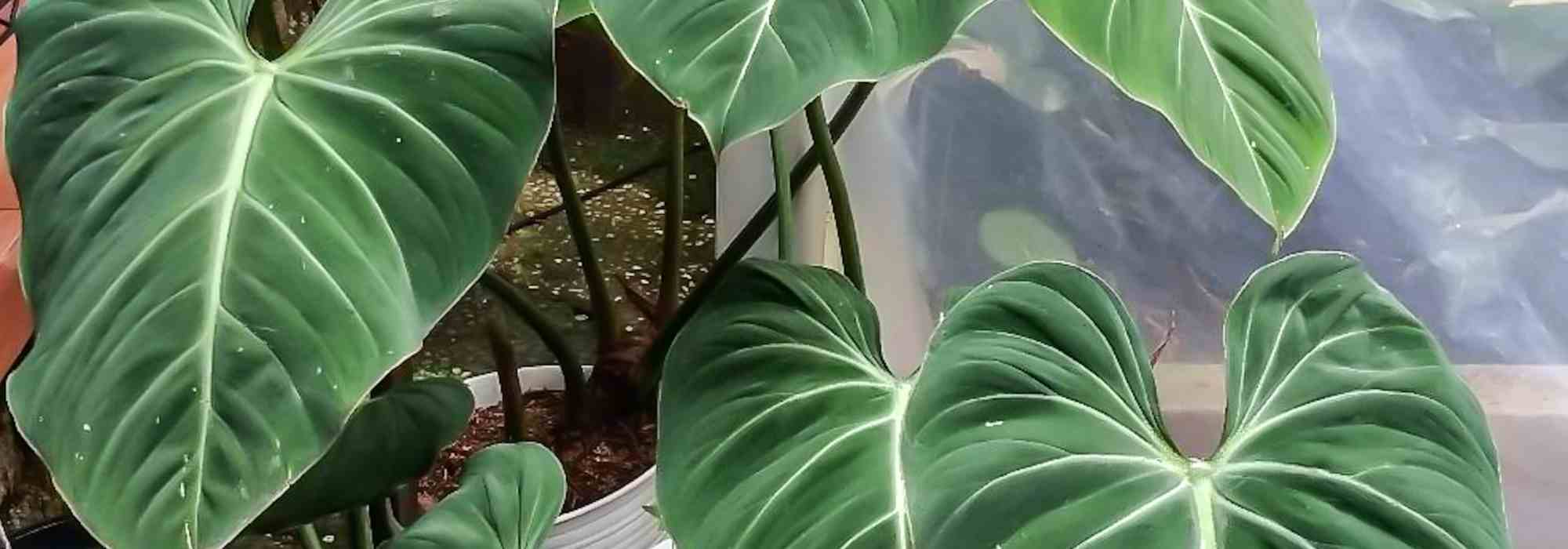
Diseases and pests of Philodendron
Identify them, treat them naturally, avoid them...
Contents
Philodendron, with its lush foliage and varied forms, is one of the most popular houseplants. Relatively robust, it is nonetheless far from invincible. Its foliage can yellow or dry out, spots may appear on the leaves, pests can take up residence… All these factors can weaken your Philodendron and threaten its vigour or growth. Understanding even the slightest symptoms and knowing how to respond are important to ensure its longevity and beauty.
Discover the various diseases and pests that can affect Philodendrons, as well as natural treatments and preventive measures.
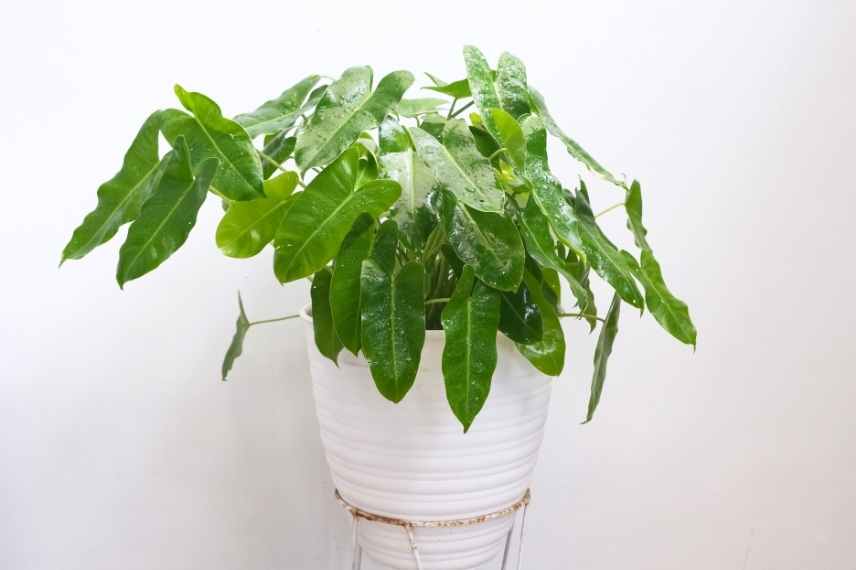
Philodendron Burle-marxii

Philodendron diseases
Philodendron is susceptible to various infections, mainly favoured by inadequate care, notably excess moisture.
Root rot
This fungal disease is caused by overwatering or poor pot drainage. When growing medium remains constantly waterlogged, roots are deprived of oxygen and become asphyxiated, creating ideal conditions for development of pathogenic fungi such as Phytophthora or Rhizoctonia sp.
Symptoms
First sign is often overall wilting of plant despite moist growing medium and yellowing of leaves. On inspecting roots, they will be soft, dark brown to blackish, and sometimes emit an unpleasant odour.
What to do?
- Repot plant immediately.
- Cut away all rotten roots with disinfected scissors.
- Replant into a new fresh growing medium, light and well-draining, and use a pot with effective drainage holes.
How to prevent this disease?
Water only when top few centimetres of growing medium are dry.
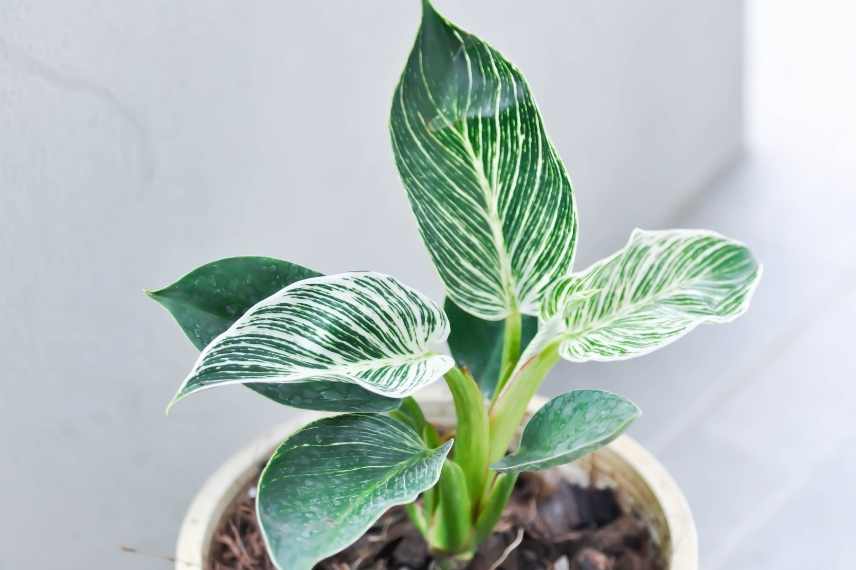
Philodendron Birkin
Leaf spots
These infections are caused by bacteria that thrive in presence of stagnant moisture on foliage, due to splashes of contaminated water, excessive ambient humidity and lack of ventilation. Two bacteria are often involved: Xanthomonas campestris pv. dieffenbachiae and Erwinia caratovora.
Symptoms
Depending on bacterium, symptoms may vary slightly:
- Small translucent spots that develop into brownish-red patches with a yellow halo on leaf edges.
- Dark green spots that rapidly progress into a soft, foul-smelling rot, causing collapse of leaves.
What to do?
- Remove and destroy immediately all infected leaves and parts to stop spread.
- Prefer bottom watering and avoid spraying leaves temporarily.
- Ensure good air circulation around plant.
Sooty mould
Although moderately damaging, this disease mainly makes Philodendron unsightly. It also harms photosynthesis. This type of fungus often develops on honeydew, a sugary substance excreted by certain pests such as scale insects or aphids.
Symptoms
A black, powdery deposit resembling soot covers leaves.
What to do?
Gently clean leaves with a damp cloth and black soap. It is crucial to treat the pest responsible for the honeydew at the same time.
Read also
Philodendron: cultivation, care and tipsMost common Philodendron pests
Philodendron is particularly sensitive to small pests of houseplants. Early detection is key to success.
Mealybugs
Mealybugs are among the most persistent and recognisable pests. They are small, immobile insects covered with a white, waxy, cotton-like secretion. They are often hidden along the veins, under leaves or at the base of stems.
Symptoms
They pierce the plant to feed on its sap, causing slowed growth, yellowing and the appearance of honeydew which encourages sooty mould.
What to do?
- Remove visible colonies using a cotton bud soaked in 70% alcohol or a cloth.
- Spray a solution of water, liquid black soap (1 tablespoon per litre of water) and, optionally, vegetable oil to suffocate larvae. Repeat several times at intervals of a few days.
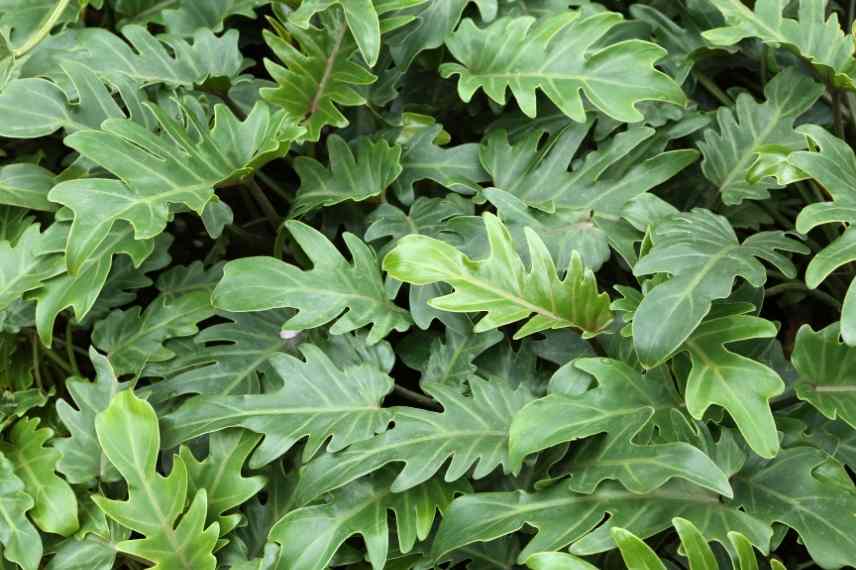
Philodendron xanadu
Red spider mites
Despite their name, they are not spiders but tiny mites that thrive in dry conditions. Minute red or yellow dots, they are difficult to see with the naked eye. The most revealing sign is the appearance of fine webbing on the petioles or on the underside of leaves.
Symptoms
They suck sap, leaving small yellow or discoloured spots on the leaves, giving foliage a dull, speckled appearance.
What to do?
- Increase ambient humidity with regular misting or a saucer of moist clay pebbles. Red spider mites dislike humidity.
- Rinse the plant to remove a large proportion of the mites.
- Use the black soap solution or, in case of severe infestation.
Thrips
Small, slender flying insects, thrips are hard to spot.
Symptoms
They cause silvery spots or grey streaks on leaves, a sign of plant cells emptied of their contents.
What to do?
- Spray the foliage with water.
- A treatment based on neem oil is often effective. Dilute 1 tablespoon of neem oil with a little black soap and 1 litre of water. Spray on the underside of the foliage and repeat after a few days until thrips disappear.
Environmental issues and deficiencies
Often, Philodendron problems are neither pests nor diseases but result from inappropriate growing conditions :
- Leaves yellowing : overwatering or underwatering. Adjust watering and water only when potting mix is dry at the surface.
- Small, pale yellow leaves : nutrient deficiency (nitrogen, calcium or magnesium). Fertilise during growth season (spring–summer) with a balanced fertiliser.
- Brown leaves with dry edges : air too dry due to low ambient humidity or exposure to cold. Increase humidity by misting, and keep philodendron away from cold draughts.
Read also
Growing Philodendrons indoorsGood maintenance, the best prevention
Best defence against pests and diseases is a healthy philodendron :
- Inspect undersides of leaves and stem bases regularly, especially when watering.
- Isolate any new plant for several weeks before introducing it near other plants.
- Wipe leaves regularly with a damp cloth to remove dust and debris, helping to spot intruders and aid photosynthesis.
- Use a well-draining substrate and ensure water never pools in the bottom of the pot.
- Maintain high ambient humidity, essential for most philodendrons and to discourage red spider mites.
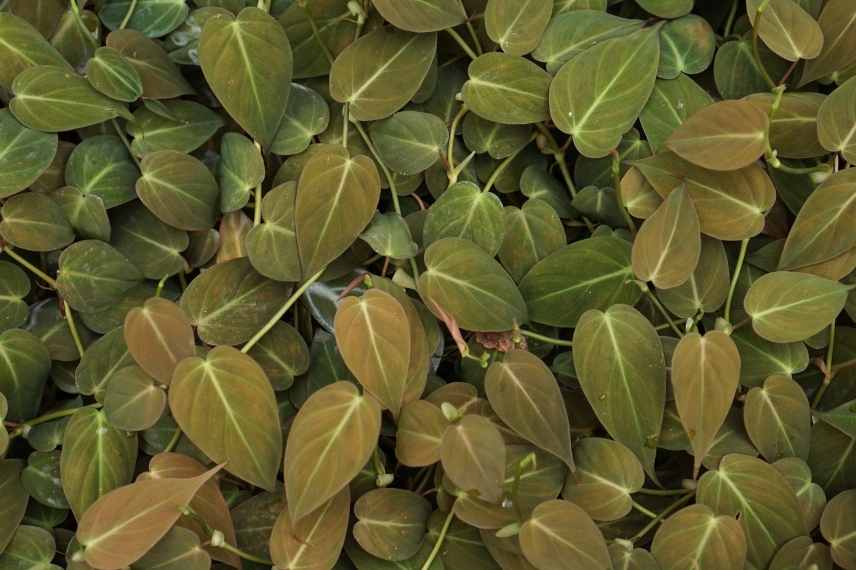
Philodendron scandens
By applying these tips and observing your philodendron closely, you will be able to detect and treat most problems before they become critical, ensuring healthy growth and spectacular foliage.
- Subscribe!
- Contents
This form is protected by reCAPTCHA - the Google Privacy Policy and Terms of Service apply.

































Comments