How to identify and get rid of leek rust?
Our tips to recognise, avoid and neutralise it
Contents
Leek (Allium porrum), vegetable of family Alliaceae, is relatively sturdy and vigorous. Yet, rust, a cryptogamous disease caused by the fungus Puccinia allii, can quickly turn your pretty vigorous plot into ranks of spotted, weakened leaves within a few weeks. Although rust generally does not kill the plant, it considerably slows growth, harms its appearance and can make harvest less appealing. To protect your vegetable garden, it is important to understand how this fungus works.
Discover how to identify, treat and, above all, prevent leek rust.
Leek rust (Puccinia allii) — how to identify Courte description - Fungal disease affecting leeks and other alliums. Look for symptoms on leaves, especially lower parts, from late summer into autumn. Key visual signs - Small pale yellow spots on upper side of leaf. - Orange to orange-brown powdery pustules on underside of leaf; pustules release rusty spores when rubbed. - As infection progresses, leaves may yellow, dry out, become twisted or have necrotic streaks. - Severe attacks cause reduced vigour and thinner, paler bulbs. When and where to inspect - Inspect plants during humid or dewy mornings when pustules are most visible. - Disease favours warm, humid conditions and poor air circulation. How to check closely - Look at underside of leaf for powdery, rust-coloured pustules. - Rub a pustule gently on white paper — orange/brown dust confirms rust. - Use hand lens to see clustered dome-shaped uredinia. Differential diagnosis (what it is not) - Downy mildew: shows grey‑purple downy growth rather than powdery orange pustules. - Nutrient deficiency: causes general yellowing without powdery pustules. - Thrips damage: silvery streaks and small black droppings, not rust-coloured spores. Immediate actions on detection - Remove and dispose of heavily infected leaves or plants (do not compost if composting does not reach high temperatures). - Improve air circulation by wider spacing and removing weeds. - Avoid overhead watering; water at base of plants to keep leaves drier. Preventive measures - Rotate crops, avoid planting alliums in same spot year after year. - Choose resistant or less susceptible varieties when available. - Maintain good garden hygiene and remove wild alliums that can harbour spores. - Consider fungicide treatment as last resort and follow local guidance. If you want, I can provide photos for comparison, a seasonal scouting calendar, or specific variety recommendations suitable for UK/Ireland conditions.
Early identification helps limit disease spread. Rust is easy to recognise if you know what to look for.
Visual symptoms
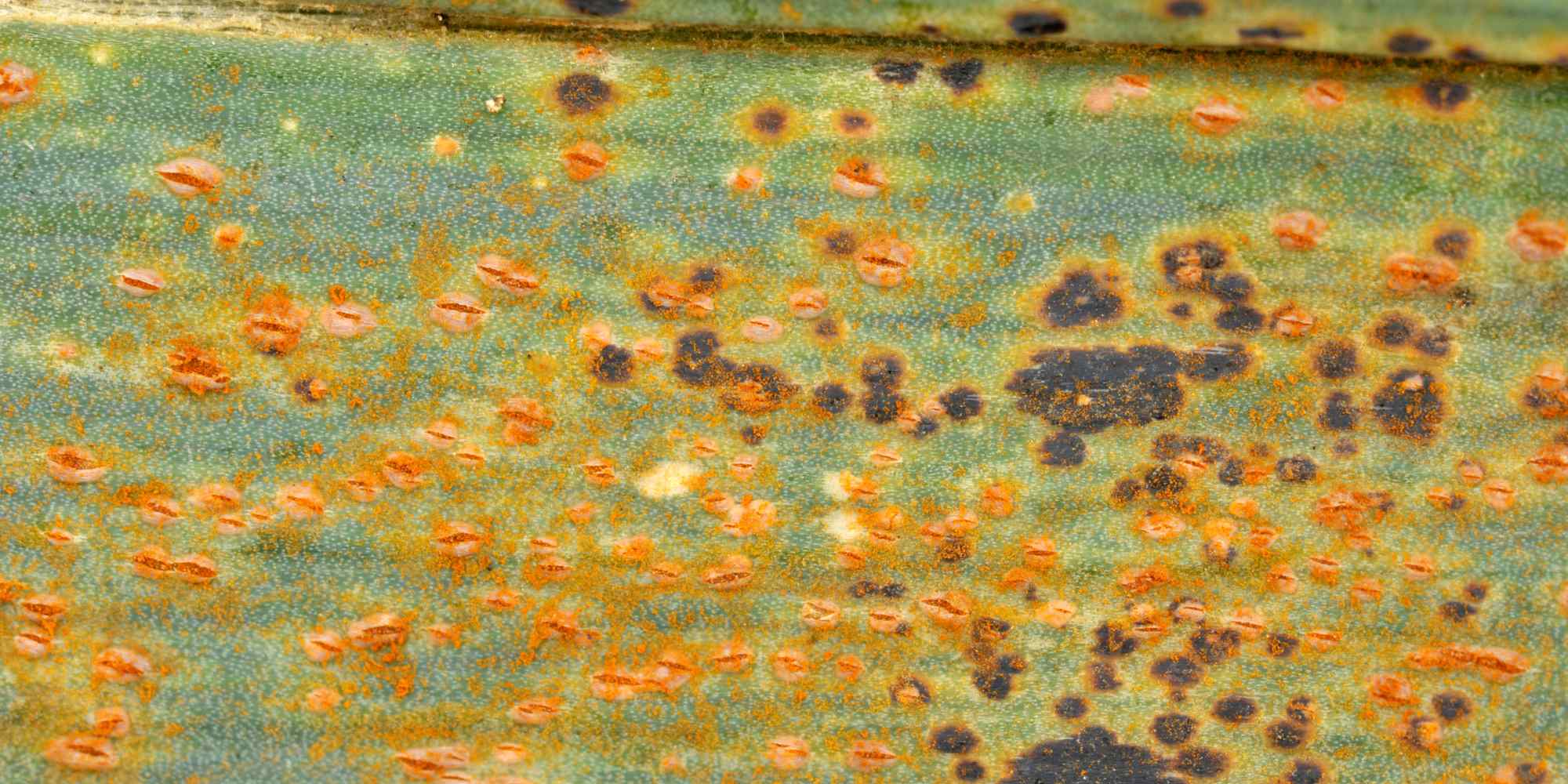
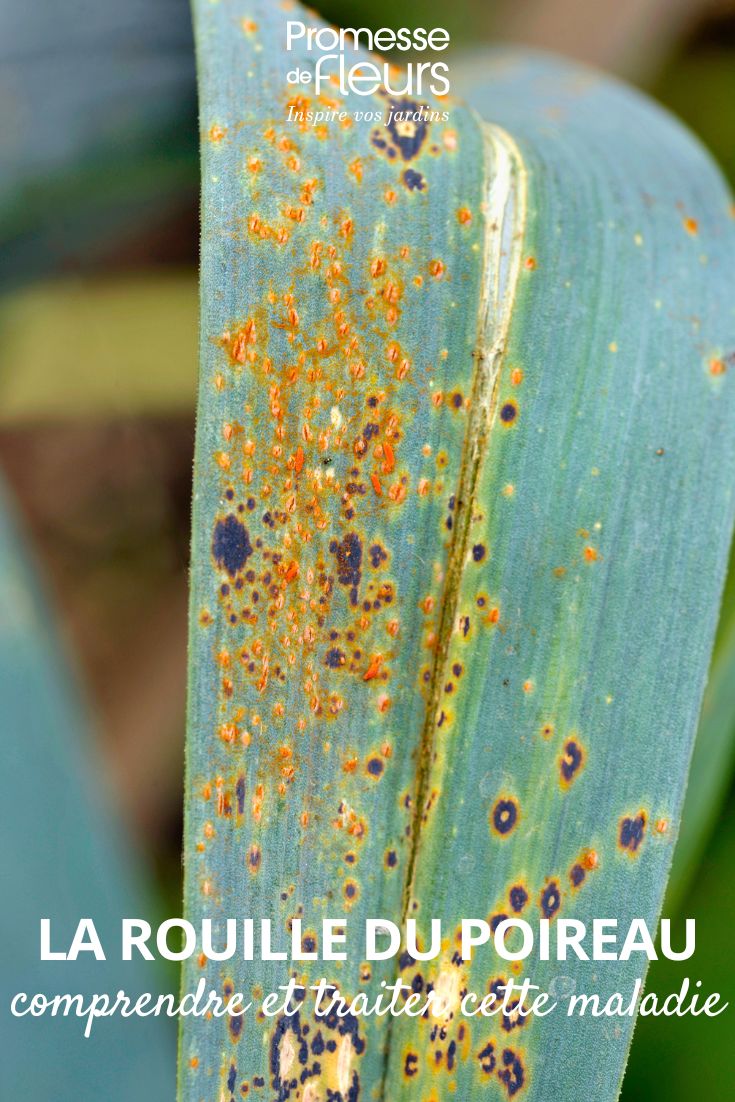
First sign is appearance of small elongated, pale yellow or whitish spots on leaves. Very quickly, these spots develop into raised pustules of bright orange or rust-coloured.
- They appear on both leaf surfaces, although often more numerous on upper surface at first.
- If attack is severe, pustules multiply until covering large part of leaf surface. Leaves eventually yellow, dry out and die prematurely.
- As winter approaches, orange pustules may turn brown or black. This indicates fungus is producing hardy spores to survive cold conditions.
Life cycle of the fungus
Puccinia allii needs a living host (plant) to survive. Unlike other fungi that live in soil, rust often survives on debris of infected plants or on other members of the Allium family (garlic, onion, chives, shallot) left in ground.
Spores are carried by wind and rain splash. A single infected leaf can release thousands of spores, contaminating an entire vegetable plot in no time.
Read also
RustWhy does rust attack your leeks?
Like many fungal diseases, rust does not appear by chance. It takes advantage of specific conditions, often linked to weather :
- High humidity is the number one factor. Foliage that stays wet for more than 4 to 6 hours is an open door to infection. Persistent morning dews and frequent rains are rust’s best allies.
- Moderate temperatures favour the spread. The fungus thrives between 10 °C and 20 °C. Cool, wet summers or mild autumns are periods of heavy infection.
- Excess nitrogen : soil too rich in nitrogenous fertilisers promotes rapid growth but produces fragile plant tissues far easier for fungal hyphae to penetrate.
- Overly dense planting : leeks planted too close prevent air circulation. Moisture remains trapped between leaves, creating an ideal microclimate for the fungus.
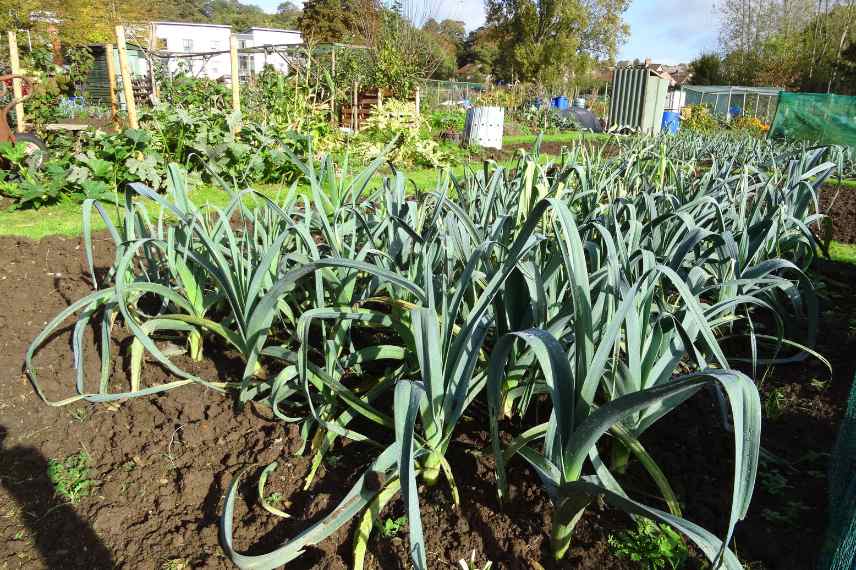
Dense planting is a risk factor
How to get rid of leek rust?
If the disease is already established, don’t panic! Although it can be difficult to eradicate the fungus completely during the season, you can halt its progress.
Mechanical intervention
This is often the most effective, quickest and easiest method to implement for small areas :
- At first appearance of spots, cut off the most affected leaves and take them to a household waste recycling centre. Do not put them on the compost.
- Remove weeds around leeks to improve air circulation at the base of boles.
Natural treatments
Chemical treatments being banned in the garden (and rightly so!), the most effective options remain natural solutions, often very efficient and, above all, non-damaging to your vegetable patch :
- The baking soda : a classic. It alters pH on the leaf surface, making life difficult for the fungus. Recipe is simple: one teaspoon baking soda + one teaspoon black soap for adhesion, diluted in 1 litre of water. Spray every two weeks.
- The horsetail decoction : very rich in silica, horsetail strengthens cell walls of leeks, making them more resistant to fungal attacks. It is an excellent mild curative and preventive treatment.
- The garlic manure has strong antifungal properties. Spraying a garlic extract can help limit germination of rust spores.
- Wettable sulphur as a last resort : approved for organic growing, sulphur is effective against rust. However, beware of using it in hot weather, as it can scorch foliage.
Radical solution
If your leeks are young and heavily infested in late summer, you can try cutting back all foliage to 5–10 cm above the bole. If the heart is healthy, leeks will regrow with new clean leaves, provided conditions become drier.
Read also
Getting rid of rust diseaseHow to prevent leek rust?
In gardening, as in many other fields, prevention is better than cure. The most effective strategy against rust is to grow healthy plants in an environment the gardener makes unfavourable to the fungus.
Cleaning crop debris
After harvesting leeks, never leave damaged leaves on the soil near leeks still in the ground. Collect them carefully and take them to a green waste disposal site.
Choosing the right planting site
Choose a sunny spot and, if possible, exposed to wind. Wind helps foliage dry quickly after rain or dew. Also, allow spacing of at least 12 to 15 cm between plants and 30 cm between rows. Good air circulation is your best defence.
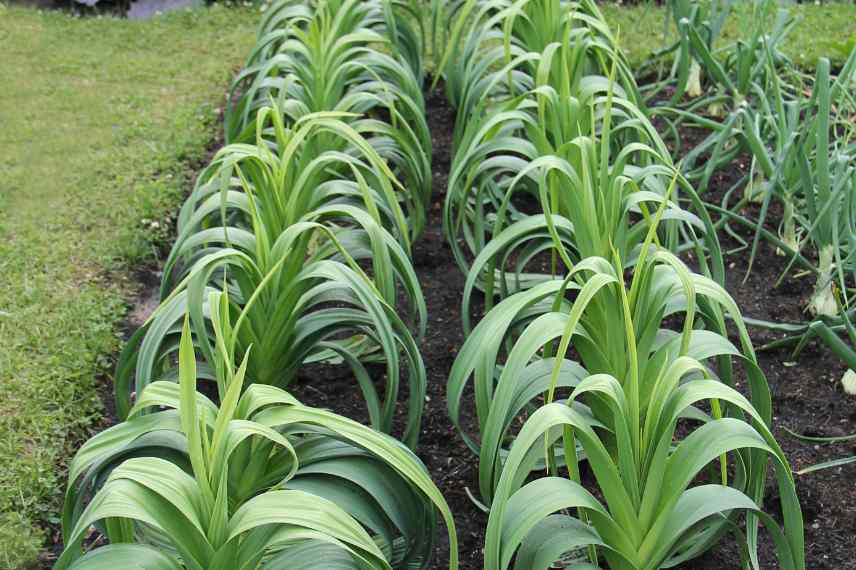
Allow spacing of at least 12 to 15 cm between plants and 30 cm between rows.
Appropriate watering
Do not water leeks by overhead sprinkling, above the leaves. Use a watering can without a rose directly at the base or install a drip irrigation system. Water preferably in the morning so any excess moisture can evaporate during the day.
Proper feeding
Avoid heavy applications of fresh manure or nitrogen-rich fertilisers just before planting. Prefer well-rotted compost and add potash (wood ash in moderation or an organic fertiliser such as Patentkali). Potash strengthens tissue structure and overall plant health.
Choosing varieties
Some leek varieties are naturally more resistant or tolerant to rust than others. Winter leeks with dark bluish-green foliage, often thicker and waxy, cope better. Look for varieties such as ‘Bleu de Solaise‘, ‘Monstrueux de Carentan‘ or some modern hybrid varieties selected for tolerance. By contrast, summer leeks, with paler, more tender foliage, are more susceptible.
FAQ about leek rust
Can leeks affected by rust be eaten?
Yes. Rust is a plant-specific fungus and is not at all toxic to humans. Simply remove the most affected outer leaves. The bole is generally spared and retains all its flavour and nutritional qualities.
Should diseased plants be pulled up?
Not necessarily. If the attack occurs late in the season and the leek has already reached a reasonable size, leave it in the ground and harvest it as needed. If the attack is very early and the plant stops growing, it is better to pull it up to prevent it becoming a source of contamination for the rest of the garden.
Is composting possible?
It is strongly discouraged to compost leek leaves showing rust pustules, especially in a domestic compost that does not get hot enough. Spores could survive and contaminate your garden the following year via potting compost.
- Subscribe!
- Contents
This form is protected by reCAPTCHA - the Google Privacy Policy and Terms of Service apply.

































Comments