The cold snap that affected our gardens in recent days has had deplorable consequences for a large number of plants. Many young leaves and developing inflorescences were scorched by frost, a direct result of dry cold from Siberia and vegetation almost one month ahead.
Among ornamental shrubs, Japanese maples, hydrangeas, magnolias, catalpas... seem the most affected. Their newly emerging leaves were literally burnt by frost. Among perennials, significant burns are also visible on young shoots of Filipendula, Persicaria, astilbes, hostas, Gunnera... As for climbers, kiwifruit vines and wisterias have paid the heaviest toll. In the vegetable patch the picture is no better: anything left unprotected is burnt.
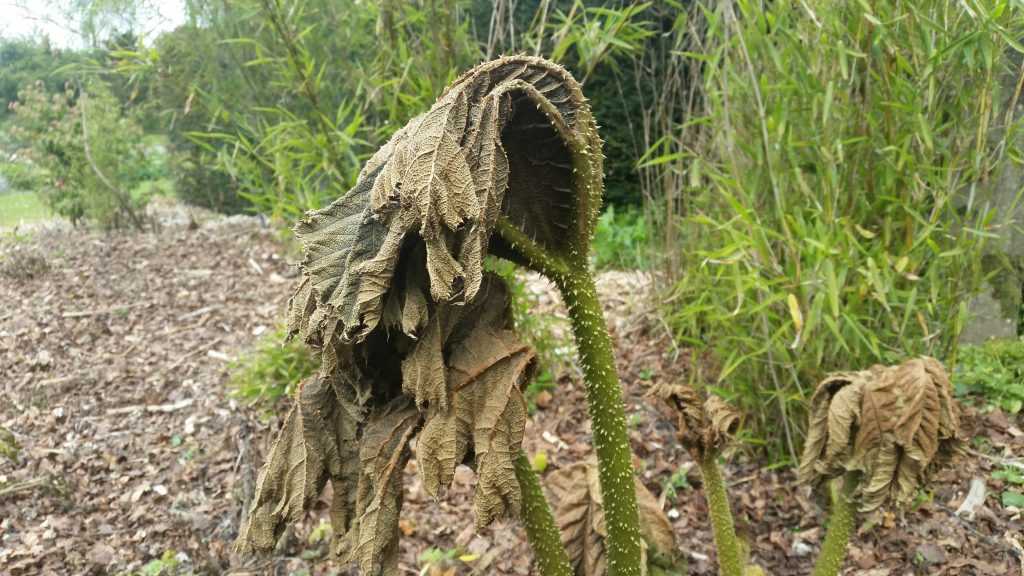
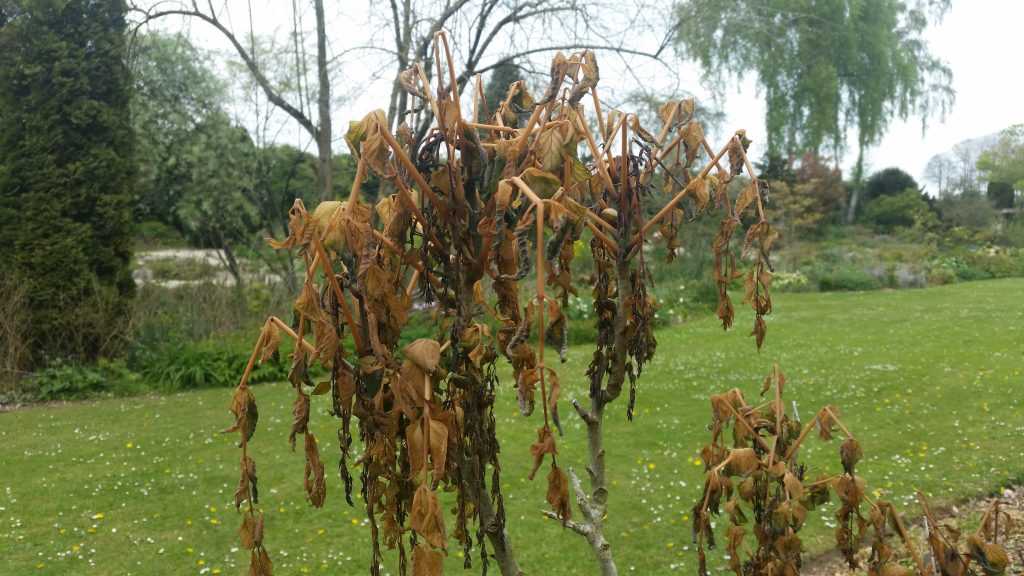
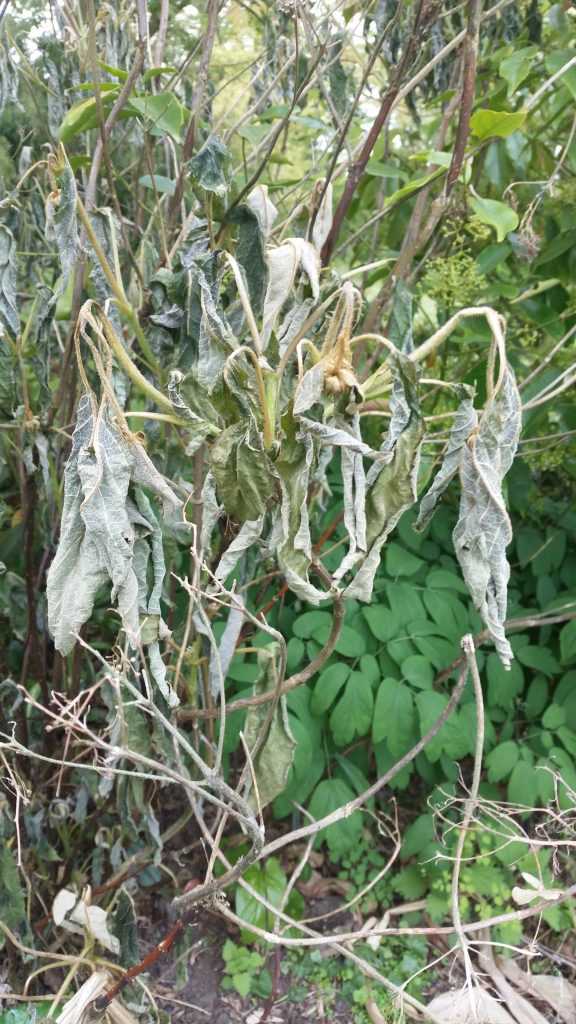
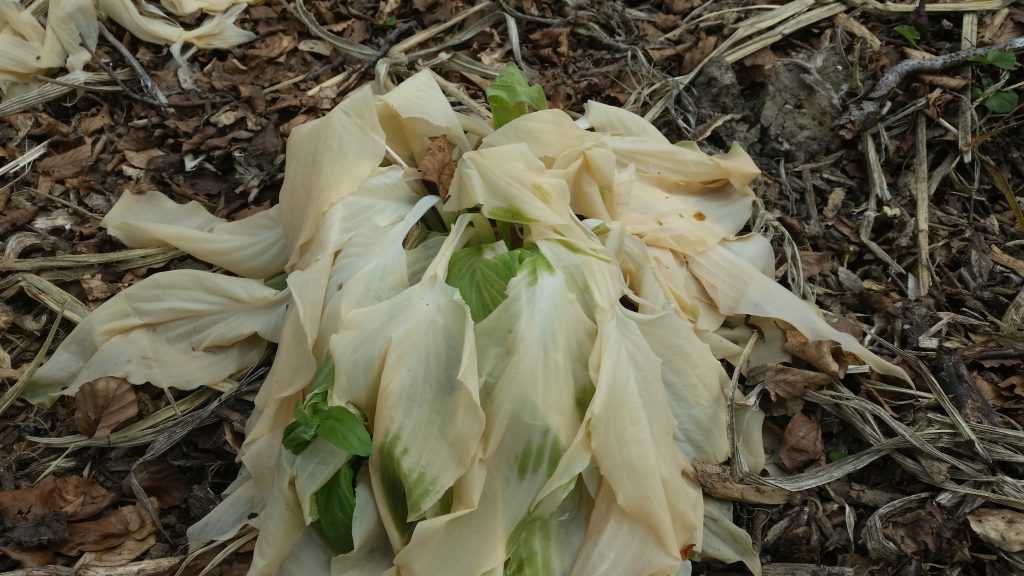
My plants have been frosted, what should I do?
First of all, it is not the whole plant that has frozen but the extremities, in other words leaves, young shoots and, for some, floral buds in formation.
1) For perennials and shrubs frost damage is dramatic to see but usually superficial. At first do not prune anything! If necessary, spray a Bordeaux mixture on shrubs and climbers to dry out burnt parts, reduce proliferation of Pseudomonas (a bacterium that develops in wet conditions and worsens frost damage) and help prevent fungal attacks.
2) Key word: patience! Wait, avoid heavy pruning and see how vegetation recovers. For shrubs and climbers, most species and varieties are excellent at producing lateral buds on wood. Watch for new buds and only then prune necrotic parts.
As for perennials, you can already cut away dead, dry parts with shears or pruning shear. Perennials have an excellent capacity for regeneration and new shoots will develop from the stump. Immediately after pruning, water plants well to speed up regeneration.
In the vegetable plot, however, frost damage to young plantings is often irreversible. Annuals are not equipped to resist cold, which is why even a light frost can be disastrous for these plants. In spring it is always recommended to protect young plantings at night with a protective fleece.
Should we fear further frosts and how to protect against them?
Yes, further frosts are possible and as Ingrid reminds us in her piece on the Ice Saints, light frosts can still occur until the end of May, notably this coming weekend, so stay vigilant!
Delay planting of frost-sensitive plants such as annuals, and avoid putting outdoors plants recently brought out of greenhouse that are already well started. If in doubt, cover exposed plants in the evening with a protective fleece (remove it in the morning) or use a glass cloche over fragile young shoots (dahlias emerging from the soil, for example).
As the proverb goes, "Plants grow more in one May night than in ten Aprils", and another says, "May mist, June heat, bring harvest on time" — in other words, May is clearly a transition month between winter and summer and in a few weeks the scars left by frost will be only a distant memory.


































Comments