In summer, gardeners also take holidays... but not the gardens! It must be said: every prolonged absence from our little paradise is accompanied by a pang at the heart, and the same question then overwhelms us:
"What state will I find my garden in when I return? An impenetrable jungle or a sun-scorched savannah?"
To avoid this kind of disappointment, it's wiser to prepare for your absence.
Whether it's the ornamental garden or the vegetable plot, these few tips will let you leave with greater peace of mind and not regret the poolside aperitifs!
→ Also listen to our podcast: What to do with your plants during the holidays?
Summer lawn mowing
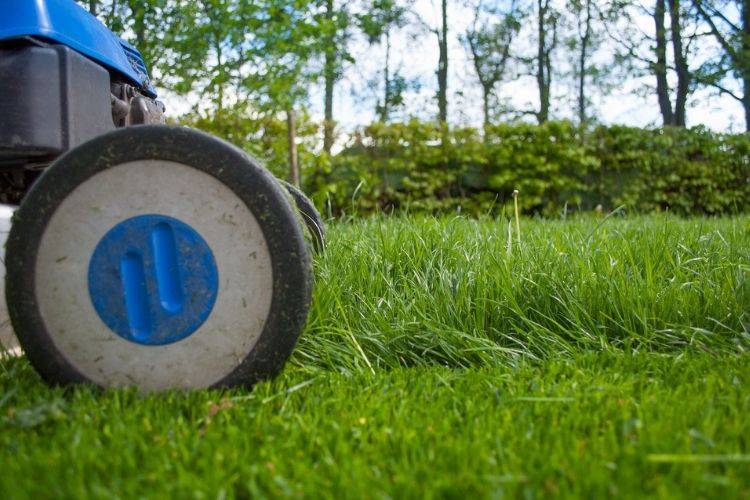
Mow your lawn the day before or two days before you leave. Resist the temptation: don't cut it too short but choose a cutting height of 6 or 7 cm. Indeed, cut too short, grass struggles more to withstand periods of drought.
Find all our tips in our full advice sheet: When and how to mow your lawn in summer?
Tidy, mulched beds
Weed your beds and hoe them. All gardeners know the famous saying "One hoeing is worth two waterings!" The top layer of soil, once broken up like this, is more permeable and optimises any watering, whether natural or manual.
Mulch with what you have to hand (lawn clippings, RCW, straw...). If not, buying a commercial mulch can be a good investment, especially for plants that need consistently cool soil. Ideally, lay mulch in a layer at least 5 cm thick.
In the ornamental garden, if you're away for a long time, cut off faded flowers but also those still in bloom... and even the buds! I know, it's heartbreaking, but there's no point in having the garden in flower while you're away, nor in asking that of your plants. They will quickly produce new shoots, carrying many promesse de fleurs for your return.
Potted plants: get them under cover!
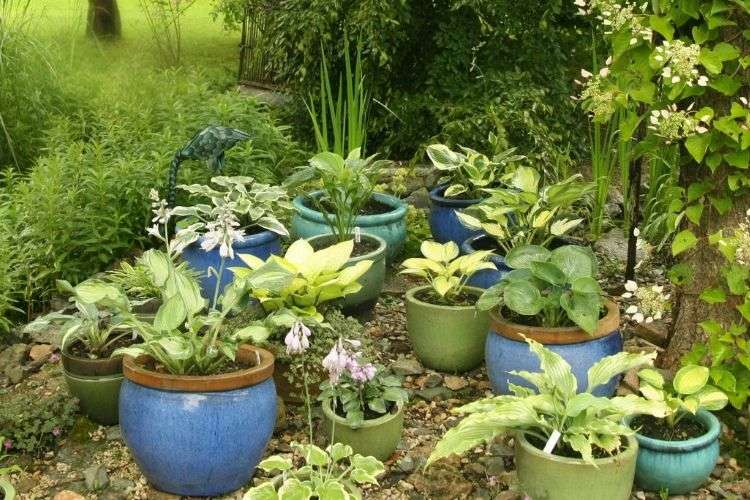
Group your potted plants in the coolest, shadiest corner of your garden. This limits evaporation and therefore water needs. Don't forget to water them generously just before you leave and consider placing a saucer under the pots to create a water reserve for the thirstiest.
In the vegetable garden: harvest, protect
In the vegetable garden, treat yourself by harvesting vegetables and soft fruit, including aubergines, courgettes, cucumbers, beans, melons, tomatoes, beetroot, turnips, lettuce, strawberries, raspberries… It's the perfect opportunity for delicious feasts with fresh, home-grown produce! If you can't take them with you (some will finish ripening in the caravan!), give them to family, friends or even neighbours. It's always better than losing them.
This can also be an occasion for an exchange of favours: if you find someone kind to come and water while you're away, it's always nicer to offer them a few vegetables or fruits once the "chore" is done.
Also in the vegetable garden, pinch out or trim your aromatic herbs (for your upcoming barbecues!). Check staking of plants that have supports, put a net over small fruit bushes if needed that will ripen during your absence, and use a shade cloth on plants most at risk from the heat. You can also turn over a wooden crate (weighted with a stone, for example) over the lowest plants to give them some protection from the sun's intensity without plunging them into darkness.
Stop planting, taking cuttings or sowing in the 15 days before you leave. There's no point raising young plants you can't pamper at the moment they need it most.
Well-managed watering = a stress-free holiday
Watering is certainly gardeners' number one worry when on holiday.
The day before you leave, if possible, water your plants very generously, until the soil is saturated. During your absence, ideally arrange for someone you know to water.
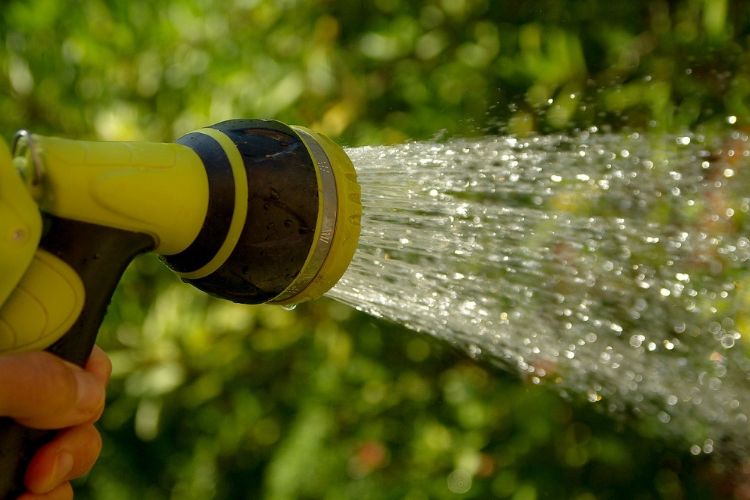
If that option is impossible, you can use watering systems that are more or less sophisticated or expensive. The most practical and safest option is undoubtedly an automatic irrigation system with a timer. You can then decide how much to give which plants, and when (ideally early morning and/or late evening). There are even probes that measure soil moisture and manage irrigation accordingly.
Easy to set up anywhere in the garden, terracotta cones connected to a basin or directly to an inverted water bottle allow you to water your favourite plants. Note that available autonomy depends on the size of the containers used.
You can also use oyas, which are clay jars, placed or buried in the soil. Fill them before you leave and the porosity of the material gradually releases water directly to the roots of nearby plants. Different models and sizes exist, from the smallest, suited to container growing, to larger ones to install in the garden or vegetable plot.
By following these few tips, your garden will be able to withstand your absence without suffering too much. And you, on your side, will be able to stop feeling guilty, enjoy your holiday more serenely and find a garden in great shape on your return.
Oh yes, one last thing. Have a great holiday!


































Comments