Ornamental alliums or ornamental auls (Allium in Latin) are known and prized for their beautiful, graphic, colourful umbels that last into summer. While withered leaves should be removed, gardeners do not all agree on whether spent flowers should be left or cut in summer — what is the truth?
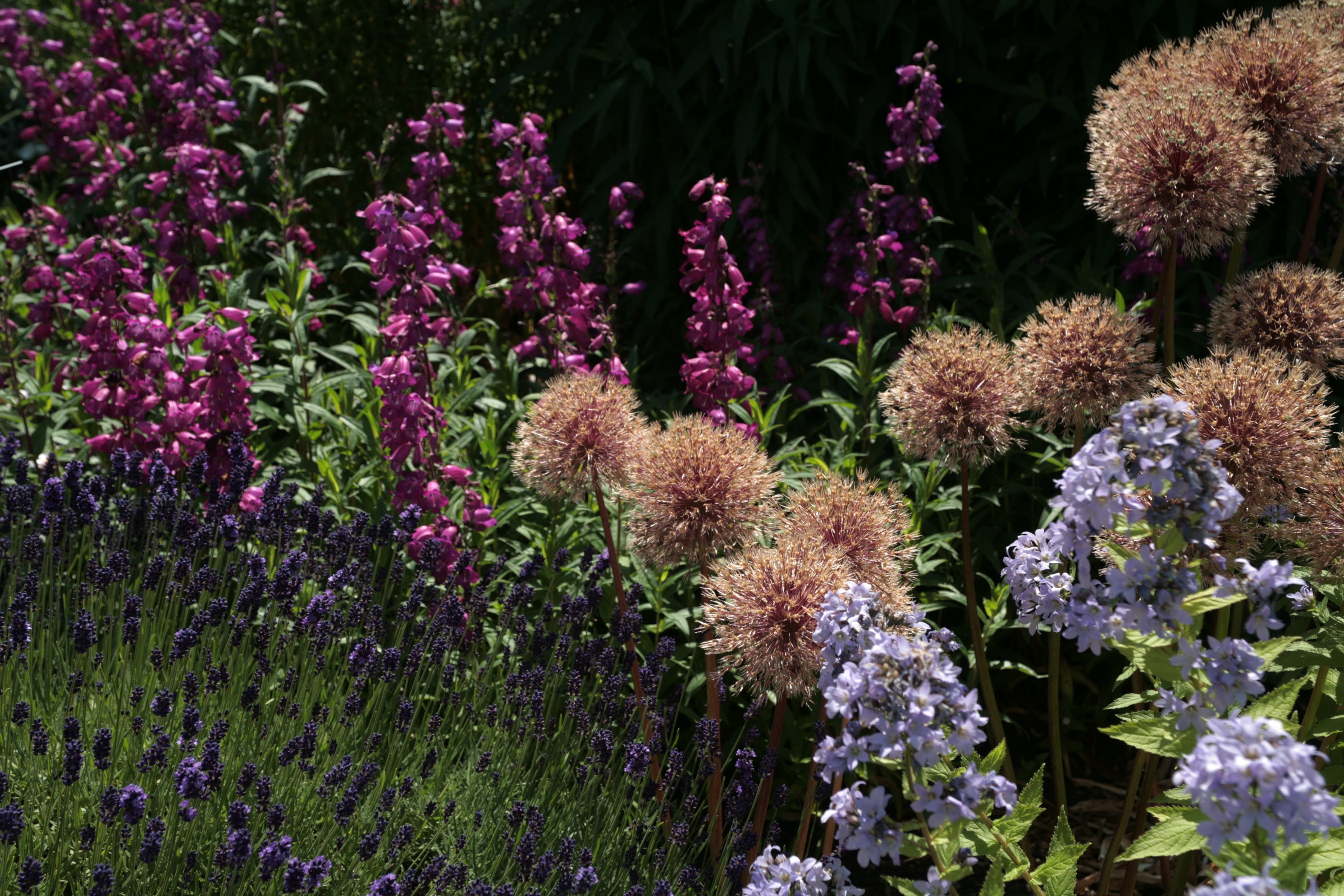
Spent flowers of Allium 'Globemaster' mixed with campanula, penstemons and lavender
Yes, cut them... To prevent spent flowers from exhausting the bulb.
Like most flowering bulbs, Allium draws on its reserves to produce a large, showy inflorescence. But just before flowering it will have produced foliage that allows it to store energy and rebuild reserves during dormancy.
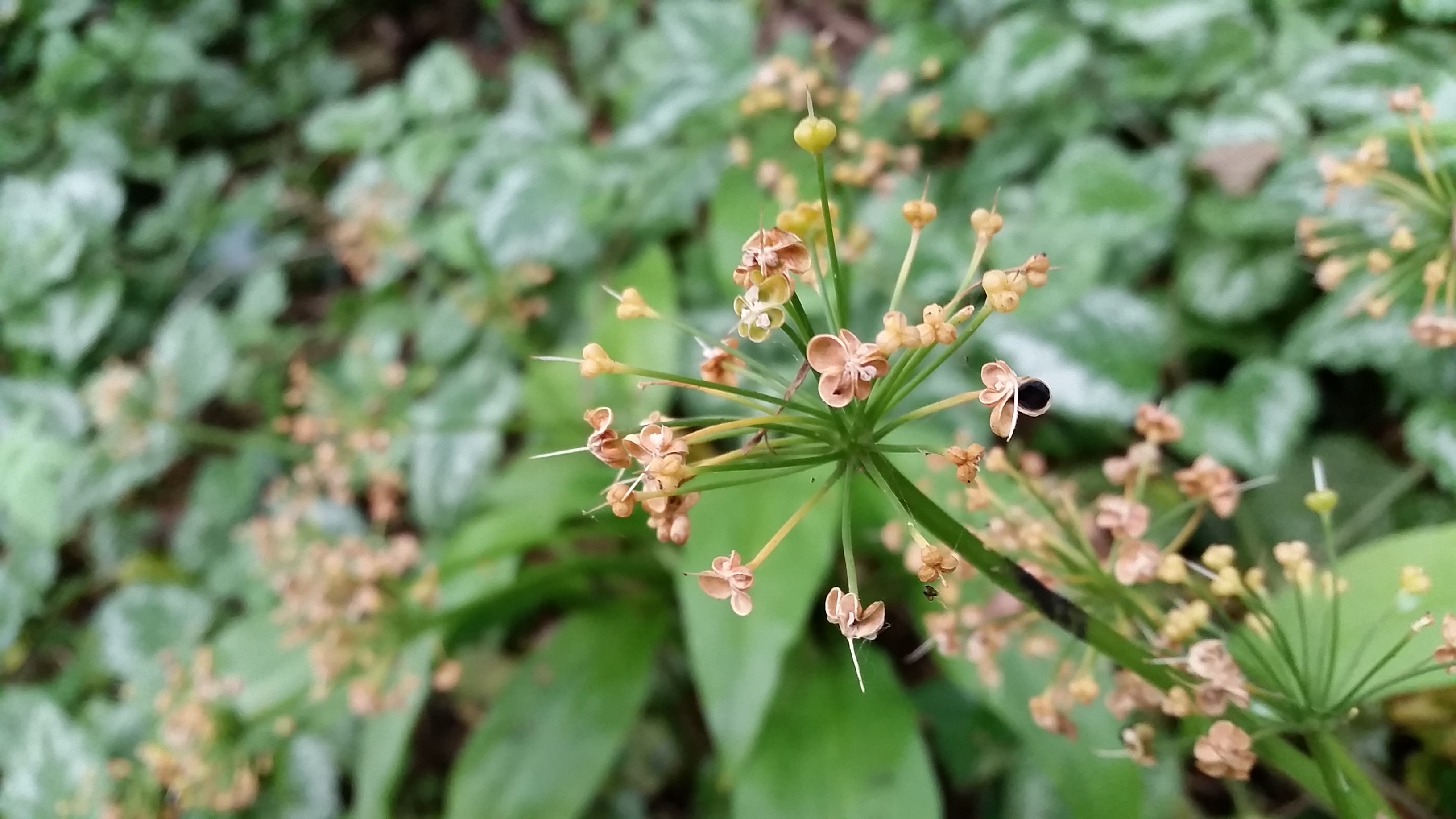
Seed capsules on an inflorescence of ramsons (Allium ursinum)
Cutting spent flowers will not have major consequences for bulb growth, especially if grown in rich soil (notably with phosphorus and potassium). In poor soil, however, it will reduce seed production and prevent the bulb from drawing unnecessarily on its reserves. So yes, cut spent flowers when growing in poor soil or when bulbs are young and still need to grow.
No, leave them... To enjoy spent flowers.
Any gardener keen on a tidy garden dislikes spent flowers. All spent flowers... except those of ornamental alliums, because they offer several advantages!
- Advantage #1: they continue to give structure to borders.
Even when spent, stems remain stiff and the less-coloured flower globes enliven borders until early autumn. Compared with structural bulbs such as Eremurus or fritillaria, Allium flowers have the advantage of remaining decorative for at least three months.
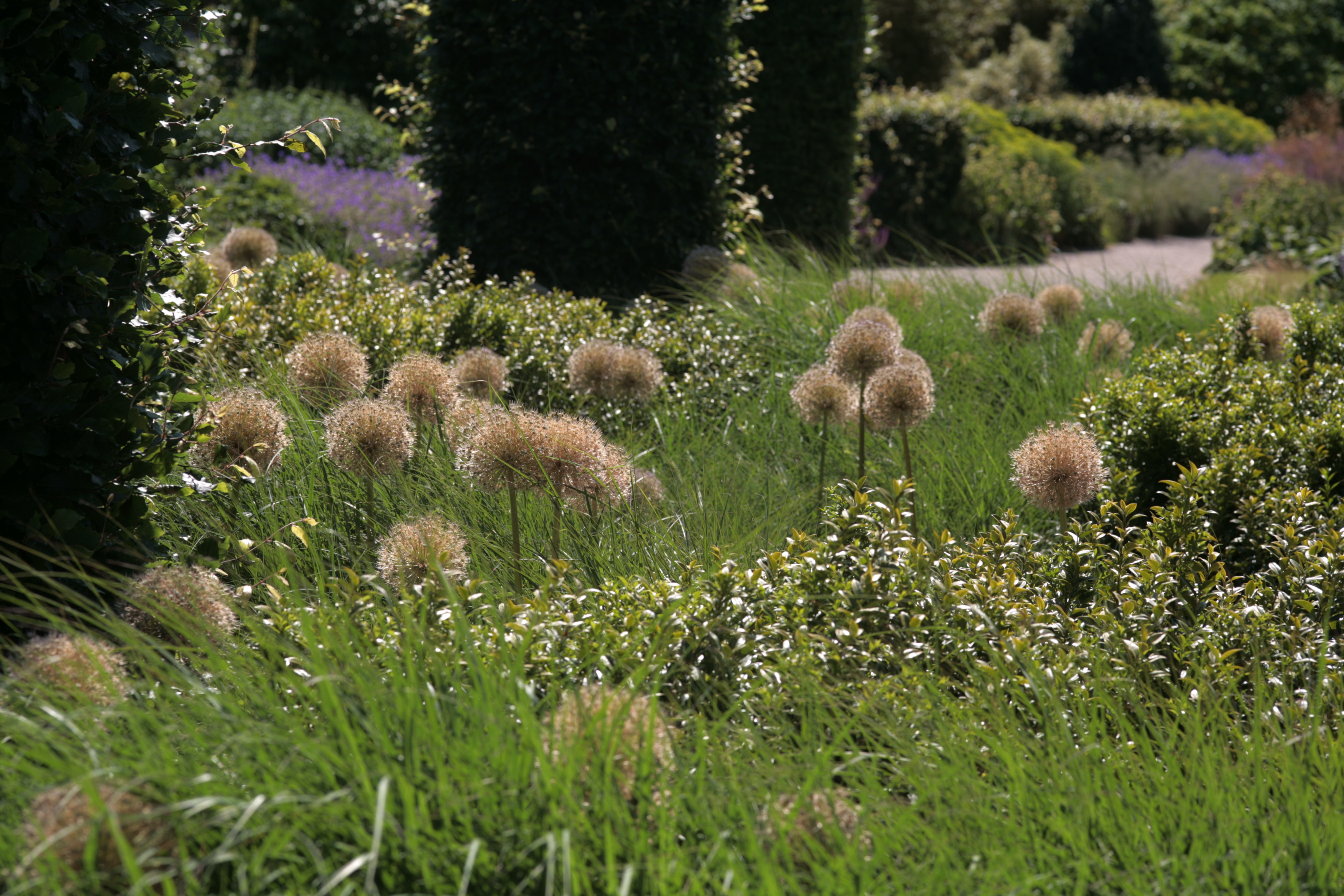
Allium head emerging from grasses

Allium 'Globemaster' at end of flowering
- Advantage #2: the flowers evolve. As they wither, pollinated flowers set seed and form attractive seed capsules, enhancing the inflorescence's grace.
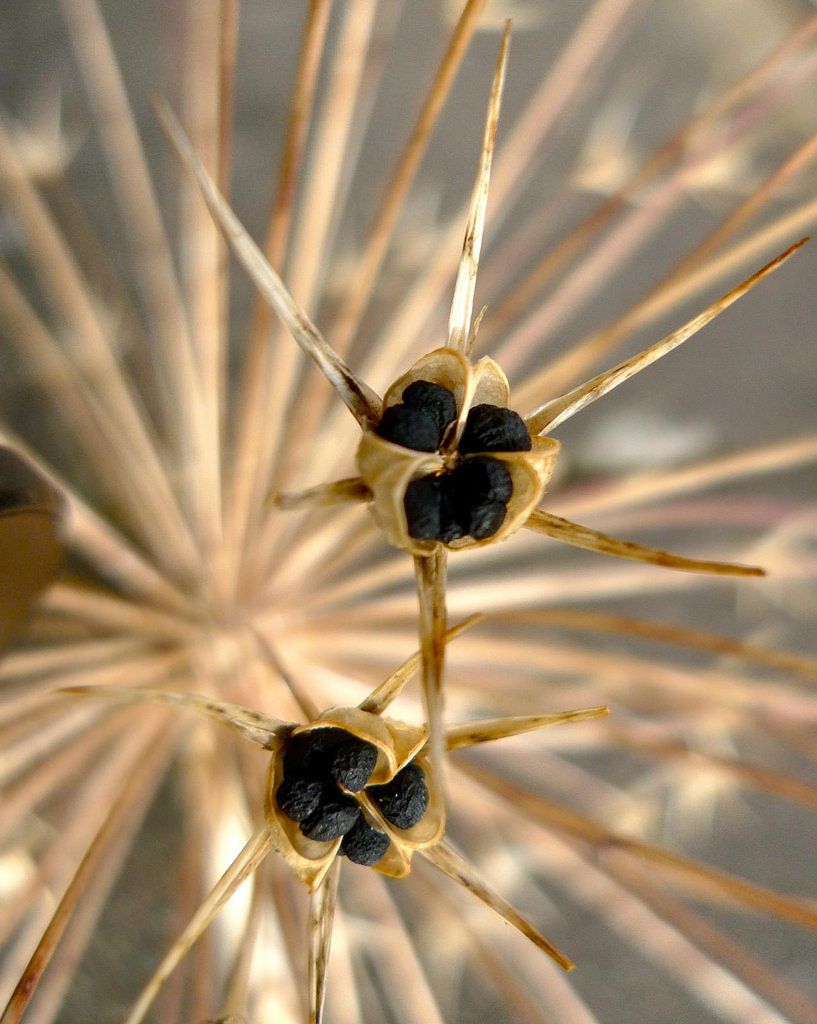
Allium seeds
Advantage #3: treat yourself to superb dried arrangements. Allium flowers are highly prized for dried bouquets. Properly dried, flowers last many years and allow creation of pretty arrangements to decorate celebration tables.
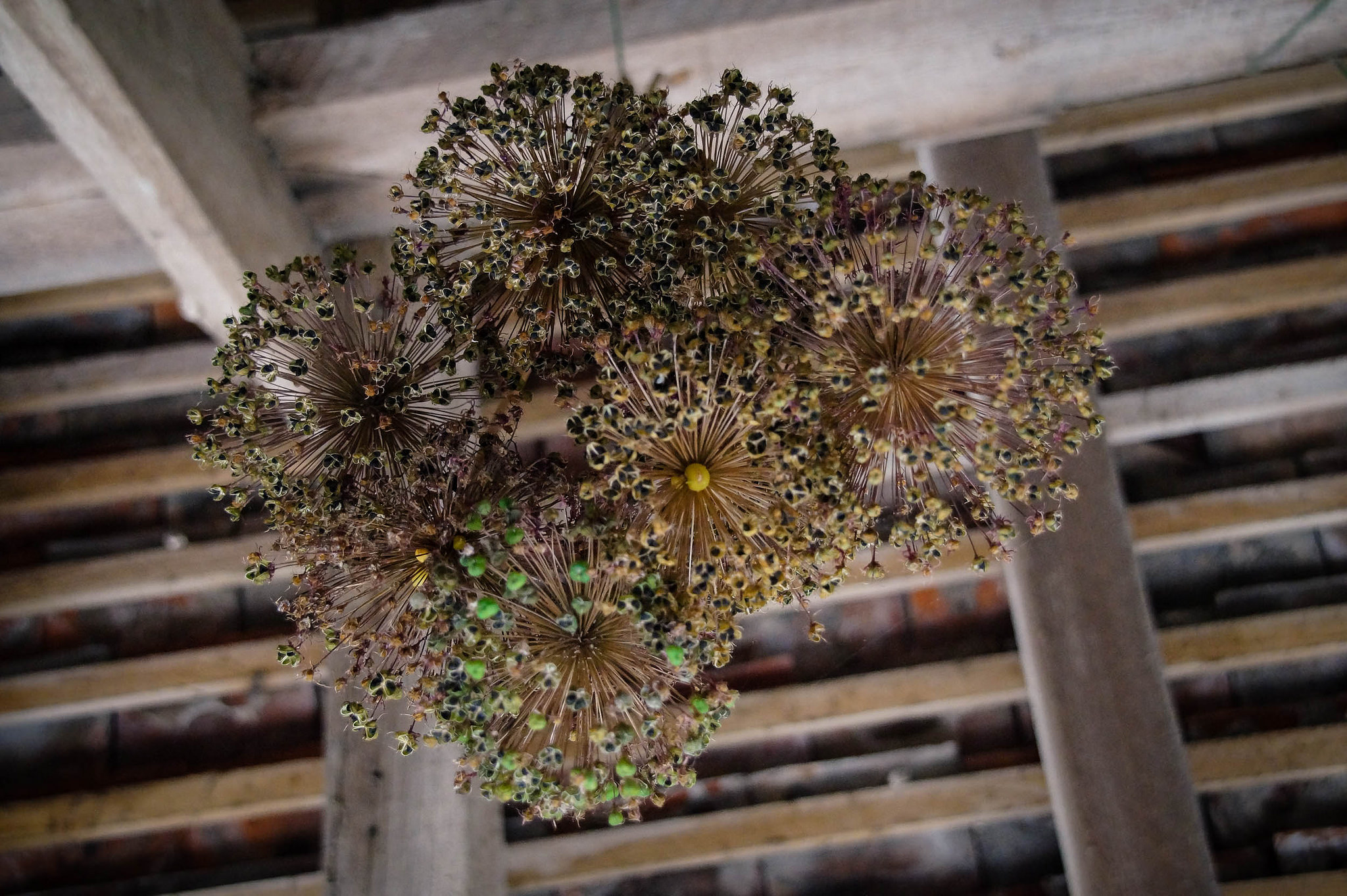
Allium heads hung upside down for perfect drying
In short, prune the small but leave the large.
Flowers of large varieties, those over 40–50 cm tall, can be left until mid-winter, continuing to decorate borders well into autumn. However, some species such as Allium triquetrum or ramsons (Allium ursinum) can be persistent in the garden and even invasive in some regions. Cutting spent inflorescences of these small varieties will limit their spread and/or keep borders tidy by cutting spent flowers and foliage back to the base.
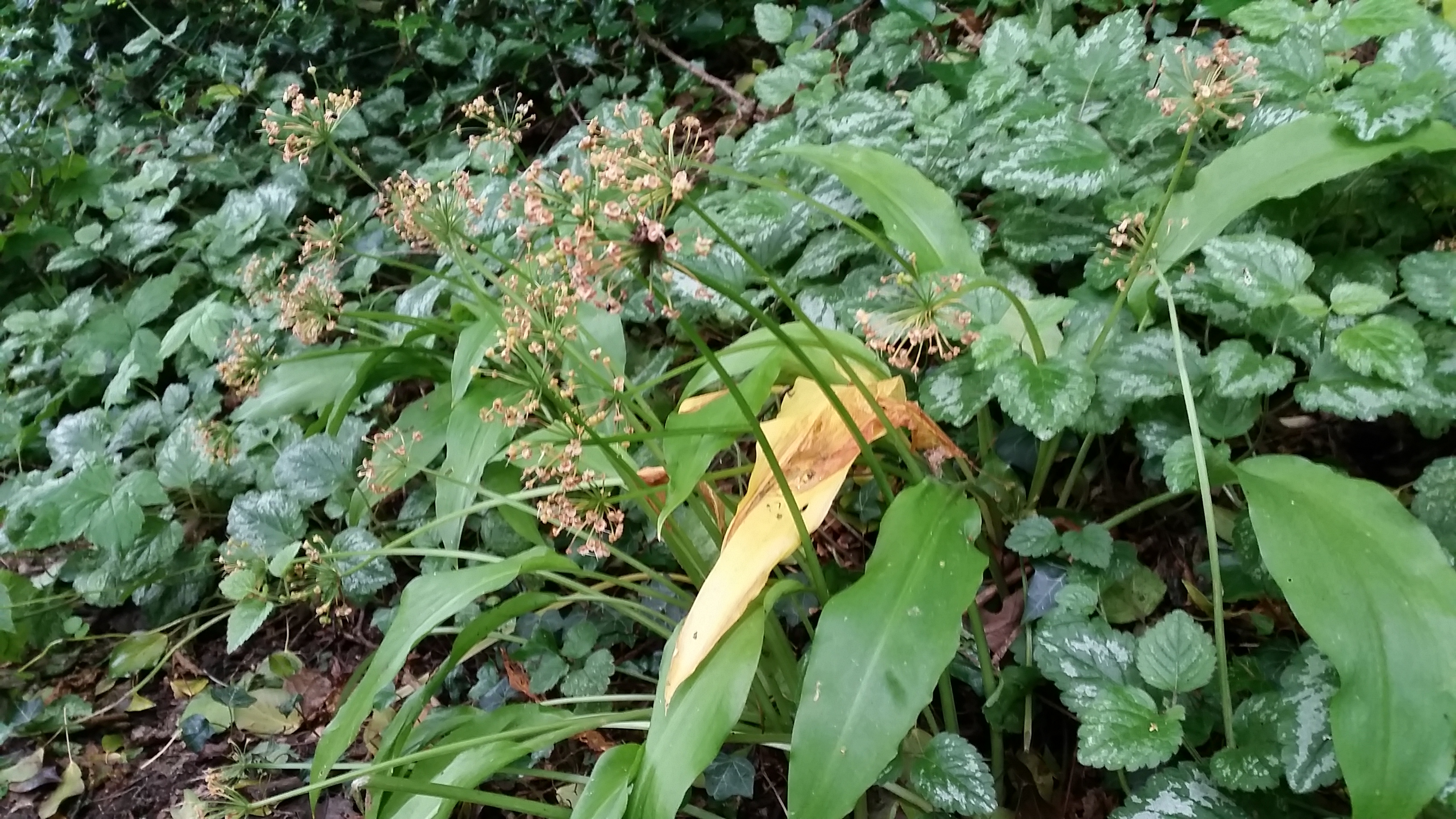
Ramsons in summer: inflorescences and foliage become unsightly, time to prune!

































Comments