Saving your own vegetable seeds is a rewarding practice. Simply because it is both economical and ecological. It is, in a way, a means of closing gardener's cycle: sow, grow, harvest and store seeds to sow again next year. However, if harvest, drying and storage of vegetable seeds are not optimal, disappointment will follow. How to store tomato seeds, how long seeds keep, should seeds be put in the fridge, can seeds be kept in the freezer? Discover our answers and tips to succeed in drying and keeping your seeds for a long time!
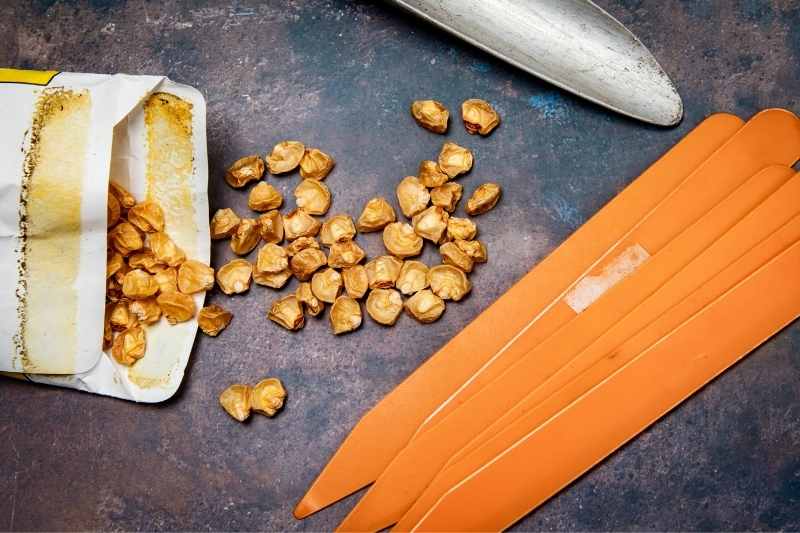
From choice of mother plant to harvest
Quality of future seeds depends directly on quality of plant they come from. This stage is therefore fundamental.
Selecting best plants
- Choose most vigorous, most productive and most disease- and pest-resistant plants during growing season. Remove without hesitation spindly, diseased or poorly performing plants
- Make sure plant matches variety characteristics in terms of colour, shape, size and yield
- When planting, isolate plants intended for seed harvest. Some vegetable species can hybridise with each other. To start, it is best to begin with self-pollinating species such as beans, peas, tomatoes, lettuces, aubergines. A few metres' space is enough. In contrast, squashes, cabbages, beetroots... hybridise very easily.
Right time to harvest
Maturity stage of fruit or flower is key to good seed. It depends on type of vegetable species:
- Fruit vegetables (tomatoes, squashes, cucumbers, peppers): fruits should be left on plant until they reach advanced overripe stage. Beyond usual eating stage. For example, a tomato should be soft and very dark in colour, nearly wilting
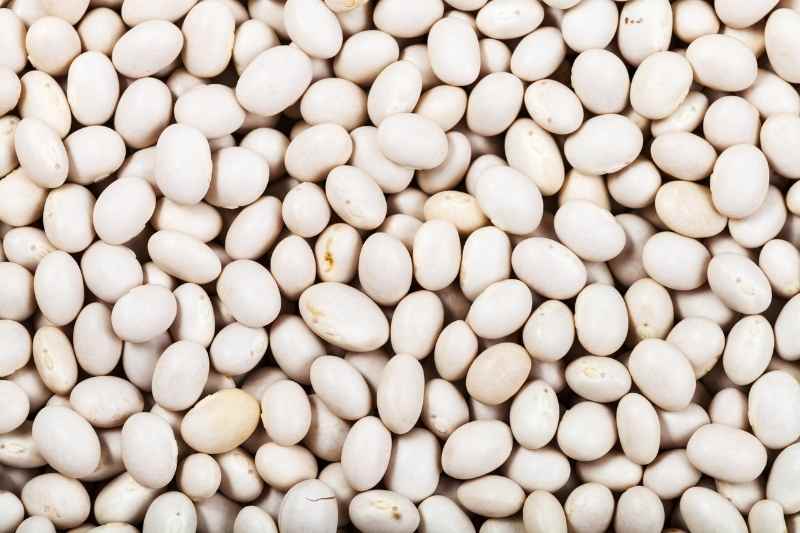
- Seed vegetables (beans, peas): pods should be left to dry on the plant. They should turn brown, become brittle and rattle to the touch
- Leaf and root vegetables: plant must bolt to seed. Flower stalks form and harvest takes place when seeds are dry and brown. Before wind disperses them!
Seed extraction
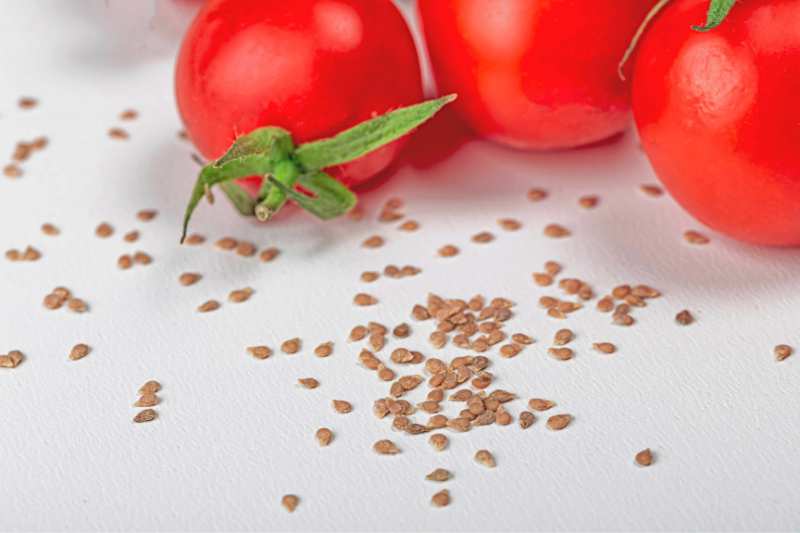
Seeds in pods or capsules are easily extracted by hand by shelling. Simply separate them from small debris and leaves. Other seeds, such as those of tomatoes, cucumbers, melons... are harder to extract because they are surrounded by a gelatinous coating. Here's how to proceed:
- Cut fruit in half and squeeze pulp, seeds and juice into a jar
- Add a little water and cover jar with fine cloth or a non‑airtight lid
- Leave to ferment at room temperature for 2 to 4 days (a layer of white mould may form)
- After a few days, viable seeds sink to bottom of jar while debris, pulp and non‑viable seeds remain on surface. Recover good seeds and wash them several times in fresh water.
Drying seeds
This is perhaps most critical stage, because seeds with high moisture content do not keep and will rot. Aim for very low moisture content, around 5–10%.
- Spread seeds in a thin layer on a breathable surface: a tray lined with paper towel or newspaper, a very fine sieve, fine mesh netting
- Place seeds in dry, well‑ventilated spot out of direct sunlight. Garden shed, well‑ventilated loft, or living room at ambient temperature are all suitable
- Leave to dry for 1 to 4 weeks, depending on species, extraction method and ambient humidity
To check whether seeds are dry, try cracking larger ones with a hammer. They should break cleanly. For small seeds, try to bend them — if they snap, they are dry.
Storing seeds
Once seeds are perfectly dry, aim to keep them in a stable, cool and dry environment to preserve dormancy and seed viability.
Which container for storing seeds?
Container must protect seeds from moisture and pests (insects and rodents). This is essential to store seeds well.
- Papers and cardboards : Kraft paper bags, paper envelopes or cardboard boxes are excellent. They allow seeds to breathe slightly and absorb residual moisture, preventing condensation
- Airtight containers : Glass jars with airtight lids or metal tins can be used only if you are absolutely certain seeds are perfectly dry. Otherwise, any trapped moisture will be fatal.
Labelling
Good labelling is golden rule for seed‑saving gardeners. On each packet you must record species and variety name, year and place of harvest, and germination rate (if tested).
Storage location
Ideal storage location is: cool, dry, dark. Temperature should be stable around 0–10 °C; humidity should be low. Store seeds in darkness, as light can degrade them.

































Comments