Rosemary (Salvia rosmarinus) is a particularly hardy Mediterranean shrub, but it too eventually ages. Over time, its branches become woody, the centre becomes bare and flowering becomes less abundant. To rejuvenate an old rosemary, remove dead or overly old branches gradually, shorten the still-leafy shoots and avoid severe pruning into old wood that lacks foliage. Carried out after flowering, in spring or late summer depending on region, this pruning stimulates production of new shoots and helps maintain a compact habit for many years. Here is how to prune an old rosemary without weakening it, when to intervene and which actions to take to prolong vigour and longevity.
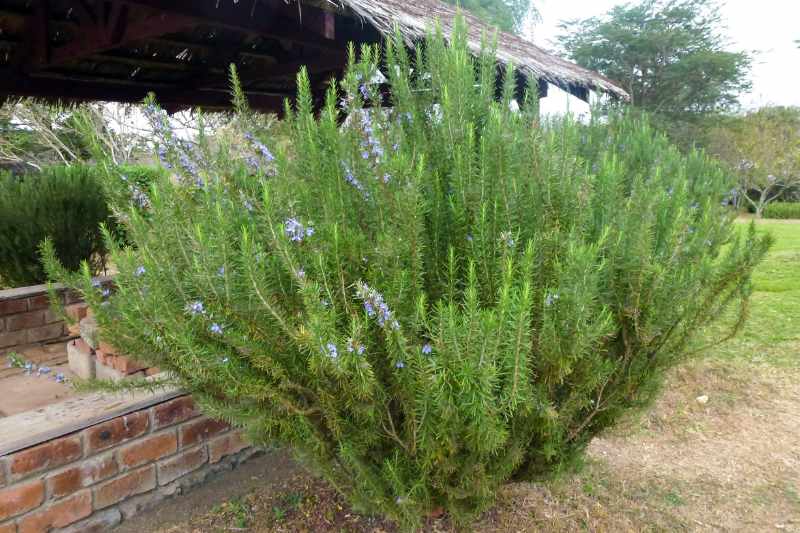
Best practices for pruning old rosemary
| ✅ To do | ❌ To avoid |
|---|---|
| Prune after flowering or in spring | Cut the whole plant back severely |
| Remove dead and bare branches | Cut into completely bare old wood |
| Always leave foliage on pruned stems | Prune back to main trunk |
| Thin progressively over several years | Try to rejuvenate everything at once |
| Use a clean, sharp pruning shear | Damage stems during pruning |
Why does old rosemary need pruning?
Over the years, rosemary develops an increasingly woody base. Branches gradually become bare, new shoots concentrate at the tips of the stems and the shrub gradually loses its compact habit. Flowering may also become less abundant and some branches lengthen to the point of becoming unbalanced or breaking.
Regular pruning helps stimulate foliage renewal, maintain a harmonious silhouette and extend the plant's longevity. It also improves air circulation within the centre of the shrub.
However, this work must be carried out with care. Unlike some shrubs, rosemary does not always reshoot from completely bare old wood. Too severe pruning can therefore compromise recovery. It is better to leave some leafy sections on pruned branches and rejuvenate the oldest specimens gradually, over several seasons if necessary.
When to prune old rosemary?
The best time to rejuvenate old rosemary is just after its main flowering period, generally in spring, between April and June depending on region and variety. The plant then has the whole growing season to produce new shoots and heal its cuts.
In mild climates, a light maintenance pruning can also be done in late summer or early autumn. In contrast, avoid major interventions in winter or during periods of very high heat, which weaken the shrub and slow recovery.
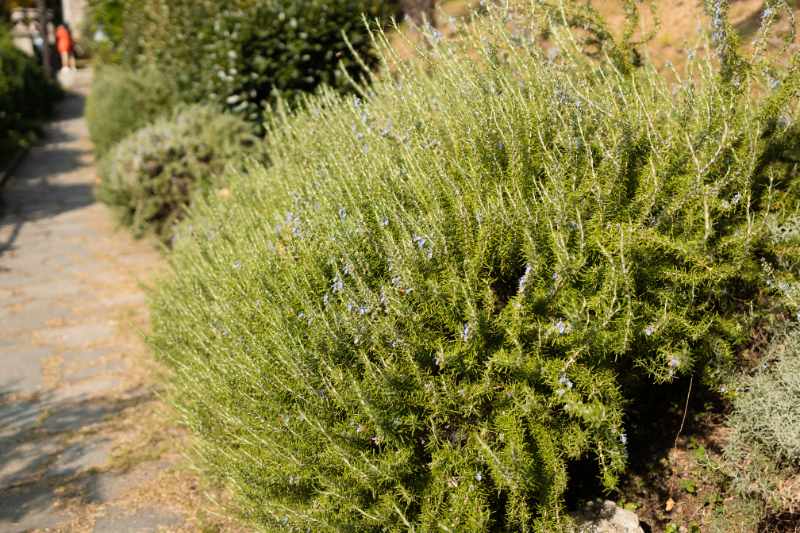
How to rejuvenate old rosemary
An old rosemary is rejuvenated by progressive pruning, always leaving foliage on pruned stems. The aim is to renew growth without cutting into completely bare old wood, which reshoots with difficulty.
- Use a clean, sharp pruning shear.
- Remove dead, dry or damaged branches by cutting them back to their base, as close to the trunk as possible.
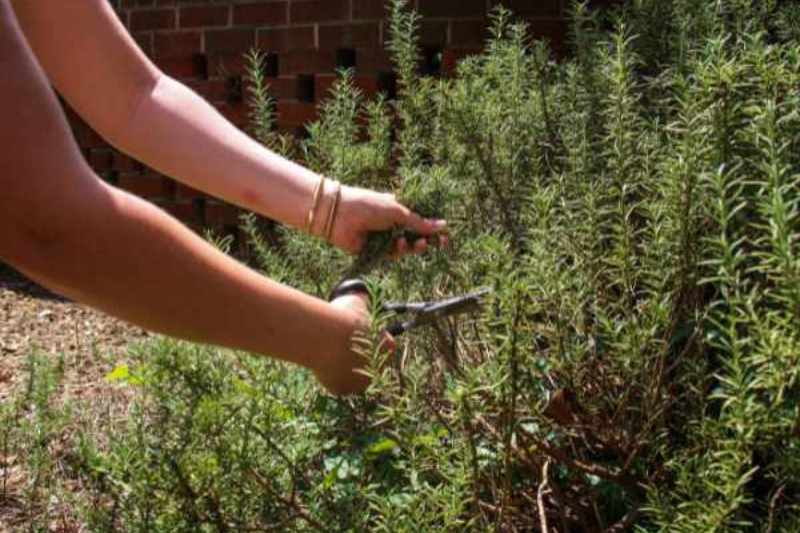
- Shorten the oldest shoots above a young shoot or a leafy growth.
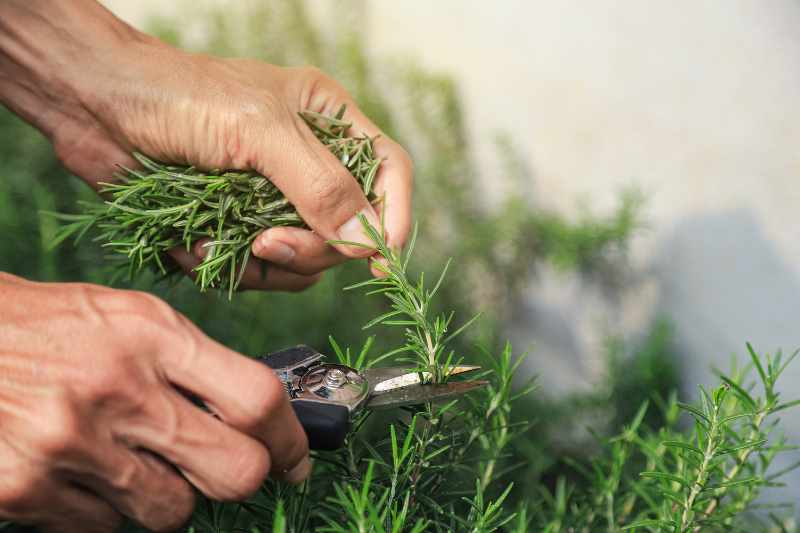
- Lightly thin the centre of the clump to let light in.
- Never prune into completely bare old wood.
- Do not remove more than one third of the plant's volume in a single operation.
- Collect pruning debris from around the base of the shrub to maintain a healthy environment.
- For very old specimens, spread rejuvenation over several years rather than performing a severe cutback all at once.
How to care for rejuvenated rosemary
After a successful rejuvenation pruning, a few actions are enough to encourage recovery and maintain a dense habit for many years:
- Annual maintenance pruning after flowering: lightly shorten young shoots to prevent the shrub from becoming bare again.
- Well-drained soil: rosemary dislikes excess moisture, especially in winter. A light, free-draining soil is essential.
- Little or no fertiliser: avoid excessive fertilisation that favours rapid but weak growth.
- Moderate watering: only water in cases of prolonged drought while the plant rebuilds its foliage after pruning.


































Comments