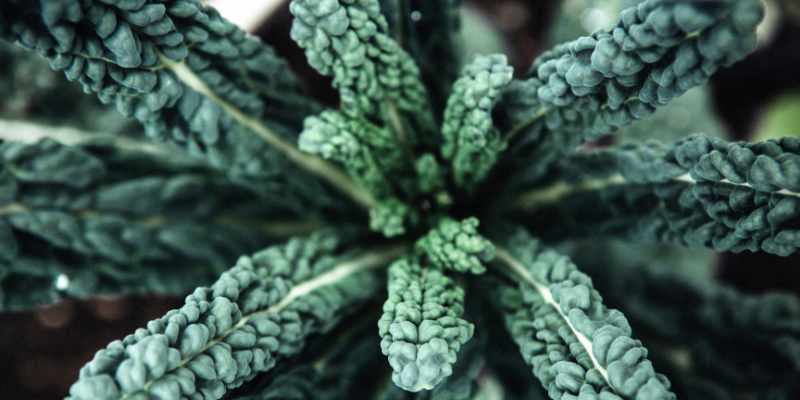
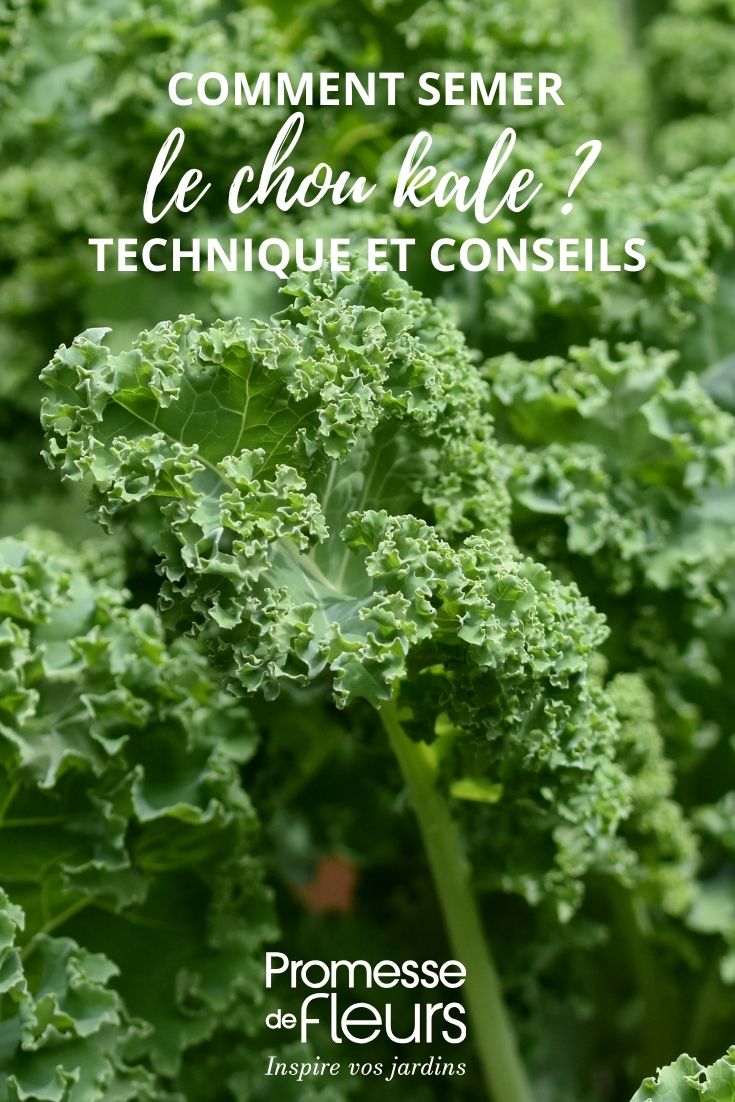
Kale (Brassica oleracea var. sabellica), non-heading, recognisable by its crinkled leaves, is appreciated by many gourmets for its numerous benefits. It is even regarded as a superfood, rich in antioxidants and nutrients.
Want to grow it in your vegetable patch or garden for its ornamental value? Spring is the time to do it! We give you all the tips to succeed with your kale sowings and enjoy its vitamins. Enjoy vitamin-packed kale recipes!
When to sow kale?
For direct sowing outdoors in the vegetable patch:
- From March to June (without protection) for early or mid-season varieties: kale germinates between 15 and 25°C. These sowings allow harvest from summer to autumn, depending on variety. Sowing under cover or in a warm place is possible early on between March and April, with a minimum of 18°C. Plants are then planted out in the vegetable patch (see below).
- Sow late varieties between July and August (only north of the Loire, i.e. cooler regions) for a harvest from autumn to the following spring. These sowings benefit from cooler temperatures to avoid premature bolting (flowering).
Where to sow kale?
- It is a very hardy curly cabbage, so it can be grown by sowing in most regions, even harsh climates, including mountain vegetable patches. It is usually sown outdoors.
- Clay and calcareous soils are suitable, with clay-loam soils ideal for sufficient drainage.
- In full sun or partial shade in hot regions
- In the vegetable patch of course, but also in the ornamental garden, as with globe artichokes, cardoons, etc.
- Good companions: tomato and other cabbages (avoid planting near courgettes, leeks and strawberries).
Requirements
It is a very greedy vegetable: it needs a rich soil, previously amended with well-rotted compost or manure (3–4 kg/m²). This leafy vegetable also has high nitrogen and potassium requirements.
A cool to moist, well-drained soil is essential: it grows well in rainy regions.
How to sow kale outdoors?
Necessary equipment
- kale seeds
- rake or hand fork to prepare and level the soil
- Light substrate or fine potting compost to cover the seeds lightly
- seed sower (optional) to distribute seeds evenly
- Watering can with a fine rose for gentle sprinkling
- Fleece (useful if nights are still cold, for early sowings)
- garden labels: to note sowing date and variety.
Steps
- Prepare soil: ideally in autumn, fork in a generous layer of compost (3–4 kg/m²) to about 5 cm. Before sowing, loosen the area, weed and enrich with compost;
- Sow: make drills 1–2 cm deep, spaced 40–60 cm apart. Place seeds every 5–10 cm, cover with a fine layer of soil and water with a fine spray;
- Germination takes around 7 days, depending on kale variety and weather conditions;
- Thin out: keep one plant every 40–50 cm when they have developed 3–4 leaves.
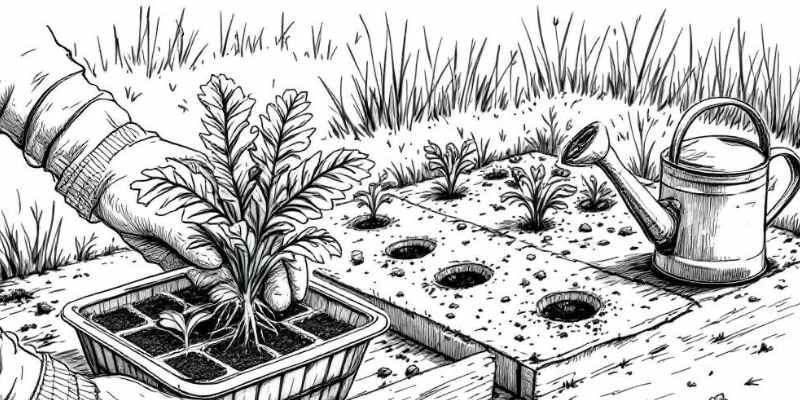
- Mulch to keep soil cool and reduce watering frequency, especially for spring sowings. Ideal mulch rich in nitrogen consists of a fine layer of grass clippings mixed with straw/RCW or dead leaves.
How to sow kale under cover?
Necessary equipment
- kale seeds
- A seed tray or small pots (mini-greenhouse or cold frame for early sowings)
- Light substrate or fine potting compost
- garden labels: to note sowing date and variety.
Steps
- Sow in trays or 2–3 seeds per pot, at 1 cm depth, in a mix of compost and sand;
- Water using a spray bottle;
- Keep at 18–20°C in light (no direct sun if > 25°C);
- Pot on into the ground when plants have 4–5 leaves, spacing 50 cm apart, avoiding burying the stem too deeply, and harden off gradually (leave outside a few hours a day for a week before final planting).
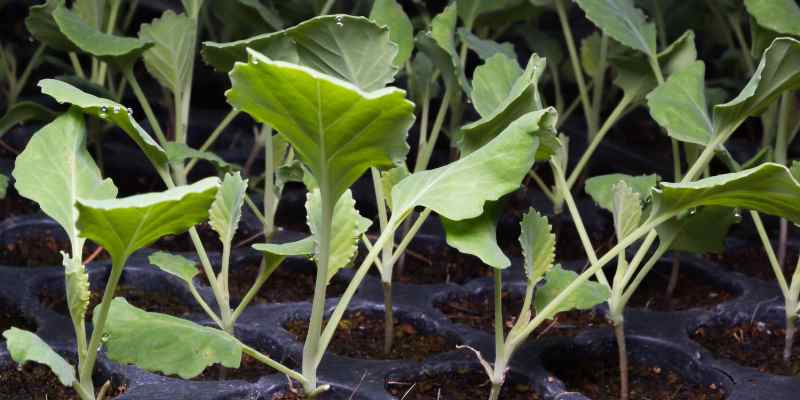
After sowing: care and maintenance of young plants
- Watering: keep regular, avoiding wetting the leaves;
- Mulching strongly recommended to retain moisture and limit weeds;
- Possible protection against slugs by scattering ash, and against aphids with black soap.
- Harvest: pick kale as needed, leaf by leaf from the outer leaves inward, leaving the centre. Young leaves can be harvested from 30 days after sowing, mature leaves from 2–3 months after sowing.

































Comments